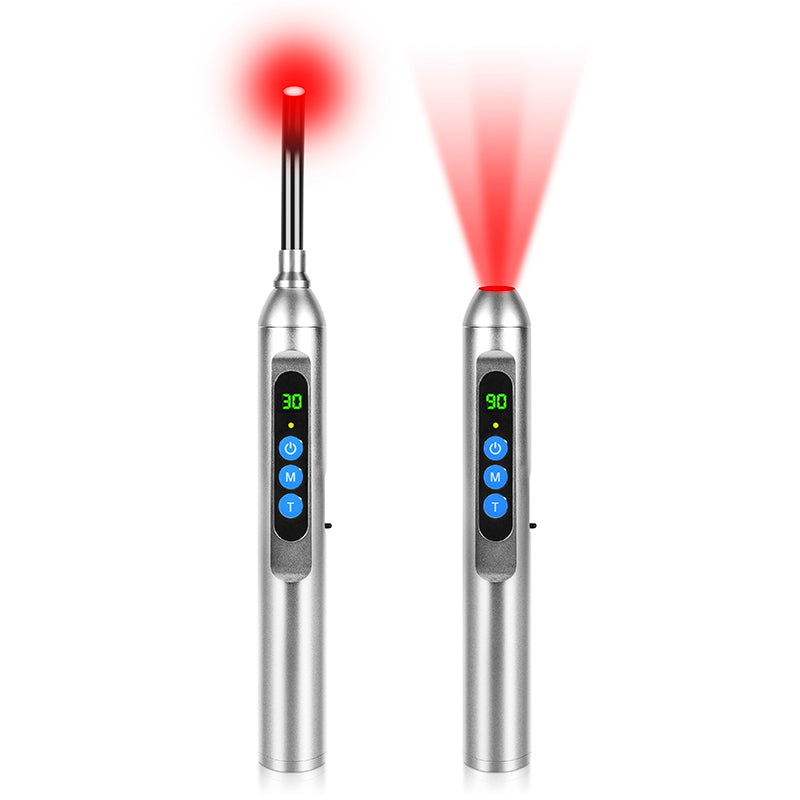

Working on boats is brutal on the body in the best of circumstances. Layer rheumatoid arthritis on top of wet decks, heavy gear, and long seasons, and every haul can feel like sandpaper grinding through the joints. As someone who lives at the intersection of science, pain management, and light-based therapies, I want to walk you through what red light therapy realistically can – and cannot – do for fishermen dealing with rheumatoid pain.
This is not a hype piece. It is a hard look at the evidence around photobiomodulation (red and near‑infrared light), how it interacts with inflammation and pain, and how a fisherman with rheumatoid arthritis might use it safely alongside smart ergonomics and medical care.
Rheumatoid Pain In A Fisherman’s World
Rheumatoid arthritis (RA) is a chronic inflammatory joint disease driven by the immune system. It tends to show up in small joints first – hands, wrists, feet – and often progresses to larger joints like knees and shoulders. The core problem is relentless inflammation inside the joint lining, which leads to pain, stiffness, and over time, structural damage.
Commercial fishing adds a second layer of damage. Research on the West Coast Dungeness crab fleet has shown just how punishing the work is. Over a 25‑year period, one major fishery averaged roughly 16 million pounds of crab per season and employed about 3,200 captains and deckhands across hundreds of permitted vessels. That same fleet is also one of the highest‑risk fishing fleets in the United States, with a reported fatality rate of 310 deaths per 100,000 full‑time equivalent fishermen in one decade, according to analyses conducted using the National Institute for Occupational Safety and Health’s commercial fishing incident database.
Those numbers focus on fatal injuries, but the non‑fatal injuries tell the story RA patients care about. A Fishermen Led Injury Prevention Program survey found that most limiting non‑fatal injuries occurred in deckhands, that over one‑third were sprains and strains, and that nearly three‑quarters were tied directly to gear handling – hauling, lifting, and dumping crab pots. These tasks pack together forceful exertions, awkward trunk and shoulder postures, and repetitive motion.
Now picture doing that with RA. Inflamed hand and wrist joints fighting every rope pull. Shoulders that already ache when you roll out of your bunk suddenly taking the full load of a 90‑pound pot. Knees and hips that stiffen in the cold as you try to keep your balance on a moving deck. The combination of systemic inflammation and mechanical overload is exactly why we need a multimodal strategy: medication, ergonomics, recovery, and, for some, targeted therapies like red light.

Red Light Therapy 101: What It Actually Is
Red light therapy, technically called photobiomodulation or low‑level light therapy, is not a heat lamp and it is not a tanning bed. The science‑backed versions use specific wavelengths of visible red light (about 620–700 nanometers) and near‑infrared light (roughly 800–1,000 nanometers). At those wavelengths, light passes through the skin and into deeper tissues without burning them and without using ultraviolet radiation.
Multiple medical centers, including Cleveland Clinic and MD Anderson Cancer Center, describe the same core mechanism. When these photons hit cells, they are absorbed by structures in the mitochondria, especially an enzyme called cytochrome c oxidase. That absorption triggers several downstream effects. Cells make more adenosine triphosphate, the molecule they use as energy. Nitric oxide is released, helping blood vessels relax and improving microcirculation. Reactive oxygen species and antioxidant systems rebalance. Pro‑inflammatory signaling molecules are dialed down.
The result, in many tissues, is a gentle shift toward better energy production, less oxidative stress, improved blood flow, and reduced inflammatory signaling. That is why photobiomodulation has been studied for wound healing, tendon and joint pain, radiation‑related mouth sores, and skin rejuvenation, and why professional sports teams like the Las Vegas Raiders and Los Angeles Chargers have invested in full‑body light systems to speed recovery and manage pain.
For fishermen, the key takeaway is that this is a non‑invasive, non‑drug modality aimed squarely at the biology that drives rheumatoid pain: cellular stress and chronic inflammation.

Red vs Near‑Infrared Light: Why Both Matter
Different wavelengths penetrate to different depths. That matters if your worst rheumatoid pain is in your finger joints versus your lumbar spine.
Light type |
Approximate range (nm) |
Main tissue depth and typical uses (from clinical and review sources) |
Red light |
About 620–700 |
More superficial penetration, useful for skin, small joints of the hands and feet, and scar tissue |
Near‑infrared light |
About 800–1,000 |
Deeper penetration, better suited for large joints, muscles, and spine |
Clinical and educational sources, including Atria’s red light therapy guide and multiple medical reviews, consistently recommend devices that combine both red and near‑infrared wavelengths. For a fisherman with RA, this combination matters because small joints in the hands and feet and deeper structures like knees, shoulders, and low back are often involved at the same time.
What The Evidence Says About Rheumatoid Arthritis
Red light therapy for arthritis has been evaluated across several reviews and clinical trials, and the pattern is fairly consistent.
A review summarized by WebMD found that red light therapy can be a helpful short‑term treatment for pain and morning stiffness in people with rheumatoid arthritis. The authors noted little benefit for osteoarthritis, but for RA specifically they saw meaningful but time‑limited symptom relief. That is critical: nobody is claiming this reverses joint damage or cures the disease. The effect is predominantly about easing pain and stiffness for a while.
A broader review of low‑intensity laser and LED photobiomodulation for musculoskeletal conditions, published in a medical journal and summarized in the notes, put rheumatoid arthritis alongside other common conditions such as non‑specific knee pain, knee osteoarthritis, fibromyalgia, temporomandibular disorders, and neck or low‑back pain. The authors reported that photobiomodulation can reduce pain and inflammation, with some trials showing patients able to rely less on nonsteroidal anti‑inflammatory drugs and opioids. They emphasized that the treatment is non‑thermal and non‑ionizing and that no adverse effects were demonstrated in the studies they reviewed when appropriate doses were used.
For knee osteoarthritis, a larger meta‑analysis of randomized trials concluded that photobiomodulation, alone or combined with exercise, reduces pain relative to placebo at the end of treatment and at follow‑ups up to several weeks later, provided the energy dose per point is high enough. RA is not the same disease as osteoarthritis, but both share inflammatory pathways and pain mechanisms. That suggests that the anti‑inflammatory and analgesic effects of photobiomodulation are not confined to one specific joint disease.
The RA‑specific data set is still modest. Most studies are small, short‑term, and heterogeneous in their protocols. But across rheumatoid arthritis and related musculoskeletal conditions, patterns emerge. Red and near‑infrared light, at low intensities and carefully controlled doses, can reduce pain and stiffness and help people move more comfortably, at least for days to weeks at a time.
Inflammation, Pain, And Light: Connecting The Dots
Why should a fisherman with RA care about light‑induced changes in cellular chemistry? Because rheumatoid pain is a story of runaway inflammation, and photobiomodulation directly targets inflammatory signaling.
A detailed review on low‑intensity laser and LED therapy for musculoskeletal pain explains that when appropriate near‑infrared light hits nerve and connective tissue, it influences the lipid layers of the nerve cell membrane and shifts how sodium and potassium ions move. This modulates nociceptive fibers that carry pain signals. Simultaneously, mitochondrial function shifts, and pro‑inflammatory mediators like prostaglandin E2, interleukin‑6, and tumor necrosis factor‑alpha are downregulated. In some protocols, analgesia can appear within 10 to 20 minutes and last until cellular structures remodel.
Another educational resource by a light‑therapy expert emphasizes that one of the most reproducible effects of red and near‑infrared light is a reduction in inflammation, including both peripheral inflammation and neuroinflammation in the brain. This occurs through modulation of reactive oxygen and nitrogen species and inflammatory enzymes.
Rheumatoid arthritis is not a simple overuse injury; it is an autoimmune disease. But the chronic pain you feel on the deck when your wrists flare, your knees stiffen on a cold morning, or your shoulders throb after hauling pots is the end result of inflammatory cascades plus mechanical load. Red light does not re‑write your immune system, yet it can take some pressure off those inflammatory cascades and nerve signals.
What We Can Learn From Athletes – And Apply At Sea
If you want a preview of where red light therapy goes in physically demanding jobs, look at professional sports. A clinical overview of photobiomodulation in muscle tissue examined 46 human trials involving over a thousand participants. Many of those trials used red or near‑infrared light before intense exercise as “pre‑conditioning.” When dosing and timing were right, athletes performed more repetitions, lasted longer to fatigue, and showed lower markers of muscle damage, such as creatine kinase, after exercise.
Other trials applied light after exercise and saw faster recovery, less delayed‑onset muscle soreness, and less loss of strength in the days following intense work. Not every protocol worked. Studies with under‑dosed or poorly targeted light often showed no improvement. But taken together, reviewers concluded that photobiomodulation can support performance and recovery when parameters are chosen well.
Separate coverage from a Charleston‑based article highlighted that professional football teams such as the Las Vegas Raiders and Los Angeles Chargers use full‑body red light systems to accelerate healing and recovery and manage joint and muscle pain as part of their training facilities.
A fisherman’s day is not a controlled gym protocol. It is repetitive, heavy, whole‑body work in weather that changes by the hour. But the tissues are the same: muscle, tendon, joint cartilage, and inflamed synovium. The fact that red light has measurable anti‑inflammatory and recovery effects in athletes is a strong signal that it can help fishermen with RA manage soreness and flare‑driven pain between trips and during the season, as long as expectations remain grounded.
Ergonomics On Deck: The Other Half Of The Equation
Light therapy is not a replacement for smart ergonomics. If the physical loads on your joints are sky‑high, you will be chasing pain with any therapy, light included.
A laboratory study of crab pot handling looked at a fishermen‑designed device called a “banger bar.” This is a padded bar mounted on the sorting table, allowing fishermen to tip a pot and strike it against the bar to empty its contents instead of hauling and twisting it through a long arc. Researchers recreated a crab sorting setup based on measurements from multiple vessels and had twenty‑five healthy men handle a crab pot that weighed about 88 pounds and measured roughly 42 inches across. They tested five conditions: no bar, three different heights of a flat bar, and a triangular bar.
Using motion capture, load cells, electromyography, and force plates, they measured trunk flexion, shoulder angles, low‑back and shoulder joint moments, muscle activity, postural sway, and perceived exertion. Across the board, using a banger bar reduced awkward trunk and shoulder angles, lowered forces at the lumbosacral joint and shoulders, decreased muscle activity in the low back and upper extremities, and improved postural stability. The best results came from a bar height of about 60 centimeters, roughly 24 inches, indicating that design details matter.
If you have RA, reducing mechanical strain is non‑negotiable. A well‑placed banger bar, better handling techniques, and realistic limits on shift length are as much “therapy” as any medical device. Photobiomodulation is most effective when the tissues are no longer being overloaded every single haul. Think of ergonomics and red light as complementary: the bar and better techniques lower the load, and the light helps your inflamed tissues cope with what is left.

Building A Red Light Strategy For Fishermen With RA
Let us translate all this research into something you can actually use.
Choosing A Device
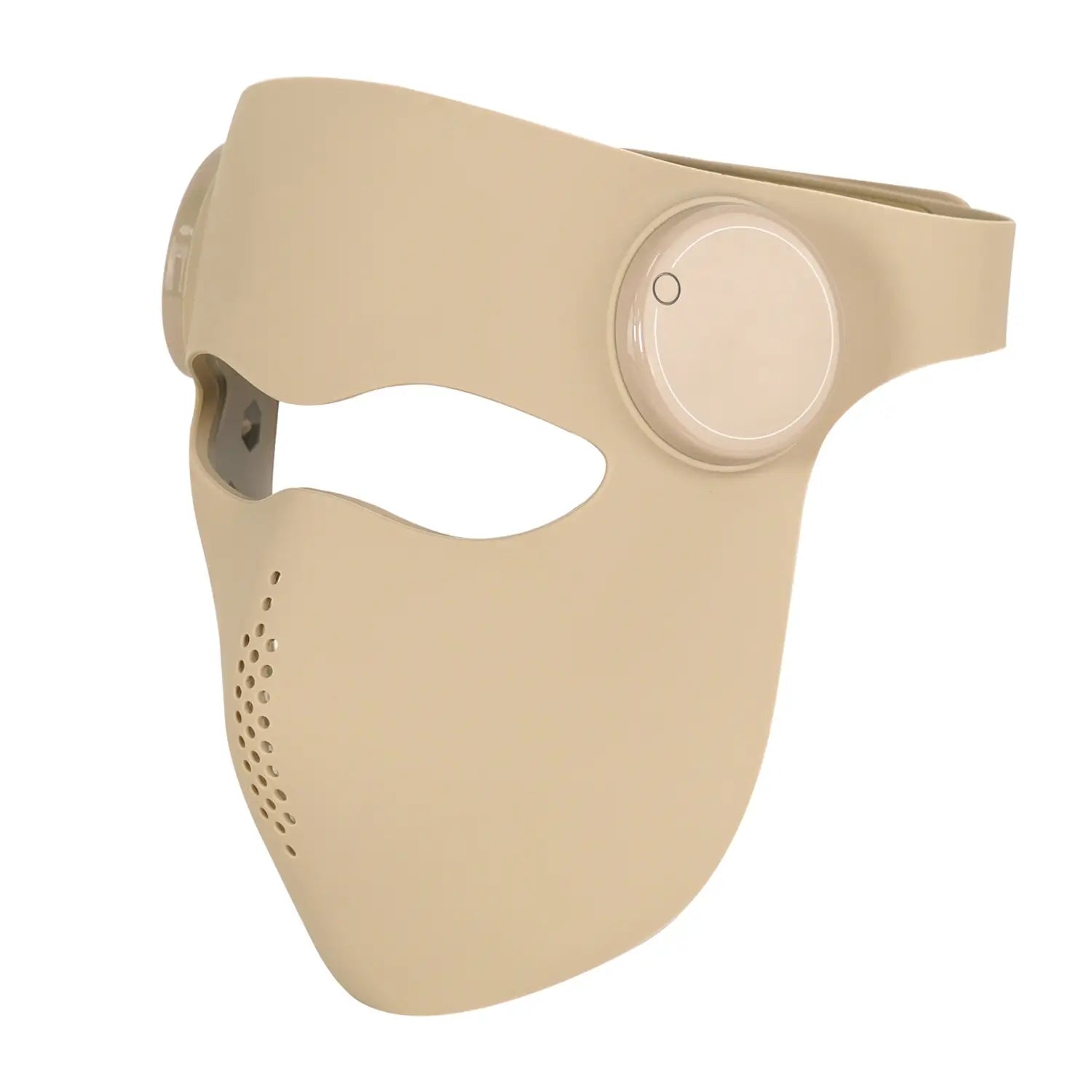
Medical and educational sources converge on a few key features. You want red light in the visible range and near‑infrared in the deeper range, roughly 620–700 nanometers and 800–1,000 nanometers, because these are the ranges that have been studied in clinical and sports settings. Face masks, hand‑held wands, and panels are all common.
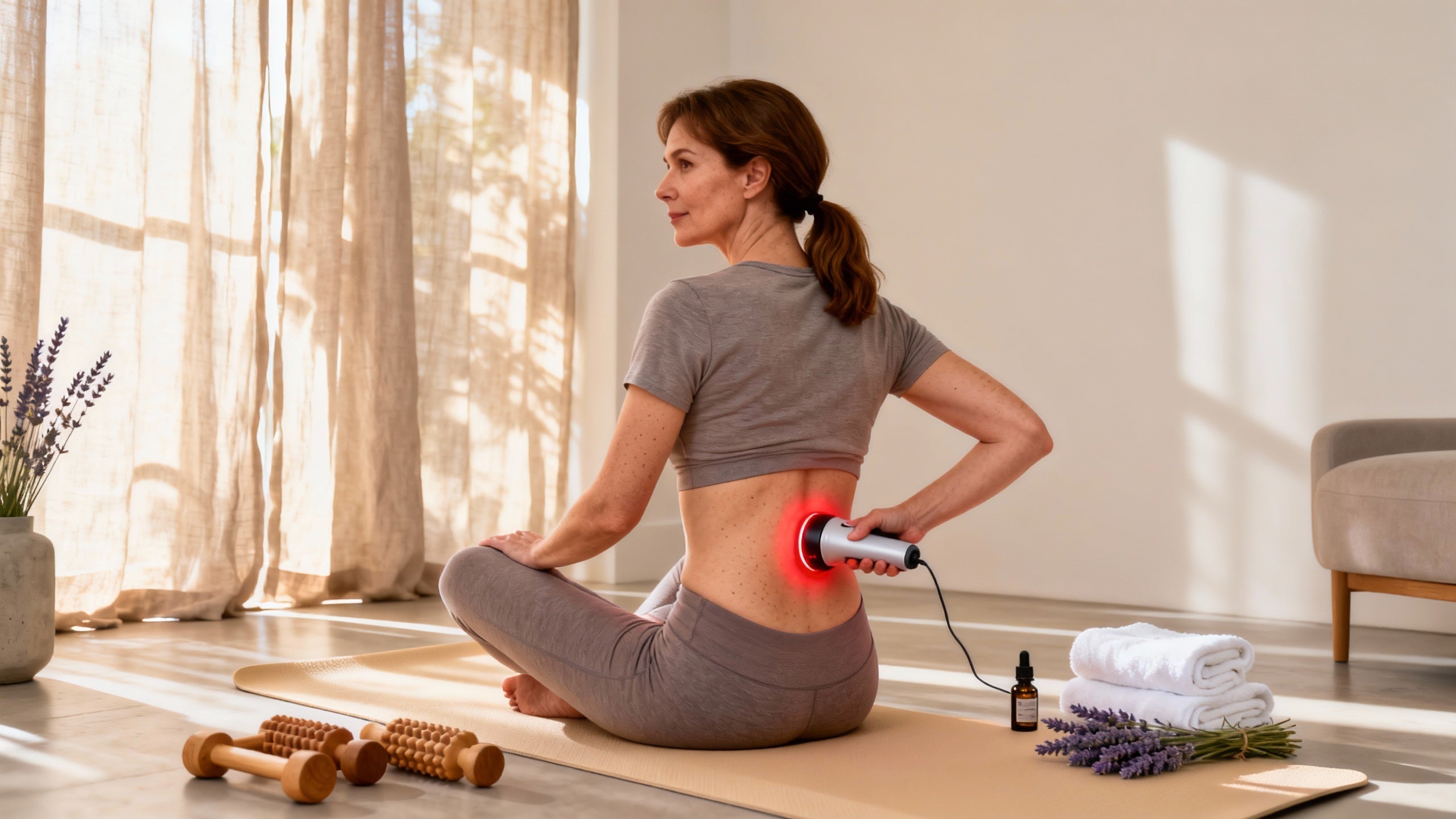
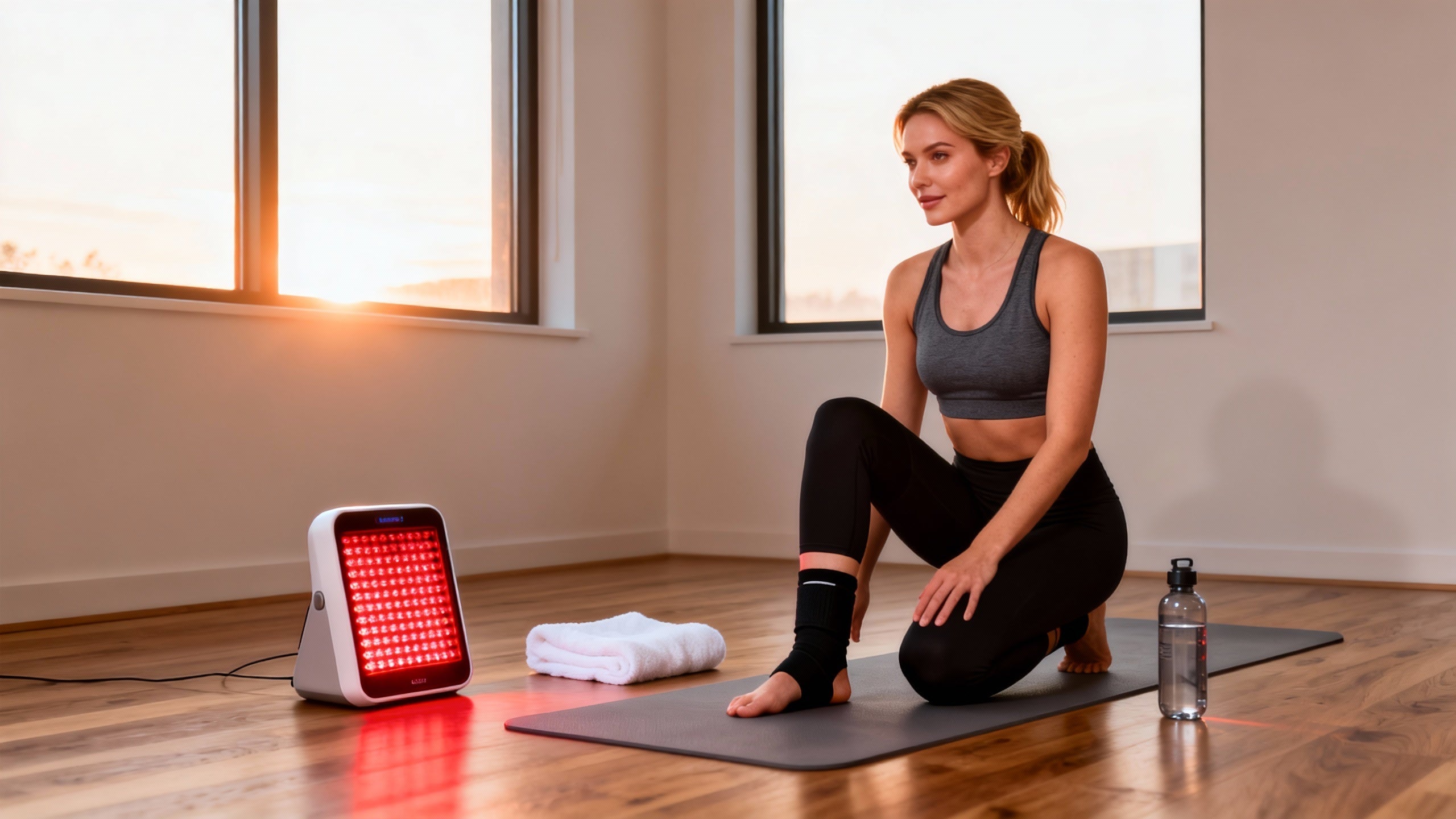
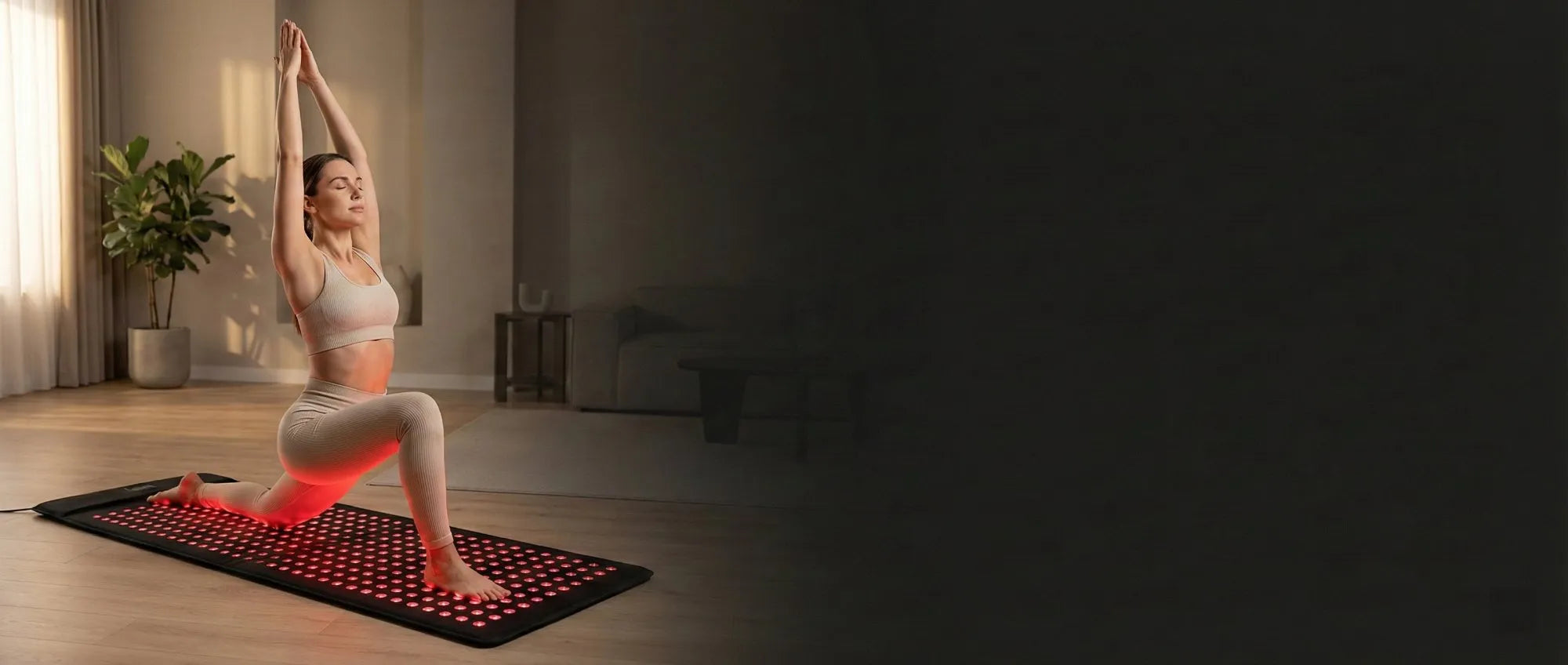
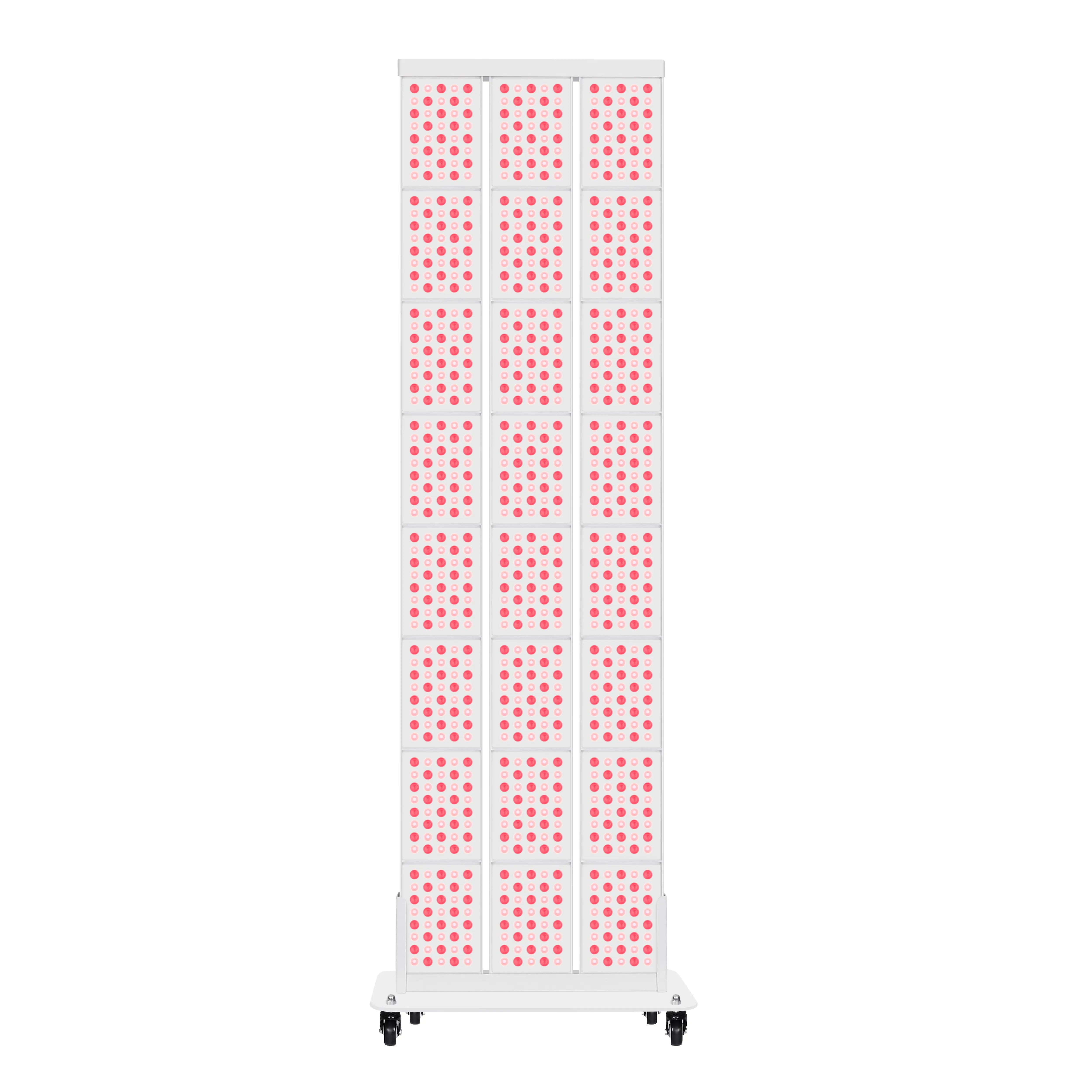
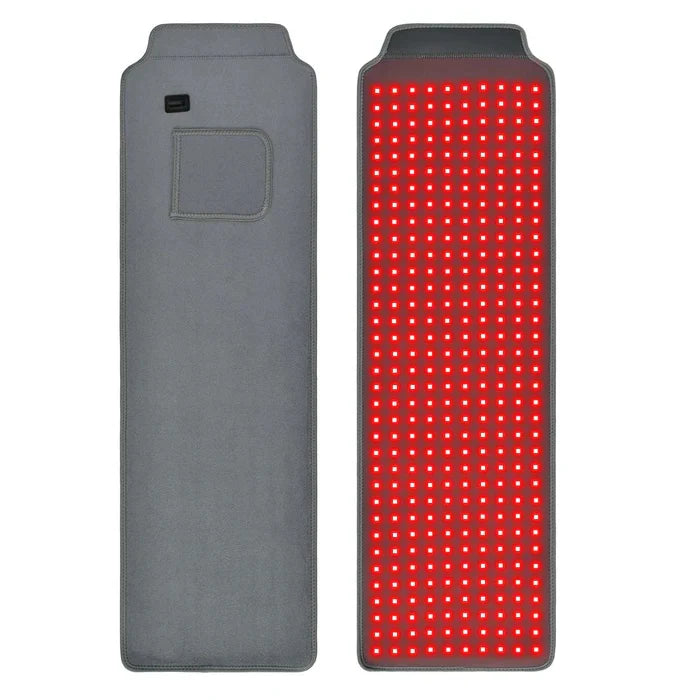
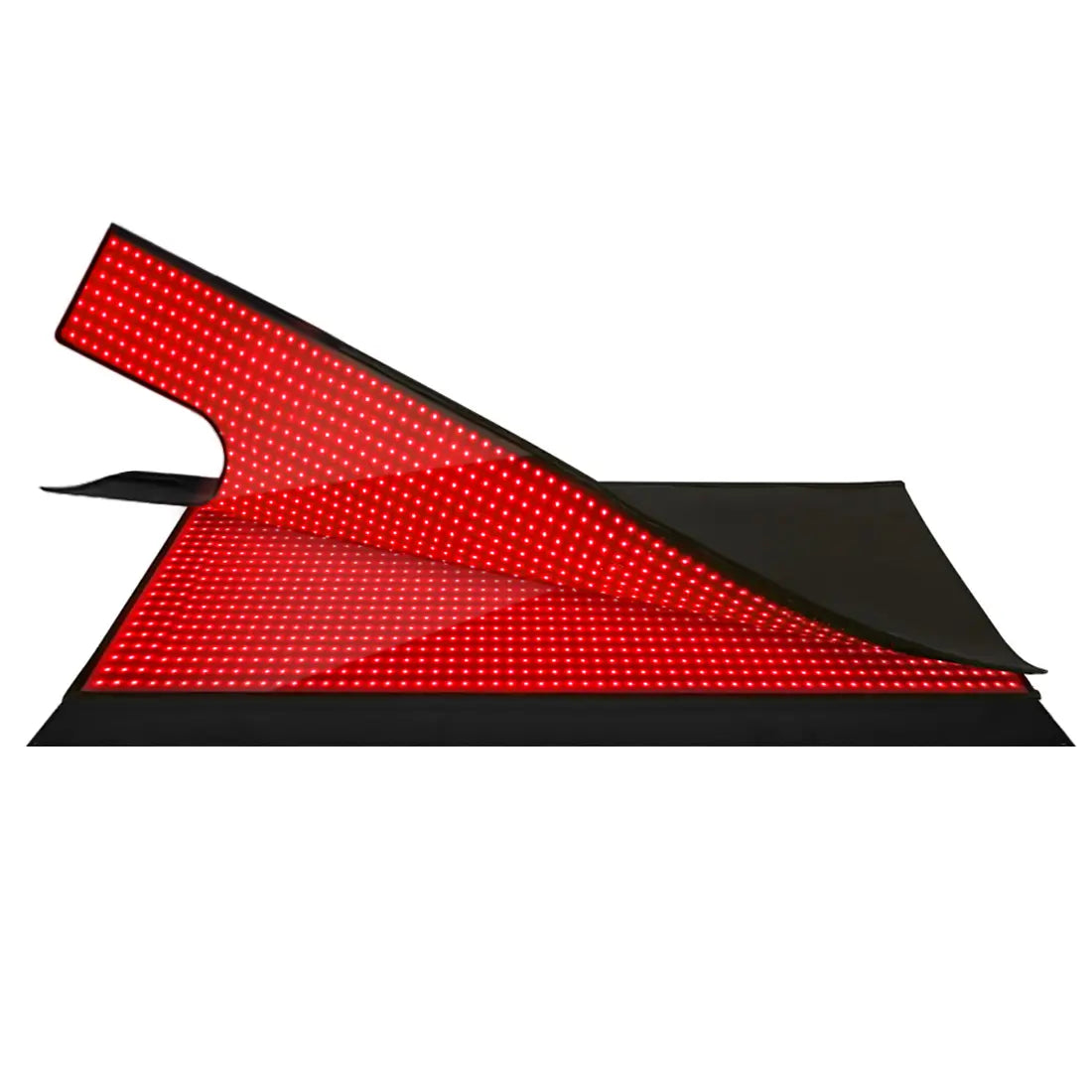
For a fisherman with RA, a small to medium panel or a flexible pad that can cover both hands, wrists, or knees at once is often more practical than a face‑only mask. Larger panels can also target the low back or shoulders. Hand‑held wands are useful for very targeted regions, such as a single thumb joint or a patch of tendon pain.
Major hospital systems note that clinic‑based devices are usually more powerful and better characterized than home devices. At the same time, home devices sold by reputable manufacturers are generally considered safe and can be effective if you are consistent. When in doubt, look for devices that disclose their wavelengths and power output and, ideally, are cleared by the US Food and Drug Administration for safety.
Dosing: The “Goldilocks” Principle
Red light therapy follows what researchers call a biphasic dose response. Too little light does not do much. Too much can actually blunt the benefits or irritate the skin. Atria’s red light guide recommends power outputs around 20 to 100 milliwatts per square centimeter, with typical session durations of five to twenty minutes per body area and distances from the device of about 6 to 24 inches for panels.
The practical way to apply that as a fisherman with RA is to start low and build slowly. For example, you might begin by treating your hands and wrists at a distance of roughly 8 to 12 inches from a panel for five to ten minutes, three to five days per week. After two to four weeks, if your skin is tolerating treatment well and you feel some benefit, you can consider working up to ten to fifteen minutes per area within the manufacturer’s guidelines.
For deeper joints like knees or low back, near‑infrared‑heavy settings and slightly longer exposure times may be helpful, but the same Goldilocks rule applies. The musculoskeletal pain review mentioned earlier found that effective protocols for knee osteoarthritis often used energy doses on the order of several joules per point at specific near‑infrared wavelengths and typically spanned about three and a half weeks of treatment. More is not automatically better.
Timing And Consistency
Photobiomodulation is not a one‑and‑done intervention. Cleveland Clinic and other major centers emphasize that repeated sessions over weeks or months are often needed, and that results fade when treatment stops. Skin and hair studies reviewed by Stanford Medicine show that benefits depend on consistent, long‑term use and tend to disappear when light exposure is discontinued. RA pain relief behaves similarly: helpful while you are in a regular routine, then gradually fading if you stop.
A practical schedule for a fisherman might involve regular sessions during shore days and between trips. For example, you might use red light therapy on hands, wrists, and knees on most non‑fishing days, with quick maintenance sessions on long trips if you have a safe, dry setup in your bunk or cabin. Time of day is flexible. Some people find red light energizing and prefer to avoid it late at night, while others find it relaxing and use it before bed. If your device includes any blue light, keep those sessions to morning or afternoon to avoid disrupting sleep.

Safety And Contraindications You Cannot Ignore
Red light therapy has a remarkably good safety profile when used at medical or research‑grade doses, but “good” does not mean “anything goes.”
Major medical providers and review articles highlight several important points. Red and near‑infrared light used in photobiomodulation are non‑ionizing and non‑thermal at therapeutic levels, which means they do not damage DNA the way ultraviolet light does and they do not burn tissue when used correctly. Short‑term studies have not found serious adverse effects in musculoskeletal applications.
However, overdoing intensity or time can cause problems. An early‑stage clinical trial summarized by WebMD reported that very high doses of red LED exposure can cause redness and blistering of the skin. Eye damage is also possible if powerful lights are directed at the face without protection. That is why clinics routinely use goggles or shields, and why you should never stare directly into a bright panel.
The musculoskeletal pain review and other professional resources advise against using photobiomodulation directly over areas of active carcinoma, over active infections, or over the abdomen and pelvis in pregnant women. People taking medications that increase light sensitivity, those with a history of skin cancer or serious eye disease, and those with photosensitivity disorders should talk to their physician before starting therapy.
For a fisherman, there is an additional layer: your environment. Electrical devices and wet decks are a dangerous pairing. Any home panel or pad should be used in a dry, stable location, not in a damp wheelhouse during a storm. Schedule sessions when you are off the water or in a safe, dry part of the vessel with equipment that is designed for that environment and within the manufacturer’s instructions.

Pros, Cons, And Realistic Expectations For Fishermen With RA
The upsides of red light therapy for rheumatoid pain in fishermen are straightforward. It is non‑invasive and drug‑free, it can be applied to multiple joints at once, and it targets core biological processes that drive RA symptoms: excess inflammation, poor microcirculation, and mitochondrial stress. Reviews across rheumatoid arthritis, knee osteoarthritis, fibromyalgia, and regional pain conditions indicate that properly dosed photobiomodulation can reduce pain, improve function, and in some cases lower reliance on pain medications.
There are also side benefits. The same wavelengths used for joint pain have been shown in clinical studies to support wound healing, reduce radiation‑induced mouth sores in cancer patients, and improve skin quality by boosting collagen. For crew who take a beating from sun, salt, and cold, that is not trivial.
The downsides are equally important. Evidence specifically in RA is promising but limited. Most trials are small and short‑term, and not all protocols work. Photobiomodulation does not stop the autoimmune process or prevent long‑term joint damage. It is a symptom‑management tool, not a disease‑modifying drug.
Cost and logistics matter. University Hospitals and WebMD both emphasize that red light therapy is often not covered by insurance. Clinic sessions can run around eighty dollars or more each, and effective treatment usually requires multiple visits per week over several weeks. Home devices range from under a hundred dollars to many hundreds or thousands of dollars depending on size and power. For a working fisherman, that investment needs to be weighed against likely symptom relief, season length, and alternative uses of that money for other recovery tools.
Finally, red light therapy must never replace your rheumatologist’s treatment plan. Disease‑modifying antirheumatic drugs, lifestyle changes, and ergonomic modifications are the foundation. Light is an adjunct. Used intelligently, it can make hauling, shooting, and sorting more bearable and reduce flare‑related misery between trips, but it is one tool in a larger toolbox.
Putting It All Together
If you fish for a living with rheumatoid arthritis, your body is doing hard labor under tough biological conditions. The science on red and near‑infrared light is clear on a few key points: it can reduce inflammation and pain, it can help tissues recover from heavy use, and it is generally safe when dosed correctly and integrated into a broader plan. It is not magic, and it does not give you a new set of joints, but it can give your current ones a better fighting chance.
Combine smart ergonomics on deck, evidence‑based medical care, and a disciplined red light routine on shore days, and you transform light from a trendy gadget into a strategic ally in keeping you strong enough to work the next season – and enjoy the years after you leave the sea.
References
- https://pmc.ncbi.nlm.nih.gov/articles/PMC12489901/
- https://med.stanford.edu/news/insights/2025/02/red-light-therapy-skin-hair-medical-clinics.html
- https://www.mainlinehealth.org/blog/what-is-red-light-therapy
- https://www.mdanderson.org/cancerwise/what-is-red-light-therapy.h00-159701490.html
- https://atria.org/education/your-guide-to-red-light-therapy/
- https://my.clevelandclinic.org/health/articles/22114-red-light-therapy
- https://www.uhhospitals.org/blog/articles/2025/06/what-you-should-know-about-red-light-therapy
- https://www.physio-pedia.com/Red_Light_Therapy_and_Muscle_Recovery
- https://www.insidematters.co.nz/post/red-light-therapy-for-injuries-and-pain-how-it-works-with-the-best-protocol-for-recovery
- https://deeplyvitalmedical.com/red-light-therapy-for-muscle-spasms-a-scientific-overview-of-potential-benefits/