
A shared recovery space should feel simple to use, even on busy days. A large panel can make red light therapy easier for couples, families, athletes, and wellness-focused households, but the setup has to fit real routines. Size, placement, controls, and movement space all shape the experience. When those details work together, full-body red light therapy becomes less of a special appointment and closer to a steady home habit.
Why Shared Spaces Change the Way You Choose a Large Red Light Therapy Panel
A personal device only has to fit one person’s height, schedule, and comfort level. A shared setup has a bigger job. In the same household, different people may use the panel for different routines:
- Post-workout recovery after strength training
- A calm evening wellness session
- General skin appearance support
- Targeted exposure for areas such as the back, knees, shoulders, or legs
That is why size alone should not guide the choice of a large red light therapy panel for a shared room. The better choice is the one people can use regularly without moving furniture, adjusting cords, or dealing with a complicated setup.
For home use, many panels combine visible red light and near infrared light. Common wavelengths include 660 nm red light and 850 nm near infrared light. Red light is often used in surface-focused routines, while near-infrared light can reach beyond the most superficial skin layers. The overall experience depends on several factors, including wavelength, irradiance, distance, session length, and consistency.
A shared space also needs a clear wellness purpose. A home red light therapy panel can support relaxation, post-exercise routines, and general recovery habits, but it should not be treated as a replacement for medical care. People with light sensitivity, eye conditions, pregnancy concerns, or medications that increase photosensitivity should seek professional guidance before adding a new light-based routine.
Choose Panel Size Around Your Full Body Red Light Therapy Routine

Room size matters, but body position matters even more. A panel in a spare bedroom, garage gym, yoga corner, or recovery nook has to match the way people stand, sit, stretch, and rotate during a session.
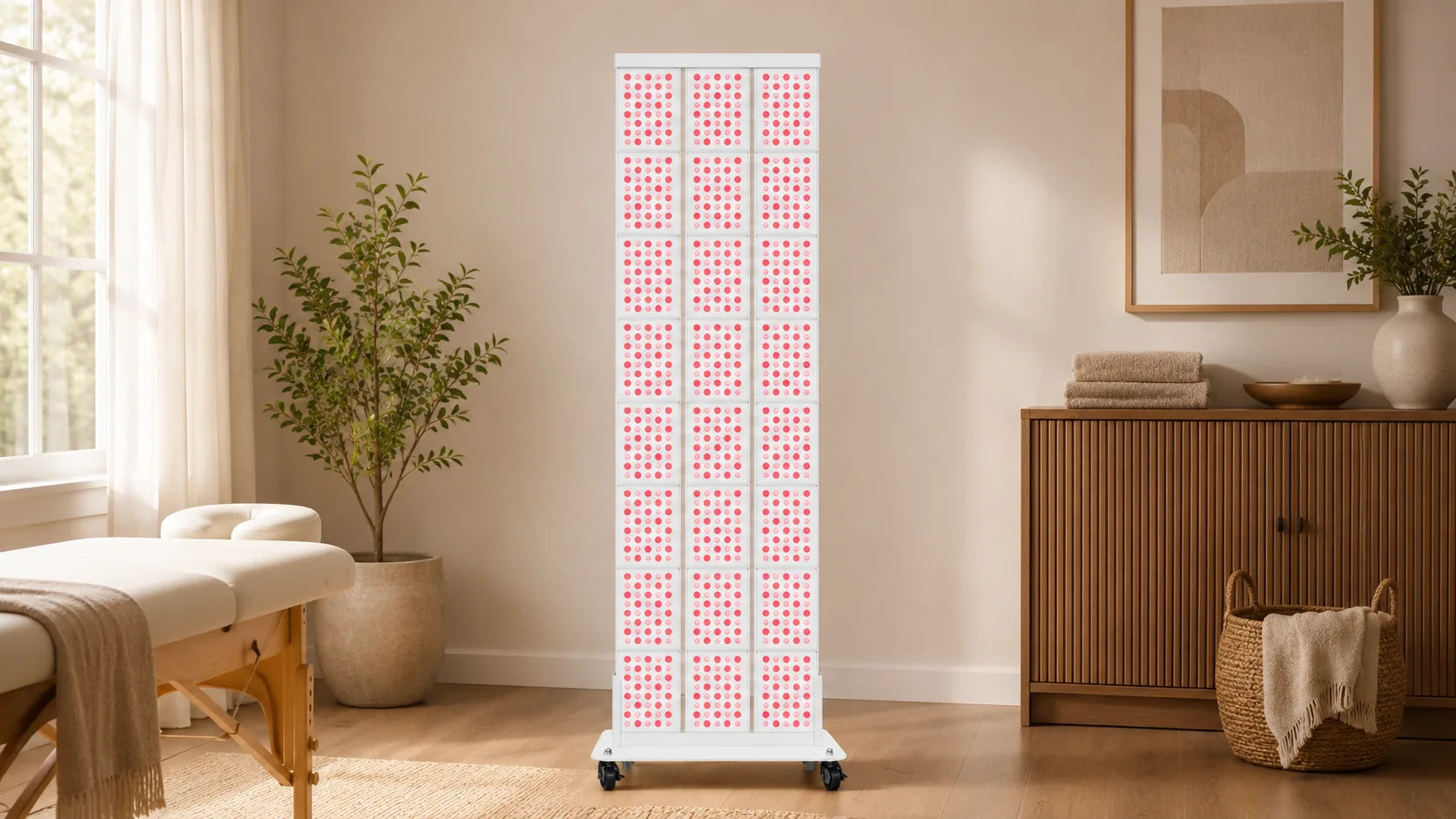
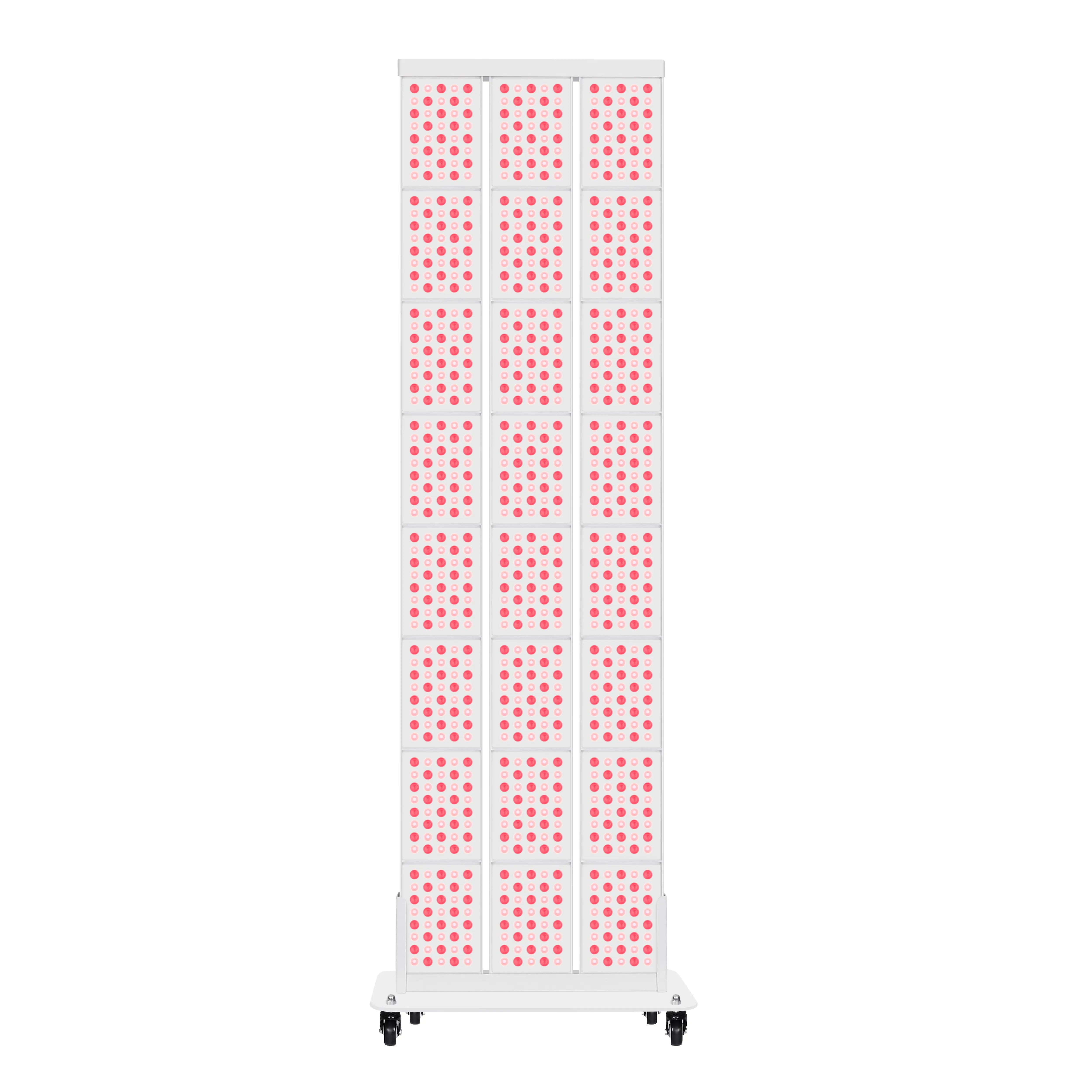
For full-body red light therapy, vertical coverage is especially important. A tall panel can cover the upper body and lower body in a standing position with fewer adjustments. A medium-sized panel may still work well if users mainly focus on the face, torso, lower back, thighs, or calves in separate sessions. The key is to match the panel to the routine people will repeat.
A household that uses the space after workouts may need enough clearance for standing exposure, light stretching, and easy walking paths. A bedroom setup may need a quieter footprint, simple controls, and a position that does not create glare toward the bed. A living space may need a movable option that can be rolled away after use.
What to Measure Before Buying a Large Panel
Before choosing a red light full body panel, measure the real use zone, not the entire room. Check these details:
- The open floor space in front of the panel
- The distance needed between the body and the device
- The height range of the people using it
- The location of nearby outlets
- The path people use to enter and leave the room
- The space needed for a mat, chair, bench, or exercise bike
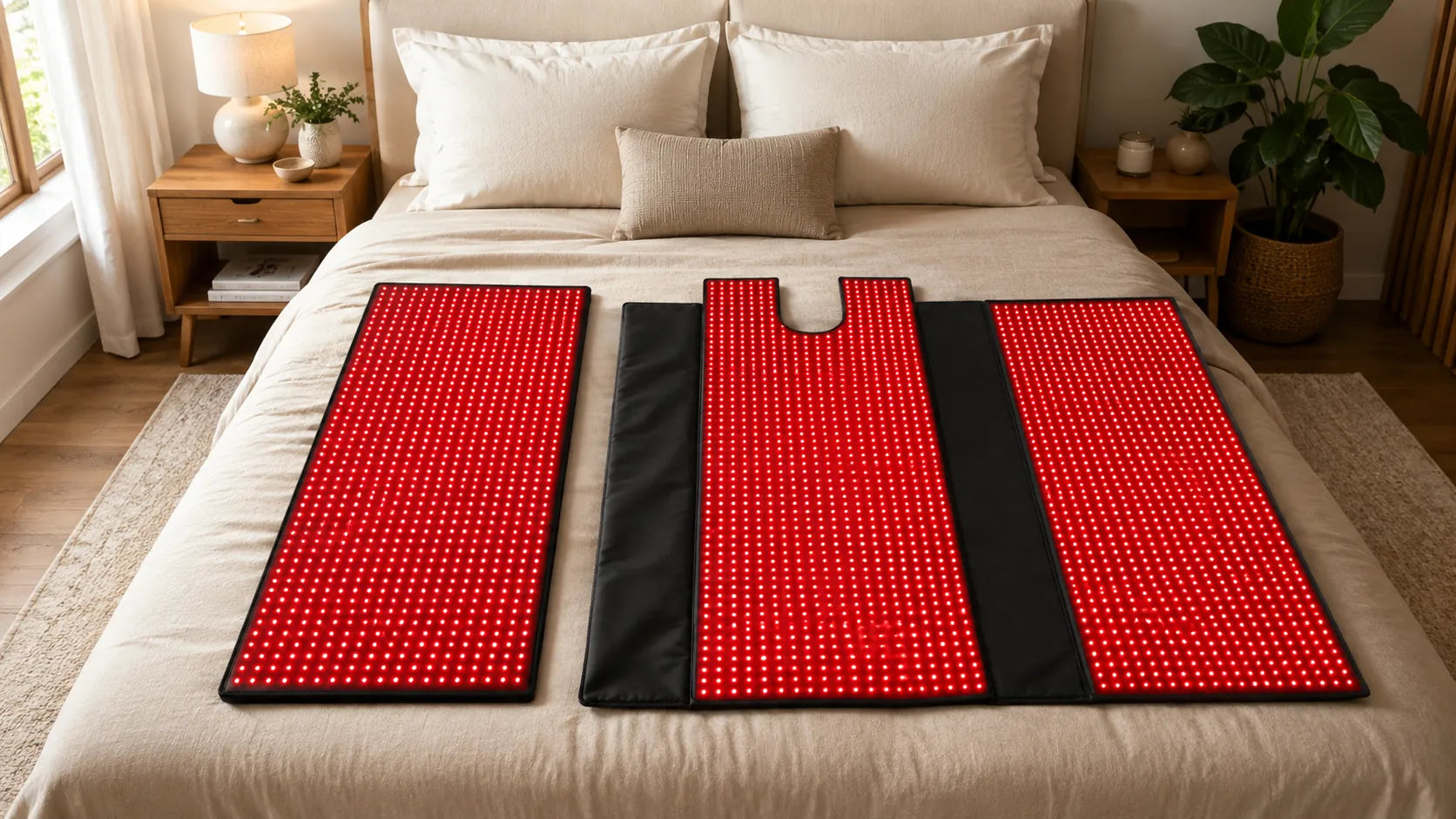
For full-body red light therapy at home, the goal is smooth coverage with minimal repositioning. A tall panel can support a standing routine. A panel on a mobile stand can serve different users, different heights, and different session styles. For size planning, the YOULUMI IRP010-05L 1500W Red Light Therapy Panel and YOULUMI IRP010-06L 1700W Red/NIR Light Panel offer helpful examples of tall, full-body panel formats that use 660 nm red light and 850 nm near infrared light.
Where to Place a Red Light Full Body Panel for Easier Daily Use

Placement often decides how often the setup gets used. A panel stored behind boxes or placed in a crowded corner may look fine on paper, but people avoid routines that require extra effort. The most useful location is easy to reach, easy to power, and easy to return to again tomorrow.
A good placement choice balances power access, body clearance, comfort, and household flow. Keep the panel close to an outlet, but avoid doorways, narrow walkways, and busy family zones. Leave enough space in front of the device so users can follow the recommended distance. Also, leave side space for turning the body or stepping away comfortably.
Light direction deserves attention in a shared room. A panel aimed toward a sofa, bed, mirror, or television can bother other people. A better setup points the light toward a defined recovery zone, such as a mat, bench, open wall, or gym corner. Eye comfort is also important. Bright panels should be used according to the device instructions, and protective eyewear is a smart habit when the face or eyes may be exposed.
Best Placement Zones for Shared Homes
| Placement Zone | Why It Works | What to Watch |
| Home gym corner | Fits naturally after training | Keep cords away from equipment paths |
| Bedroom wall | Supports a calm evening routine | Avoid aiming light toward the bed |
| Spare room | Easy to create a dedicated station | Prevent clutter from taking over |
| Yoga or mobility area | Pairs well with stretching | Keep mat space open |
| Dressing area | Useful for skin appearance routines | Check airflow and spacing |
The best location is one people do not have to think about. When the panel has a clear home, red light therapy becomes easier to repeat.
Why Faster Adjustments Matter in a Multiuser Red Light Therapy Setup
Shared equipment has to adapt quickly. Different users have different heights, goals, and comfort preferences. One person may raise the panel for shoulders and upper back. Another may lower it for knees or calves. A third person may prefer a seated position after a long day.
Fast adjustments reduce friction. If a user has to loosen several parts, drag a heavy panel, or reset the angle every time, the routine feels like work. A full-body red light therapy setup becomes easier to share when height, tilt, and position can change smoothly.
This is where a strong stand can make a meaningful difference. A mobile stand with a gas lift, swivel, tilt, and locking wheels can help one setup support standing sessions, seated sessions, and targeted exposure.
Adjustment Features That Matter in Real Homes
Look for features that solve daily problems:
- Height control for users of different sizes
- Tilt for seated and standing positions
- Wheels for moving the panel between nearby zones
- Locking casters for stability during sessions
- Simple controls for timer and light settings
- A sturdy base that feels secure during use
These details may seem small during shopping, but they shape daily behavior. In a shared recovery space, convenience is part of the value.

How to Create a Natural Flow for Full Body Red Light Therapy at Home
A shared setup works best when every step feels obvious. People need to know where to stand, how far to position themselves, where the eyewear is stored, how to set the timer, and how to leave the space ready for the next person.
A natural flow has three parts: preparation, session, and reset. Before the session, the user clears the area, checks the distance, chooses a timer, and uses eye protection when appropriate. During the session, the body position should feel stable and relaxed. After the session, the panel is turned off, accessories go back to the same place, and the floor stays clear.
For full-body red light therapy at home, consistency matters. Longer sessions or higher intensity settings are not automatically better. Good use means following the device manual, respecting the recommended distance, and choosing a schedule that feels sustainable. Skin should not feel overheated, and discomfort is a reason to stop and reassess.
A Simple Shared Routine
A practical shared routine can look like this:
- Keep the panel near a mat, bench, or open wall.
- Store goggles, remote, and small accessories in one basket.
- Choose the timer before stepping into position.
- Adjust height or tilt for the target area.
- Finish the session, turn off the panel, and clear the space.
This kind of flow keeps the space calm. It also helps each person use the panel without needing help from someone else.
Final Thoughts on Large Panel Setups
A large panel can be a smart choice for a shared home recovery space, but the room has to support the routine. The right setup combines useful coverage, safe spacing, easy controls, quick adjustments, and a placement that fits daily life. When those pieces are in place, red light therapy feels less like extra work and more like a simple wellness habit people can return to consistently.
FAQs about Red Light Therapy
Q1. How Often Should You Use Full Body Red Light Therapy at Home?
Most people use full-body red light therapy at home about 3 to 5 times per week. Session length depends on panel strength, distance, and comfort level. Follow the device manual first, then adjust gradually based on skin response and routine consistency.
Q2. Can Red Light Therapy Work Through Clothing?
No, direct skin exposure is usually better. Fabric can absorb, scatter, or reflect some red and near infrared light, which may reduce how much light reaches the target area. For the most efficient session, expose the area being treated.
Q3. Should Skin Be Clean Before a Red Light Therapy Session?
Yes. Clean, dry skin helps light reach the target area without unnecessary barriers. Heavy lotions, thick oils, makeup, and sunscreen may affect light contact with the skin. Apply skincare after the session unless the device instructions say otherwise.
Q4. Can You Overdo Red Light Therapy?
Yes. Longer sessions or higher intensity settings are not automatically better. Too much exposure may cause discomfort, redness, irritation, or other unwanted skin reactions. A steady, moderate routine is usually more practical than pushing session time too far.
Q5. How Long Does It Take to See Results From Red Light Therapy?
Most users should think in weeks, not days. Skin appearance, workout recovery, and general wellness goals may respond at different speeds. Consistent use over several weeks gives the body a better chance to respond than occasional long sessions.