
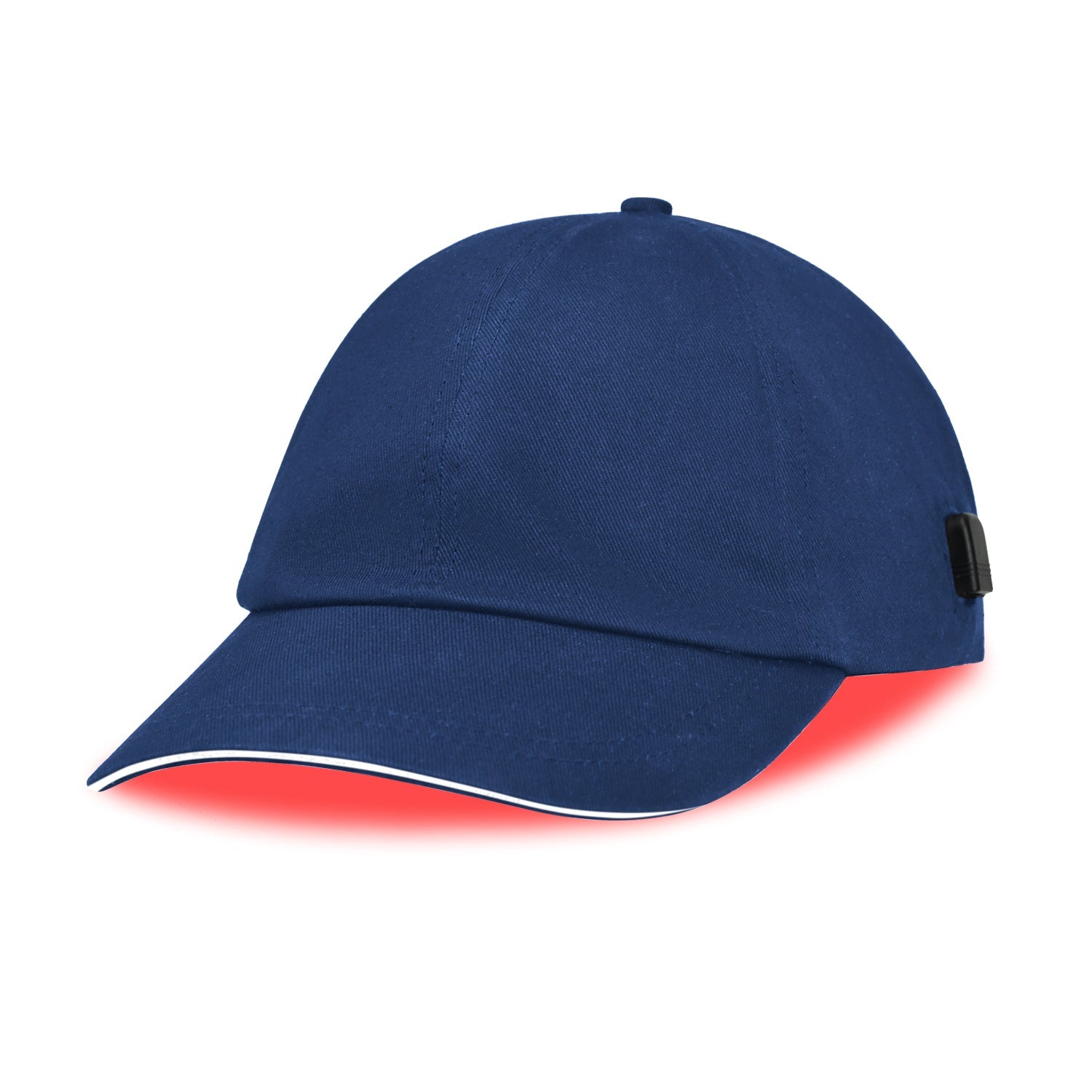
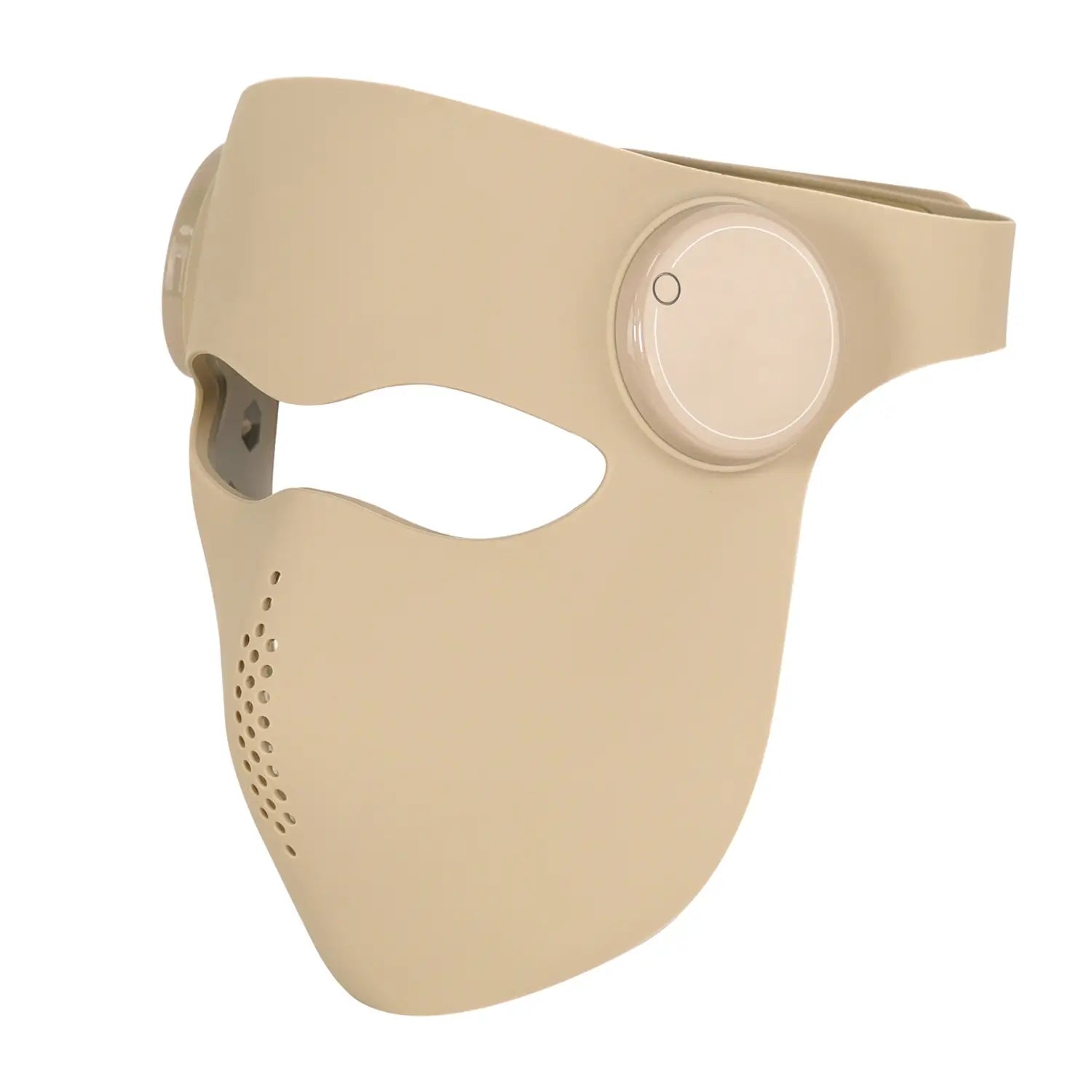
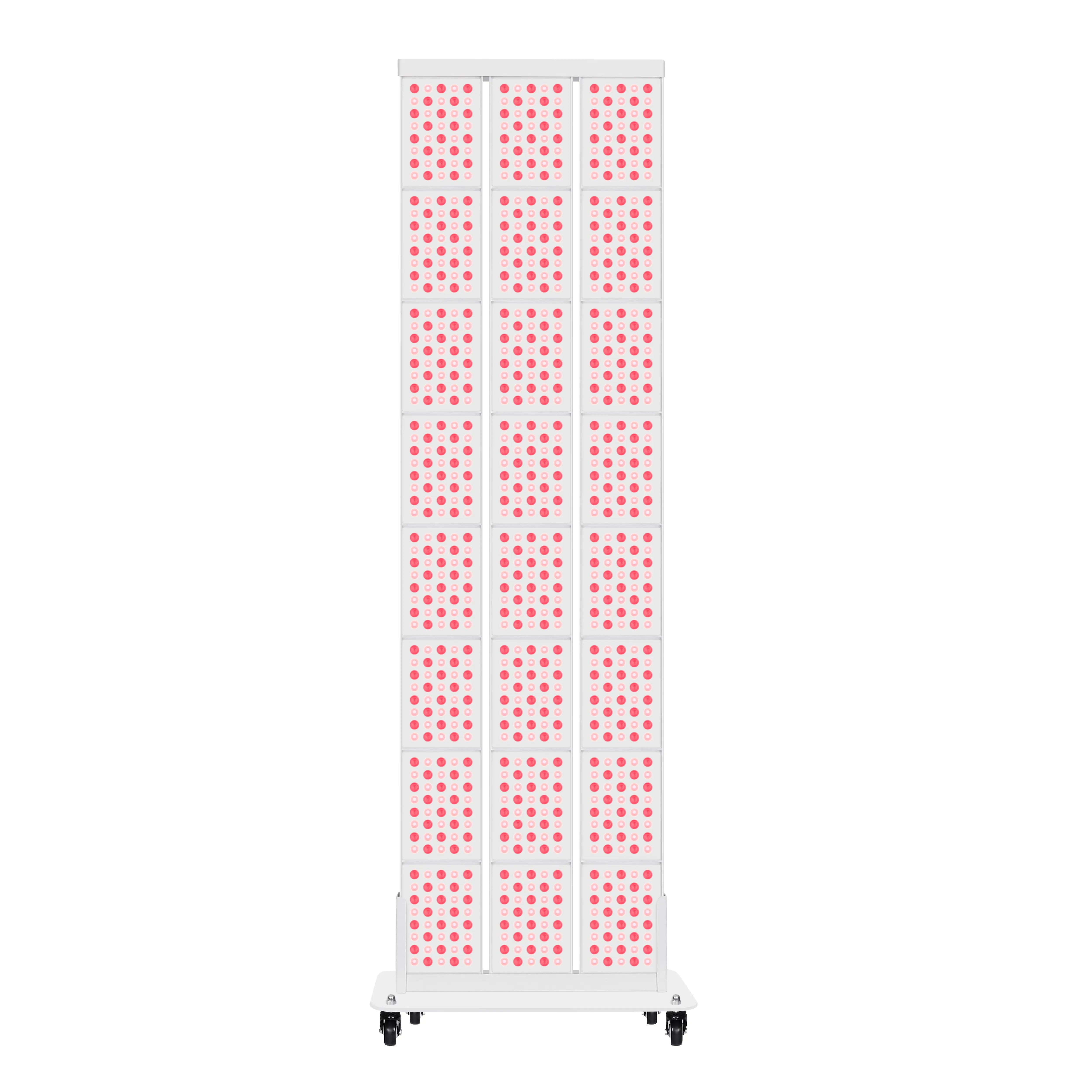
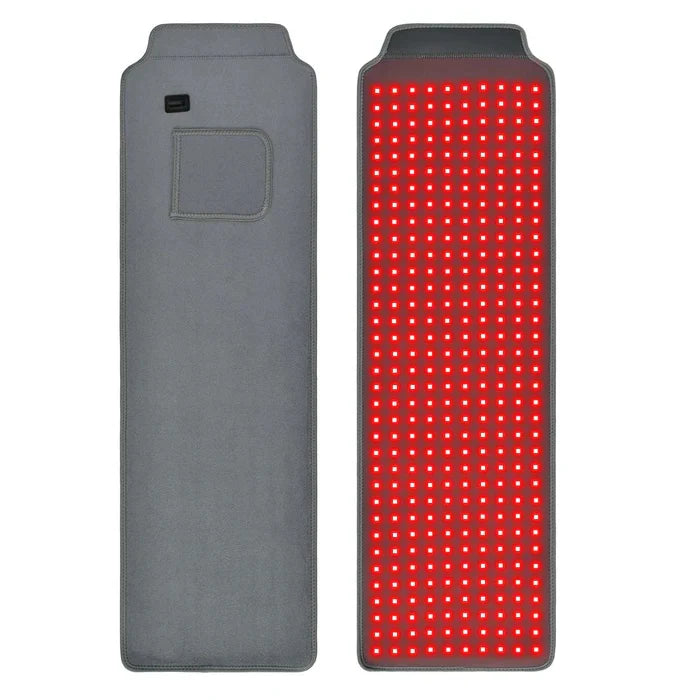
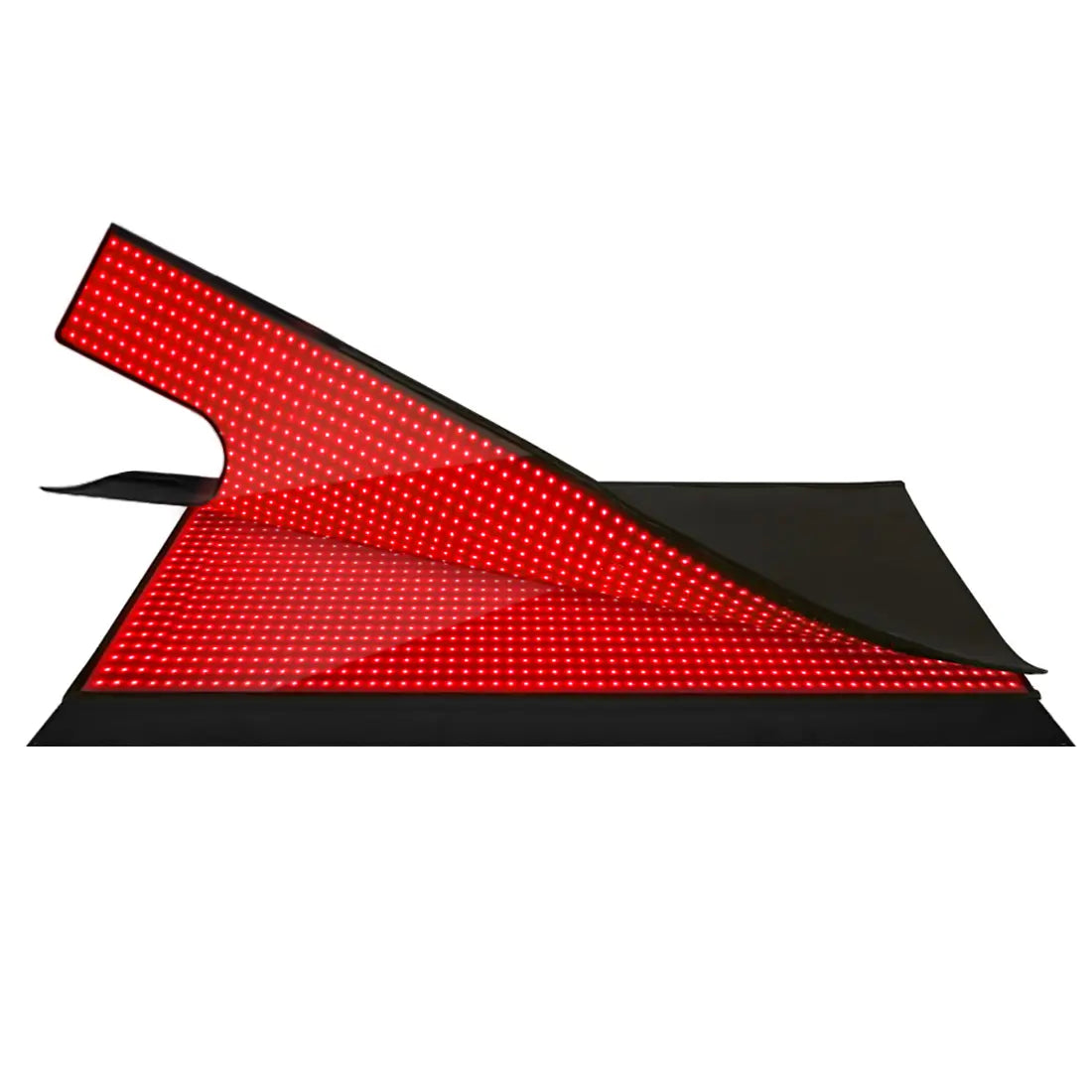
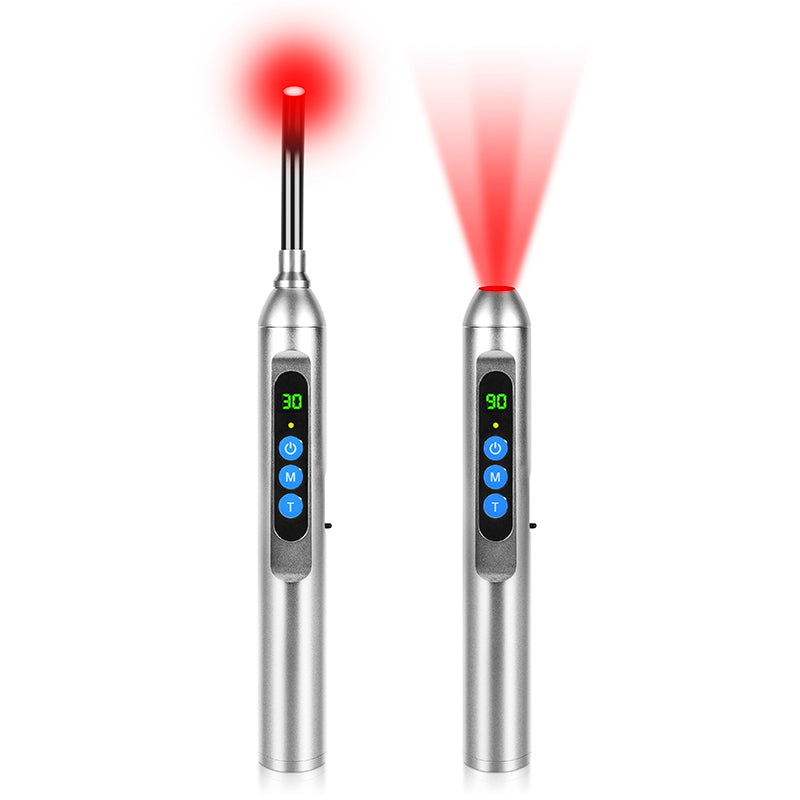

Red light therapy can fit into recovery, but timing decides whether it helps or irritates healing tissue. Use it only when the area is closed, dry, and clearly improving, and only after your surgeon or treating clinician has cleared you for home use. An incision that still drains, bleeds, feels hot, or pulls apart is not ready. The same rule applies after skin procedures if the surface is still raw, weeping, or highly inflamed.
Start Only After Clearance and These Basic Safety Checks

Use red light therapy only after the wound is stable enough to tolerate light exposure. A stable wound has four practical features. The skin is closed. The surface is dry. Redness and swelling are settling down. Pain is either mild or improving.
Check the site against this list before your first session:
- The area is fully closed
- The skin is dry, with no active drainage
- Redness, swelling, and tenderness are improving
- There is no pus, no bad odor, and no new bleeding
- The wound edges are staying together
Medical clearance still matters after those boxes are checked. A surgeon knows how much tissue was cut, how much tension sits on the wound, and how likely the incision is to reopen under extra irritation. That is especially important after abdominal surgery, breast surgery, joint procedures, facial surgery, and any incision placed where clothing or movement keeps rubbing the site.
Medication history matters too. Ask before using red light therapy if you are taking a drug that raises light sensitivity, if you have reacted badly to light in the past, or if the area sits close to the eyes. Home use should stay conservative when any of those factors are present.
Use red light therapy only after the area is closed, dry, improving, and cleared by your clinician. If one of those conditions is missing, wait.
Timing Guidance for Incisions, Open Skin, and Early Healing
The safest timing rule is based on wound status, because healing speed varies from one procedure to another.
| Wound status | Home red light therapy |
| Open skin | Do not use |
| Drainage, bleeding, or pus | Do not use |
| Wound edges separating | Do not use |
| Redness, heat, or pain getting worse | Stop and contact your clinician |
| Closed, dry, calm skin with clearance | Resume cautiously |
A closed incision is the minimum requirement. It is not the only requirement. Some wounds close on the surface while deeper tissue still reacts to pressure, heat, friction, or prolonged exposure. That is why a wound that looks “almost fine” can still flare up after a session.
Office procedures need the same level of caution. Laser resurfacing, microneedling, chemical peels, and similar treatments may leave the surface open or highly reactive even when there are no stitches. Do not use red light therapy on skin that still feels raw, leaks fluid, or burns with basic skincare.
A simple screen works well here. If the area is open, wet, hot, or worsening, do not use red light therapy. If the area is closed, dry, comfortable, and steadily improving, ask your clinician if you can resume.
How to Use Light Without Irritating Healing Tissue
Technique matters after clearance. A good session keeps the wound quiet during treatment and the next day. A bad session shows up as extra redness, more heat, tighter skin, more swelling, or a jump in pain several hours later.
Prepare the Area Before Each Session

Use red light therapy on clean, dry skin unless your clinician has told you to keep the area covered or medicated. Do not shine light over damp dressings, fresh ointment, adhesive strips you were told to leave in place, or tape that is still protecting the incision. Those materials can trap heat, add friction, or make it harder to judge how the skin is responding.
Reduce other irritants on the same day. Tight waistbands, rough fabrics, friction from exercise, aggressive massage, and picking at peeling skin can all aggravate a healing site before the light session even begins.
Use the Lowest End of the Device Instructions First
Your first few sessions should stay at the low end of the manufacturer’s directions for time and frequency. Healing skin does not need a hard push. It needs a calm test run.
Use this sequence:
- Clean and dry the area
- Treat only the site your clinician cleared
- Use the shortest session recommended for that red light device
- Protect your eyes if the device instructions require it
- Recheck the area later that day and again the next morning
That next morning, check matters because delayed irritation is common. A site may look fine right after treatment and then become pinker, warmer, tighter, or more swollen later.
Know What Counts as a Good Response
A good response looks boring. The skin stays dry. Pain does not increase. Redness does not spread. Swelling does not build overnight.
Stop using the device if you notice any of these after a session:
- Burning or stinging
- More soreness than before treatment
- Stronger redness the next morning
- Increased swelling
- New drainage or bleeding
Those are the practical side effects of red light therapy that matter most during recovery. Mild warmth can happen. A site that looks angrier after each session is not tolerating what you are doing.
Mistakes That Can Set You Back and How to Avoid Them
1. Using It Because the Surface Looks Closed
A wound can look sealed and still be easy to irritate. Puffy skin, shiny tension, persistent warmth, and tenderness are signs that the site is still settling.
What to do: Wait for skin that is closed, dry, comfortable, and clearly improving.
2. Returning to Full Time and Full Frequency on the First Day Back
Longer exposure does not guarantee better recovery. Healing tissue often reacts better to a gradual return.
What to do: Use short sessions first. Increase time or frequency only if the area stays calm later that day and the next day.
3. Treating Home Use Like a Clinical Protocol
Clinical photobiomodulation is usually supervised and carefully dosed. Home red light therapy depends on the device instructions and the user’s judgment.
What to do: Treat your device like a home wellness tool that still requires caution after surgery.
4. Ignoring Worsening Symptoms
Some people keep using the light even after the site becomes redder, hotter, or more tender because they assume all healing looks messy.
What to do: Stop after the first clear sign that the area looks worse than it did before treatment.
5. Using Red Light Therapy to Manage a Possible Complication
Red light therapy is not home treatment for infection, wound separation, or unexplained postoperative pain.
What to do: Contact your clinician if you suspect a complication. Do not add more sessions and hope the problem settles.
Red Flags That Mean You Should Stop and Get Medical Advice
The most important stop signals are the same ones clinicians use to screen for infection or wound breakdown. Stop using the device and get medical advice if you notice:
- Pus or thick, cloudy drainage
- A bad smell from the wound
- Fever or chills
- Redness that spreads outward
- Heat that is stronger than before
- New bleeding
- Wound edges pulling apart
- Pain or swelling that is clearly worse after treatment
These signs matter because wound infections and wound dehiscence can worsen quickly. A little background tenderness may be normal. A little light pink healing skin may also be normal. A sharp step backward after a session is not something to ignore.
Use this test after each early session. If the area looks calmer or unchanged, that is reassuring. If the area looks more inflamed, stop using the device until you know why.
That is also the clearest answer to is red light therapy dangerous after surgery. The device itself is not the main problem. The main problem is using it when the wound is showing signs that healing is off track.
A Gentle Ramp-Up Plan for Your First Two Weeks Back

A conservative ramp-up gives you useful feedback without adding unnecessary stress to healing tissue.
Days 1 Through 3
Keep sessions short and stay at the low end of the device instructions. Use red light therapy only on the exact area your clinician cleared. Check the site the same evening and the next morning.
Your goal during this phase is easy to measure:
- No increase in redness
- No increase in swelling
- No increase in pain
- No new drainage
- No extra heat
If one of those changes appears, pause.
Days 4 Through 7
If the area stays calm, move slightly closer to your usual schedule. Change one variable at a time. Increase session length or frequency, not both on the same day. That makes it easier to identify what your skin tolerates.
Stay at the same level for a few more days if the tissue still feels delicate. Slower progress is still progress.
Week 2
Some people can move closer to their normal red light therapy routine during the second week after clearance. Others need more time after deeper surgery, slow healing, or recent irritation. Use skin response to set the pace. If the site stays closed, dry, stable, and comfortable, your current schedule is probably acceptable. If it grows more reactive, back off.
Use This Recovery-Friendly Checklist to Restart With Confidence
Before each early session, confirm these points:
- My clinician has cleared this area for home light use
- The skin is closed and dry
- There is no pus, bad smell, bleeding, or wound separation
- Redness, swelling, and tenderness are improving
- I am using the low end of the device directions
- I will stop if the area looks worse later
Use that checklist before every early session. Restart only when the wound is stable, and your clinician has cleared you. Safe timing depends on wound stability, clinician clearance, conservative use, and close observation after each session.
Use red light therapy only on skin that is closed, dry, and improving. Keep early sessions short. Stop at the first sign that the area is getting worse.
FAQs about postoperative red light therapy
Q1: Can I use red light therapy over Steri-Strips, surgical glue, or a bandage?
No. Do not shine light through a dressing or over closure strips or skin glue unless your clinician specifically tells you to. In clinical PBM, dressings are removed before treatment and replaced afterward, and adhesive wound closures are meant to stay undisturbed while the incision seals.
Q2: Can I apply moisturizer, scar gel, or makeup before a session?
No. Keep the treatment area free of lotion, cream, makeup, deodorant, powder, perfume, or similar products unless your clinician gives different instructions. Clinical PBM guidance specifically avoids these products in the treatment area before light exposure.
Q3: Can people with darker skin tones use red light therapy after a procedure?
Yes, but with extra caution. The AAD notes that darker skin tones are more sensitive to visible light and may develop stronger, longer-lasting hyperpigmentation. After a procedure, dermatologist guidance is especially important if you notice new darkening.
Q4: Does FDA-cleared mean a red light device is proven to help postoperative healing?
No. FDA-cleared means the device is considered low risk from a safety standpoint. It does not prove that the device is effective for every marketing claim, including postsurgical healing, scar improvement, or swelling reduction.
Q5: Is red light therapy okay during pregnancy after surgery?
Not without clinician approval. MSK states that PBM should not be shined on the abdomen during pregnancy because the effects on embryos and fetuses have not been studied enough. Pregnant patients need clinician-specific guidance before any postoperative light use.