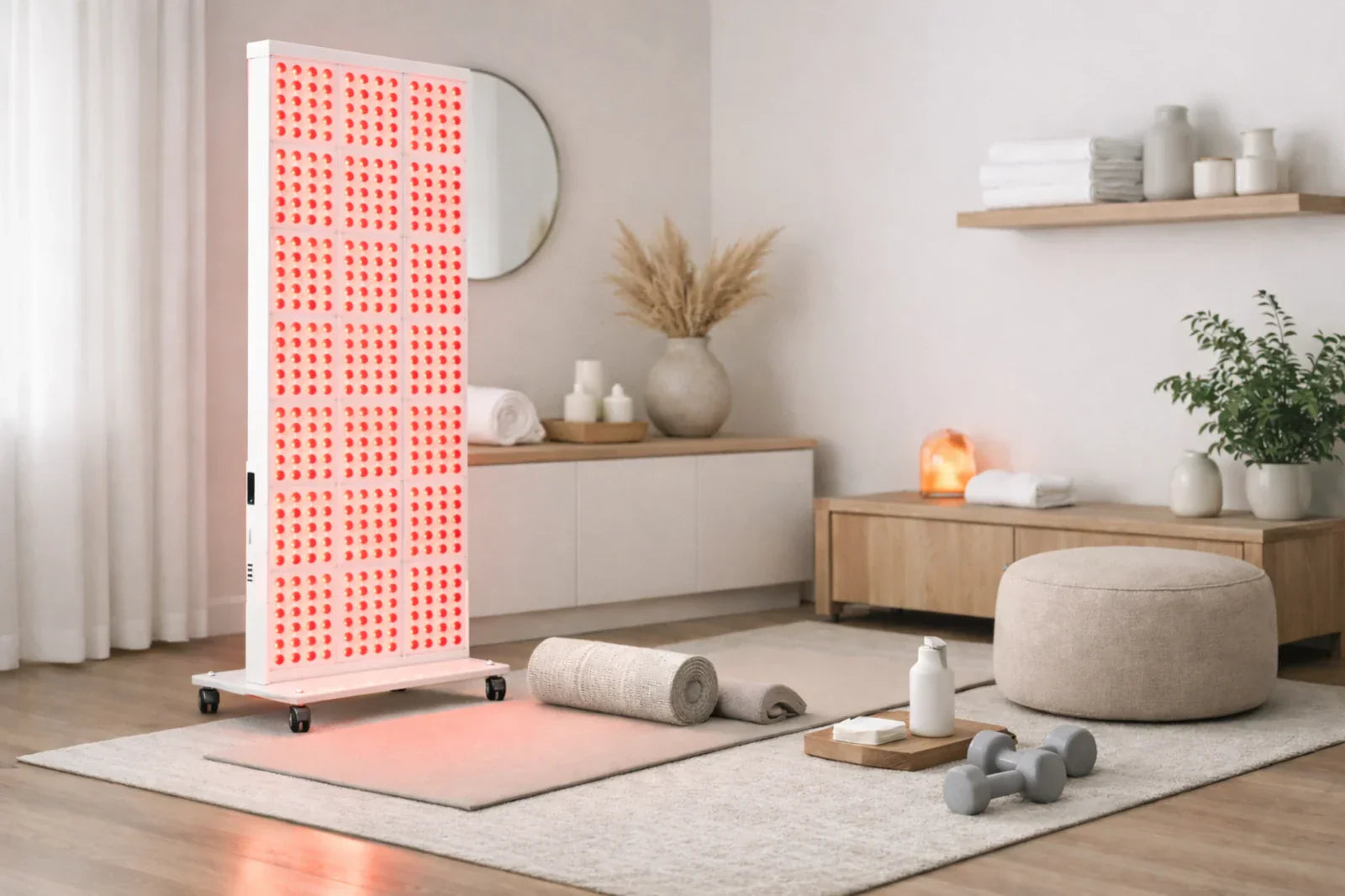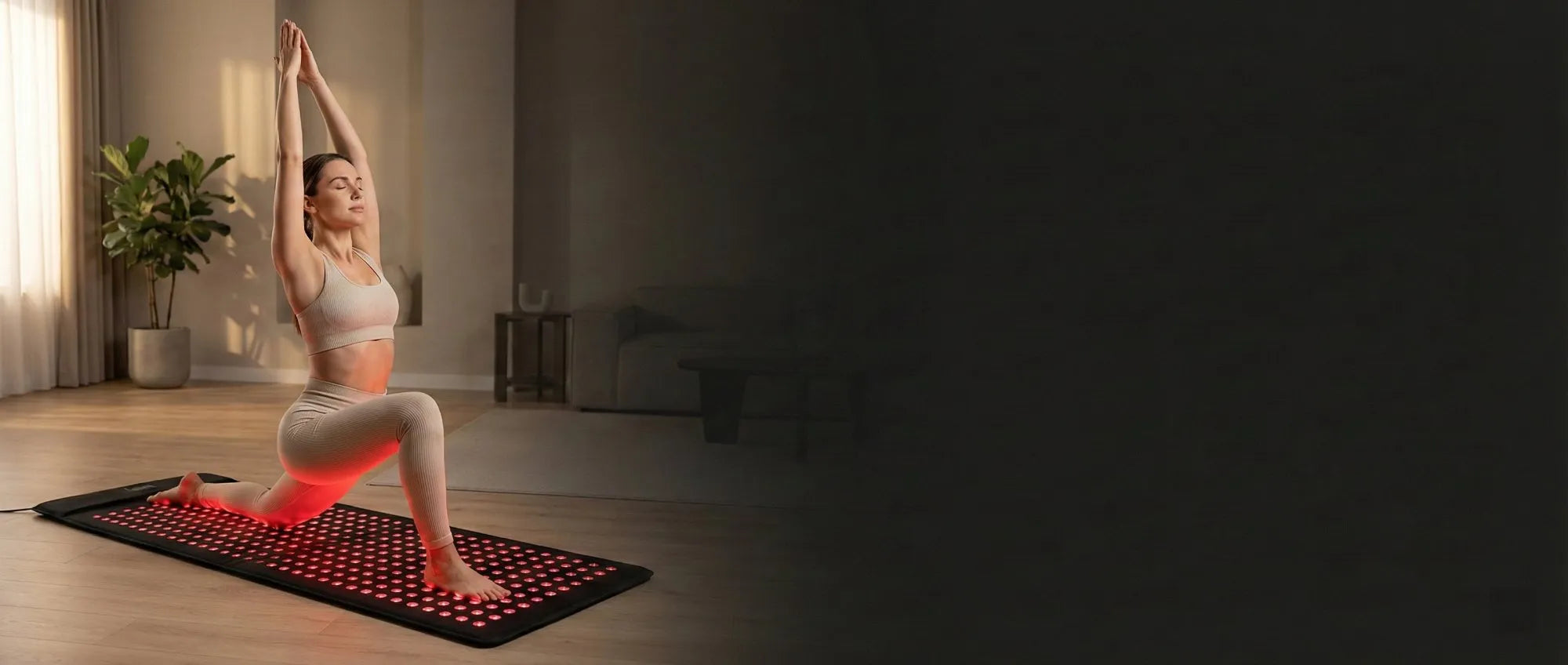
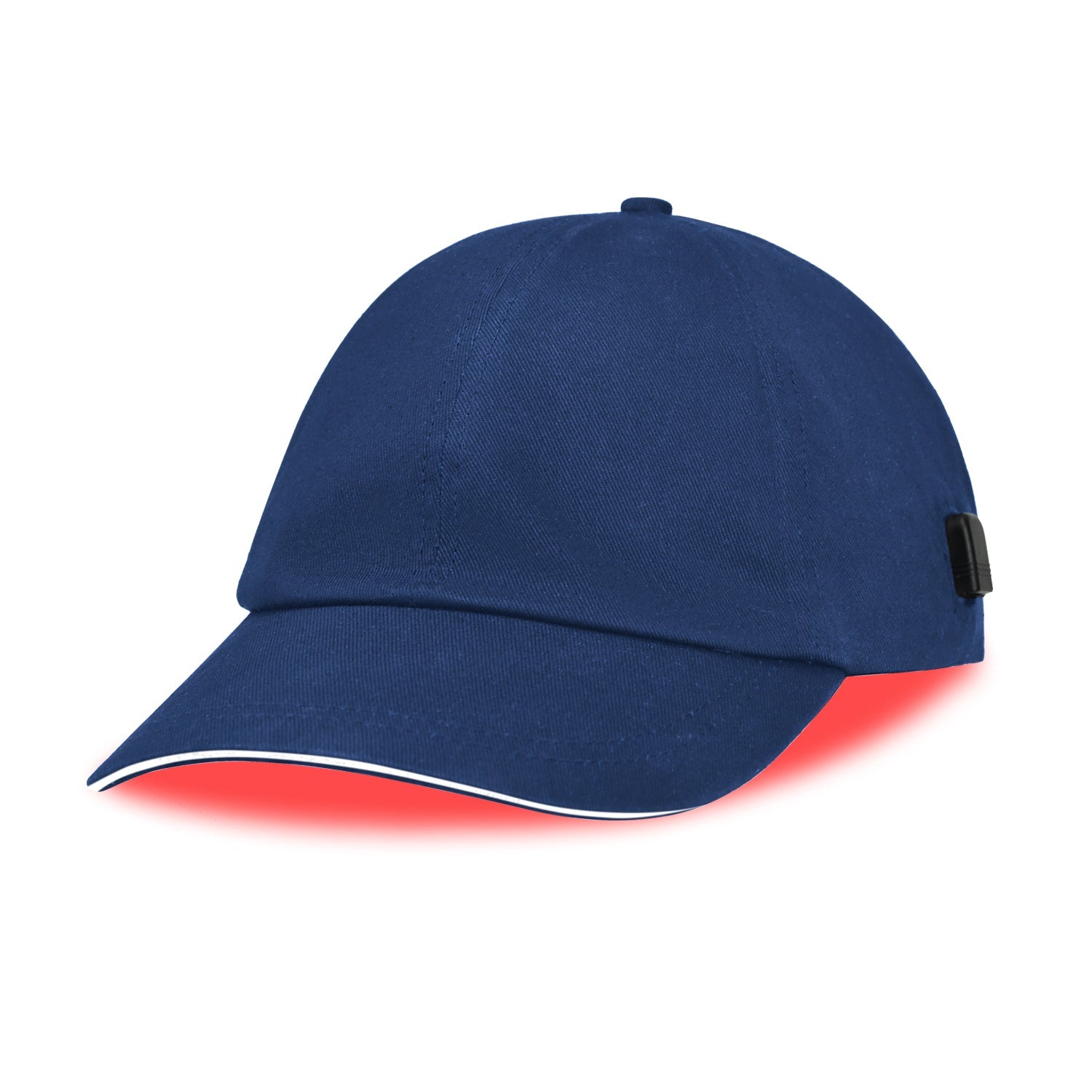
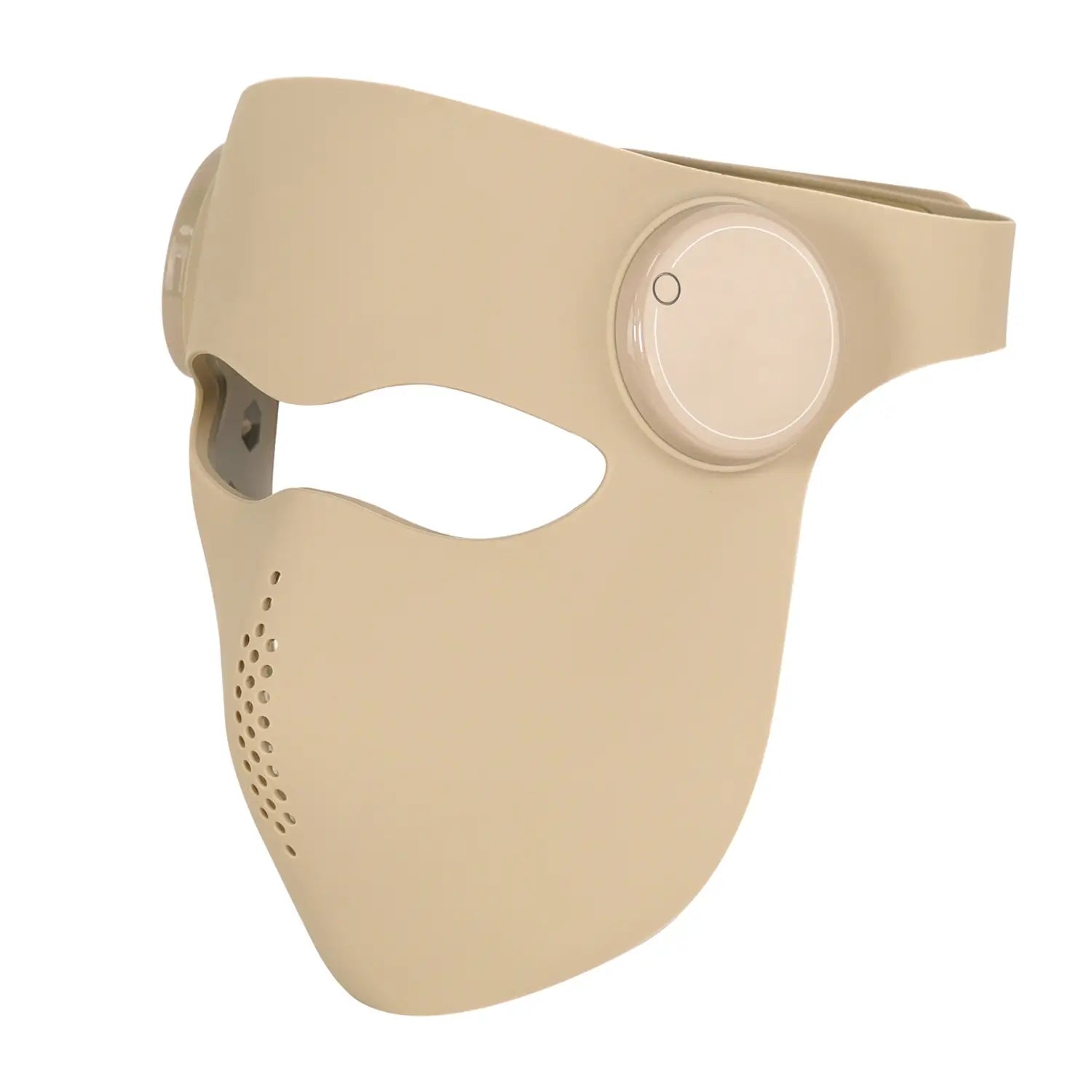
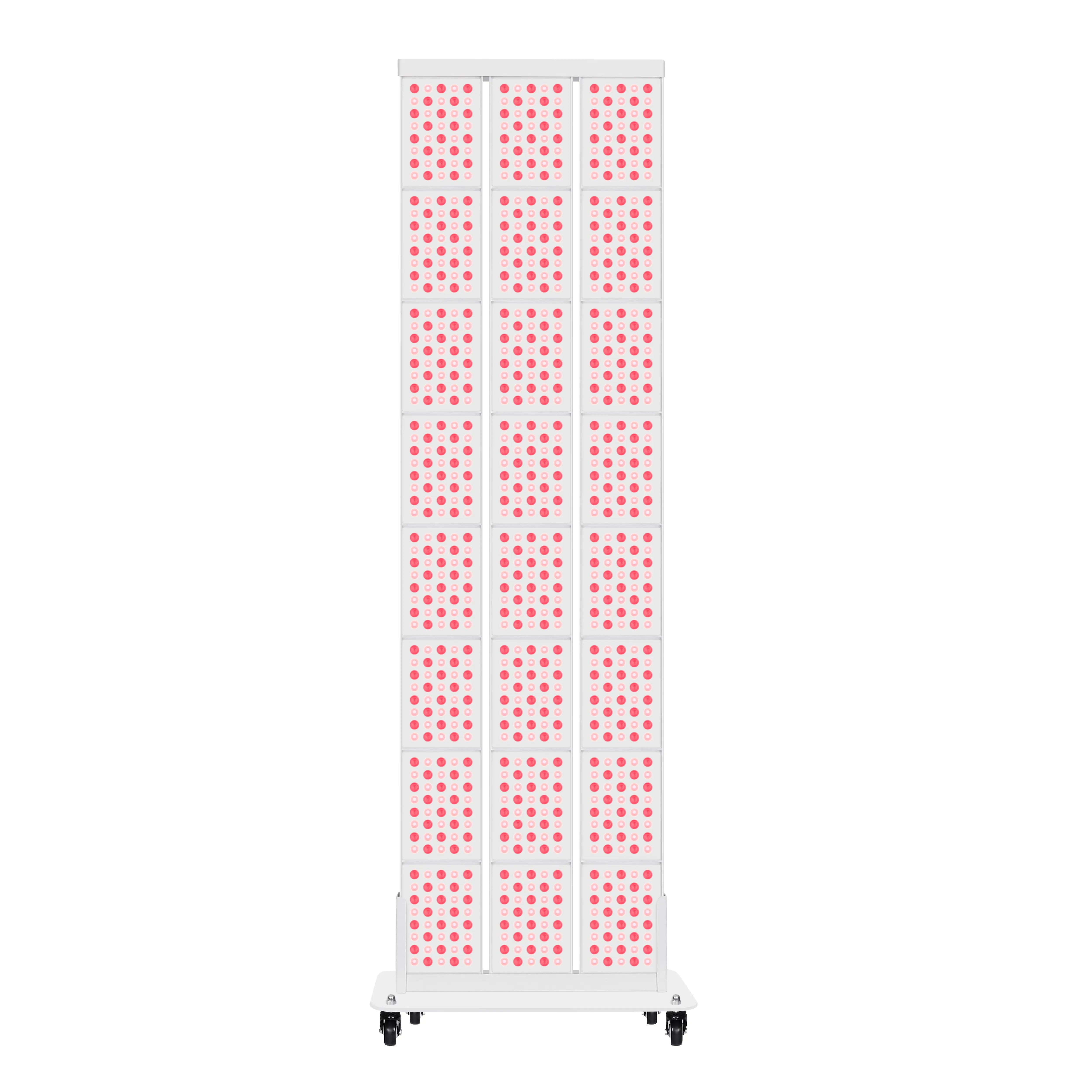
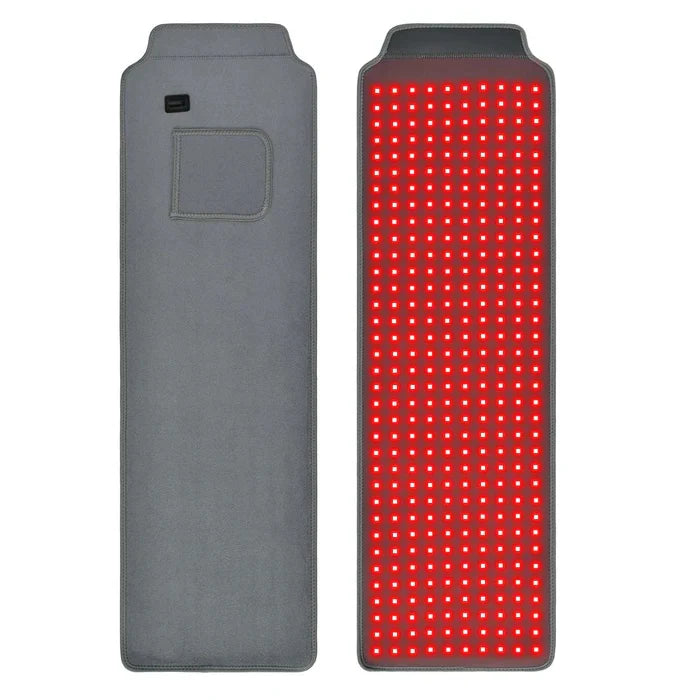
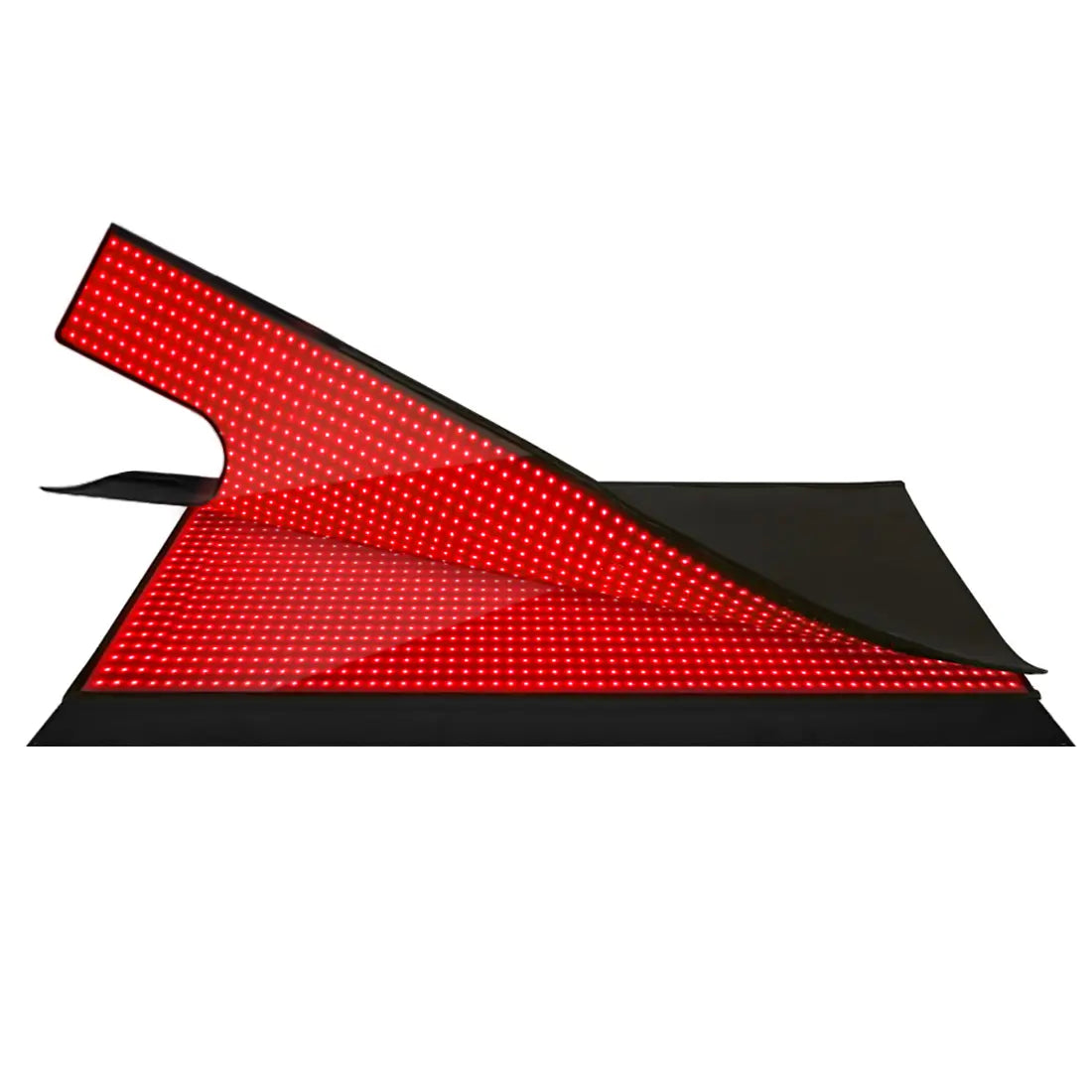
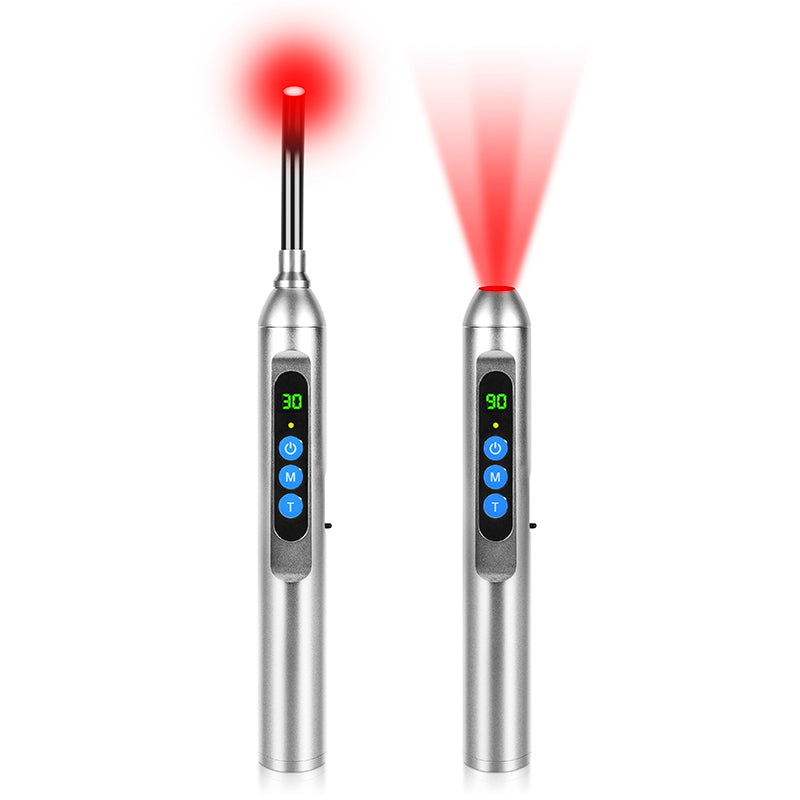

A desk job can leave you with a tight neck, burning shoulders, or a low back that feels worn out by late afternoon. Those aches usually build from long, still sitting, screen height problems, and small posture habits that repeat all day. Red light therapy can help support relief for mild to moderate muscular discomfort, especially when it is paired with a better workstation setup and short movement breaks. That combination speaks to the real issue: irritated tissue plus the daily pattern that keeps reloading it.
The Most Common Desk Pain Patterns and Daily Triggers

Desk pain follows a few familiar patterns. The neck tightens when the head drifts forward toward the screen. The upper shoulders and the area between the shoulder blades tense up when the mouse sits too far away, or the arms stay lifted without support. The lower back often feels dull and heavy after long periods of static sitting. Basic workstation principles matter here. The head and neck should stay in line with the torso, the shoulders should stay relaxed, the elbows should remain close to the body, the wrists should stay neutral, and the low back needs support.
A simple way to read your own symptoms is to match them with the load that likely created them:
| Pain Pattern | Common Desk Trigger | First Fix To Try |
| Tight neck at the end of the day | Screen too low, head pushed forward | Raise monitor, bring screen closer, add chin tuck breaks |
| Achy shoulders or upper traps | Mouse too far away, elbows unsupported | Move mouse close to keyboard, relax shoulders, support forearms |
| Dull low back ache | Long uninterrupted sitting, poor lumbar support | Sit tall, support the low back, stand up every 30 to 60 minutes |
| Wrist or forearm soreness | Bent wrists, keyboard too high or too far | Adjust chair and keyboard height, keep wrists in line with forearms |
Desk pain is often a cumulative load problem. That matters because it changes what relief looks like. Many people are not dealing with a single injury. They are dealing with thousands of small repetitions. Good relief strategies need to calm the irritated area and reduce the strain that keeps coming back.
What Red Light Does in Tissue That Supports Pain Relief
Many people ask, how does red light therapy work for pain? In clinical research, this process is usually called photobiomodulation. Red and near infrared light interact with cells and help influence processes linked with energy production, circulation, oxidative balance, and inflammatory activity. That is why red light therapy is often used to support relief when pain feels muscular, tight, or related to repeated strain.
How Light Supports Sore Tissue
One of the main targets discussed in the literature is cytochrome c oxidase, which plays a role in cellular energy production. Researchers also look at changes involving ATP, nitric oxide signaling, and inflammatory pathways. In simple terms, the light is used to support a healthier tissue environment, so stressed areas can recover more efficiently.
Why Results Can Differ
Response depends on wavelength, dose, treatment site, and consistency. Red wavelengths are commonly used for more superficial tissues, while near infrared light is often selected for deeper targets. Research also describes a biphasic dose response, which means longer or stronger exposure does not always lead to better results. Evidence for chronic pain is promising, but outcomes are still mixed in some categories, including non-specific low back pain. That is why realistic expectations matter.
Where to Aim and How to Position Light for Neck, Shoulders, and Low Back

Positioning has a direct effect on usefulness. For desk workers, the usual targets are the upper trapezius, the muscles around the shoulder blades, and the lumbar muscles on either side of the spine. You do not need a complicated setup. You do need a clear target area, a neutral body position, and repeatable placement from session to session. A neutral posture also reduces extra strain while you use the light.
Neck and Shoulder Area
For neck and shoulder tension, direct the light toward the tight muscle bands across the back and top of the shoulders. Keep your chin gently tucked, and your shoulders relaxed so the area is not being re-stressed during the session. If the discomfort sits lower, near the inner border of the shoulder blades, shift the treatment area down to cover that zone. This is the kind of placement people usually mean when they search for red light therapy for muscle pain after a long day at a laptop.
Low Back Area
For low back soreness, cover the broad tender area on either side of the spine above the beltline. A tall seated or standing position usually exposes that region better than a collapsed posture. Pain that spreads below the knee, comes with numbness or weakness, or keeps building for weeks belongs in a different category and deserves medical review.
Distance and Angle
Keep the light square to the area you are treating and stay consistent with distance and timing according to the red light device instructions. Small changes in angle and distance can change the dose that reaches tissue. That is one reason a casual, inconsistent routine often disappoints people who expected fast results from red light therapy.
Session Timing That Fits Workdays Without Disrupting Your Schedule
Most desk workers need a routine they can actually keep. A short session before work can help if stiffness is strongest in the morning. A lunch break session can fit well if the ache arrives after several hours of sitting. Early evening can be useful for people whose shoulders and lower back peak after the workday. The best timing is the one that matches your symptom pattern and fits your schedule often enough to become a habit.
This is also where a lot of people overdo it. Photobiomodulation literature repeatedly points out that outcomes depend on wavelength, dose, irradiance, treatment site, and exposure time. Piling on extra minutes does not guarantee a better response. It is smarter to follow device guidance, keep the schedule steady, and judge the result over days and weeks, not a single session. That is a much healthier mindset for using red light therapy in everyday life.
Pair Light With Micro Breaks To Make Relief Last Longer

If your work pattern never changes, your symptoms often come back by the next afternoon. That is why red light therapy for muscles works best inside a larger desk recovery routine. The tissue may feel calmer after a session, but a three-hour block of still sitting can load the same muscles right away. Active breaks and posture shifts address that second half of the problem.
A randomized trial in high-risk office workers found that increasing active breaks or postural shifts reduced the new onset of neck and low back pain. That is useful because it gives desk workers a clear action step that does not require a gym, a long workout, or a total schedule overhaul.
Use breaks like these during the day:
- Stand up and walk for 60 to 90 seconds
- Gently pull the shoulder blades back and down
- Add a few chin tucks for neck posture
- Do several sit-to-stands or gentle back extensions if the lower back feels compressed
Light plus movement usually lasts longer than light alone. The first calms the irritated area. The second changes the load that irritated it in the first place. That pairing is one of the most practical ways to use red light therapy for pain relief without turning it into another wellness task that sounds good and fades out in a week.
When Everyday Pain Needs a Different Plan Instead of More Light
Some symptoms should push you to seek medical care, not another home session. Back pain deserves prompt attention when it follows trauma, comes with fever, causes new bowel or bladder changes, spreads below the knee, or brings weakness, numbness, or tingling. Neck symptoms need faster evaluation when numbness or weakness appears suddenly, walking or balance gets worse, or bladder and bowel control change.
These red flags matter because they can point to nerve involvement, spinal cord compression, infection, or another issue that falls outside the role of self-care. Red light therapy belongs in the conversation for everyday muscular discomfort. It does not replace evaluation when the pattern suggests something deeper.
Build a Repeatable Desk Recovery Habit This Week
A short recovery habit is easier to keep during a busy workweek. Use red light on the sore area as directed, then stand up, walk briefly, and add a few posture resets such as chin tucks, shoulder blade squeezes, or sit-to-stands. Keep your screen at eye level, your mouse close, and your lower back supported. Over time, small daily actions can make desk-related neck, shoulder, and low back pain much easier to manage.
FAQs about Red Light Therapy
Q1: Do I Need Eye Protection During Red Light Therapy?
Yes. If the device instructions recommend eye shields, use them, and do not stare directly into the light. Red light therapy does not use UV, but bright light exposure to the eyes still deserves caution, especially with stronger at-home red light devices.
Q2: Can Medications or Health Conditions Make Red Light Therapy A Poor Choice?
Yes. Extra caution is needed if you have a light-sensitive condition, such as lupus or take photosensitizing medications, including some antibiotics. In those cases, check with a clinician first because sensitivity can increase the chance of unwanted skin or eye reactions.
Q3: Can Red Light Therapy Be Used Alongside Physical Therapy or Exercise?
Yes. Photobiomodulation is commonly used as an adjunct, not a standalone fix. Research in musculoskeletal disorders suggests it may help reduce pain and support recovery when paired with exercise-based rehabilitation, although benefits vary with the condition and treatment parameters.
Q4: Does Red Light Therapy Tan the Skin or Expose You to UV?
No. Red light therapy uses visible red and near infrared light, not ultraviolet light, so it does not work like tanning exposure. Short-term side effects are usually mild, with temporary redness being one of the most commonly reported issues.
Q5: Is “FDA Registered” the Same as “FDA Cleared” for a Home Device?
No. FDA registration or listing does not mean a device is cleared, approved, or authorized. For consumer devices, “FDA cleared” is the more meaningful term because registration alone does not show the agency reviewed the product for safety or effectiveness.