

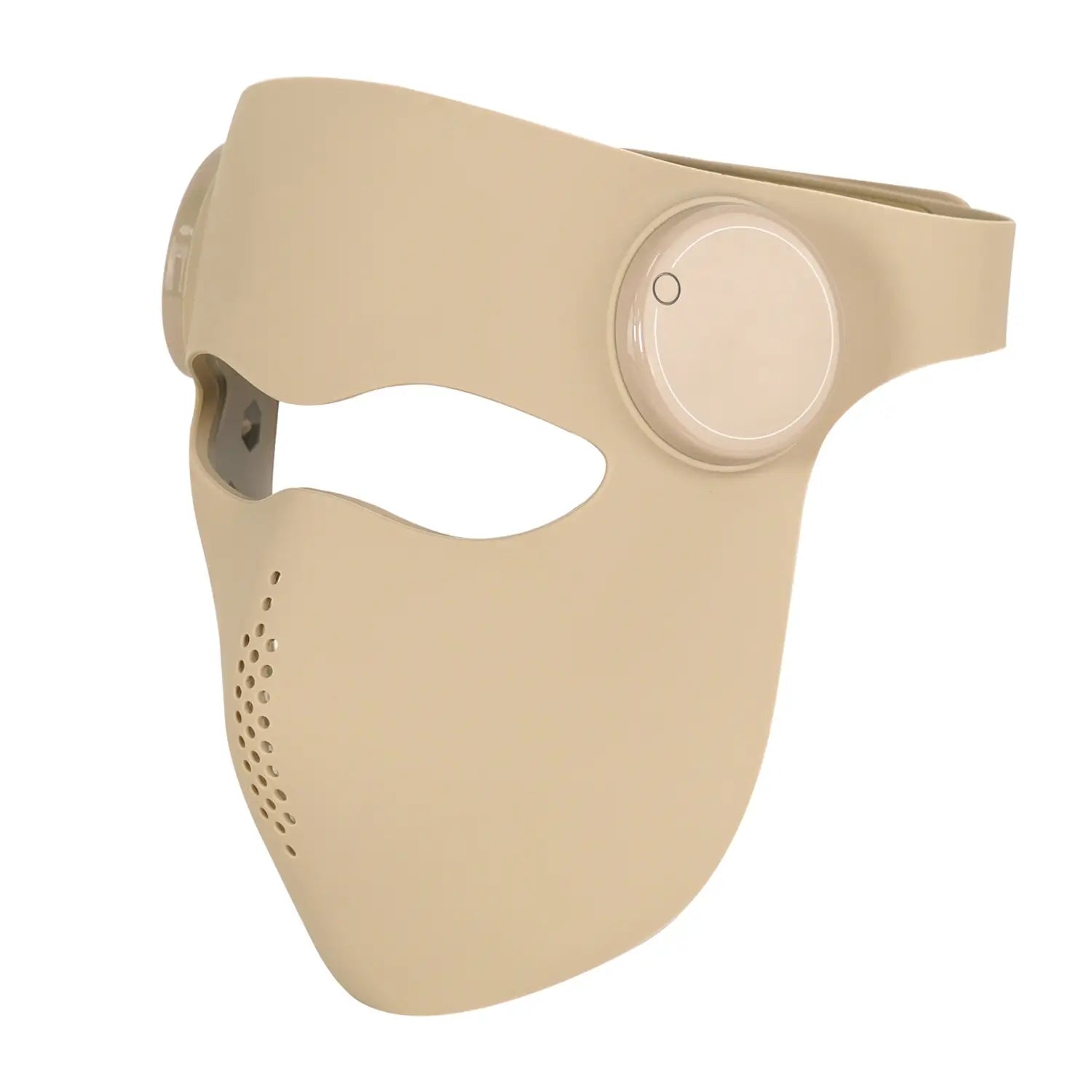
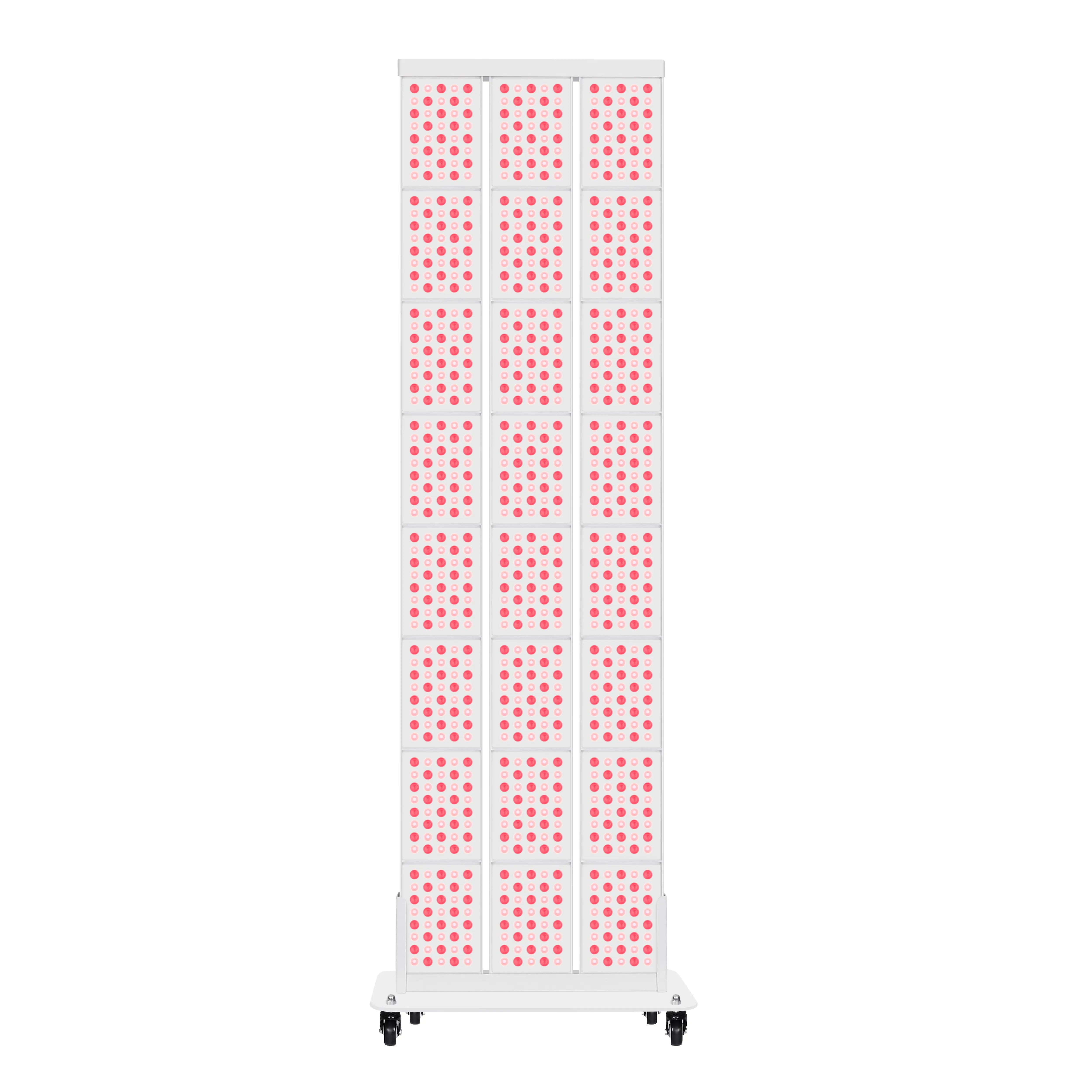
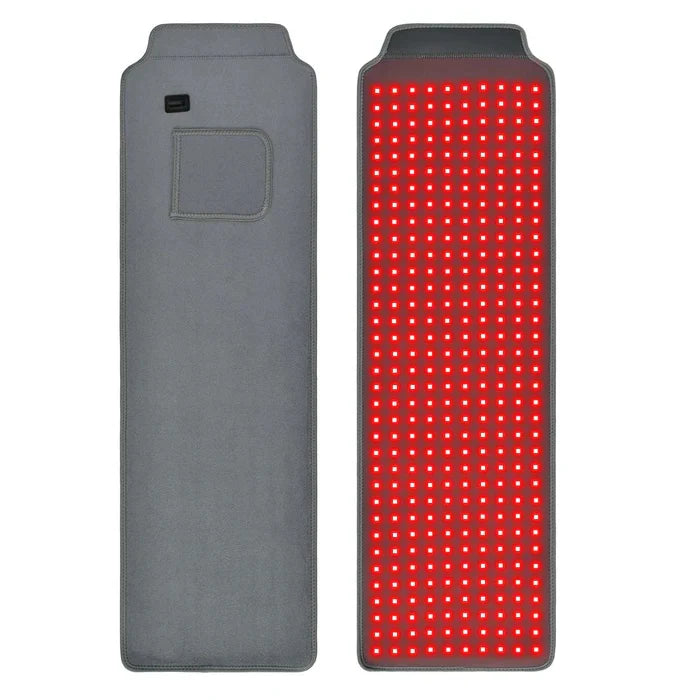

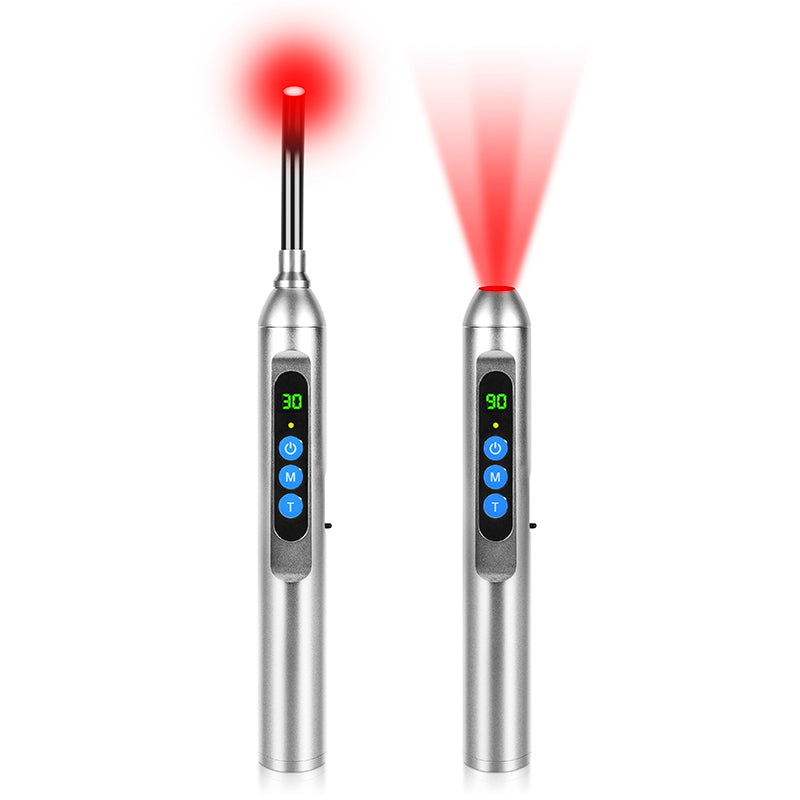

Hand stiffness often shows up in ordinary moments first. You feel it when opening a jar, gripping the steering wheel, buttoning a shirt, or picking up a mug in the morning. For many adults, this change builds slowly over time. Small joints work hard every day, and age-related joint wear, soft tissue tightness, and inflammation can make hands feel less flexible than they once did. Red light therapy has gained attention because it may help support comfort and movement in some cases, especially when stiffness is linked to joint and soft tissue irritation.
What Actually Causes Hand Stiffness as You Get Older

Hand stiffness is common with age, but it does not come from one cause alone. In most cases, it reflects a mix of joint changes, soft tissue strain, and inflammation.
Age-Related Joint Wear
The most familiar cause is osteoarthritis. Over time, the cartilage that helps joints move smoothly can wear down. When that happens in the fingers or thumb base, the hand may feel sore after use and stiff after rest. Many people notice that the first few minutes of movement are the hardest, especially in the morning.
Typical signs include:
- stiffness after waking up or sitting still
- pain when gripping, pinching, or twisting
- mild swelling around finger joints
- reduced range of motion during daily tasks
Repetitive Daily Strain
Hands also absorb years of small, repetitive loads. Typing, cooking, cleaning, lifting bags, crafting, and phone use all add up. Even when no major injury is present, repeated strain can irritate tendons and surrounding tissue. That irritation can make the hand feel tight, tired, or less responsive.
Inflammation in Small Joints
Inflammation can make a small problem feel much bigger. The hands contain many compact joints with little extra space. A small amount of swelling may lead to noticeable tightness, aching, and loss of dexterity. That is one reason simple tasks can suddenly feel frustrating.
Why Inflammation and Circulation Changes Often Feel More Noticeable in the Hands
People often notice discomfort in the hands early because the hands are exposed, sensitive, and constantly in use. You can ignore mild stiffness in other parts of the body for a while. You usually cannot ignore it in your fingers.
Why the Hands Feel Changes So Quickly
Hands rely on fine motor control. Even a small drop in flexibility can affect writing, cooking, typing, or opening containers. A little swelling can also make rings feel tight and gripping feel awkward. Because the joints are small, slight tissue irritation has a bigger effect on function.
Where Circulation Fits In
Circulation is not the main cause of most age-related hand stiffness, though it can make symptoms more noticeable. Cold fingers, tingling, color changes, or discomfort in the hands may happen when blood flow is reduced or blood vessels narrow more easily. Those symptoms can overlap with joint stiffness and make the hand feel worse overall.
This matters because many people searching for red light therapy inflammation are trying to understand why their hands feel both stiff and sluggish. The answer is often a combination of joint irritation, soft tissue tension, and circulation-related discomfort, not one single issue.
How Red Light Therapy Interacts With Joints and Soft Tissue

Red light therapy is part of a broader area called photobiomodulation. It uses specific wavelengths of red and near-infrared light to influence cellular activity. Research suggests that these light exposures may affect cellular energy production, inflammatory signaling, and local blood flow, which helps explain why this approach is being studied for pain and joint discomfort.
What It May Help With
For stiff hands, the realistic goal is improved comfort and easier movement. Red light therapy may help support:
- temporary pain relief
- better comfort in irritated joints
- reduced local inflammatory activity
- improved ease of movement during daily tasks
That does not mean it repairs every hand problem. It is best viewed as a supportive option, especially when stiffness is tied to joint wear or soft tissue irritation.
What the Evidence Looks Like
The strongest evidence is linked to pain and inflammation related to arthritis and similar musculoskeletal issues. Evidence is weaker for every possible cause of hand stiffness, so it is important to keep expectations grounded. A hand osteoarthritis study published in 2023 found that high-density LED treatment was associated with reduced pain, reduced swelling, and improved mobility in the hand. That is encouraging, though it should still be understood as part of a broader pattern of supportive care, not a cure.
Why Consistency Matters
One session usually tells you very little. Light-based therapies are commonly used on a repeated schedule because tissue response builds over time. People who report benefit often pair red light therapy for pain with gentle hand movement, warmth, and lower strain during flare-prone activities.
When Hand Stiffness Is Mild Versus When It Signals a Bigger Issue
Some hand stiffness is mild and predictable. Other patterns deserve closer attention.
Signs That Often Fit Mild, Manageable Stiffness
Mild stiffness often has these features:
- it is worse after rest
- it improves after a few minutes of movement
- it flares after heavy hand use
- it does not come with major swelling or marked weakness
This pattern is common when stiffness is linked to age-related joint wear or minor soft tissue irritation. In these cases, a home routine that includes movement, warmth, and possibly red light therapy for joints may be reasonable.
Signs That Need More Attention
Some symptoms suggest a more significant issue, such as inflammatory arthritis, nerve compression, or circulation problems. Watch for these patterns:
- long-lasting morning stiffness
- persistent swelling that keeps returning
- numbness or tingling
- dropping objects or clear weakness
- pain that wakes you at night
- red, hot, or visibly inflamed joints
- finger color changes, especially in the cold
If symptoms affect both hands in a persistent way, change the shape of the joints, or interfere with basic function, home care alone is not enough. Red light therapy can support comfort, but it should not delay proper evaluation when the pattern looks more serious.
How People Use Red Light Therapy for Daily Hand Comfort at Home
People usually try red light therapy at home for one reason. They want their hands to feel more usable in daily life. The goal is rarely dramatic. Most people want less morning tightness, less soreness after repetitive tasks, and a little more comfort while cooking, typing, lifting, or driving.
What a Simple Home Routine Looks Like

A practical hand-care routine is usually easier to follow when it stays simple:
| Time | Focus | Example |
| Morning | Loosen stiff joints | Gentle fist opening and closing, warm compress |
| Midday | Reduce buildup from repetitive use | Brief movement break, finger stretches |
| Evening | Support comfort | Red light therapy session followed by relaxed hand movement |
This layout works because it addresses several causes of stiffness at once. You improve mobility, reduce daily buildup, and give the hands a regular chance to settle down.
Habits That Pair Well With Red Light Therapy
Red light therapy tends to fit best into a broader routine. Helpful habits may include:
- warming the hands before demanding tasks
- taking breaks from repetitive gripping
- doing light range-of-motion exercises
- avoiding long periods of complete stillness
- tracking which tasks trigger flare-ups
That combination is often more useful than relying on any single method alone.
Supporting Hand Mobility Over Time Starts With Consistent Care
Long-term hand comfort usually comes from repeated small actions. Gentle movement, lower strain, symptom awareness, and steady care often matter more than any one-time fix. Red light therapy may help some people reduce pain and support mobility, especially when stiffness is linked to joint and soft tissue irritation. Current research supports that possibility, though results vary and the therapy works best with realistic expectations.
If your hands feel stiff more often now than they did a few years ago, that change is worth noticing. In many cases, the problem is manageable. A clear routine, timely evaluation when warning signs appear, and consistent supportive care can go a long way toward keeping your hands more comfortable in everyday life.
FAQs about red light therapy for hands
Q1. Can red light therapy help with carpal tunnel syndrome?
Yes, red light therapy may alleviate some carpal tunnel syndrome symptoms by reducing inflammation and promoting healing. It supports nerve health but should complement, not replace, medical treatment.
Q2. How long does it take to see results from red light therapy on hand stiffness?
Results may take 2–3 weeks with regular use. Consistency is key for improvements in inflammation and comfort, though outcomes vary. Continued use with other care methods may enhance results.
Q3. Can red light therapy prevent hand stiffness as I age?
No, red light therapy does not prevent aging-related stiffness. However, it can help reduce inflammation and improve joint comfort, supporting mobility when used regularly.
Q4. Is red light therapy safe for people with osteoarthritis in the hands?
Yes, it’s generally safe for osteoarthritis in the hands. It can reduce pain and inflammation, but consult a doctor if you have photosensitivity or other concerns.
Q5. How does red light therapy differ from other treatments for hand pain?
Unlike medications or injections, red light therapy is non-invasive, promotes tissue healing, and addresses inflammation. It’s a complementary, drug-free option, but may not provide immediate relief like pharmaceuticals.