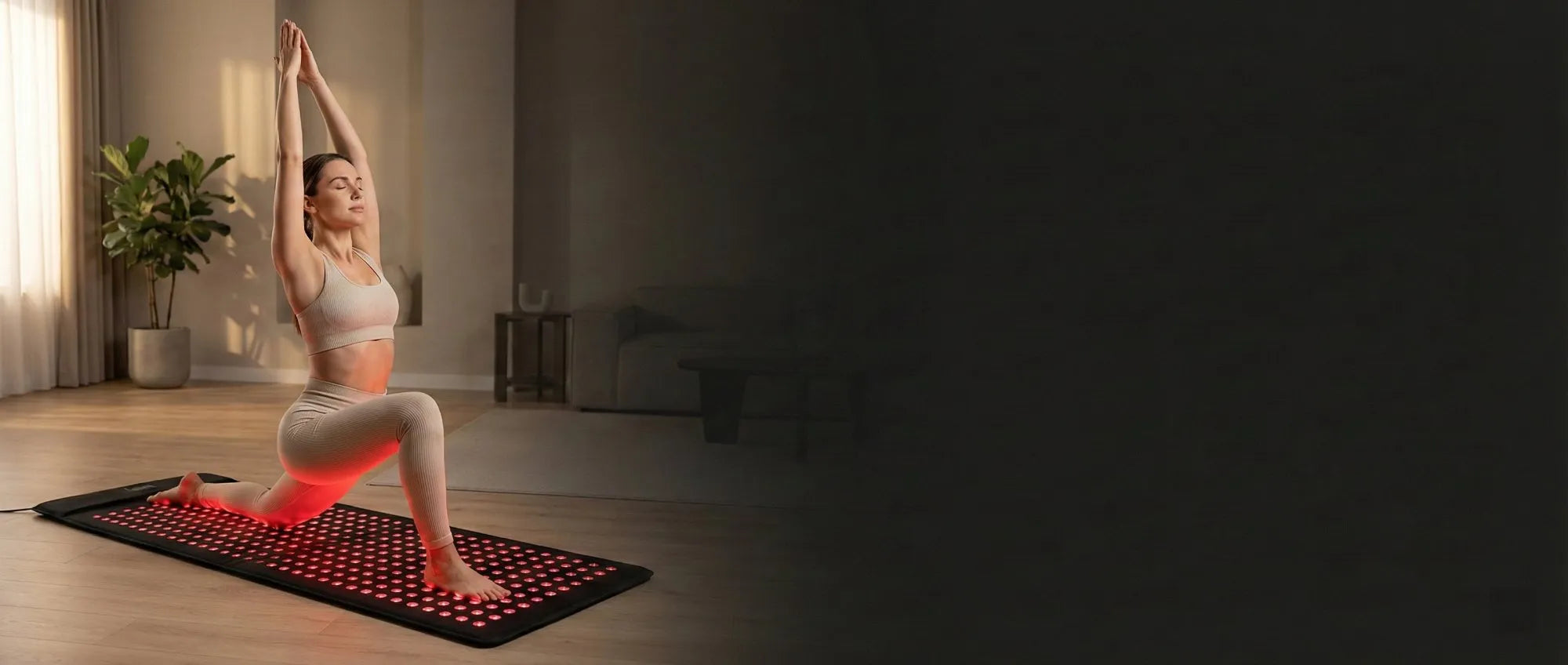

Deciding whether a $1,000 red light therapy mat justifies its price in 2026 depends far more on delivered irradiance, wavelength accuracy, session convenience, and how often you will actually use it than on the sticker alone. For frequent users who value full-body coverage and consistent dosing, a well-engineered premium mat can deliver better long-term value through shorter sessions and greater durability. For occasional users or those still testing the habit, a lower-cost targeted panel often provides sufficient performance at a fraction of the upfront cost.

This cost-benefit analysis breaks down the technical specs that matter, realistic return-on-investment calculations, common myths, and clear decision rules so you can determine the right device for your routine without overpaying for marketing hype.
What Red Light Therapy Actually Does and Why Device Quality Matters
Photobiomodulation uses nonionizing red and near-infrared light, and performance depends on wavelength, power, and dose. The biological effects rely on delivering the right amount of light energy (fluence in J/cm²) to target tissues at the correct wavelengths. A cheap device that under-delivers irradiance or uses inaccurate wavelengths may require impractically long sessions or simply fail to reach therapeutic thresholds, while a premium mat can make daily use realistic.
As this official overview from the Journal of the American Academy of Dermatology explains, outcomes hinge on these parameters rather than price. Wavelength affects how deeply the light penetrates, so red and near-infrared devices are not interchangeable for every use case. Red light (around 630–660 nm) primarily targets skin and superficial tissue, while near-infrared (810–850 nm) reaches deeper muscles and joints, according to guidance from Cleveland Clinic.
Key Technical Specs to Evaluate in 2026
When comparing devices, focus on irradiance measured at treatment distance, wavelength accuracy, coverage area, EMF and flicker levels, build quality, and warranty. Total LED count or raw wattage tells you little; what matters is usable irradiance at the skin.
Emerging guidance commonly discusses red light near 660 nm and near-infrared near 830 nm, with irradiance expressed in mW/cm². Ask for irradiance at a stated distance, because total wattage alone does not tell you how much light reaches the skin. Premium mats often advertise 100+ mW/cm² at the surface with uniform coverage across a full-body area, while many budget panels drop significantly at typical usage distances.
Published reviews show that fluence, wavelength, and effective dose are not reported consistently across studies, so outcome claims should stay cautious. Look for transparent measurement methods—preferably spectroradiometer data at body distance rather than peak diode values. Low-EMF engineering, flicker-free drivers, and durable construction also separate long-lasting premium products from those that degrade quickly.
Our authoritative guide on photobiomodulation standards provides detailed benchmarks for irradiance measurement, EMF safety under IEC 60601-2-57:2026, and flicker standards (IEEE 1789-2015) that serious buyers should reference.
Irradiance, Dose, and Session Time Thresholds That Matter
A practical rule of thumb in 2026 is that a red light therapy mat becomes convenient for regular use when it delivers roughly 20–100 mW/cm² at typical treatment distance, allowing users to accumulate 6–30 J/cm² in 10–20 minute sessions. Below 10–15 mW/cm², sessions often stretch beyond 30 minutes, reducing adherence. Premium mats with higher uniform irradiance can cut session time while maintaining dose, improving real-world value.
The relationship between dose, wavelength, and biological effect is complicated, so treat manufacturer claims conservatively. Effectiveness depends on matching wavelength, power, and dose to the intended use. Photobiomodulation is nonthermal and noninvasive, but the evidence is application-specific rather than universal.
Modeled 3-Year ROI Thresholds: $1,000 Premium Mat vs $300 Budget Mat
Modeled 3-Year ROI Thresholds: $1,000 Premium Mat vs $300 Budget Mat
Modeled for illustrative purposes based on typical 2026 specs.
View chart data
| Category | Premium mat: cost per effective session | Budget mat: cost per effective session | 3-year break-even sessions to recover premium extra cost | |
|---|---|---|---|---|
| 2 sessions/week | 5.32 | 4.15 | 3.87 | 256.0 |
| 4 sessions/week | 2.66 | 2.08 | 1.94 | 512.0 |
| 7 sessions/week | 1.52 | 1.19 | 1.11 | 896.0 |
Modeled for illustrative purposes based on typical 2026 specs. Assumptions: premium mat price $1,000, durability 5 years, irradiance 50 mW/cm², effective session length 10 minutes; budget mat price $300, durability 2 years, irradiance 25 mW/cm², effective session length 15 minutes; 3-year ownership window, 365 days/year. Cost per effective session = purchase cost allocated over 3-year expected sessions, with a 10% maintenance/attrition allowance embedded to keep the comparison conservative. Break-even sessions show the extra sessions needed for the premium mat's higher upfront cost to be offset by lower per-session cost and longer life; actual results vary with use pattern and device performance.
This modeled comparison shows that at higher usage frequencies (4–7 sessions per week), the premium mat's shorter sessions and longer lifespan can bring cost per effective session below that of a budget option over three years. At low usage (2 sessions/week), the budget device remains cheaper per session. These are illustrative figures based on typical irradiance and durability differences—your actual results will vary with real device performance, electricity costs, and adherence.

Premium vs Budget Mats: Hidden Tradeoffs and Real-World Performance
A $1,000 mat often buys better uniformity, higher verified irradiance at distance, more comfortable full-body coverage, lower EMF, and a longer warranty. These factors improve daily convenience and session efficiency. However, if the premium primarily reflects branding or cosmetic padding rather than measurable optical performance, the extra cost may not pay off.
Budget devices can suffice for targeted use or trial periods but often suffer from lower irradiance, uneven coverage, higher EMF, shorter lifespan, and vague specifications. This can lead to longer sessions, reduced consistency, and earlier replacement—hidden costs that erode initial savings.
The main myth to drop is that a higher price automatically means better results. In this category, price is often a weak proxy unless it maps to visible differences in output, coverage, consistency, or build quality that affect how often and how well the mat gets used. Claims about broad wellness benefits are especially easy to overread when the product does not clearly show how it delivers a better dose.
When a Premium Mat Is Usually Worth It
- You plan to use full-body treatment 4+ times per week for recovery, sleep support, or skin health.
- Convenience and coverage matter because you want minimal setup time.
- You can verify irradiance, wavelength accuracy, and low-EMF claims.
- Long-term durability (3–5 year expected life) is important to you.
When a Budget Option or Targeted Device Is Better
- You are still testing red light therapy and may not maintain consistent use.
- Your primary need is targeted (face, joints, or specific pain) rather than full-body.
- Budget is tight and you prioritize trying the modality before committing.
- The cheaper device already meets minimum irradiance thresholds for your routine.
Do not buy a high-ticket mat if your usage will be low, intermittent, or easily abandoned, because the premium only pays off with consistent sessions. It is also a weak fit when your real need is application-specific, not general body coverage.
Compare mats directly to targeted pads in our Red Light Therapy Mat vs. Targeted Pad: A Buyer's Guide. For technical red flags, review How to Spot Fake Clinical-Grade Red Light Therapy Claims and Red Light Therapy EMF Safety: What the Specs Actually Mean.
Cost-Per-Session and Long-Term ROI Calculation
To estimate value, divide total ownership cost (purchase + estimated electricity and maintenance) by the number of effective sessions over the device's expected life. Using the modeled chart above, a premium mat priced around $1,000 with 5-year durability can achieve roughly $1.50–$2.70 per effective session at moderate-to-high usage, compared with higher long-term costs for shorter-lived budget options.
Add realistic factors: electricity (higher-wattage devices cost more to run), replacement parts, and potential warranty claims. A 3-year horizon often reveals the break-even point. For many home users aiming for recovery or wellness routines, the premium mat becomes cost-effective above approximately 4 sessions per week when its higher irradiance shortens treatment time and its build quality extends usable life.
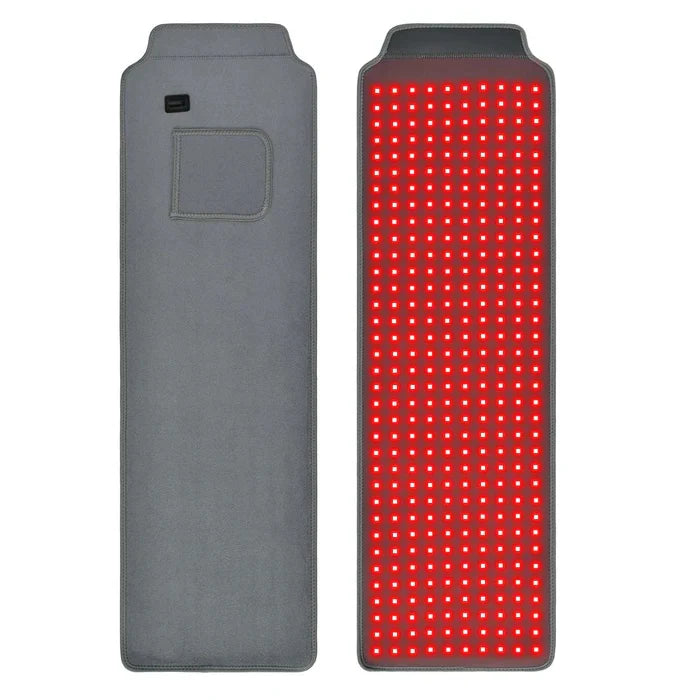
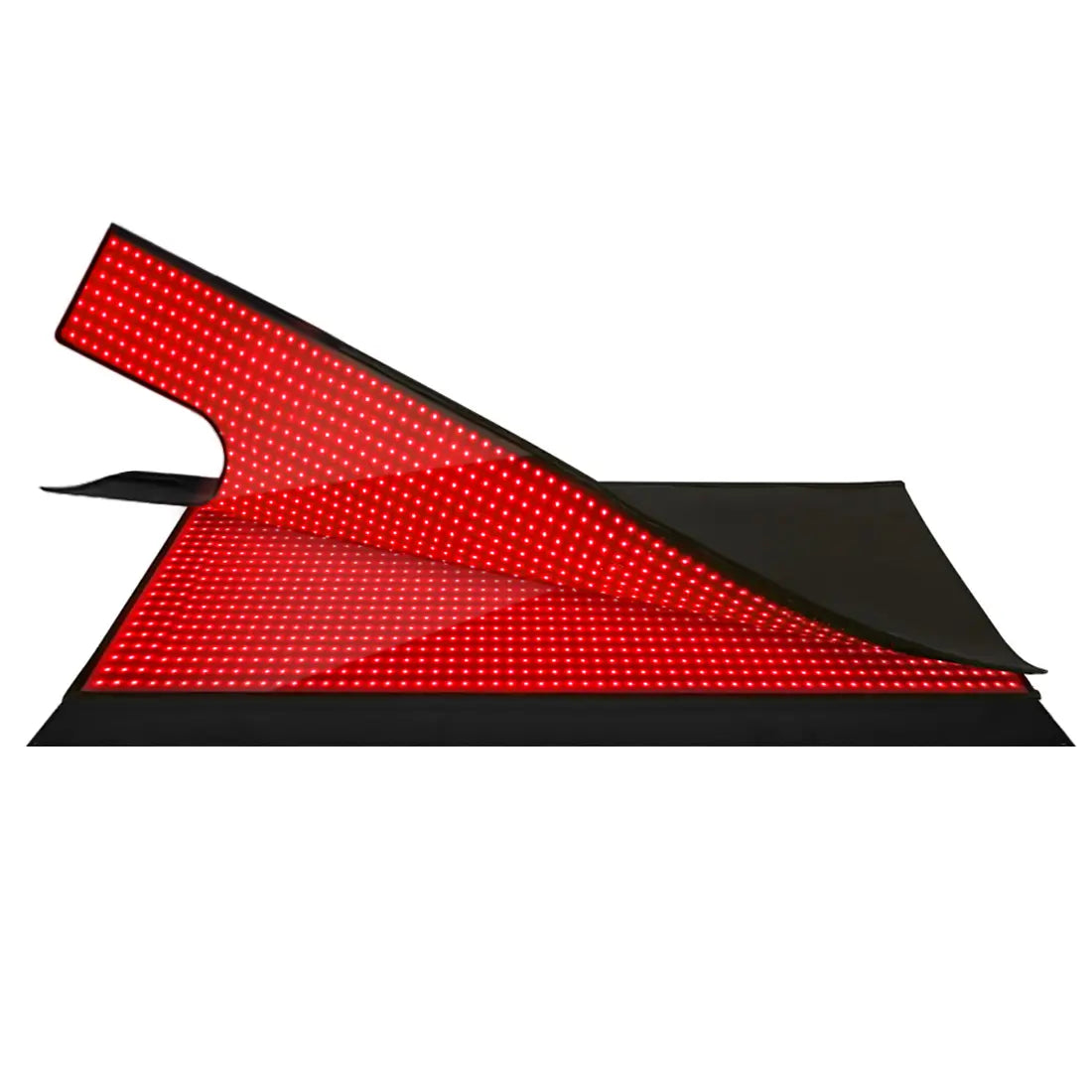
Always cross-check real irradiance at your intended distance. Our Youlumi Pro Full Body Red Light Therapy Mat with 3840 LEDs, measured high irradiance, and 3-year warranty is one example of a device engineered for these thresholds.
Realistic Expectations: What Claims Are Supported
Effective red-light therapy depends on selecting the right wavelength, power, and dose for the intended indication. Benefits for skin health, recovery, sleep, and discomfort management appear application-specific and depend heavily on consistent use, individual response, and proper dosing. This article only discusses comfort and setup advice; it does not constitute medical advice, diagnosis, or treatment. If you have persistent discomfort or existing eye or health conditions, consult qualified professionals.
Avoid devices that promise universal cures or rely solely on celebrity endorsements. Look for transparent technical documentation instead. For evidence-based timing and protocols, see The Ultimate Guide to Red Light Therapy Timing and Dosage.
How to Choose: Practical Checklist Before Buying
Before purchasing any red light therapy device in 2026, run this quick filter:
- Does the product publish irradiance in mW/cm² at a realistic treatment distance (not just at the surface)?
- Are wavelengths clearly stated with accuracy tolerances (typically ±10–20 nm)?
- Does the coverage area and format match your intended full-body or targeted use?
- What are the EMF, flicker, and electrical safety specifications?
- What is the warranty length and what does real user feedback say about durability after 12–24 months?
- Can you calculate a plausible cost per session based on your expected weekly usage?
If the answers are unclear or fall below the practical thresholds outlined earlier, even a $1,000 mat may not be worth it. Conversely, a premium device that clears these checks can offer strong long-term value for dedicated users.
Explore our full range of options in the Red Light Therapy Panel collection or consider complementary tools like the Red Light Therapy Belt for targeted needs.
Final Verdict: Is the $1,000 Mat Worth It?
A premium red light therapy mat can be worth the investment in 2026 when your usage frequency, need for full-body convenience, and demand for verified performance align with its strengths. The higher price often translates into shorter, more comfortable sessions and better longevity, improving cost per use for consistent users. However, for lower-frequency or experimental use, a well-chosen budget panel or targeted device frequently delivers adequate results at far lower cost.
The decision ultimately comes down to honest self-assessment of your routine and careful verification of technical claims rather than assuming higher price equals superior outcomes. Prioritize irradiance, dose delivery, and real-world usability. When those factors check out, the premium mat can become a worthwhile part of a long-term wellness practice.
Important Note on Health and Comfort Claims: This article discusses setup advice, technical specifications, and cost considerations for red light therapy devices. It does not constitute medical advice, diagnosis, or treatment. Red light therapy benefits depend on individual factors, consistent use, and proper dosing. Benefits for eye fatigue, pain, or other symptoms can vary widely and may feel more comfortable in some setups than others. If you experience persistent discomfort or have existing medical conditions, consult a qualified healthcare professional. Claims of health improvements should be viewed cautiously and are not guaranteed.