
Summary
Red light therapy (RLT) serves as a foundational pillar in modern biohacking, offering a non-invasive method to optimize mitochondrial function, regulate circadian rhythms, and accelerate systemic recovery. By integrating specific wavelengths of red and near-infrared light into a structured daily routine, high-performers can achieve measurable improvements in physical endurance, cognitive clarity, and sleep quality.
Key takeaways
- Mitochondrial Optimization: Red light (660nm) and near-infrared light (850nm) stimulate cytochrome c oxidase, enhancing ATP production for systemic energy gains.
- Circadian Alignment: Strategic morning exposure resets the master biological clock, while evening protocols support melatonin production for deeper sleep.
- Performance Stacking: Combining RLT with cold thermogenesis or time-restricted feeding can amplify metabolic and anti-inflammatory benefits.
- Technical Rigor: Success depends on precise irradiance (mW/cm²) and adherence to the latest IEC 60601-2-57:2026 safety standards to avoid EMF and flicker interference.

Introduction to the Biohacker’s Light Protocol
In the pursuit of peak human performance, biohackers treat the body as a complex biological system that can be upgraded through targeted interventions. Red light therapy, also known as photobiomodulation (PBM), has emerged as a critical tool in this "hardware optimization" toolkit. Unlike generic wellness trends, RLT is grounded in the physics of light-tissue interaction, where specific photons trigger biochemical cascades within the mitochondria.
As we navigate 2026, the focus has shifted from simple exposure to highly personalized, data-driven comprehensive red light therapy protocols that align with individual chronotypes and performance goals. This guide serves as your central hub for synthesizing these protocols into a cohesive lifestyle framework, ensuring every photon delivered is a step toward systemic optimization.
The Physics of Photons: How Wavelengths Interact with Biology
To optimize your performance, you must first understand the "fuel" you are providing your cells. Red light therapy operates on the principle that certain wavelengths of light can penetrate the skin and be absorbed by chromophores within our cells. The primary target is cytochrome c oxidase, an enzyme in the mitochondria that plays a crucial role in the electron transport chain.
When red (660nm) or near-infrared (850nm) light is absorbed, it helps displace nitric oxide, which can inhibit cellular respiration. This displacement allows oxygen to bind more effectively, leading to an increase in adenosine triphosphate (ATP) production. For the biohacker, more ATP means more cellular energy available for everything from muscle contraction to cognitive processing.
Logic Summary: We assume that the "optical window" for human tissue lies between 600nm and 1100nm. Wavelengths outside this range are either absorbed by water or lack the energy to trigger photobiomodulation. We focus on 660nm for surface-level skin health and 850nm for deep-tissue penetration.
The Circadian Reset: Morning Protocols for Alertness
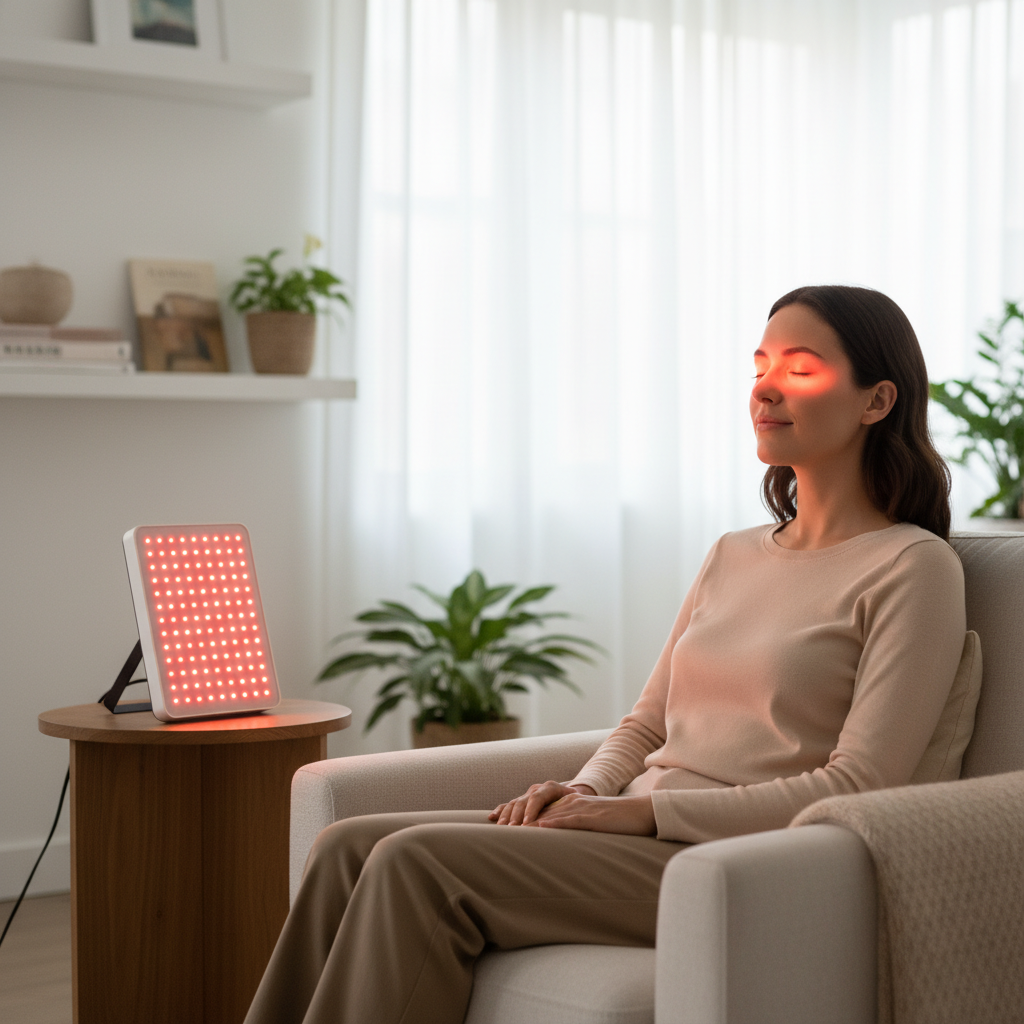
The human body is hardwired to respond to the shifting spectrum of natural sunlight. In our modern, indoor-centric world, "light hygiene" is often the first casualty. Biohackers use red light therapy to simulate the low-angle, high-red-spectrum light of sunrise, signaling to the suprachiasmatic nucleus (SCN) that the day has begun.
Strategic morning exposure, typically within 30 minutes of waking, helps suppress residual melatonin and stimulates cortisol production, leading to improved alertness. This is particularly effective for individuals with delayed sleep phase syndrome or those working in windowless environments. For a deeper dive into timing and light intensity, the guide on optimizing circadian rhythm with red light provides a step-by-step framework for aligning your biological clock.
Morning Protocol Checklist
- Timing: 0-30 minutes after waking.
- Duration: 10-15 minutes.
- Distance: 12-18 inches from the panel.
- Target Area: Face and torso (eyes closed or with safety goggles).
- Environment: Combine with natural sunlight if possible to broaden the spectrum.
Athletic Performance: Pre- and Post-Workout Optimization
For the physical self-optimizer, red light therapy is a dual-phase tool. Pre-workout, it serves as a "cellular warm-up," increasing blood flow and oxygenation to the muscles. Post-workout, it shifts the body into a parasympathetic state, accelerating the clearance of metabolic waste and reducing delayed onset muscle soreness (DOMS).
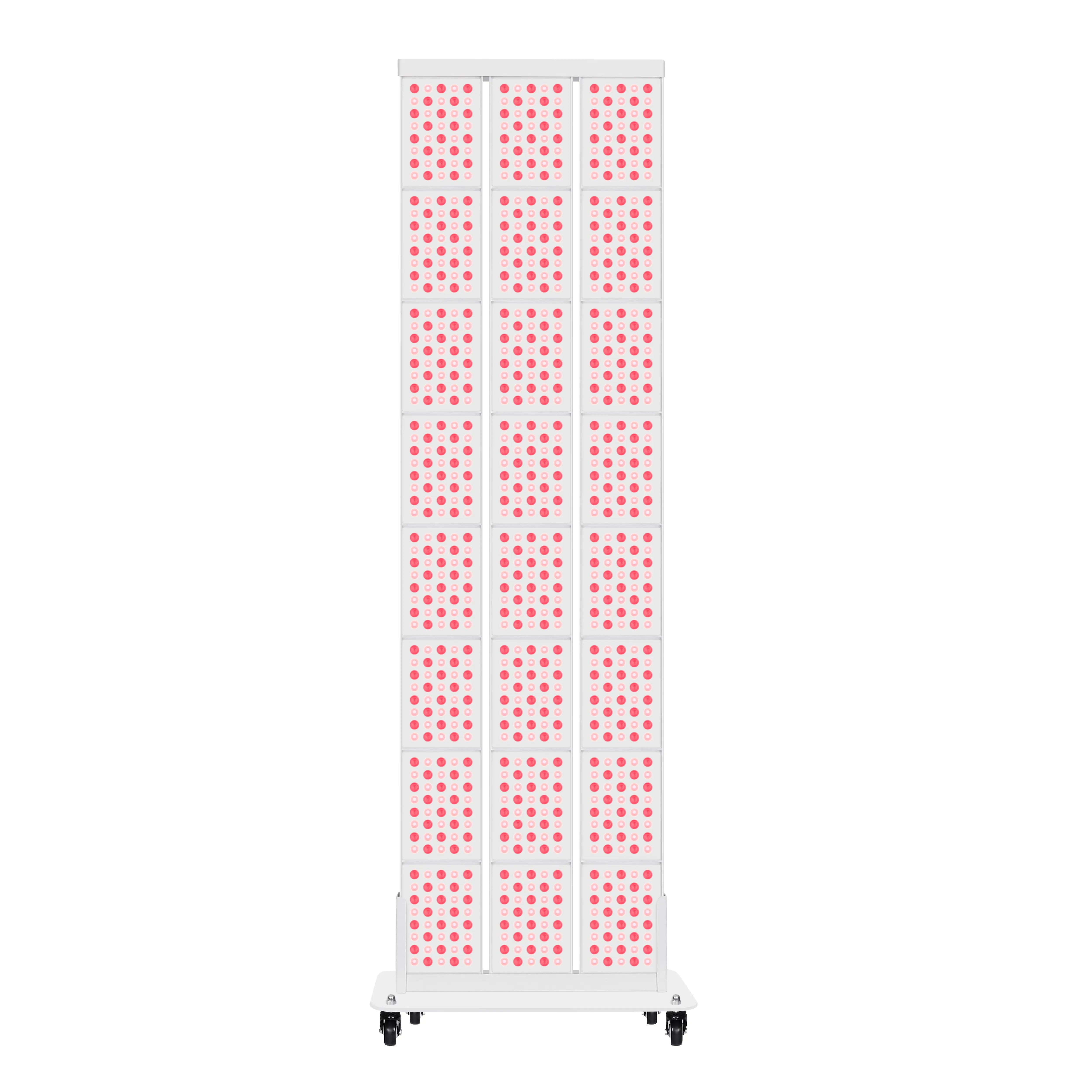
The efficacy of enhancing muscle recovery protocols depends heavily on depth of penetration. While 660nm red light is ideal for superficial skin health, 850nm near-infrared (NIR) light reaches deeper muscle tissues and joints. High-performance athletes often utilize a high-power 1500W red light therapy panel to ensure adequate power density over large muscle groups in a shorter timeframe.
Comparison of Pre- vs. Post-Workout RLT
| Parameter | Pre-Workout Protocol | Post-Workout Protocol |
|---|---|---|
| Primary Goal | Enhanced endurance & power | Reduced inflammation & DOMS |
| Timing | 5-15 minutes before exercise | 10-20 minutes after exercise |
| Wavelength Focus | NIR (850nm) for blood flow | Red (660nm) + NIR (850nm) |
| Intensity | Moderate (30-50 mW/cm²) | High (50-100 mW/cm²) |

Cognitive Enhancement: Brain Health Protocols
The brain is one of the most energy-intensive organs in the body, making it a prime candidate for mitochondrial optimization. Transcranial photobiomodulation (tPBM) involves applying NIR light directly to the scalp. Research suggests this can improve cerebral blood flow and neuroprotective factors.
Biohackers often use RLT to combat "brain fog" or enhance focus during deep work sessions. By targeting the prefrontal cortex, users report improvements in executive function and mood regulation. This protocol is often "stacked" with nootropics or meditation to create a synergistic effect on cognitive output. When using RLT for brain health, ensuring the device has zero flicker is paramount to avoid triggering headaches or neurological strain.
Technical Standards and Safety in 2026
As the market for RLT devices has expanded, so has the prevalence of "irradiance inflation"—marketing claims that exaggerate the power of a device. For the serious biohacker, technical verification is non-negotiable. In 2026, the industry has adopted the IEC 60601-2-57:2026 standard, which establishes rigorous benchmarks for non-laser light source equipment used in therapeutic and aesthetic applications.
When selecting a device, it is crucial to understand the nuances of safety standards and EMF considerations. This authoritative reference details how to interpret lab-grade spectroradiometry data versus cheap solar meter readings. Furthermore, low electromagnetic field (EMF) output and zero-flicker technology are essential for long-term safety, especially when using panels close to the head or heart.
Logic Summary: We adhere to the Arndt-Schulz Law, which suggests a biphasic dose-response: too little light has no effect, while too much can actually inhibit cellular function. We recommend staying within the 10-60 Joules/cm² range for most systemic applications. Over-exposure can lead to oxidative stress that outweighs the ATP gains.
Choosing the Right Equipment: Mats vs. Panels
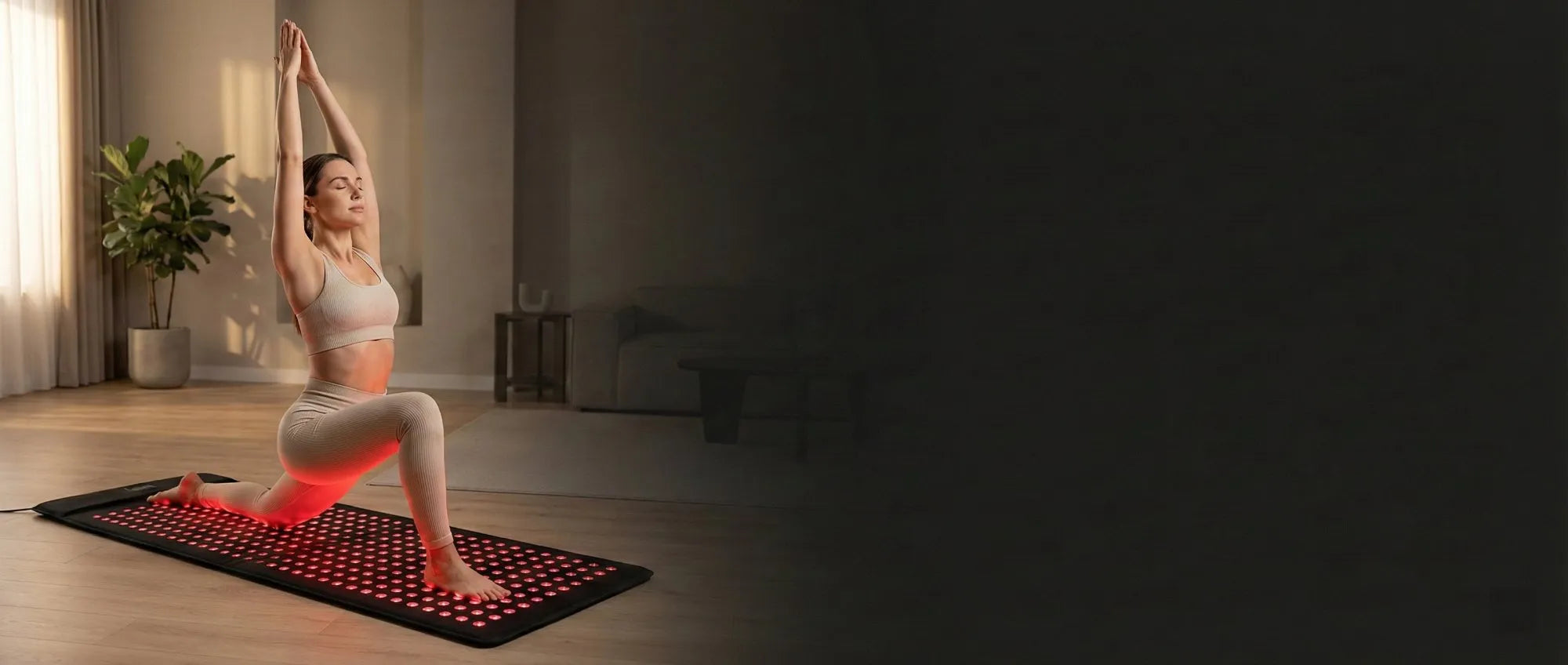
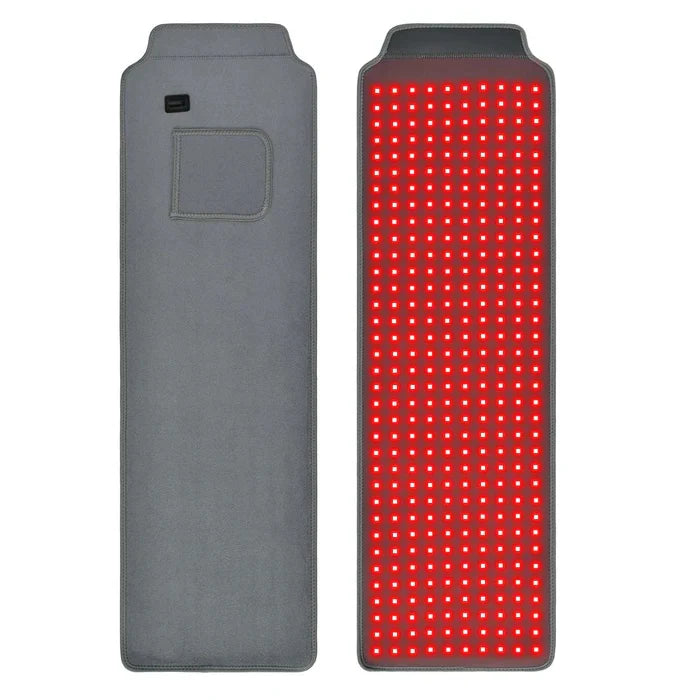
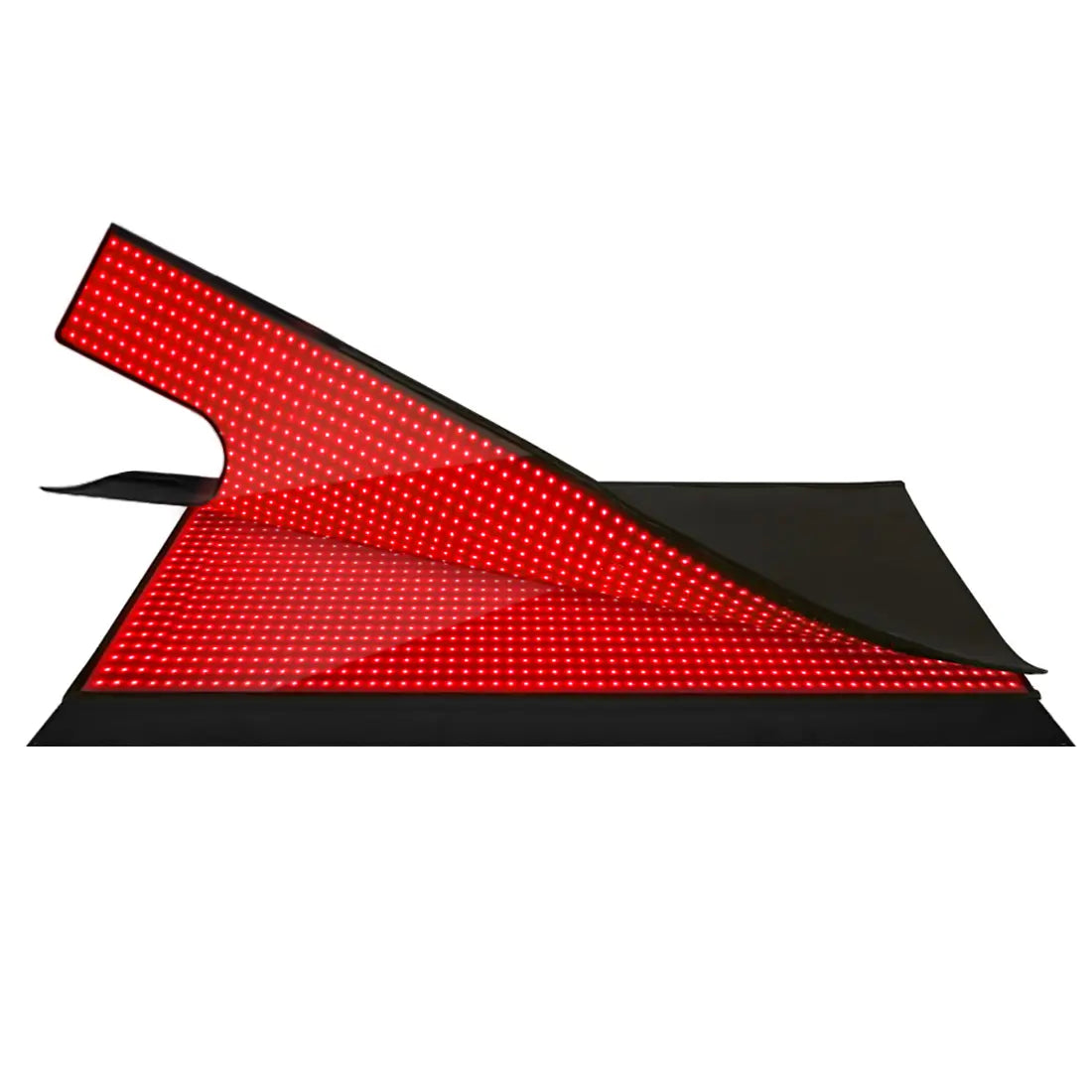
The "best" device depends entirely on your lifestyle and specific optimization goals. Panels offer high irradiance and are ideal for targeted treatment of muscles or the face. Mats, on the other hand, provide a lower-intensity, "full-wrap" experience that is conducive to relaxation and systemic recovery.
Choosing between mats and panels often comes down to a trade-off between power and convenience. Panels are better for "biohacking sprints"—short, intense sessions—while mats are suited for "biohacking marathons"—long, restorative sessions often integrated into a sleep routine. For those traveling, portable mini-panels offer a compromise, maintaining protocol consistency while on the road.
Integration and Maintenance: Cycling and Stacking
One of the most overlooked aspects of biohacking is the potential for biological adaptation. Just as you cycle supplements or vary your workout intensity, your RLT protocol should not remain static.
The "Stacking" Framework
Biohackers rarely use one tool in isolation. Here is how to integrate RLT with other common modalities:
- Cold Plunge + RLT: Use RLT after a cold plunge to help the body return to homeostasis and amplify the anti-inflammatory response. Avoid using RLT immediately before cold exposure, as the increased blood flow may interfere with the cold's vasoconstrictive benefits.
- Fasting + RLT: Some evidence suggests that RLT during a fasted state may further stimulate autophagy, the body's cellular "cleanup" process. This is particularly effective during the 16-24 hour mark of a fast.
- Grounding + RLT: Performing RLT while grounded (earthing) may help stabilize the electrical environment of the cells, potentially enhancing photon absorption and reducing inflammation.
Protocol Cycling and Maintenance
To prevent the "plateau effect," consider a 5-days-on, 2-days-off schedule. This allows the body's natural antioxidant systems to catch up with the light-induced oxidative stress (hormesis). Additionally, consider "pulsing" your protocols—increasing intensity during high-stress periods (like travel or heavy training) and scaling back during recovery weeks.
Cluster Map: Navigating the Biohacker’s Hub
To help you build your personalized protocol, explore these specialized guides within our ecosystem. Each cluster focuses on a specific anatomical or lifestyle goal, allowing you to route your journey based on current priorities.
| Optimization Focus | Reading Path & Resource |
|---|---|
| Hair Restoration | Red Light Therapy for Hair Growth: Science-Backed Protocols |
| Skin Longevity | Red Light Therapy for Skin: Boosting Collagen and Elasticity |
| Sleep Quality | Red Light Therapy for Sleep: The Circadian Rhythm Protocol |
| Muscle Recovery | The Ultimate Red Light Therapy Protocol for Muscle Recovery |
| Pet Health | Red Light Therapy for Dogs: Managing Arthritis and Joint Pain |
| Equipment Selection | Red Light Therapy Mat vs. Panel: Which is Best for You? |
FAQ
How do I calculate my specific red light therapy dosage? Dosage is measured in Joules per square centimeter (J/cm²). To calculate this, you need to know your device's irradiance (mW/cm²) at a specific distance and the duration of your session in seconds. The formula is: (Irradiance × Time in seconds) / 1000. For example, if your panel delivers 50 mW/cm² and you use it for 10 minutes (600 seconds), your dose is 30 J/cm². Most therapeutic protocols target between 10 and 60 J/cm² depending on the depth of the target tissue and your skin type.
Can I use red light therapy every day? While daily use is generally safe for most people, many biohackers prefer a "cycling" approach to avoid biological adaptation. A common protocol is 5 days of use followed by 2 days of rest. This rest period allows the body to fully process the cellular signals triggered by the light and prevents the mitochondria from becoming "desensitized" to the stimulus. Always monitor your body's response and adjust frequency based on your recovery needs and energy levels.
Does red light therapy work through clothing? For maximum efficacy, red and near-infrared light should be applied directly to bare skin. While some near-infrared light (850nm) can penetrate thin, light-colored fabrics, most of the energy is reflected or absorbed by the material. Red light (660nm) is almost entirely blocked by clothing. To ensure you are receiving the calculated dose of photons, it is best to remove clothing from the target area during your session.
Is it safe to look directly at the red lights? While red light (660nm) is generally considered safe for the eyes and may even have benefits for retinal health, near-infrared light (850nm) is invisible and can be more intense than it appears. Most manufacturers recommend wearing protective eyewear, especially when using high-output panels in close proximity to the face. If you are using RLT for circadian resets, indirect exposure or specialized eye-safe protocols are recommended.
Can I stack red light therapy with a cold plunge? Yes, stacking these two modalities is a popular biohacking technique. Most experts recommend using red light therapy after a cold plunge. The cold exposure causes vasoconstriction and reduces inflammation, while the subsequent red light therapy promotes vasodilation and cellular repair. This "thermal contrast" can enhance the systemic benefits of both treatments, though you should wait until your body temperature has stabilized before starting your RLT session.
What is the difference between red light and near-infrared light? Red light (typically 630-670nm) has a shorter wavelength and is primarily absorbed by the skin's surface layers, making it excellent for collagen production and wound healing. Near-infrared light (typically 810-850nm) has a longer wavelength that can penetrate several centimeters into the body, reaching muscles, joints, and even bone. Most high-performance biohacking devices offer a combination of both wavelengths to provide both superficial and deep-tissue benefits simultaneously.
How does skin type affect my red light therapy protocol? Skin pigmentation can influence photon absorption. Individuals with higher melanin levels (darker skin types) may absorb more light at the surface, which can slightly reduce the depth of penetration for deeper tissues. Conversely, very fair skin may be more sensitive to the heat generated by high-irradiance panels. We recommend starting with shorter sessions and gradually increasing duration while monitoring for any signs of sensitivity or over-stimulation.
References
Government / Standards / Regulators
- IEC 60601-2-57:2026 - Medical electrical equipment - Particular requirements for the basic safety and essential performance of non-laser light source equipment
- IEEE 1789-2015 - Recommended Practices for Modulating Current in High-Brightness LEDs for Mitigating Health Risks to Viewers
Platform official docs & policies
- Photobiomodulation Standards: Irradiance, EMF, and Safety (Authoritative Reference)
Industry associations / research institutes / market reports
- North American Association for Photobiomodulation Therapy (NAALT) - Clinical Guidelines
- World Association for Photobiomodulation Therapy (WALT) - Dosage Recommendations
Academic / whitepapers / labs
- Hamblin, M. R. (2017). Mechanisms and mitochondrial redox signaling in photobiomodulation. Photochemistry and Photobiology.
- Arndt-Schulz Law in Photomedicine: The Biphasic Dose-Response Curve.