
Summary
Red light therapy (RLT) has emerged as a cornerstone of non-invasive dermatology in 2026, primarily due to its ability to stimulate mitochondrial activity and upregulate the production of collagen and elastin. By utilizing specific wavelengths—most notably 660nm for superficial skin layers and 850nm for deeper dermal penetration—this technology triggers a cascade of cellular repair mechanisms that reduce fine lines, improve skin texture, and restore elasticity. Achieving professional-grade results at home requires a rigorous adherence to technical benchmarks, including precise irradiance management and compliance with the latest safety standards like IEC 60601-2-57:2026. This guide provides a technical and practical framework for integrating red light therapy into a comprehensive anti-aging regimen, focusing on evidence-based protocols and realistic expectations for long-term skin health.
Key takeaways
- Dual-Wavelength Efficacy: The combination of 660nm (visible red) and 850nm (near-infrared) light provides a multi-layered approach to skin rejuvenation, targeting both the epidermis and the deep dermis.
- Irradiance Optimization: A surface irradiance of 30-40 mW/cm² is considered the therapeutic "sweet spot" for facial skin, providing enough energy to stimulate fibroblasts without causing thermal stress or inhibitory effects.
- The 12-Week Rule: While cellular changes begin immediately, visible improvements in skin density and elasticity typically require 8 to 12 weeks of consistent application due to the natural cycle of collagen remodeling.
- Safety Compliance: Modern photobiomodulation (PBM) devices must meet the IEC 60601-2-57:2026 standards to ensure controlled light emission, minimal electromagnetic interference (EMF), and flicker-free operation.
- Synergistic Skincare: Integrating red light therapy with topical antioxidants like Vitamin C can enhance results, though caution is required when using photosensitizing agents like retinoids.
The Biological Mechanism: How Photobiomodulation Rebuilds the Skin Matrix
At the heart of red light therapy’s effectiveness is the process of photobiomodulation. When skin cells are exposed to specific wavelengths of light, the photons are absorbed by chromophores within the mitochondria, specifically cytochrome c oxidase. This absorption stimulates the production of adenosine triphosphate (ATP), the primary energy currency of the cell. For the skin, this surge in cellular energy translates directly into the activation of fibroblasts—the specialized cells responsible for synthesizing the extracellular matrix, including collagen and elastin.
Collagen provides the structural framework that keeps skin firm, while elastin allows it to snap back into place after stretching. As we age, the natural production of these proteins declines, leading to the formation of wrinkles and sagging skin. By 2026, research has further clarified that 660nm light is exceptionally effective at targeting the superficial layers to address fine lines and pigmentation, whereas 850nm near-infrared light penetrates deeper into the dermis to stimulate structural collagen and improve overall skin thickness. This dual-action approach is essential for comprehensive anti-aging, as it addresses both the visible surface and the underlying structural integrity.
Logic Summary: This mechanism assumes that the light source provides sufficient irradiance to reach the target depth without exceeding the thermal threshold of the tissue. The 660nm/850nm combination is recommended because it covers the "optical window" of human skin, where light penetration is maximized.

Technical Benchmarks for 2026: Irradiance, Dose, and Safety
In the rapidly evolving landscape of 2026, the "trust gap" in light therapy is being bridged by more rigorous technical standards. It is no longer enough to simply "see red light"; the efficacy of a treatment is determined by the dose, which is a product of irradiance (power density) and time. For facial skin rejuvenation, clinical consensus points toward a target dose of 5 to 10 Joules per square centimeter (J/cm²) per session. To achieve this within a reasonable timeframe (10-15 minutes), a device must deliver a stable irradiance of approximately 30-40 mW/cm² at the treatment distance.
Furthermore, safety has become a paramount concern for at-home users. The implementation of the IEC 60601-2-57:2026 standard ensures that non-laser light sources are tested for ocular safety, thermal stability, and electromagnetic compatibility. When selecting the right red light therapy device for skin benefits, users should look for hardware that explicitly mentions these important safety standards for effective photobiomodulation. High-quality devices also minimize "flicker," which can cause eye strain or headaches, and maintain low EMF levels to prevent unnecessary cellular stress during the 15-20 minute sessions.
Achieving Optimal Results: Protocols for Wrinkles and Elasticity
Consistency is the most critical factor in seeing a transformation. Unlike temporary topical treatments, red light therapy works by fundamentally altering cellular behavior, which takes time. Most users who report a "failed" experience with RLT often stop treatment before the 8-week mark, which is the minimum time required for significant histological changes in collagen density to manifest.
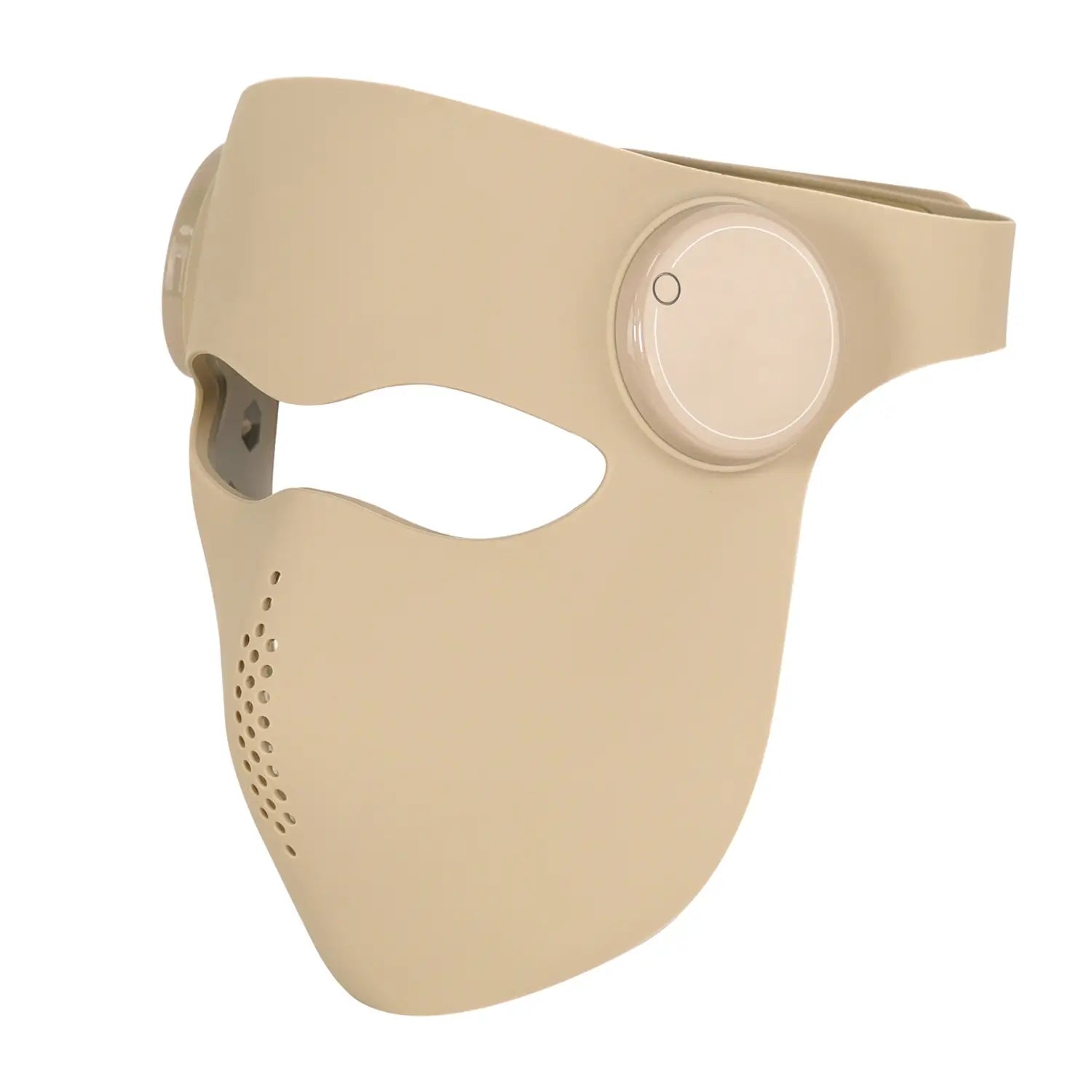
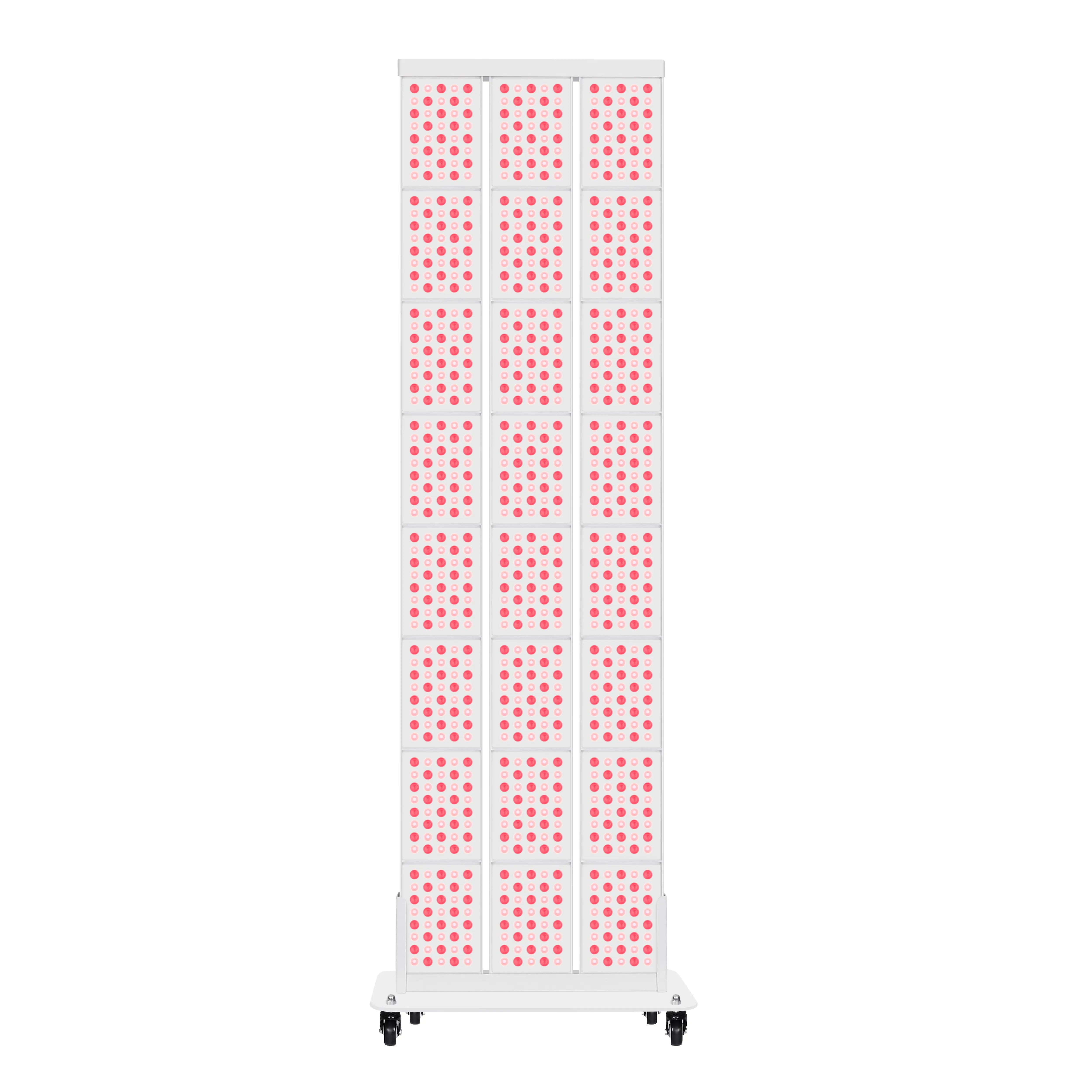
For those targeting specific concerns like crow's feet or forehead wrinkles, a 60W red light therapy panel for facial skin rejuvenation offers a targeted approach. Alternatively, a red light therapy face mask designed for collagen stimulation provides a convenient, hands-free option that maintains a consistent distance from the skin, ensuring uniform irradiance across the entire face.
Recommended Skin Rejuvenation Protocol
| Treatment Goal | Wavelengths | Frequency | Session Duration | Distance from Device |
|---|---|---|---|---|
| Fine Lines & Glow | 660nm | 3-4x per week | 10 minutes | 6-12 inches |
| Deep Wrinkles | 660nm + 850nm | 5x per week | 15 minutes | 6 inches |
| Skin Tightening | 850nm | 3-4x per week | 15 minutes | 4-6 inches |
| Scar Reduction | 660nm + 850nm | Daily | 10-15 minutes | 4 inches |
Logic Summary: These protocols are based on the Arndt-Schulz Law, which suggests that low-level light therapy follows a U-shaped response curve. Too little light provides no benefit, while too much can actually inhibit cellular repair. The distances and durations provided are designed to keep the total dose within the therapeutic range of 5-15 J/cm².

Realistic Timelines and Expectations: The 12-Week Collagen Cycle
One of the most common misconceptions in the skincare industry is the "overnight miracle." In reality, the biological process of collagen synthesis and maturation is slow. After the initial stimulation of fibroblasts, the newly formed pro-collagen must be cross-linked and organized into a stable matrix. This process typically follows a predictable timeline:
- Weeks 1-2 (The Glow Phase): Users often notice improved skin tone and a "glow" due to increased localized blood flow and immediate mitochondrial stimulation.
- Weeks 4-6 (The Texture Phase): Fine lines may begin to soften as the epidermis becomes more hydrated and cellular turnover increases.
- Weeks 8-12 (The Transformation Phase): This is where structural changes occur. Deep wrinkles begin to fill out, and skin elasticity (the "snap back" factor) improves significantly.
To stay motivated, it is highly recommended to document real transformation results from red light therapy through high-resolution photography under consistent lighting. Seeing the gradual reduction in depth of expression lines can confirm the efficacy of the protocol even when day-to-day changes seem subtle. This long-term view is also essential when considering how red light therapy improves scar appearance through collagen remodeling, as remodeled tissue requires months of consistent stimulation to match the surrounding skin's texture.
Advanced Strategies: Combining Red Light with Your Skincare Routine
To maximize the anti-aging effects of red light therapy, many practitioners recommend a "sandwich" approach with topical skincare. However, the timing is crucial. Topical antioxidants, such as Vitamin C or Green Tea extract, have been shown to work synergistically with RLT. Applying these before a session can help neutralize any free radicals produced during the metabolic surge, while applying them after can provide the building blocks needed for new collagen synthesis.
Caution is advised when using photosensitizing agents like Tretinoin or high-strength Retinol. While RLT is not UV light and does not cause "sunburn," the increased cellular activity can make the skin more sensitive. Most experts recommend performing RLT on clean, dry skin and applying retinoids after the session, or on alternate days, to avoid irritation. Hyaluronic acid is an excellent post-treatment topical, as it helps lock in the moisture that is often drawn to the surface during the increased circulation of a session.
FAQ
Can I use red light therapy every day for faster results? While daily use is generally safe for skin, it may not necessarily lead to faster results. The skin needs time to process the cellular signals and build new proteins. Most clinical studies show that 3 to 5 sessions per week are sufficient to trigger the maximum biological response without reaching the point of diminishing returns.
Should I wear eye protection during my skin treatment? Yes, eye protection is highly recommended, especially when using high-irradiance panels. While red and near-infrared light are not inherently damaging like UV, the brightness can be uncomfortable and may cause temporary glare. Modern devices compliant with IEC 60601-2-57:2026 are tested for safety, but using the provided goggles ensures total peace of mind.
Does red light therapy work through makeup or sunscreen? No, for the best results, red light therapy should be used on clean, bare skin. Makeup, especially those containing minerals like zinc oxide or titanium dioxide (found in sunscreens), can reflect or absorb the light before it reaches the deeper layers of the skin, significantly reducing the effective dose.
Is 660nm or 850nm better for skin tightening? A combination of both is ideal. 660nm targets the superficial epidermis to improve surface texture and fine lines, while 850nm penetrates deeper into the dermis where the structural elastin and collagen fibers reside. Using both wavelengths ensures that you are treating the skin at every depth for maximum tightening effect.
Can red light therapy help with sagging skin on the neck? Yes, the skin on the neck is thinner than facial skin and responds very well to red light therapy. Because the neck has fewer oil glands and is prone to "crepiness," the collagen-boosting effects of 660nm and 850nm light can help firm the area and reduce the appearance of horizontal neck lines over time.
Are there any side effects to using red light therapy on the face? Red light therapy is non-thermal and non-invasive, making it exceptionally safe for most skin types. Some users may experience temporary redness or a slight "tight" feeling immediately after a session due to increased blood flow, but this typically subsides within an hour. It is always best to start with shorter sessions to assess skin sensitivity.
References
Government / Standards / Regulators
- International Electrotechnical Commission (IEC): IEC 60601-2-57:2026 - Medical electrical equipment - Part 2-57: Particular requirements for the basic safety and essential performance of non-laser light source equipment
- IEEE Standards Association: IEEE 1789-2015 - Recommended Practices for Modulating Current in High-Brightness LEDs for Mitigating Health Risks to Viewers
Industry Associations / Research Institutes
- North American Association for Photobiomodulation Therapy (NAALT): Clinical Guidelines for Skin Rejuvenation and Wound Healing
- American Academy of Dermatology (AAD): Emerging Technologies in Non-Invasive Skin Tightening
Academic / Whitepapers / Labs
- Journal of Clinical and Aesthetic Dermatology: A Controlled Trial to Determine the Efficacy of Red and Near-Infrared Light Treatment in Patient Satisfaction, Reduction of Fine Lines, Wrinkles, Skin Roughness, and Intradermal Collagen Density Increase
- Photomedicine and Laser Surgery: The Biological Effects of 660nm and 850nm Wavelengths on Human Fibroblasts
Platform Official Docs & Policies
- Youlumi Technical Whitepaper: Photobiomodulation Standards: Irradiance, EMF, and Safety (Internal canonical reference for 2026 technical validation)