
Photobiomodulation for Chronic Fatigue: Recharging Cellular Mitochondria
Many adults dealing with persistent low energy or chronic fatigue look for science-based ways to support their body's natural energy production when rest, nutrition, and conventional approaches fall short. Photobiomodulation (PBM), which uses specific wavelengths of red and near-infrared light, is being studied for its potential to interact with mitochondria—the powerhouses of cells. While not a cure for medical conditions, this non-thermal approach may serve as a supportive wellness tool in daily recovery routines.

Persistent fatigue can stem from many underlying causes, so it is important to consult a healthcare professional for proper evaluation before assuming a wellness device will resolve symptoms. This article explores the cellular mechanisms, current evidence boundaries, practical protocols, and decision frameworks for those considering full-body red light therapy as part of a broader energy-support strategy.
What Is Photobiomodulation and How Does It Differ from Heat-Based Infrared Therapy?
Photobiomodulation uses low-level red and near-infrared light to interact with cells and support cellular signaling rather than relying on heat. As this review on whole-body photobiomodulation explains, PBM operates at intensities that influence biological processes without causing thermal damage.
Researchers propose that red and near-infrared light may affect mitochondria and support ATP-related cellular energy processes. The primary photoacceptor is believed to be cytochrome c oxidase in the mitochondrial respiratory chain. When light in the 600–1000 nm range is absorbed, it can dissociate inhibitory nitric oxide, increase electron transport efficiency, and potentially enhance ATP production.
This mechanism is distinct from traditional infrared therapy, which primarily delivers heat to promote circulation, muscle relaxation, and comfort. This clinical trial registry entry highlights that PBM for chronic fatigue remains an emerging area of research rather than an established treatment.
The phrase "recharging cellular mitochondria" is a helpful metaphor but not a literal measurement. It is more accurate to say PBM may support mitochondrial function and cellular energy signaling than to claim it literally recharges mitochondria, as noted in mechanistic reviews.
The Mitochondrial Mechanism: How Red and Near-Infrared Light May Support Energy Production
Mitochondria generate ATP through oxidative phosphorylation. Red light (around 660 nm) and near-infrared light (around 850 nm) are thought to influence this pathway at the cellular level. Light absorption by cytochrome c oxidase can modulate the three key steps of ATP synthesis: improving oxygen utilization, reducing oxidative stress, and optimizing electron flow.
Important Calibration: While mechanism research supports these biological possibilities, it is critical to distinguish between cellular potential and proven clinical outcomes. Current fatigue-specific evidence remains limited, and clinical results depend heavily on dosage, device parameters, and individual health status.

This interaction may help cells produce energy more efficiently under stress, which is why biohackers and longevity enthusiasts explore PBM for fatigue support. However, these mechanisms are biologically plausible rather than guaranteed to translate into noticeable clinical benefits for every individual.
Some studies suggest PBM may help with symptom burden in related conditions, but results are still early. For example, whole-body PBM has been studied in fibromyalgia—a condition that often includes profound fatigue—showing potential improvements in pain and quality of life in small trials. These findings provide context for why full-body mats are popular, yet they do not automatically prove efficacy for chronic fatigue syndrome or ME/CFS.
What Does the Current Evidence Say About PBM for Chronic Fatigue?
Evidence for photobiomodulation in chronic fatigue is preliminary. A feasibility study registered on ClinicalTrials.gov is assessing whether PBM is practical and acceptable for people with ME/CFS, underscoring that researchers are still evaluating real-world application rather than claiming proven outcomes.
Larger reviews of PBM across multiple health outcomes note potential benefits for fatigue-adjacent symptoms in certain populations, but high-quality, fatigue-specific randomized controlled trials remain limited. This aligns with the bounded nature of available data: improvements in related conditions like fibromyalgia have been reported, yet generalization requires caution.
Persistent fatigue should prompt medical evaluation. As NHS Inform guidance states, ongoing or unexplained fatigue can signal underlying medical issues such as thyroid disorders, anemia, sleep apnea, infections, or mood conditions that need professional assessment rather than self-managed light therapy alone.
PBM should be viewed as a potential adjunct for energy support and recovery, not as a cure for chronic fatigue syndrome or other medical disorders. Individual responses vary based on dosage, consistency, overall health, and the root causes of low energy.
Photobiomodulation vs Infrared Therapy: Which Supports Energy Better?
When comparing red light therapy (PBM) to traditional infrared heat therapy for energy and fatigue, the key is understanding their different mechanisms rather than declaring a universal winner.
PBM targets cellular signaling through light absorption, making it the closer match for mitochondrial-function discussions. Infrared heat therapy primarily provides thermal effects that promote relaxation, improved local circulation, and muscle comfort. For someone whose low energy stems from tension or poor recovery, heat may feel immediately soothing. For those focused on cellular energy pathways, PBM aligns more directly with the researched mechanisms.
Neither modality should be positioned as a standalone solution for diagnosed chronic fatigue. The evidence for both in fatigue management remains preliminary, and results depend heavily on individual factors.
Here is an illustrative comparison to help clarify the decision boundaries:
Decision Boundaries: Photobiomodulation vs Infrared Heat Therapy for Fatigue Support
Illustrative 1–5 comparison based on the scenario matrix: PBM is light-driven cellular signaling, infrared is thermal warming/relaxation; evidence for fatigue is preliminary and neither should be framed as a cure.
View chart data
| Series | Mitochondrial signaling fit | Immediate warming/relaxation | Evidence for fatigue | Best fit for energy-support goal | Main limitation (reverse-scored) |
|---|---|---|---|---|---|
| Photobiomodulation (red/NIR) | 5.0 | 1.0 | 2.0 | 4.0 | 3.0 |
| Infrared heat therapy | 1.0 | 5.0 | 2.0 | 2.0 | 4.0 |
The radar chart uses illustrative scores derived from mechanistic distinctions and evidence boundaries. Higher scores indicate better relative alignment on each axis. These values are heuristics for decision-making, not measured clinical outcomes.
Practical At-Home Protocol for Whole-Body Photobiomodulation
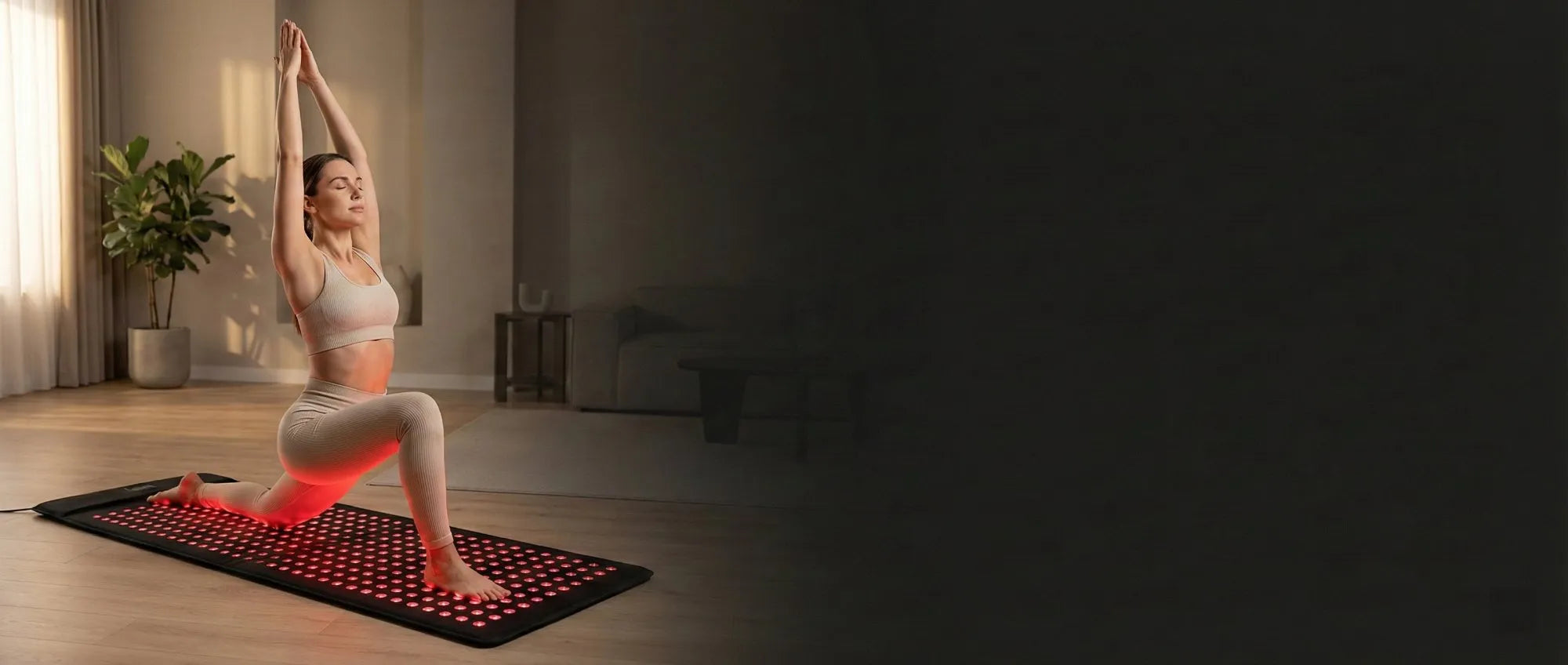
Full-body delivery systems such as mats allow systemic exposure, which may be more relevant for fatigue than targeted panels. Protocols should prioritize consistency over intensity.
A common starting approach involves 10–20 minute sessions, 3–5 times per week. Morning use may support activation and daytime energy resilience, while evening sessions can complement recovery and circadian rhythm support. Combine with the Red Light Therapy Circadian Rhythm Protocol for better sleep outcomes.
How to Verify and Convert Your Dose
To ensure you are receiving a therapeutic dose, you must look beyond "minutes" and calculate the energy delivered (Fluence).
- Check Irradiance: Look for the mW/cm² rating at a specific distance (e.g., 100 mW/cm² at 6 inches). If using a mat, use the "at surface" rating.
- Convert to Watts: 100 mW/cm² = 0.1 W/cm².
-
Calculate Fluence (J/cm²):
Irradiance (W/cm²) x Time (seconds) = Joules/cm².- Example: 10 minutes (600 seconds) at 100 mW/cm² = 60 J/cm².
- Target Range: Most systemic protocols aim for 10–60 J/cm² per session. If your device has lower irradiance (e.g., 50 mW/cm²), you would need 20 minutes to reach the same 60 J/cm² dose.
Always prioritize manufacturer-specific data and follow the Ultimate Guide to Red Light Therapy Protocols for precision dosing.
Who Is Most Likely to Benefit and When to Exercise Caution
Individuals with demanding schedules, high stress, prolonged screen time, or exercise recovery needs may find PBM a useful addition to their wellness routine. Biohackers interested in mitochondrial optimization and those who have already ruled out medical causes for low energy often report subjective improvements in resilience.
However, certain circumstances warrant caution. Do not use a full-body red light therapy mat as the initial step if fatigue is new, severe, progressive, unexplained, or accompanied by red-flag symptoms such as unexplained weight loss, chest pain, shortness of breath, neurological changes, or fever. In these cases, professional medical evaluation is the priority.
Important Safety and Medical Boundary
This article discusses photobiomodulation only as a potential supportive wellness practice. It does not constitute medical advice, diagnosis, or treatment for chronic fatigue syndrome, ME/CFS, mitochondrial disease, or any health condition. Persistent fatigue requires evaluation by a qualified healthcare professional. If you have existing medical conditions, are pregnant, take photosensitizing medications, or experience discomfort, consult your doctor before starting.
Choosing the Right Full-Body Device for Energy Support
When selecting equipment, prioritize devices with validated irradiance, proper wavelength ratios (typically 1:1 or 2:1 red to near-infrared), low EMF emissions, and safety certifications.
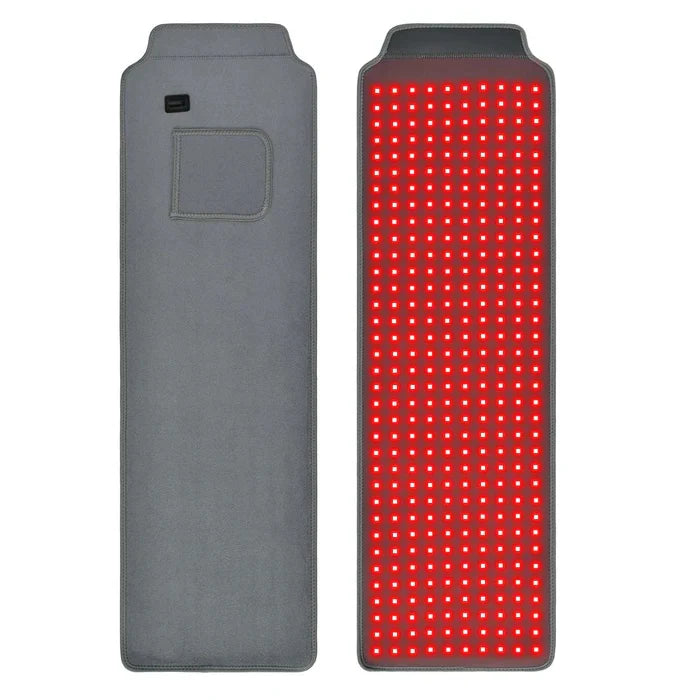
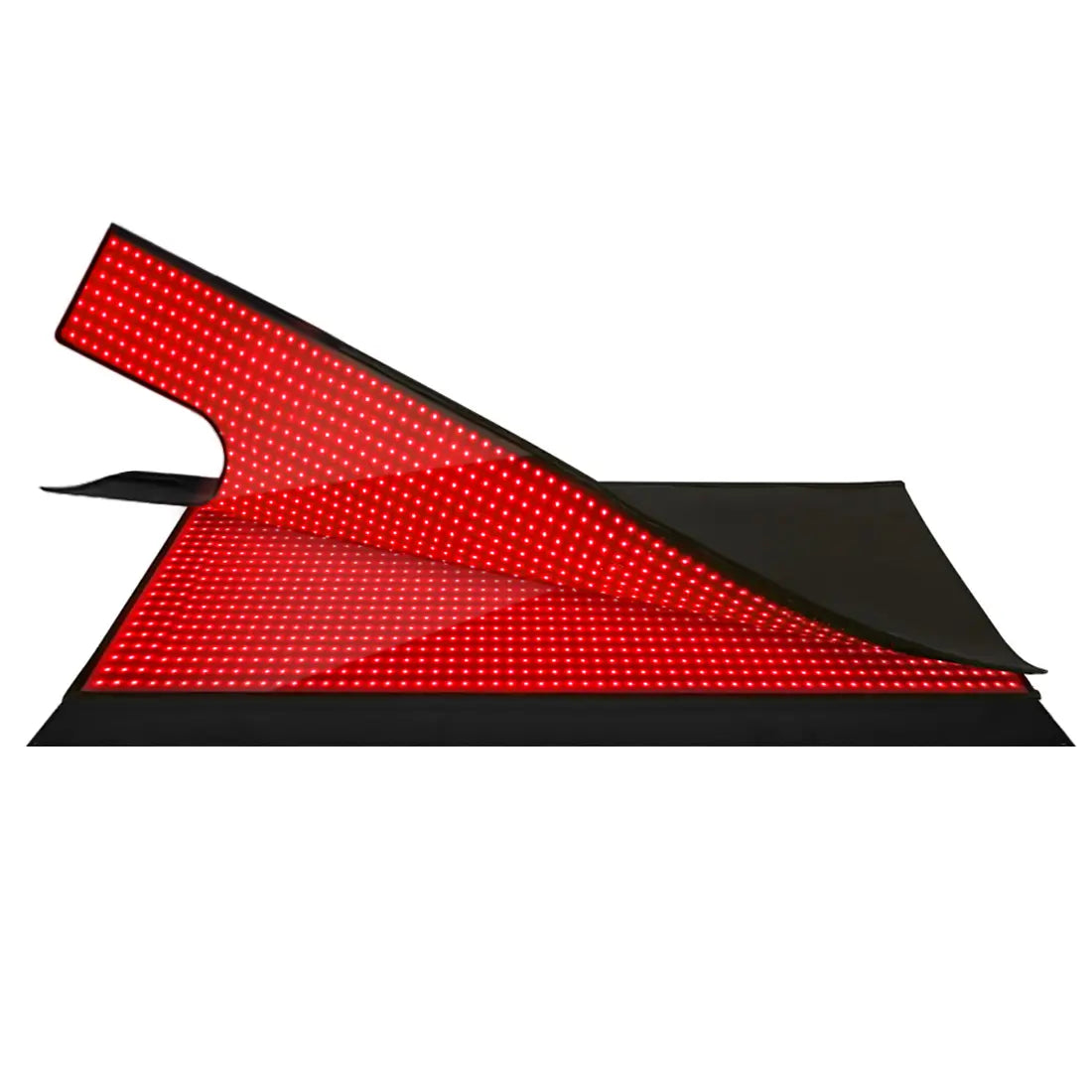
The Youlumi Pro Full Body Red Light Therapy Mat delivers high LED density and measured irradiance suitable for systemic protocols. For those preferring an enclosed experience, the Youlumi Red Light Therapy Sleep Bag supports evening recovery while integrating with sleep routines.
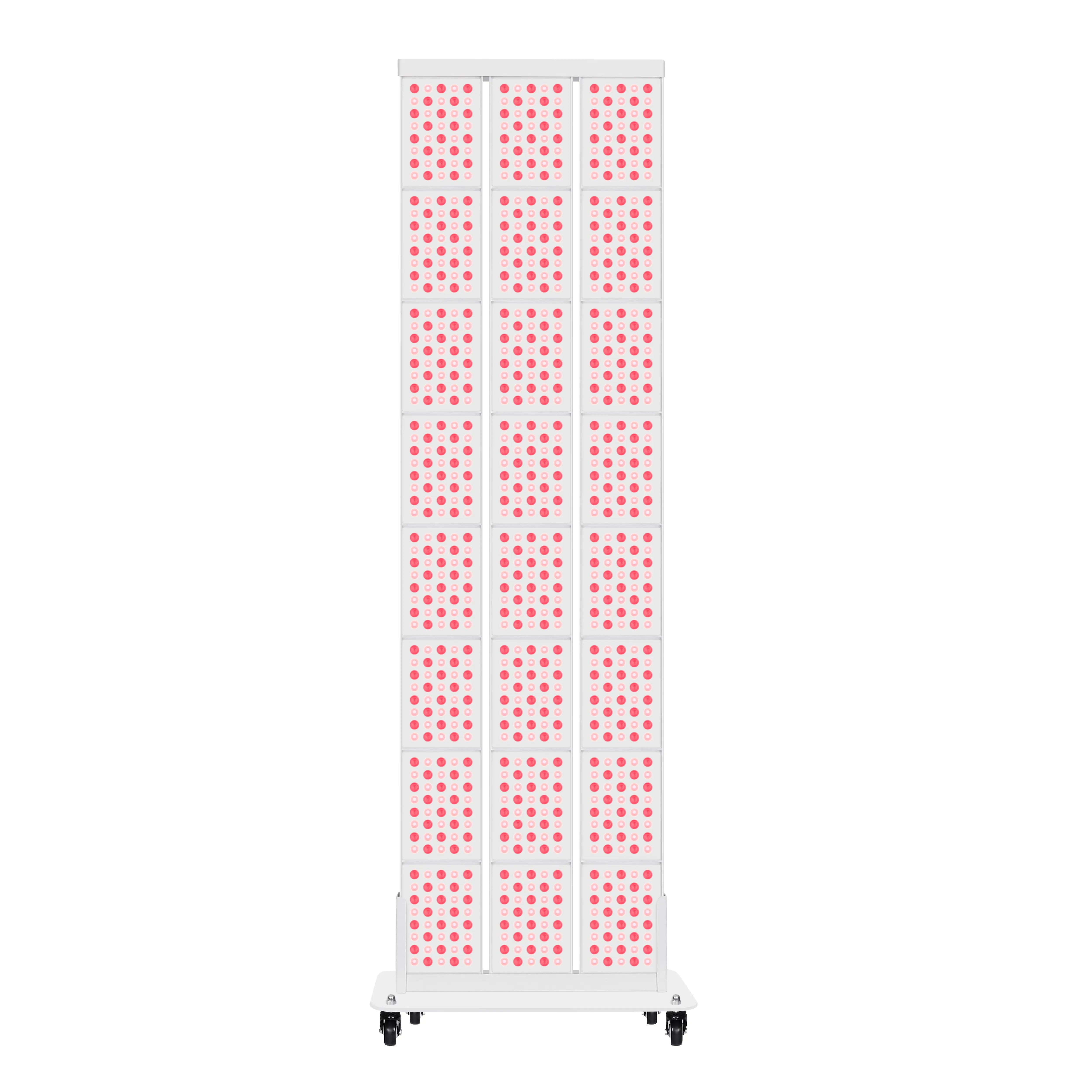
Panel users seeking targeted or modular full-body coverage can explore the Red Light Therapy Panel collection. Always verify current technical specifications and follow the Photobiomodulation Standards guide for safe, effective use.
60-Second Decision Checklist
Is PBM right for you?
- Suitable if: You have ruled out underlying medical conditions; you are looking for a recovery adjunct for high-stress/high-activity lifestyles; you can commit to 3+ sessions per week.
- NOT Suitable if: You have "red flag" symptoms (fever, unexplained weight loss); you are taking photosensitizing medications (e.g., certain antibiotics or retinoids); you are looking for an immediate "cure" for a medical disorder.
How to Start:
- Baseline: Track your current energy levels and sleep quality for 3 days.
- Protocol: Start with 10 minutes, 3 times per week at the manufacturer's recommended distance.
- Evaluation: Assess at 4 weeks. If no change, consider increasing frequency to 5 times per week.
- When to Stop: If you experience headaches, eye strain, or increased fatigue, stop and consult a professional. If no improvement is seen after 8 weeks of consistent use, return to medical evaluation to investigate other root causes.
Final Thoughts on Photobiomodulation for Low Energy
Photobiomodulation offers an intriguing, non-invasive way to explore mitochondrial support and cellular energy optimization. While the science behind red and near-infrared light interaction with mitochondria is compelling, evidence specifically for chronic fatigue remains emerging.
Results tend to be gradual and best experienced alongside proper medical oversight and lifestyle foundations. For many, a full-body red light therapy mat becomes a convenient daily ritual that complements rather than replaces other recovery practices.
References