
Quick Guide: Choosing Red Light Therapy for Seniors
For seniors looking to maintain mobility and comfort at home, the best red light therapy setup prioritizes ease of use and consistency.
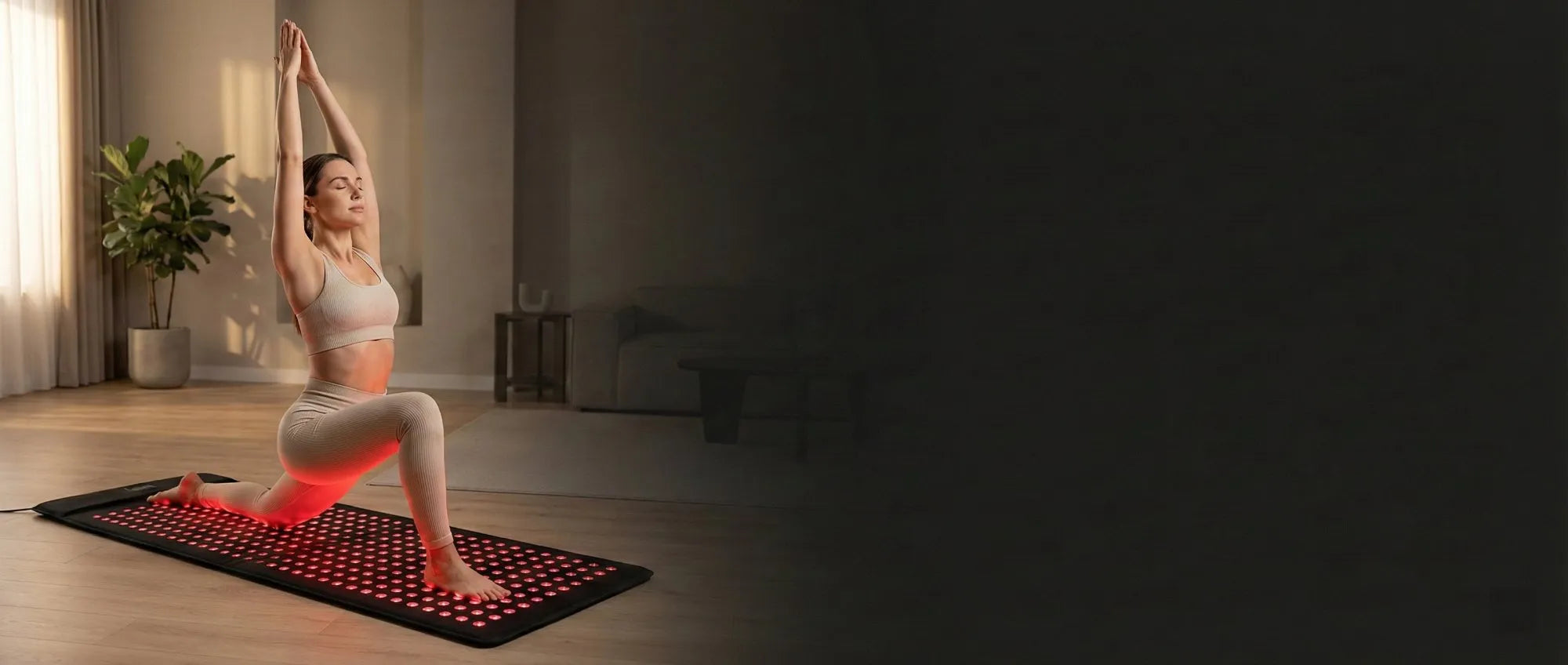
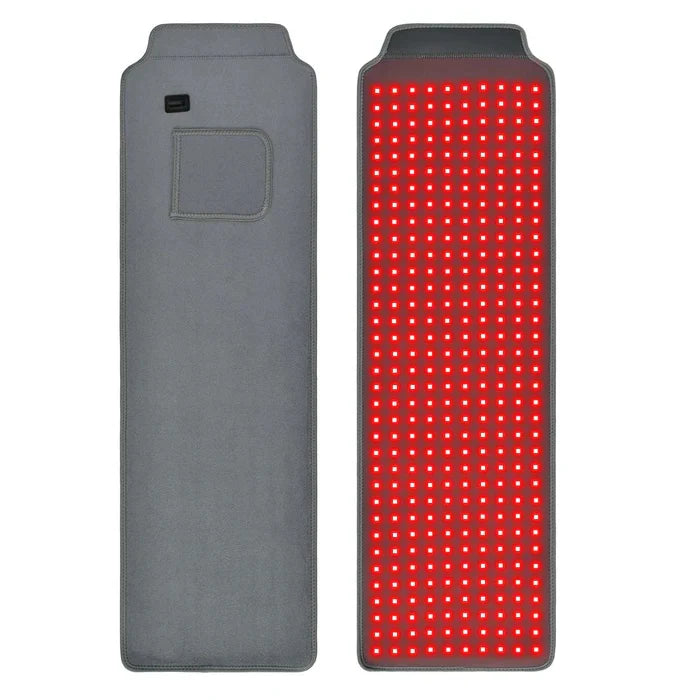
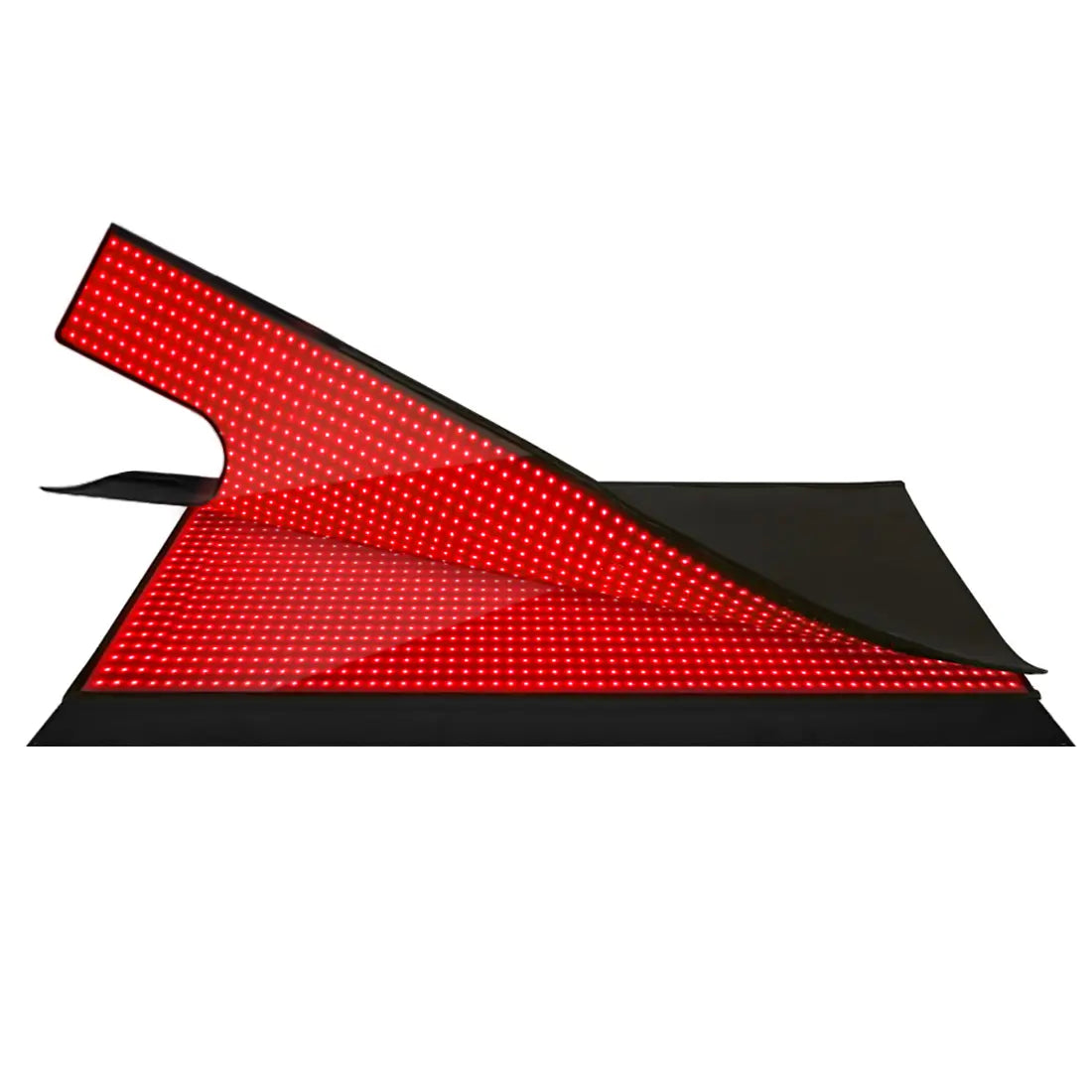
- Best for Full-Body Stiffness: A flexible red light therapy mat allows you to receive treatment while lying in bed or on a recliner, minimizing the need for awkward positioning.
- Best for Targeted Knee/Joint Pain: A wearable belt provides 360-degree coverage around a joint, which is often more effective for deep-seated knee discomfort than a flat panel.
- Safe Protocol: Start with 8–12 minutes per area, 5 days a week. Always prioritize your device manufacturer’s specific dosing instructions.
Many seniors struggle with morning stiffness, aching knees, and reduced mobility that slowly chips away at independence. A growing number are exploring red light therapy mats as a low-effort, at-home option that lets them lie down comfortably while delivering wavelengths across larger areas without the repositioning required by traditional panels.

This approach focuses on gentle, consistent use rather than dramatic medical claims. While evidence for major arthritis reversal or guaranteed mobility restoration remains limited, many older adults report modest improvements in comfort and stiffness when they follow short daily sessions with a user-friendly device. The key is choosing the right format and setting realistic expectations before you begin.
Understanding Red Light Therapy for Age-Related Joint Issues
Red light therapy, also known as photobiomodulation, uses specific wavelengths of red and near-infrared light (typically 660nm and 850nm) to interact with cells. Research suggests these wavelengths may influence mitochondrial function and support natural anti-inflammatory pathways. This makes the technology a popular supportive tool for adults managing osteoarthritis, general stiffness, or post-activity discomfort.
For seniors, the appeal lies in its non-invasive nature. However, as this Medicare coverage review highlights, the evidence base for infrared devices is currently insufficient to establish them as "medically necessary" treatments under federal insurance guidelines. This means red light therapy should be viewed as a wellness-support tool, not a replacement for medical care.
When to Consult a Doctor: Before starting any new light therapy routine, seniors or caregivers should consult a physician, especially if:
- You have a diagnosed cardiovascular condition or active malignancy.
- You are taking photosensitizing medications (e.g., certain antibiotics or diuretics).
- You have significant skin sensitivity or peripheral neuropathy (reduced feeling in limbs).
Important Safety Note
This article discusses comfort, setup, and general wellness considerations. It does not constitute medical advice. While generally low-risk, users should immediately stop use and consult a doctor if they experience:
- Skin Irritation: Persistent redness, itching, or blistering.
- Increased Pain: Any sharp increase in joint or muscle discomfort.
- Visual Disturbance: Eye strain or "spots" (always avoid looking directly into the LEDs).
Why Full-Body Mats Often Suit Seniors Better Than Panels
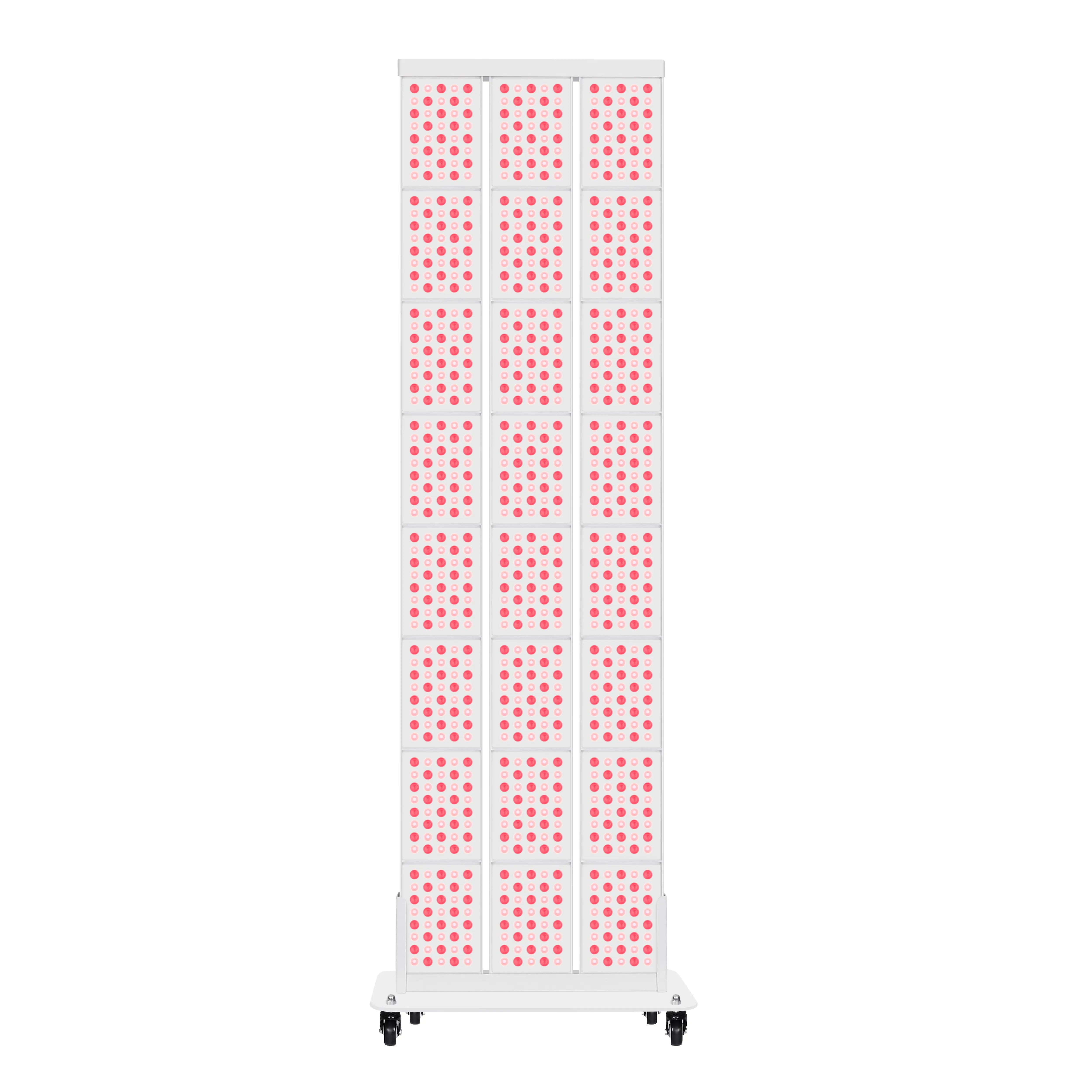
The biggest practical difference for older adults is not raw power but usability. Bulky panels usually require standing, sitting in specific postures, or repeated repositioning to target knees, hips, or the back. Many seniors find this tiring, which often leads to the device being tucked away in a closet.
A full-body red light therapy mat solves this friction. Users simply lie down and relax. This format minimizes bending and lifting—critical when joint pain already limits movement.
Recommended Red Light Therapy Device Format for Seniors
Modeled for comparison based on usability factors
View chart data
| Category | Full-body mat | Panel | Targeted belt |
|---|---|---|---|
| High mobility limitation | 80.0 | 25.0 | 20.0 |
| Medium mobility limitation | 70.0 | 60.0 | 35.0 |
| Low mobility limitation | 55.0 | 75.0 | 65.0 |
| Full-body pain or broad coverage | 80.0 | 35.0 | 25.0 |
| Knees & joints | 40.0 | 70.0 | 30.0 |
| Localized pain area | 20.0 | 45.0 | 85.0 |
| Low setup tolerance | 85.0 | 30.0 | 15.0 |
| Medium setup tolerance | 65.0 | 60.0 | 40.0 |
| High setup tolerance | 35.0 | 70.0 | 75.0 |
Note: The chart above presents modeled usability preference scores (0–100) based on common senior scenarios. These are heuristic comparisons intended to illustrate practical fit for home routines and do not represent clinical trial results or medical efficacy.
In most home settings, a mat is "senior-friendly" because it aligns with existing habits, like resting in a recliner or lying in bed before sleep. When setup tolerance is low, the mat’s "set it and forget it" nature typically leads to better long-term adherence compared to rigid panels.
Targeted Relief: Best Setup for Knees and Specific Joints
While a mat is excellent for systemic stiffness, "定点" (targeted) joint issues like chronic knee discomfort often require a different approach.
- The Wrap Advantage: For knees, a red light therapy belt is often superior to a flat mat or panel. Because it wraps around the limb, it delivers light from multiple angles, ensuring the wavelengths reach the connective tissues more efficiently.
- Placement Principle: When using a mat for knees, ensure the joint is in a neutral, comfortable position. Do not "force" a stretch while using the light; instead, let the warmth of the near-infrared (NIR) wavelengths support a relaxed state.
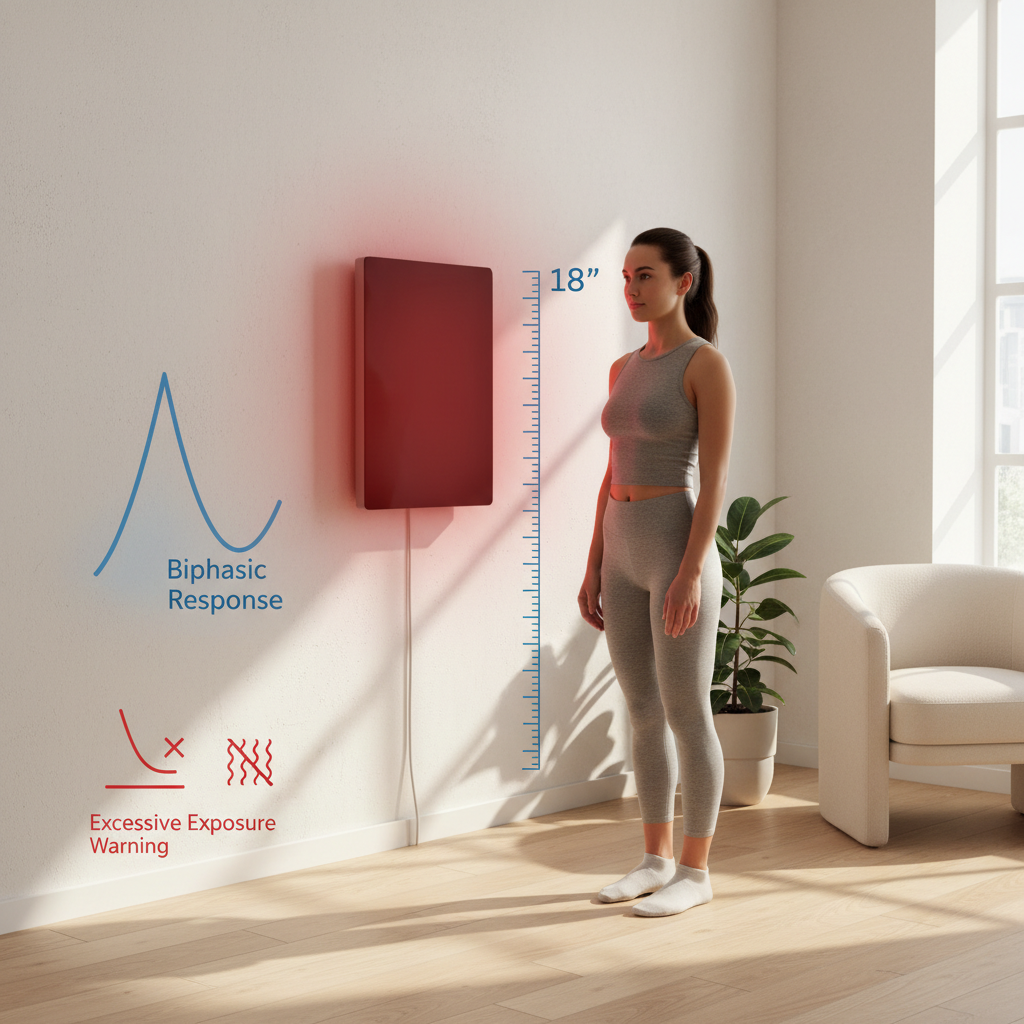
- Distance Matters: If using a panel for a knee, maintain the distance recommended by the manufacturer (usually 6–12 inches). With a mat or belt, the LEDs are designed for skin contact or very close proximity, which allows for lower power settings to achieve the same energy delivery.

Realistic Protocols for Seniors: Keeping It Simple and Safe
Clinical studies often utilize sessions ranging from 5 to 20 minutes. For seniors, we recommend a "low and slow" approach to gauge individual sensitivity.
The Standard Starting Protocol:
- Frequency: 5–6 days per week.
- Duration: 8–12 minutes per treatment area.
- Observation Period: 4–6 weeks.
Why this range? This duration is commonly used in home-use device instructions to provide sufficient light energy (fluence) without over-stimulating the tissue. However, always defer to your specific device’s manual, as LED density and power output vary significantly between brands.
How to Track Progress: Don't look for "miracles" in day one. Instead, track these real-world markers over a month:
- Is it easier to rise from a chair in the morning?
- Can you walk to the mailbox with less "startup" pain?
- Has your range of motion improved during daily tasks like dressing?
If you see no change after 6 weeks, or if you feel "over-stimulated" (restless or slight skin warmth that persists), reduce the session time to 5 minutes or consult the manufacturer for a lower intensity setting.
What Seniors and Caregivers Should Check Before Buying
Before investing in a full-body red light therapy mat, use this checklist to ensure the device won't become a "dust collector":
- Weight & Flexibility: Can the senior (or caregiver) easily move and fold the mat?
- Remote Control Design: Are the buttons large? Is the timer display easy to read without glasses?
- Auto-Shutoff: Does the device have a built-in timer to prevent over-exposure if the user falls asleep?
- Wavelength Transparency: Does the manufacturer clearly state the use of 660nm (Red) and 850nm (NIR)?
- Surface Material: Is the cover easy to wipe clean, especially if used on bare skin?
For more focused guidance, see our resources on red light therapy for knee pain at home or benefits for elderly home care.
Setting Realistic Expectations in 2026
As we look at the landscape of at-home wellness in 2026, red light therapy has solidified its place as a low-risk, supportive tool. However, it is not a "cure-all." It works best when integrated into a healthy lifestyle that includes gentle movement, proper nutrition, and medical management of chronic conditions.
The goal for most seniors is not to run a marathon, but to maintain the independence required for daily life—gardening, playing with grandkids, or simply moving without a wince. When used thoughtfully and consistently, a quality red light mat can be a valuable partner in that journey.
Explore our red light therapy sleep and recovery options to find a format that fits your home routine, or check our arthritis protocols for more specific usage tips.