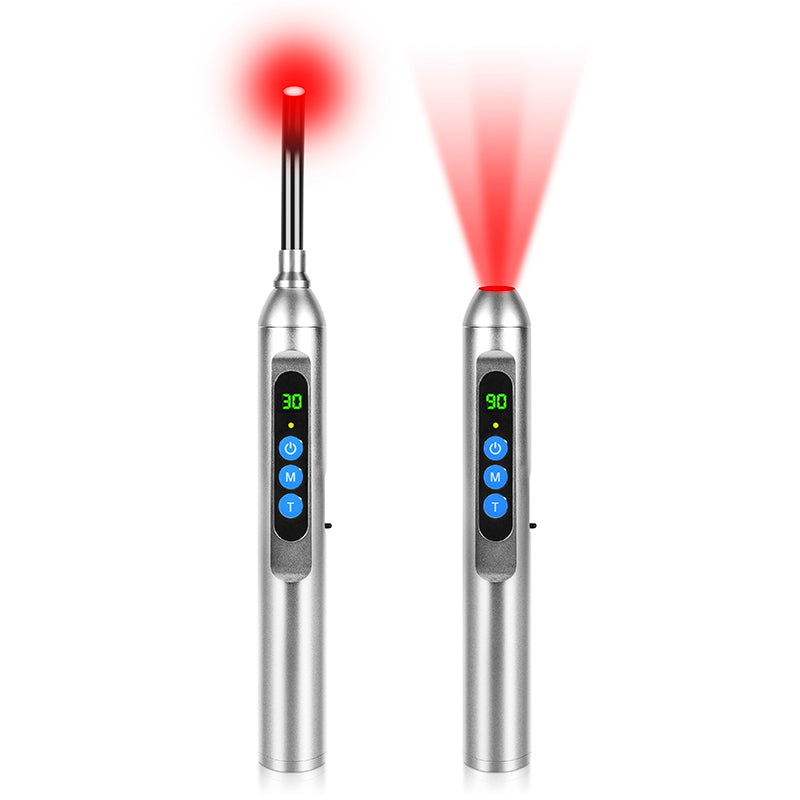

Whether you need to wear goggles during red light therapy depends heavily on the specific device, its irradiance, the distance you maintain, the wavelengths used, and whether you are looking directly at the light source. For most home panel sessions with indirect or ambient exposure at a safe distance, many users keep their eyes closed without issue, but direct staring into high-intensity beams—especially near-infrared—can irritate the eyes or pose retinal risk according to ophthalmology guidance. The safest approach is always to follow your device's instructions first, then apply the practical thresholds and self-checks outlined below.

Red light therapy, also known as photobiomodulation (PBM), uses specific wavelengths of visible red and near-infrared light to support wellness goals such as skin health, muscle recovery, and circulation. While skin exposure is generally well-tolerated in short sessions, the eyes are more sensitive. Visible red light around 660 nm can be perceived as bright, while 850 nm near-infrared is invisible yet still reaches the retina. This raises legitimate questions about eye safety for home users of red light therapy panels, masks, and full-body devices.
This article examines the clinical and regulatory context around red light therapy eye safety. It clarifies when protective goggles are advisable, when closed eyes or ambient viewing may suffice, and how to interpret conflicting advice from manufacturers, clinics, and wellness communities. The guidance prioritizes evidence from ophthalmology sources, dermatology associations, and peer-reviewed reviews while acknowledging that home-use protocols differ from tightly controlled medical applications.
Understanding How Red and Near-Infrared Light Interact with the Eye
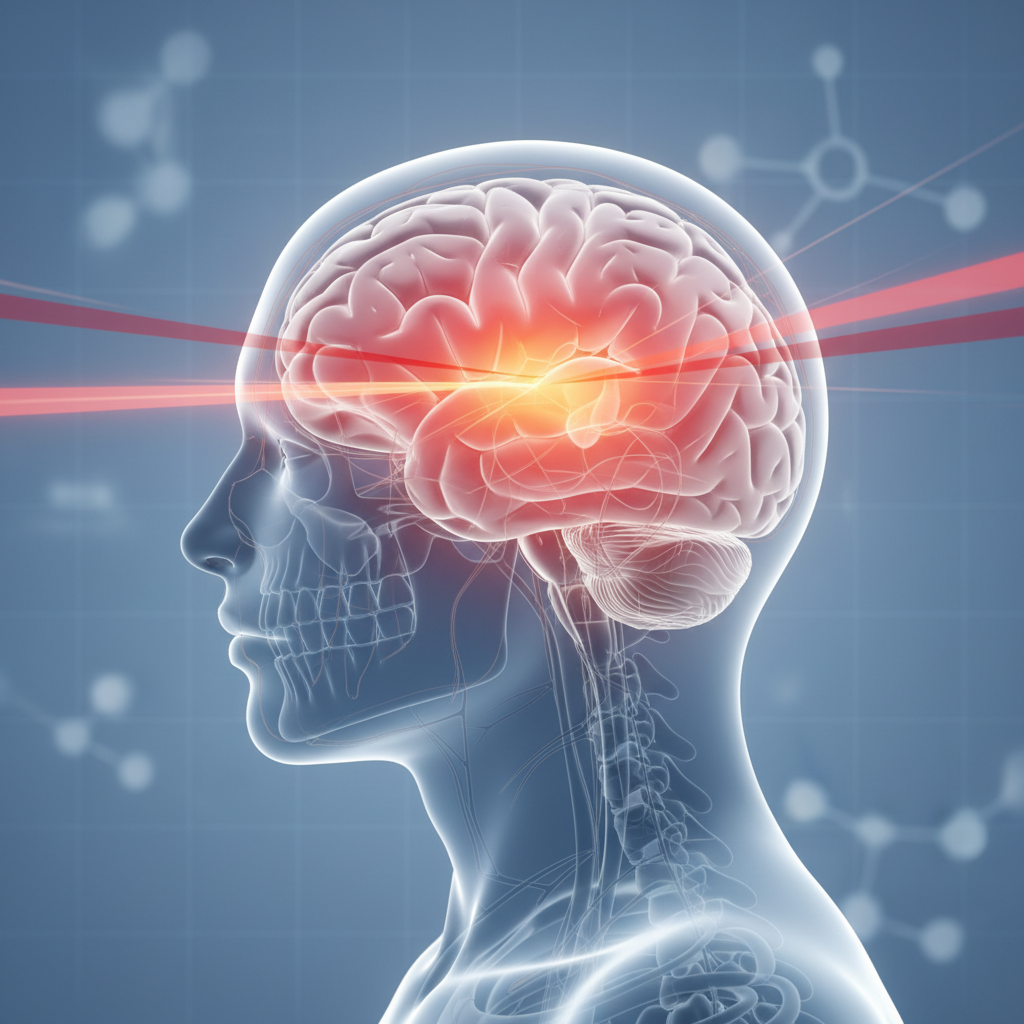
The human eye is highly sensitive to light across visible and near-infrared spectra. Visible red light (approximately 630–700 nm) stimulates photoreceptors and can appear intensely bright at close range or high irradiance. Near-infrared light (700–1100 nm), commonly used in red light therapy panels for deeper tissue penetration, is invisible to the naked eye yet can still deliver energy to the retina and other ocular structures.
According to laser safety resources, both visible and near-infrared light in the photobiomodulation range can reach the retina when viewing the beam directly, creating a potential hazard if intensity is high or exposure prolonged. This is why clinical settings often employ eye protection or shielding during red-light treatments. A review of near-infrared light therapy for eye diseases notes that NIR is not automatically harmless; risk scales with intensity, duration, and whether the exposure is direct.
Unlike ultraviolet (UV) light, which causes photochemical damage to skin and eyes, red and near-infrared wavelengths primarily produce thermal or photobiomodulatory effects. However, this distinction does not eliminate all eye concerns. Short-term skin applications of red light therapy have not been shown to behave like UV, but that observation does not by itself prove comprehensive eye safety for direct viewing, as noted by the American Academy of Dermatology.
When Direct Eye Exposure Raises Concerns
Directly staring into a high-output red light therapy device can cause temporary discomfort such as afterimages, dryness, or irritation. In more intense cases—particularly with lasers or very high-irradiance LED arrays—there is potential for retinal stress. The American Academy of Ophthalmology cautions that red-light protocols targeting the eye, such as those studied for myopia control in children, must be carefully administered and monitored. Uncontrolled or at-home use outside clinical parameters carries different risk profiles.
Near-infrared wavelengths penetrate deeper than visible red. While this property benefits muscle and joint applications, it also means NIR can deliver energy behind the cornea and lens. Clinical photobiomodulation for conditions like dry age-related macular degeneration uses precisely controlled devices with eye-specific protocols, often under medical supervision and sometimes with protective measures. These targeted treatments differ significantly from casually facing a full-body 900W red light therapy panel during a general wellness routine.
Ophthalmology groups emphasize that any therapy involving direct light to the eyes should be approached with caution, especially for individuals with pre-existing ocular conditions, light sensitivity, or a history of retinal issues. For these users, protective goggles or complete avoidance of direct exposure is prudent.
Do You Need Goggles? Key Factors That Determine Risk
Eye protection recommendations are not one-size-fits-all. Four primary variables influence whether goggles are advisable:
-
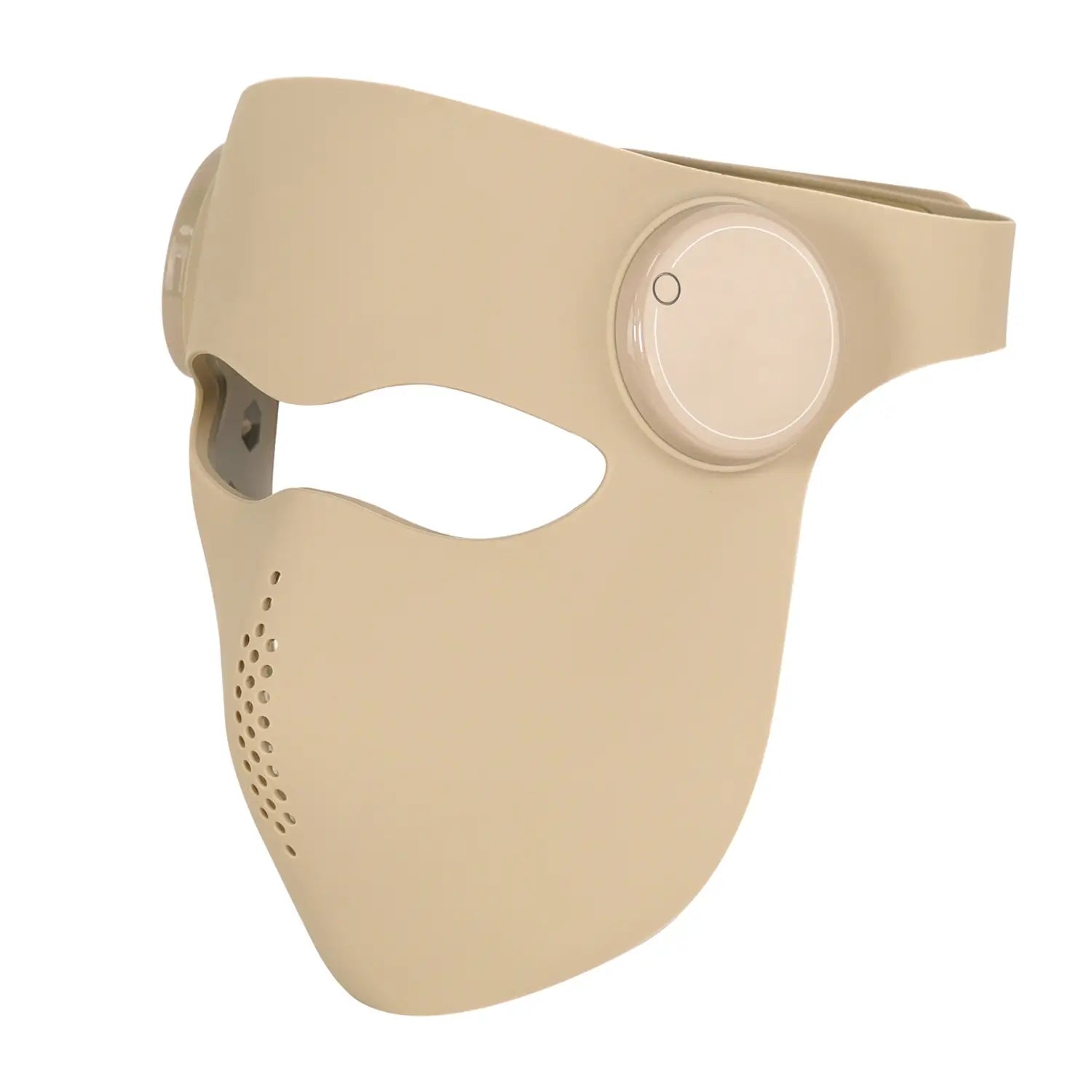
Wavelength and Device Type: Visible red (660 nm) is easier to gauge because you can see the brightness. Near-infrared (850 nm) is invisible, so users may inadvertently overexpose themselves. Face masks and caps positioned close to the eyes typically require following the manufacturer's closed-eye or goggle instructions. Full-body panels used at greater distances often allow more flexibility.
-
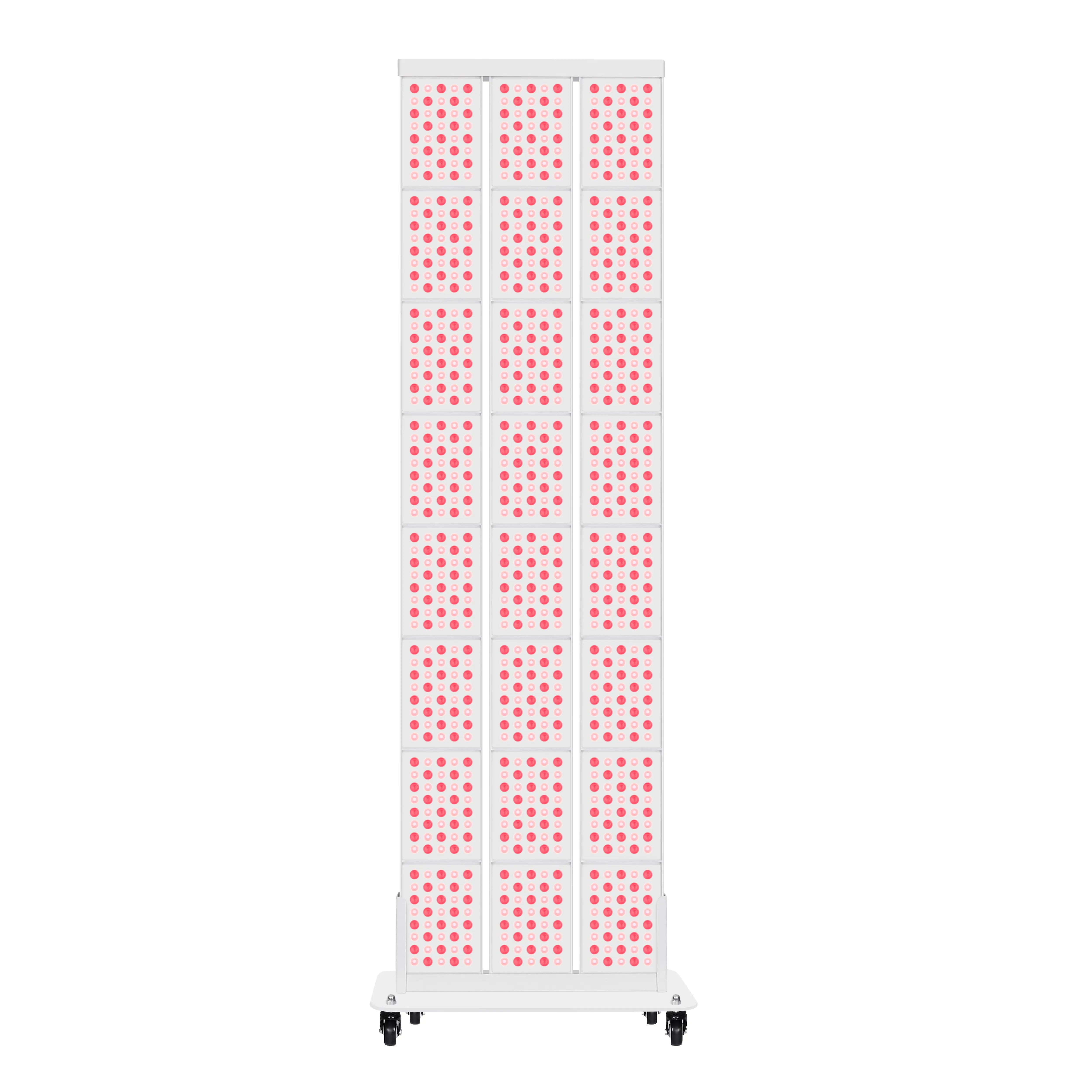
Irradiance and Distance: Higher irradiance at close range increases risk. Devices delivering over 100 mW/cm² at less than 30 cm with direct viewing generally warrant goggles. At 50 cm or more with indirect body exposure, risk drops for most users.
-
Session Duration and Exposure Type: Brief ambient or peripheral exposure during a 10–20 minute session is typically lower risk than sustained direct staring. Many wellness routines involve sitting or standing near a panel with eyes closed or averted, which reduces retinal load.
-
Individual Factors: People with migraines, dry eye, retinal conditions, or prior eye surgery should consult an eye-care professional. Children and those using red light therapy specifically for vision-related goals require medical oversight.
If your device's manual instructs you to wear goggles, follow that guidance every session, as emphasized by the American Academy of Dermatology. Manufacturer instructions take precedence over general advice.
Illustrative Eye Protection Guidance by Scenario
The chart below provides illustrative eye-protection guidance synthesized from clinical cautions and manufacturer norms. It maps common home-use scenarios to a simple risk scale (1 = Low — Optional with eyes closed or averted; 2 = Moderate — Closed eyes preferred; 3 = High — Wear protective goggles). This is a heuristic decision aid, not an experimental measurement or medical standard. Always prioritize your specific device manual and consult a professional if you have eye concerns.
Illustrative Eye Protection Guidance by Scenario
Illustrative Risk Guidance based on clinical cautions and manufacturer norms (not measured experimental data).
View chart data
| Category | Risk Guidance |
|---|---|
| 660nm Red, Low <50, 50cm+, indirect | 1.0 |
| 660nm Red, Med 50-100, 30-50cm, indirect | 2.0 |
| 660nm Red, High >100, <30cm, direct | 3.0 |
| 850nm NIR, Low <50, 50cm+, indirect | 1.0 |
| 850nm NIR, Med 50-100, 30-50cm, indirect | 2.0 |
| 850nm NIR, High >100, <30cm, direct | 3.0 |
| Mask/Near-eye device, any wavelength, close | 3.0 |
| Any wavelength, very bright direct stare | 3.0 |
Illustrative heuristic model synthesized from clinical cautions and manufacturer norms cited in the article: direct viewing of intense red/NIR can irritate or harm the retina; NIR is not automatically harmless; intensity, duration, distance, and exposure type matter; clinical protocols often use protection; indirect/ambient use at greater distance is lower risk; near-eye masks should follow the device manual. Scale: 1=Low - Optional, 2=Moderate - Closed Eyes Preferred, 3=High - Wear Goggles.
This visualization highlights that low-irradiance, distant, indirect exposure to either 660 nm or 850 nm generally falls into the lowest-risk category. High-irradiance, close-range, direct viewing or near-eye mask use consistently maps to the highest caution level. These categories align with the principle that intensity, distance, and directness drive practical risk more than wavelength alone.

Practical Checklist: How to Decide for Your Setup
Use this operational checklist before each session to translate the factors above into an executable decision. These checkpoints are derived from the evidence boundaries in ophthalmology and dermatology sources combined with standard home-use practices.
-
Read the manual first — If the manufacturer requires goggles, closed eyes, or a specific distance, follow those instructions exactly.
-
Assess irradiance and distance — Measure or estimate your device's output at the intended distance. For panels exceeding 100 mW/cm² at under 30 cm with direct facial aiming, default to goggles or closed eyes.
-
Consider exposure type — If you plan to look directly at the panel or LEDs for more than a few seconds, treat it as higher risk. Ambient body exposure with eyes averted or closed is generally lower concern.
-
Evaluate personal factors — Do you have dry eyes, photophobia, retinal conditions, or use medications that increase light sensitivity? If yes, wear goggles or consult an ophthalmologist before beginning.
-
Choose appropriate protection — Quality goggles should block both red and near-infrared wavelengths effectively. For many panel users, simply keeping eyes closed during the session provides sufficient protection when irradiance is moderate and distance adequate.
-
Start conservatively — Begin with shorter sessions, greater distance, and eyes closed. Gradually adjust only if comfortable and after confirming no adverse effects.
For deeper technical context on dosing and irradiance measurement, review our guide to photobiomodulation standards, irradiance, EMF, and safety. Users focused on specific wavelengths may also benefit from comparing 850 nm versus 660 nm.
Addressing Common Myths and Contradictory Advice
Several misconceptions circulate in wellness communities and marketing materials.
Myth: All red light therapy is completely eye-safe with no protection ever needed. Reality: While many home protocols tolerate closed-eye or indirect use, direct high-intensity exposure can irritate eyes or carry retinal risk. The American Academy of Ophthalmology and laser safety programs stress caution with direct beam viewing.
Myth: Near-infrared light cannot harm the eyes because it is invisible. Reality: Invisibility does not equal safety. Intensity and duration still matter, as detailed in reviews of NIR ocular applications.
Myth: Clinical safety data means any consumer device is equally safe for staring into. Reality: Medical photobiomodulation for eye conditions uses controlled parameters, shielding, and monitoring that differ from casual home panel use, per sources like MD Anderson Cancer Center.
Manufacturer instructions can also appear to conflict because devices vary widely in irradiance and design. The consistent evidence-based rule is to default to the product's specific guidance rather than generalized online opinions.
Potential Vision-Related Benefits and Important Boundaries
Some controlled clinical research explores photobiomodulation for ocular conditions such as dry age-related macular degeneration. The FDA has authorized certain light therapy devices for specific retinal applications under medical supervision. These outcomes do not translate to a general claim that staring at consumer wellness panels improves vision.
This article discusses comfort, setup practices, and safety considerations for home red light therapy only. It does not constitute medical advice, diagnosis, or treatment. Red light therapy is not proven to treat or prevent eye diseases in unregulated home use. If you experience persistent discomfort, changes in vision, or have existing eye conditions, consult a qualified ophthalmologist or healthcare professional before continuing.
Choosing and Using Eye Protection Effectively
When goggles are indicated, select models rated for both red and near-infrared blocking. Many manufacturers of quality red light therapy panels offer compatible eyewear or explicitly state acceptable alternatives such as keeping eyes closed. Avoid cheap sunglasses or unrated glasses that may not block NIR wavelengths.
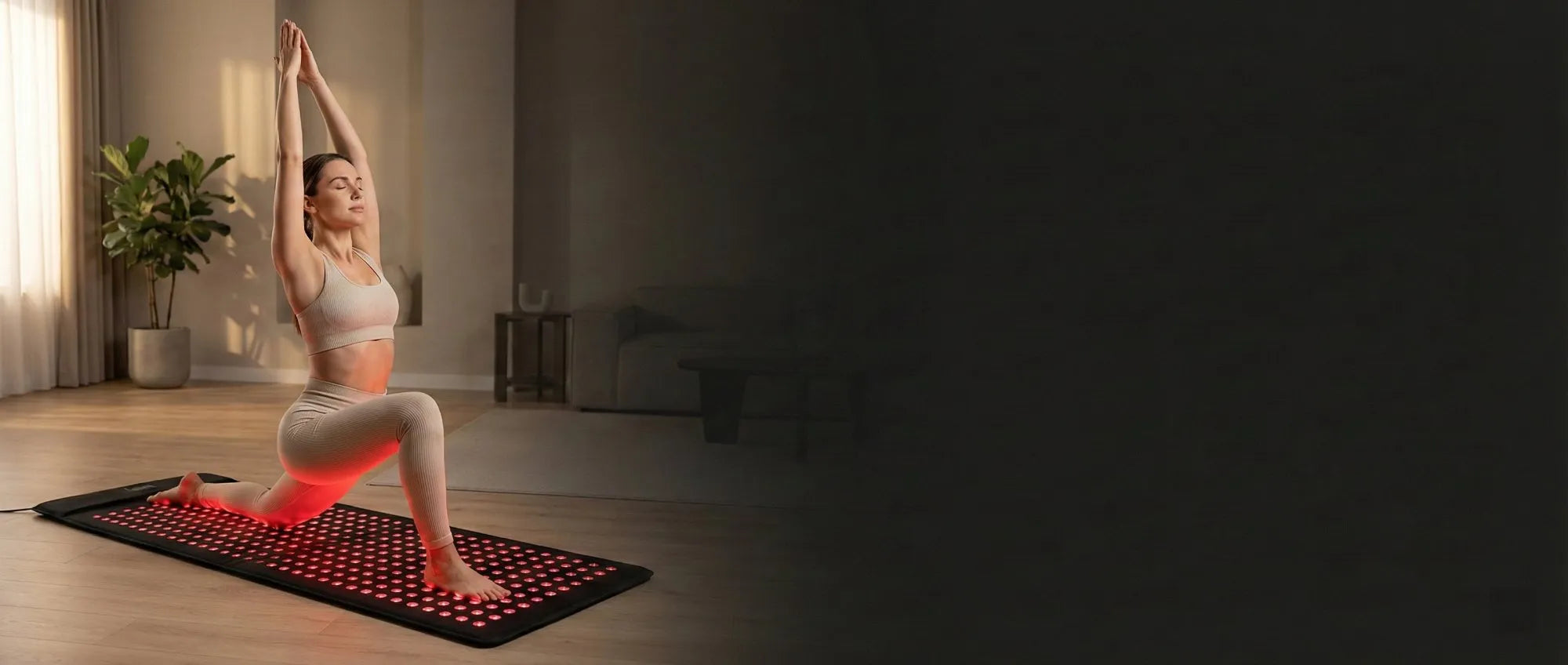
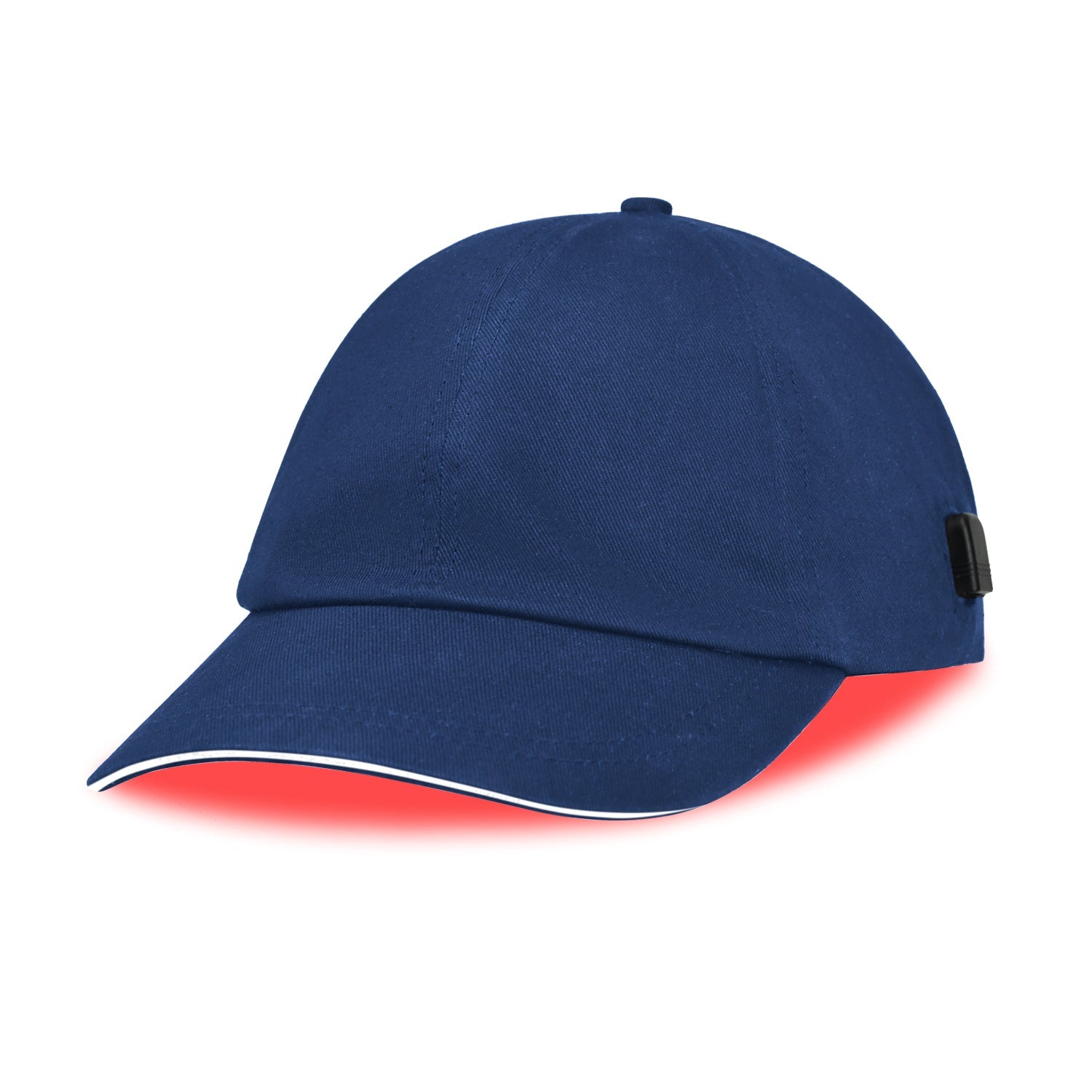
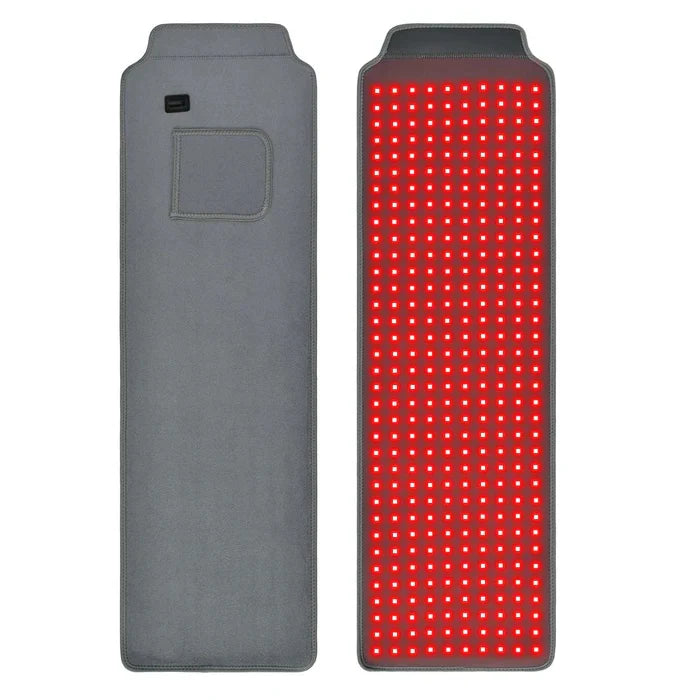
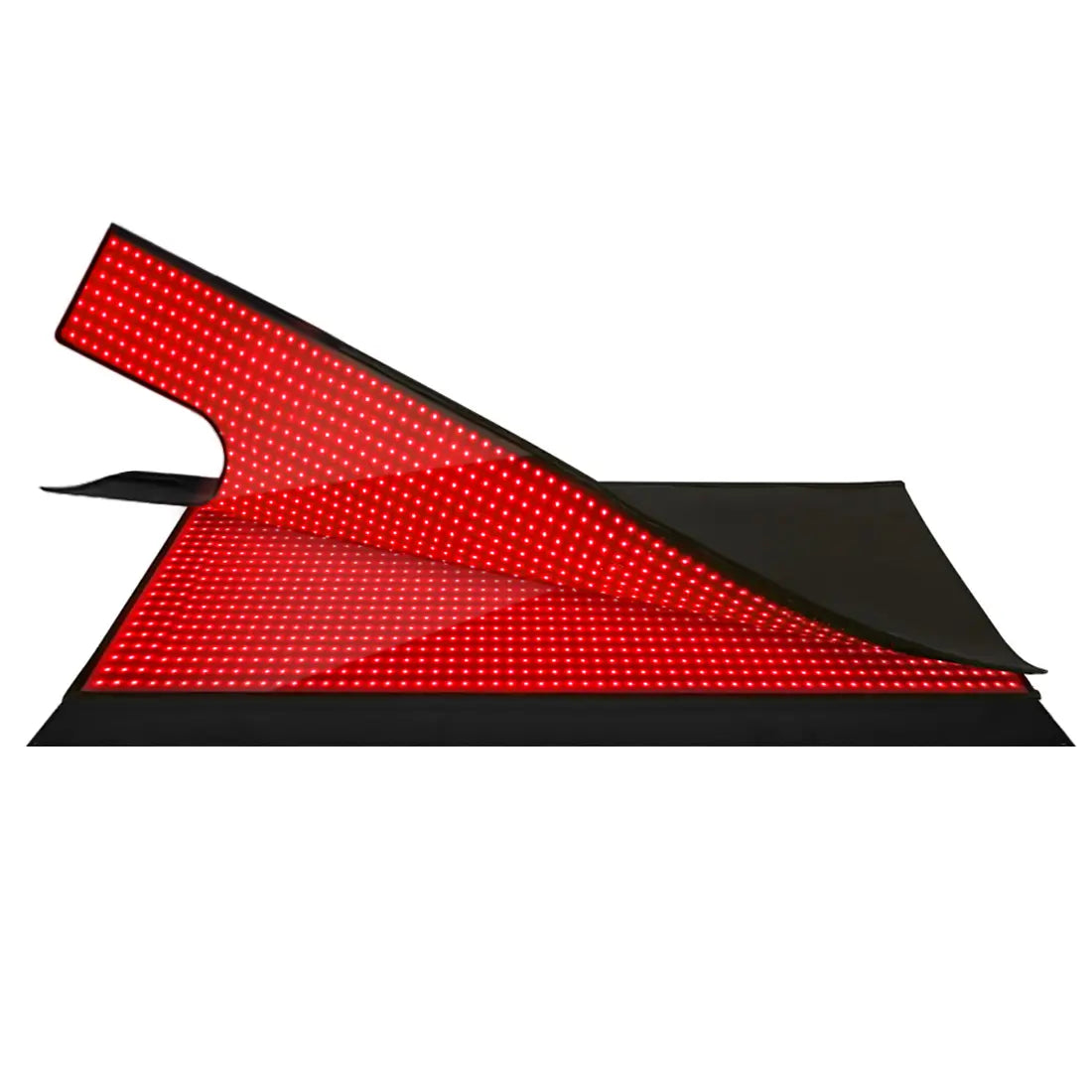
For full-body sessions with the YouLumi Red Light Therapy Sleep Bag or Pro Full Body Mat, users typically keep eyes closed or use a comfortable sleep mask rather than rigid goggles. Hair-growth caps and facial masks often come with specific eye-safety instructions that should be followed precisely.
Additional technical reading on session length and tissue-specific dosing can help optimize routines while maintaining safety. See our guides on how long red light therapy sessions should be and dosing for deep tissue versus surface skin.
Bottom Line: Prioritize Device Instructions and Personal Comfort
You do not always need goggles for every red light therapy session, but direct, close-range, high-intensity exposure to red or near-infrared light deserves caution. Ambient or indirect use at appropriate distances with eyes closed is often well-tolerated by healthy adults, yet individual factors and specific device characteristics can change that assessment. The evidence supports a nuanced, device-specific approach rather than blanket statements that goggles are always required or never needed.
Begin with the manufacturer's recommendations, apply the scenario checklist above, and listen to your body. When in doubt—especially with pre-existing eye conditions—err on the side of protection and professional consultation. Responsible use builds sustainable wellness habits and helps separate genuine safety questions from marketing hype.
For those building a complete home setup, explore our full range of red light therapy collections designed with low-EMF engineering and clear usage guidelines. Staying informed through authoritative sources remains the best way to balance potential benefits with long-term eye comfort and safety.
Important Safety Note: This article only discusses comfort and setup advice for red light therapy devices. It is not medical advice, does not diagnose or treat any condition, and should not replace professional eye care. If you have persistent discomfort or pre-existing ocular issues, please see a qualified healthcare provider.