
Red Light Therapy for Chronic Skin Conditions: An Overview
Red light therapy, also known as photobiomodulation (PBM), is increasingly discussed as a supportive option for managing symptoms of chronic inflammatory skin conditions. While it is not a cure and should never replace professional dermatological care, evidence suggests it may help reduce inflammation, support skin barrier repair, and complement existing treatments when used with appropriate devices and protocols. Results vary significantly by condition, device quality, and individual response, making careful selection and realistic expectations essential in 2026.
Related Resources
- Clinical-Grade Red Light Therapy Protocols for Stubborn Acne
- Red Light Therapy for Melasma: Safe Protocols for Dark Spots
- Red Light Therapy for Vitiligo: Boosting Skin Repigmentation
- Red Light Therapy for Stretch Marks: Science and Protocols

What Is Photobiomodulation and How Does It Relate to Skin Health
Photobiomodulation (PBM) is a form of light therapy that uses red and near-infrared wavelengths. As explained in this JAAD dermatology review, PBM employs specific light parameters to influence cellular processes without generating significant heat. In skin applications, the most commonly studied wavelengths are approximately 660 nm (red) and 850 nm (near-infrared), which can penetrate different skin depths and interact with mitochondria to potentially increase ATP production and modulate signaling pathways.
For people living with eczema, psoriasis, rosacea, or acne, the primary interest lies in PBM's plausible ability to dampen inflammatory signaling in skin cells and support repair processes. A primary study on keratinocyte response demonstrated that red light can reduce inflammatory markers in skin explants, offering a mechanistic basis for symptom relief. However, this cellular effect does not automatically translate to clinical improvement for every person or every condition.
Public dermatology guidance from the American Academy of Dermatology emphasizes that red light therapy is most often discussed for cosmetic and appearance-related concerns. Inflammatory disease applications require more cautious framing because the strength of clinical evidence differs markedly across conditions.

How Red Light Therapy May Support Skin Barrier Repair and Reduce Inflammation
The proposed mechanisms for skin benefits center on five key processes commonly cited in photobiomodulation literature: increased cellular energy (ATP), reduced oxidative stress, modulation of inflammatory cytokines, enhanced collagen and extracellular matrix production, and improved microcirculation. These actions may collectively help stabilize the skin barrier and limit flare severity in chronic conditions.
Research published in PMC highlights that red and near-infrared light can control inflammatory responses in skin models, particularly by influencing keratinocytes. This is relevant for barrier-disrupted conditions such as eczema and certain presentations of rosacea. Separate analysis of dry skin and barrier repair shows potential benefits through 660 nm and 850 nm wavelengths, though outcomes remain setup-dependent.
Importantly, these mechanisms represent plausible pathways rather than guaranteed clinical outcomes. At-home devices must deliver sufficient irradiance and consistent dosing to reach therapeutic thresholds. As noted in device-promotion analyses, efficacy is highly parameter-dependent, meaning wavelength accuracy, power density, treatment distance, and session duration all influence results.
Evidence Overview: Condition-by-Condition Assessment
The evidence base for red light therapy in chronic skin conditions is uneven. A systematic review of low-level laser and light therapy in skin provides a useful comparison framework, showing that support levels vary by diagnosis.
Acne
Among the conditions discussed, acne has some of the strongest support. Studies indicate that red and blue light combinations or red-light LED protocols can reduce lesion counts and inflammation. Dermatology reviews recommend specific power-density ranges and session lengths for acne-oriented use, making this one of the more established applications. Our guide on how red light therapy calms inflammation in acne-prone skin explores the technical cellular responses in greater detail.
Eczema (Atopic Dermatitis)
Light therapy, including certain phototherapy approaches, can reduce inflammation and itching in eczema. However, home red light devices should be viewed as supportive rather than definitive treatment. The NCBI resource on eczema management discusses light-based options but does not equate them directly with consumer LED panels or masks. Our article on effects of red light therapy on dry skin conditions reviews related barrier-repair data.
Rosacea
For rosacea, red light therapy is sometimes discussed as a supportive option for reducing redness and inflammation, yet the evidence remains limited for consumer devices. The American Academy of Dermatology advises caution, and dedicated protocols should be approached conservatively. Consult our focused piece on red light therapy for rosacea: reducing redness and inflammation for condition-specific considerations.
Psoriasis
Psoriasis evidence for consumer red light therapy is best described as experimental or adjunctive. While broader phototherapy is used clinically, over-the-counter devices lack strong standalone endorsement. The same systematic review that covers multiple skin applications underscores the need for dermatologist guidance when considering light therapy for psoriasis.
Illustrative Comparison of Red Light Therapy Evidence and Typical Protocols
Illustrative comparison based on review summaries - not clinical trial data.
View chart data
| Series | Evidence Strength | Protocol Establishment | Typical Wavelength Fit | Session Duration Fit | Frequency Fit | Irradiance Clarity |
|---|---|---|---|---|---|---|
| Acne | 8.0 | 7.0 | 8.0 | 7.0 | 7.0 | 6.0 |
| Eczema | 4.0 | 4.0 | 7.0 | 6.0 | 5.0 | 4.0 |
| Rosacea | 3.0 | 3.0 | 7.0 | 5.0 | 4.0 | 3.0 |
| Psoriasis | 3.0 | 3.0 | 7.0 | 5.0 | 4.0 | 3.0 |
Illustrative scoring synthesized from review summaries and parameter-dependence notes: acne support is relatively stronger (PMC6099480; PMC11585190), while rosacea and psoriasis are more limited or unresolved (AAD; PMC4126803). General photobiomodulation mechanisms for inflammation (PMC10045240) and parameter dependence (PMC12977816) inform the bounded protocol framing. Typical settings are expressed as conservative planning ranges: red/NIR wavelengths around 660 nm and 850 nm, 5-20 min sessions, 3-7x/week frequency, and device-dependent irradiance rather than a fixed clinical standard.
The radar chart above offers an illustrative comparison based on review summaries. It is not clinical trial data and should be read as a planning map rather than a ranking of guaranteed outcomes. Acne shows relatively higher evidence and protocol establishment in the literature, while eczema, rosacea, and psoriasis receive more cautious scores consistent with the bounded evidence available.
Realistic Treatment Settings and Frequency for Skin Goals
Some dermatology reviews recommend red-light LED parameters in defined ranges for inflammation and lesion reduction, particularly for acne. Typical home-use heuristics include sessions of 5–20 minutes, applied 3–7 times per week, using devices that deliver adequate irradiance at the correct distance. However, these are not universal prescriptions.
At-home results depend heavily on wavelength accuracy, power output, dose delivered, and treatment consistency. Professional guidance is recommended when targeting active inflammatory disease. Our technical analysis of five mechanisms of red light for skin barrier repair provides deeper context on the biological rationale behind dosing considerations.
Important Safety Note: This article discusses comfort, setup, and supportive care options only. It does not constitute medical advice, diagnosis, or treatment. Red light therapy is not proven to cure chronic skin conditions. If you have persistent symptoms, active inflammation, or existing eye or skin conditions, consult a qualified dermatologist or healthcare professional before beginning any light therapy regimen. People with photosensitivity, those taking medications that increase light sensitivity, or individuals with certain autoimmune profiles should seek personalized medical clearance.
Choosing and Using At-Home Devices Safely
Marketing for consumer red light devices can overstate outcomes, so it is wise to separate wellness claims from condition-specific evidence. Prioritize devices that clearly state wavelength, irradiance (measured with proper spectroradiometry), EMF levels, and treatment area. Look for third-party testing and avoid products making cure-level promises.
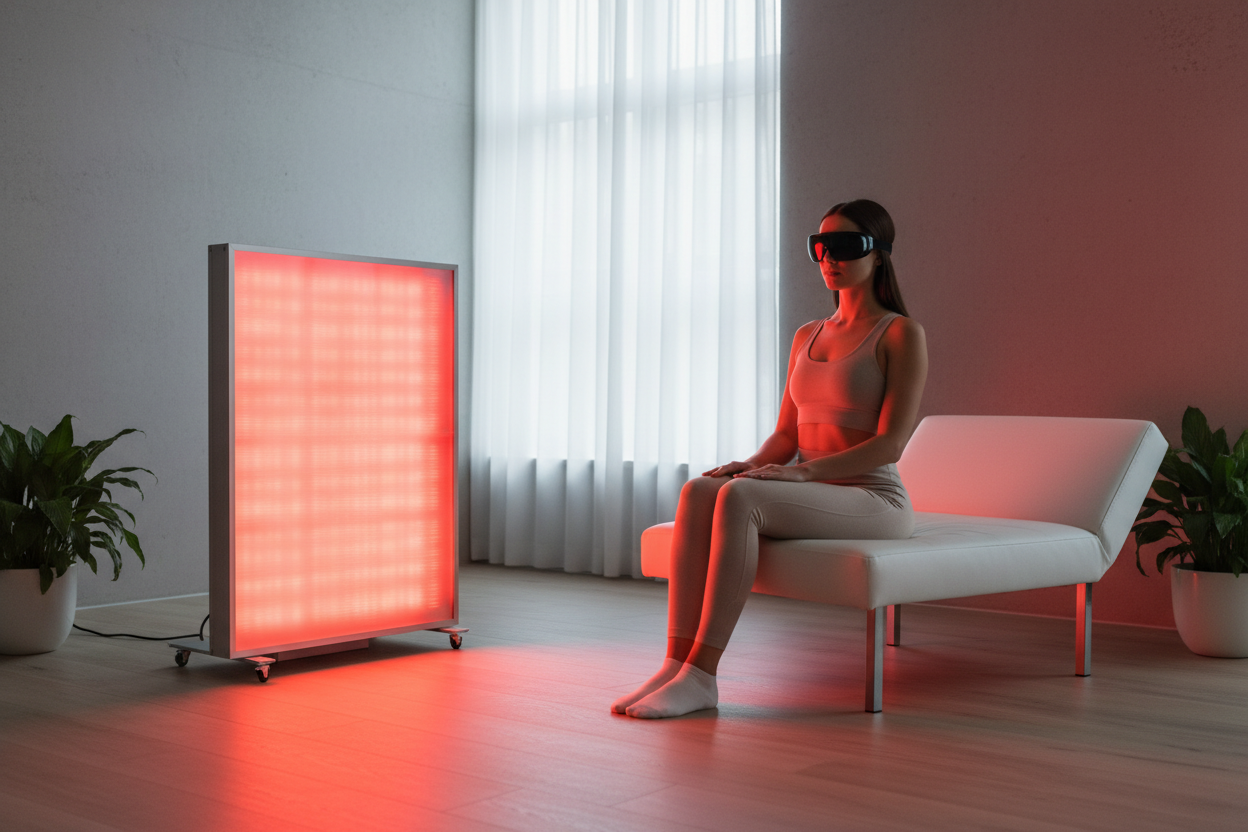
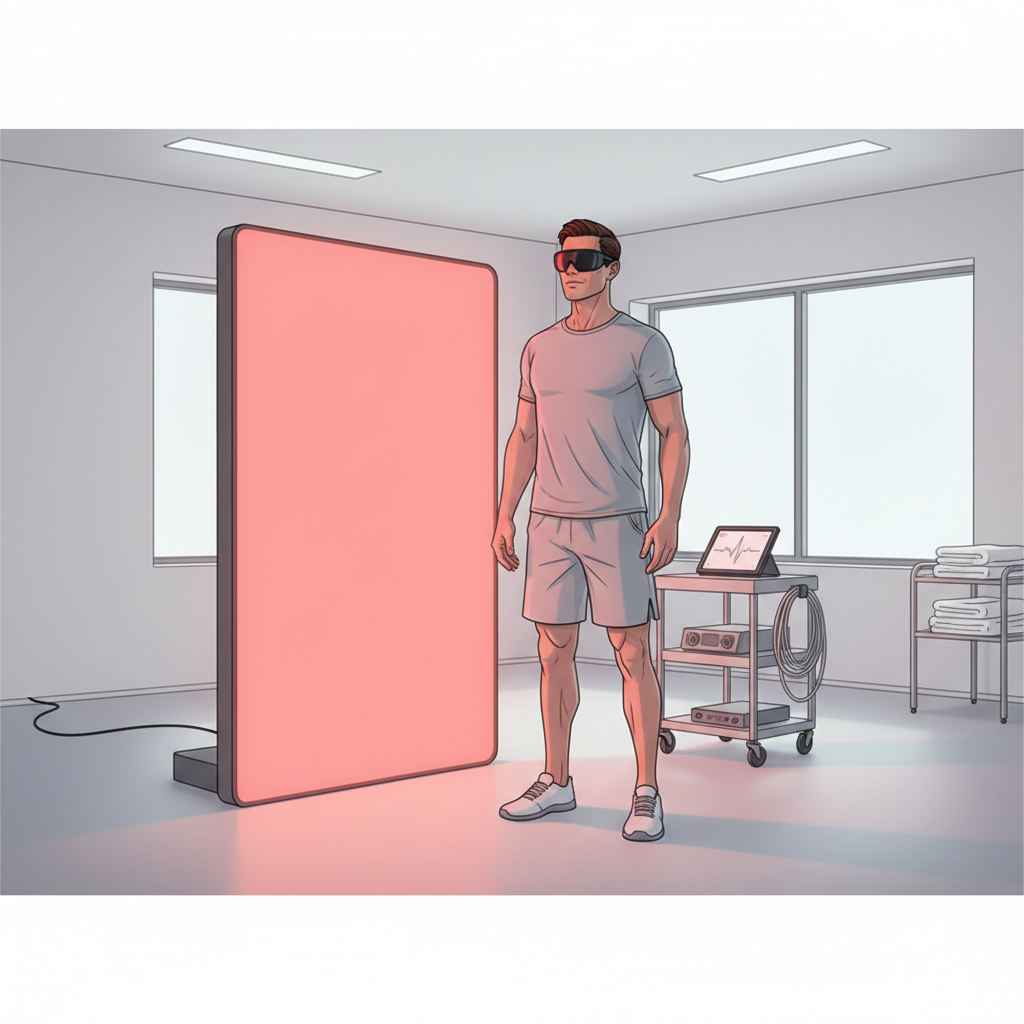
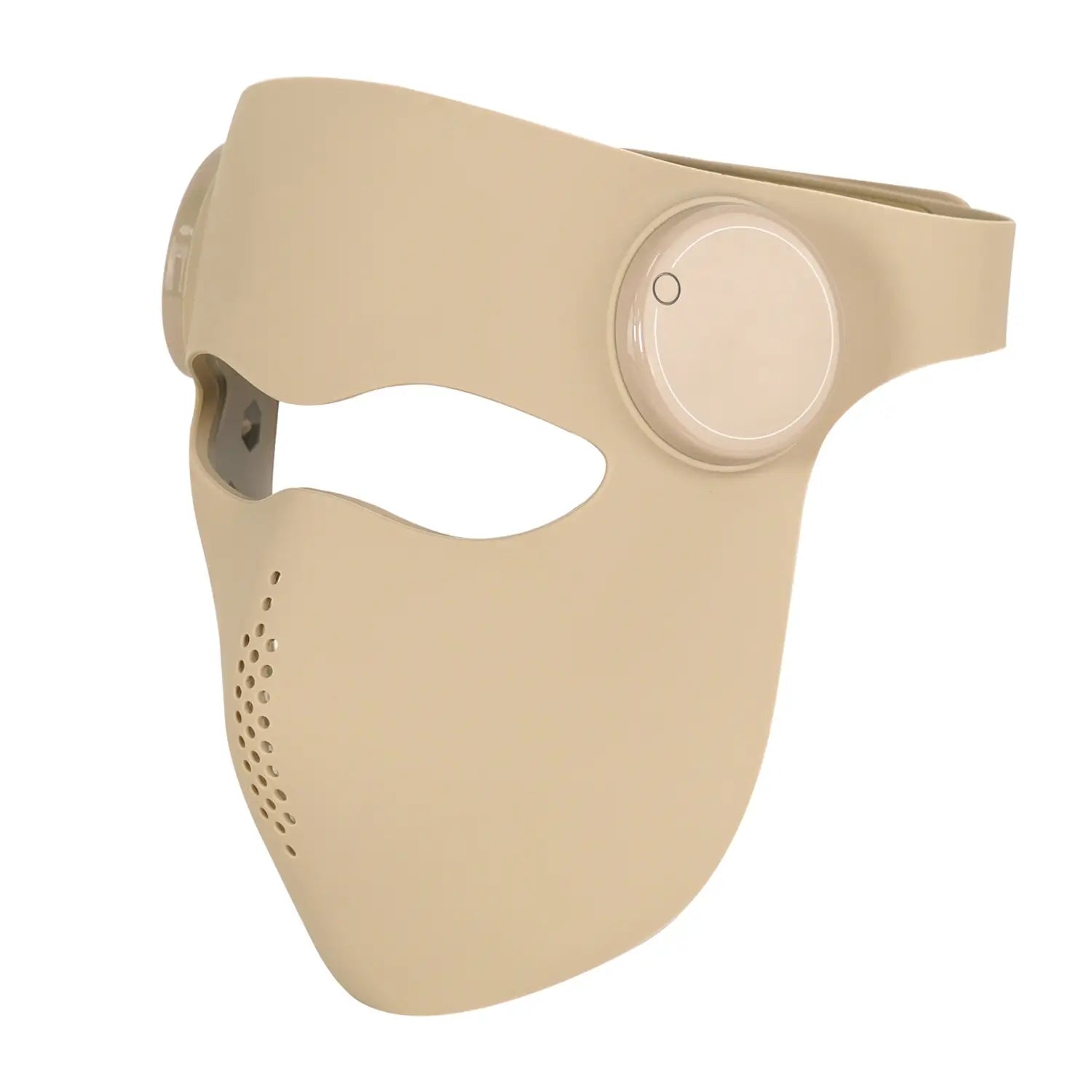
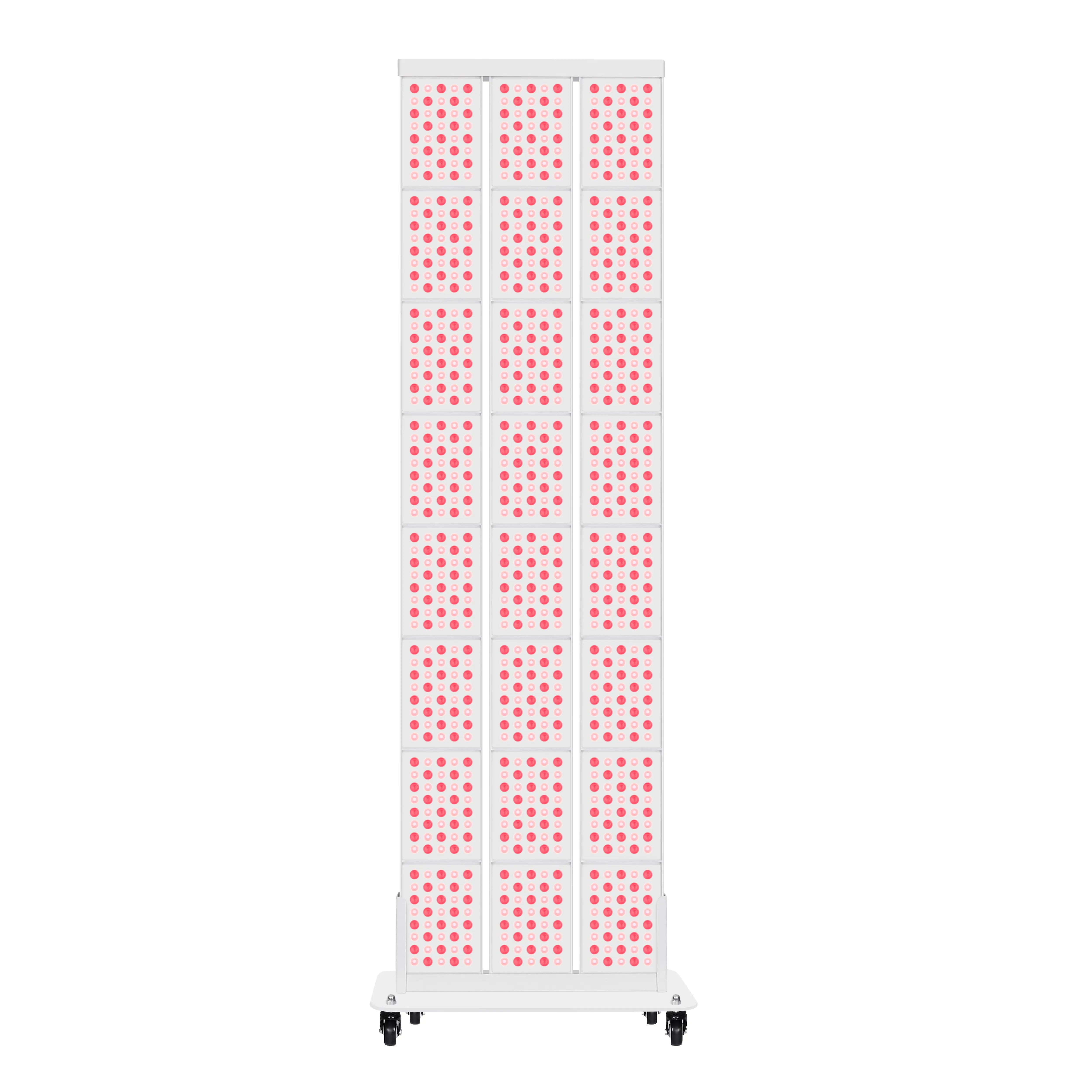
For facial use, masks or smaller panels may offer convenience, while larger panels or full-body options suit broader areas affected by eczema or psoriasis. Our YouLumi 60W Red Light Therapy Panel is designed for targeted face, neck, and joint sessions with attention to irradiance and low-EMF characteristics. The YouLumi 4-Color LED Light Therapy Face Mask provides multiple wavelengths in a wearable format suitable for facial skin concerns.
When upgrading from basic devices, focus on improvements in coverage area, irradiance consistency, ease of positioning, and session adherence rather than assuming higher price guarantees better clinical results. Always begin with short test sessions on a small skin patch to check for irritation, especially with active eczema, rosacea, or acne lesions.
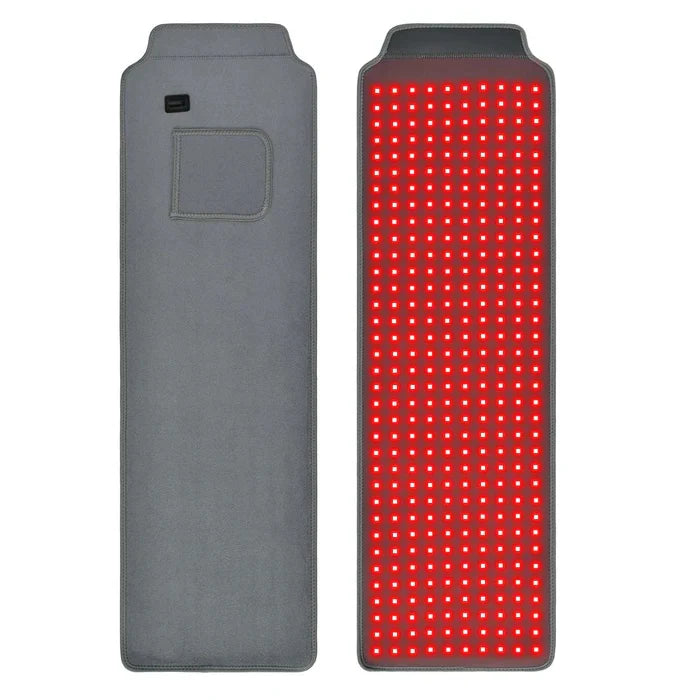
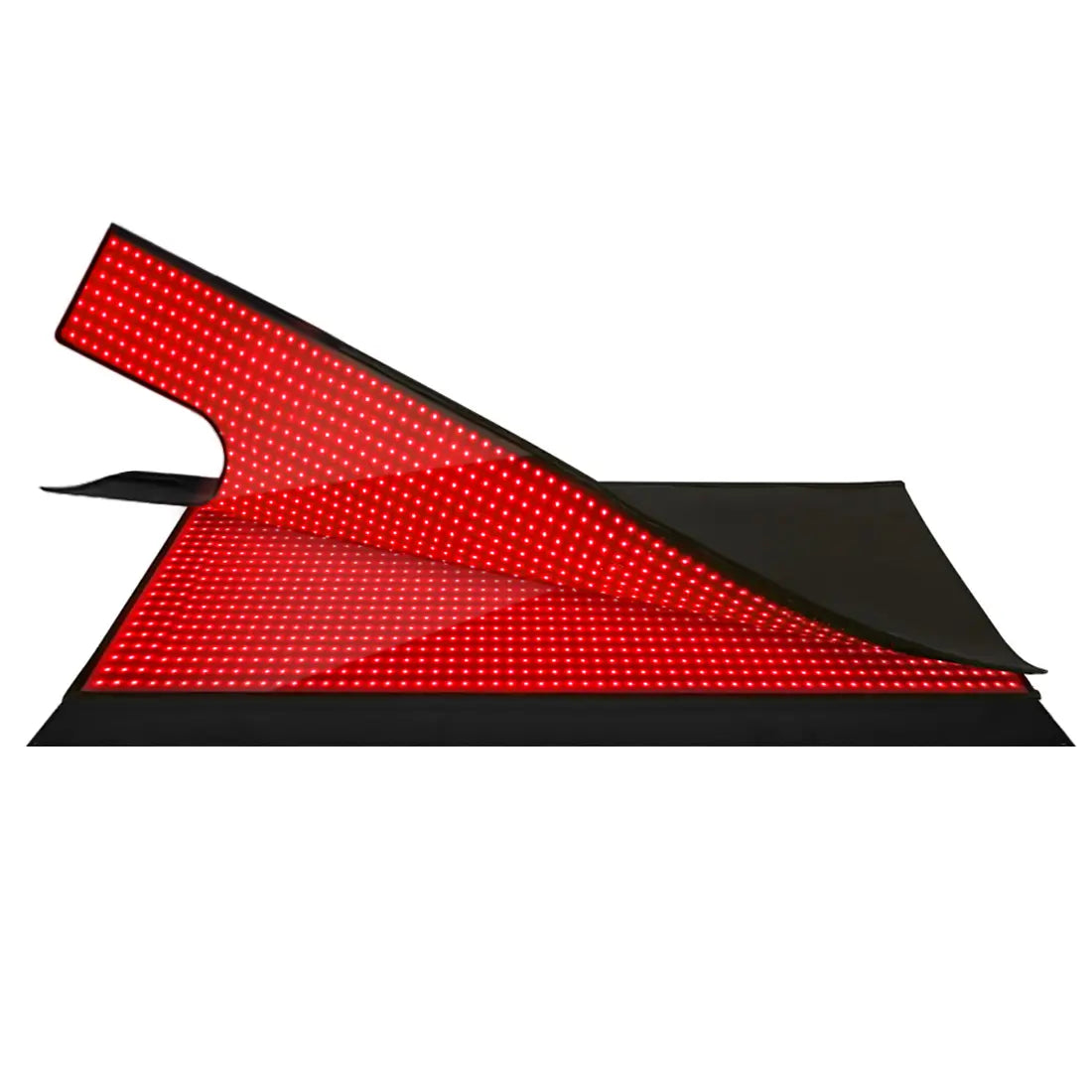
Explore our full range of red light therapy panels or red light therapy masks to find options matched to your needs. Additional reading on understanding red light therapy for youthful skin at 35 may help contextualize cosmetic versus therapeutic applications.
What Results and Timelines to Expect in 2026
Realistic timelines for noticeable changes typically range from 4 to 12 weeks of consistent use, depending on the condition, severity, device parameters, and concurrent skincare routine. Improvements, when they occur, often appear first as reduced redness, calmer texture, or fewer inflammatory lesions rather than complete clearance.
For acne, some users report faster visible changes in lesion counts when protocols align with reviewed parameters. Eczema and rosacea responses tend to be more variable and slower. Psoriasis plaques generally require medical oversight and may respond better to established clinical phototherapy than to consumer red light panels alone.
Do not buy or rely on red light therapy if you expect it to replace prescribed medications, if you have undiagnosed skin changes, or if you cannot commit to consistent use and proper device handling. It works best as part of a broader management plan developed with a dermatologist.
Practical Checklist: How to Evaluate Red Light Therapy for Your Skin Condition
Before investing in a device, run through these checkpoints:
- Confirm your diagnosis and discuss light therapy with a dermatologist, especially for moderate-to-severe eczema, psoriasis, or rosacea.
- Verify the device specifies accurate 660 nm / 850 nm wavelengths and provides irradiance data measured at treatment distance.
- Start conservatively: 5-minute sessions, 3 times per week, on a test patch of skin.
- Track symptoms, photos, and any irritation in a simple journal for at least 6–8 weeks.
- Combine with proven skincare: gentle cleansing, prescribed topicals, and barrier-supporting moisturizers usually remain primary.
- Avoid use during acute flares if light or heat increases discomfort; discontinue and seek medical advice if irritation develops.
This checklist translates abstract concepts into executable steps that help you assess personal suitability and avoid common missteps.
Red light therapy continues to evolve as a supportive tool in dermatology. By grounding decisions in the available evidence, selecting quality devices, maintaining realistic expectations, and working alongside healthcare professionals, individuals with chronic skin conditions can determine whether photobiomodulation deserves a place in their personal care routine.
References
- Photobiomodulation CME part II: Clinical applications in dermatology
- Is red light therapy right for your skin?
- Light-emitting diodes in dermatology: A systematic review
- Photobiomodulation Controls Keratinocytes Inflammatory Response
- Low-level laser (light) therapy (LLLT) in skin
- At-Home Red Light Therapy Devices: Promotion and evidence