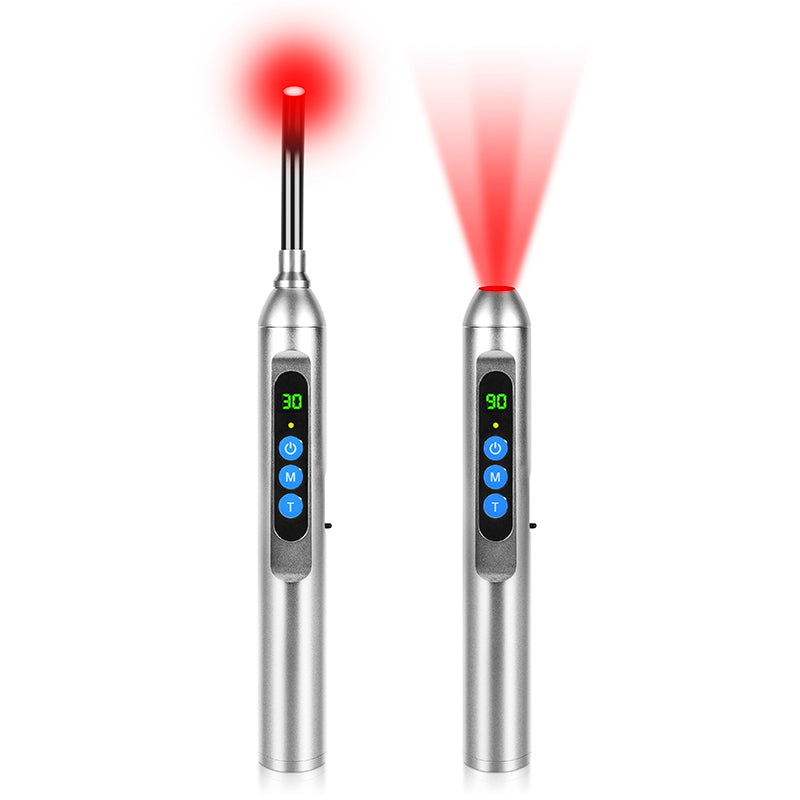

Red light therapy can be used safely around the eyes in most home setups when you follow basic precautions. Clinical evidence shows the wavelengths involved produce no lasting retinal damage at typical doses. The main concerns center on temporary discomfort from bright panels and the fact that near-infrared light passes through closed eyelids more readily than visible red light. Understanding your device type, distance, and personal sensitivity lets you decide whether to keep eyes open, closed, or protected by goggles.

Should Your Eyes Be Open or Closed During Red Light Therapy?
Many people wonder whether simply closing their eyes protects them during facial sessions. The answer depends on the wavelength and the power of your device. Visible red light around 660 nm encounters more resistance from eyelid tissue, so closure reduces exposure noticeably. Near-infrared light near 850 nm behaves differently. It transmits through eyelids at much higher rates, sometimes reaching half or more of the original intensity.
This difference matters because many popular panels combine both wavelengths. Closing your eyes helps with the red portion yet offers limited shielding against the invisible near-infrared component. Studies on eyelid optics confirm that lids function more like selective filters than solid barriers. For lower-power face masks the reduction may feel adequate. With high-output 300-watt panels positioned close to the face, closure alone falls short of reliable protection.
You can still benefit from red light therapy for eye health itself under clinical guidance. Trials treating dry age-related macular degeneration with specific photobiomodulation protocols reported good tolerance and no signs of phototoxicity over many months. Those controlled settings differ from unsupervised home use of stronger panels. The practical takeaway remains that eyes closed counts as a useful habit but does not replace goggles when irradiance is high or near-infrared dominates the output.
Red Light Therapy for Eye Health: Safety and Vision Benefits explores therapeutic applications in greater detail.
When Do Goggles Matter for Panels, Masks, and Near Infrared Light?
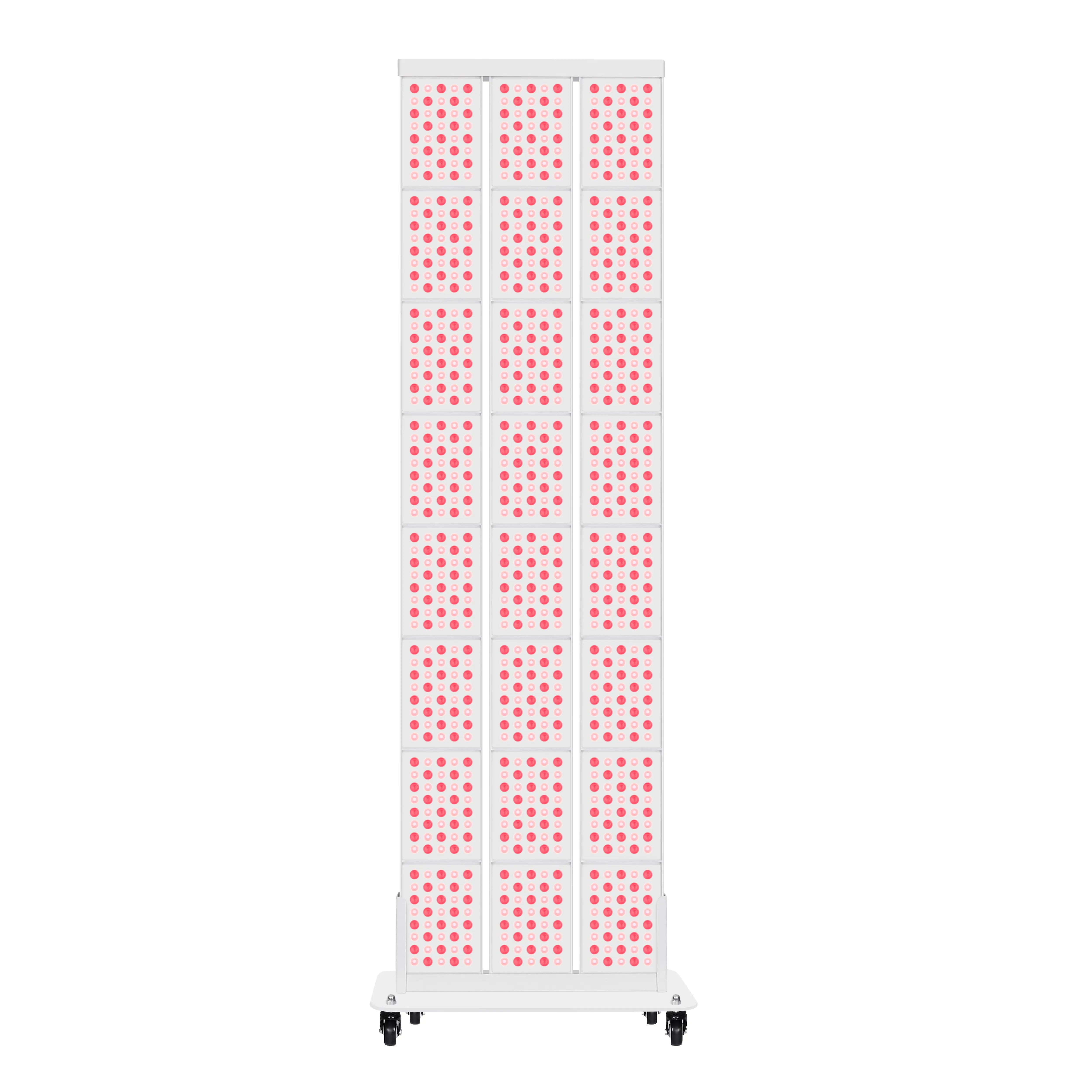
The need for goggles varies sharply across device categories. Standard LED panels used at the recommended distance usually fall into the lowest risk categories under international lamp safety standards. They emit diffuse light that triggers natural aversion responses in most users. Laser-based systems reach safety limits far more quickly and demand stricter protection. A 2026 evaluation of red light instruments highlighted how concentrated laser output can exceed guidelines within seconds while LED panels stay well within safe exposure windows for typical session lengths.

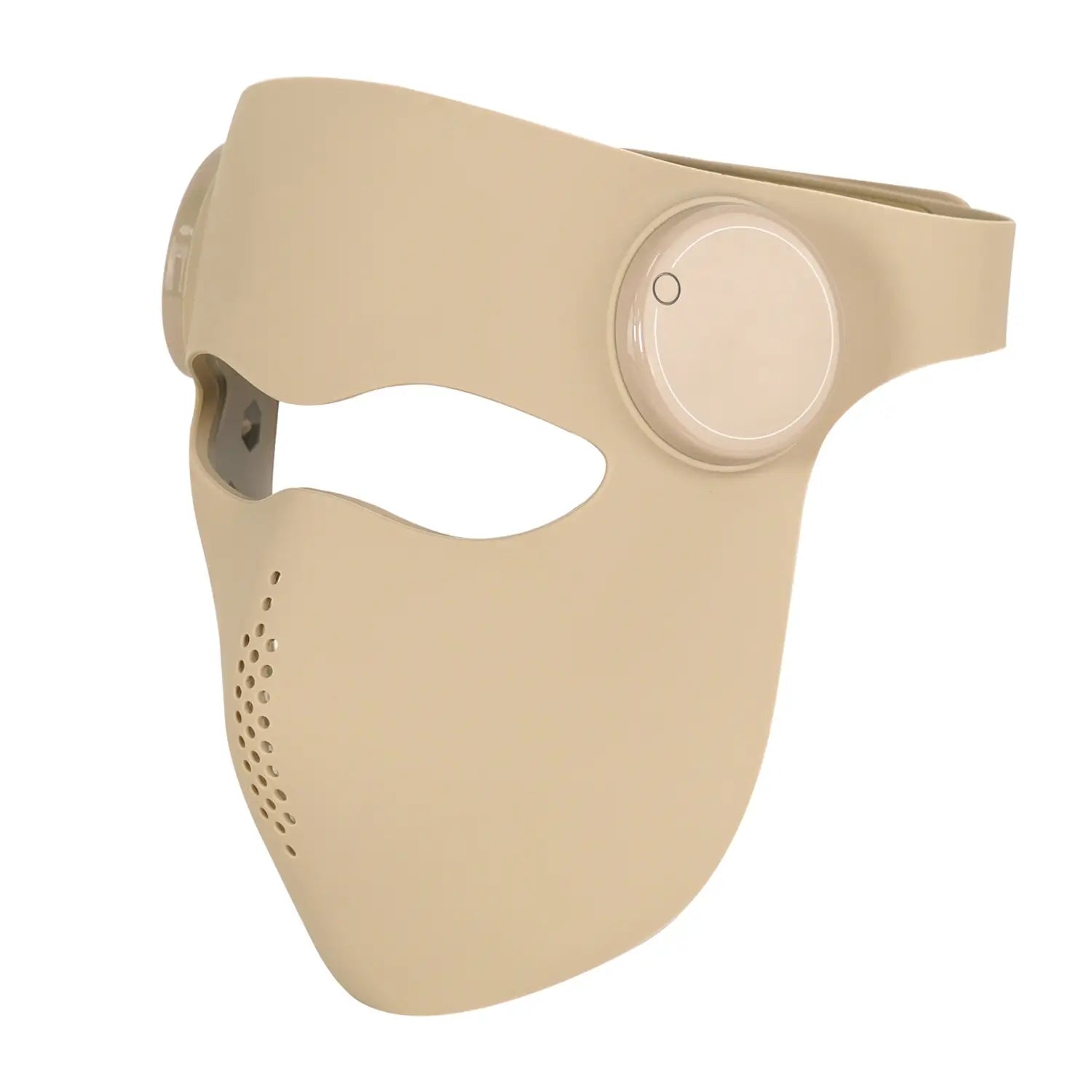
Near-infrared wavelengths add another layer because they remain invisible. Without the natural blink reflex that bright visible light provokes, energy can accumulate on the retina before you notice discomfort. High-irradiance panels that deliver strong 850 nm output therefore make goggles a sensible choice during face or upper-body sessions. Dedicated red light therapy masks often incorporate built-in eye shielding or operate at lower power levels, which frequently allows users to skip additional goggles if the mask design already blocks direct exposure.
A simple rule helps here. If your panel feels uncomfortably bright even at the suggested distance, or if the session involves direct facial aiming for more than a few minutes, wear goggles rated for the wavelengths involved. This precaution becomes especially relevant for anyone combining multiple high-power devices or extending session times beyond manufacturer guidelines.
Learning to evaluate specifications helps you choose appropriate gear. Our guide on How to Read Red Light Therapy Specs Like a Pro breaks down irradiance, beam angle, and other numbers that influence eye comfort. Comparing different models side by side also clarifies trade-offs in power versus safety margins.
Which Users Need Extra Eye Safety Precautions?
Certain individuals experience more noticeable reactions and should approach red light therapy with added care. People who already deal with migraines, photosensitivity, or light-triggered headaches often report temporary visual disturbances or discomfort even at moderate brightness. Those who have undergone recent LASIK, cataract procedures, or other ocular surgeries benefit from consulting their doctor before beginning facial treatments.
Temporary afterimages represent the most common side effect reported in safety reviews of low-level red light. These usually appear as a lingering glow or spot that fades within minutes and leaves no lasting change. When the effect lingers beyond roughly six minutes, feels intense, or accompanies headache, dryness, tearing, or nausea, stop the session immediately. Such signals suggest the exposure level or duration needs adjustment for your personal tolerance.
Users treating the face daily at close range sometimes notice mild irritation if they skip distance guidelines. Light-sensitive skin around the eyes can also react with temporary redness or fatigue. Starting with shorter sessions at greater distances gives you a chance to observe how your body responds before increasing intensity.
Our broader safety article covers additional considerations such as thyroid protection and device flicker that often arise alongside eye questions. Red Light Therapy Safety: Eyes, Thyroid, EMF, Flicker, and Overuse offers a practical checklist that many readers find helpful.
How to Use Red Light Therapy Near the Face More Safely
Positioning and timing make a substantial difference in comfort during facial treatments. High-output panels deliver optimal results at distances between six and twelve inches for targeted effects, yet many users feel more at ease starting at eighteen to twenty-four inches until their eyes adapt. Keeping the panel angled slightly upward or to the side prevents direct staring even when wearing goggles. Adding soft ambient room lighting reduces the stark contrast between the bright LEDs and darker surroundings, which can lessen strain.
Session length also influences comfort. Ten to twenty minutes per area tends to stay within comfortable limits for most people. Extending time does not automatically improve outcomes and can heighten the chance of transient visual effects. Alternating between red-dominant and near-infrared-dominant modes on dual-wavelength devices lets you tailor the experience to what feels best on a given day.
Common mistakes include sitting too close for too long or ignoring early signs of fatigue. Reviewing proper technique helps many users avoid these pitfalls. The article on The 5 Biggest Mistakes People Make with At-Home Red Light Therapy details distance, timing, and consistency issues that frequently affect results and comfort. Pairing this knowledge with Can You Overdo Red Light Therapy? Understanding Safe Limits creates a solid foundation for building a routine that supports skin health without unnecessary strain.
Choose Eye Safe Red Light Therapy Habits Before Every Session
A short checklist keeps safety consistent without turning every session into a complicated ritual. First verify that your device carries appropriate safety classification markings and follow the manufacturer distance recommendations. Second decide on eye protection based on the output level and proximity. Third set a timer and begin with conservative durations. Fourth maintain good posture so the light reaches the intended area without forcing you to stare straight ahead. Fifth pause immediately if you notice persistent visual changes or discomfort.
Devices that meet international photobiological safety criteria for lamps and systems generally present low risk under normal use. Checking for these markings offers reassurance when comparing panels or masks. After any accidental direct exposure, simply close your eyes, rest in a dimly lit room for several minutes, and resume only when vision returns to normal.
Used thoughtfully, red light therapy supports skin renewal, reduces discomfort, and in some cases promotes aspects of ocular wellness. The key lies in matching the tool to your needs, respecting personal sensitivity, and adjusting habits as you learn what works for your body. Small consistent choices protect your eyes while letting you enjoy the full benefits of the technology.
Is Red Light Therapy Safe for Eyes Overall?
Clinical protocols using the same core wavelengths found in consumer panels have shown no evidence of retinal harm across extended observation periods. The distinction lies in controlled dosing versus casual high-intensity home use. Most users tolerate sessions well when they maintain recommended distances and limit exposure time. Those with pre-existing eye conditions or recent surgery should obtain medical clearance first to confirm their specific situation aligns with published safety data.
Do I Need Goggles for a Red Light Therapy Mask?
Many masks incorporate opaque eye coverage or operate at lower irradiance levels that keep exposure within comfortable ranges. If the mask design already blocks direct LED output to the eyes, additional goggles often feel unnecessary and can interfere with fit. High-power full-face masks without shielding may still benefit from goggles, especially during longer sessions or if you notice any warmth or visual effects. Test without goggles first in a short session and add protection if anything feels off.
What Should I Do If I See an Afterimage After a Session?
A faint afterimage that fades within a few minutes falls within the expected transient response for many users. Rest your eyes in normal room light and avoid rubbing them. If the effect persists beyond several minutes, grows stronger, or comes with headache or blurred vision, discontinue use for the day and shorten future sessions. Persistent or worsening symptoms warrant a conversation with an eye care professional to rule out unrelated factors.
Can Near-Infrared Light Damage Eyes More Than Red Light?
Near-infrared wavelengths penetrate eyelid tissue more effectively and do not trigger the same instinctive blink response that visible red light does. This combination means energy can reach the retina with less immediate warning. For red light therapy panels that emphasize 850 nm output, protective goggles provide a practical safeguard during close-range facial treatments. Visible red light around 660 nm carries lower transmission through lids and generally feels more tolerable without protection at moderate intensities.
Who Should Avoid Red Light Therapy Near the Eyes?
Individuals with active photosensitive conditions, frequent migraines triggered by light, or recent ocular surgery benefit from professional medical advice before starting facial protocols. People who consistently experience strong afterimages, headaches, or eye fatigue even at greater distances may need to limit face treatments or explore body-only applications. Starting with very short sessions at maximum recommended distance helps identify personal tolerance before committing to a regular routine.