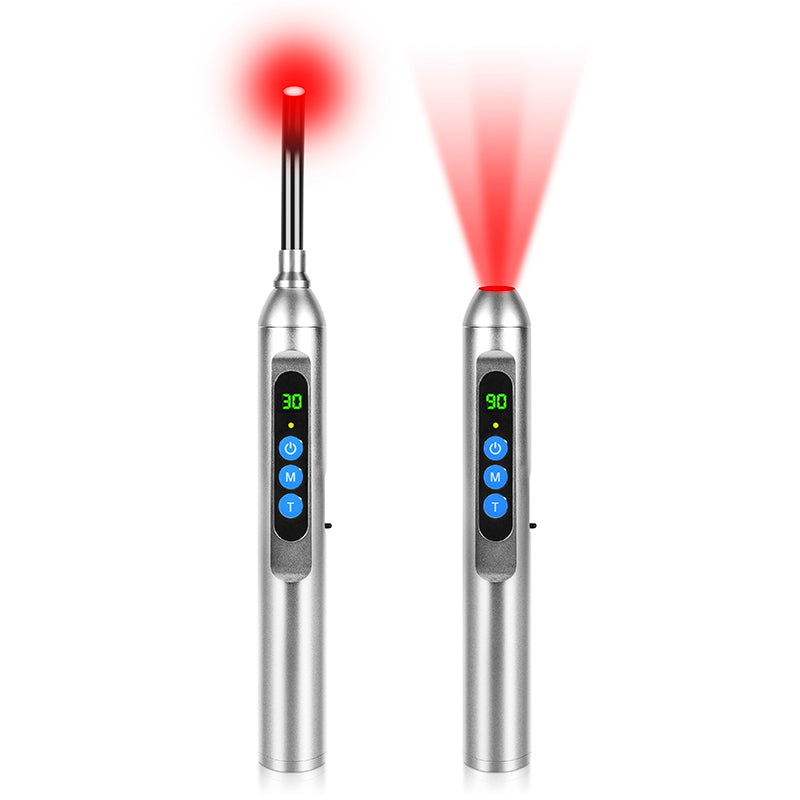

Red light therapy offers mechanistic support for testosterone production through improved cellular energy in the testes, yet current human trials measure improvements in sexual satisfaction and pain relief rather than direct rises in serum levels. Men exploring this approach should treat the method as an experimental optimization tool while prioritizing safety around sensitive tissue.

Why Are Men Trying Red Light Therapy for Hormone Support?
Many biohackers and athletes look to red light therapy because the testes contain Leydig cells responsible for producing testosterone. These cells rely on mitochondrial energy to convert cholesterol into pregnenolone, the first step in steroid hormone creation. Photobiomodulation from specific wavelengths can enhance mitochondrial function and raise ATP levels, which theoretically supports this energy-demanding process.
Preclinical studies on cells and rodents show promising effects on steroidogenesis. A 2024 randomized clinical trial using 650 nm and 820 nm wavelengths reported better sexual satisfaction and less chronic testicular discomfort in men. While the trial did not track serum testosterone directly, its findings add to the growing interest in light-based support for male hormonal health.
From the perspective of self-optimizers, red light therapy functions as part of a broader recovery routine rather than a standalone hormone treatment. Consistent use may complement sleep, training, and nutrition without replacing medical care for clinically low testosterone. Understanding the Necessity of Continuous Red Light Therapy Treatment explores why regular sessions help maintain cellular benefits over time.
The current evidence base remains stronger for symptom relief and general vitality than for guaranteed testosterone elevation. Readers focused on measurable bloodwork changes should combine light therapy with proven lifestyle factors and consult a physician before expecting dramatic shifts.
What Role Do Heat, Distance, and Session Time Play?
Effective protocols balance light delivery against the risk of warming sensitive tissue. The Arndt-Schulz principle shows that moderate doses stimulate cells while excessive exposure can reduce benefits or create inhibition. High-irradiance devices deliver more photons at close range, yet they also produce noticeable heat that accumulates during longer sessions.
Distance directly influences both intensity and thermal load. Panels placed very close generate higher irradiance at the skin surface, which can quickly raise local temperature. Moderate spacing reduces intensity but lowers heat buildup, creating a more sustainable window for repeated use. Session lengths of 10 to 15 minutes appear practical for most users seeking systemic or targeted support.
The chart below clarifies how these variables interact in typical setups.
This visual helps identify setups where light exposure stays productive without crossing into thermal stress. For hormonal applications, staying in safer zones supports consistency while minimizing unnecessary risk. Red Light Therapy Protocols for Managing Systemic Inflammation offers additional guidance on timing and frequency that can be adapted for recovery routines.
660 nm and 850 nm Light Serve Different Goals
Wavelength choice determines how deeply photons reach target tissues. Red light around 660 nm interacts primarily with superficial layers, making it useful for skin health, surface inflammation, and local circulation in the groin area. Near-infrared light near 850 nm penetrates farther, increasing the chance of reaching deeper structures such as Leydig cells within the testes.
Studies on reproductive cells highlight that 810-850 nm wavelengths can improve mitochondrial efficiency and maintain healthy ATP to AMP ratios without harming DNA integrity. This deeper action aligns with the goal of supporting steroid hormone pathways that occur well below the skin surface. Many full-body panels now combine both wavelengths so users receive surface and deeper benefits in one session.
For those focused on hormonal optimization, 850 nm deserves priority in device selection because of its penetration advantage. The 660 nm component still contributes by calming superficial tissues that can become irritated during intense training or recovery periods. Why Fat Tissue Loves Near‑Infrared Light: A Deep Dive For Serious Light Therapy Users and Effects of Red Light Therapy on Muscle Size and Growth examine how these wavelengths influence related metabolic and recovery processes.

Choosing devices with strong irradiance at both wavelengths allows flexibility while keeping protocols straightforward. The key lies in matching the dominant wavelength to the depth of the tissue you aim to reach rather than assuming every nanometer delivers identical results.
What Should Men Avoid When Using Light Near Sensitive Areas?
Testicular tissue functions best when kept several degrees cooler than core body temperature. Even a small sustained increase of one degree Celsius can disrupt sperm production and related hormonal activity. This biological reality makes heat management the central safety concern when applying high-powered lights to the lower body.
High-output panels can warm tissue rapidly if positioned too close or used for extended periods. Direct contact with intense LED arrays raises the chance of localized heating that outweighs any photobiomodulation benefit. Users should maintain enough distance to prevent any noticeable warming sensation during or after a session.
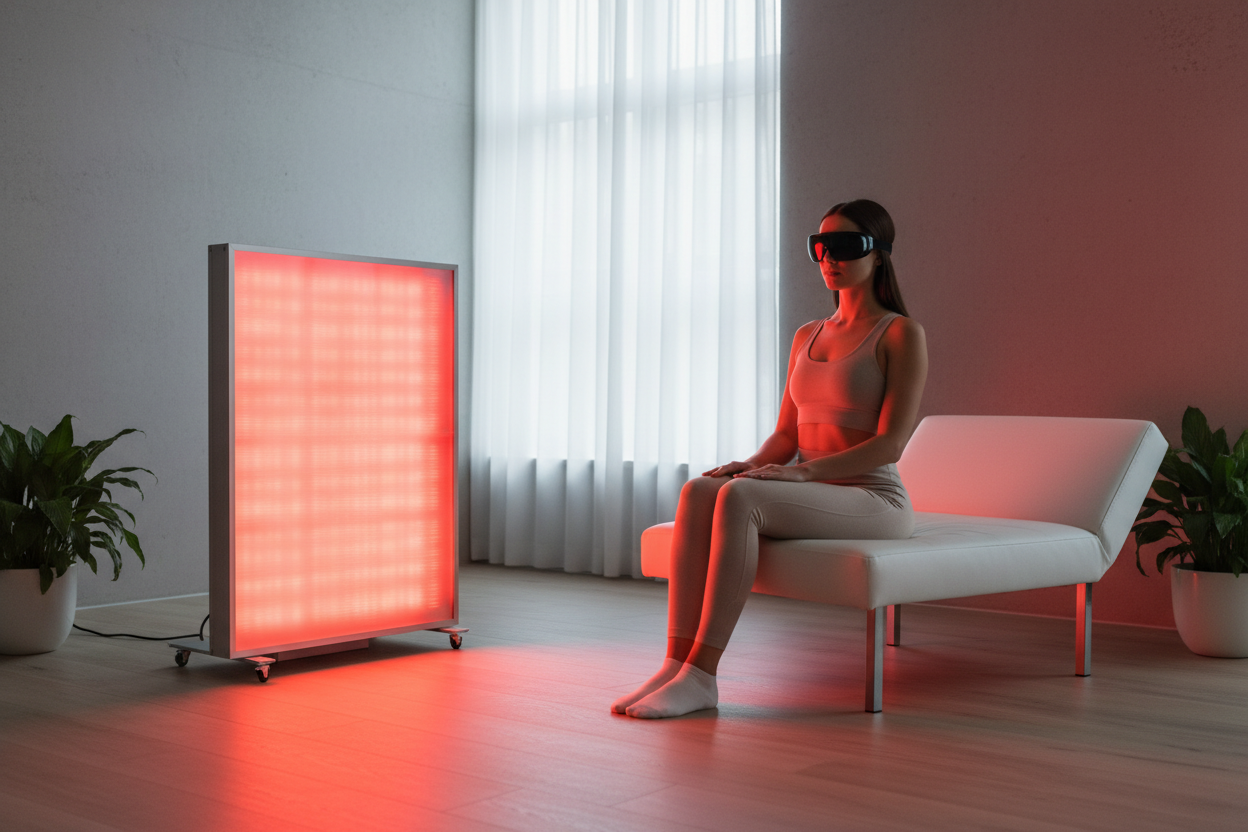
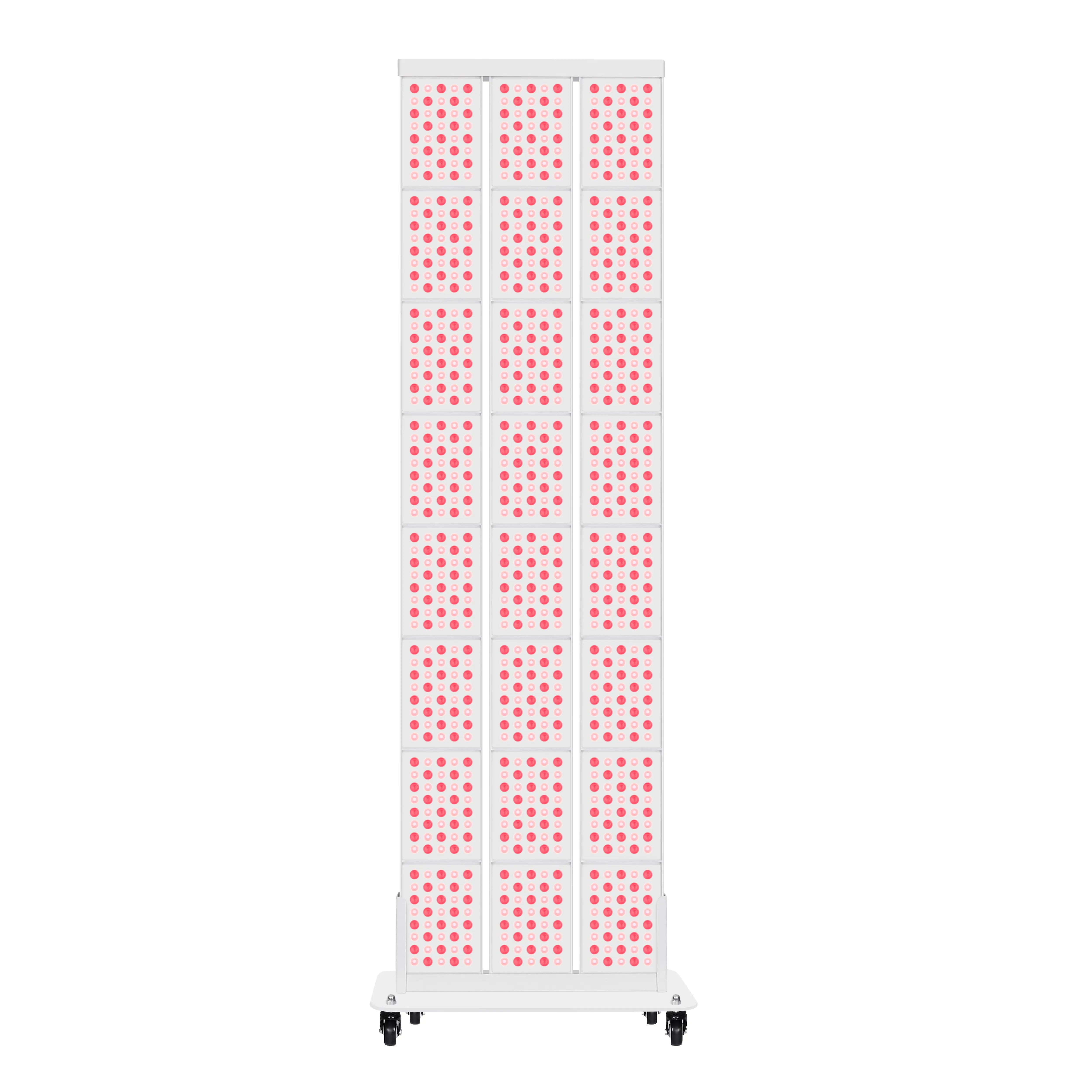
A practical checklist includes starting at 12 to 18 inches, limiting sessions to 10-15 minutes, and always monitoring skin feedback. If warmth develops, increase distance or shorten exposure immediately. Panels designed for full-body use, such as the YOULUMI IRP010-05L 1500W Red Light Therapy Panel or the YOULUMI 1700W Red/NIR Light Panel, deliver the necessary irradiance when used at appropriate ranges.
Avoid assuming higher intensity always equals better outcomes near endocrine tissue. The goal remains delivering beneficial light while respecting the narrow temperature window required for healthy testicular function. Red Light Therapy Protocols for Managing Systemic Inflammation reinforces the importance of conservative dosing when targeting recovery.
Use Red Light Therapy With Realistic Expectations and Safe Settings
Red light therapy sits in a promising but still developing category for hormonal support. The biological pathway exists, early human data on satisfaction and comfort looks encouraging, and the wavelengths that reach deeper tissues are well characterized. At the same time, large-scale trials measuring direct changes in circulating testosterone in healthy men remain limited.
A simple framework helps integrate the practice safely. Select devices that emphasize 850 nm output for deeper effects, keep sessions within the moderate distance and time ranges that avoid heat, and track personal markers such as morning energy, libido, and recovery quality. Optional bloodwork before and after several weeks of consistent use can provide objective feedback without creating unrealistic pressure for specific numeric gains.
This approach positions red light therapy as a recovery and maintenance practice rather than a medical replacement for clinically diagnosed low testosterone. Lifestyle fundamentals such as sleep, resistance training, and nutrition continue to form the foundation. When added thoughtfully, light therapy can become one more evidence-informed lever in a comprehensive optimization plan.
How Red Light Therapy Impacts Hormonal Cream Withdrawal offers parallel insights for those navigating other hormone-related transitions.
Does Red Light Therapy Increase Testosterone Levels in Healthy Men?
Current evidence shows improvements in sexual satisfaction and reduced discomfort from 650 nm and 820 nm light in a controlled trial, yet researchers did not measure serum testosterone changes. The mitochondrial mechanism in Leydig cells remains plausible, but human data confirming consistent elevation is still emerging.
Which Wavelength Works Best for Hormonal Support?
Near-infrared light around 850 nm penetrates deeper and supports mitochondrial function in tissues such as the testes. Red light at 660 nm primarily benefits surface layers and complements the protocol by addressing local inflammation.
Is It Safe to Use Red Light Therapy Near the Testicles?
Safety depends on preventing any rise in scrotal temperature. Maintain sufficient distance from high-irradiance panels, limit session length, and stop immediately if warmth occurs. Direct contact with powerful devices is not recommended.
How Long Should Sessions Last for Potential Hormone Benefits?
Most protocols use 10 to 15 minutes per session at moderate distances. This duration allows meaningful light exposure while staying well below thresholds that could generate excess heat in sensitive areas.
Who Should Consult a Doctor Before Trying Red Light for Testosterone Support?
Men with diagnosed hormonal conditions, fertility concerns, or those taking medication should speak with a physician first. Red light therapy works best as an adjunct to established medical care rather than an independent solution.