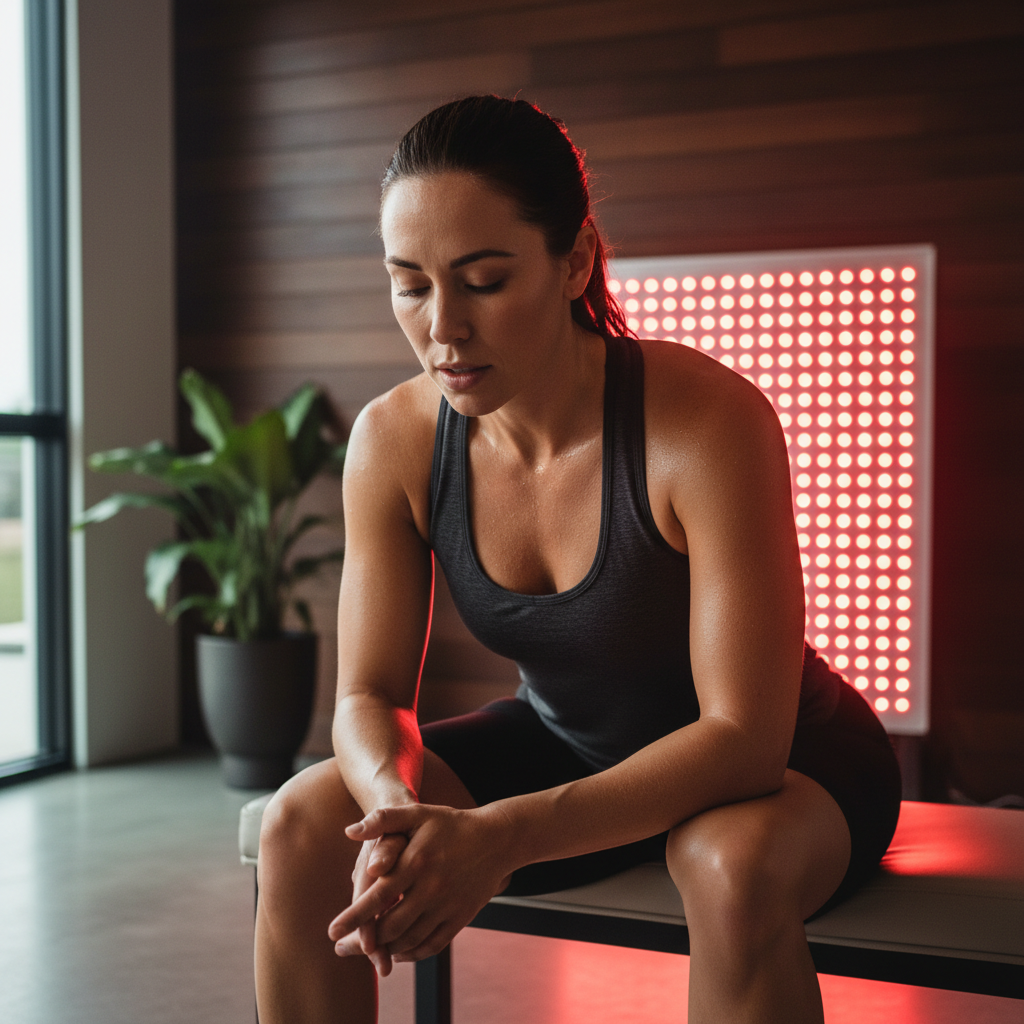
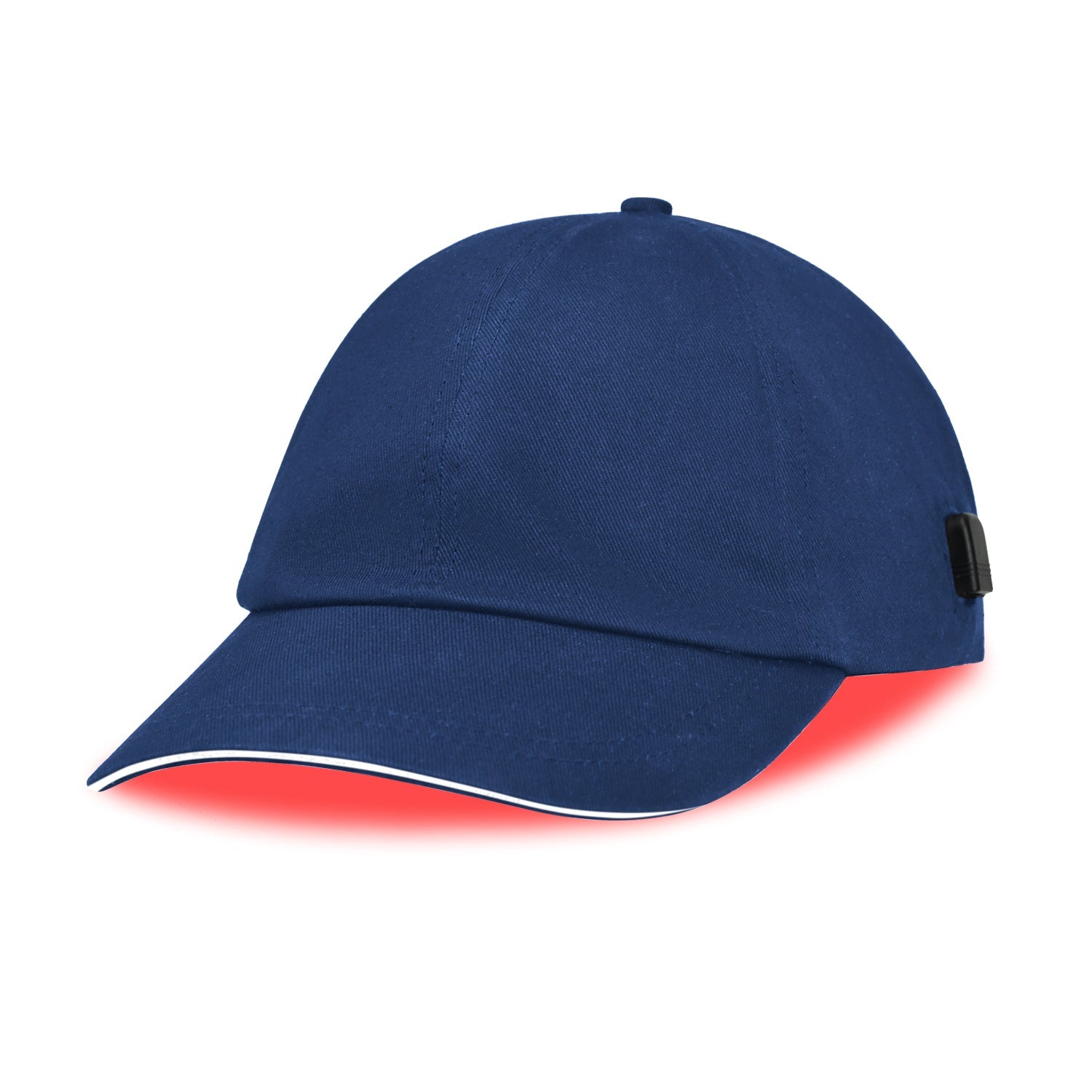
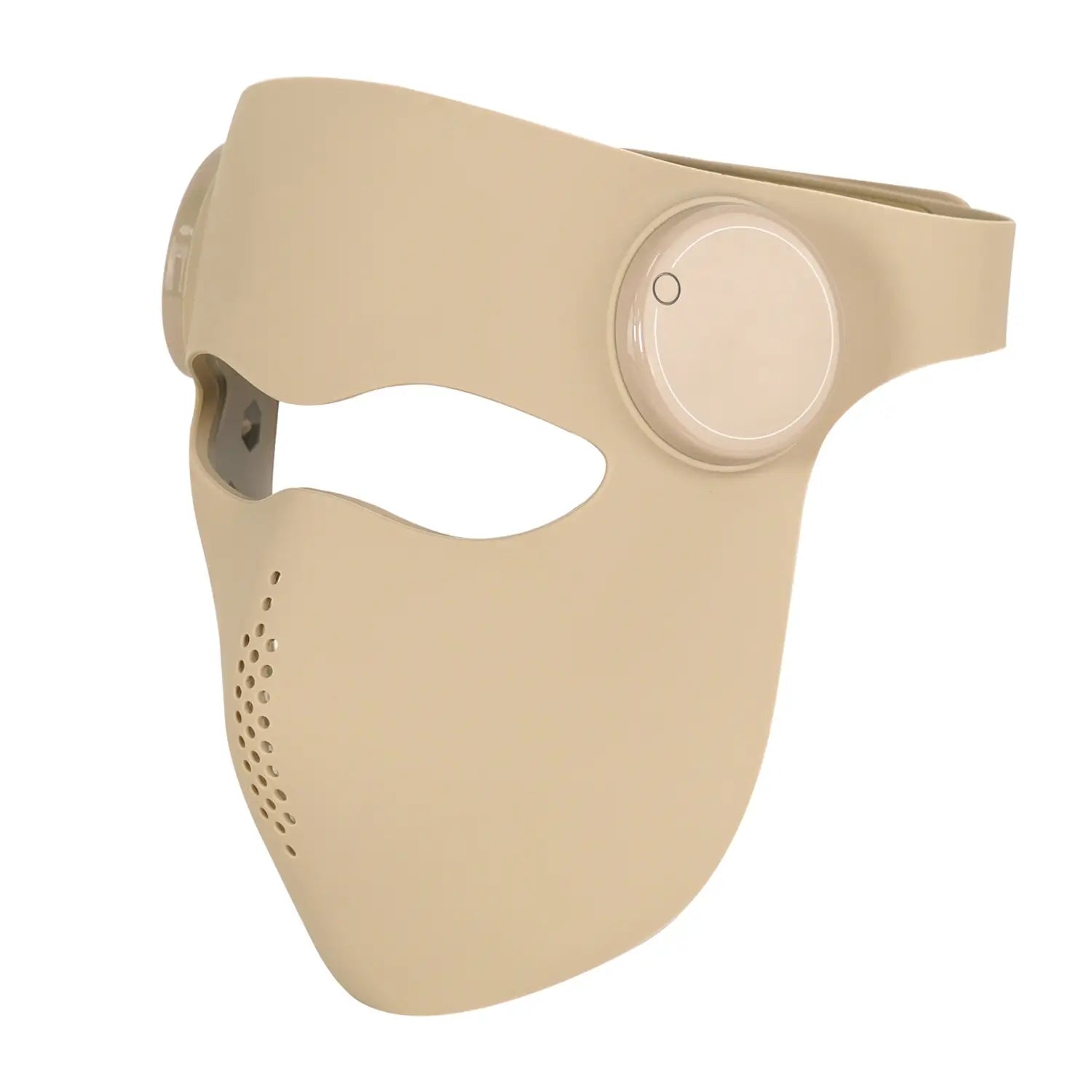

Many adults dealing with recurring back, neck, or knee stiffness look for non-invasive at-home options that may support comfort and mobility without relying solely on medication. Red light therapy, also known as photobiomodulation (PBM), is one supportive approach that uses specific red and near-infrared wavelengths applied to tissue. While research remains heterogeneous and results vary, this guide outlines commonly discussed protocols for targeted joint areas, safety considerations, and practical device selection to help you evaluate whether it fits your routine.

How Red Light Therapy May Support Joint Pain and Stiffness
Red light therapy involves exposing tissue to red (approximately 630–660 nm) and near-infrared (approximately 810–850 nm) light. These wavelengths are thought to interact with mitochondria, potentially influencing cellular energy production and local circulation. For joint-related discomfort, the mechanism is often described as supporting reduced perceived inflammation and improved tissue comfort, which some users report as better mobility during daily activities.
Evidence for chronic pain applications is still developing. A systematic review on PubMed notes that photobiomodulation studies for chronic pain show variable protocols and populations, making firm conclusions difficult. Official sources such as MedlinePlus on non-drug pain management position light-based approaches as one conservative option that may be discussed alongside other self-care strategies, but they do not replace medical diagnosis or treatment for underlying conditions.
Benefits, when observed, tend to be supportive rather than curative. Users with desk-related neck tension, post-workout knee soreness, or age-related morning stiffness sometimes report temporary relief and easier movement after consistent sessions. Individual responses vary based on device quality, treatment consistency, distance from skin, and personal factors.
Important Health Boundary: This article discusses comfort, setup, and self-care options only. It is not medical advice, does not diagnose or treat conditions such as arthritis, nerve pain, or injury, and does not claim to cure pain. If you have persistent, severe, or unexplained symptoms, consult a qualified healthcare professional before starting any new therapy. Those taking photosensitizing medications or with existing eye conditions should seek personalized guidance.
Typical Parameters for Targeted Red Light Therapy
Commonly referenced ranges for joint applications include:
- Wavelengths: 630–660 nm (red, more superficial) and 810–850 nm (near-infrared, deeper penetration).
- Irradiance: 20–130 mW/cm² at the skin surface (higher values often require shorter sessions to avoid excess heat).
- Energy density (fluence): 4–50 J/cm² per session, though many home protocols target the lower end for safety.
- Session duration: 10–20 minutes per area.
- Frequency: 3–5 sessions per week, allowing recovery time between treatments.
These figures are illustrative and drawn from common photobiomodulation literature. The internal Photobiomodulation Standards guide emphasizes accurate irradiance measurement, adherence to safety standards such as IEC 60601-2-57:2026, and consideration of the Arndt-Schulz relationship (where too much or too little energy may reduce benefit). Always follow your specific device's instructions, as output can differ significantly between models.
Typical Red Light Therapy Protocol Ranges by Body Area
Compare typical protocol ranges by body area; ranges are illustrative, not standardized prescriptions.
View chart data
| Category | Back/Neck Pain | Knee/Joint Stiffness |
|---|---|---|
| Wavelength (nm) | 630.0 | 850.0 |
| Irradiance (mW/cm²) | 20.0 | 130.0 |
| Duration (min) | 10.0 | 20.0 |
| Frequency (sessions/week) | 3.0 | 5.0 |
| Energy density (J/cm²) | 4.0 | 50.0 |
Illustrative conservative ranges synthesized from common photobiomodulation literature and protocol discussions for red/NIR light therapy. Used for comparison only: back/neck pain is shown with a slightly more superficial-leaning range, while knee/joint stiffness includes somewhat deeper-targeting settings. Literature notes heterogeneous protocols, no standardization, and variable efficacy; values are bounded to avoid false precision.
The chart above illustrates directional differences often discussed for more superficial (back/neck) versus deeper-targeting (knee/joint) applications. These are not prescriptions; actual effective parameters depend on your device’s measured output at treatment distance.

Protocols for Specific Areas: Back, Neck, and Knees
Back Pain
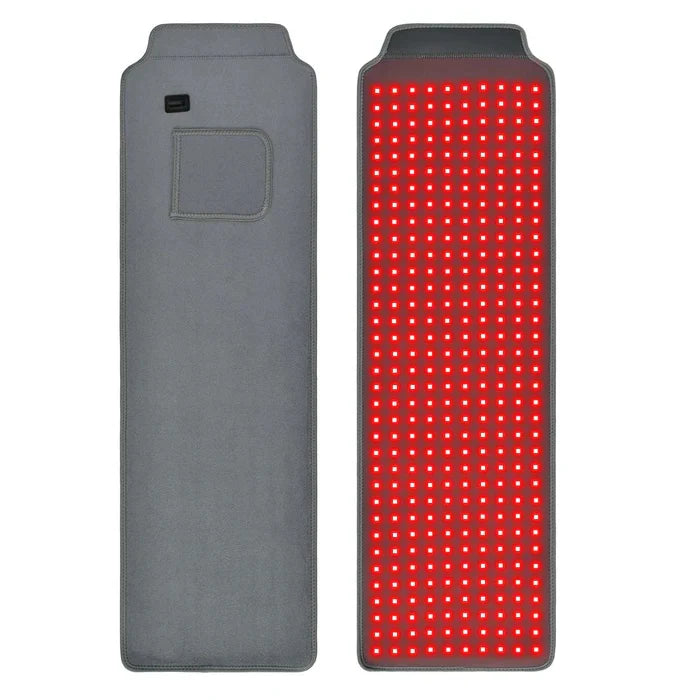
For lower or upper back discomfort, targeted devices such as red light therapy belts are popular because they wrap around the area hands-free. Position the device directly against clean, dry skin or over thin clothing if the manufacturer allows. Typical sessions run 10–15 minutes at moderate irradiance, 4–5 times per week. Many users combine this with gentle stretching or posture work after treatment. Our related guide on red light therapy for joint protection in workers explores occupational strain and supportive wavelengths.
Neck Pain and Stiffness
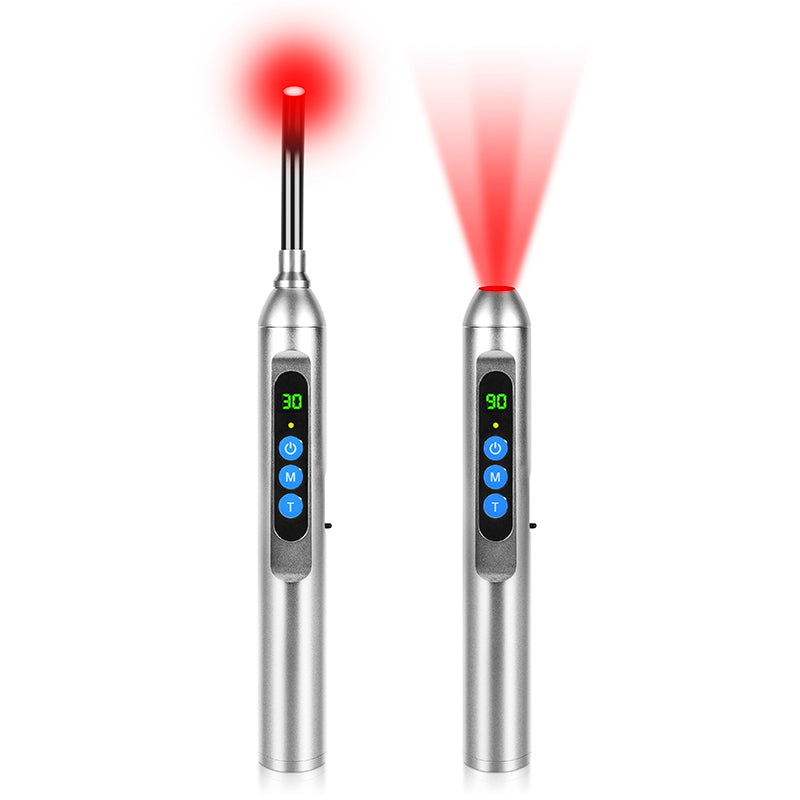
Neck tension from desk work responds well to precise placement. Sit comfortably and hold or strap a panel or smaller device 6–12 inches from the side or back of the neck, avoiding direct eye exposure. Sessions of 8–12 minutes, 3–4 times weekly, are commonly reported. The article on acute neck stiffness relief discusses 650 nm and 850 nm effects on circulation and inflammation markers in technical detail. Always keep eyes closed or use protective goggles.
Knee Pain and Joint Stiffness
Knees benefit from full coverage around the joint. Wrap a flexible red light therapy belt or position a panel in front and behind the knee for 10–20 minutes per session. For active individuals, post-workout timing (within 1–2 hours) is frequently mentioned. See our guides on red light therapy for DOMS after heavy lifting and swimmers’ shoulder and joint recovery for related joint protocols.
Deeper joints or thicker muscle layers may favor higher near-infrared proportions, while more superficial areas can use balanced red/NIR arrays. Consistency over 4–8 weeks appears more important than daily high-dose treatments according to many user reports and protocol summaries.
How Often to Use Red Light Therapy and What to Avoid
Most conservative protocols suggest 3–5 sessions per week rather than daily use to prevent potential adaptation or diminishing returns. Track how your body responds—some users notice changes in comfort within 2–4 weeks, while others require longer. Overuse (daily long sessions at high irradiance) is generally discouraged.
When red light therapy may not be the best first step (dont_buy_if scenarios):
- Acute injuries or swelling that requires immediate medical evaluation.
- Photosensitivity due to medications (e.g., certain antibiotics, antidepressants).
- Active skin conditions, open wounds, or recent surgery in the treatment area.
- If pain is severe, radiating, or accompanied by numbness/weakness—see a clinician first.
Our inflammation guide provides further context on realistic expectations for arthritis-related or neuropathic discomfort.
Safety Considerations for Home Use
- Eye protection: Never shine red or near-infrared light directly into the eyes. Use manufacturer-supplied goggles when treating the face or neck.
- Skin and heat: Start with shorter sessions. Some devices produce mild warmth; discontinue if excessive heat or irritation occurs.
- Photosensitizing medications: Check with your doctor if you take drugs that increase light sensitivity.
- Device quality: Choose products with accurate irradiance specifications, low EMF where possible, and third-party testing. The PBM standards article explains why measured irradiance at treatment distance matters more than advertised peak values.
- Pregnancy, cancer history, or implanted devices: Consult a healthcare provider before use.
Red light therapy is generally considered low-risk when used as directed, but it is not suitable for everyone or every condition.
Comparing Devices for Targeted Joint Treatment
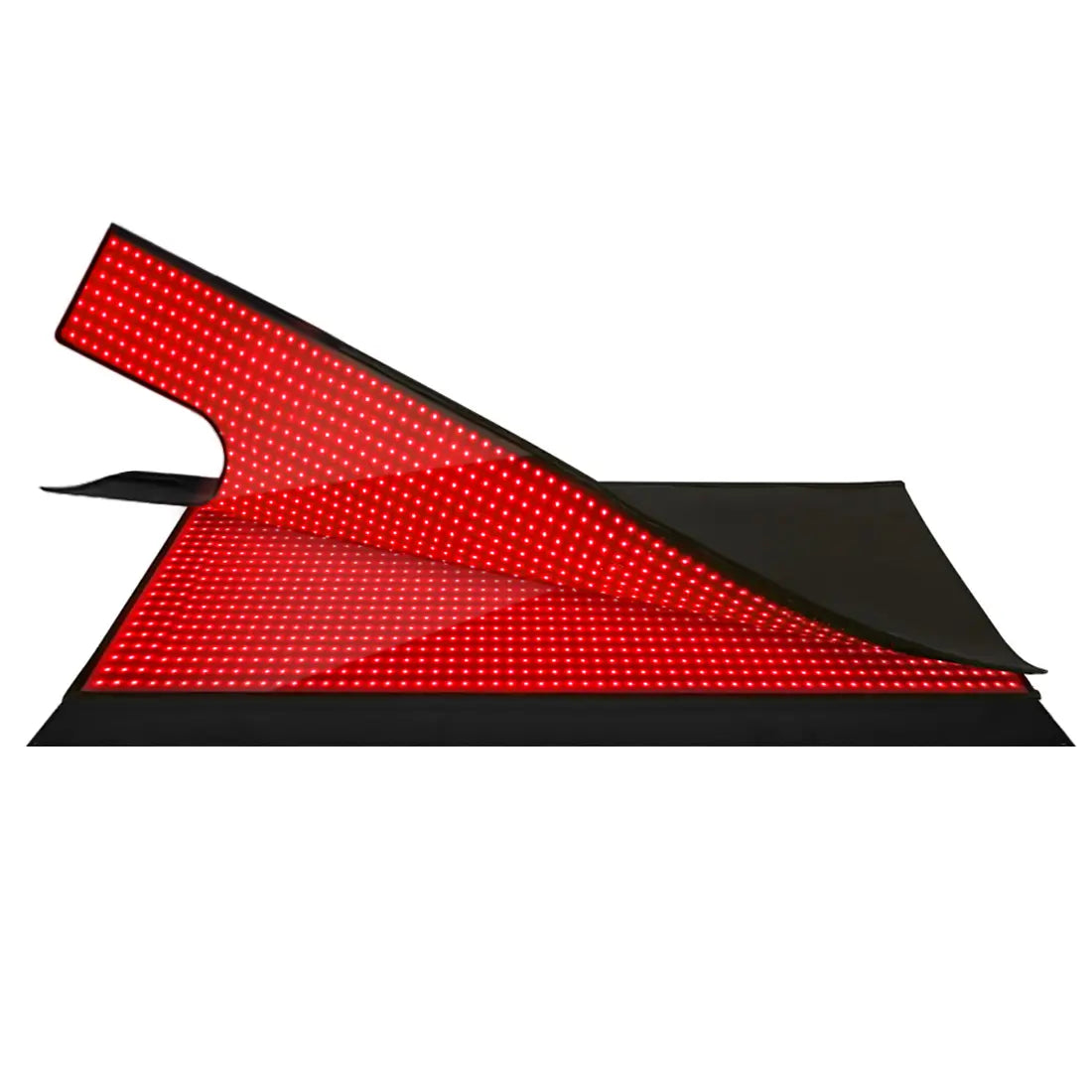
For localized pain, flexible red light therapy belts offer excellent portability and direct skin contact. Models such as the YOULUMI IRW-001, IRW-002, IRW-003, and IRW-004 provide dense LED arrays in wrap-around designs ideal for back, neck, or knee use.
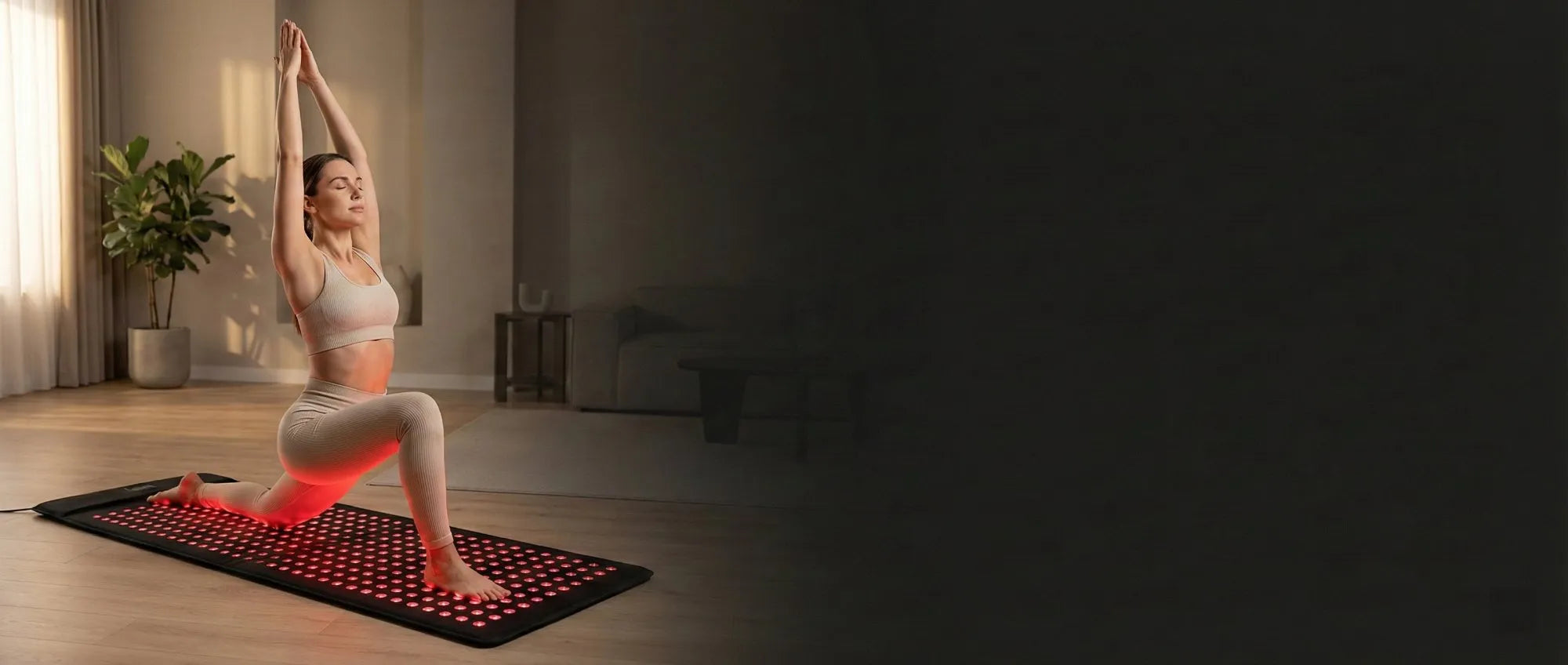
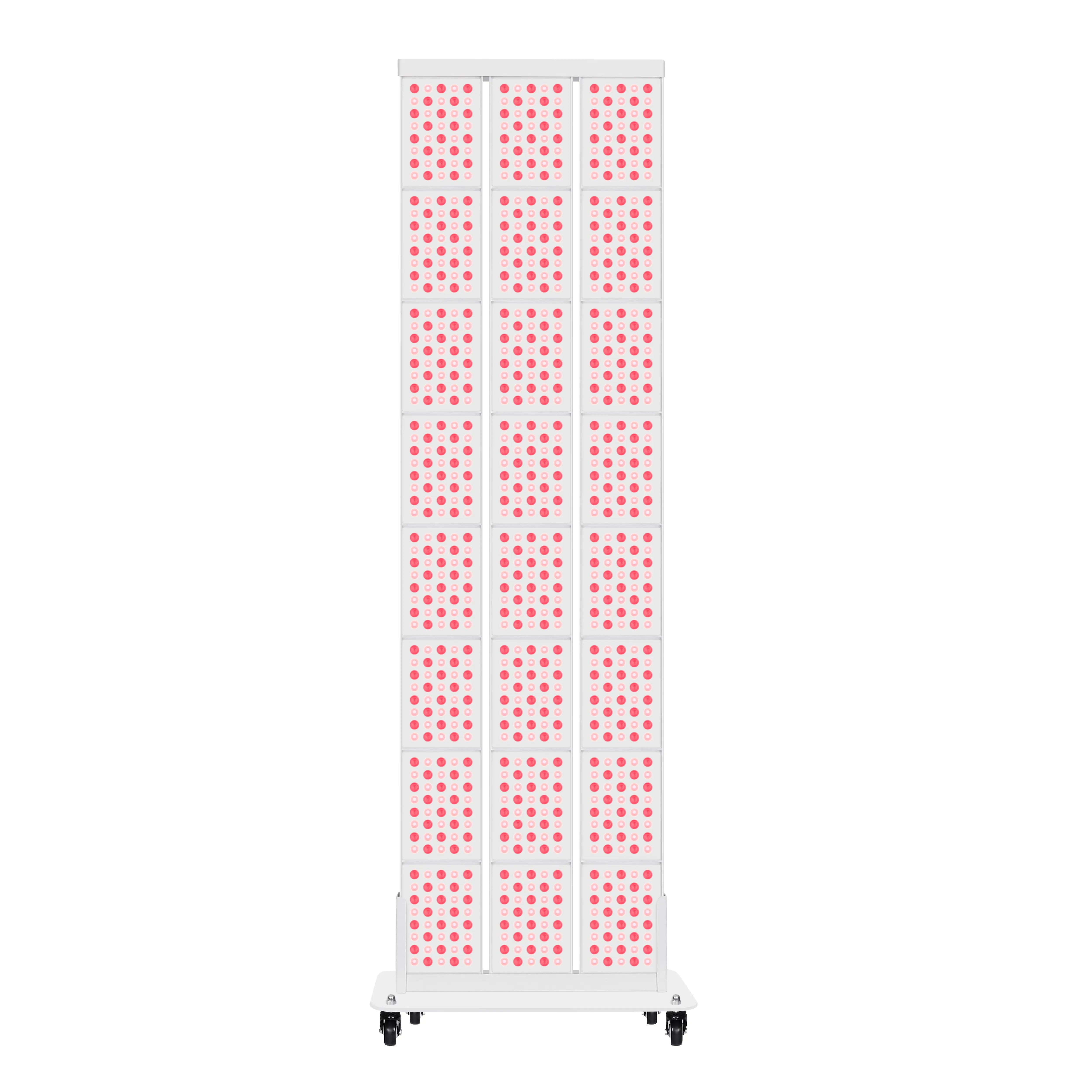
Larger options like the full-body red light therapy mat or therapy boot for feet and legs suit users who want broader coverage or simultaneous treatment of multiple areas. Panels from the red light therapy panel collection work well for hands-free positioning but may require stands or careful placement.
Comparison framework checklist before purchase:
- Confirm measured irradiance at the distance you will actually use (not just at 0 inches).
- Verify wavelength mix (balanced 660 nm + 850 nm is common for joints).
- Check EMF and flicker ratings if sensitive.
- Evaluate coverage area versus your primary pain locations.
- Review warranty, return policy, and independent testing data.
- Consider lifestyle fit—belts for mobility, mats for relaxation.
Read our muscle recovery protocol for timing guidance that complements joint care.
Creating Your At-Home Routine
A practical starting routine might look like this:
- Morning or evening sessions when stiffness is noticeable.
- Clean and dry skin, comfortable position.
- 10–15 minutes per target area, 3–5 days per week.
- Combine with movement, hydration, and sleep hygiene.
- Track comfort, range of motion, or daily function in a simple journal.
Adjust based on your response and device guidelines. Many wellness-focused users integrate red light therapy into existing recovery habits rather than treating it as a standalone fix.
Red light therapy offers a convenient, non-invasive option that may support comfort for back, neck, knee, and joint stiffness when used consistently and realistically. Results depend heavily on device specifications, individual biology, and integration with overall lifestyle and professional care. Evaluate your specific needs, prioritize safety, and consult healthcare providers for persistent symptoms. For those exploring targeted solutions, the range of Youlumi red light therapy belts provides flexible starting points for home use.
Health and Safety Disclaimer: This content is for informational purposes only and discusses general comfort and self-care approaches. It does not constitute medical advice, diagnosis, or treatment. Red light therapy outcomes vary and are not guaranteed. Persistent pain, mobility limitations, or any health concerns should be evaluated by a qualified medical professional. Always follow device-specific instructions and discontinue use if adverse effects occur.