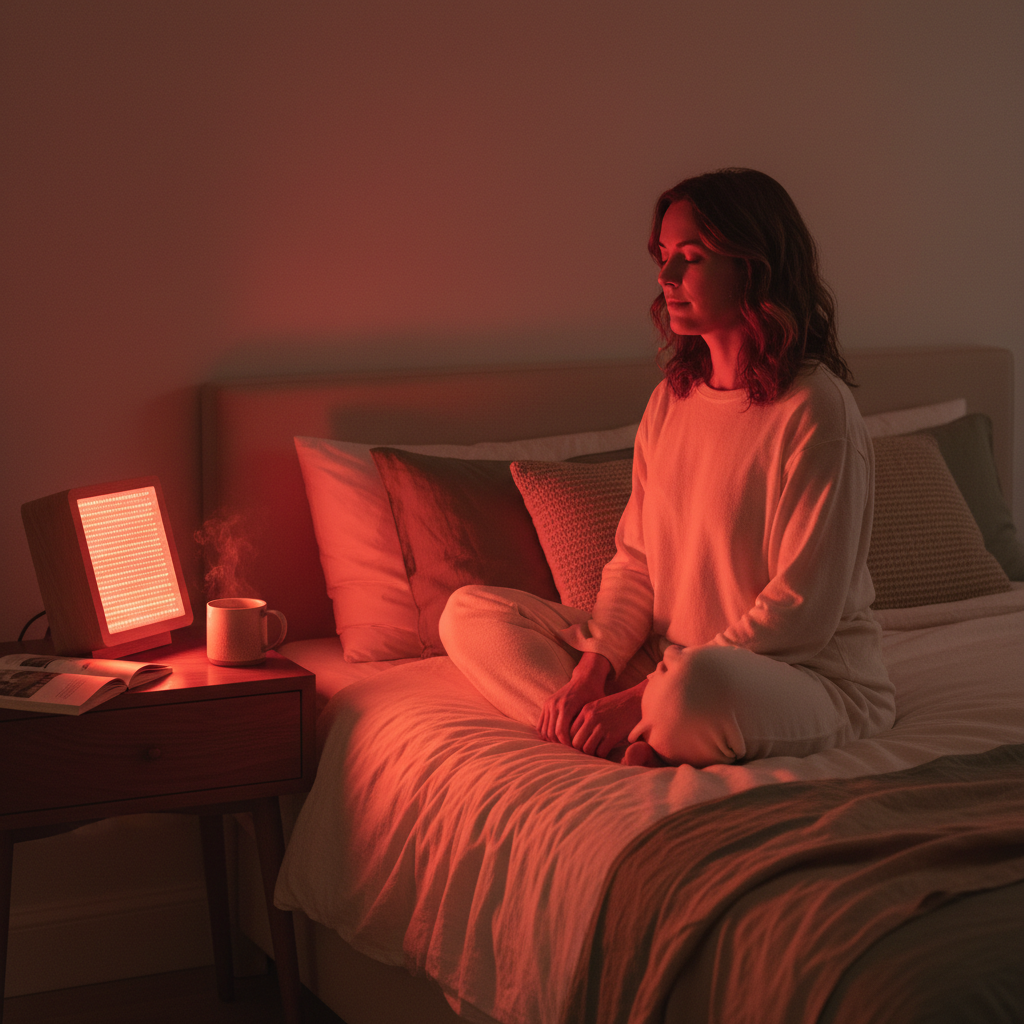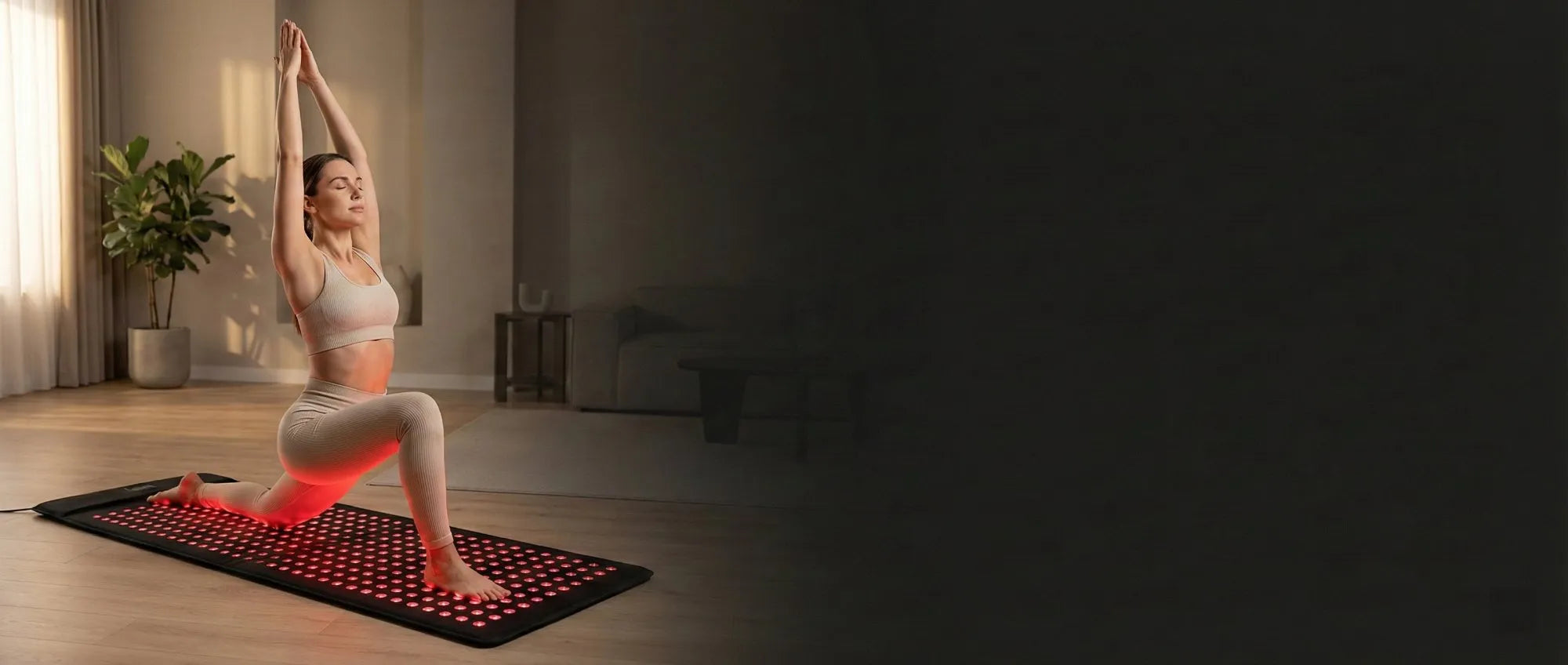
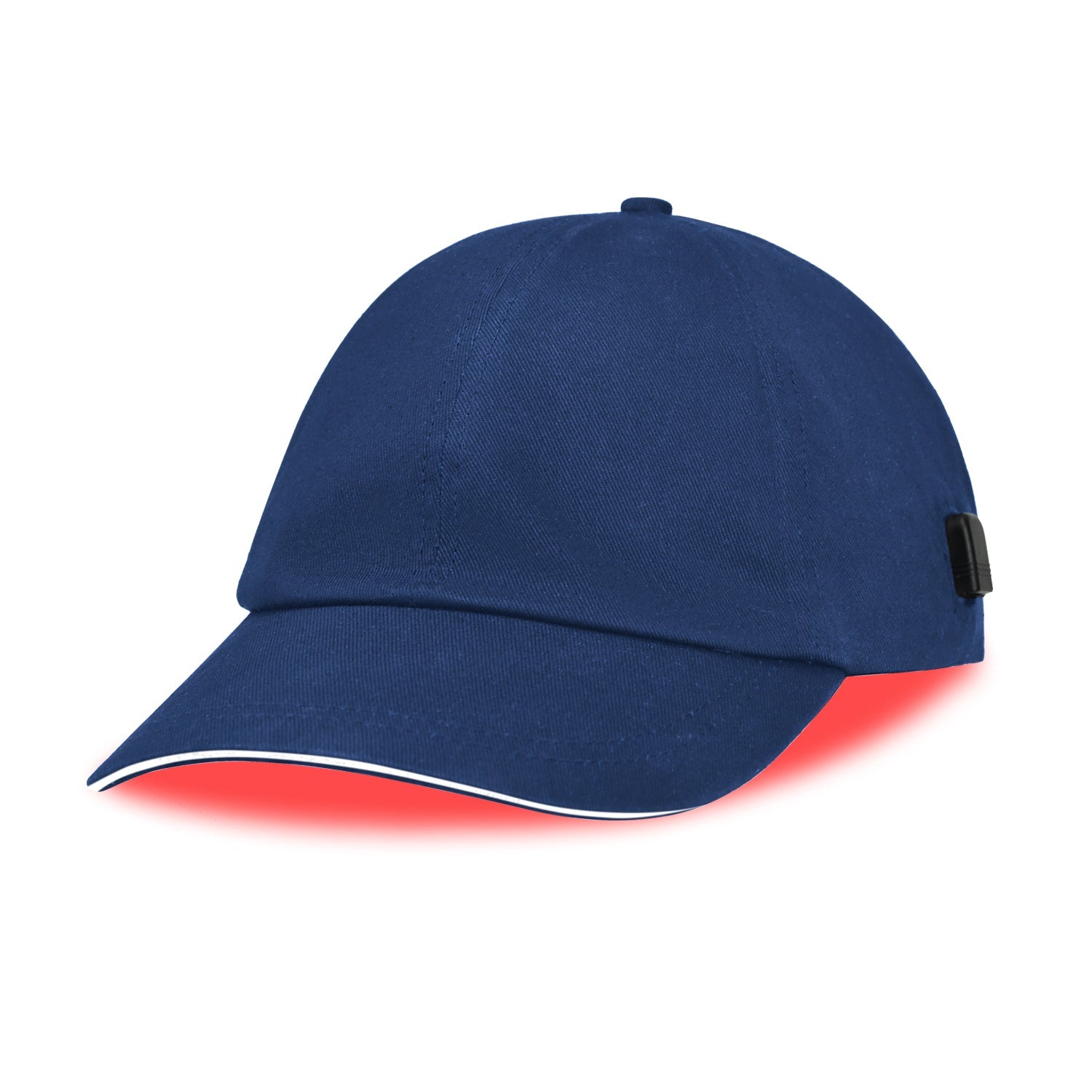
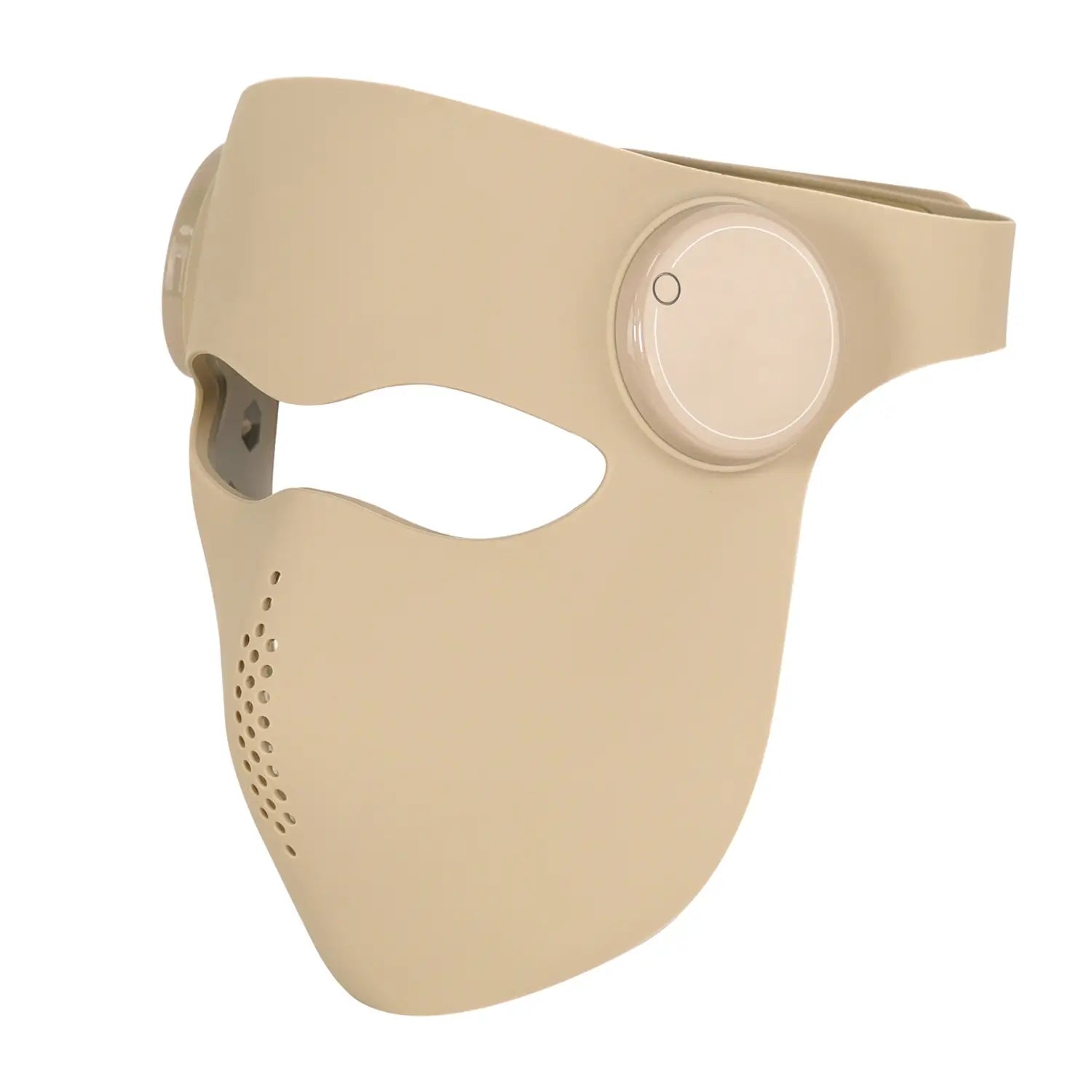

Deciding whether an expensive red light therapy panel is worth the investment in 2026 comes down to measurable specifications rather than price tag or branding. Premium devices can deliver consistent irradiance, transparent testing data, low electromagnetic fields (EMF), negligible flicker, and durable construction that support long-term value, but many high-priced options rely on marketing hype without disclosing how or where their numbers were measured. By focusing on verifiable specs like irradiance at a stated distance, wavelength accuracy, EMF and flicker reporting, build quality, and warranty coverage, buyers can separate clinical-grade performance from overpriced panels.

What Actually Determines Performance in Red Light Therapy Panels
Red light therapy, also known as photobiomodulation (PBM), relies on specific wavelengths of light—typically 660 nm red and 850 nm near-infrared—to interact with cellular mitochondria. However, not all panels deliver light effectively. Performance hinges on how much usable light reaches the target tissue, how safely and cleanly it is delivered, and whether the device maintains output over years of use. Price alone rarely correlates directly with these outcomes, as some factory-direct models outperform heavily marketed Western brands on key metrics while costing significantly less.
This analysis draws from technical standards and buyer guides that emphasize objective testing over claims. For deeper context on measurement methods, see the authoritative guide to photobiomodulation standards. The key is demanding transparent documentation rather than accepting vague “clinical-grade” labels.

Key Specifications That Separate Premium Panels from Hype
Irradiance: The Most Critical Metric
Irradiance, measured in milliwatts per square centimeter (mW/cm²), tells you the power density of light delivered at a specific distance. Higher irradiance generally allows shorter treatment times to reach an effective fluence (dose in Joules/cm²). However, the number is meaningless without knowing the measurement distance and device used.
Many budget or hyped panels advertise peak irradiance measured directly at the surface or with inaccurate solar power meters. Premium panels in 2026 typically provide third-party spectroradiometer data showing >100 mW/cm² at 6–12 inches—the practical treatment distance for full-body or targeted use. As explained in this irradiance vs fluence guide, consistent irradiance at distance directly impacts real-world dosing efficiency.
Look for brands that disclose exact test conditions rather than maximum possible output. Without this transparency, even a $2,000 panel may underdeliver compared to a well-engineered factory-direct option priced under $1,000.
Wavelength Accuracy and LED Quality
Effective PBM occurs in relatively narrow bands around 660 nm and 850 nm. Premium panels use tightly binned LEDs with ±5 nm tolerance and provide spectral graphs confirming output. Vague “multi-wavelength” marketing often hides poor spectral quality or excessive spread that reduces biological effectiveness.
LED binning, beam angle (typically 30–60 degrees for deeper penetration without excessive spread), and optical lenses also matter. High-quality builds incorporate proper thermal management to prevent wavelength drift as the panel heats up during use. For technical buyers, the comprehensive buyer’s guide to red light specs breaks down how to evaluate these details beyond surface claims.
EMF, Flicker, and Safety Standards
Electromagnetic fields (EMF) and light flicker can cause discomfort or subtle biological stress during long sessions. Premium panels minimize both: target EMF below 0.3–0.5 μT at treatment distance and achieve zero detectable flicker per IEEE 1789-2015 recommendations.
Many expensive panels still produce measurable EMF from poorly shielded drivers or high-current circuits. Independent testing and clear reporting separate serious manufacturers from those relying on marketing. The dedicated article on why zero-flicker and low-EMF design matters provides practical testing methods consumers can replicate with affordable meters.
Similarly, understanding red light therapy EMF safety clarifies what the numbers actually mean and how to verify them yourself.
Build Quality, Warranty, and Long-Term Value
Build quality extends beyond aesthetics to materials, cooling systems, modularity, and customer support. Premium panels often feature medical-grade components, effective passive or active cooling to maintain LED lifespan (>50,000 hours), sturdy frames, and responsive warranties of three to five years.
Cheaper panels may use lower-grade drivers that fail prematurely or lack adequate heat sinking, leading to output degradation. The economics of factory-direct versus retail red light therapy reveals how supply-chain markups in Western brands can inflate prices by 3–5× without proportional improvements in components.
A strong warranty and accessible technical support often prove more valuable than initial appearance. Factory-direct models frequently match or exceed retail build standards while offering better value.
Visual Comparison of Premium Thresholds vs Typical Market Claims
2026 Typical Premium Thresholds - Modeled from Industry Guides
A buyer-screening view of premium clinical-grade panel thresholds versus typical market claims.
View chart data
| Series | Irradiance at 6-12 in (mW/cm²) | EMF (μT, lower is better) | Flicker (% or equivalent, lower is better) | Wavelength transparency (nm tolerance, lower is better) | Warranty (years) |
|---|---|---|---|---|---|
| Typical hyped panel | 70.0 | 1.2 | 8.0 | 15.0 | 1.0 |
| Premium clinical-grade threshold | 100.0 | 0.3 | 0.0 | 5.0 | 3.0 |
Modeled from 2026 industry-guidance heuristics and PBM/consumer-safety principles: irradiance benchmark assumes disclosed measurement at 6-12 in, EMF and flicker are buyer-safety thresholds, wavelength tolerance reflects disclosure quality, and warranty reflects durability/value screening. Use as a decision threshold chart, not as a product ranking.
This radar chart illustrates 2026 heuristic thresholds. Premium clinical-grade performance generally targets high irradiance at usable distance, minimal EMF and flicker, tight wavelength tolerance, and multi-year warranties. Actual product performance should be verified with manufacturer test reports.
How to Compare Premium Red Light Panels Objectively
Create a simple checklist before purchasing:
- Does the brand publish spectroradiometer data for irradiance at multiple distances?
- Are wavelength spectra graphs provided with exact peak measurements and tolerances?
- What are the measured EMF and flicker values at typical treatment distance, and what instruments were used?
- What cooling technology and LED drivers are used? Is there evidence of long-term output stability testing?
- What is the warranty length, and does it cover LED output degradation?
- Are there independent lab reports or compliance documents (IEC 60601-2-57:2026, RoHS, FCC) available?
Avoid panels that only provide marketing numbers or “clinical studies” without raw data. Price differences often reflect distribution margins rather than component quality. Factory-direct manufacturers can deliver equivalent or superior specifications at lower cost by eliminating intermediaries.
For practical evaluation of specific models, review the how to read red light therapy specs like a pro.
When Expensive Panels May Be Worth It—and When They Are Not
Higher-priced panels can be worthwhile when they demonstrably provide superior irradiance consistency, lower EMF/flicker, better thermal management, longer warranties, and responsive support. Athletes, biohackers, and clinical users who value time efficiency and documented performance may justify the investment in transparent, high-output systems.
However, many premium-branded panels do not outperform well-engineered factory-direct alternatives on objective metrics. If a panel lacks transparent test data, uses generic components, or relies heavily on lifestyle marketing, the higher price likely represents branding markup rather than performance advantage.
Consider your usage: targeted face or joint treatment may not require a 1,500W full-body panel, while full-body recovery benefits from higher irradiance and larger coverage. Always calculate approximate fluence at your intended distance rather than relying on advertised maximums.
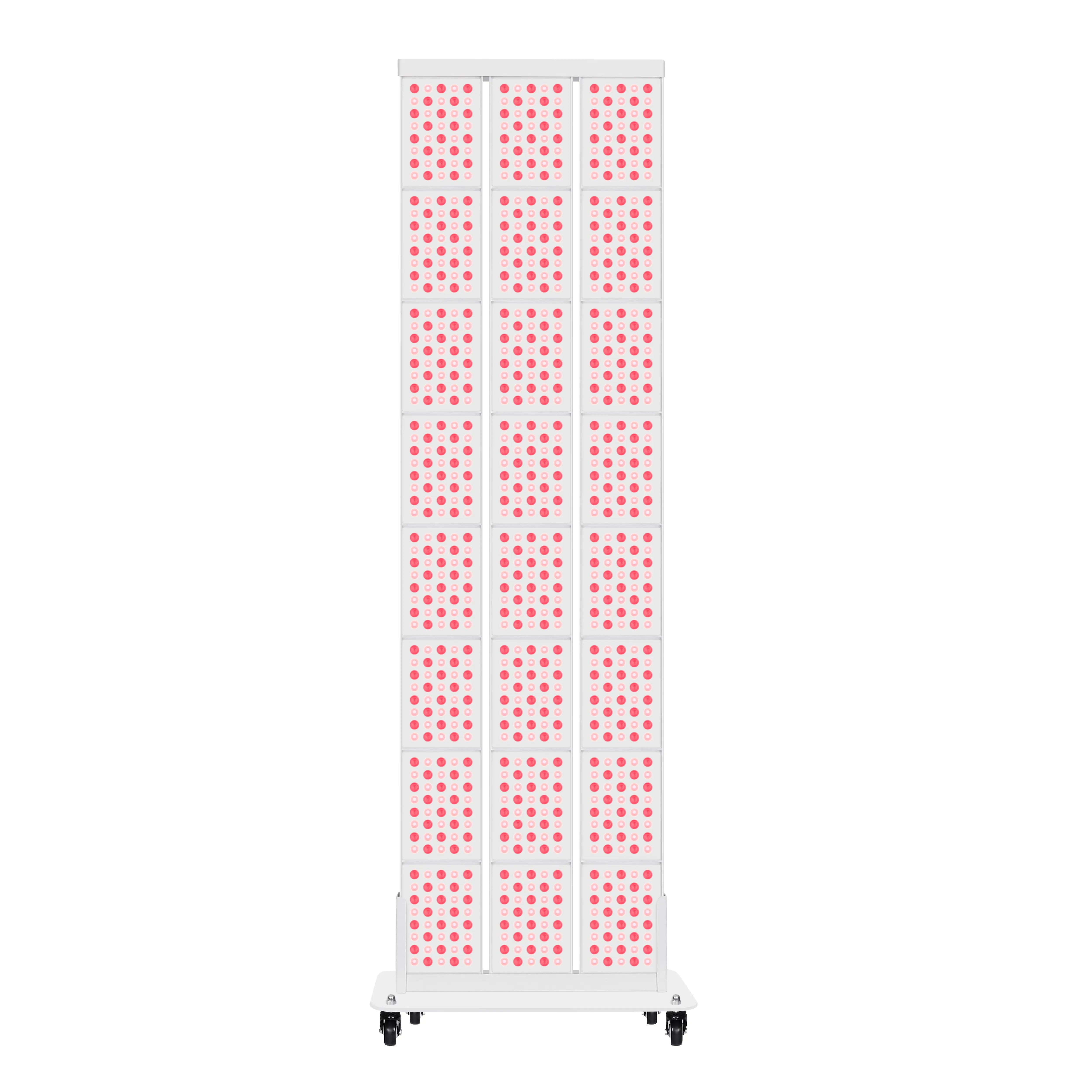
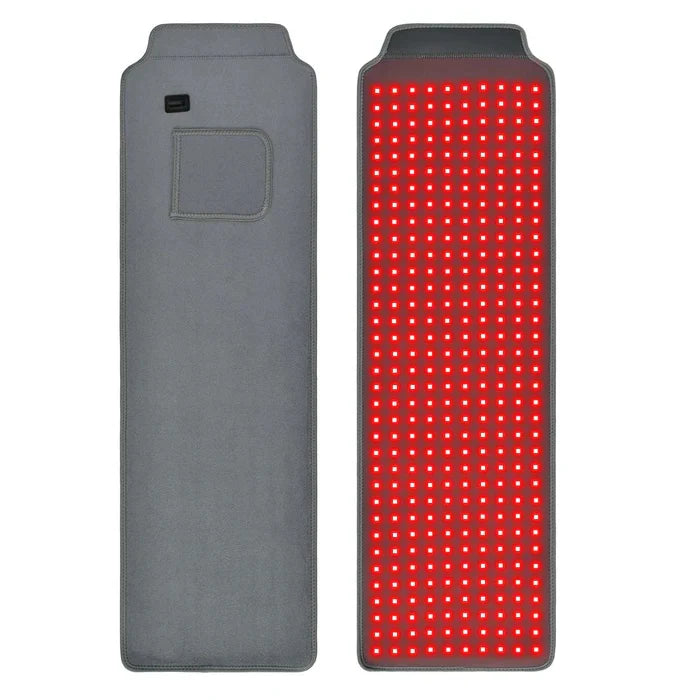
Examples from the Youlumi lineup illustrate different use cases. The YOULUMI 60W Red Light Therapy Panel offers a compact, low-EMF option ideal for facial and localized treatment. Larger systems like the YOULUMI IRP010-05L 1500W Red Light Therapy Panel or 1700W full-body panel provide high irradiance and modular flexibility for full-body use. Mid-range options such as the YOULUMI IRP010-03L 900W or 600W panel balance power and practicality.
Explore the full red light therapy panel collection to compare current specifications directly.
Buyer Checklist for 2026 Premium Red Light Panels
Before purchasing any expensive panel:
- Request or locate third-party spectroradiometer reports showing irradiance at 6, 12, and 18 inches.
- Verify EMF readings below 0.5 μT and flicker-free operation at treatment distance.
- Confirm exact wavelength peaks and spectral width rather than accepting broad claims.
- Evaluate cooling design and projected LED lifespan under real operating conditions.
- Compare total cost of ownership including warranty, replacement parts, and energy consumption.
- Check for compliance with updated IEC safety standards and transparent documentation.
This checklist shifts the decision from price or aesthetics to engineering substance. Expensive does not automatically equal better, but panels meeting these transparent criteria often justify their cost through efficiency, safety, durability, and measurable results.
Important Note on Health and Comfort: This article discusses technical specifications, measurement standards, and setup considerations for red light therapy devices. It does not constitute medical advice, diagnosis, or treatment recommendations. Red light therapy outcomes vary by individual and depend heavily on usage, distance, and overall health. Claims of specific therapeutic benefits should be evaluated against regulatory guidance. If you experience discomfort, eye strain, or have pre-existing medical conditions, consult a qualified healthcare professional. Comfort and safety depend on proper device selection, room conditions, and individual response rather than price alone.
In summary, the most valuable premium red light therapy panels in 2026 are those that provide clear, independently verifiable data across irradiance, wavelength, EMF, flicker, and longevity metrics. By prioritizing transparent specifications over marketing claims or price, consumers can make informed decisions that deliver genuine performance and long-term value without paying for unnecessary hype.