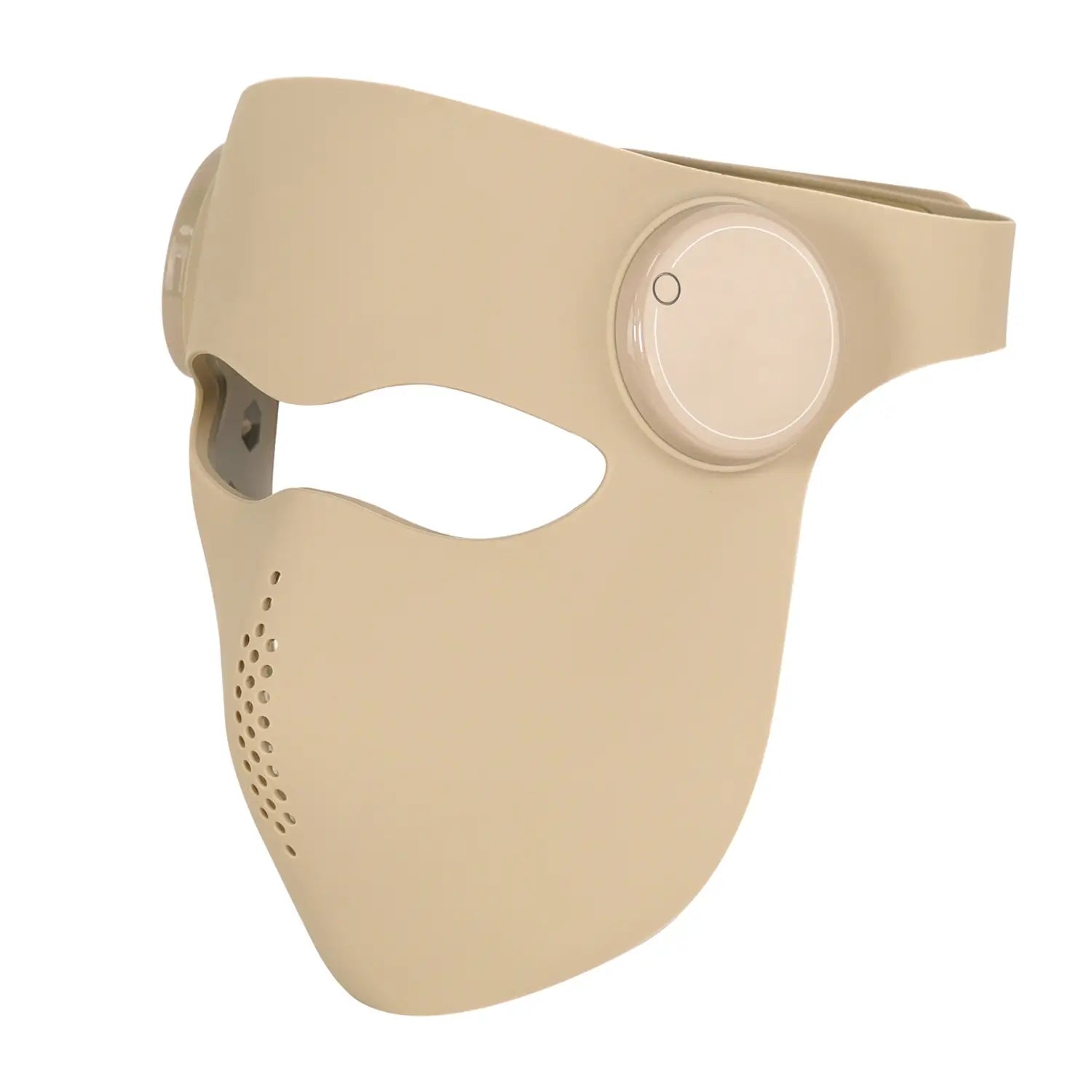
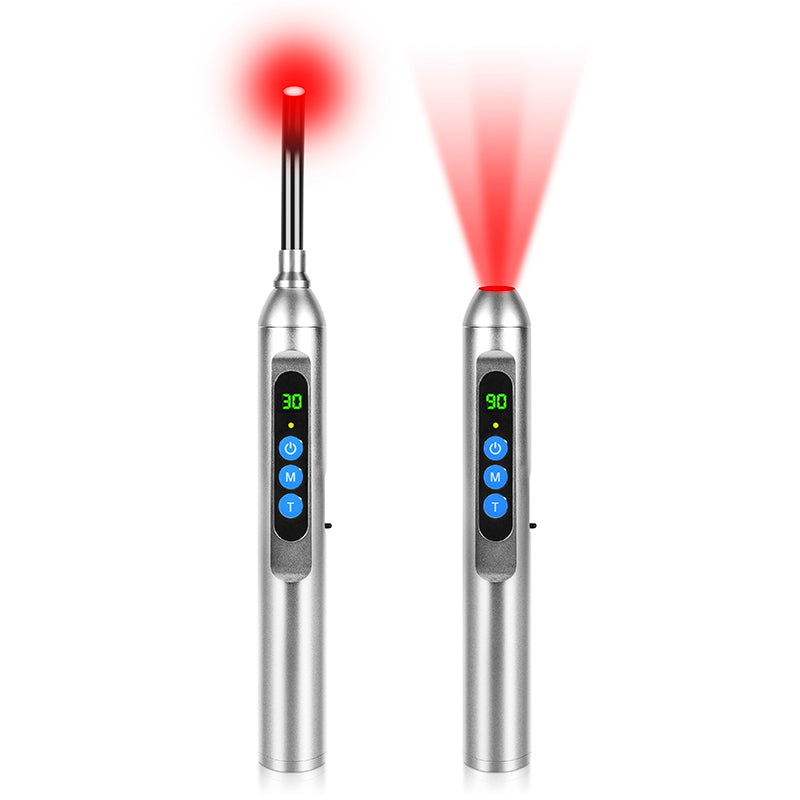

Many biohackers and wellness enthusiasts are discovering that a thoughtful evening red light session can become a reliable part of their wind-down routine. When used with attention to timing, brightness, and distance, red and near-infrared light tends to feel less alerting than blue or white sources, helping some users transition more smoothly into rest without adding new friction to their bedtime habits.

This practical guide explores how photobiomodulation intersects with circadian science in 2026. It focuses on realistic protocols that prioritize consistency and low disruption rather than promising dramatic hormonal shifts or universal sleep fixes. Evidence remains contextual, and individual responses vary based on device output, room setup, and personal sensitivity.
How Red and Near-Infrared Light Interact with Evening Relaxation and Circadian Timing
Evening light exposure influences the body's internal clock and melatonin timing, which is why most sleep guidance recommends keeping overall illumination low and avoiding bright sources close to bedtime. Red light is generally viewed as less suppressive than blue or white light in this window, potentially making it a more tolerable option for a short pre-sleep ritual.
That said, red light is not automatically sleep-neutral. Brightness and session timing still matter. A very intense panel used right before lights-out can feel stimulating for some people, while a dimmer, earlier exposure may simply serve as a calming environmental cue. This overview from the Sleep Foundation explains that red light tends to be less disruptive than other colors near bedtime, yet individual tolerance and exact parameters determine the outcome.
Near-infrared (NIR) wavelengths (typically around 850 nm) penetrate deeper than visible red (around 660 nm). For sleep support, many users prefer keeping NIR at a greater distance or lower perceived intensity in the evening so the session does not create a warming or alerting sensation. Red light, being visible, can feel more immediately relaxing when kept soft and used as part of a low-stimulation routine. The key distinction is not that one wavelength is inherently “better” for sleep, but that NIR may require more careful placement to avoid unintended activation.
Readers interested in the underlying studies can explore collections on PubMed or PMC to review specific exposure parameters rather than relying on marketing summaries.
Evidence-Based Red Light Therapy for Sleep Protocol in 2026
Current guidance treats red light therapy protocols for circadian support as heuristic tools rather than clinically validated treatments. The strongest framing available is that a short, moderate session earlier in the evening may complement good sleep hygiene for some users, particularly those already familiar with red light devices.
A typical starting protocol for pre-bed use looks like this:
- Timing: 1–3 hours before intended bedtime for most people. Sessions closer than 30–60 minutes may feel too activating for light-sensitive individuals.
- Duration: 5–15 minutes for face or upper-body exposure. Longer full-body sessions are often better reserved for earlier in the day or post-training recovery.
- Distance: 12–24 inches from the panel or device, adjusted so the light feels comfortable rather than glaring.
- Irradiance: Moderate output preferred for evening use. High-intensity settings (>100 mW/cm² at treatment distance) are more appropriate for daytime recovery than immediate pre-sleep routines.
- Environment: Pair the session with dim room lighting, no screens, and a consistent wind-down sequence. Avoid treating the red light device as an additional bright light source in an otherwise dark bedroom.
These ranges draw from practical protocol discussions and align with broader photobiomodulation standards that emphasize dose, Arndt-Schulz principles, and user-specific response. They are not universal prescriptions and should be adjusted based on how the session affects your personal sense of relaxation.

Existing users expanding from pain relief to sleep support often benefit from lowering intensity and moving sessions earlier compared with their daytime routines. New users should begin with the shortest, dimmest tolerable exposure and observe how it fits their schedule.
Choosing the Right Parameters for Pre-Bed Use
Success with red light therapy for circadian support depends heavily on avoiding disruption. The goal is a session that feels like part of the wind-down rather than an extra task that delays bedtime.
Practical checkpoints include:
- Can you complete the session without pushing your actual lights-out time later?
- Does the light feel soft and background-like rather than demanding attention?
- Are you able to maintain the habit nightly with minimal effort?
- Does the routine support relaxation, or does it leave you feeling more alert afterward?
If the answer to any of these is consistently “no,” simplify first—reduce duration, increase distance, or move the session earlier—before increasing power or time.
Community discussions frequently highlight that overly bright or late sessions can create the opposite of the desired effect. Treating red light as a gentle cue rather than a high-dose treatment helps many users integrate it successfully.
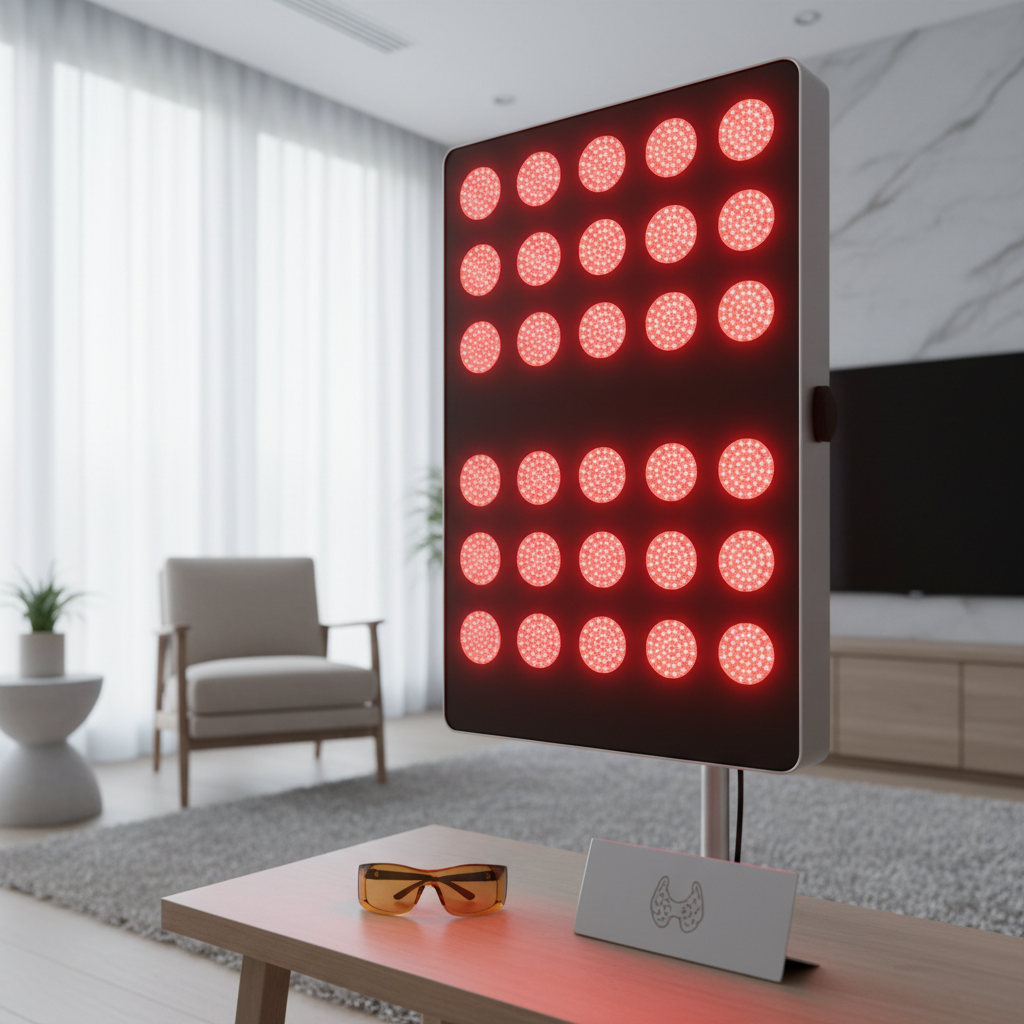
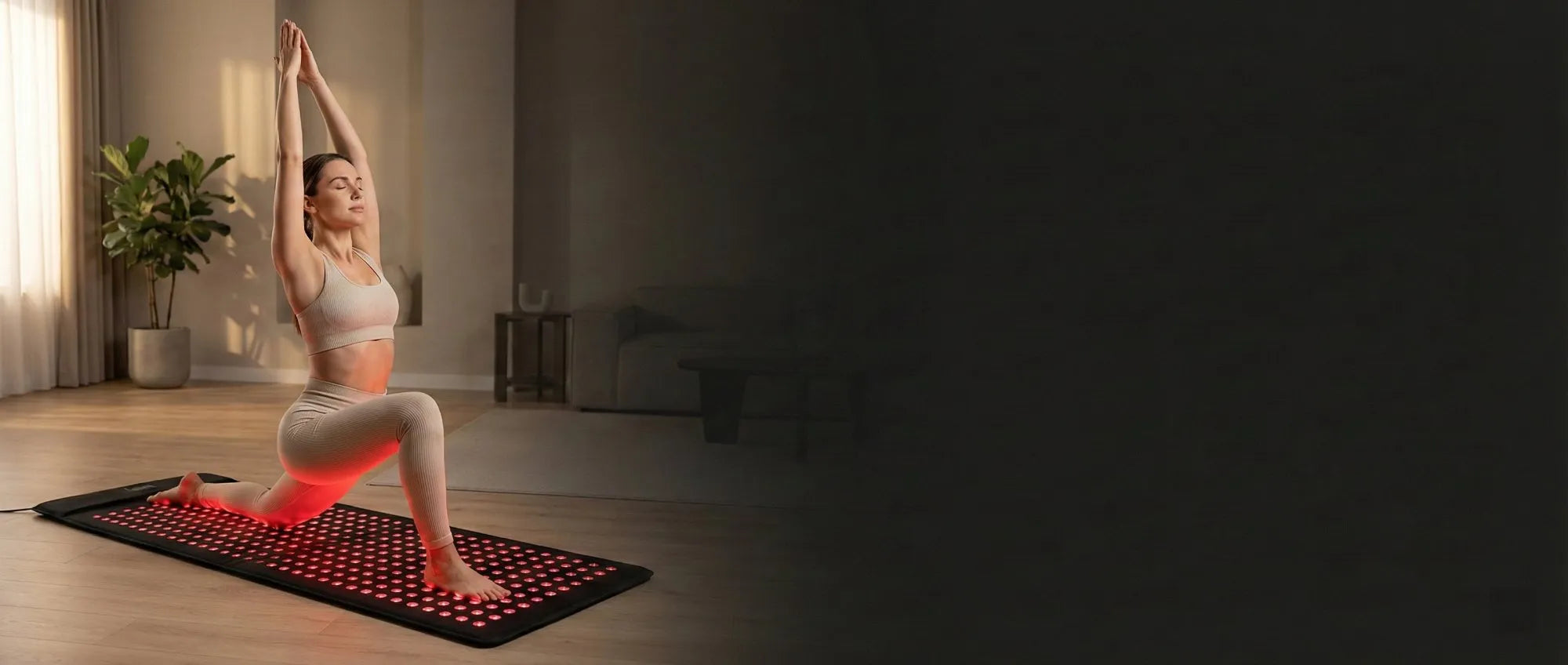
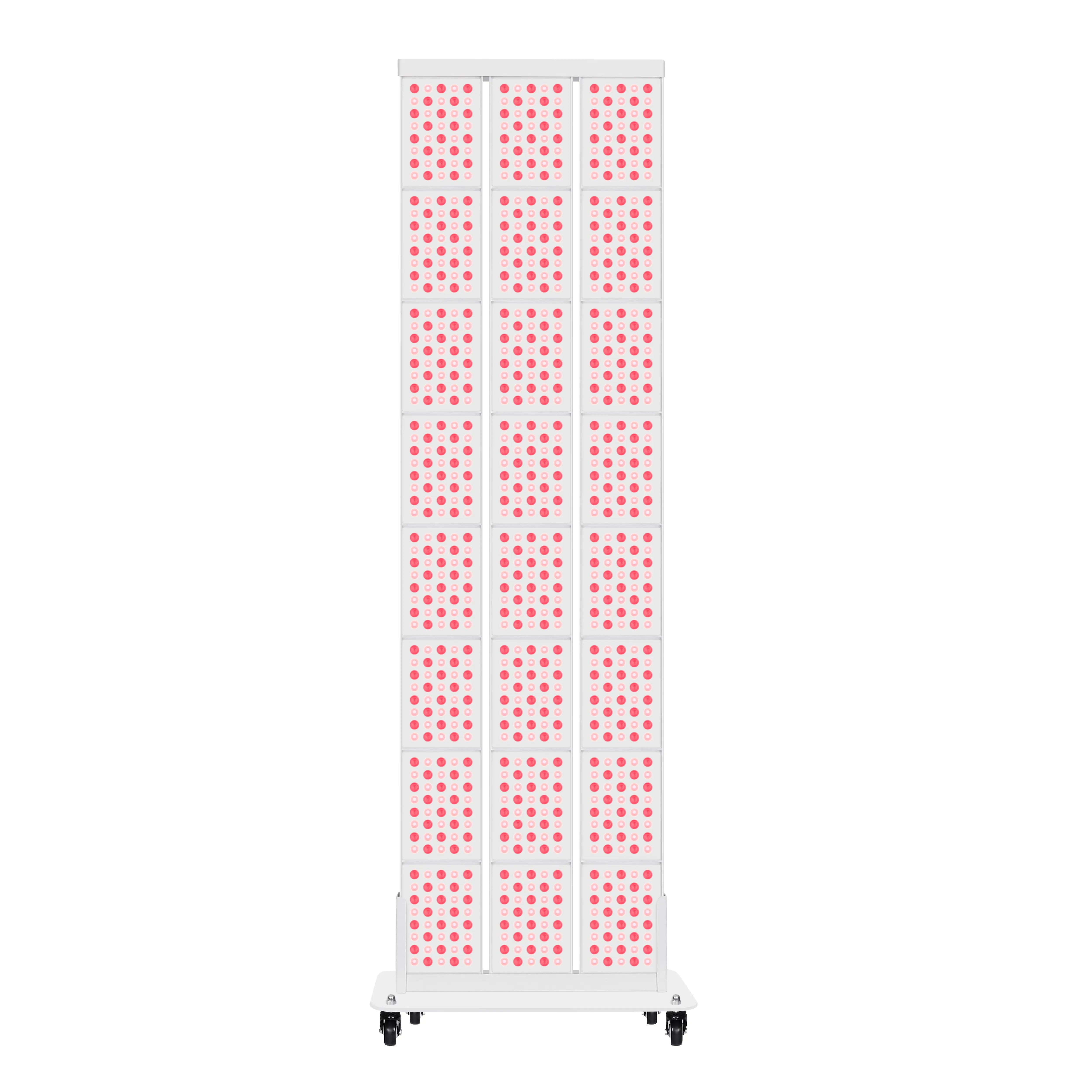
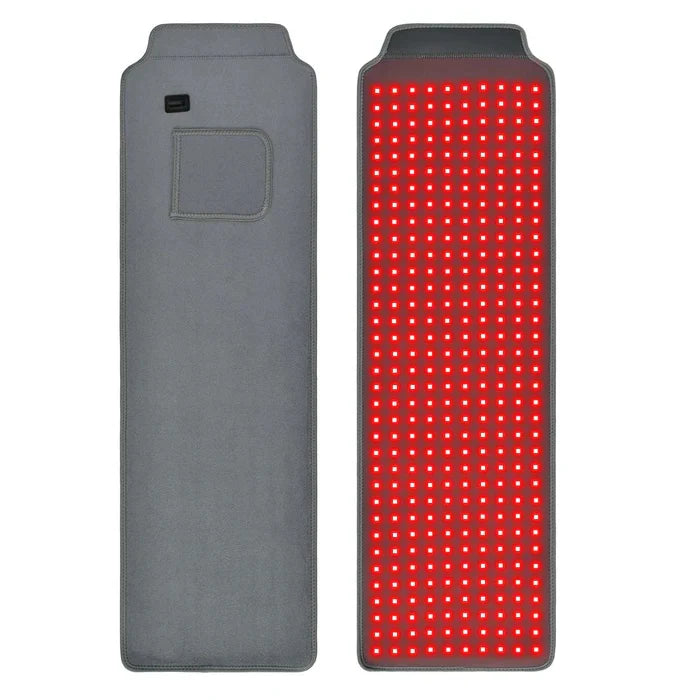
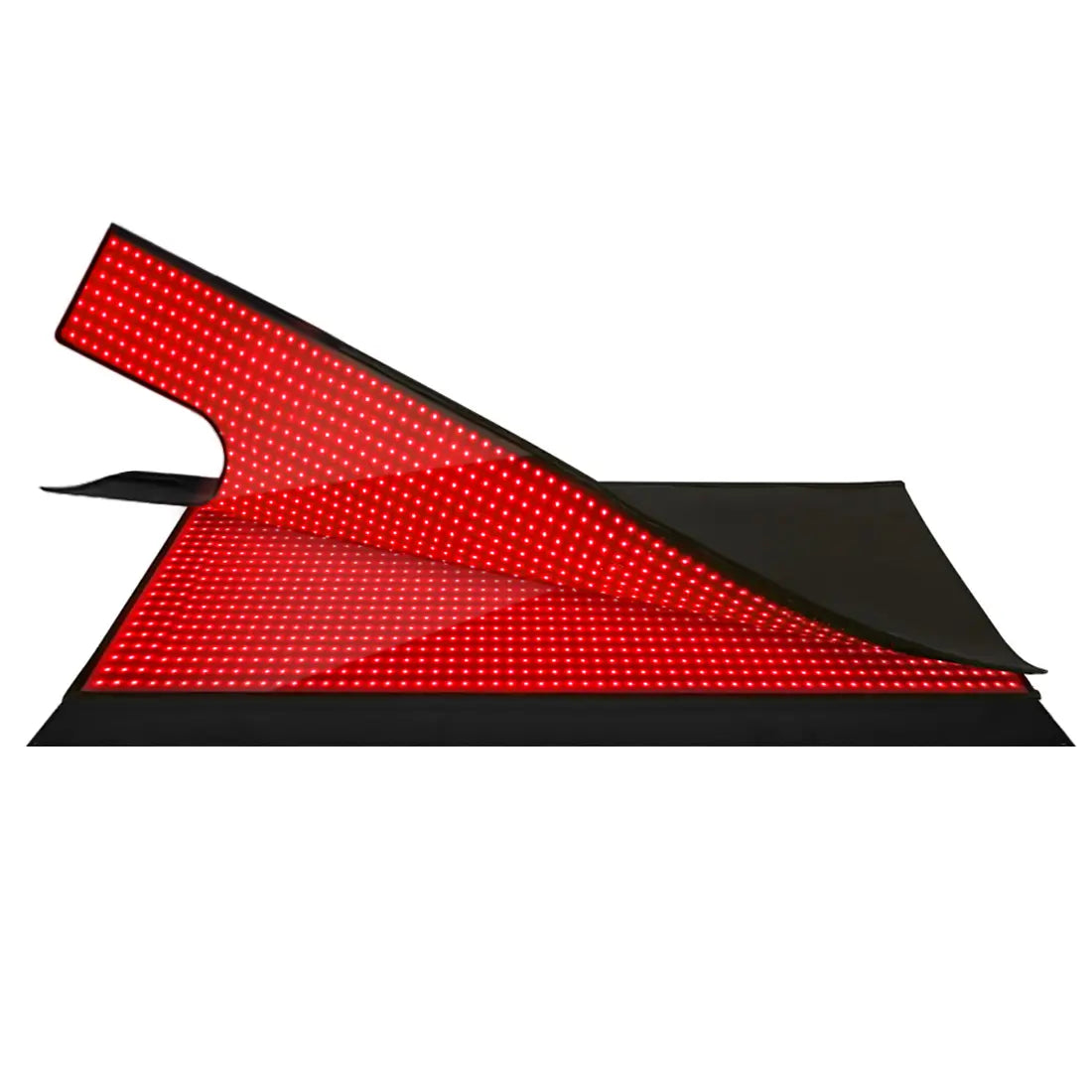
For those upgrading from basic panels, the Youlumi Pro Full Body Red Light Therapy Mat or Red Light Therapy Sleep Bag offer full-body options that can be used at greater distances or lower effective intensity for evening comfort. Panel users may prefer models with adjustable controls such as the YOULUMI 1700W Red/NIR Light Panel or the YOULUMI IRP010-03L 900W Red Light Therapy Panel to fine-tune output.
When Near-Infrared Light Before Bed Differs from Standard Red Light
Red light is visible and can create an immediate sense of warmth and calm when kept at appropriate levels. Near-infrared, being invisible, may produce a subtle warming sensation that some people find relaxing while others find it mildly stimulating if the dose is too high.
In practice, many 2026 protocols recommend using a combination device but dialing back NIR contribution or increasing distance during evening sessions. This helps prevent the deeper penetration from creating an unintended alerting effect close to sleep. Red-dominant exposure at moderate brightness often feels more predictably neutral for circadian wind-down.
The difference is highly individual. Athletes recovering from evening training may tolerate combined red/NIR better several hours before bed, while shift workers or those with sensitive sleep windows often prefer strictly red, lower-intensity setups. Always observe your own response rather than assuming one wavelength universally outperforms the other.
Further reading on practical application appears in our Red Light Therapy Protocols for Deep Sleep and Circadian Reset and the Red Light Therapy for Shift Workers: Circadian Reset Guide.
Heuristic Guidance for 2026 Routines: Pre-Bed Red Light Therapy Scenario Matrix
Comparison of timing, duration, distance, and perceived brightness across user types to support circadian relaxation without disruption.
View chart data
| Series | Timing Safety | Duration Caution | Distance Comfort | Brightness Tolerance |
|---|---|---|---|---|
| Biohacker / Athlete | 2.0 | 3.0 | 2.0 | 3.0 |
| Busy Professional | 3.0 | 2.0 | 3.0 | 2.0 |
| Existing RLT User | 2.0 | 2.0 | 2.0 | 2.0 |
| Sensitive / New User | 3.0 | 3.0 | 3.0 | 1.0 |
Heuristic guidance modeled from the threshold_table module and scenario_matrix, aligned with writer_evidence (Sleep Foundation, protocol heuristics, internal standards). Values encode relative guidance for comparison only: higher scores indicate more permissive late-evening use within a bounded pre-bed window, while lower scores indicate tighter caution and stronger boundary needs. No measured dataset is implied.
The radar chart above illustrates relative guidance across common user types. Higher values suggest more permissive parameters within safe boundaries; lower values indicate the need for tighter caution on that dimension. These are illustrative heuristics for comparison, not clinical measurements.
Who Is Most Likely to Benefit from This Approach
Red light therapy for sleep and circadian support appears most useful for individuals who already maintain reasonably consistent bedtimes and can incorporate a short, low-friction session without adding stress. Biohackers tracking recovery metrics, athletes looking to enhance overnight restoration, and busy professionals with established evening routines often report the easiest integration.
Wellness-minded users exploring non-drug options and existing red light therapy owners expanding their protocols also tend to adapt quickly when they treat sleep support as a modest environmental adjustment rather than a high-dose intervention.
It is usually a weaker fit for people with highly irregular schedules who cannot maintain consistency, those who find any additional evening step burdensome, or individuals expecting the device to compensate for poor sleep hygiene or diagnosed conditions. In those cases, addressing foundational habits first remains the higher-leverage step.
Our Red Light, Jet Lag, and Your Body Clock: A Science‑Backed Playbook offers additional insights for travel-related circadian challenges, while Red Light Therapy and Sleep: What a Light-Obsessed Biohacker Really Trusts explores more technical considerations.
Integrating Red Light Therapy into a Broader Sleep Optimization Routine
The most sustainable results come when red light therapy complements, rather than replaces, core sleep practices. A sample evening stack might include:
- Dimming all lights 2–3 hours before bed
- Using the red light device as a gentle wind-down cue 90–120 minutes before sleep
- Avoiding screens or using strong blue-light blockers afterward
- Maintaining a cool, dark bedroom environment
- Tracking subjective sleep quality and adjusting parameters weekly
For full-body options that support both recovery and evening use, consider the Red Light Therapy Sleep Bag collection or versatile Red Light Therapy Panel models with smart controls for precise evening settings.
Important Note on Limitations: This article discusses comfort, setup guidance, and practical routines for red light therapy in the context of sleep optimization and circadian support. It does not constitute medical advice, diagnosis, or treatment for insomnia, sleep apnea, circadian rhythm disorders, or any other condition. Responses to light exposure vary widely. If you experience persistent sleep difficulties or have existing eye or medical conditions, consult qualified healthcare professionals. Red light therapy should be viewed as one potential environmental tool within a comprehensive sleep-hygiene plan, not a guaranteed solution.
Final Decision Framework
Approach red light therapy for sleep with conservative expectations. Prioritize low-disruption setups, observe your personal response over at least two weeks, and adjust parameters before increasing dose. When the routine fits seamlessly into your existing wind-down without adding friction or delaying bedtime, it is more likely to become a sustainable part of your 2026 wellness practice.
Focus on consistency, moderate parameters, and integration with proven sleep habits. This measured approach maximizes the chance that your red light sessions support, rather than complicate, restorative rest.