

Summary
Choosing between a red light therapy mat and a panel depends on your primary health goals: mats offer superior comfort and systemic recovery through direct skin contact, while panels provide high-intensity, targeted treatment for deep tissue issues from a distance. For most home users in 2026, a mat is the more versatile choice for full-body wellness, whereas a panel remains the standard for clinical-grade, high-irradiance applications.
Key takeaways
- Application Method: Mats utilize "contact therapy," which eliminates light reflection and maximizes photon absorption, while panels require a specific distance (usually 6-12 inches) to manage heat and irradiance.
- Treatment Area: Mats provide uniform full-body coverage in a single session, making them ideal for systemic recovery and sleep optimization.
- Intensity vs. Comfort: Panels deliver higher irradiance (mW/cm²) for deep-seated joint or muscle issues, but mats offer a more relaxing, "set-and-forget" experience.
- Maintenance: Mats require regular surface sanitization due to skin contact, whereas panels are largely maintenance-free beyond occasional dusting.
Understanding the Core Differences: Mat vs. Panel
The fundamental choice between a mat and a panel is a choice between two different delivery systems for photobiomodulation (PBM). Red light therapy works by delivering specific wavelengths of light—typically 660nm (red) and 850nm (near-infrared)—to the mitochondria in our cells. Understanding why use red light therapy is the first step, but how you receive that light significantly impacts the biological outcome.
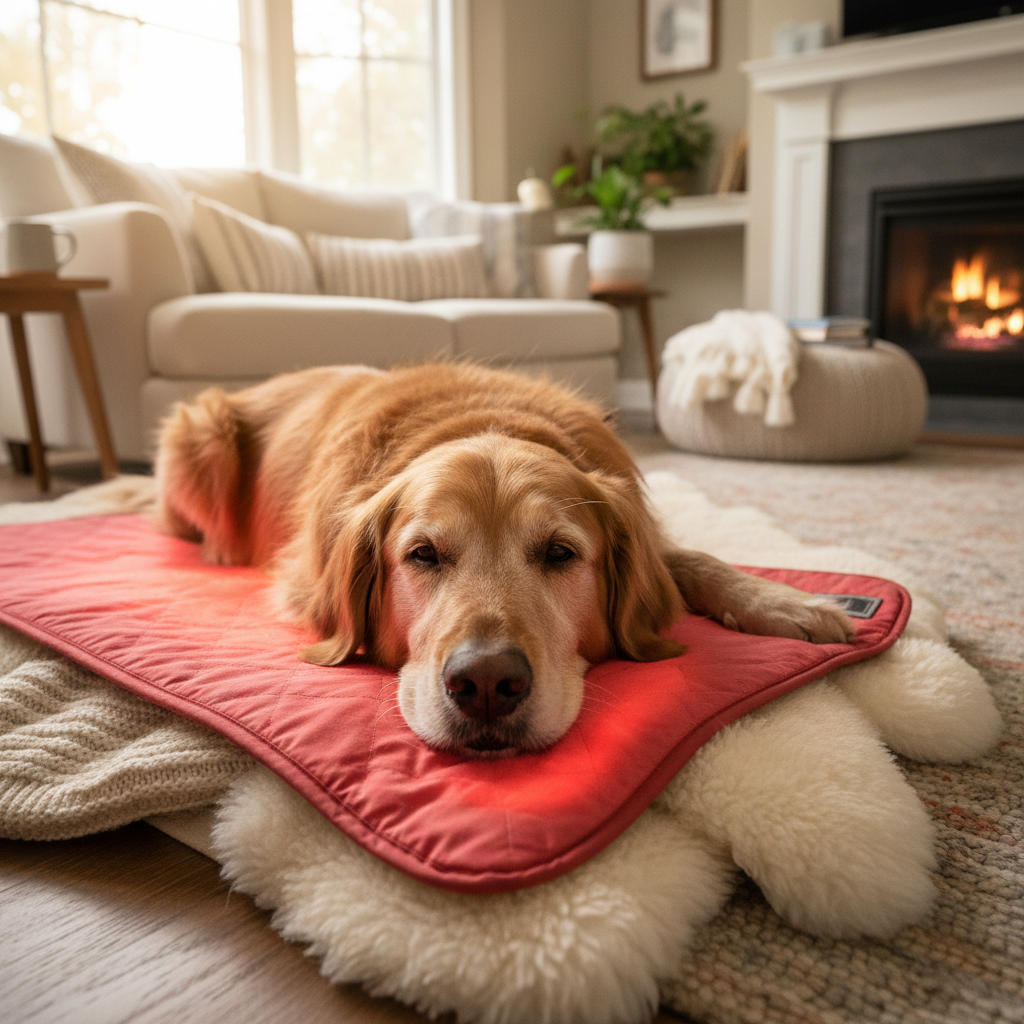
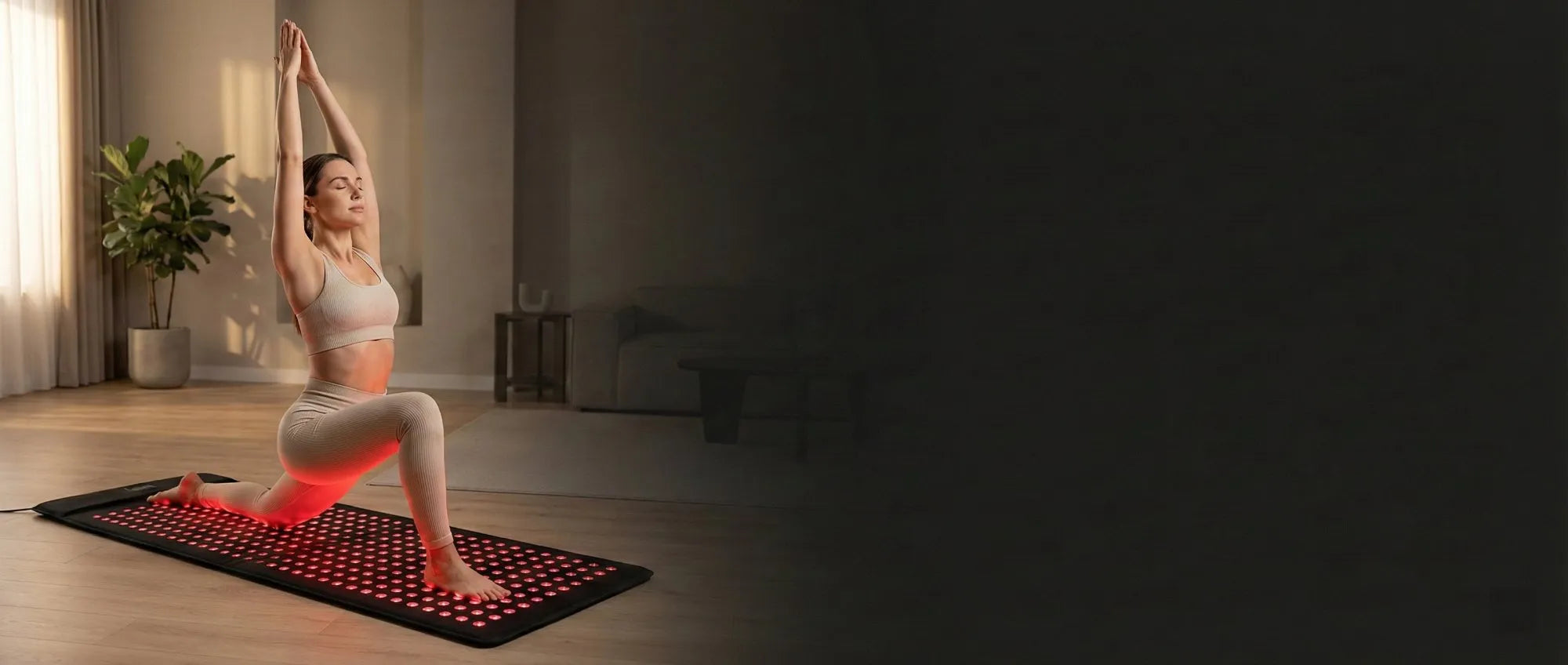
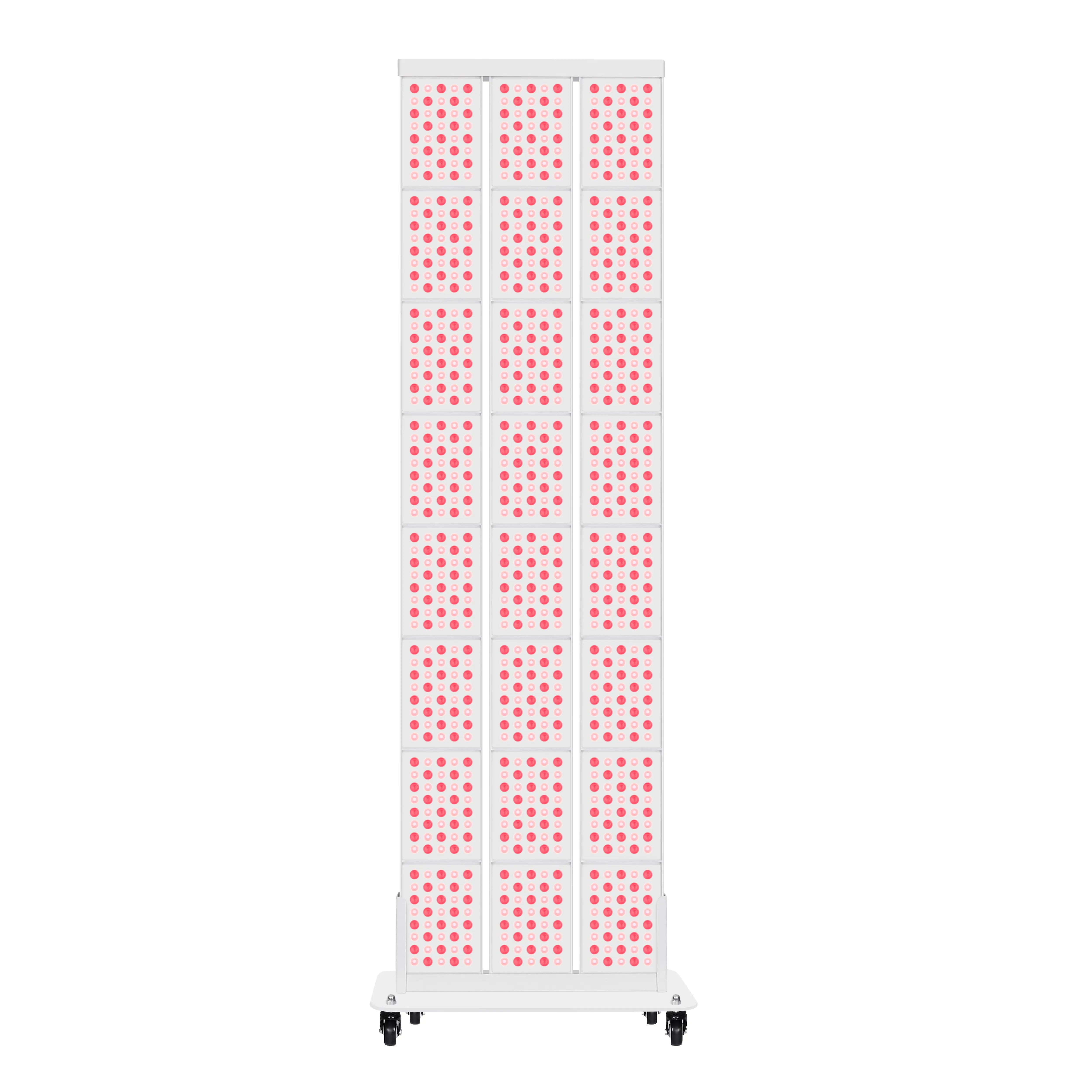
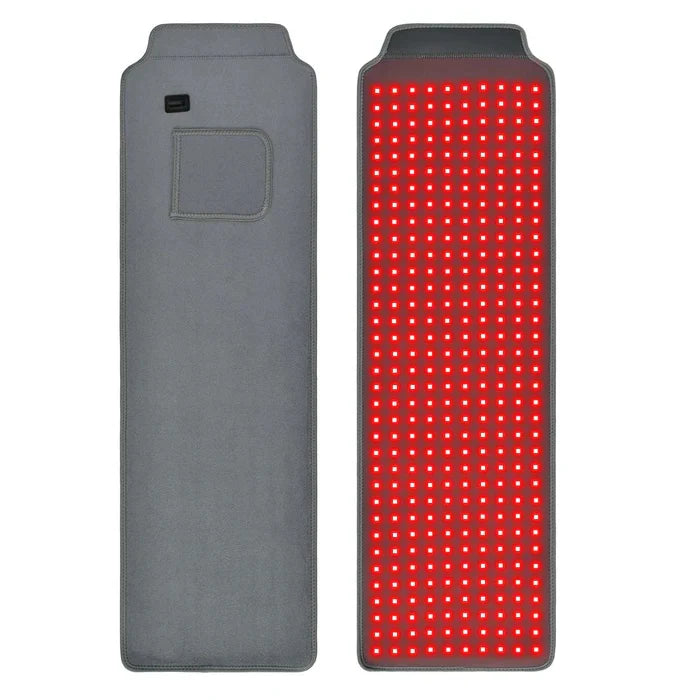
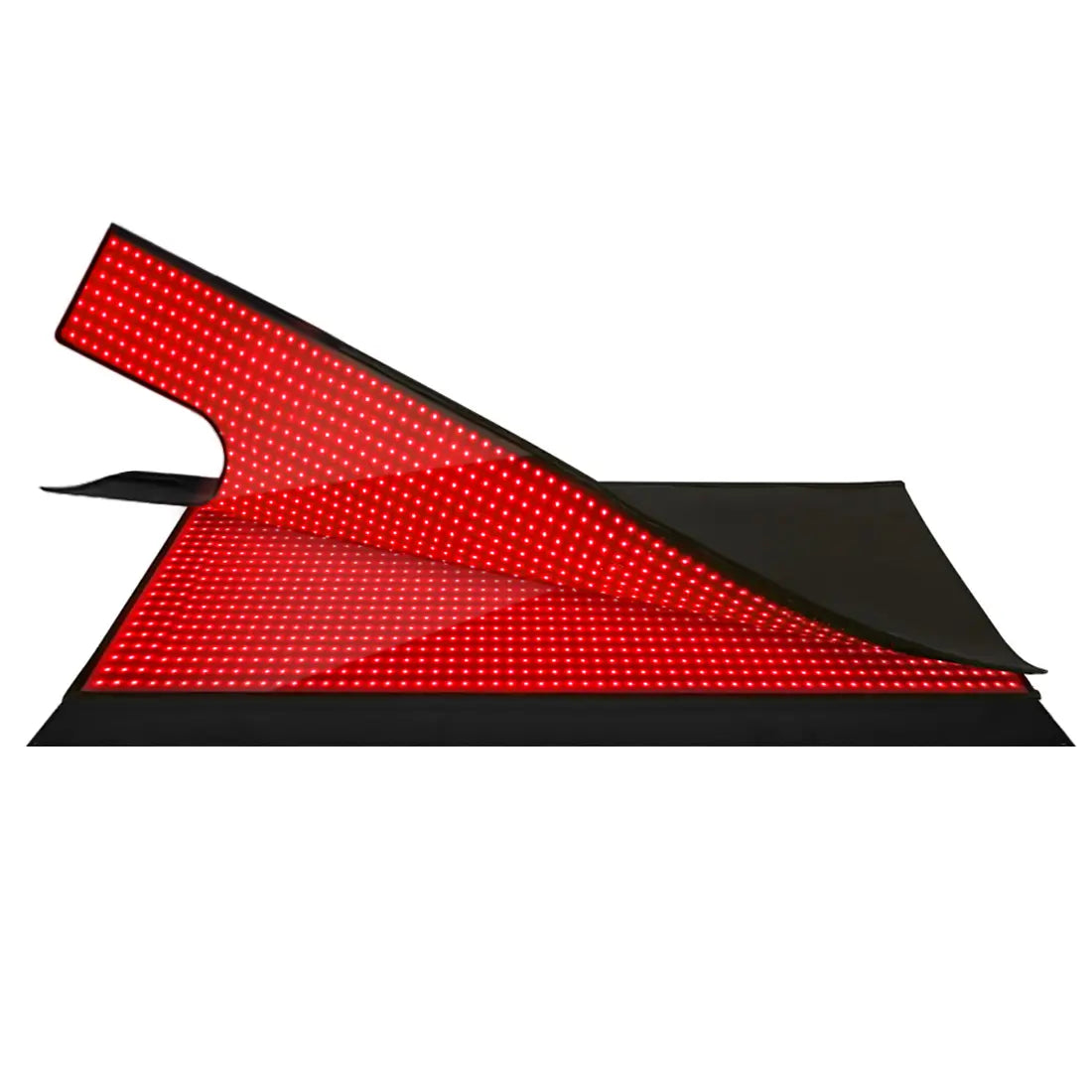
A red light therapy panel is a rigid device containing high-powered LEDs and cooling fans. It is designed to be hung on a door or placed on a stand, projecting light onto the body from a distance. In contrast, a YouLumi red light therapy mat is a flexible, padded device that you lie on or wrap around your body. This allows for direct contact, which fundamentally changes the physics of light delivery.
Logic Summary: The recommendation for mats focuses on systemic recovery and ease of use, assuming the user prioritizes a relaxing routine. Panels are recommended when high-intensity "power density" is required for specific, deep-tissue pathologies.
Irradiance and Dosage: The Science of Distance
Irradiance, measured in milliwatts per square centimeter (mW/cm²), determines how quickly you receive a therapeutic dose of light. The World Association for Photobiomodulation Therapy (WALT) suggests a clinical dosage range of 2–10 J/cm² for most applications.
Panels, such as a high-power 1700W red light therapy panel, are engineered for high irradiance. However, because light intensity follows the inverse square law, the dosage drops significantly as you move away from the device. Most panels are tested at 6 inches, where they might deliver 100 mW/cm². If you move to 12 inches, that intensity can drop by more than 50%.
Mats operate on the principle of contact therapy. By pressing the LEDs directly against the skin, you eliminate the "reflection loss" that occurs when light hits the skin's surface from a distance. Research indicates that up to 60% of light can be reflected away when using a distance-based device. Mats ensure that almost 100% of the emitted photons are available for absorption, allowing for effective treatment even with lower raw irradiance numbers compared to panels.
| Feature | Red Light Therapy Mat | Red Light Therapy Panel |
|---|---|---|
| Primary Use | Systemic recovery, relaxation, sleep | Targeted pain, deep tissue, skin |
| Light Delivery | Contact (Direct) | Distance (6-12 inches) |
| Reflection Loss | Minimal (<5%) | Significant (30-60%) |
| EMF Exposure | Low (if shielded) | Moderate (due to fans/drivers) |
| Setup Time | <1 minute (unroll) | 5-10 minutes (mounting/positioning) |
Practicality and Lifestyle: Portability vs. Power
When considering a guide to selecting the right red light therapy panel, weight and mounting are major factors. Large panels can weigh over 30 lbs and require sturdy door mounts or rolling stands. They are stationary investments that define a specific "therapy corner" in your home.

Mats offer a different lifestyle fit. They are lightweight, rollable, and can be used on a bed, a yoga mat, or even a sofa. This portability makes them the preferred choice for those who travel or have limited space. Furthermore, the "set-and-forget" nature of a mat—where you can simply lie down and meditate or listen to a podcast—often leads to better long-term compliance than standing in front of a panel for 20 minutes.
To understand the full range of effects, it helps to look at benefits and applications of red light therapy panels, which excel at treating the face and front of the body simultaneously if you have a large enough setup.
Maintenance and Longevity: Caring for Your Device
A frequently overlooked aspect of the mat vs. panel debate is long-term maintenance. Because mats come into direct contact with skin and sweat, they require regular cleaning. Most high-quality mats use a medical-grade transparent cover that can be wiped down with a non-alcoholic sanitizing wipe after each use.
Panels, being distance-based, rarely require cleaning beyond dusting the LED lenses and ensuring the cooling fans remain clear of debris. In terms of durability, panels often have a longer lifespan (rated for 50,000 to 100,000 hours) because their rigid structure protects the internal circuitry. Mats, due to constant folding and unfolding, are subject to more mechanical stress on the internal wiring.
Logic Summary: We assume a 5-year lifespan for a high-end mat with daily use, whereas a panel may last 10+ years. The "cost per session" remains low for both, but panels are the more durable long-term hardware investment.
Cost of Ownership: Electricity and Durability
In 2026, energy efficiency is a growing concern for home biohackers. High-powered panels can draw significant wattage—a 1700W panel actually pulls around 400-500W from the wall. While this is only for 10-20 minutes a day, it is a factor to consider. Mats are significantly more energy-efficient, typically drawing between 50W and 150W, as they do not require heavy-duty cooling fans or massive power drivers to project light across a room.
When you browse all red light therapy panels, you will notice a wide range of price points. Mats are often more affordable for full-body coverage than a multi-panel "array" setup, which can cost several thousand dollars.
Which Should You Choose? A Decision Framework
To make the final call, ask yourself these three questions:
- What is my primary goal? If it is systemic wellness, better sleep, and muscle recovery, a mat is likely superior. If it is treating a specific chronic injury like a herniated disc or severe knee pain, a high-intensity panel is better.
- Where will I use it? If you want to use it in bed or while traveling, choose a mat. If you have a dedicated gym or wellness room, a panel is a great permanent fixture.
- How much time do I have? Mats allow for "passive" therapy (lying down), while panels often require "active" positioning to ensure the target area is correctly illuminated.
FAQ
Are red light therapy mats as powerful as panels? In terms of raw irradiance (mW/cm²), panels are generally more powerful. However, because mats use contact therapy, they deliver a comparable or even superior "effective dose" to the skin by eliminating reflection and distance-related light decay. A mat at 30 mW/cm² in direct contact can be more effective than a panel at 100 mW/cm² from 12 inches away.
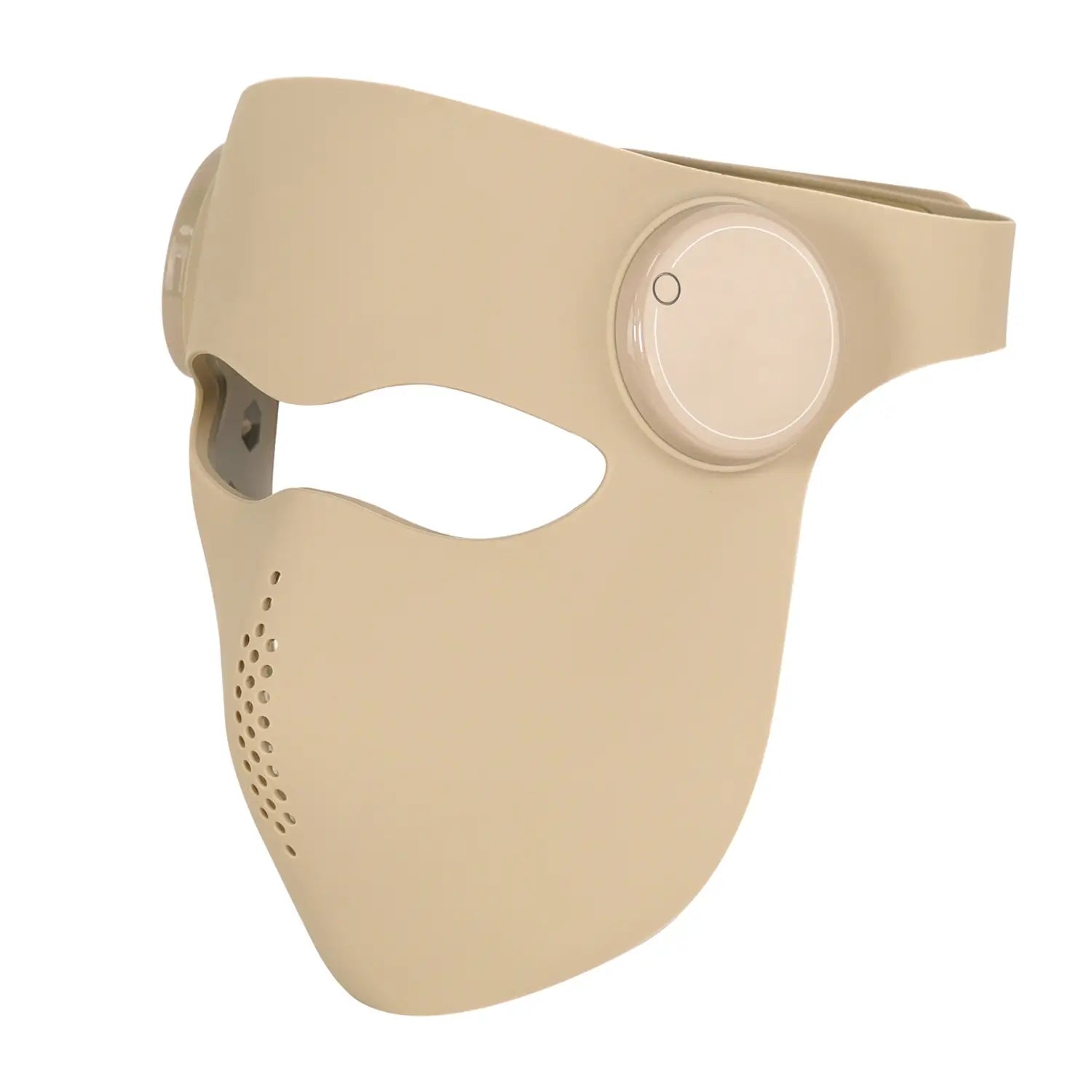
Can I use a red light therapy mat on my face? Yes, most mats are safe for facial use, provided you use the included eye protection. However, because mats are flexible, they may not provide the same uniform coverage for the contours of the face as a dedicated face mask or a stationary panel. For targeted skin rejuvenation, many users prefer the hands-free distance of a panel.
How do I clean my red light therapy mat? Since mats are used in direct contact with the body, they should be wiped down after every session. Use a soft cloth dampened with water or a mild, non-alcoholic disinfectant. Avoid saturating the mat or getting moisture into the power connection ports. Panels only require occasional dusting with a microfiber cloth.
Do mats emit more EMF than panels? Electromagnetic Fields (EMF) are a concern with any electronic device. High-quality mats are designed with shielded wiring to keep EMF levels near zero at the surface. Panels also emit low EMF, but because you stand several inches away, the exposure is naturally minimized. Always check for third-party EMF testing before purchasing either device.
Is it safe to sleep on a red light therapy mat? While some mats are designed for long-duration use, most manufacturers recommend sessions of 10–20 minutes. Sleeping on a mat is generally not recommended as it could lead to overexposure or mechanical damage to the mat's internal LEDs from your body weight shifting during the night.
Which is better for weight loss? Both devices can support weight loss goals by enhancing mitochondrial function and potentially affecting adipocytes (fat cells). Mats are often preferred for this purpose because they can be wrapped directly around "stubborn" areas like the abdomen or thighs, ensuring maximum light penetration into the subcutaneous fat layers.
References
Government / Standards / Regulators
- FDA: CFR - Code of Federal Regulations Title 21, Part 890 (Physical Medicine Devices)
- IEC: IEC 60601-2-57: Particular requirements for the basic safety and essential performance of non-laser light source equipment
Industry Associations / Research Institutes
- WALT: World Association for Photobiomodulation Therapy - Dosage Guidelines
- NAALT: North American Association for Photobiomodulation Therapy
Academic / Whitepapers
- Hamblin, M. R. (2017): "Mechanisms and applications of the anti-inflammatory effects of photobiomodulation." AIMS Biophysics.
- Avci, P., et al. (2013): "Low-level laser (light) therapy (LLLT) in skin: stimulating, healing, restoring." Seminars in Cutaneous Medicine and Surgery.