
Red light therapy is becoming a go-to treatment for a variety of health concerns, from improving skin health to reducing pain and speeding up recovery. But if you’re new to the concept, you might be wondering: What exactly does a red light therapy panel do? How does it work, and is it something that could benefit you?
In this guide, you will discover what red light therapy panels can do for you. We will explore how they work, what they have to offer, and why you should use them for your health. Whether you desire to enhance your skin, reduce chronic pain, or heal faster post-exercise, you will find all the information you need here.
What Is a Red Light Therapy Panel?
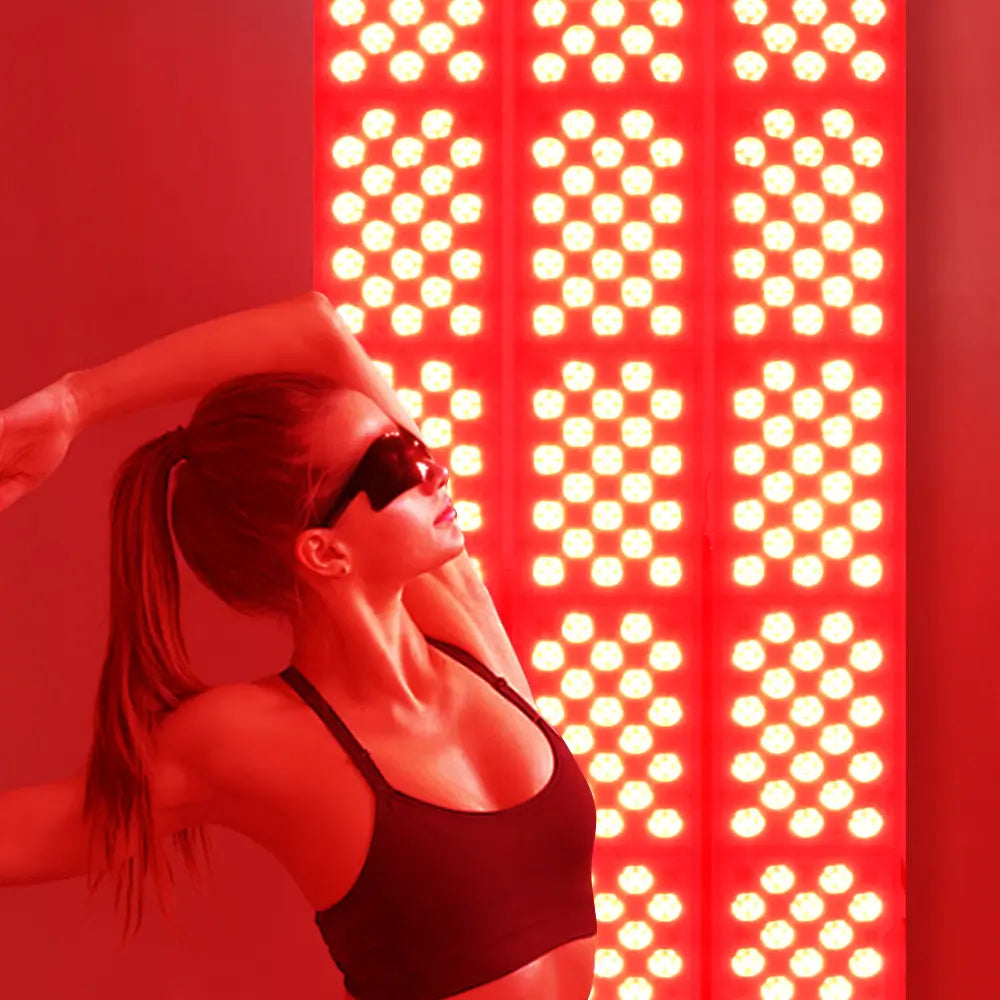
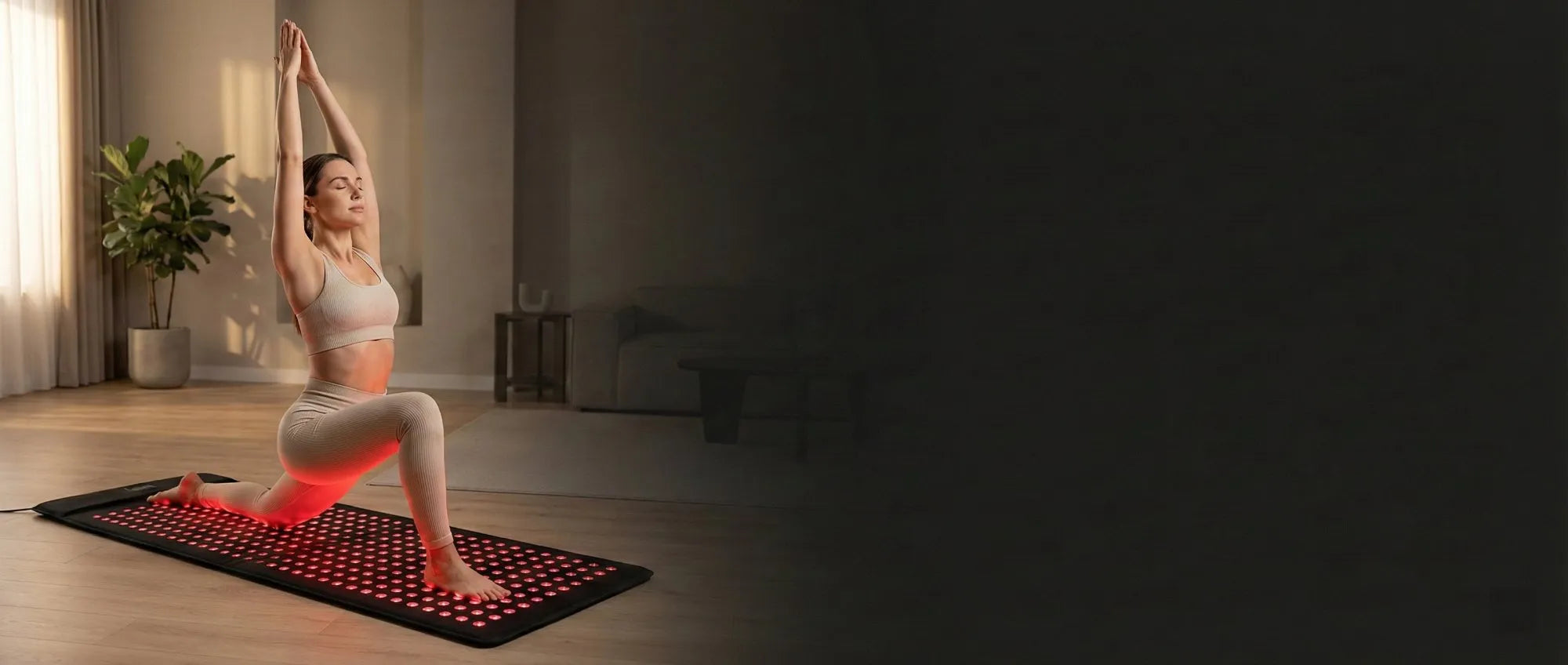
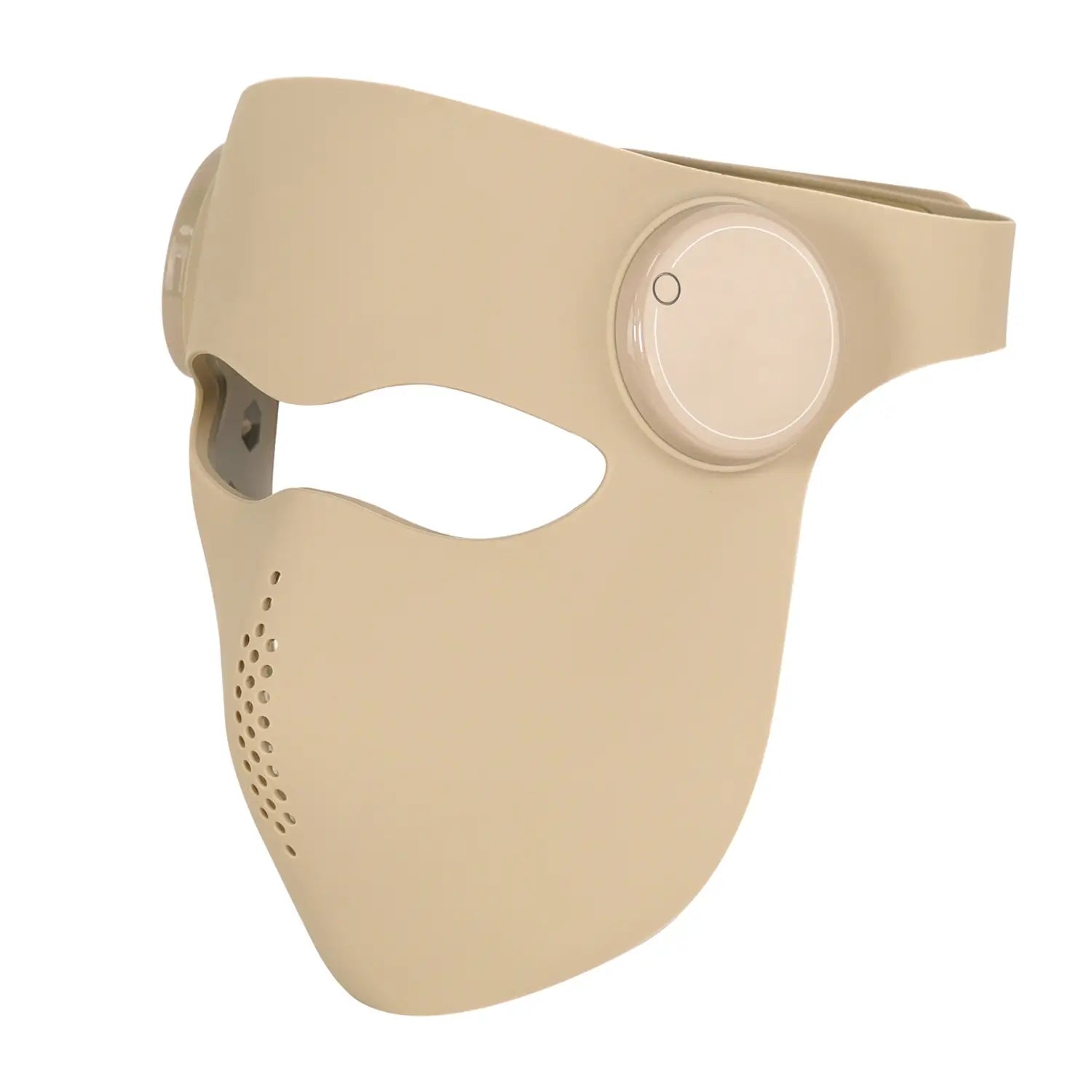
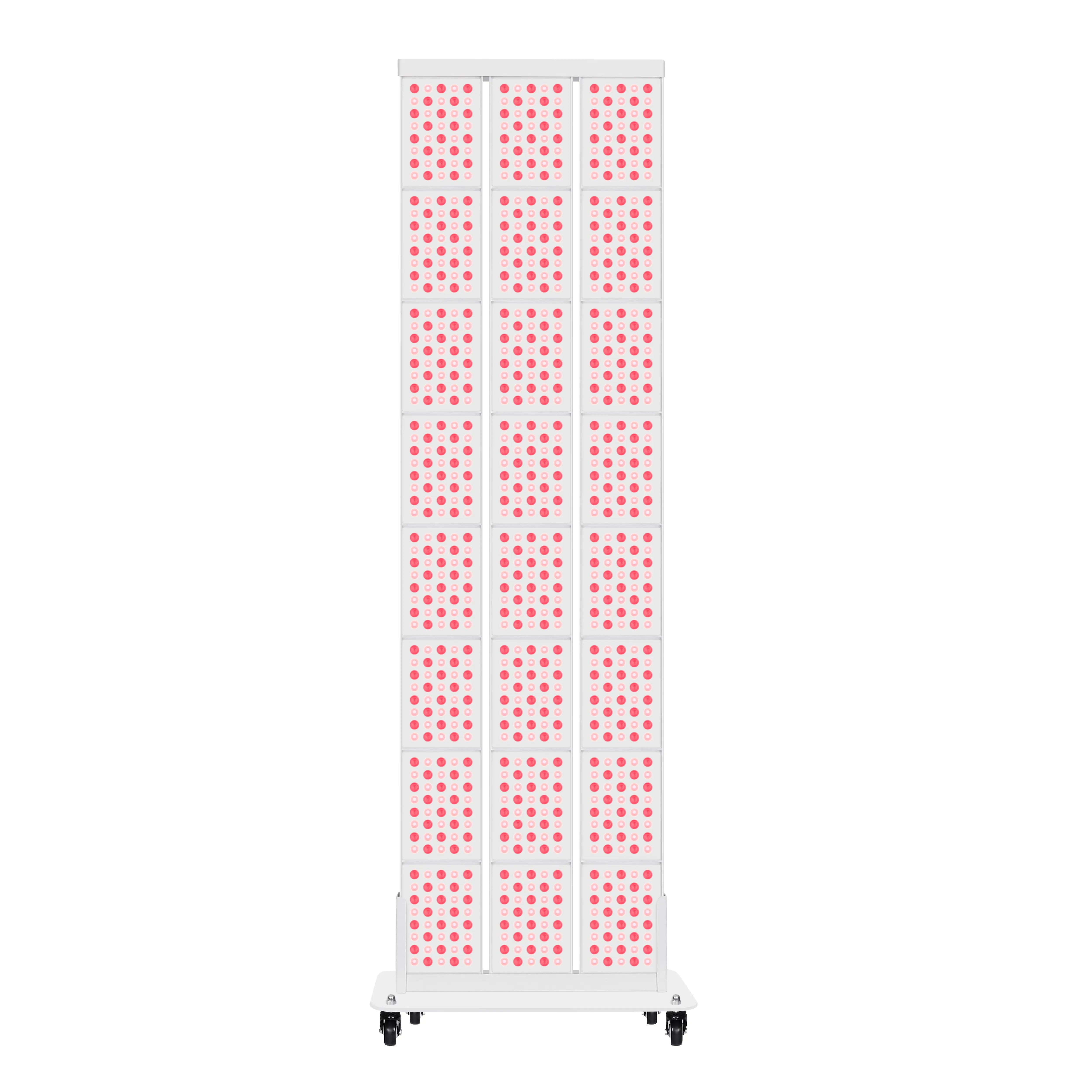
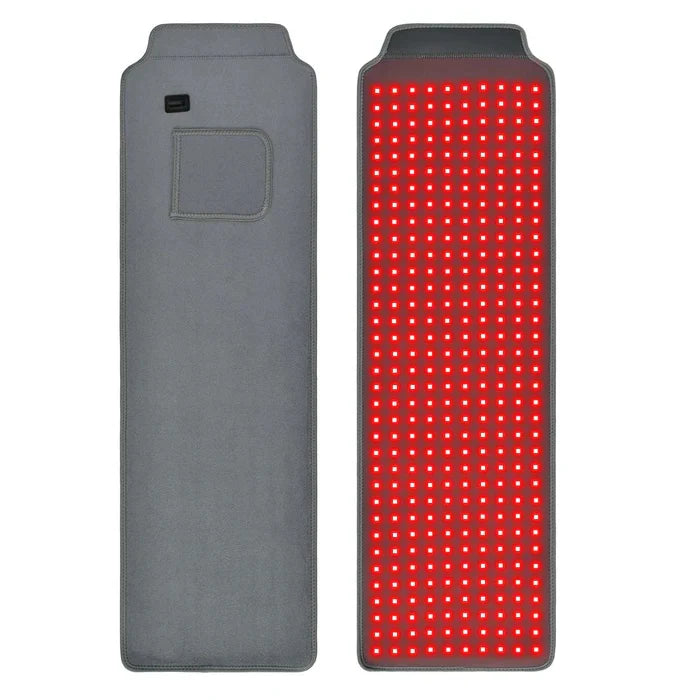
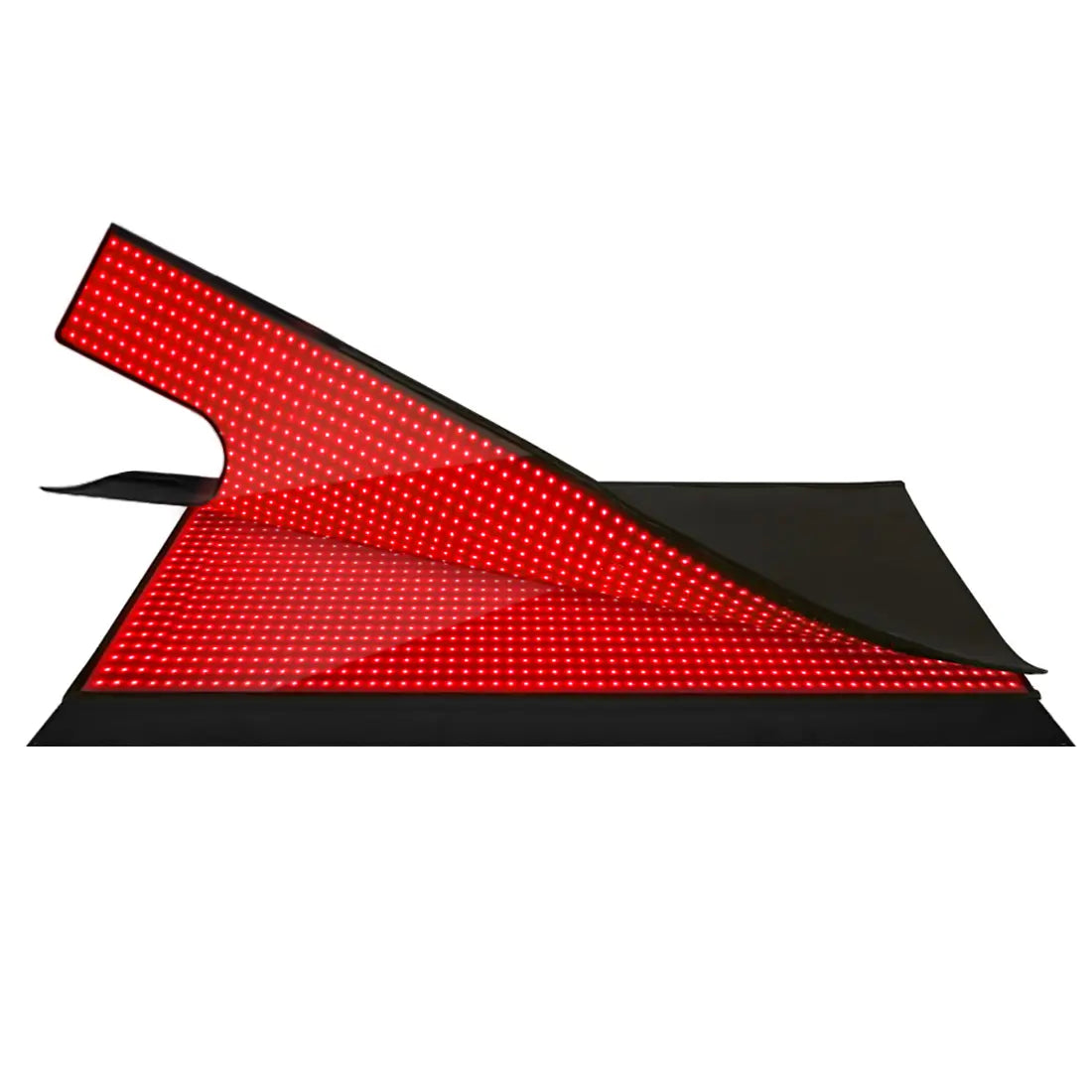
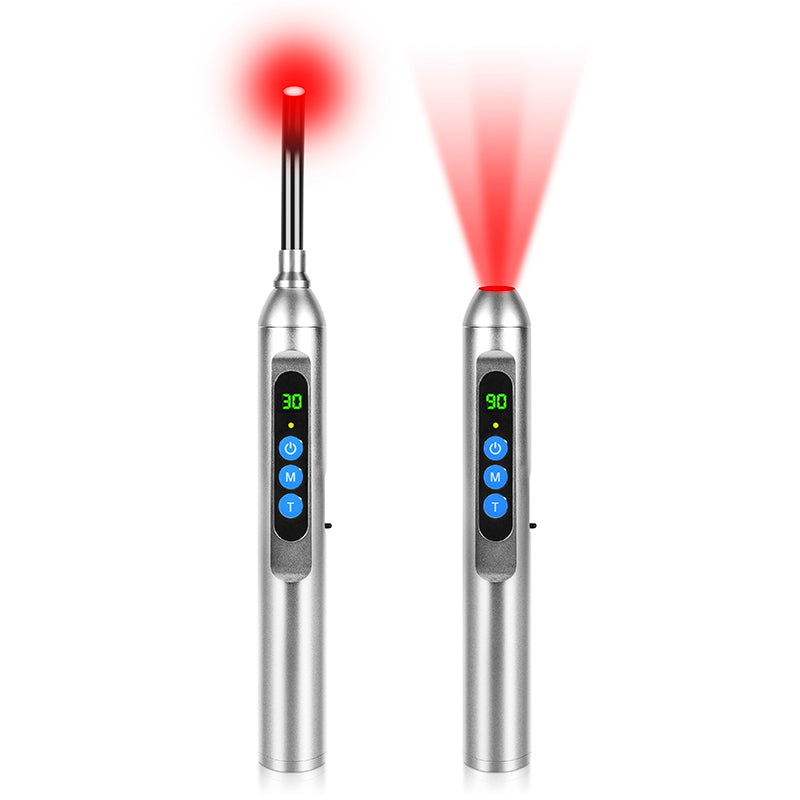
A red light therapy panel is an LED device. It emits special colors of light: red light (630-660 nm) and near-infrared light (810-880 nm). It is designed to cover large areas of the body simultaneously, as opposed to smaller devices or face masks that concentrate on smaller areas.
The panels provide your skin and the tissues beneath it with light energy. Your cells absorb the light, which naturally heals, reduces swelling, and makes you healthier. This non-invasive treatment has become popular because it’s so easy to use and doesn’t require any harsh chemicals or invasive procedures.

How Does Red Light Therapy Work?
Red light therapy is very convenient and useful, but to explain why, let us look into a bit of science. This is what you’re going to learn: an explanation of why red and near-infrared light affect your body on the cellular level and what magical good they can do for your recovery, your pain, and your skin.
What’s the Difference Between Red and Near-Infrared Light?
Red light treatment typically includes two basic types of lights that are used:
- Red light (630–660 nm) – It has an effect only on your skin superficially, which is why its applications are targeted mainly at skin problems such as wrinkles, blackheads, and skin pigmentation.
- Near-infrared light (810–880 nm) – This light penetrates deeper into your muscles and joints, providing therapeutic benefits for pain relief and muscle recovery.
When both types of light are used together, they help to stimulate the healing process in both the skin and deeper tissues.
How Does Red Light Affect Your Cells on a Biological Level?
When the light from the red light therapy panel reaches your skin, it’s absorbed by mitochondria—the powerhouse of your cells. This is the critical step in how light impacts cellular metabolism. The light stimulates cytochrome c oxidase (CcO), a key enzyme that helps your cells produce more ATP (adenosine triphosphate). Your cells need ATP for power for regenerating and repairing. This means that more ATP = your body can recover quickly and work better.
But that’s not all. The increased ATP helps your cells perform better, which boosts blood flow, reduces inflammation, and helps your body manage oxidative stress more effectively. All of these, collectively, make your body heal faster, hurt less, and have better skin.
What Can a Red Light Therapy Panel Actually Help With?
Red light therapy panels offer a wide range of benefits. Here are some of the most common ways they can help:
- Cell Repair: When your body produces more ATP, you recover faster because your tissues regenerate more efficiently when ATP is increased.
- Pain Relief: Red light treatment can ease pain and swelling when you have long-standing pain or are recovering from an injury.
- Improved Skin Health: By stimulating collagen and elastin production, red light therapy helps reduce wrinkles, improve skin tone, and smooth out texture.
- Faster Muscle Recovery: Red light therapy helps muscles recover more quickly by reducing soreness and inflammation after a workout.
Can Red Light Therapy Improve Skin Appearance and Health?
Of course, yes. Red light therapy is particularly popular for its anti-aging and skin rejuvenating benefits. Here’s how it can help improve your skin:
- Reduces Wrinkles and Fine Lines: By stimulating collagen production, red light therapy helps firm up the skin and reduce the appearance of wrinkles and fine lines.
- Improves Skin Texture and Tone: Regular use can help even out your skin tone, reduce redness, and improve overall skin texture, leaving you with a smoother, more radiant complexion.
- Treats Acne and Blemishes: The anti-inflammatory effects of red light therapy help calm irritated skin, reduce acne breakouts, and speed up the healing process of blemishes.
- Speeds Up Scar Healing: Red light therapy can help scars fade faster by promoting tissue regeneration and collagen production, making it a great option for post-surgery recovery or reducing acne scars.

Does Red Light Therapy Work for Pain and Joint Problems?
If you suffer from chronic pain or joint issues, red light therapy could be a game-changer for you. Here’s how it works:
- Alleviates Chronic and Acute Pain: Red light therapy has been shown to help reduce pain from conditions like arthritis, lower back pain, and muscle soreness by targeting the inflammation causing the pain.
- Supports Joint Mobility: For people with arthritis or other joint issues, red light therapy can improve joint mobility and reduce swelling, making movement easier and less painful.
How Can Red Light Therapy Support Muscle Recovery and Performance?
For athletes and fitness enthusiasts, red light therapy can be incredibly beneficial in speeding up muscle recovery. Here’s how it can help:
- Reduces Muscle Soreness (DOMS): After a tough workout, red light therapy helps clear lactic acid from muscles, reducing delayed onset muscle soreness (DOMS) and helping you recover faster.
- Accelerates Repair After Exercise: The increased circulation and ATP production allow muscles to repair quicker, which means you can get back to training sooner.
- Boosts Performance: With more ATP available, your muscles will have the energy they need to perform at their best, leading to improved endurance and strength.

How Red Light Therapy Helps with Wound Healing
Red light therapy isn’t just for pain relief and skin health, it also supports wound healing. Here’s how it works:
- Speeds Up Tissue Repair: Red light therapy stimulates collagen production and encourages new tissue growth, which helps wounds heal more quickly.
- Reduces Infection Risk: By improving blood flow and promoting healthier cells, red light therapy helps reduce the likelihood of infection in open wounds or cuts.
What Red Light Therapy Can’t Do
While red light therapy is an incredibly powerful tool, there are a few things it cannot do:
- It Doesn’t Emit UV Rays: Unlike tanning beds, red light therapy panels do not emit harmful UV rays, so there’s no risk of sunburn or skin damage.
- It’s Not a Cure-All: While red light therapy offers many benefits, it’s not a magical solution for every health issue. It works best when used as part of a holistic wellness routine.
- No Painful or Invasive Procedures: Red light therapy is completely non-invasive and painless. There’s no need for needles, surgery, or any other invasive treatments.
Is a Red Light Therapy Panel a Good Fit for Your Health Goals?
If you are considering an easy, science-backed way to care for your skin, relieve pain, or recover faster after workouts, a red light panel might be exactly what you need. It’s safe, easy to use at home, and blends into most lifestyles without downtime or side effects.
Still unsure if it suits you? Begin slowly—you have one purpose, for example, to ease stiff joints or to promote skin glow. Try several times a week and observe your body.
Choosing the right home red light panel is also very important. Choosing a panel with both red (630–660 nm) and near-infrared (810–880 nm) light gives you the broadest benefit range. And the bigger your panel is, the quicker you can cover large areas of your body.
Red light therapy doesn’t promise miracles, but for all of us, it quietly delivers consistent, visible results. If you’re ready to see the difference for yourself, now’s the perfect time to begin.