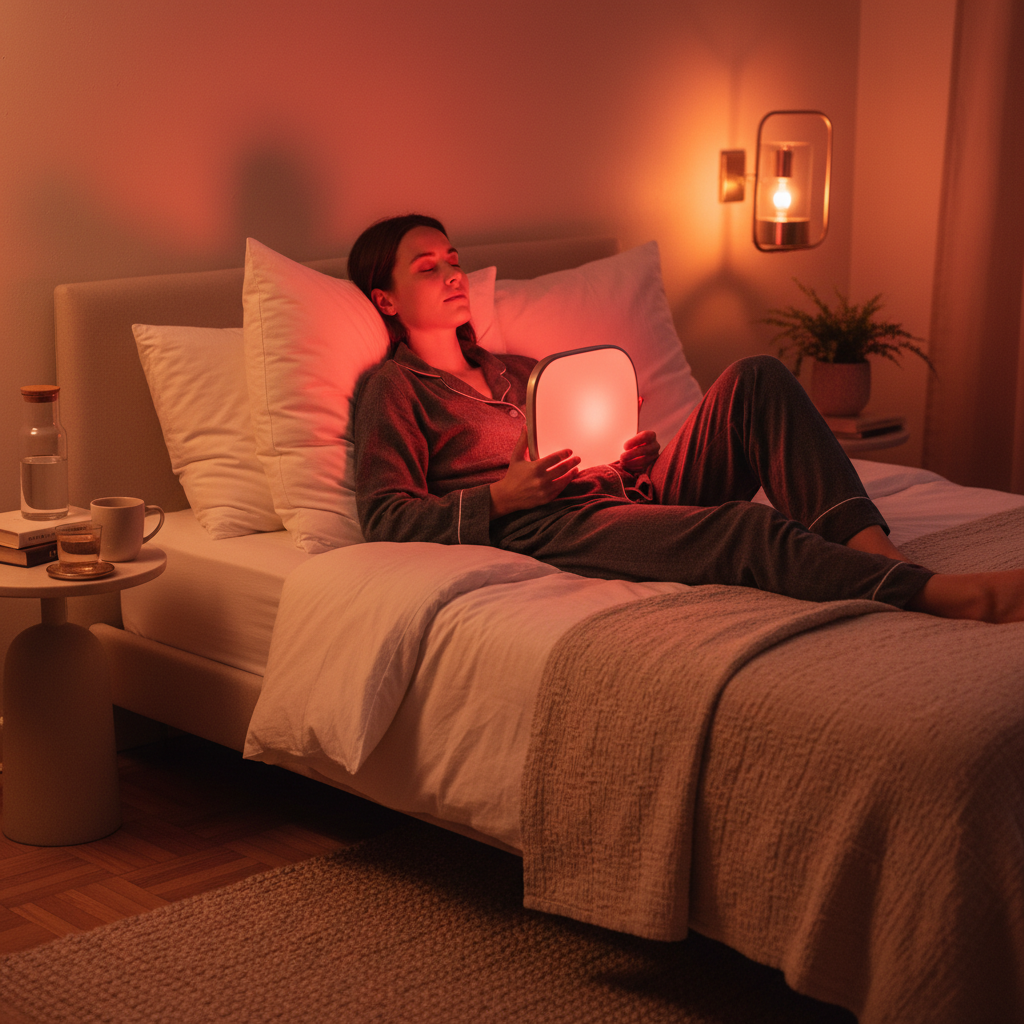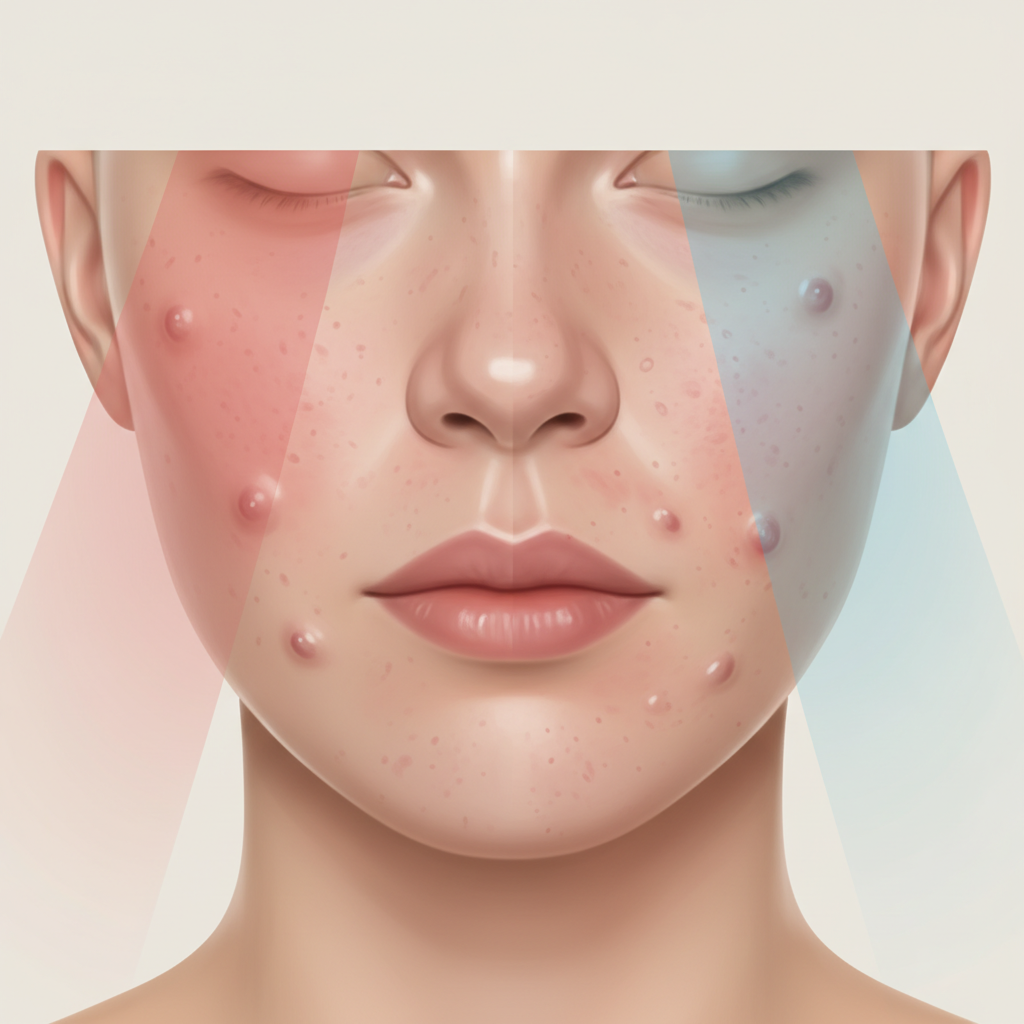
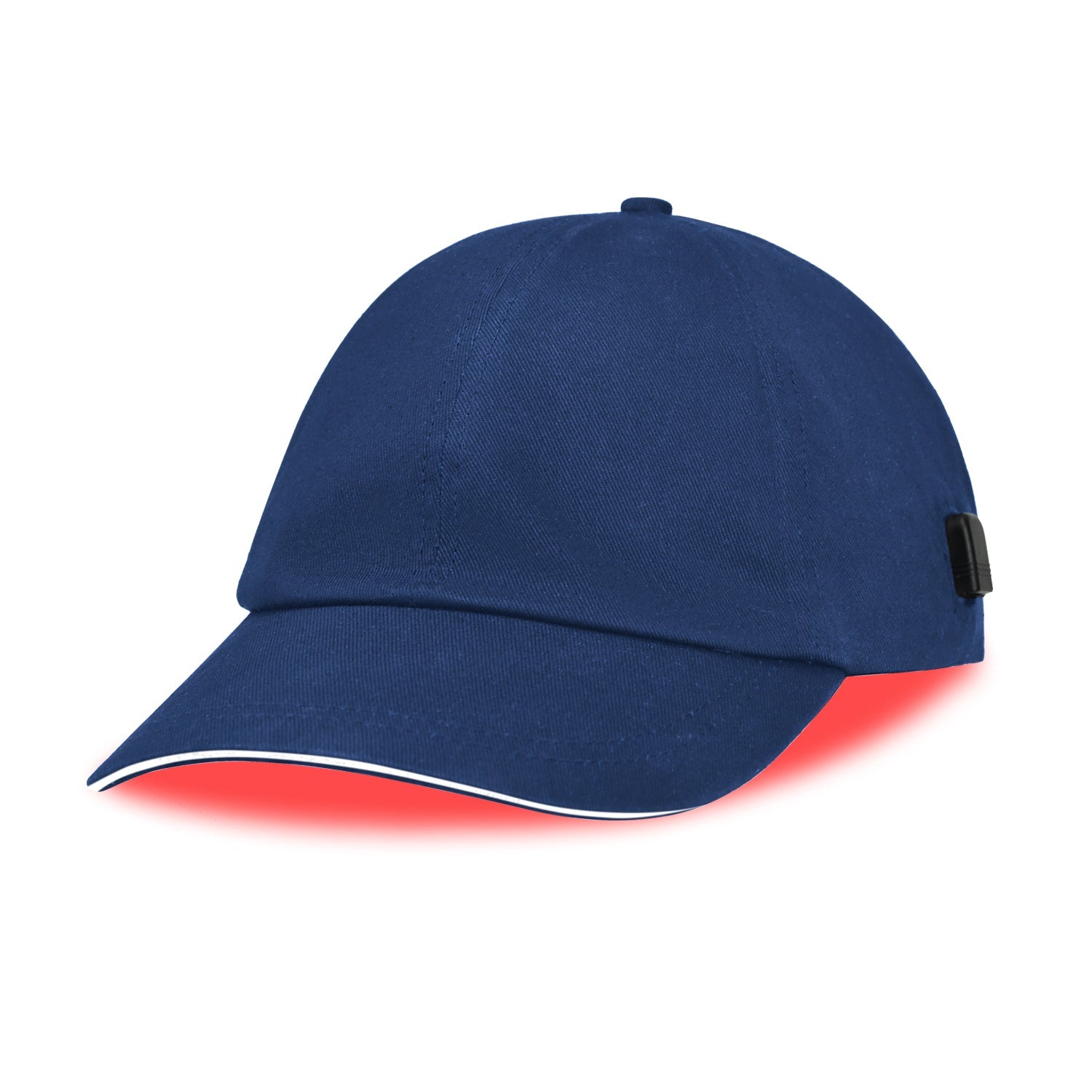
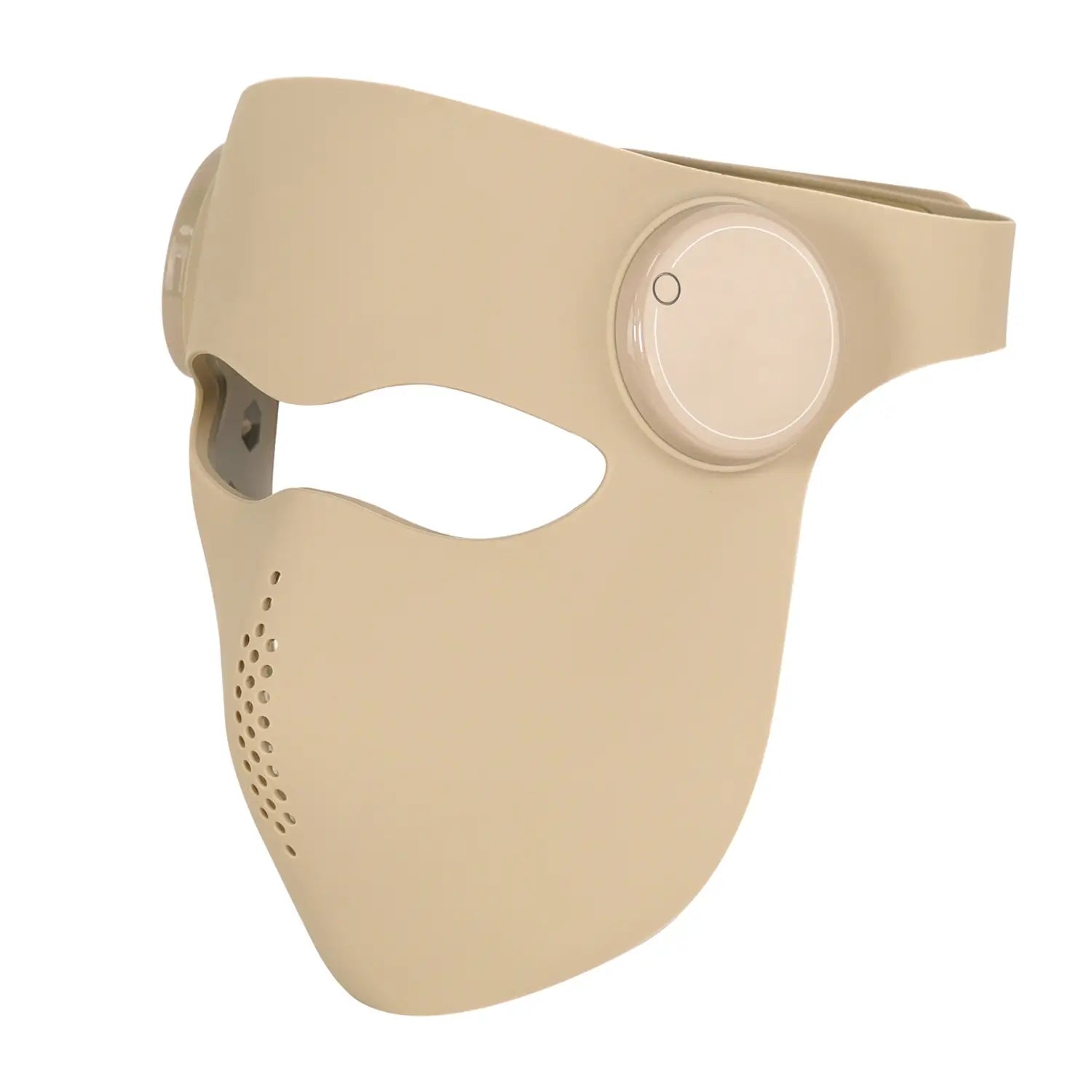
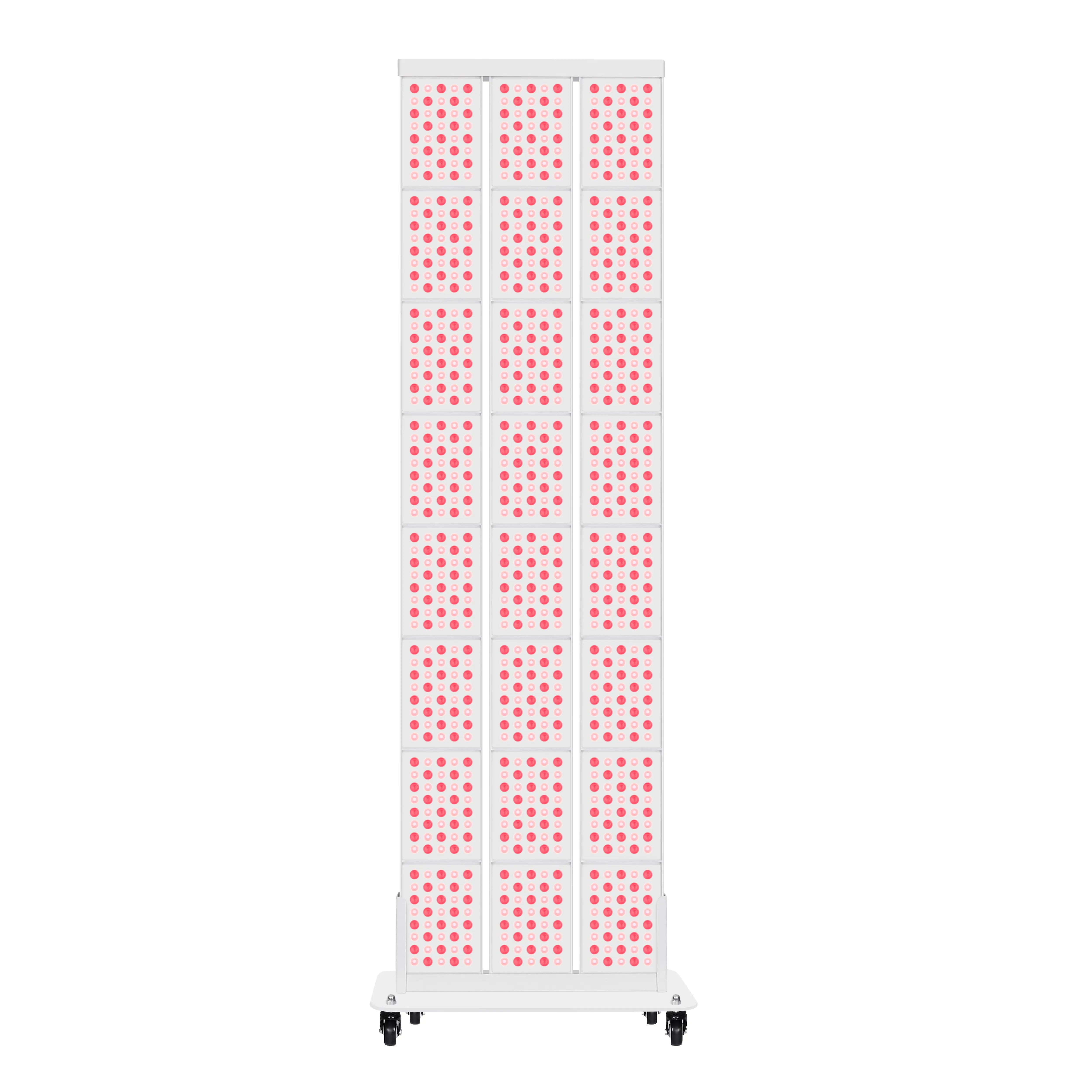
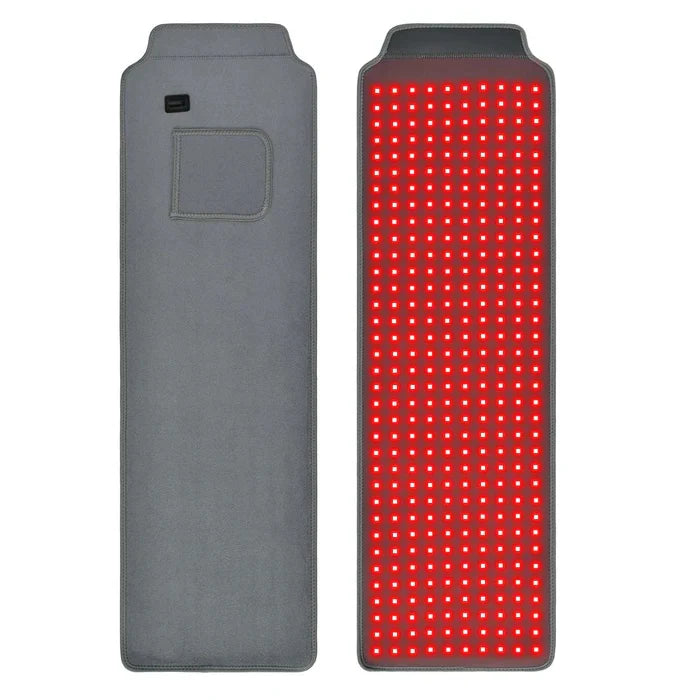

MMA fighters and combat athletes often face tight recovery windows between sparring, strength sessions, and competition. Red light therapy, also known as photobiomodulation (PBM), is increasingly discussed as a non-drug adjunct that may support muscle recovery, reduce perceived soreness, and aid soft-tissue comfort after bruising or heavy training. However, any suspected concussion requires immediate clinical evaluation and cannot be self-managed with light therapy. This guide outlines evidence-bounded uses for bruises, delayed-onset muscle soreness (DOMS), and general performance recovery while maintaining strict safety boundaries around head impacts.

Red light therapy is not a treatment for traumatic brain injury or a shortcut for return-to-play decisions. The consensus from sports medicine authorities is clear: sport-related concussion is a traumatic brain injury that requires standard concussion management and return-to-sport decisions guided by qualified clinicians. After a suspected concussion, athletes should not return to sport or practice the same day. Persistent symptoms after concussion should be evaluated and managed by qualified health professionals using a graded return-to-sport approach.
Common Myths About Red Light Therapy in Combat Sports
Several overstated claims circulate in training rooms and online forums. Here is a reality check grounded in the available literature.
Myth: Red light therapy treats concussion or reliably speeds neurologic recovery enough to shorten return-to-fight timelines.
Reality: Photobiomodulation has been studied for traumatic brain injury, but evidence for concussion-specific treatment remains emerging and should be described cautiously. Early studies and case reports have explored transcranial low-level light therapy for traumatic brain injury, but this remains preliminary. Red light therapy should not be presented as a concussion diagnostic tool, clearance tool, or replacement for medical evaluation after head impact.
Myth: Using a red light device after head contact lets you skip medical evaluation or graded return protocols.
Reality: Concussion management still requires clinical assessment. The literature emphasizes that persistent concussion symptoms and graded return-to-sport decisions require clinical oversight.
Myth: Red light therapy dramatically accelerates bruise healing in fighters.
Reality: It may be discussed as a possible adjunct for soreness, fatigue, and soft-tissue recovery, but bruise-healing claims should be kept cautious and not overstated.
Myth: Any red light panel delivers consistent performance recovery for MMA athletes.
Reality: Exercise-recovery results with photobiomodulation are mixed across protocols, so timing, dose, and application details matter. Some studies suggest PBMT may help post-exercise recovery, but it should be treated as a performance-recovery adjunct rather than an injury-treatment guarantee.
When to Use Red Light Therapy — Scenario Decision Framework
The practical choice of device and protocol changes depending on the situation. The table below summarizes a heuristic model synthesized from concussion safety guidance, PBM recovery literature, and athlete protocols. It is illustrative for decision support only and does not represent clinical trial data.
Red Light Therapy Decision Framework for MMA Recovery and Safety
Illustrative scenario-based framework: match the use case first, then choose timing and session length conservatively.
View chart data
| Category | Recommended Approach | Priority (Medical vs Device) | Typical Session Time (min) | Caution Level |
|---|---|---|---|---|
| Post-Sparring No Head | 2 | 2 | 10 | 1 |
| Localized Bruise | 3 | 3 | 15 | 2 |
| Fight Camp DOMS | 4 | 3 | 20 | 3 |
| Suspected Concussion | 1 | 5 | 0 | 5 |
Heuristic model synthesized from writer_evidence on concussion safety boundaries, PBM recovery studies, and internal athlete guides; illustrative for decision support only, not clinical trial data. Values reflect bounded protocol planning, not measured outcomes.
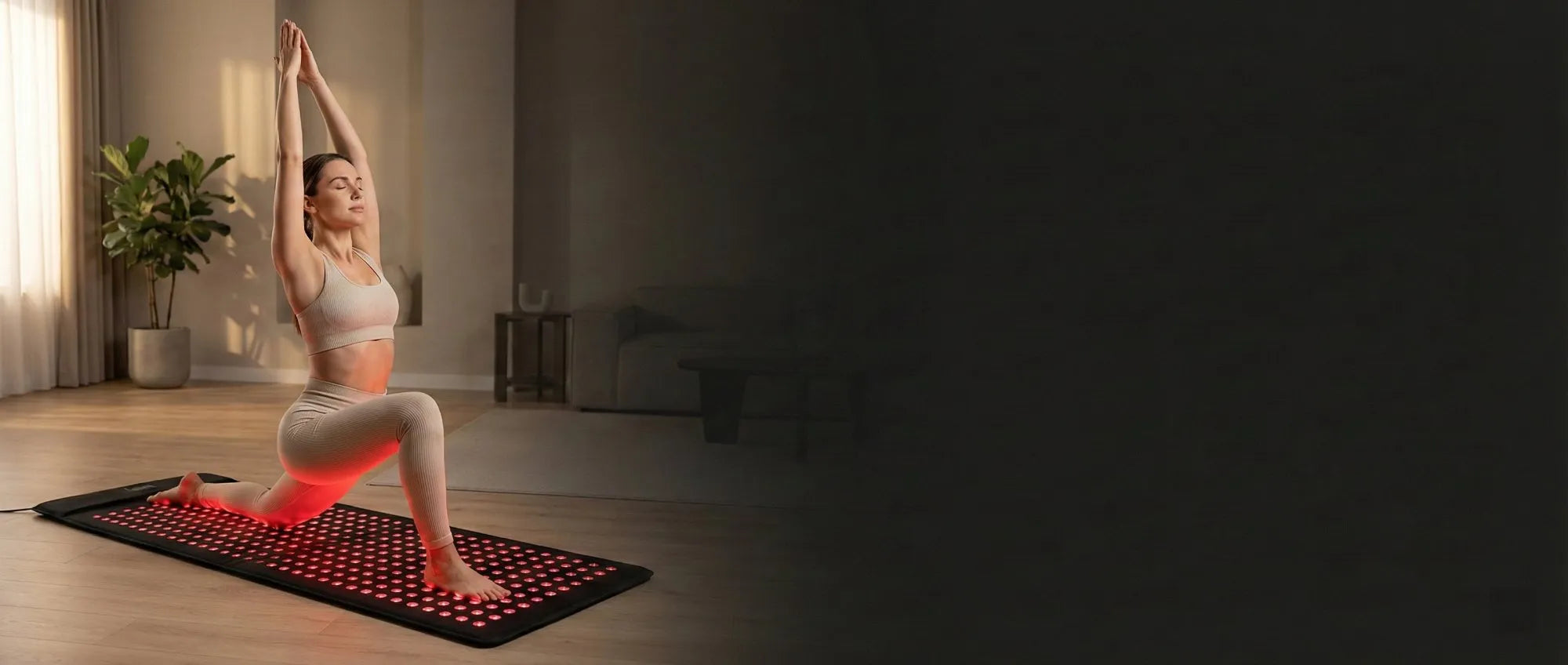
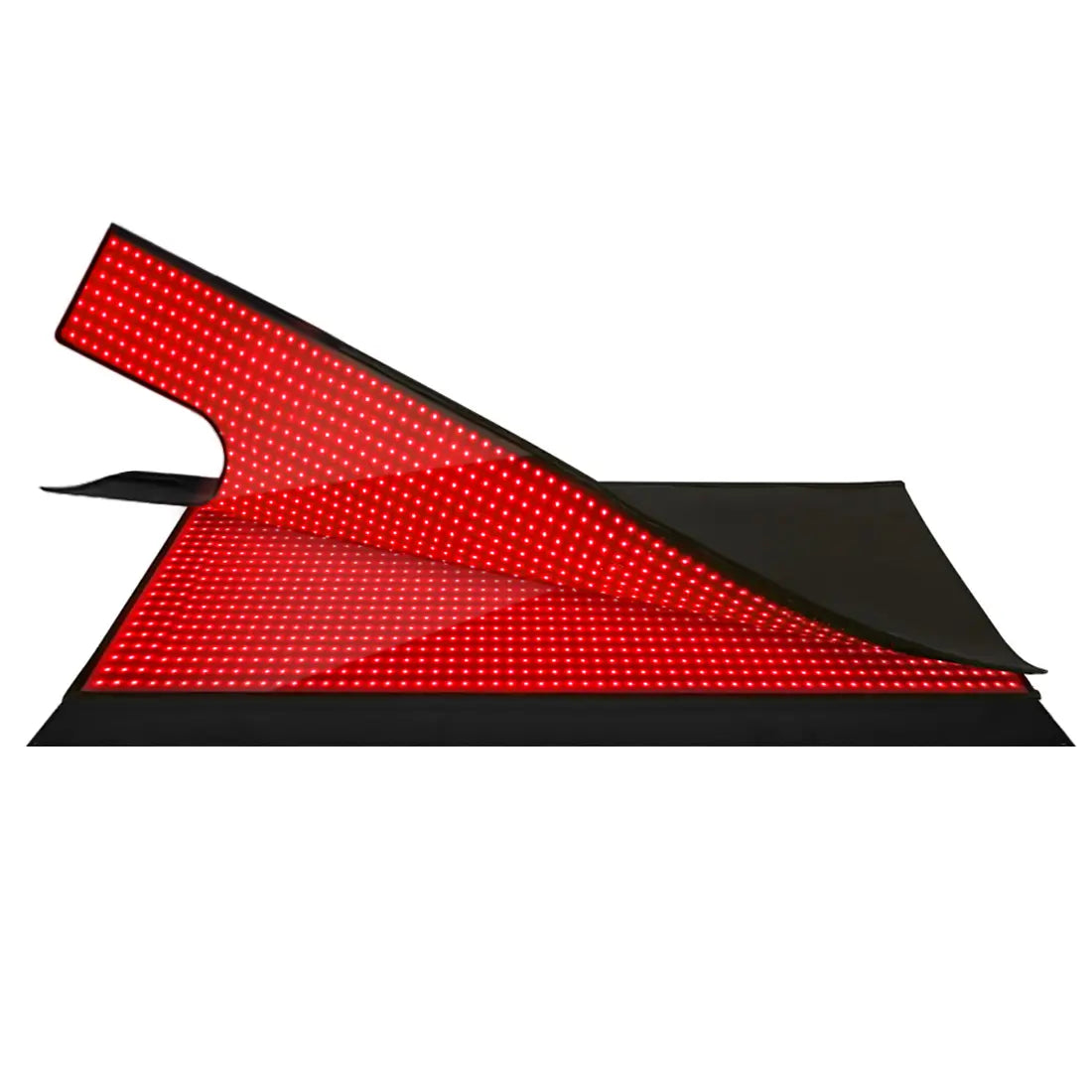
In practice, full-body panels or sleep bags tend to suit systemic fatigue and fight-camp recovery days, while targeted belts or smaller panels are more convenient for isolated bruises or DOMS. Suspected concussion scenarios shift priority entirely to medical evaluation rather than device selection.

How to Use Red Light Therapy for Muscle Recovery and Bruising Support
For non-head injuries, common protocols discussed in the literature and athlete guides center on 660 nm red and 850 nm near-infrared wavelengths. These are frequently paired because red light interacts more with superficial tissue while near-infrared penetrates deeper.
Post-training or post-sparring timing: Many athletes apply sessions within 30–60 minutes after hard efforts when inflammation and soreness are rising, or in the evening as part of wind-down routines. Session lengths typically range from 10 to 20 minutes per area, depending on irradiance. The goal is to stay within conservative Joules/cm² ranges that respect the Arndt-Schulz principle—too much energy can be counterproductive.
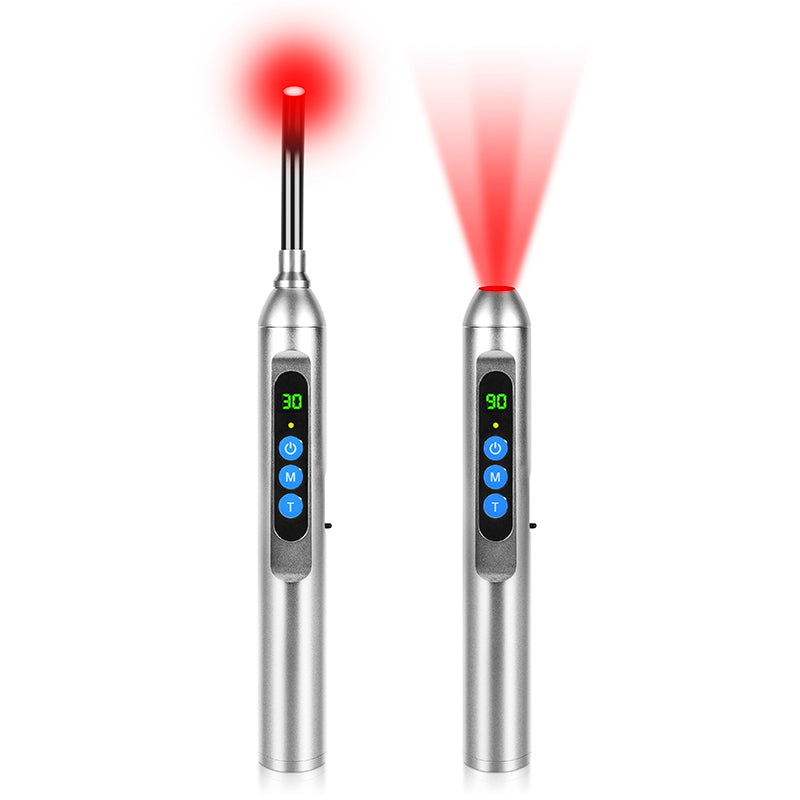
For localized bruising or muscle trauma, a flexible belt or targeted panel allows precise placement without exposing the entire body. Full-body options become more practical when DOMS affects multiple regions or when the fighter wants a repeatable routine during camp. As noted in technical reviews, irradiance, wavelength accuracy, and low EMF matter more than raw wattage for consistent results.
Sample conservative protocol (heuristic, not medical prescription):
- 10–15 minutes on bruised or sore areas using a 660/850 nm device at moderate irradiance.
- 3–5 sessions per week during heavy training blocks.
- Combine with established recovery methods such as sleep, nutrition, mobility work, and the Fire & Ice approach (red light followed by cold exposure) when appropriate.
Always monitor how your body responds. If symptoms worsen or new neurologic signs appear, stop and seek professional care immediately.
Choosing a Recovery Device for Combat Athletes
High-income athletes and coaches often look for devices that deliver verifiable output rather than marketing hype. Prioritize panels or mats that clearly state wavelengths (ideally 660 nm and 850 nm), irradiance in mW/cm² at treatment distance, and third-party testing for EMF and flicker.
Do not buy if:
- Wavelengths, irradiance, or dose information is missing or vague. \n- The device makes strong medical claims about concussion or brain injury.
- You intend to use it as a replacement for clinical evaluation after head contact.
- Specs appear inflated compared with laboratory-grade measurement standards.
When upgrading from basic recovery tools, focus on transparency and usability. Look for modular full-body panels, voice-controlled systems, or portable belts that fit easily into fight-camp schedules. A full-body red light therapy mat or sleep bag can streamline whole-body sessions, while a targeted belt offers convenience for specific muscle groups or contusions.
For example, larger red light therapy panels suit athletes who want efficient coverage during recovery days. A red light therapy belt provides focused application for bruises or tight areas. Full-body options such as a red light therapy sleep bag support passive recovery while resting.
Safety Precautions for Fighters and Coaches
Combat sports carry inherent head-impact risk. Red light therapy should never replace proper concussion protocols, baseline testing, or clinician-guided return-to-play. If you experience headache, dizziness, confusion, sensitivity to light or noise, or slowed reaction time after sparring or competition, prioritize medical assessment over any self-applied modality.
The National Athletic Trainers’ Association and other governing bodies stress that persistent symptoms require professional management. This article only discusses comfort and setup considerations for non-head injuries. It does not constitute medical advice, diagnosis, or treatment. If persistent discomfort occurs or existing conditions are present, consult qualified healthcare professionals.
When using devices around the head or face, keep light away from the eyes and follow manufacturer distance guidelines. Athletes with suspected concussion should avoid experimental transcranial protocols until cleared by a clinician.
Integrating Red Light Therapy Into Fight Camp
Many fighters combine red light sessions with existing routines such as contrast therapy, massage, or mobility drills. Pre-workout use may help prepare tissues, while post-workout application targets soreness and perceived fatigue. The Biohacker’s Protocol Hub and related athlete guides offer additional ideas for stacking modalities without overtraining.
Track subjective recovery markers—sleep quality, morning stiffness, training readiness—rather than assuming uniform benefits. Results vary by individual, training load, nutrition, and device quality. Treat red light therapy as one tool within a broader recovery system, not a standalone solution.
Combat athletes continue to explore photobiomodulation because it is non-invasive and fits easily into high-performance lifestyles. When used responsibly within clear safety boundaries, it may support the muscle recovery and soft-tissue comfort that help fighters stay consistent in training and competition. The key is matching the right device and protocol to the specific scenario while always placing medical oversight first for any head-related concerns.
For deeper reading on related protocols, see our guide on Red Light Therapy and Athlete Recovery Time, Red Light Therapy & DOMS, and The Fire & Ice Protocol. Coaches and athletes interested in full-body options may also explore the Biohacker’s Protocol Hub.
Important Safety Note: This article discusses potential comfort and recovery adjuncts only. It is not medical advice. Red light therapy is not a substitute for concussion evaluation, imaging, rest, or clinician-directed care. Always follow established return-to-sport protocols after head impact. Consult qualified medical professionals for any neurologic symptoms or persistent issues.