
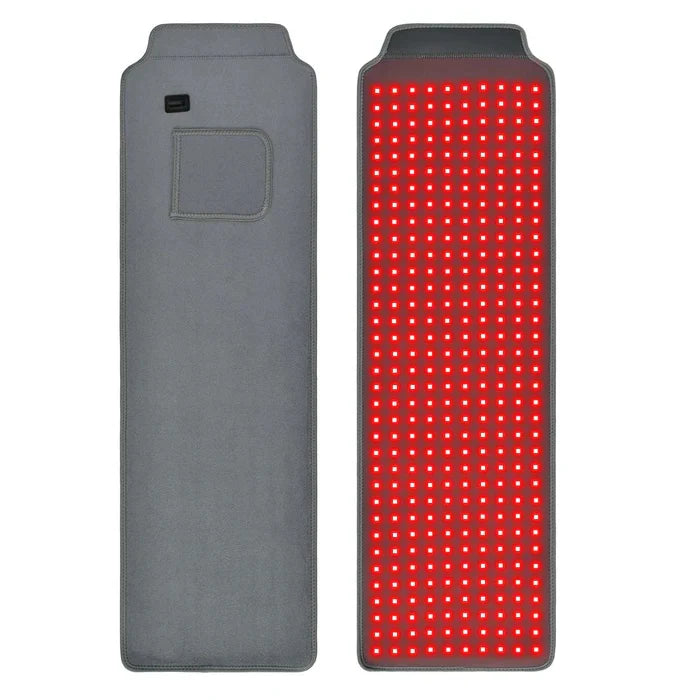
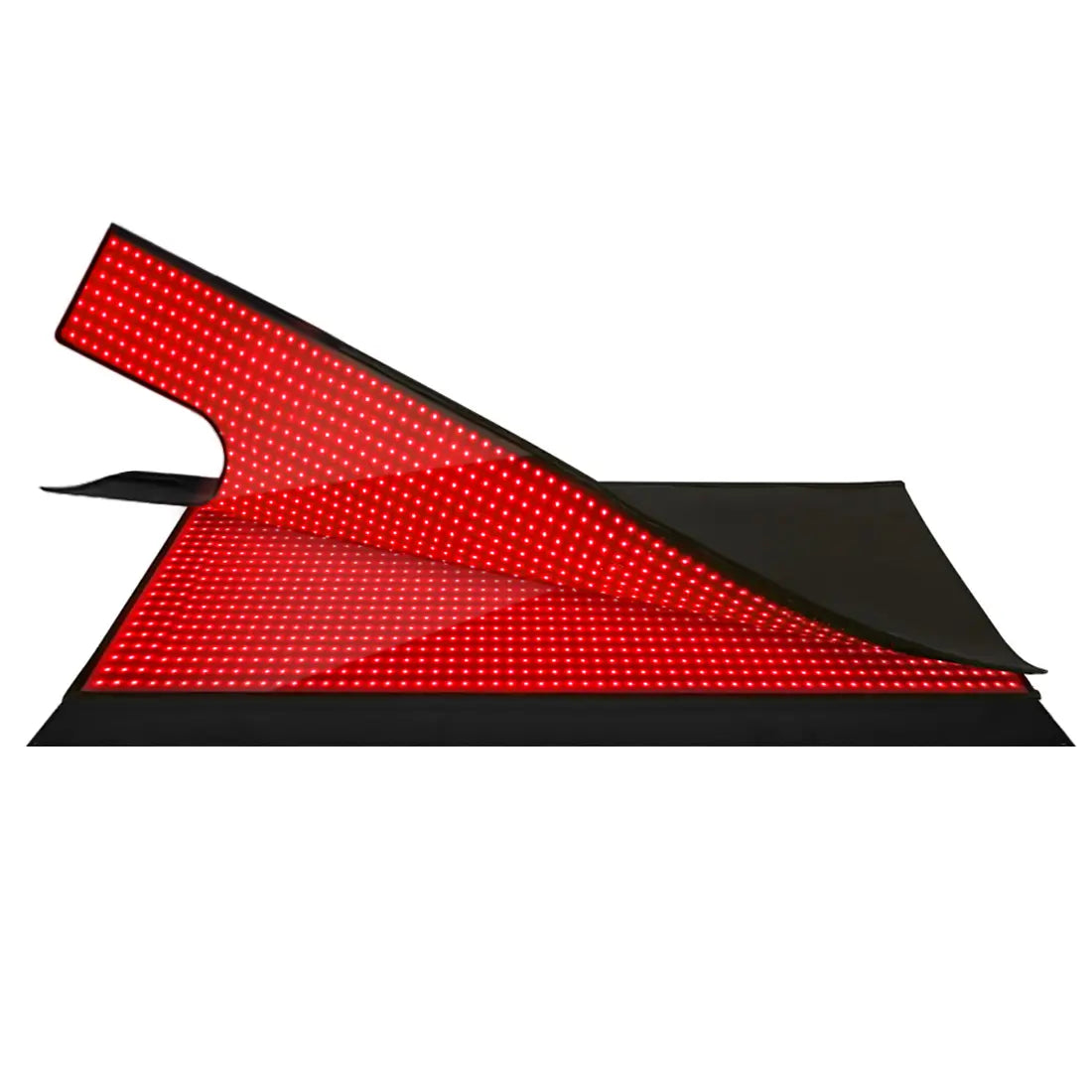
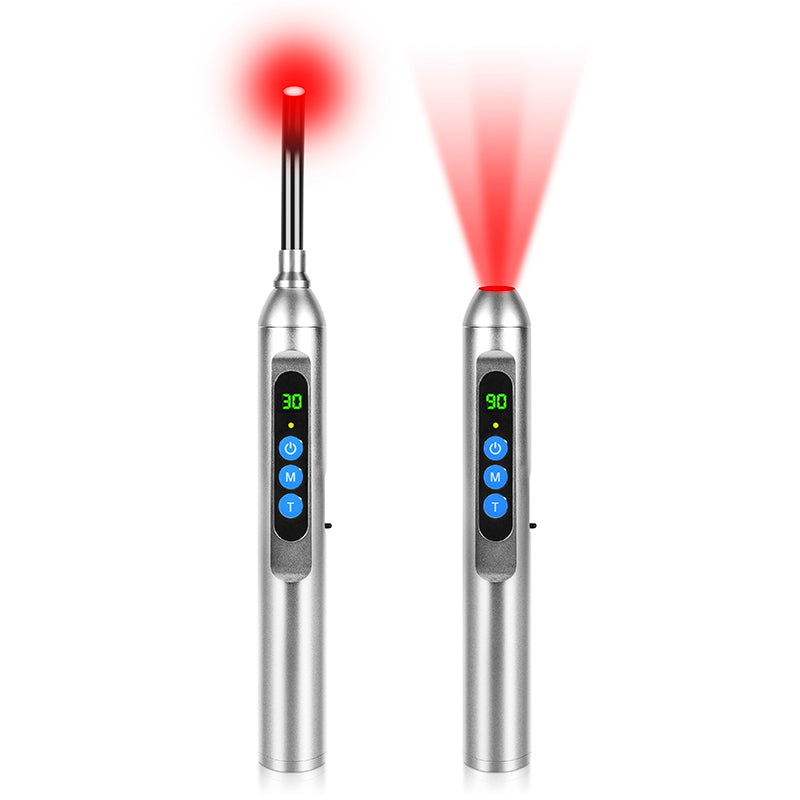

A large panel can look like the perfect addition to a home gym or recovery room. Then real life takes over. The unit feels bulky, the angle is awkward, glare becomes annoying, and the routine fades. The best choice is usually the panel that fits your space and daily habits with very little friction. For most home users, the real value comes from easy setup, consistent sessions, and a setup that fits comfortably into a recovery or wellness routine.
Does a Home Gym Need the Same Panel Setup as a Recovery Room?
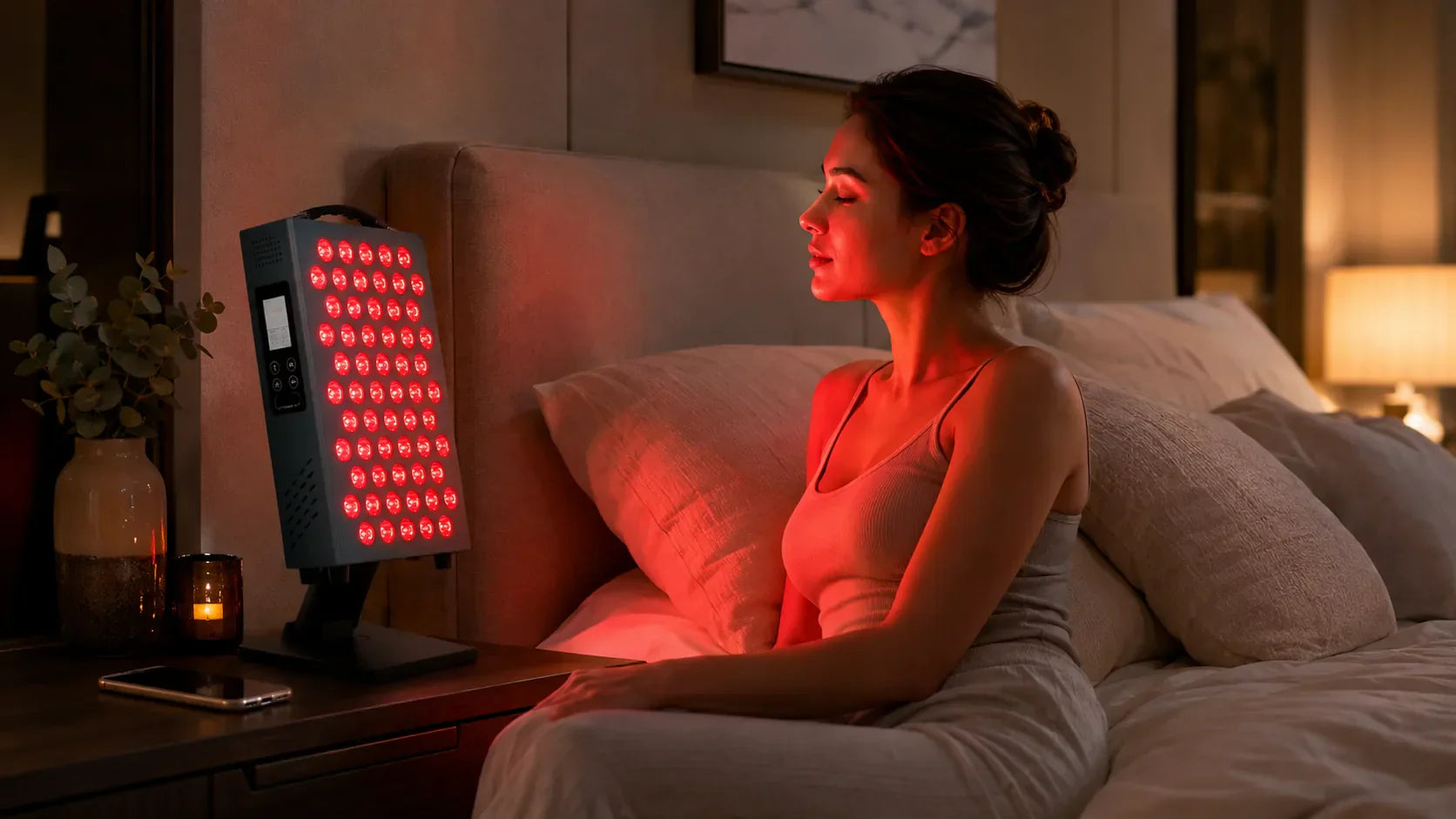
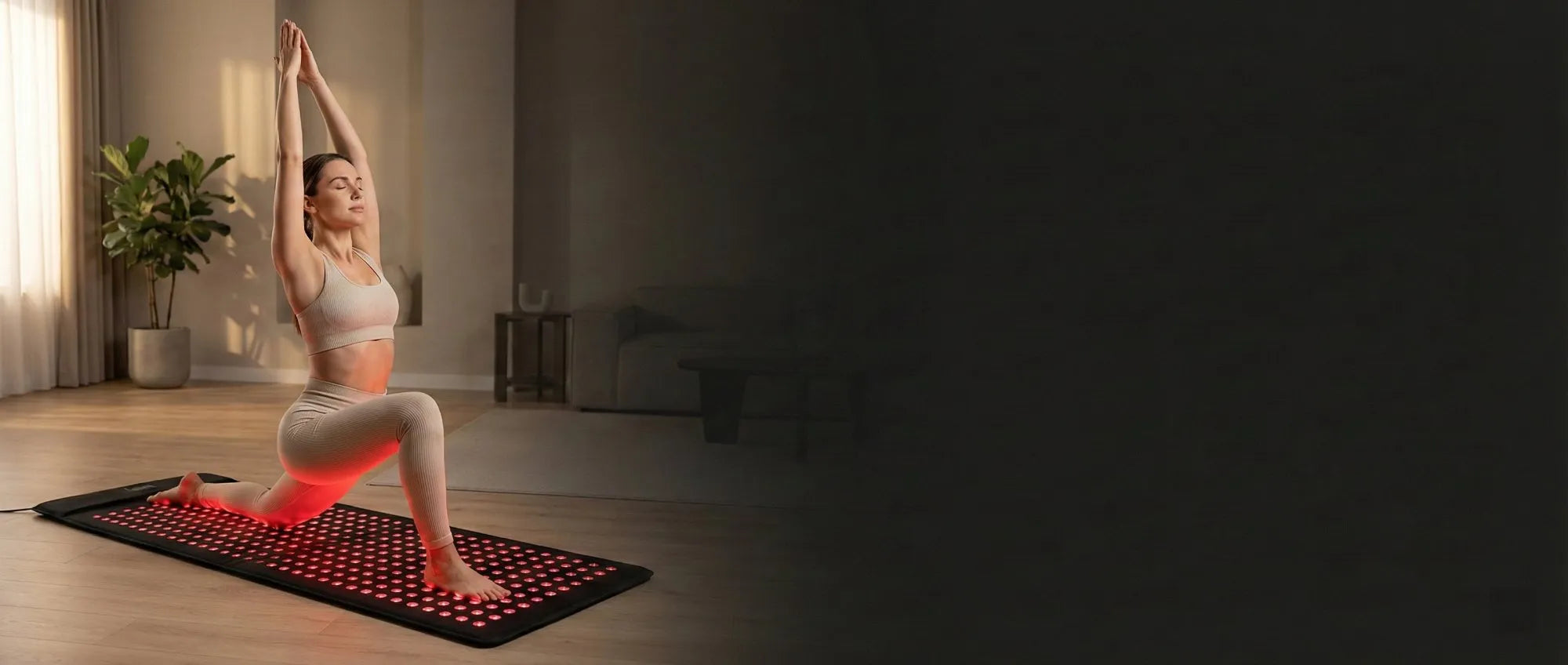
A home gym and a recovery room may sit under the same roof, yet they ask very different things from a red light therapy panel. One space is built around movement, short transitions, and limited patience after a workout. The other supports slower sessions and a more settled routine. That changes what makes a panel feel useful. In a gym, quick access and easy adjustment matter most. In a recovery room, broader coverage and a calmer setup usually matter more.

| Room Type | What Daily Use Usually Looks Like | Setup That Often Fits Best |
| Home gym | Quick sessions before or after training | Upright access, simple timer, clear standing lane |
| Recovery room | Longer sessions while seated or reclined | Broader coverage, flexible angle control, calmer layout |
| Shared room | Sessions mixed into normal household use | Smaller footprint, easier repositioning, lower visual clutter |
A Home Gym Usually Needs a Faster, Smaller-Footprint Setup
In a home gym, the panel has to fit around movement. If it takes up the same lane as your bench, bike, or dumbbell area, it will get in the way and lose its value quickly. A better setup is usually one that is easy to walk up to, easy to adjust, and easy to use without changing the rest of the room. For many people, that means a vertical panel on a movable stand or a wall-mounted unit placed outside the main training path. If your sessions are short and tied to workouts, convenience matters more than having the tallest panel available.
A Recovery Room Can Make Better Use of a Taller Panel
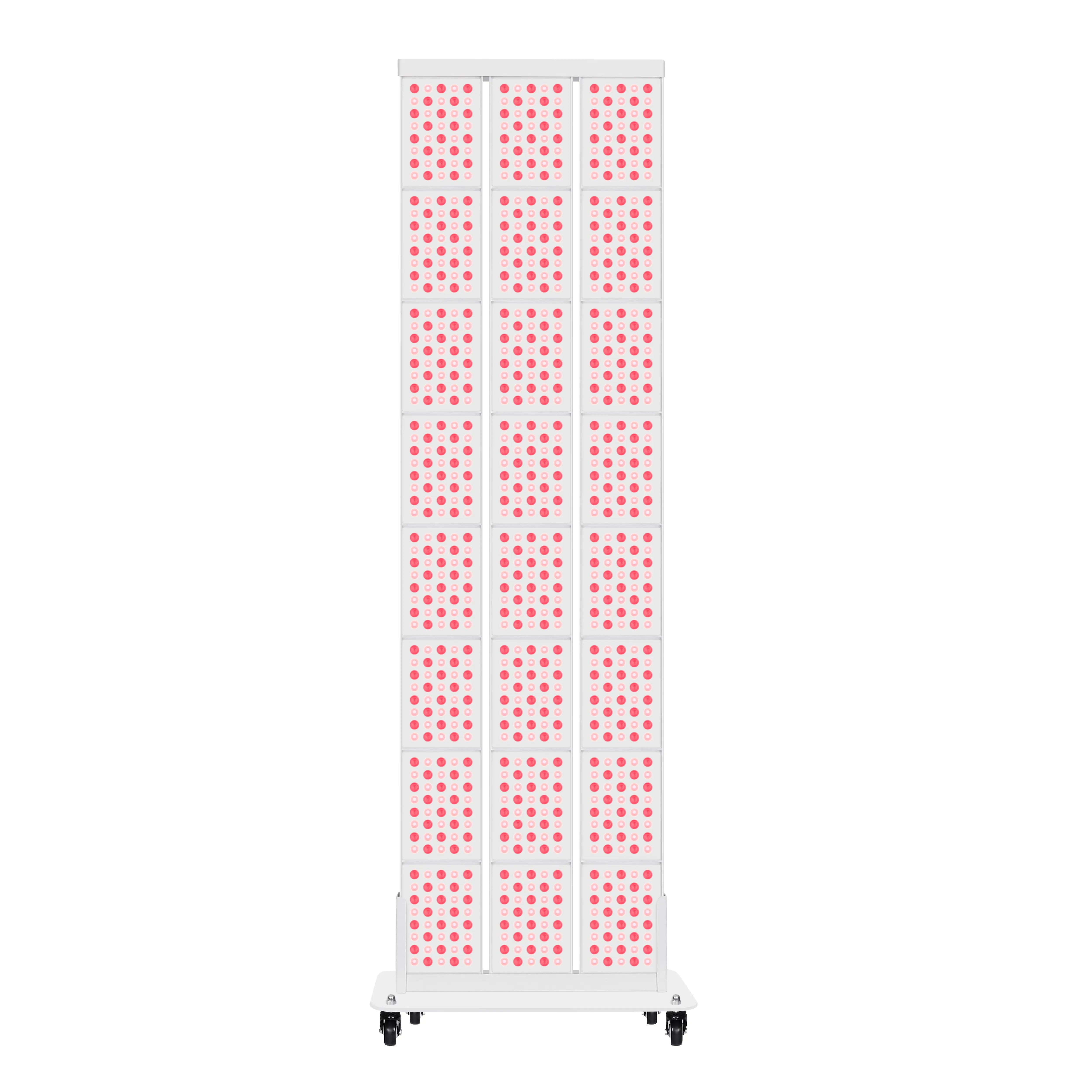
A recovery room gives you more freedom to plan around comfort and coverage. That makes it easier to use a taller panel for longer sessions, especially if you want to treat larger body areas such as the back, hips, quads, or calves with fewer position changes. In this setting, a fixed corner, wall-mounted setup, or dedicated floor stand often works well because the room does not need to support as much movement. If the goal is a calmer, more repeatable routine, a larger panel usually makes more sense here than it does in a crowded gym layout.
How Much Coverage Do You Need Before You Compare Specs?

Coverage should be one of the first filters, because it determines how much of your body you can treat in one session and how often you will need to reposition. If your routine only targets the neck, shoulders, or one joint at a time, a very large panel may be unnecessary. If you want broader front-of-body and back-of-body sessions, panel height and width become much more important.
Choose Panel Size Based on the Areas You Actually Plan to Treat
A practical way to judge size is to look at the body areas you expect to treat most often. A smaller setup may be enough for the upper body or a single problem area. A large red light therapy panel makes more sense when your routine regularly includes the back, hips, quads, calves, or several larger zones in the same session. In that case, a taller panel can save time and reduce constant repositioning.
Compare Specs That Affect Real-World Use
Once you know how much coverage you need, the next step is to compare details that affect actual use at home. Panel dimensions matter because they shape how much of the body can be covered at once. treatment distance matters because it affects how the panel fits into your space. Clear output information also matters, since power alone does not tell you how much light reaches the skin during a normal session. A product page is far more useful when it explains how the panel is meant to be used, not just how powerful it sounds.
Where Should You Place a Large Red Light Therapy Panel for Daily Use?
Placement has a direct effect on convenience. A panel that blocks your training area, crowds a walkway, or forces you to keep adjusting your stance will usually be used less often. In a home gym or recovery room, the best location is one that makes sessions feel easy to start and easy to repeat.
Make Sure the Panel Does Not Disrupt the Room
A red light therapy panel should fit into the room without interfering with the way you already use the space. If it sits in the same lane as your bench, treadmill, or storage area, it quickly becomes inconvenient. A better setup leaves enough open space to stand comfortably, turn when needed, and complete a session without moving other equipment first.
Choose a Spot That Supports Consistent Sessions
The ideal location also makes it easier to keep treatment distance and body positioning consistent. That usually means placing the panel in a stable area with clear floor space, easy access to power, and limited glare. Eye comfort matters too, especially if the panel will be used for upper-body or facial sessions. If the light feels harsh every time you step in front of it, the setup will be harder to stick with over time.
Do You Need a Stand, a Wall Mount, or a Dedicated Corner?
Mounting should be decided by how the panel will be used in the room. Some setups need frequent angle changes. Others work better when the panel stays in one place. The right choice depends on how often you plan to move the unit, how fixed the room layout is, and how much open space you can give the panel without disrupting the rest of the room.
Choose a Stand If You Need Flexibility
A stand usually makes the most sense in a home gym or any shared space where the panel needs to move with the routine. It is the better option if you want to change height or angle during the week, or if more than one person will use the same red light therapy panel. A stand also helps when the room layout is still evolving, since it gives you time to figure out the best position before committing to a permanent setup.
Choose a Wall Mount for a Stable Room Layout
A wall mount works best when the room already has a fixed layout and the panel will stay in the same place long term. This setup keeps the floor cleaner and makes the space feel less crowded, which can be a real advantage in a recovery room. It is a strong choice when you already know where sessions will happen and do not need to reposition the panel often.
A Dedicated Corner Works Well When You Want Simplicity
A dedicated corner can be one of the most practical solutions for a large red light therapy panel. It gives the unit a clear home, protects your main walking path, and helps keep treatment distance more consistent from session to session. For many home users, that kind of stability is enough. You may not need a full wall-mounted installation if a quiet, open corner already gives the panel enough room to work well.
Which Smart Controls Actually Matter in a Home Routine?
Controls matter when they make sessions easier to repeat. Most people do not need a long list of smart features. They need a panel that is easy to turn on, easy to adjust, and easy to use without stopping to reset everything each time. In home use, convenience often has more value than novelty.
Focus on Controls That Save Time
The most useful features are usually a timer, simple intensity adjustment, and memory settings that let you return to the same setup quickly. Those tools reduce friction, especially if sessions happen before work, after training, or at the end of the day. If the panel takes too many steps to operate, even a good device can become annoying to use consistently.
Safety Features Still Deserve a Place on the Checklist
Safety features should be part of the buying decision, not an afterthought. Auto shutoff, clear timing guidance, and protective eyewear instructions are all worth having, especially in shared households. People with light-sensitive conditions or medications that increase photosensitivity should check with a clinician before regular use. Extra care also makes sense for darker skin tones, since visible light can sometimes trigger hyperpigmentation when exposure is too aggressive.
Choose the Large Red Light Therapy Panel That Fits Your Space and Routine
The best large red light therapy panel for home use is the one that fits the room and feels easy to use several times a week. Focus on the basics that affect daily use: enough coverage for the body areas you plan to treat, a setup that does not disrupt the room, and controls that make sessions simple to repeat. If the panel works naturally with your space and routine, it is far more likely to stay useful over time.
FAQs about at-home red light therapy
Q1. How far should you stand from a large red light therapy panel?
It depends. The safest and most practical rule is to follow the device’s recommended working distance, because at-home panels vary widely in output, and light intensity changes sharply as distance changes. If a product page does not explain treatment distance clearly, it is much harder to judge how the panel will perform in a real room.
Q2. Are at-home red light therapy panels as strong as in-office treatments?
No. At-home devices are generally less powerful, while in-office systems can better control and calibrate the dose for the condition being treated. That does not make home panels useless, but it does mean results may be subtler and more dependent on regular, long-term use.
Q3. Do larger panels always shorten session time?
No. A larger panel can reduce repositioning, but session length still depends on the device’s output, your distance from the panel, and the instructions for that model. Current guidance also makes clear that the optimal home dose is not fully standardized across all devices and goals.
Q4. What does “FDA-cleared” actually tell you?
It tells you the device is generally considered low risk for its intended use. It does not confirm that every marketing claim is proven or that the device will deliver strong results for every user. For home red light devices, “FDA-approved” or “FDA-certified” is not the right standard.
Q5. Should you skip panels that do not provide clear treatment instructions?
Yes. Clear guidance on distance, timing, and intended use is a practical quality signal. A recent evaluation of home-use LED devices found that consumer instructions were often inconsistent and did not reliably support accurate dose delivery, which makes predictable results harder to achieve.