
A hard workout can feel great in the moment and frustrating the next morning. Sore legs, tight shoulders, and heavy movement can make the next session harder than it should be. That is why recovery matters. Sleep, protein, hydration, and smart training still do most of the work, yet many people also look at red light therapy as a simple home recovery tool. Used with realistic expectations, it can fit naturally into a broader fitness routine and help support consistency.
What Happens to Muscles After a Workout

After a demanding session, your muscles go through a short period of stress and repair. That is especially common after higher training volume, new movements, or workouts with a lot of eccentric work, such as lowering weights, running downhill, or slowing your body under load. Tiny amounts of muscle damage can occur, followed by inflammation, tissue repair, and a temporary drop in comfort and performance.
That is why soreness often peaks a day or two after training. Along with soreness, you may notice stiffness, lower force output, and a tighter range of motion. Those changes are common after hard exercise, though soreness alone is not proof of a productive workout. Some excellent sessions leave you feeling challenged without leaving you sore for days.
A few signs usually show up when your muscles are still in recovery mode:
- tenderness when you press on the trained area
- stiffness after sitting for a while
- reduced mobility during warm-up
- legs or arms that feel unusually heavy
- a drop in speed, power, or training quality
Mild soreness is common. Sharp pain, visible swelling, bruising, or symptoms that keep getting worse belong in a different category. Those signs call for more caution.
Why Recovery Speed Matters for Long-Term Training
Recovery speed affects the quality of your next workout. When your body recovers well, movement feels smoother, technique stays more stable, and your weekly training rhythm is easier to maintain. When recovery is slow, one hard session can affect the next few days and make progress less consistent.
Most people do not fall off because they stop caring. They fall off because their bodies keep carrying fatigue forward. Heavy soreness, tight hips, or tired shoulders can reduce training quality and make good form harder to maintain.
That is why recovery tools draw so much attention. Red light therapy for muscle recovery appeals to active adults because it may help support recovery at home without adding much complexity to the day.
How Red Light Therapy Supports Muscle Recovery Processes

Red light therapy is often used after training because it may support some of the processes involved in recovery. Research in photobiomodulation points to effects on cellular signaling linked to energy production, circulation, and the body’s response to exercise stress. That does not make it a cure for pain or injury. It does explain why athletes, runners, lifters, and everyday exercisers keep it on their radar.
What It May Help With
Current research suggests that targeted red and near-infrared light may help reduce post-workout soreness in some settings, although effects on short-term performance recovery appear mixed. The strongest interest tends to center on local application to the muscle groups that did the work. In practical terms, that means quads after a hard lower-body day, calves after speed work, or shoulders after upper-body training.
That is also why red light therapy for sore muscles has such a strong consumer appeal. The question most people ask is simple: will I feel less beaten up tomorrow? For some users, the answer appears to be yes, especially when sessions are consistent and paired with good basic recovery habits.
Where Expectations Should Stay Real
Timing, dose, device type, training style, and body area all influence the outcome. Some people feel a clear difference. Others notice only a modest change. That range is normal.
Red light therapy for recovery works best when it is presented as support, not a shortcut. It cannot cover for poor sleep, low protein intake, dehydration, or a training plan that asks too much too soon. When those basics are missing, even a promising tool will struggle to make a noticeable impact.
Why Home Use Appeals to Active Adults
Convenience matters. A recovery habit only works if people keep doing it. Red light therapy fits home use because it takes little prep, does not require a clinic visit, and can slip into the same part of the day as stretching, foam rolling, or winding down after training. That ease of use is a big part of its value.
Where Red Light Therapy Fits in a Typical Fitness Routine
Timing matters because the best recovery routine is the one that feels natural enough to repeat. Red light therapy can fit before training, after training, or on lighter days, depending on your goal and schedule. The key is to treat it like a small, consistent habit.
Here is a practical way to place it in the week:
| Timing | How It Fits | Main Purpose |
| Before training | Short session on the muscles you plan to use most | Support readiness and comfort |
| After training | Brief session during cooldown or later that evening | Support soreness management |
| Rest or lighter days | Use on areas that still feel tight or fatigued | Keep recovery moving |
For many home users, post-workout is the easiest fit. The training session is already over, the body is shifting into repair mode, and the recovery window feels more obvious. That makes red light therapy for recovery easy to attach to an existing habit, which raises the odds that it actually becomes part of your week.
Pre-workout use can also make sense for people who train hard on a tight schedule and want to feel a little looser or more prepared before loading the same muscle groups again. The goal there is not instant performance magic. The goal is better comfort and better rhythm.
At-Home Recovery Habits That Emphasize Consistency

Recovery becomes easier when the basics are solid. That may sound ordinary, though it is exactly where most good results come from. A body that gets enough sleep, enough fluids, and enough nutrition is much better equipped to repair tissue and handle repeat training.
- Protein intake that supports repair. A protein-rich meal or snack after training can help support muscle repair and adaptation.
- Hydration that matches your sweat loss. Even mild dehydration can make you feel flat, slow, and sluggish the next day.
- Gentle movement. Easy walking, light mobility work, and low-pressure activity can keep your body from feeling stuck.
- Sleep that protects recovery. Deep sleep supports tissue repair, hormone balance, and energy restoration.
- Training progress that makes sense. Big jumps in intensity, volume, or novelty are a reliable recipe for excessive soreness.
Create a Recovery Routine That Supports Ongoing Performance
The best recovery routine is one you can actually keep doing. It should help you feel ready for the next workout without adding unnecessary hassle.
On Hard Training Days
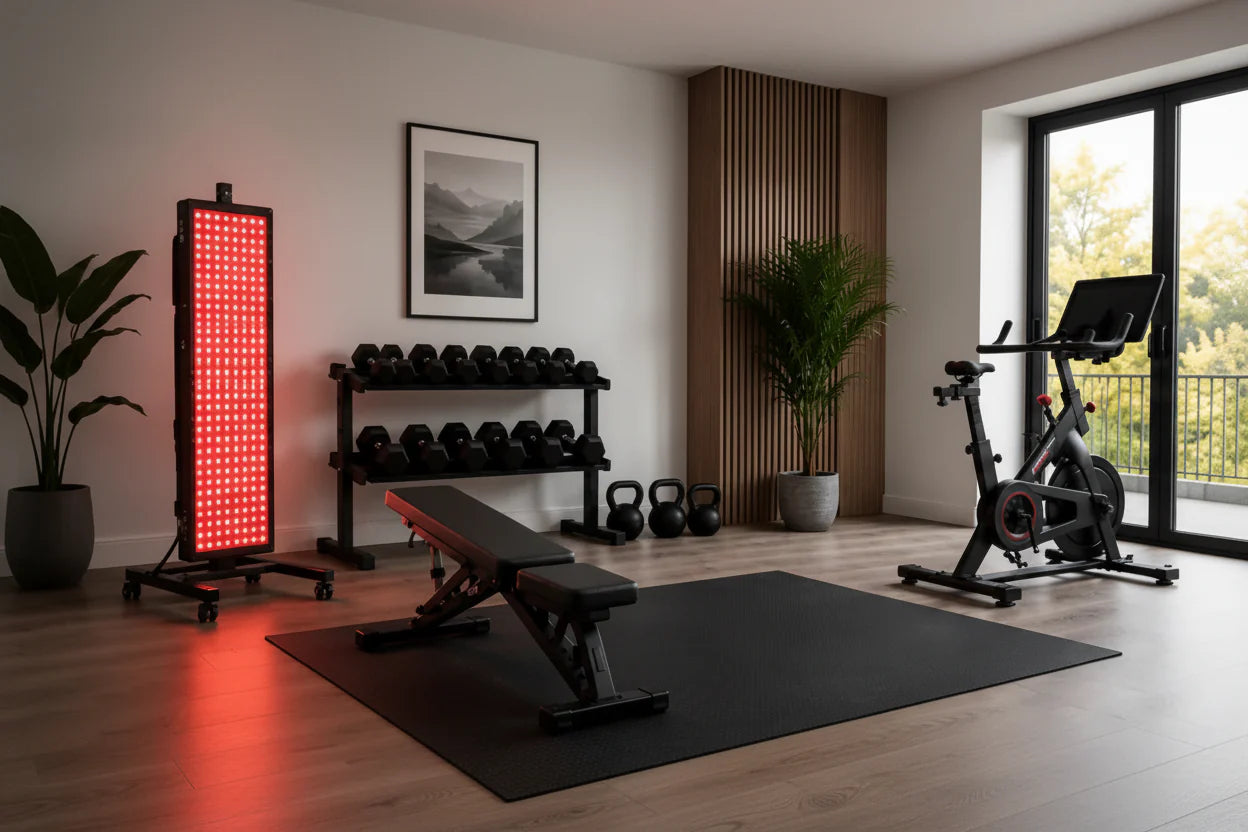
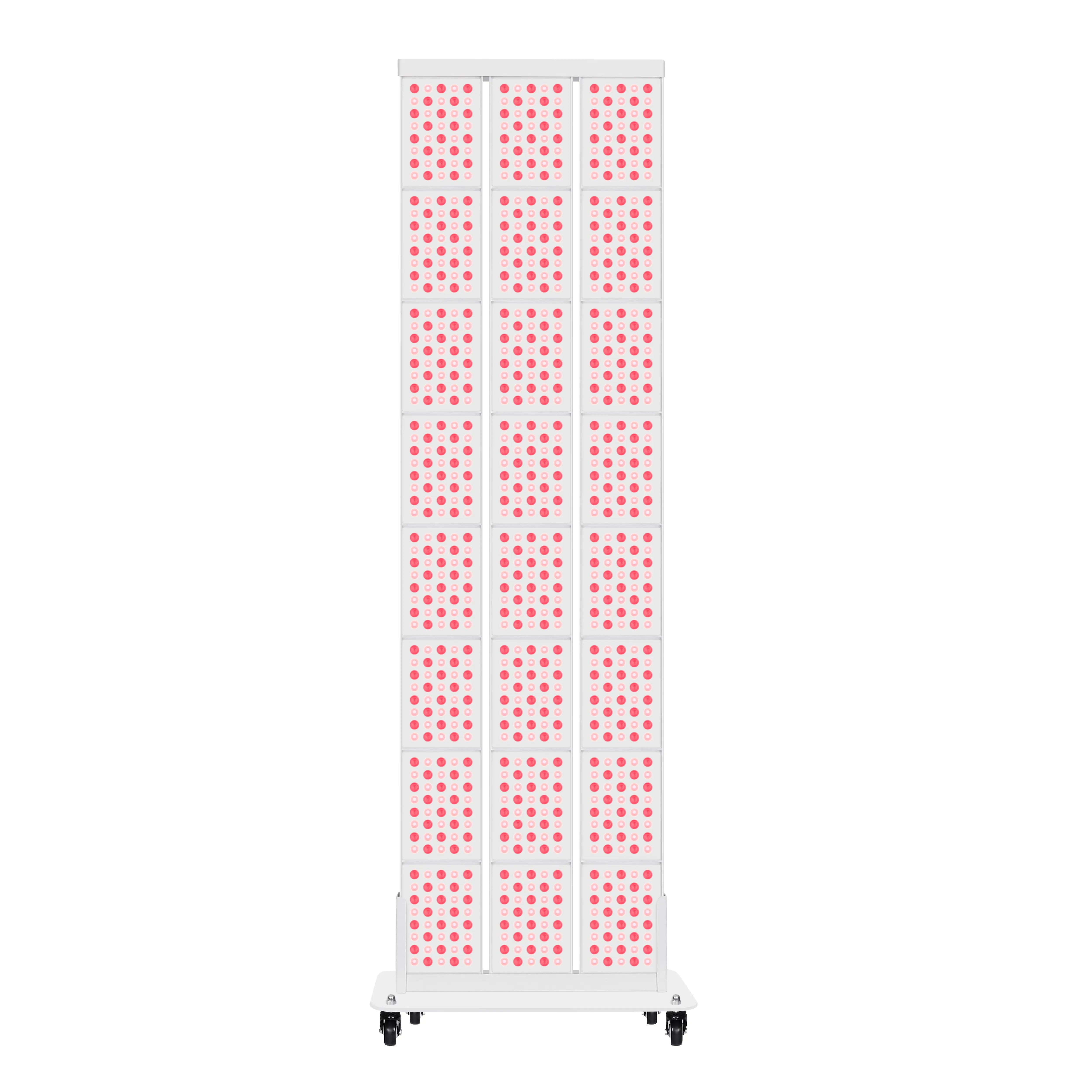
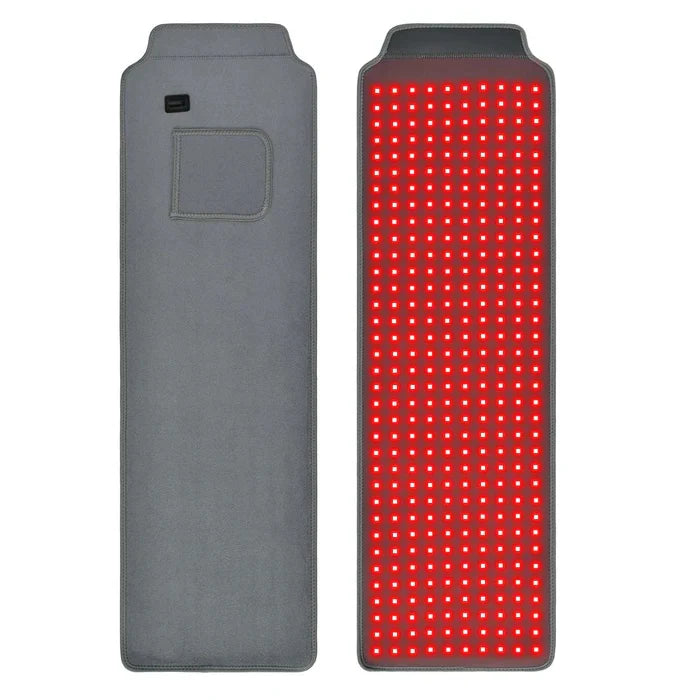
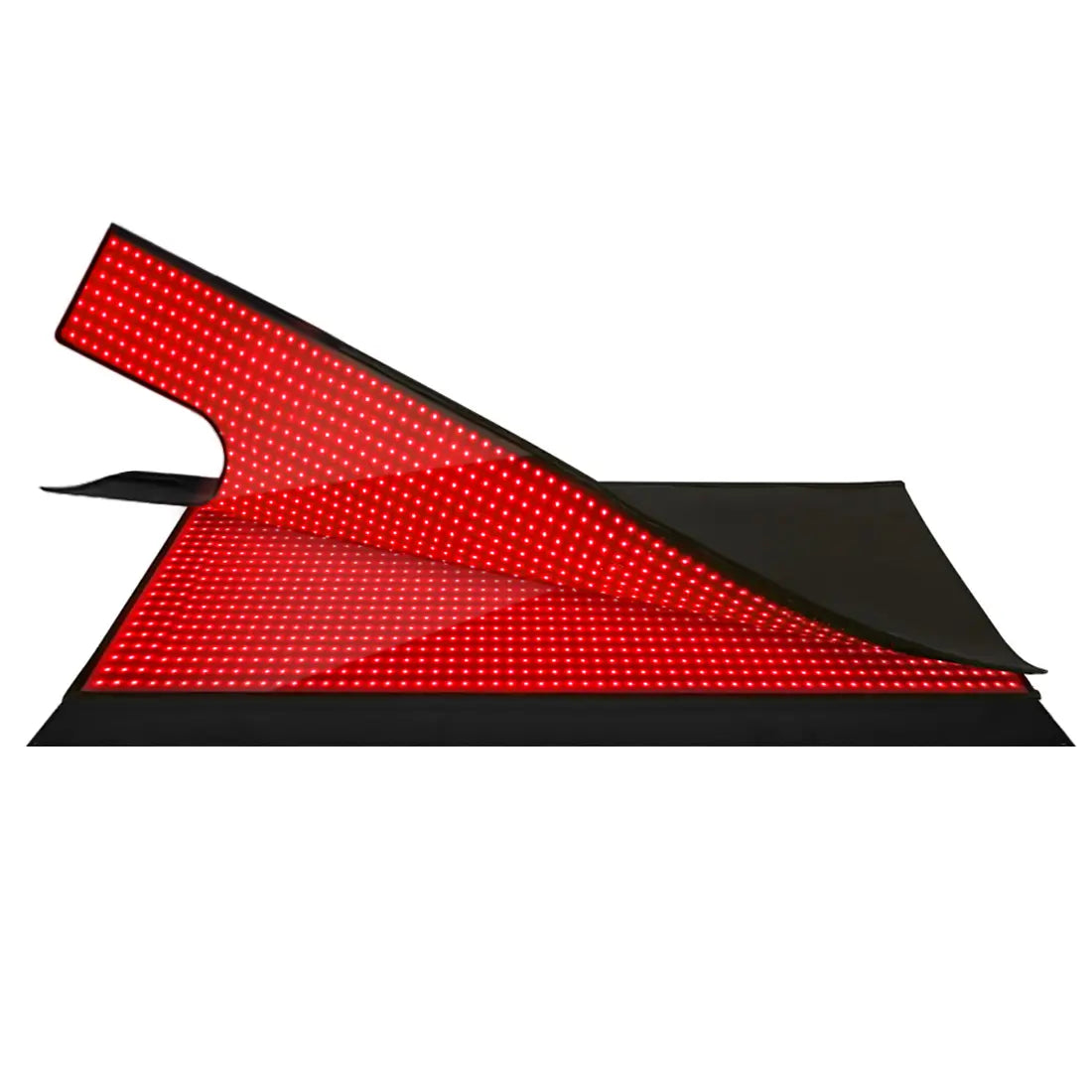
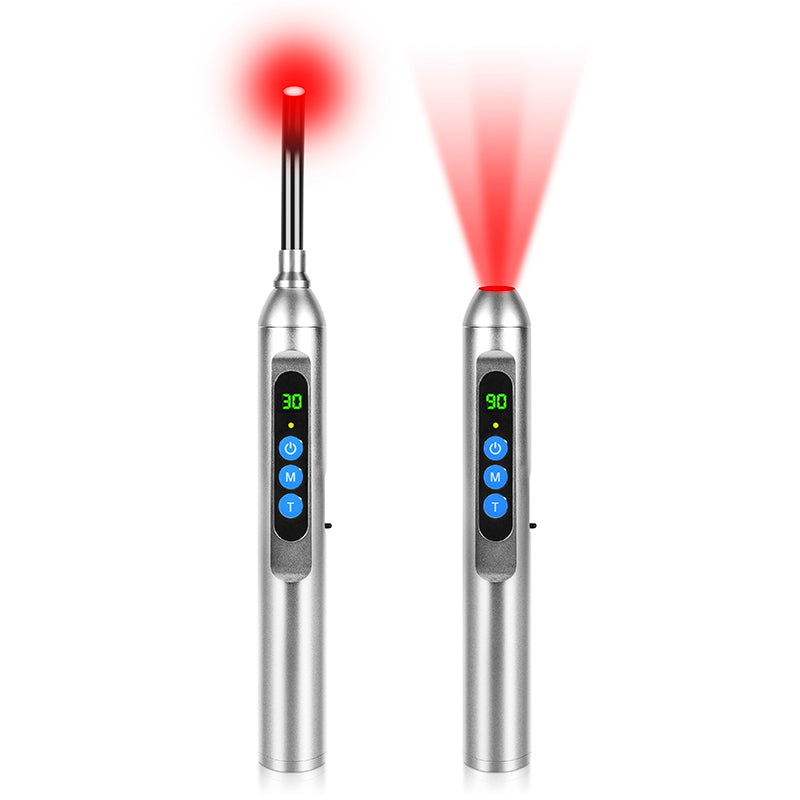
After a demanding session, cool down, rehydrate, and eat a meal or snack that includes quality protein. If you use a red light therapy panel for muscle recovery, apply it to the muscle groups that took the biggest load. Keep the session short, consistent, and easy to repeat. Follow your device instructions and use eye protection if the product calls for it.
On the Day After
Pay attention to movement quality, not soreness alone. If your warm-up feels heavy, your range of motion is limited, or your body feels unusually flat, lower the intensity and let recovery keep moving. Light activity is often helpful here. A relaxed walk, gentle mobility work, or a lighter session can do a lot to loosen things up.
This is also the point where red light therapy for sore muscles may feel most relevant. Many people care about one practical question: can I move better tomorrow? If it helps you feel less stiff and more ready, it has earned a place in your routine.
At the End of the Week
Look for patterns. If one workout leaves you drained for three days every single time, your body is giving useful feedback. The issue may be training load, poor sleep, weak fueling, or inadequate recovery between sessions. A smarter schedule often solves more problems than any extra tool can solve on its own.
That is the most useful way to think about red light therapy. It belongs inside a recovery routine built on sleep, food, hydration, movement, and sensible programming. Used in that setting, red light therapy can be a practical home add-on for people who want support with post-workout comfort and a smoother path into the next session. Keep the routine simple, keep it consistent, and let each piece do its job.
FAQs
Q1: Can you use red light therapy every day?
Yes. Many at-home devices are meant for regular use, sometimes even daily. The right frequency depends on the device, treatment time, and your skin response, so following the product instructions matters more than using it as often as possible.
Q2: How long does it take to notice results from red light therapy?
Usually after repeated use, not after one session. Some people notice small changes within days, but more visible or consistent results often take several weeks of steady use, especially with at-home devices that tend to be less powerful.
Q3: Do you need eye protection during red light therapy?
Yes, if the red light therapy device instructions tell you to use it. Eye protection is especially important with stronger devices or when treating areas close to the face. Sunglasses are not a substitute when protective goggles are specifically recommended.
Q4: Who should be cautious with red light therapy?
People with light-sensitive conditions, those taking photosensitizing medications, and some users with darker skin tones should be more careful. In those cases, red light may worsen pigmentation issues or interact poorly with an existing condition or treatment plan.
Q5: Does FDA-cleared mean a red light device is proven to work?
No. FDA-cleared means the device is considered generally safe for its intended use, not that every marketing claim has been proven effective. That is why device quality, instructions, and realistic expectations still matter.