
There is a point most active men reach where effort alone stops being enough. Training is consistent, sleep is decent, and yet the body takes longer to bounce back. That gap between how hard you push and how well you recover is often where performance quietly erodes. Photobiomodulation, more commonly known as red light therapy, has emerged as one of the more evidence-backed tools for closing it.
Disclaimer: This article is for informational purposes only and does not constitute medical advice. Individual results from red light therapy may vary. Consult a qualified healthcare professional before beginning any new wellness or recovery protocol.
Why Recovery Becomes More Important for Men Over Time

Most men do not notice the shift until it has already settled in. The soreness that once cleared overnight lingers into a third day. Workouts that once built capacity now just drain it.
This is not a motivation problem. It is biology.
What Changes After the Mid-Thirties
- Testosterone levels decline gradually, slowing the rate at which muscle tissue repairs after stress
- Mitochondrial efficiency drops, meaning cells produce less ATP for the same input
- Inflammatory responses become more drawn out, contributing to the chronic low-grade stiffness many men accept as normal
The compounding effect is the real issue. Harder training without better recovery deepens the deficit. At this stage, recovery has to become as deliberate as the effort itself.
The Link Between Circulation, Energy, and Physical Readiness
Physical readiness comes down to two systems working in sync: circulation and cellular energy. When either is compromised, performance suffers across the board.
Circulation
Blood carries oxygen and nutrients into working muscles and clears out metabolic waste, including lactic acid and cellular byproducts, on the way back. Poor circulation means tissues receive less of what they need and accumulate more of what they do not. The result shows up as prolonged soreness, reduced output, and fatigue that sleep does not fully resolve.
Cellular Energy
ATP powers muscle contraction, protein synthesis, and tissue repair. Mitochondria produce it, and when they operate efficiently, the body adapts and rebuilds. When mitochondrial output drops due to age or accumulated oxidative damage, every downstream process slows with it.
The two are tightly connected. Better circulation delivers more oxygen to mitochondria, supporting ATP production. Higher cellular energy output, in turn, supports the vascular signaling that keeps blood flow responsive.
How Red Light Therapy Supports the Body at a Cellular Level

The effects of red light therapy begin at the mitochondria. Red and near-infrared wavelengths are absorbed by cytochrome c oxidase, a key enzyme in the mitochondrial electron transport chain. Under stress or in aging tissue, nitric oxide molecules bind to this enzyme and inhibit it, slowing ATP synthesis. Light exposure displaces that inhibitory nitric oxide, restoring enzyme function and allowing energy production to accelerate.
Mechanistic studies have proposed that red and near-infrared light may reduce viscous resistance in mitochondrial interfacial water layers, which could improve ATP synthase efficiency and support cellular energy production. Experimental studies in muscle-cell models have also reported increased mitochondrial membrane potential and ATP synthesis after photobiomodulation, while appropriately timed repeated sessions may contribute to cumulative recovery benefits.
What Happens Beyond ATP
Near-infrared light stimulates the release of vasodilatory nitric oxide into the bloodstream, widening blood vessels and improving red light therapy circulation throughout recovering tissue. The downstream effects include:
- Reduced delayed onset muscle soreness (DOMS) and faster fiber repair
- Decreased systemic inflammation markers after intense training
- Improved joint mobility through reduced local swelling
- Better sleep quality linked to lower physical discomfort overnight
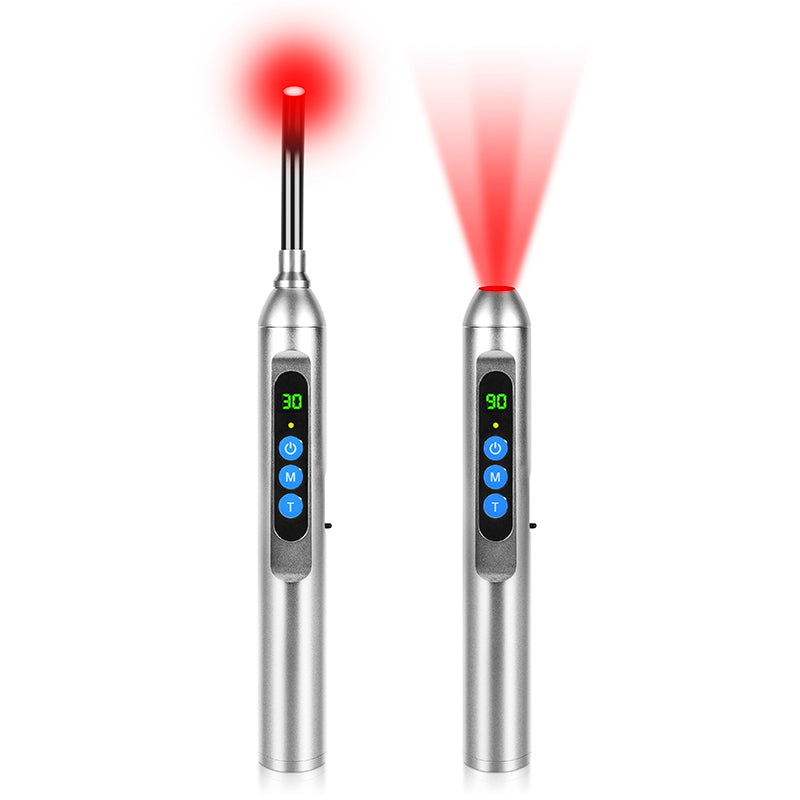
The 660nm wavelength addresses surface-level tissue and skin, while 850nm near-infrared penetrates deeper into muscle, connective tissue, and joints. Together, they cover both layers in a single session.
When Men Typically Add Red Light Therapy to Their Routine
Very few men start using red light therapy proactively. The more common entry point is a problem that has not resolved on its own: persistent lower back stiffness, a knee that never fully settles after leg day, or fatigue that feels disproportionate to the actual workload.
A 2025 meta-analysis on photobiomodulation and exercise performance found that applying light therapy close to training sessions improved strength output and reduced muscle damage markers. Separate research on athletes found that consistent evening sessions correlated with better sleep quality and improved endurance over time.
Timing Your Sessions
Before training: Applying red light therapy 10 to 20 minutes before a session reduces exercise-induced cellular damage and delays the onset of fatigue, particularly useful for men training early in the morning or after long sedentary workdays.
After training: The post-exercise window is when muscle cells require the most ATP for repair. Sessions applied within a few hours support faster metabolic clearance and accelerate fiber rebuilding. Studies suggest that intervals of less than 24 hours between sessions may produce compounding recovery gains.
At-Home Use Cases Focused on Consistency Over Intensity

The practical advantage of home use is not intensity. It is frequency.
A clinic session once a week produces less cumulative benefit than a moderate session at home most days. Mitochondrial efficiency, circulatory responsiveness, and tissue repair capacity all build incrementally over weeks of regular exposure. Consistency is what drives the adaptation.
Formats That Fit Real Schedules
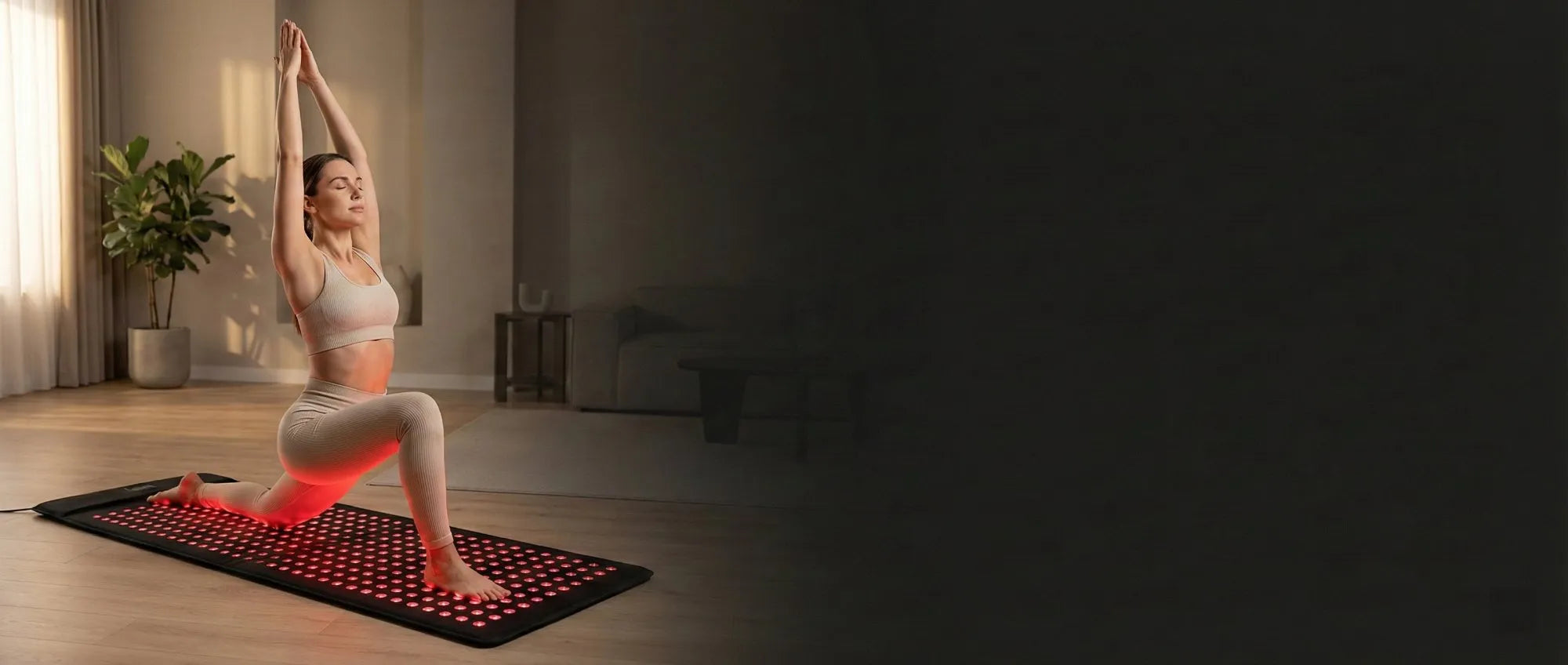
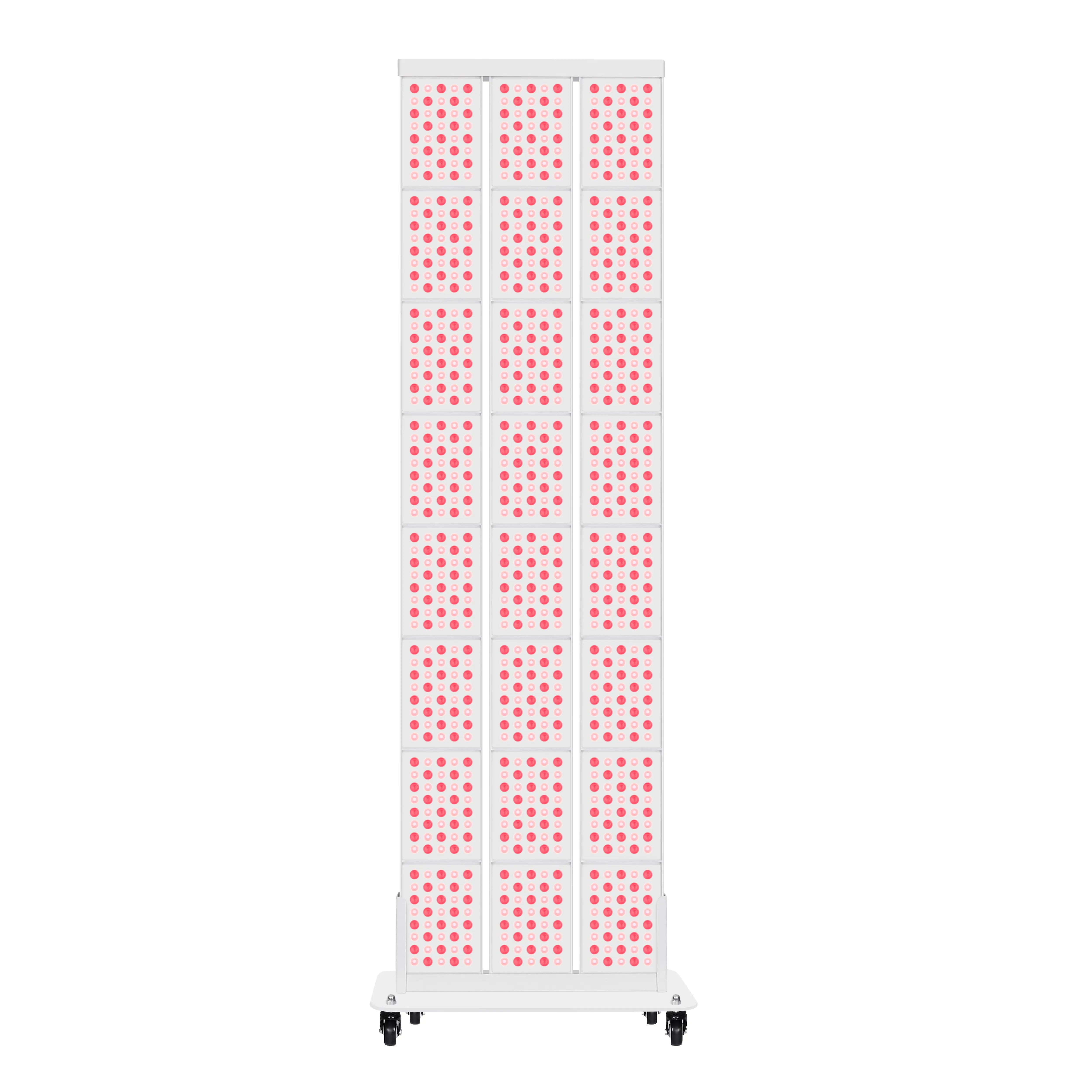
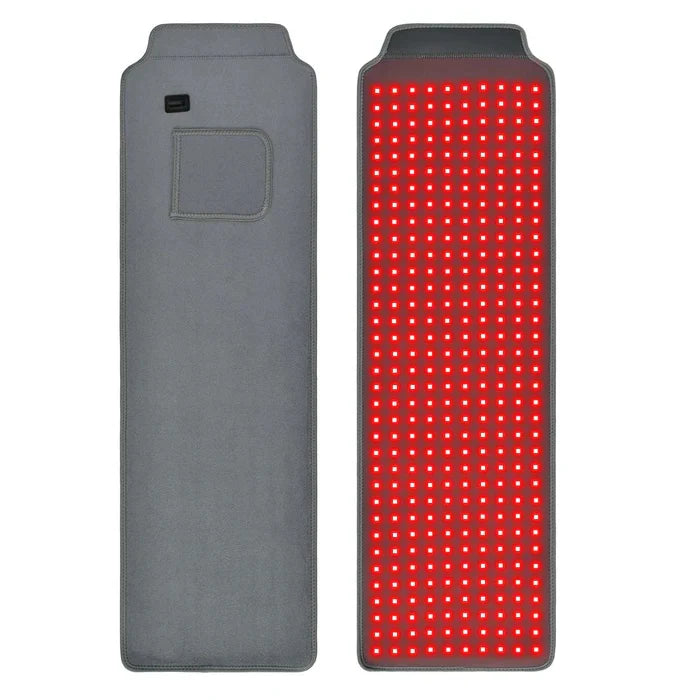
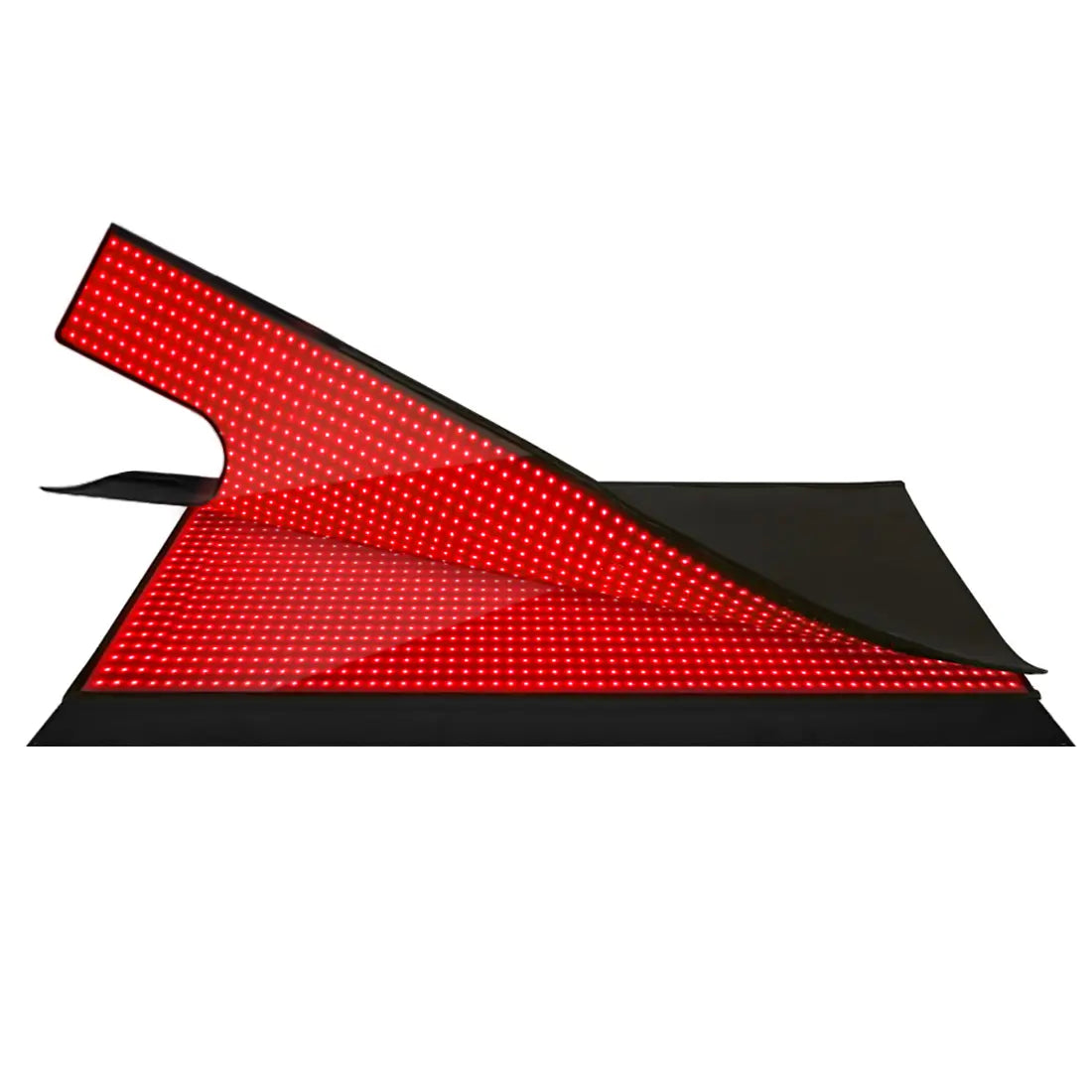
Full-body panels and sleep bags cover the torso, back, and legs in a single session. A 15-minute session before bed requires no extra time block. It fits around an existing routine, which is precisely why men maintain it.
Wearable belt formats allow direct application to the lumbar spine, shoulders, or knees while working or sitting. For men who carry chronic tightness in these areas from long desk hours combined with intensive training, localized and consistent exposure tends to outperform occasional aggressive sessions.
Build Sustainable Recovery Habits for Long-Term Performance
The men who see the most sustained benefit from red light therapy are not the ones who use it most aggressively. They are the ones who make it unremarkable: a consistent 15-minute addition to an existing routine, whether before bed or after training. Muscle recovery improvements typically emerge within two to four weeks. Sleep quality and energy shifts take one to three months. Joint-level changes are the slowest, and often the most significant.
Red light therapy works best alongside adequate sleep, protein intake, and smart training load. If needed, you can also look into options like Youlumi for at-home red light therapy devices.
FAQs about Red Light Therapy Usage
Q1: Does red light therapy affect tattooed skin differently?
Yes. You should exercise caution if you have dark, dense tattoos. Darker ink absorbs light energy more aggressively than bare skin, which can cause the area to heat up rapidly. If you feel any stinging or excessive heat over a tattooed area, increase the distance between the device and your skin.
Q2: Can red light therapy be used to support hair density on the scalp?
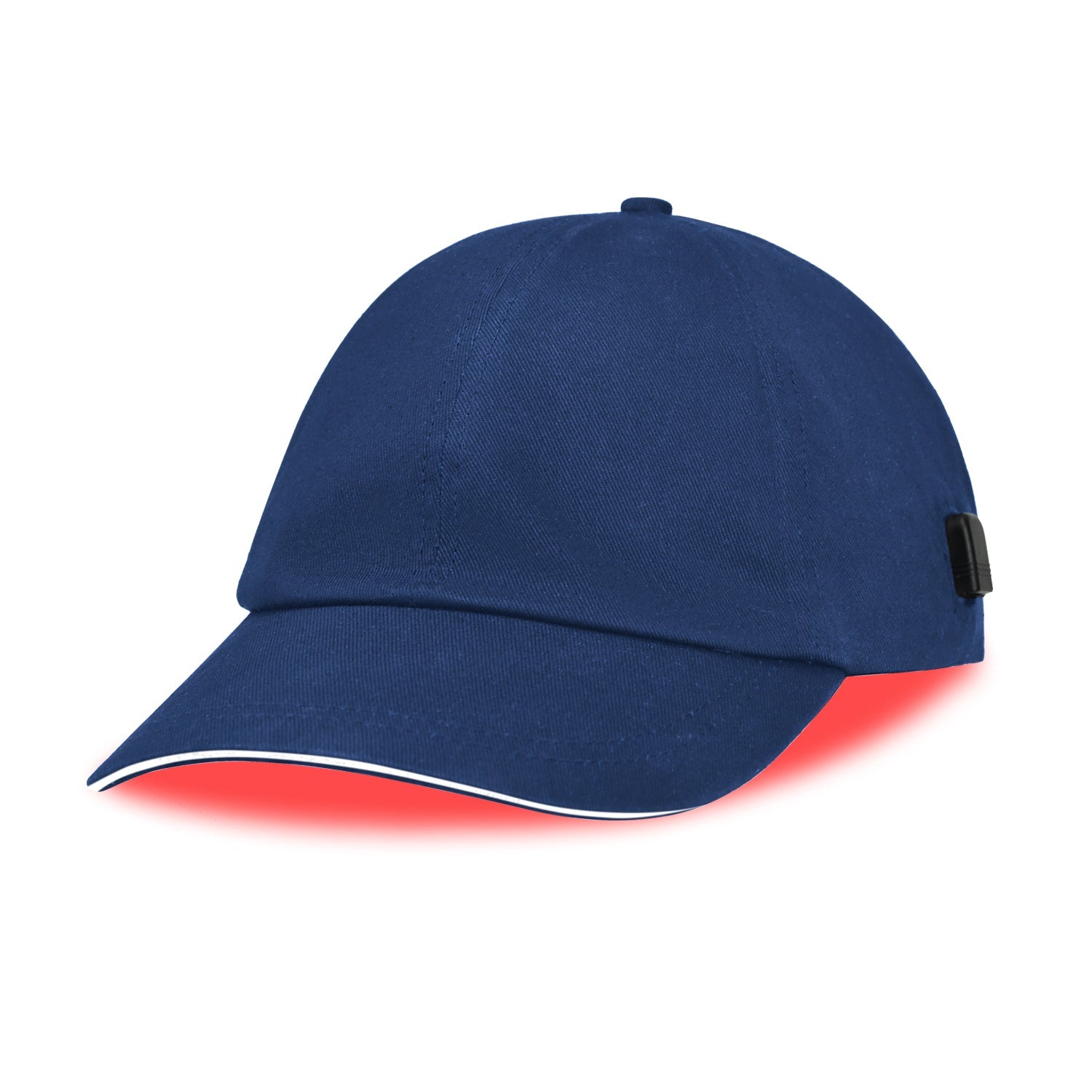
Yes. While this article focuses on muscle recovery, the 660nm wavelength is highly effective for scalp health. It stimulates blood flow to dormant hair follicles and extends the growth phase of the hair cycle, making it a versatile tool for men concerned with both physical performance and thinning hair.
Q3: Is it necessary to wear eye protection during a session?
Yes. While red light is generally safe, high-intensity near-infrared (NIR) light can be taxing on the retinas over long periods. If you are using a high-output panel at face level, always wear the provided blackout goggles to prevent eye strain or potential long-term light sensitivity.
Q4: Does red light therapy interact with supplements like Creatine or CoQ10?
Yes, but in a positive way. There is evidence that "stacking" red light with mitochondrial supplements like CoQ10 or Creatine creates a synergistic effect. Since the light therapy optimizes the machinery that uses these nutrients, the combined approach can lead to even greater gains in ATP production and strength.
Q5: Should I use red light therapy if I currently have a fever or acute infection?
No. It is generally advised to wait until an acute infection clears. Because red light therapy modulates the immune response and increases metabolic activity, it may interfere with the body’s natural inflammatory process used to fight off a fever. Resume your sessions once your temperature has returned to normal.