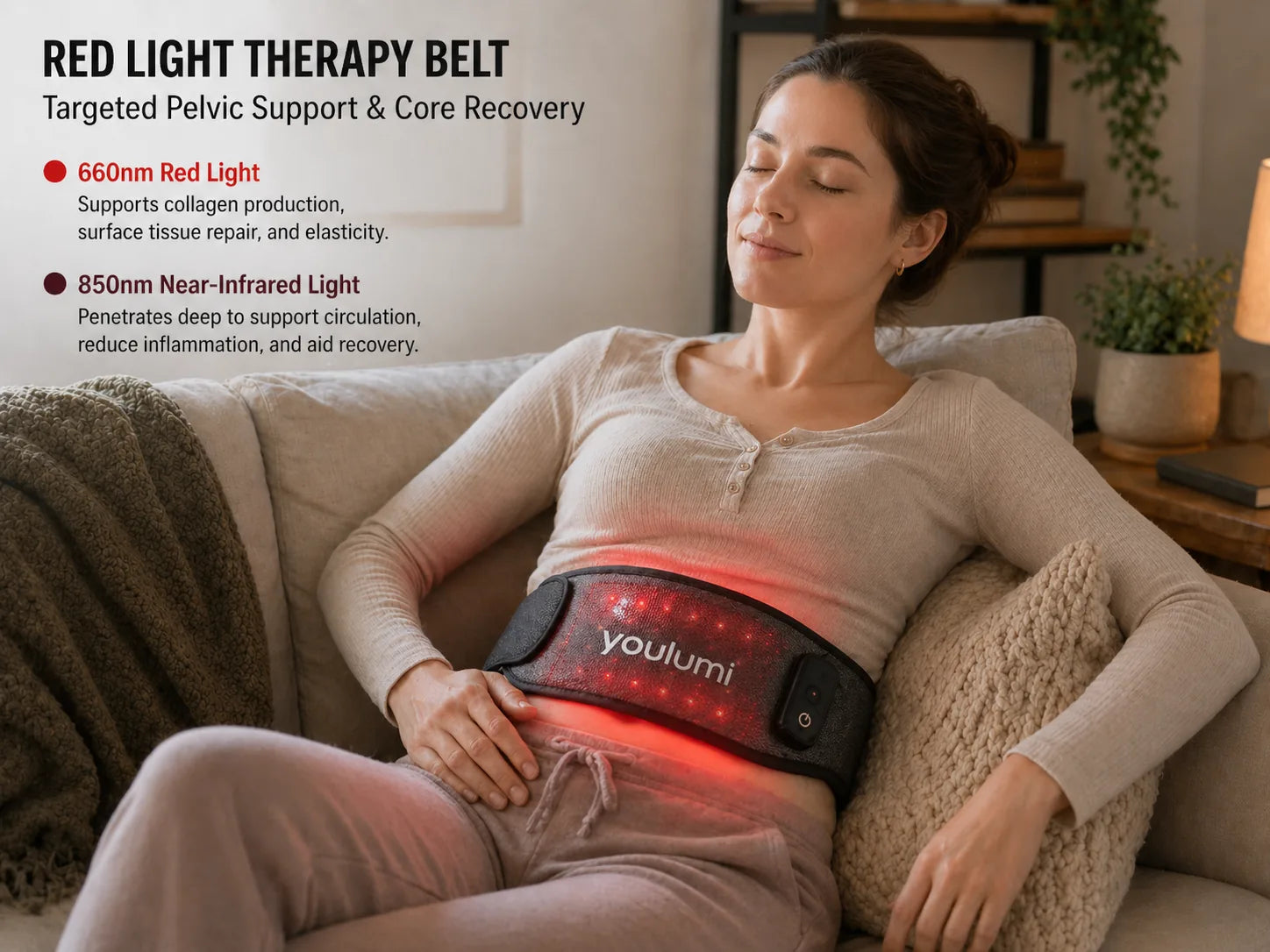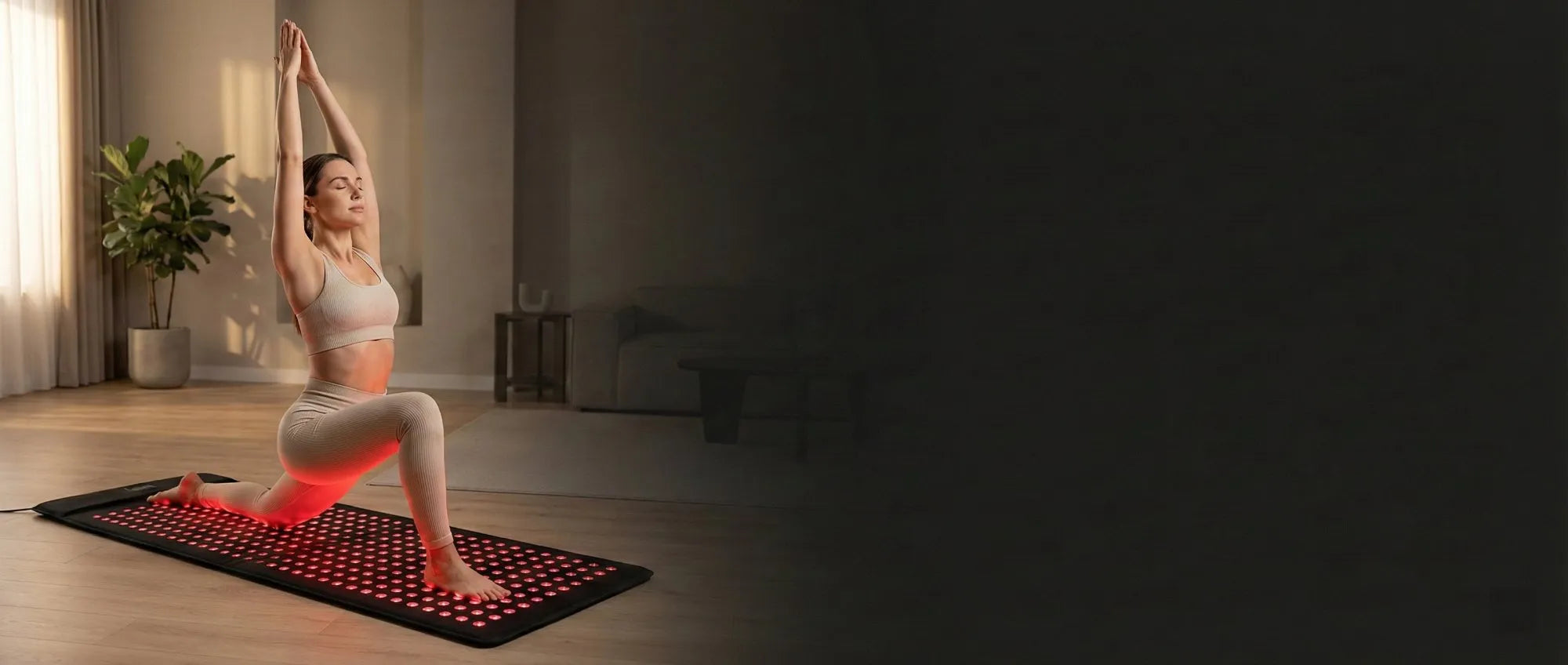
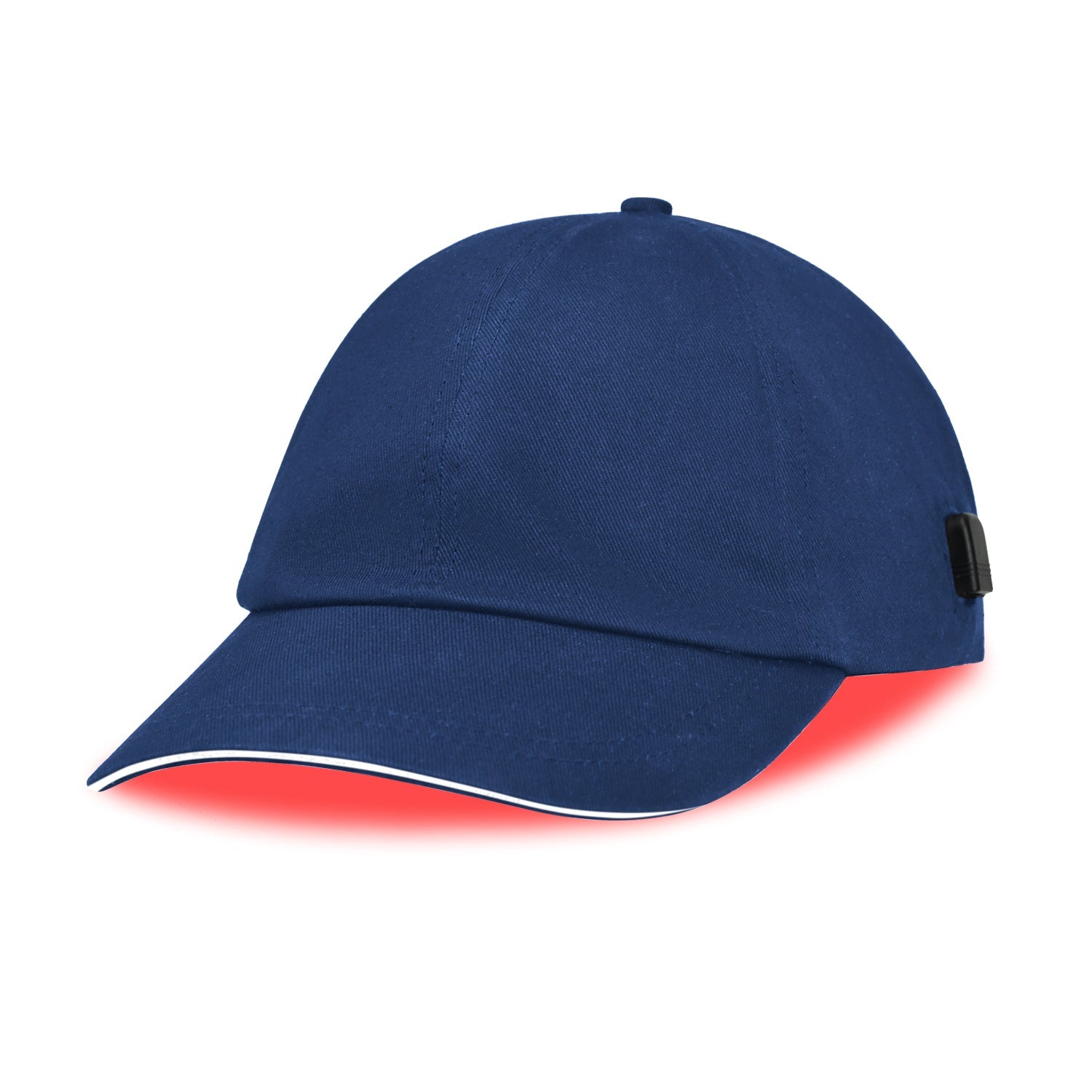
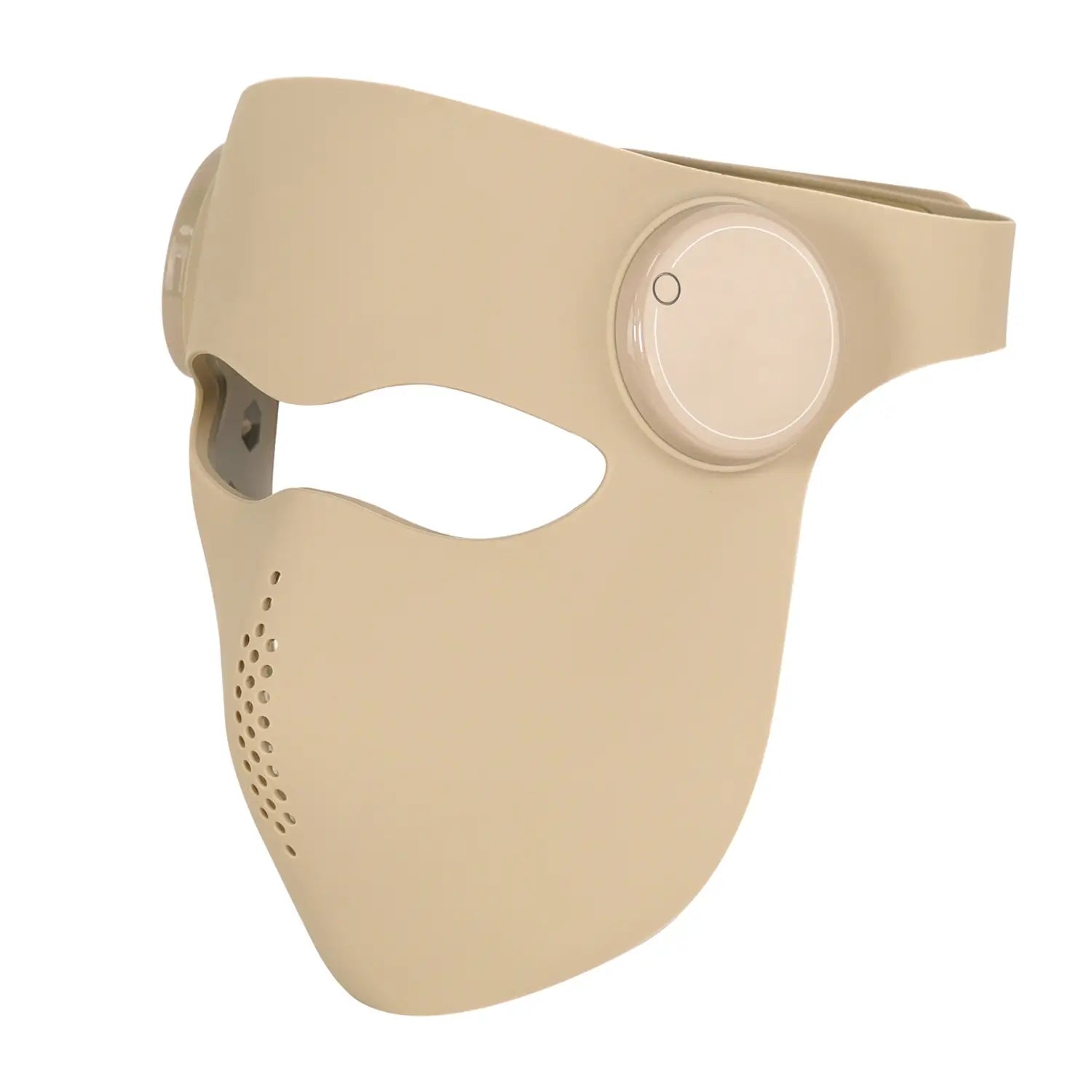
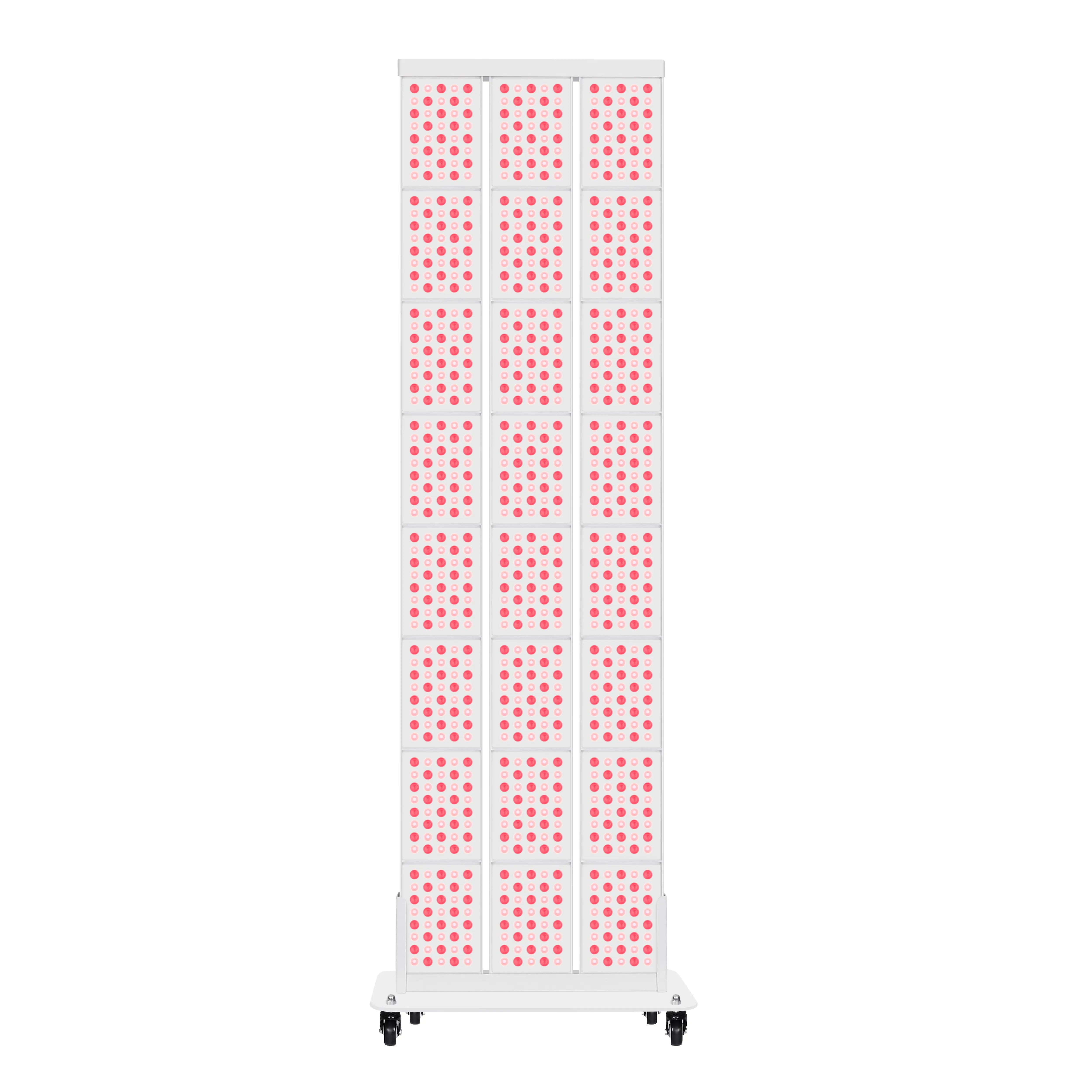
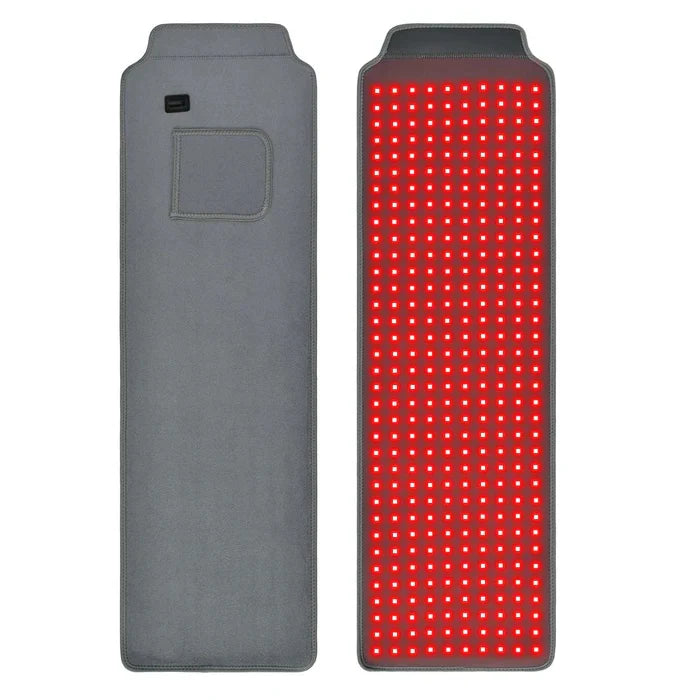

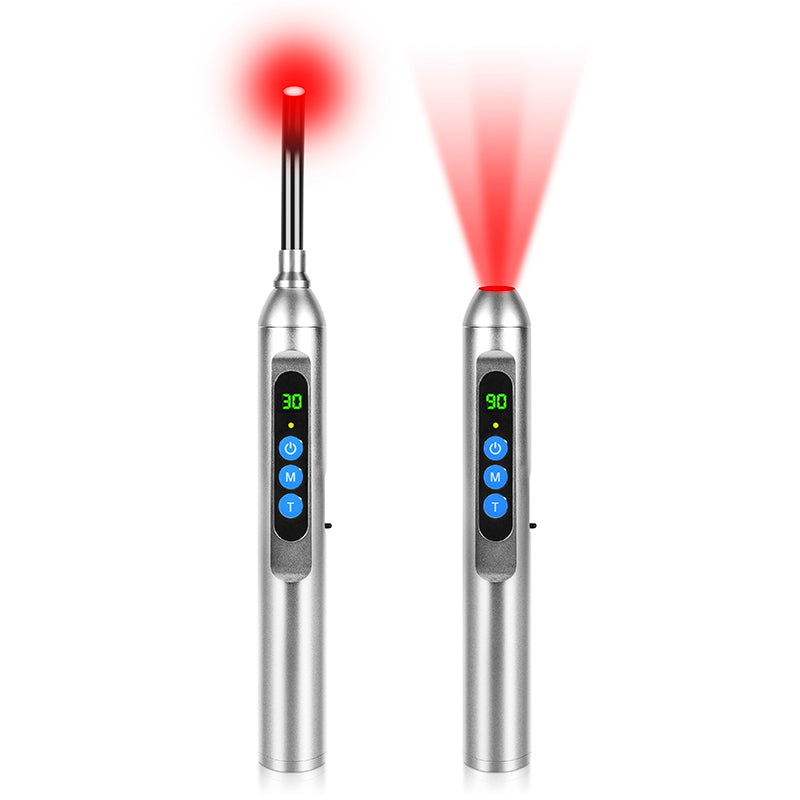

A lot of sleep advice centers on falling asleep quickly, yet many people have a different problem. They sleep through the night and still wake up foggy, tense, or unrefreshed. In many cases, sleep quality is the real issue. Evening light plays a major role because it helps set the body’s internal clock. When nights stay bright and screen-heavy, that rhythm can stay on a daytime setting longer than it should. Red light therapy has gained attention because it may support a calmer, more sleep-friendly wind-down.
Why Sleep Quality Matters Beyond Falling Asleep Fast

Getting sleepy quickly is only one small part of a good night. Sleep also needs enough length, enough continuity, and enough depth to leave you feeling restored the next day. For most adults, that means at least seven hours on a regular basis, plus a pattern that is steady enough to support mood, focus, memory, and physical recovery. A person can spend plenty of time in bed and still feel depleted if sleep is fragmented or mistimed.
That is why people often feel stuck. They chase a faster bedtime and overlook the habits that shape the rest of the night. If your sleep is light, broken, or poorly timed, the next day usually tells the story. Morning grogginess lingers. Patience runs thin. Focus slips during routine tasks. Caffeine starts carrying too much of the load. Those signs point to a broader sleep-quality issue, not simply a bedtime problem.
Signs That Sleep Quality Needs Attention
A few clues come up often:
- You wake up several times and fully notice it
- You sleep long enough but still feel drained
- Your first hour in the morning feels heavy and unfocused
- Quiet tasks make you sleepy during the day
- Your mind stays active late at night even when your body feels tired
This is one reason interest in red light therapy for sleep keeps growing. People are looking for practical ways to support deeper recovery, not simply a quicker lights-out moment.
How Light Exposure Influences Nighttime Recovery

The body runs on a daily timing system that responds strongly to light and darkness. Dimmer evenings help the body move toward its nighttime state. Bright light pushes in the opposite direction, especially when it comes from screens, overhead LEDs, and cool-toned bulbs. That late light can delay natural sleepiness and blur the signal that the day is winding down. Electronic light at night can also confuse the body clock, which helps explain why modern evenings can feel mentally active long after sunset.
Color matters too. Short-wavelength, blue-rich light has the strongest effect on melatonin suppression during the evening. Red light has a much smaller circadian effect in comparison, particularly at lower intensities. That does not make red light a guaranteed sleep solution. It does make it easier to fit into a bedtime routine without sending the same alerting signal that blue-heavy light can send.
Why Evening Light Habits Shape the Whole Night
The final part of the day acts like a runway into sleep. If that runway is filled with messages, bright light, scrolling, and stimulation, the nervous system keeps receiving cues linked to action and attention. If the runway is quieter and dimmer, the body has a better chance to slide into sleep on schedule. That is where many red light therapy sleep benefits seem most relevant. The value often comes from improving the light environment that leads into bed.
What Red Light Therapy May Support Before Bedtime
The strongest case for red light therapy before bed is simple and realistic. It may support a calmer transition into the evening because it places less pressure on the body’s nighttime rhythm than blue-rich light. Research comparing red and blue LED exposure has found stronger melatonin suppression with blue light, especially during longer exposure. That fits what sleep scientists have seen for years. Blue-heavy light is more likely to push the body toward alertness at a time when most people need the opposite.
There is also some direct research on red light therapy for sleep, though it remains limited. One small study in elite female basketball players found better sleep quality and higher melatonin levels after two weeks of whole-body red light exposure. That result is encouraging, though it came from a narrow group and should not be treated as a universal promise. Current evidence suggests potential value, while leaving plenty of room for individual differences in timing, intensity, and response.
A Useful Mindset for Expectations
In practical terms, red light therapy often changes the feel of the room first. The light is softer. Your eyes receive fewer harsh cues. Quiet activities such as reading, stretching, journaling, or skin care feel easier to continue without dragging bright light through the whole wind-down period. That shift alone can be helpful for people who feel wired at night. The best expectations are modest and steady. Think support, rhythm, and repeatability.
How to Use Red Light Therapy Without Disrupting Sleep Cycles

How you use the light matters as much as the light itself. A good routine should feel calming, simple, and time-limited. Use it during the earlier part of your wind-down window, then let your bedroom get truly dark for sleep. Sleeping with any bright light on through the night can weaken the dark signal that supports healthy circadian timing.
A practical setup can look like this:
| Goal | Practical Move | Why It Helps |
| Create a reliable bedtime cue | Use the light 30 to 90 minutes before bed during quiet activities | Repetition helps the brain connect that period with winding down |
| Cut conflicting signals | Dim other room lights and reduce screen exposure after the session | Bright electronic light can delay normal evening timing |
| Protect the dark phase | Turn the red light therapy device off before sleep and keep the room dark | Darkness supports normal nighttime physiology |
| Keep the room sleep-friendly | Maintain a cool, quiet, comfortable bedroom | Physical comfort supports deeper rest |
| Build noticeable results | Repeat the same routine most nights | Stable habits strengthen circadian cues over time |
The surrounding habits still matter. Late caffeine, heavy meals close to bedtime, alcohol used as a sleep crutch, and endless phone time can all chip away at progress. If you want red light therapy sleep benefits to become noticeable, the rest of the evening has to support the same goal.
Support Deeper Rest Through Consistent Evening Habits
Red light therapy can be a useful part of a healthier evening routine. It may help create a calmer setting before bed, lower exposure to more disruptive nighttime light, and make it easier to stay consistent with sleep-friendly habits. Those benefits can support better sleep quality over time, especially when paired with a regular bedtime, a dark, quiet room, and less screen use at night. If sleep problems continue, professional medical guidance is still important.
FAQs
Q1: Is Red Light Therapy the Same as Near-Infrared Light Therapy?
No. They are related, but not the same. Red light is visible, while near-infrared is invisible and generally penetrates deeper into tissue. Many consumer devices combine both ranges, and sleep-oriented products often fall within the same wavelength bands commonly used in photobiomodulation research.
Q2: How Long Should You Try Red Light Therapy Before Deciding It Is Not Helping?
About two to four weeks is a fair trial for most people. Sleep-focused guidance commonly suggests using it consistently for around 14 days to one month before judging results. If nothing improves after that, the routine, timing, or the tool itself may not be the right fit.
Q3: Is Red Light Therapy Safe for Your Eyes?
Yes, usually, when it is used correctly and not shined directly into the eyes. Risk is generally considered low with proper use, but extra caution is important for anyone with active eye inflammation, recent eye surgery, severe light sensitivity, or other ophthalmic conditions.
Q4: Who Should Talk to a Doctor Before Trying Red Light Therapy?
Yes, some people should get medical clearance first. That includes anyone with photosensitivity disorders, migraine triggered by light, photosensitizing medications, uncontrolled eye inflammation, or recent eye surgery. These situations can increase the chance of an unwanted reaction or make home use inappropriate.
Q5: Can Red Light Therapy Replace Treatment for Insomnia?
No. Red light therapy may be a helpful wellness tool, but it should not replace evidence-based insomnia care. For chronic insomnia, cognitive behavioral therapy for insomnia remains the first-line treatment. If sleep trouble is persistent, structured clinical treatment matters more than adding another device.