
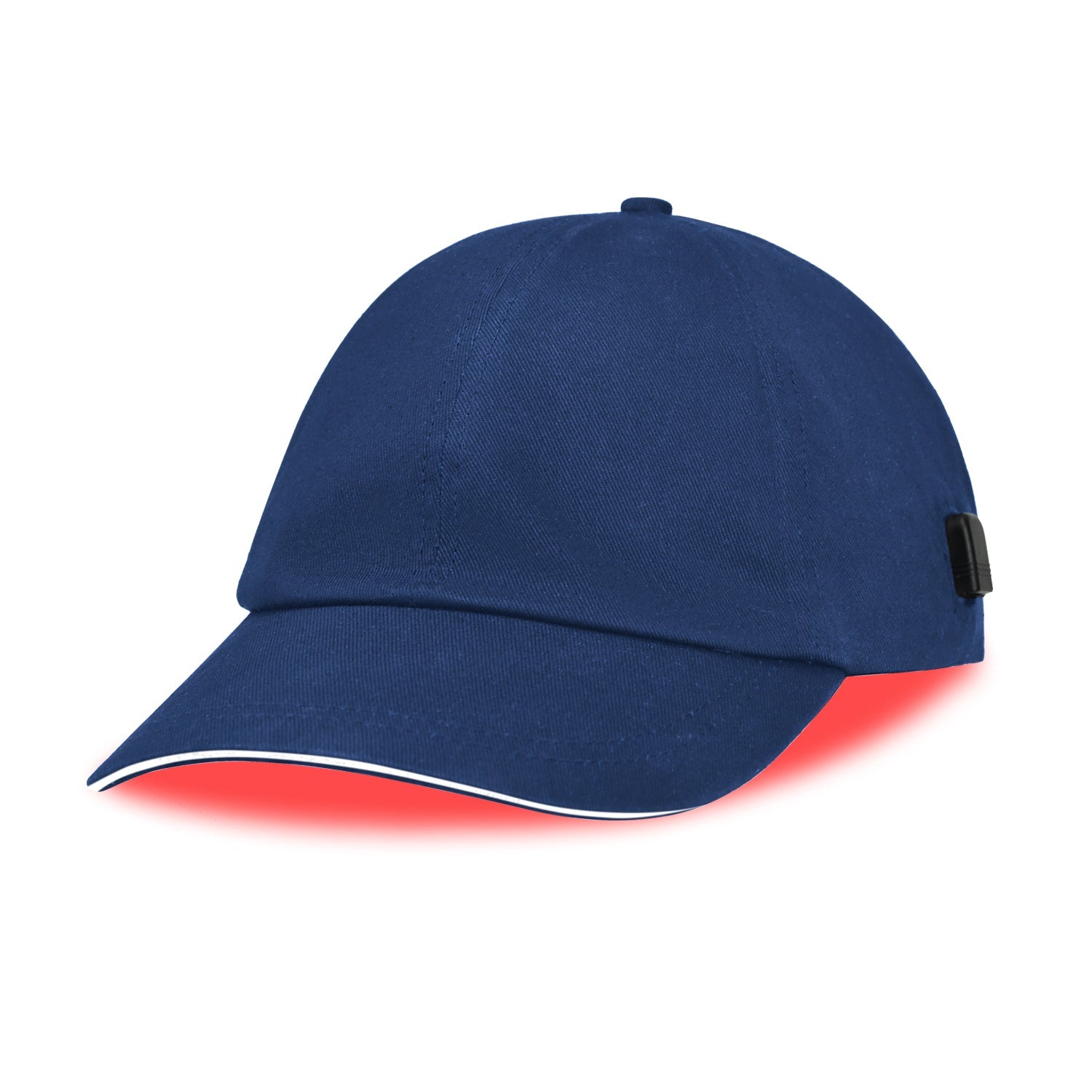
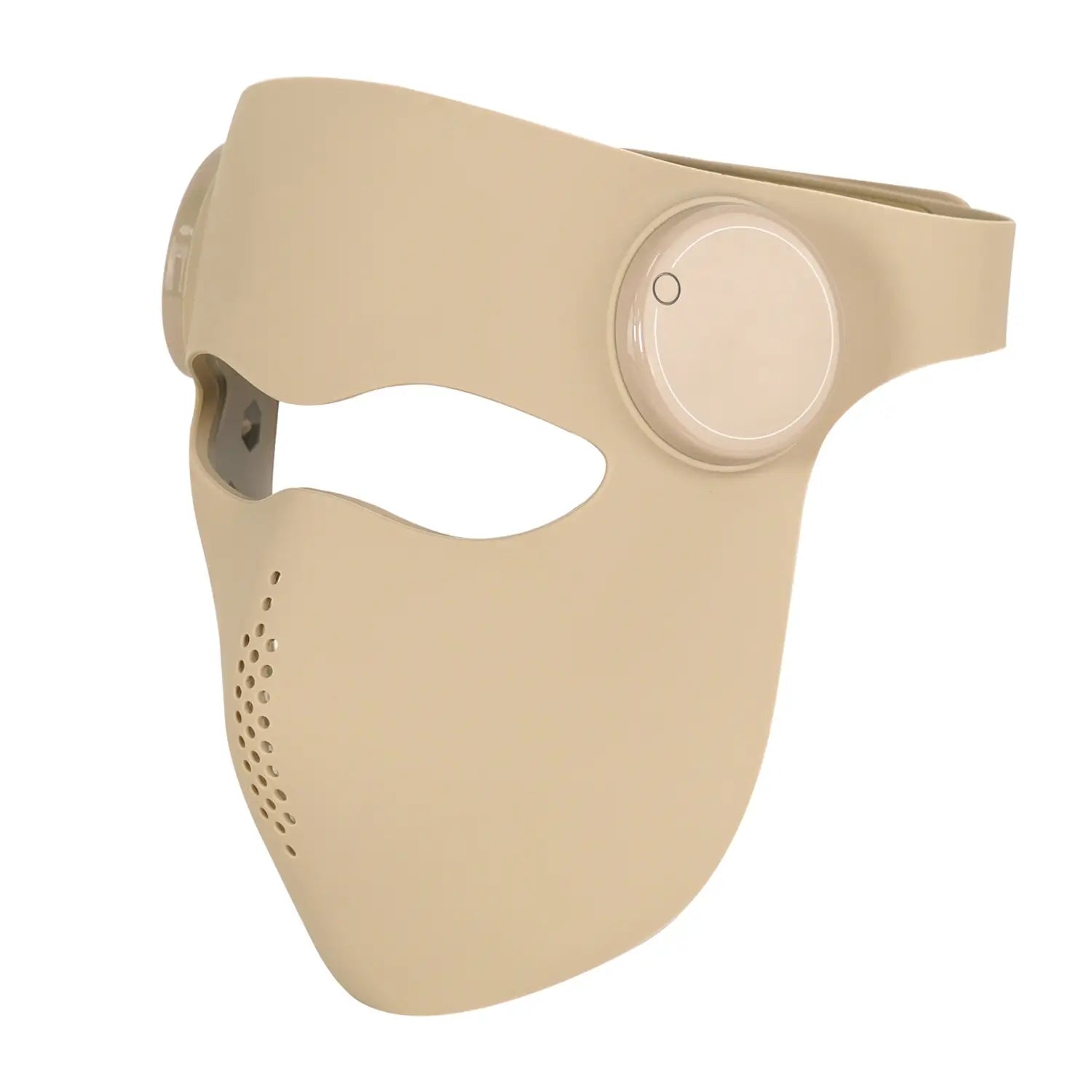
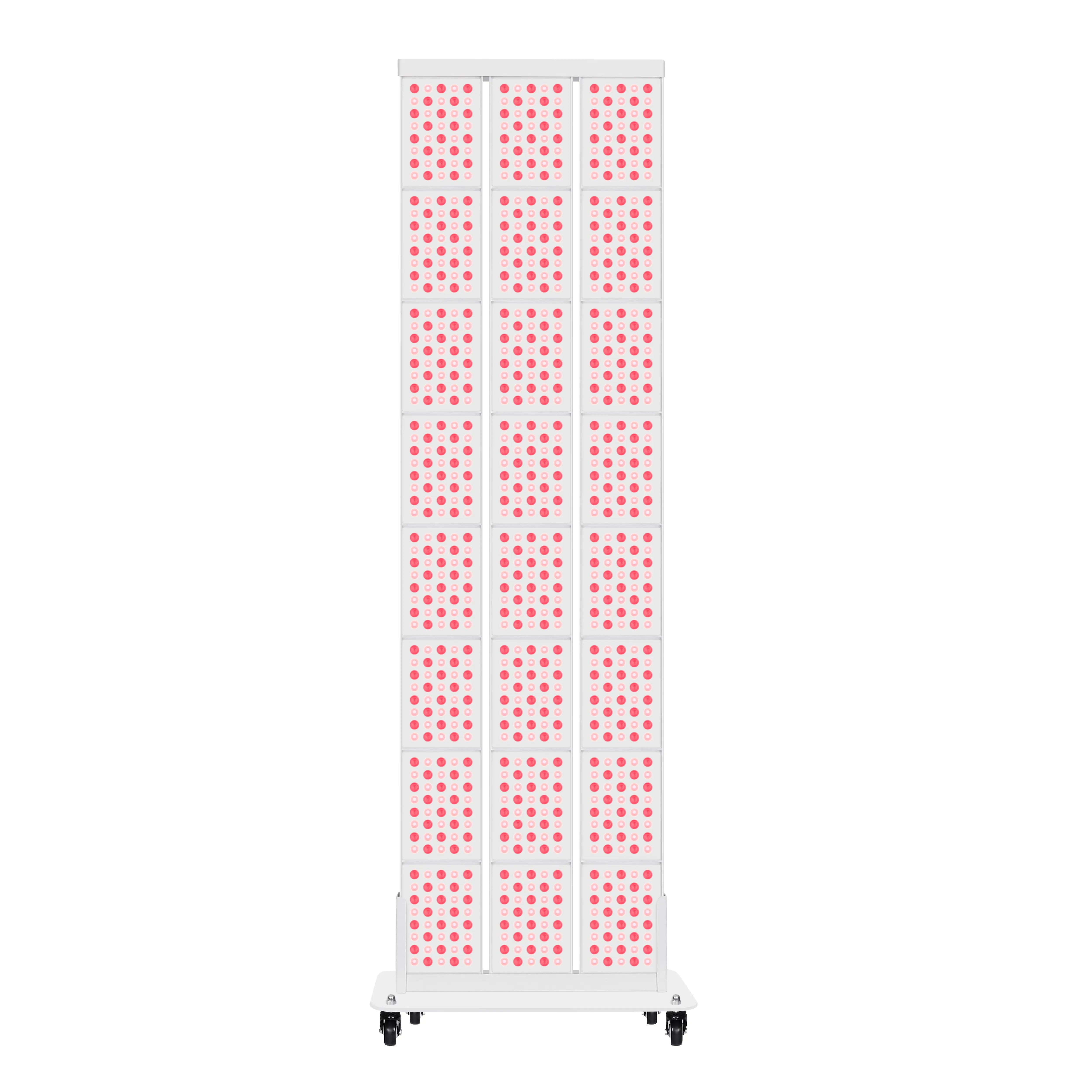

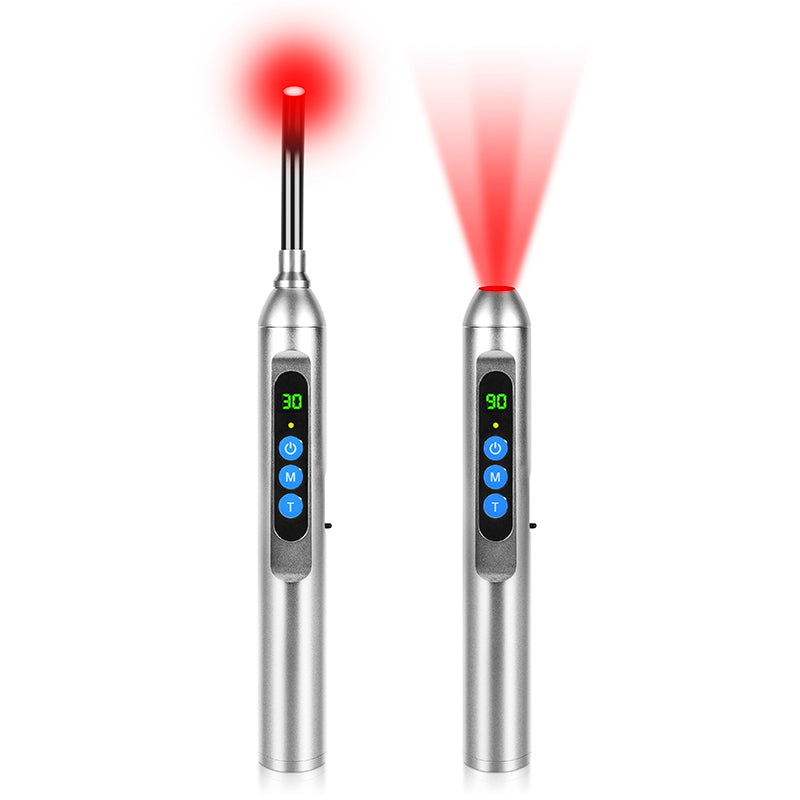

Disclaimer: The content in this article is for informational purposes only and does not constitute medical advice, diagnosis, or treatment. Red light therapy devices are general wellness products, not medical devices for treating depression or other mental health conditions. Always consult your mental health professional or primary care physician before adding new therapies to your routine, especially if you are currently taking antidepressants, have been diagnosed with clinical depression, or are experiencing suicidal thoughts. If you're in crisis, please call 988 (Suicide & Crisis Lifeline) immediately.
✨ Quick Answer
Can red light therapy help with depression and anxiety? Emerging research on transcranial photobiomodulation suggests that specific wavelengths (660nm red light and 850nm near-infrared) may support mental wellness factors such as energy, sleep quality, brain fog, and mood regulation by influencing cellular energy pathways and brain blood flow. However, it is not a cure for clinical depression, should never replace prescribed antidepressants or therapy, and is best treated as a complementary wellness tool alongside professional mental health care. Individual results for red light therapy seasonal affective disorder and treatment-resistant depression vary significantly.
📝 Key Takeaways
- Not a Replacement: Never stop or change your antidepressant medication without consulting your doctor.
- Complementary Support: Best used alongside therapy, medication, and healthy lifestyle habits—not instead of them.
- Consistency Matters: Benefits appear gradually over 2-4 weeks of daily use, not overnight.
- Individual Results Vary: What works for one person may not work for another; track your own experience carefully.
When "just getting out of bed" feels impossible
It's 7 AM. Your alarm has been going off for 20 minutes. You know you need to get up—there's work, responsibilities, people counting on you. But that invisible weight pressing down on your chest won't budge. Your body feels like it's made of lead.
"Maybe if I just sleep another hour, I'll feel better," you think. But you know that's not true. You slept 10 hours and still woke up exhausted.
This is what living with depression actually looks like. It's not just "feeling sad." It's:
- Showering feeling like running a marathon
- Reading the same paragraph five times and retaining nothing
- Texting back friends feeling like an impossible burden
- Feeling like you're watching your life through foggy glass
The National Institute of Mental Health reports that over 21 million U.S. adults experienced major depressive disorder in 2021. You're not alone in this fight.
Here's what many don't tell you: Even with therapy and medication, many people still struggle with residual symptoms—that stubborn fatigue, the brain fog that won't lift, the sleep that never feels restorative.
That's exactly why interest in red light therapy for depression and anxiety is growing. Not as a replacement for proven treatments, but as a science-informed wellness tool that may support your brain's energy systems.
How red light therapy works for depression

Red light therapy (scientifically called photobiomodulation or transcranial photobiomodulation when applied to the head) uses specific light wavelengths—660nm (red) and 850nm (near-infrared)—to interact with cells at a molecular level.
Think of it as supporting your brain’s “energy systems.”
Your brain cells contain tiny power plants called mitochondria. When red and near-infrared light reaches tissue, mitochondria can absorb photons and trigger downstream signaling that supports cellular energy balance and recovery. This process may:
- ✓ Support cellular energy production (ATP) in some studies
- ✓ Help modulate oxidative stress and inflammatory signaling
- ✓ Support neuroplasticity-related pathways (often discussed alongside BDNF)
- ✓ Influence cerebral blood flow and network activity linked to mood regulation
Why Your Brain Needs This
Research suggests that mitochondrial dysfunction may be involved in depression for some individuals. When cellular energy systems are under strain, it can affect sleep, motivation, and cognitive clarity—symptoms many people recognize as “brain fog.”
Red light therapy for brain fog and depression fatigue is often explored as a way to support these underlying energy-related pathways—not by adding chemicals to your system, but by supporting your cells’ natural processes.
Home Devices vs. Clinical Treatment
Clinical studies often use carefully controlled parameters (wavelength, dose, timing, treatment duration). Home devices like YouLumi LED panels are designed for safe daily wellness routines with lower intensity but consistent use—which matters when you’re trying to track how your sleep and energy respond over time.
Editor's Choice for Morning Routine Support: The YouLumi Portable Mini Panel (660nm + 850nm) delivers strong power density (>40 mW/cm²) in a compact format—useful for morning routines focused on energy, focus, and sleep rhythm support. If you’re exploring this alongside professional care, start conservatively and track your response.
Who it may be relevant for
Not everyone experiences depression the same way. The potential benefits of red light therapy may vary depending on your specific situation.
Is this for you?
| Best Fit | Caution | Talk to a Clinician First |
|---|---|---|
| Mild to Moderate Depression: Those experiencing persistent low mood, fatigue, or brain fog alongside standard treatment. | Light Sensitivity: If you're prone to migraines triggered by light or have photosensitive conditions. | Severe Depression: If experiencing suicidal thoughts, severe impairment, or crisis—seek immediate professional help first. |
| Medication-Resistant Cases: People who haven't found full relief from antidepressants and are looking for adjunct wellness routines. | Bipolar Disorder: Morning light exposure can trigger manic episodes in some cases; use with extreme caution. | On Multiple Medications: Discuss with your prescriber, as changes in sleep/energy can affect treatment planning. |
| Sleep-Related Depression: Those whose depression worsens with poor sleep or disrupted circadian rhythm. | Recent Medication Changes: Wait 4-6 weeks after dose adjustments to avoid confusing variables. | Pregnancy/Breastfeeding: Limited research on transcranial use during pregnancy; get clearance from your OB-GYN. |
For comprehensive information on mental health, visit the National Alliance on Mental Illness (NAMI) depression resource page.
What research suggests (and what real users experience)
The scientific community is genuinely curious about photobiomodulation for mental health, but we must be clear: current research suggests potential, not guaranteed outcomes.

The Clinical Evidence
Recent reviews summarize early clinical and preclinical research suggesting that transcranial photobiomodulation may influence factors like cerebral blood flow, oxidative stress, and neuroinflammatory signaling—mechanisms that could plausibly relate to mood regulation. (The exact outcomes depend heavily on device parameters and individual differences.)
A systematic review and meta-analysis has also examined photobiomodulation and depression symptom outcomes, concluding that the current evidence base is promising but still limited—more robust trials are needed.
What This Means in Real Life: Sarah's Story
*Illustrative example (composite story) based on common user-reported patterns. Names/details changed for privacy.*
Sarah, 34, Marketing Manager:
"I'd been on Lexapro for 3 years. It kept me stable, but I still felt like I was operating at 60%. Getting to my desk by 9 AM felt heroic. My therapist suggested trying red light therapy for brain fog and depression fatigue alongside my meds.
I started with just 10 minutes every morning before checking my phone. Nothing dramatic happened the first week. But around day 12, I noticed something: I made coffee, answered emails, and got dressed—all before that usual 10 AM slump hit.
It's been 6 weeks now. I'm not 'cured'—I still have hard days. But the baseline shifted. It's like someone turned up the dimmer switch from 60% to 75%. That 15% makes showering feel doable instead of impossible."
The Pattern Across User Reports
While individual experiences vary significantly, consistent patterns emerge among people using red light therapy for seasonal depression and year-round mood support:
- Energy (Week 1-2): Subtle but noticeable improvement in morning motivation and reduced "activation energy" needed for tasks
- Sleep Quality (Week 2-3): Falling asleep easier, fewer middle-of-night wakings, feeling more rested upon waking
- Cognitive Clarity (Week 3-4): Brain fog lifting gradually, improved focus and decision-making ability
- Mood Stability (Week 4+): Less reactive to stressors, better emotional regulation, increased stress resilience
What does this mean for you? Red light therapy might support metabolic and inflammatory factors that contribute to fatigue, sleep disruption, and cognitive fog. Because those changes can influence how you feel day-to-day, keep your healthcare provider informed, especially if you’re on a stable medication plan.
For context on how photobiomodulation may interact with your routine and medications, see our guide on red light therapy and medication safety.
3 dangerous myths about red light therapy for depression
❌ Myth 1: "It cures depression in days"
Reality: There is NO quick fix for clinical depression. If you see improvements with red light therapy before and after depression tracking, they tend to emerge gradually over weeks—not instantly. Anyone promising instant results is misleading you.
❌ Myth 2: "You can stop taking antidepressants"
Reality: This is DANGEROUS. Red light therapy is complementary—not a replacement for psychiatric medication. Never change medications without your doctor's explicit guidance. For safety info, read: Red Light Therapy and Medication Safety.
❌ Myth 3: "More light = faster results"
Reality: Excessive exposure (especially evening use) can disrupt sleep and worsen mood. Start conservatively and follow device guidance. Learn proper dosing concepts here: Which Wavelength Suits You Best.
Safety first: A simple pre-check
Before starting red light therapy for mental wellness, run through this safety snapshot. If you notice any "Red Flags" during or after sessions, stop immediately and consult your healthcare provider.
Safety Snapshot: The Red Flags
- Sudden onset of racing thoughts or feeling "wired" (especially if you have bipolar disorder)
- Worsening anxiety or panic attacks after morning sessions
- Significant sleep disruption or insomnia (especially if used in evening)
- Severe headaches or eye strain during or after use
- Unexpected mood swings or emotional instability
- Any thoughts of self-harm (discontinue and call 988 immediately)
Special Considerations:
- Bipolar Disorder: Morning light exposure can trigger manic episodes. Use only under psychiatric supervision.
- Photosensitizing Medications: Some medications and supplements can increase light sensitivity (including St. John's Wort). Check with your pharmacist.
- Eye Safety: Never look directly into LED panels. Close your eyes or look away during forehead/facial sessions.
The 15-minute "first light" ritual that changed mornings
If you and your mental health provider agree it's safe to proceed, the key is creating a consistent morning ritual that supports your circadian rhythm and daily energy.

Marcus's Morning: A Real-World Protocol
*Illustrative example (composite story) based on common user-reported patterns. Names/details changed for privacy.*
Marcus, 41, Software Developer with Treatment-Resistant Depression:
"After trying four different antidepressants over two years, my psychiatrist called me 'treatment-resistant.' I wasn't suicidal, but I wasn't living either. Just... existing.
My therapist suggested red light therapy for anxiety and depression as an adjunct. Honestly, I was skeptical. But here's what worked:
6:30 AM: Alarm goes off. Instead of hitting snooze 5 times, I stumble to my living room where the red light panel is already set up.
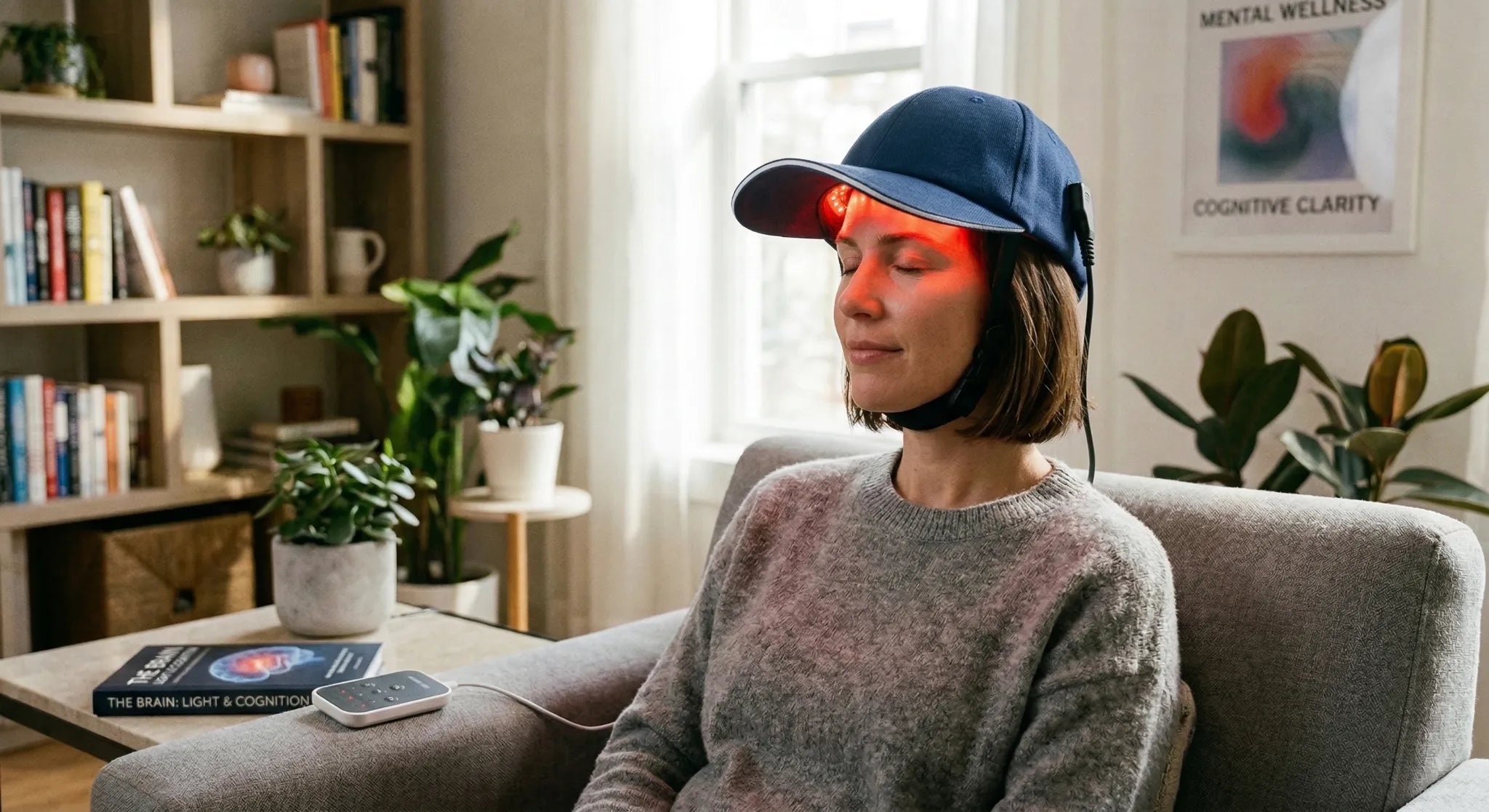
6:35 AM: Sit 10 inches from the panel. Eyes closed. 12 minutes of just... breathing. No phone. No news. No catastrophizing about the day ahead.
6:47 AM: Make coffee while still in that calm state. THEN I check my phone.
That 15-minute buffer—what my therapist calls 'the digital curfew'—changed everything. It's not that the depression disappeared. It's that I created a foundation before the world's anxiety crashed into me. Four months in, I'm still on my meds, but we've actually reduced the dose slightly under my psychiatrist's supervision. That never would have happened before."
The Science Behind Morning Timing
Why morning specifically? Light exposure early in the day is commonly used to support:
- Circadian Rhythm: Reinforces daytime signaling and healthy sleep-wake timing
- Daytime Alertness: Helps reduce grogginess and supports morning activation
- Routine Consistency: Makes tracking outcomes easier (sleep, energy, mood)
Your 2-Week Starter Plan for Red Light Therapy and Depression
This conservative approach helps you safely introduce red light therapy for treatment-resistant depression while monitoring your response.
🔆 Week 1: Tolerance & Baseline (Every Other Day)
Goal: Establish tolerance, check for adverse reactions
Time: Within 30 min of waking
Distance: 12-18 inches from panel
Duration: 5 minutes only
Key Rule: Eyes closed or looking down (never stare at LEDs)
🔆 Week 2: Daily Consistency (7 Days/Week)
Goal: Build circadian rhythm support
Time: Same time every morning (consistency matters)
Distance: 8-12 inches
Duration: Increase to 10-12 minutes
Enhancement: Add deep breathing (4-7-8 pattern)
🔆 Week 3+: The "Digital Curfew" Protocol
The Non-Negotiable Rule: Light therapy BEFORE phone
Duration: 10-15 minutes (do not exceed 20 min on head)
Pairing: Coffee, journaling, meditation—no screens
Evening Rule: Avoid head/facial exposure after 6 PM (may disrupt sleep)
💡 Pro Tip: Set up your device the night before. Reducing "activation energy" in the morning is crucial when fighting depression.
Simple Tracking: What to Monitor
For red light therapy depression before and after comparison, track these 4 key metrics daily. Screenshot this table or copy to your notes app:
| Date | Morning Energy (1-10) |
Mood (1-10) |
Sleep Quality (1-10) |
Notes |
|---|---|---|---|---|
| Week 1 | ___ | ___ | ___ | Baseline |
| Week 2 | ___ | ___ | ___ | Early changes? |
| Week 4 | ___ | ___ | ___ | Compare to week 1 |
What to look for: Gradual upward trends, not overnight transformations. If scores improve by even 1-2 points over 4 weeks, that can be meaningful for red light therapy brain fog and daily energy support.
Read more: Optimal Red Light Therapy Session Time Length
Supporting Whole-Body Recovery
Depression isn't just in your head—it affects your entire body. Many people with depression struggle with chronic fatigue, muscle tension, and disrupted sleep cycles.
Editorial Tip: If depression is affecting your sleep quality and you need systemic stress support, consider full-body red light exposure earlier in the evening (avoiding direct head exposure late in the day). The YouLumi Red Light Therapy Sleep Bag can support a calming wind-down routine to pair with sleep hygiene, which is critical for mental health recovery.
How to talk to your mental health provider
Mental health professionals appreciate when patients are proactive about their care, but they need to understand what you're trying and why. Use this script to start a productive conversation:
Copy-Paste Script for Your Doctor:
"I've been reading about red light therapy as a complementary approach for depression symptoms like low energy and disrupted sleep. I'm interested in trying a home LED device that uses 660nm and 850nm wavelengths for 10-15 minutes each morning, strictly as a wellness tool alongside my current treatment plan. Based on my history and current medications, do you see any contraindications or concerns? Should I be monitoring for any specific signs that would indicate I should stop?"
What to Bring to the Appointment:
- A list of all current medications and supplements
- Your baseline mood/energy ratings for the past two weeks
- The device specifications (wavelength, power density)
- Questions about what changes would warrant a medication adjustment
What This Article Does NOT Claim:
- We do not claim red light therapy cures clinical depression.
- We do not suggest you can stop or reduce medication without medical supervision.
- We do not claim this works for everyone—individual responses vary significantly.
- We do not claim it replaces therapy, lifestyle changes, or social support.
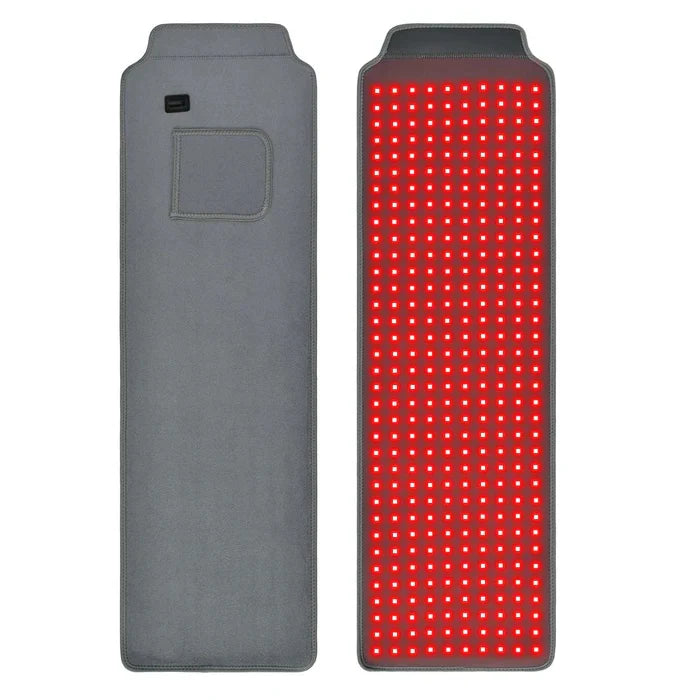
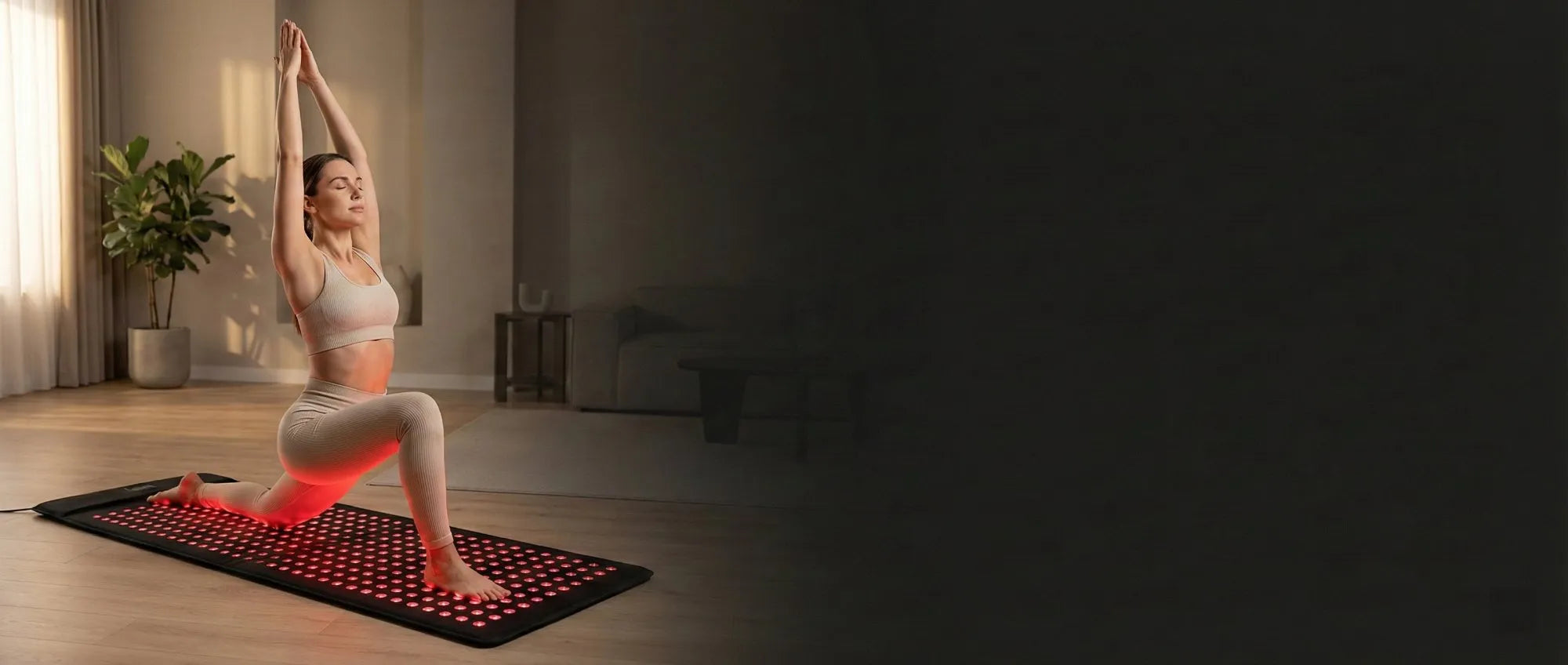
For Comprehensive Support: If you're dealing with body-wide symptoms like chronic fatigue and muscle aches that often accompany depression, the YouLumi Red Light Therapy Mat supports passive full-body recovery sessions. Simply lie down and let the wavelengths support general physical restoration—helpful for days when depression makes even sitting upright feel exhausting.
FAQ: Your questions about red light therapy for depression answered
Does red light therapy actually help with depression?
Emerging research shows promise. Studies on transcranial photobiomodulation for depression indicate it may help by supporting mitochondrial-related pathways, influencing blood flow, and modulating oxidative stress and inflammation. However, it's a complementary tool—not a standalone treatment. Results vary, with some users reporting gradual improvements in energy and mood over 2-4 weeks.
Can red light therapy help with anxiety too?
Some users report feeling calmer and less reactive to stressors, especially when paired with consistent morning routines. The same mechanisms being studied for mood (energy pathways, inflammation modulation) may also relate to stress resilience. It should still be treated as a complementary wellness approach alongside professional care.
Can I stop my antidepressants if red light therapy works?
Absolutely not. Never discontinue psychiatric medication without your doctor's supervision. Red light therapy is not a replacement for evidence-based depression care.
How long until I see results with red light therapy for depression?
Most users tracking red light therapy depression before and after notice subtle energy improvements within 1-2 weeks, but mood changes typically take 3-4 weeks of consistent use. If you see no change after 6-8 weeks, it may not be effective for you.
What's the best time to use red light therapy for depression?
Morning (within 30-60 minutes of waking) is a common choice. It supports circadian rhythm consistency and helps you track outcomes. Avoid late evening head/face exposure if it disrupts sleep. Read more: Best Frequency Guide.
Is red light therapy safe for bipolar disorder?
Use extreme caution. Morning light exposure can trigger manic/hypomanic episodes in bipolar disorder. Only use if explicitly approved by your psychiatrist, and monitor closely for mood elevation, racing thoughts, or reduced sleep need.
Does red light therapy help seasonal affective disorder (SAD)?
SAD is strongly linked to reduced light exposure and circadian rhythm disruption. Red/NIR light may support energy pathways, but traditional bright light therapy (10,000 lux white light) has more established evidence for SAD specifically.
Can red light therapy help with brain fog from depression?
Many users report improvements in red light therapy for brain fog. By supporting cellular energy signaling, it may help with focus and mental clarity. Users typically notice this benefit in weeks 2-3 of consistent use, often before mood improvements appear.
What wavelength is best: 660nm or 850nm?
Many people use BOTH. 660nm (red) is often used for surface-level signaling, while 850nm (near-infrared) penetrates deeper. Combination devices like YouLumi's dual-wavelength panels are popular for routine use. Learn more: 850nm vs 660nm Guide.
Is it safe during pregnancy?
While red light therapy is generally considered low-risk, there's limited research on transcranial use during pregnancy. Consult both your OB-GYN and mental health provider. Read: Red Light Therapy While Pregnant.
Final word: Small shifts, not miracles
Depression doesn't ask for much from you before it takes everything. It starts with "I'll skip the gym today" and ends with "I can't remember the last time I felt like myself."
Red light therapy for depression and anxiety isn't a magic cure. It won't erase your diagnosis or make therapy unnecessary. What it might do—if you're consistent, patient, and realistic—is shift the baseline just enough.
Just enough that:
- Showering doesn't require a 30-minute mental pep talk
- You respond to that text instead of letting it haunt you for days
- Brain fog lifts enough to actually retain what you read
- Morning heaviness feels manageable instead of paralyzing
Those gains feel small when you're hoping for transformation. But when you've been in the dark long enough, even a 10% improvement in daily functioning is life-changing.
⚠️ Crisis Support:
If darkness feels overwhelming right now, if you're having thoughts of self-harm, if you can't see tomorrow—red light therapy is not what you need in this moment. Call 988 (Suicide & Crisis Lifeline) or go to your nearest emergency room. Your life is worth fighting for. Help exists.
For everyone else on the long journey of recovery:
Be patient with yourself. Track your data honestly. Keep your healthcare team in the loop. Try the 15-minute digital curfew for 4 weeks before deciding if it works.
And remember: managing depression isn't about finding one perfect solution. It's about building a toolkit of strategies that, combined, give you enough support to keep going.
Maybe red light therapy for seasonal depression, brain fog, or treatment-resistant symptoms earns a spot in that toolkit. Maybe it doesn't. Either way, you're showing up for yourself by researching options. That matters.
You deserve more than just surviving. You deserve to feel alive again.

1 comment
OXY MedPharm
The link between anxiety and chronic postoperative pain is well-documented. Mental health support is just as important as the medication itself. https://oxymedpharm.com/
The link between anxiety and chronic postoperative pain is well-documented. Mental health support is just as important as the medication itself. https://oxymedpharm.com/