
Disclaimer: The content in this article is for informational purposes only and does not constitute medical advice, diagnosis, or treatment. Red light therapy devices are general wellness products, not medical devices for treating thyroid conditions. Always consult your endocrinologist or primary care physician before adding new therapies to your routine, especially if you have thyroid nodules, hyperthyroidism, or are pregnant.
✨ Quick Answer
Red light therapy for thyroid health is an emerging area of interest, particularly for those with autoimmune hypothyroidism (Hashimoto’s). Some research suggests photobiomodulation (PBM) may help support energy levels and reduce inflammation. However, it is not a cure, should never replace medication like levothyroxine, and requires a cautious approach—especially regarding nodules or hyperthyroidism.
📝 Key Takeaways
- Not a Replacement: Never stop or change your thyroid medication without a doctor’s order.
- Autoimmune Focus: Most positive studies focus on Hashimoto’s thyroiditis, not all thyroid issues.
- Safety First: Avoid direct light on the neck if you have untreated nodules, cancer history, or hyperthyroidism (Graves’).
- Go Slow: “More” is not better; overstimulation can potentially aggravate symptoms.
Thyroid symptoms are real (and why people look for gentle options)
If you are navigating thyroid health challenges, you know that blood tests only tell half the story. Even when your TSH (Thyroid Stimulating Hormone) levels are technically "normal," you might still feel exhausted. You might be dealing with the classic "thyroid fatigue," struggling to stay warm when everyone else is comfortable, or fighting through a mental fog that makes focusing difficult.
The American Thyroid Association (ATA) notes that hypothyroidism slows down many bodily functions, which can leave you feeling drained. It is understandable why so many people look for non-invasive, gentle ways to support their body alongside their standard medical care.
We often hear from members of the chronic illness community who feel stuck between "medically stable" and "actually feeling good." This is where the interest in red light therapy for thyroid health usually begins—not as a miracle cure, but as a supportive tool for daily quality of life.
What red light therapy actually is (PBM in plain English)

Red light therapy, scientifically known as photobiomodulation (PBM) or Low-Level Light Therapy (LLLT), uses specific wavelengths of light (typically red and near-infrared) to interact with the body at a cellular level.
Think of it less like a "heat lamp" and more like photosynthesis for humans. The light penetrates the skin to reach the mitochondria—the power plants inside your cells. The theory is that by stimulating these mitochondria, cells can produce energy (ATP) more efficiently and potentially reduce oxidative stress.
Crucial Context: Home vs. Clinical
It is vital to distinguish between what you read in medical journals and what you use at home. Clinical studies often use high-powered lasers administered by doctors. Home devices use LEDs, which are generally safer and gentler but have different power outputs. While LEDs are excellent for consistency, we must be careful not to assume a home panel will perfectly replicate the results of a clinical laser study.
However, for daily support, many find the accessibility of home devices to be a game-changer for maintaining a wellness routine.
Starting Conservatively
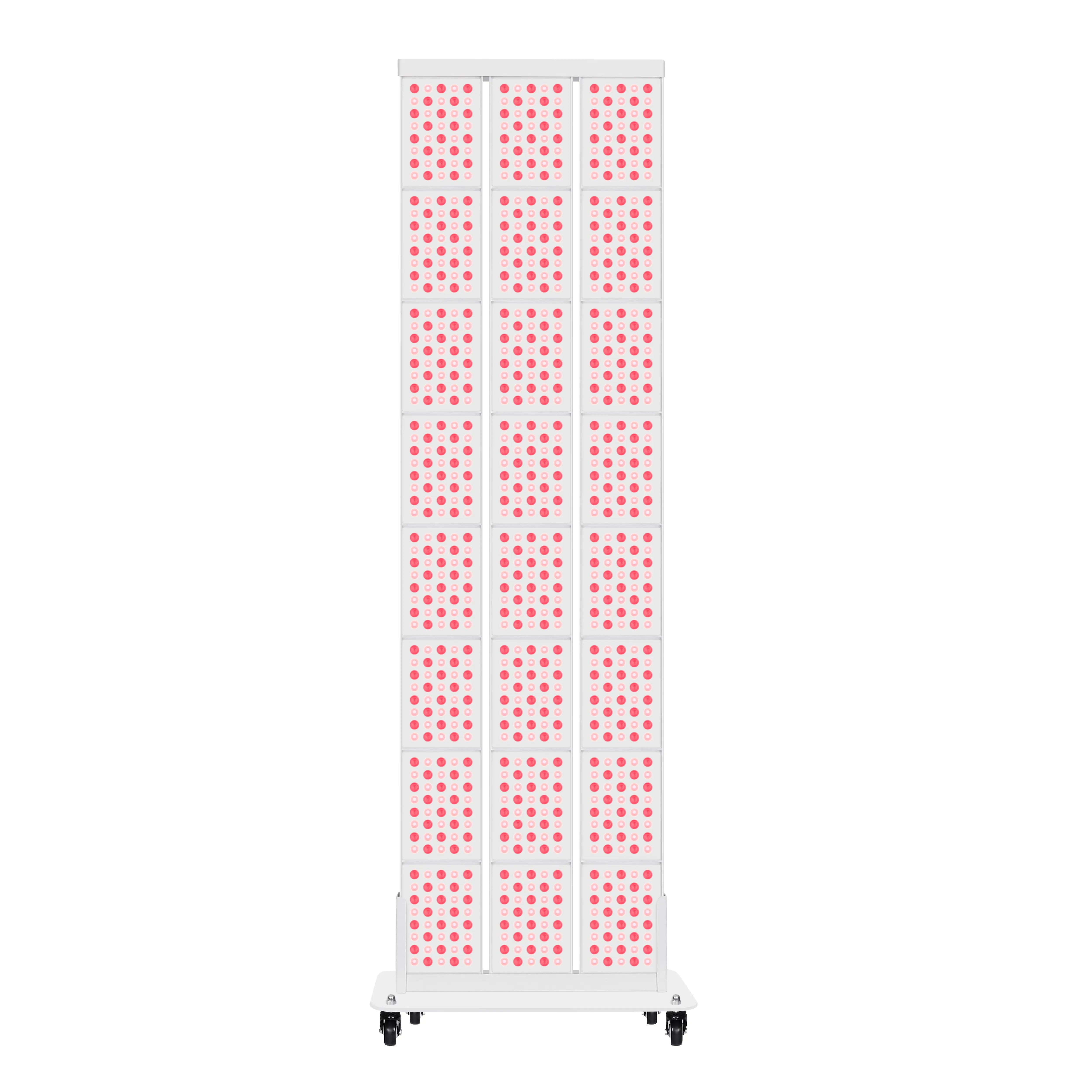
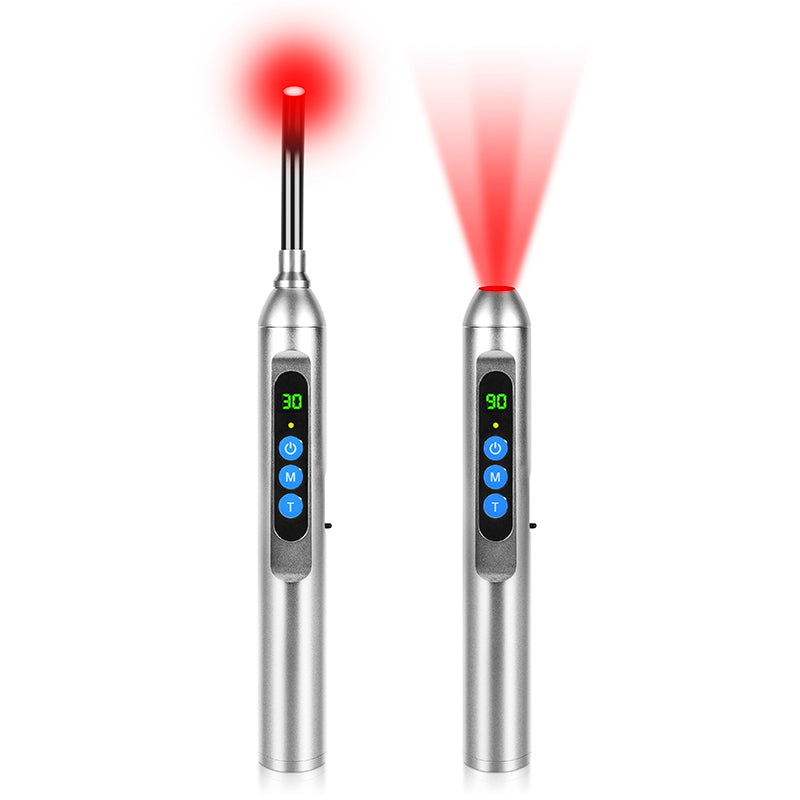
If you are looking for a device that allows you to target specific areas (like the neck or upper chest) without overwhelming your whole body, smaller, targeted panels are often the pragmatic choice.
Editor’s Choice: For targeted neck or chest applications, we recommend a compact, manageable device. The YouLumi Portable Mini Red Light Panel is designed for focused sessions, making it easier to control exposure time and distance—key factors when starting a new routine near sensitive areas.
Who it may be relevant for
Not every thyroid condition is the same. The suitability of PBM depends heavily on why your thyroid is struggling.
Is this for you?
| Best Fit | Caution | Talk to a Clinician First |
|---|---|---|
| Hashimoto’s Thyroiditis: Those with autoimmune hypothyroidism looking to support inflammation management. | Sensitive Skin/Heat Intolerance: If you flush easily or get dizzy with heat (though LEDs emit very low heat). | Hyperthyroidism / Graves’: Adding energy to an overactive gland may be risky. |
| General Hypothyroidism: People managing fatigue, cold intolerance, or brain fog alongside standard meds. | Pregnancy: While light is generally safe, no studies confirm safety specifically for thyroid stimulation during pregnancy. | Thyroid Nodules / Goiter: Do not stimulate lumps or growths without a doctor ruling out malignancy. |
| Recovery Seekers: Those needing help with sleep quality or general inflammatory support. | Recent Med Changes: If your dosage just changed, wait until you are stable to introduce variables. | Active Cancer / Tumor History: Light stimulates cell activity; avoid areas with active malignancies. |
For a deeper understanding of the autoimmune component, you can read the ATA’s brochure on Hashimoto’s Thyroiditis.
What research suggests so far
There is genuine scientific curiosity surrounding PBM and the thyroid, but the evidence is still emerging. We want to be very clear: current research suggests potential, not guaranteed cures.
A notable randomized controlled study (often cited in PBM literature, such as this review on LLLT and thyroid function) explored the effects of light therapy on patients with chronic autoimmune thyroiditis. The researchers observed that some participants experienced improved thyroid function and a reduction in TPO antibodies (markers of immune attack).
However, these studies often suggest that PBM might help regenerate thyroid tissue or modulate the immune system—but the sample sizes are usually small.
What does this mean for you?
It suggests that red light therapy might be a supportive tool for managing the inflammation associated with Hashimoto’s. However, because red light therapy interacts with your biology, it reinforces why you must keep your doctor in the loop—if your thyroid function improves, your medication needs might actually change, and only a doctor can determine that.
Biggest myths & misunderstandings
In the world of online wellness, rumors spread fast. Let’s bust the most dangerous ones regarding red light therapy for thyroid health.
Myth 1: "It dissolves thyroid nodules."
Reality: There is no standard evidence that red light shrinks nodules. In fact, if you have a nodule, stimulating it with increased cellular energy without knowing its nature (benign vs. malignant) is unwise. Thyroid nodules need evaluation by a specialist, not self-treatment.
Myth 2: "You can stop taking Levothyroxine."
Reality: This is the most dangerous myth. PBM is a complementary therapy. It does not replace the hormone T4. Stopping medication can lead to myxedema coma (severe hypothyroidism), which is life-threatening.
Myth 3: "If you have Hyperthyroidism, it balances you out."
Reality: Most PBM literature focuses on underactive thyroids (hypo). If your thyroid is already overactive (Hyperthyroidism/Graves’), stimulating it further could potentially worsen your symptoms (like heart palpitations or anxiety).
Safety first: A simple pre-check
Before you turn on a panel, run through this safety snapshot. If you notice any of these "Red Flags" during or after a session, stop immediately.
Safety Snapshot: The Red Flags
- Unexpected heart palpitations or racing heart.
- Feeling excessively "jittery" or anxious after use.
- Sudden difficulty sleeping (if used too late or too close to the head).
- Tightness or discomfort in the throat area.
- Unexplained headaches.
- Redness on the neck that lasts more than 30 minutes.
It is also important to choose the right light. Understanding which wavelength suits you best is key—generally, a combination of Red (660nm) and Near-Infrared (850nm) is used, but for the thyroid, some experts prefer sticking to Red (660nm) initially as it penetrates less deeply than NIR.
If you still want to try: A low-risk home approach
If you and your clinician agree it is safe to proceed, the golden rule is: Start Low and Slow. The neck is a sensitive area.

The 2-Week Gentle Plan
This is a non-prescription, conservative framework for introducing red light therapy.
-
Phase 1: The "Newbie" (Days 1–7)
- Goal: Tolerance check.
- Distance: Keep the device further away (12–18 inches).
- Time: Short bursts. 2–3 minutes maximum per session.
- Frequency: Every other day.
-
Phase 2: The "Steady" (Days 8–14)
- Goal: Consistency.
- Distance: Standard use (6–12 inches).
- Time: 5–8 minutes.
- Frequency: Daily or 5 times a week.
-
Phase 3: Maintenance
- If well-tolerated, maintain a 10-minute routine. Do not exceed 15-20 minutes on the thyroid area directly; more is not better.
Your Tracking Table
You cannot manage what you don't measure. Copy this into a notebook.
| Date | Session Duration | Sleep Quality (1-10) | Energy Level (1-10) | Neck Comfort | Notes (Mood, temp, etc.) |
|---|---|---|---|---|---|
| Oct 1 | 3 mins @ 12" | 6 | 4 | Normal | Felt relaxed after. |
| Oct 3 | 3 mins @ 12" | 7 | 5 | Normal | Good sleep last night. |
For more on timing, read our guide on ideal session lengths to avoid overdoing it.
Supporting Systemic Health
Sometimes, the issue isn't just the neck—it's systemic stress and lack of deep rest. Many thyroid patients struggle with insomnia. Creating a full-body "wind-down" routine can indirectly support thyroid health by lowering cortisol.
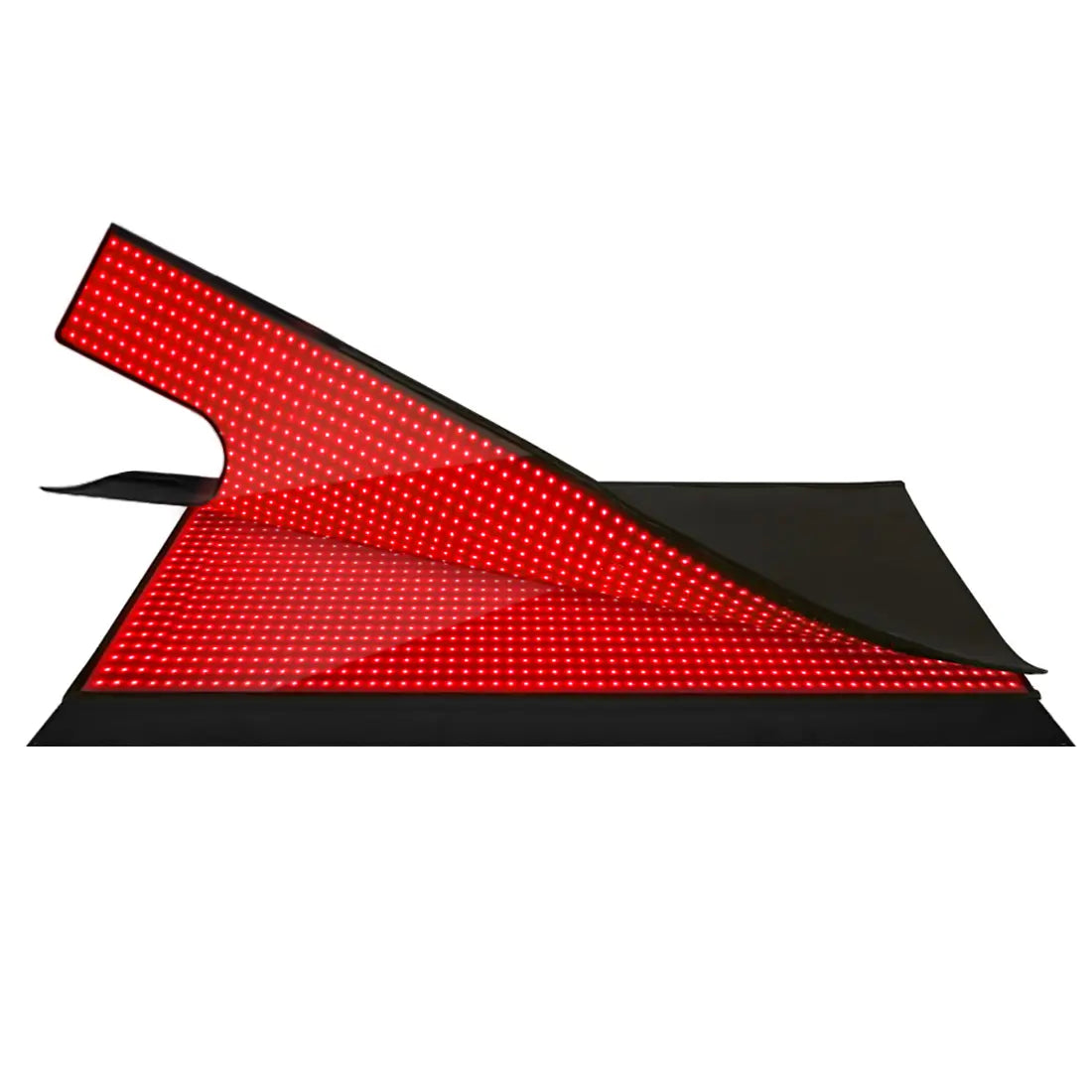
Editorial Tip: If your thyroid symptoms (like cold feet or anxiety) keep you up at night, consider whole-body comfort rather than just spot-treatment. The YouLumi Red Light Therapy Sleep Bag offers a cocoon-like environment to support better sleep cycles and stress reduction, which are critical for autoimmune management.
How to talk to your clinician
Doctors appreciate data and clear intent. Do not just ask, "Is this good?" Use this script to start a productive conversation.
Copy-Paste Script:
"I’ve been reading about supportive care for my fatigue/Hashimoto’s. I’m interested in trying a low-level red light therapy device at home, strictly as a wellness tool to help with energy and inflammation. I plan to use it for 5 minutes a day, avoiding high heat. Do I have any contraindications, like nodules or specific risks, that would make this unsafe for me?"
What this article does NOT claim:
- We do not claim red light therapy cures thyroid disease.
- We do not suggest you can stop your medication.
- We do not claim this works for every single person.
A Note on Full-Body Recovery
If you deal with the widespread body aches often associated with hypothyroidism, sometimes simply lying down and letting your muscles recover is the best medicine.
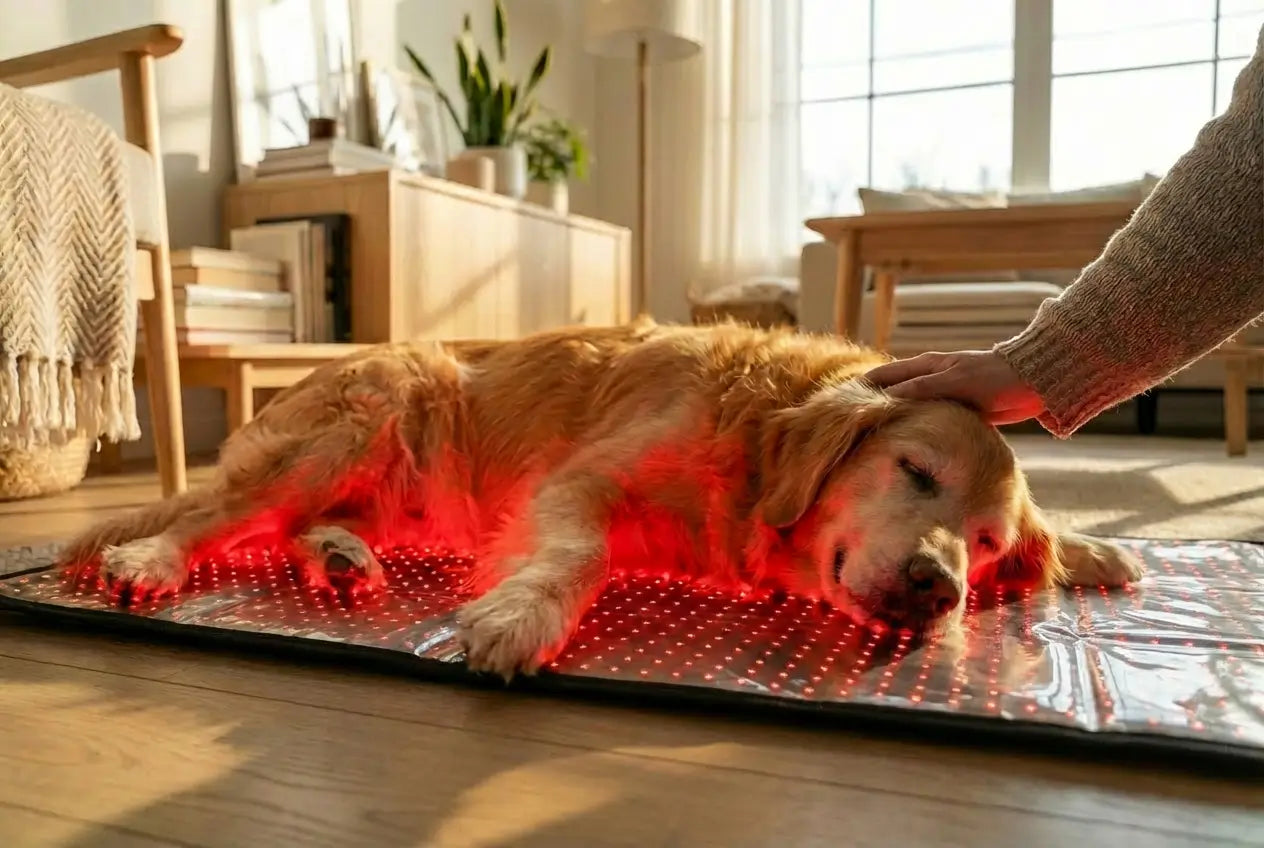
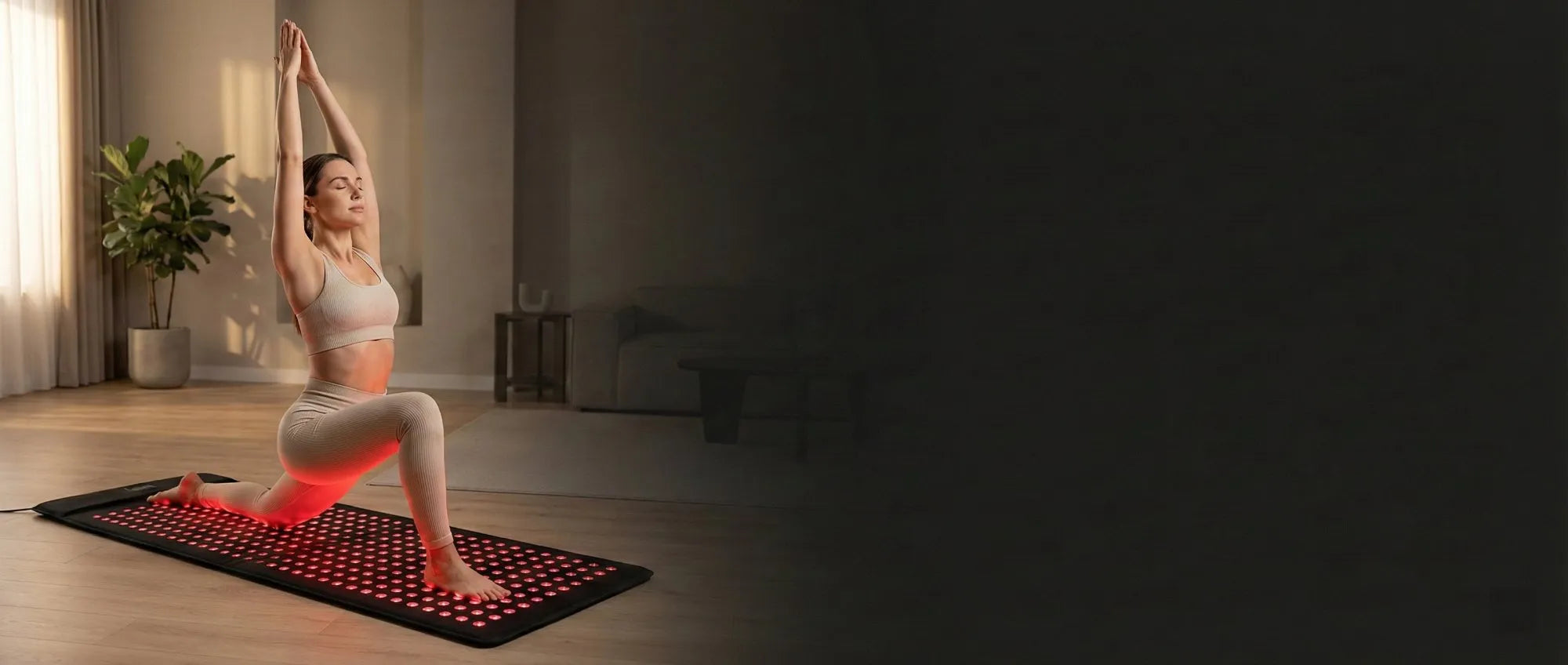
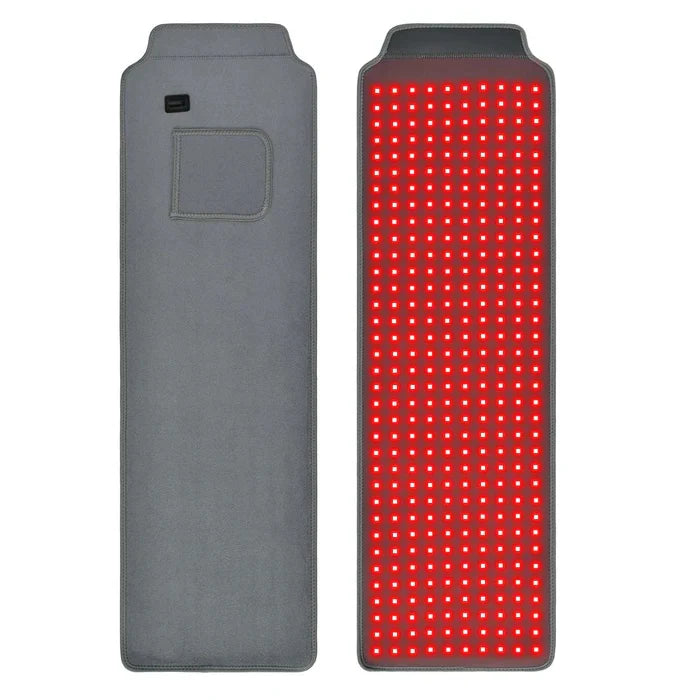
Recovery Tool: For those days when "thyroid fatigue" hits your whole body, a YouLumi Red Light Therapy Mat allows for passive, full-body relaxation. It’s a great way to support general physical recovery without needing to hold a device or sit upright.
FAQ: Common Questions on Thyroid PBM
Can red light therapy help Hashimoto’s?
Research is promising but not conclusive. Some studies suggest it may help reduce TPO antibodies and inflammation associated with Hashimoto’s, but it should be viewed as a supportive tool alongside medication, diet, and stress management, not a standalone cure.
Can it replace levothyroxine?
No. You should never stop taking prescribed hormone replacement medication. Red light therapy does not manufacture thyroid hormones; it attempts to improve the health of the cells. Always follow your doctor's dosage instructions.
Is it safe to use red light near the thyroid/neck?
For most people with simple hypothyroidism or Hashimoto’s, it appears safe when used conservatively (low heat, reasonable time limits). However, if you have nodules, goiter, or hyperthyroidism, you should avoid direct stimulation until cleared by a doctor.
What about thyroid nodules?
Thyroid nodules are common, but you should not use red light therapy over them without medical approval. There is a theoretical risk that stimulating cellular energy could stimulate the growth of undiagnosed cells.
What about hyperthyroidism or Graves’ disease?
Proceed with extreme caution or avoid it. Since PBM is stimulatory, using it on an already overactive gland could theoretically worsen symptoms like rapid heart rate or anxiety. Most experts recommend avoiding direct thyroid exposure in these cases.
Is it safe during pregnancy or breastfeeding?
While red light therapy is non-invasive, there are no specific studies confirming the safety of stimulating the thyroid gland during pregnancy. It is best to avoid the neck/thyroid area during pregnancy unless your OB-GYN approves.
I’m not diagnosed—what labs should I ask about?
If you suspect thyroid issues, MedlinePlus suggests asking for a full thyroid panel, which typically includes TSH, Free T4, Free T3, and Thyroid Antibodies (TPO and TgAb) to check for autoimmune activity.
Home devices vs. clinical PBM—what’s the difference?
Clinical treatments often use lasers (coherent light) which can penetrate deeper and have higher power density. Home devices typically use LEDs (non-coherent light). LEDs are safer for home use and cover a larger surface area but may require consistent, daily use to see cumulative benefits compared to clinical treatments.
Final Thoughts
Living with thyroid issues often means playing the long game—balancing medication, lifestyle, and patience. Red light therapy for thyroid health offers a gentle, non-invasive way to potentially support your body’s energy and recovery. By approaching it with curiosity, consistency, and a "safety-first" mindset, you can see if this tool earns a place in your wellness toolkit. Listen to your body, track your progress, and always keep your clinician on your team.