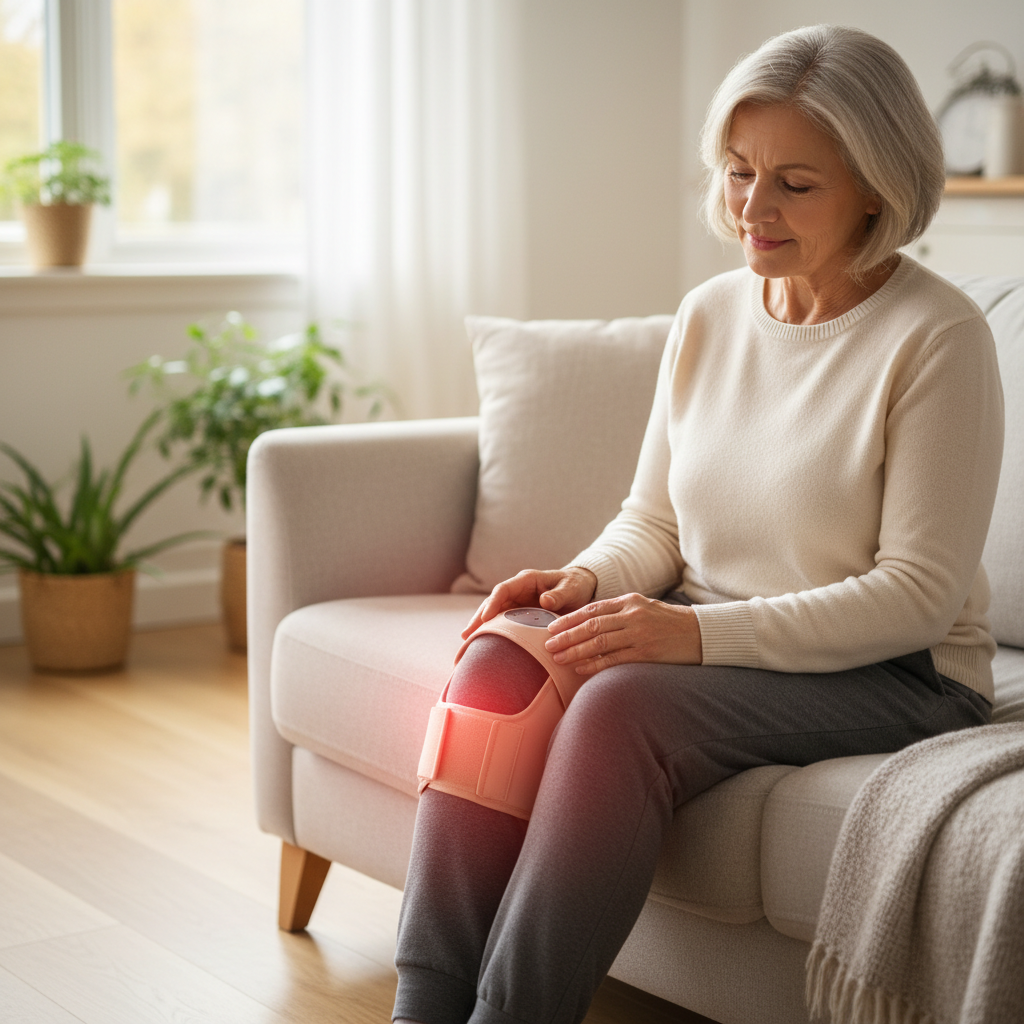
The best time for red light therapy depends heavily on your primary goal. Morning sessions are generally the safer choice for supporting circadian alignment and daytime alertness, while evening use requires more caution to avoid interfering with sleep onset.

Red light therapy, also known as photobiomodulation (PBM), delivers specific wavelengths of red and near-infrared light that many users apply to support energy, recovery, and wellness. Timing these sessions thoughtfully can help align the practice with your body's natural rhythms rather than working against them. This guide breaks down the science of light timing, practical protocols for different goals, and realistic expectations so you can decide what fits your routine.
How Light Timing Influences Your Circadian Clock
Your internal body clock is primarily regulated by light signals reaching the eyes and skin. Morning light exposure helps anchor the circadian rhythm, promoting a healthy sleep-wake cycle, while light at the wrong time—especially in the evening—can shift the clock later and make it harder to fall asleep.
As the National Institute of General Medical Sciences explains, morning light can help anchor or advance the circadian clock, supporting better alignment with natural day-night cycles. Conversely, light exposure at the wrong time can confuse the body clock and shift circadian rhythms later.
Red light (around 660nm) is generally less disruptive to melatonin production than blue light, which makes it more sleep-friendly in principle. However, any bright light close to bedtime still carries a risk of delaying sleep timing, particularly for light-sensitive individuals.

Morning Red Light Therapy: Anchoring Alertness and Energy
Using red light therapy shortly after waking can complement natural morning light and support daytime performance. Many biohackers and athletes incorporate a 10-20 minute session while preparing for the day to promote cellular energy production and reduce morning grogginess.
According to guidance from sleep experts, early morning bright light can help set the body clock and support healthier sleep timing. Morning red light therapy sessions align with this principle by providing a consistent light cue that reinforces wakefulness without the intensity of full-spectrum daylight.
Practical morning protocol:
- Session length: 10-20 minutes at a comfortable distance
- Timing: Within 1-2 hours of waking
- Target areas: Full body or face/upper body for systemic effects
- Combine with: Natural outdoor light exposure when possible
This approach is especially useful for people struggling with sluggish starts or those adjusting to new time zones. One of our related guides explores red light therapy for morning energy and the circadian reset protocol in more detail.
Evening Red Light Therapy: Relaxation and Recovery Considerations
Evening sessions can support muscle recovery after workouts or provide a gentle wind-down ritual, but they come with important caveats. The key is to finish the session at least 1-2 hours before bedtime and choose lower intensity settings to minimize any potential stimulating effect.
Research indicates that brighter evening light can push circadian and sleep timing later, especially in light-sensitive people. While red wavelengths are less problematic than blue, the overall brightness and duration still matter. Late evening light can also blunt the phase-advancing benefit gained from morning exposure.
When using red light therapy in the evening, consider these adjustments:
- Lower irradiance or shorter duration
- Focus on targeted recovery areas rather than full-body exposure
- Avoid sessions within 90 minutes of intended sleep time
- Monitor personal response for any signs of increased alertness
For travel or jet lag recovery, strategic timing becomes even more important. Our article on red light therapy for travel and jet lag provides specific east vs west protocols that build on these principles.
Morning vs Evening: A Comparison Framework
The decision between morning and evening use ultimately comes down to your main objective and current sleep quality.
Morning use is preferable when your goals include:
- Strengthening circadian alignment
- Boosting daytime energy and focus
- Supporting consistent wake times
- Recovering from jet lag in the new time zone
Evening use may be more suitable for:
- Post-workout or post-training recovery
- Targeted pain or inflammation relief at the end of the day
- Gentle relaxation routines earlier in the evening
- Users whose schedules make morning sessions impractical
A practical decision heuristic: Start with consistent morning sessions for two weeks and track your sleep and energy levels. Add evening sessions only if recovery needs are not met by morning use alone, and always keep them well before bedtime.
Illustrative Circadian Phase Shift Potential by Session Timing
Illustrative relative scale: positive values suggest phase advance/anchoring, negative values suggest phase delay. Not absolute clinical effect sizes.
View chart data
| Category | Relative phase shift potential |
|---|---|
| No therapy | 0.0 |
| Morning red light | 3.0 |
| Evening red light | -2.0 |
| Bright blue light | -4.0 |
Illustrative scale based on general light-timing research: morning light tends to advance/anchor circadian phase, evening light tends to delay it, blue light is more disruptive than red light, and this is not PBM-specific clinical trial evidence.
This chart is illustrative only and based on general light timing research rather than specific clinical measurements of red light therapy devices. It highlights directional trends to help readers understand relative effects.
Common Misjudgments and Realistic Expectations
Many users initially expect red light therapy timing to deliver a dramatic circadian reset within a few sessions. In reality, the effects are often subtle and supportive rather than transformative on their own. Treating PBM as a complete replacement for good sleep hygiene, consistent wake times, and proper light management frequently leads to disappointment.
A frequent regret is using sessions too late in the evening and then experiencing mild stimulation that delays sleep onset. Others add evening routines that increase nightly friction, leading to inconsistent use over time. If your sleep issues stem primarily from irregular schedules, heavy screen time after sunset, or shift work, red light therapy timing is unlikely to override those larger factors.
Do not rely on red light therapy timing alone if you need a strong phase shift or have clinically diagnosed sleep disorders. In those cases, consult a healthcare professional. This article discusses comfort and setup considerations only and does not constitute medical advice, diagnosis, or treatment. If you experience persistent discomfort or have existing eye conditions, please consult qualified professionals.
How to Choose the Right Timing for Your Goals
Follow this simple checklist before deciding on your protocol:
- Define your primary goal (energy/alertness, recovery, or relaxation)
- Assess your current sleep schedule and light exposure habits
- Start with morning sessions as the default for circadian support
- Track sleep quality, energy levels, and recovery markers for 1-2 weeks
- Adjust evening use only if needed and keep sessions early enough
- Maintain consistency—sporadic timing reduces potential benefits
For athletes and high performers, combining strategic timing with proper dosage is covered in our guide for pro athletes.
Device Considerations for Timed Protocols
Consistent timing is easier when your device is convenient to use. Full-body panels work well for morning routines, while portable or targeted devices may suit evening recovery sessions better.
Explore our red light therapy panel collection for versatile options suitable for both morning and evening use. The YOULUMI Red Light Therapy Panel - IPR-003 offers a balanced size for daily routines, while larger systems like the YOULUMI IRP010-05L 1500W Red Light Therapy Panel support efficient full-body morning sessions.
Those prioritizing recovery and sleep may also consider the Youlumi Red Light Therapy Sleep Bag for evening wind-down applications, used earlier in the evening.
Additional practical guidance on dosing and scheduling is available in the ultimate guide to red light therapy timing and dosage.
Building a Sustainable Routine
The most important factor is consistency rather than perfection. Choose one primary time of day that fits your lifestyle and stick with it for at least several weeks while observing how your body responds. Many users find that combining morning red light therapy with good evening light hygiene (dimming lights, reducing blue light) produces the best overall results for circadian health.
Remember that individual responses vary based on age, light sensitivity, existing sleep quality, and lifestyle factors. What works best for one person may need adjustment for another. Listen to your body and adjust timing gradually rather than making sudden large changes.
For broader biohacking strategies that incorporate red light therapy, the biohacker’s protocol hub offers additional ideas for performance and recovery optimization.
Successful circadian support with red light therapy is less about finding a single "perfect" time and more about creating a thoughtful, consistent routine that complements your overall light environment and daily schedule. Start conservatively, track your results, and refine as needed. With realistic expectations and smart timing, red light therapy can become a valuable part of your daily wellness practice.