
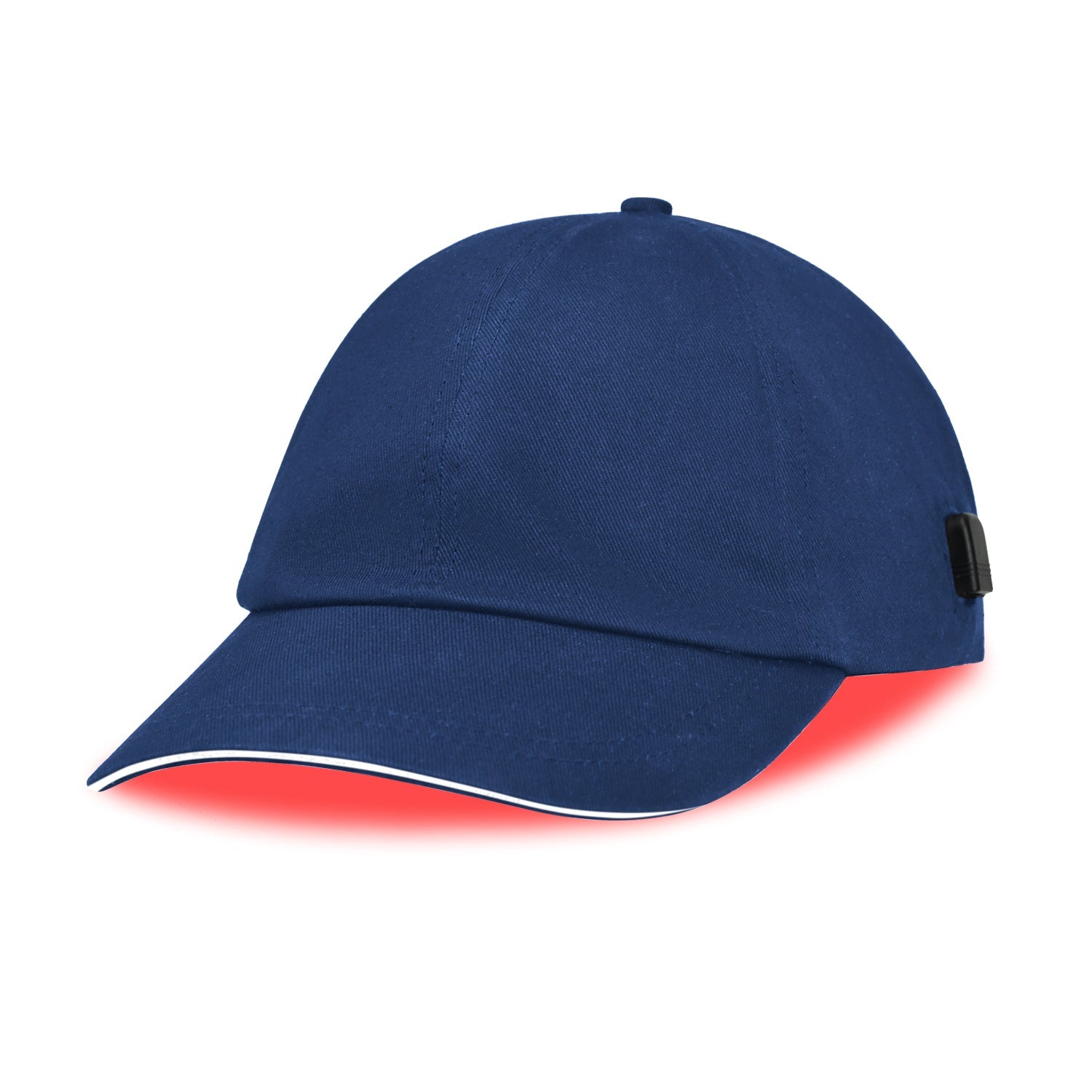
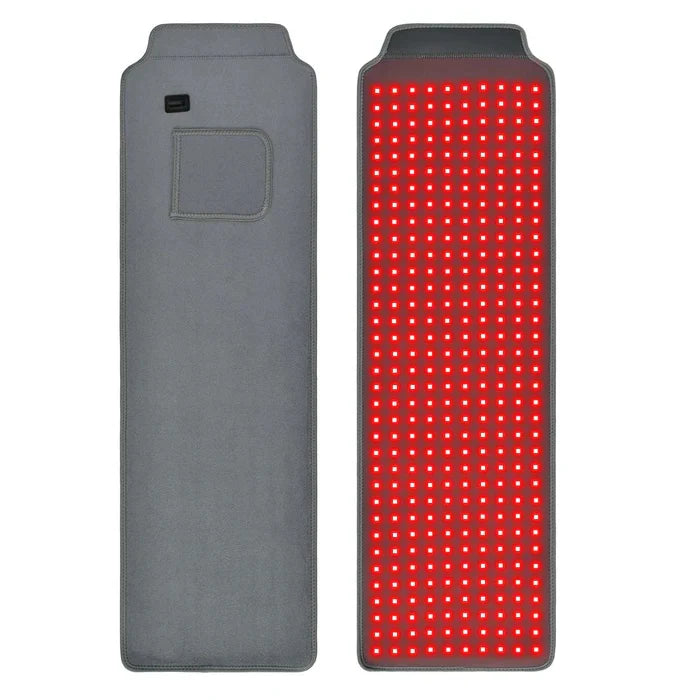

Many adults notice wrinkles, sun spots, uneven tone, and loss of firmness after years of sun exposure. Red light therapy offers a non-invasive at-home option that may support collagen production and cellular repair processes, helping improve the appearance of photoaged skin when used consistently as part of a broader skincare routine.

Red light therapy, also known as photobiomodulation, uses specific wavelengths of light to interact with cells in the skin. For those dealing with visible signs of cumulative UV damage, it has gained attention as a convenient way to potentially address some cosmetic concerns without needles or downtime. However, it is important to maintain realistic expectations: results develop gradually over weeks of regular use, and the therapy works best alongside daily sunscreen and proven topical treatments.
Understanding Photoaging and How Red Light Therapy May Help
Photoaging occurs primarily from repeated ultraviolet exposure over time, leading to breakdown of collagen and elastin fibers, increased pigmentation, and reduced skin elasticity. Sunscreen remains the foundational defense, as red light therapy is not a substitute for sun protection or medical treatment for deeper skin damage.
Research suggests that red and near-infrared light in the approximate 630 to 850 nm range can influence mitochondrial activity, which may support cellular energy production and processes related to tissue repair. This mechanism is thought to encourage collagen synthesis and modulate inflammation, potentially leading to modest improvements in skin texture, tone, and the appearance of fine lines associated with sun damage.
A review on photobiomodulation for skin rejuvenation indicates encouraging but variable results across studies for photoaged skin. Evidence quality varies, and outcomes are not uniform, so individual results depend heavily on device parameters, consistency, and overall skincare habits.
Key Wavelengths and Device Features for Skin Rejuvenation
Most at-home devices designed for skin applications rely on red light around 660 nm and near-infrared around 850 nm. These wavelengths are chosen because red light is more readily absorbed by skin cells while near-infrared penetrates slightly deeper, potentially reaching fibroblasts involved in collagen production.
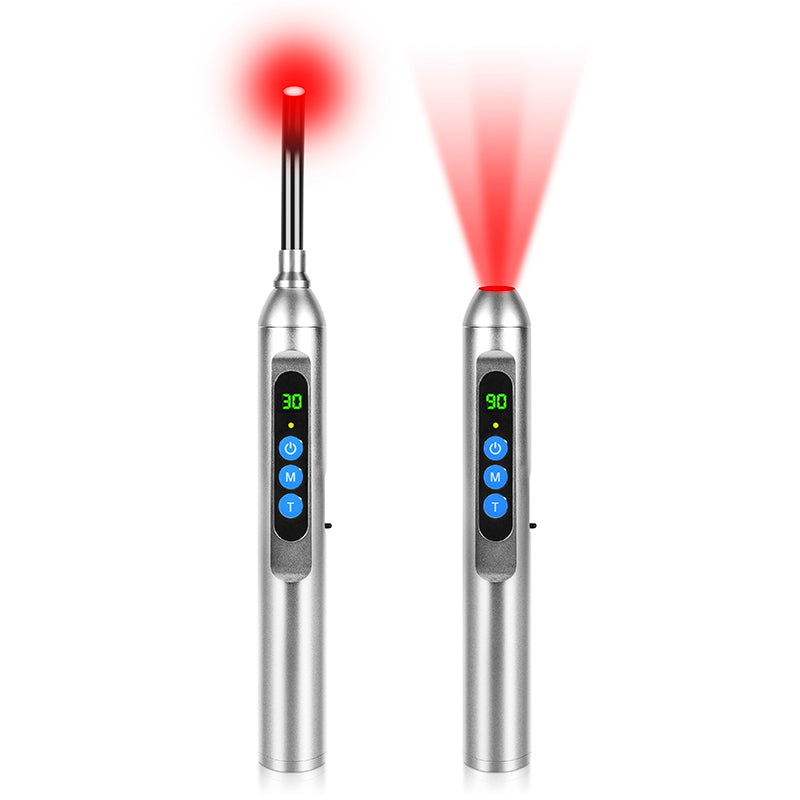
When evaluating devices, look beyond raw power claims. Irradiance (measured in mW/cm² at treatment distance), treatment area coverage, and low EMF design matter for safe, effective home use. Panels offer broader coverage suitable for face, neck, chest, and hands, while masks or compact units may suit targeted facial routines with less setup time.
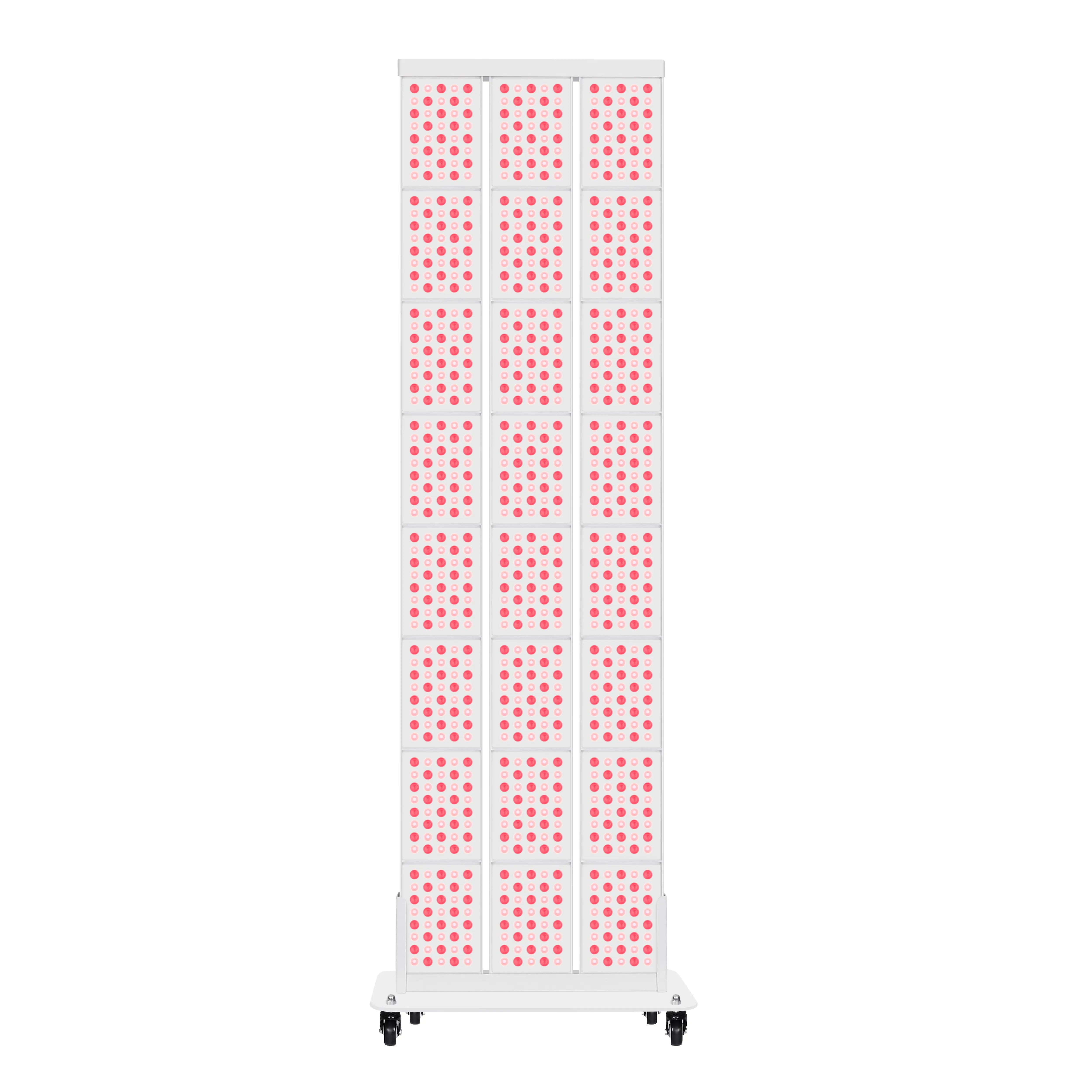
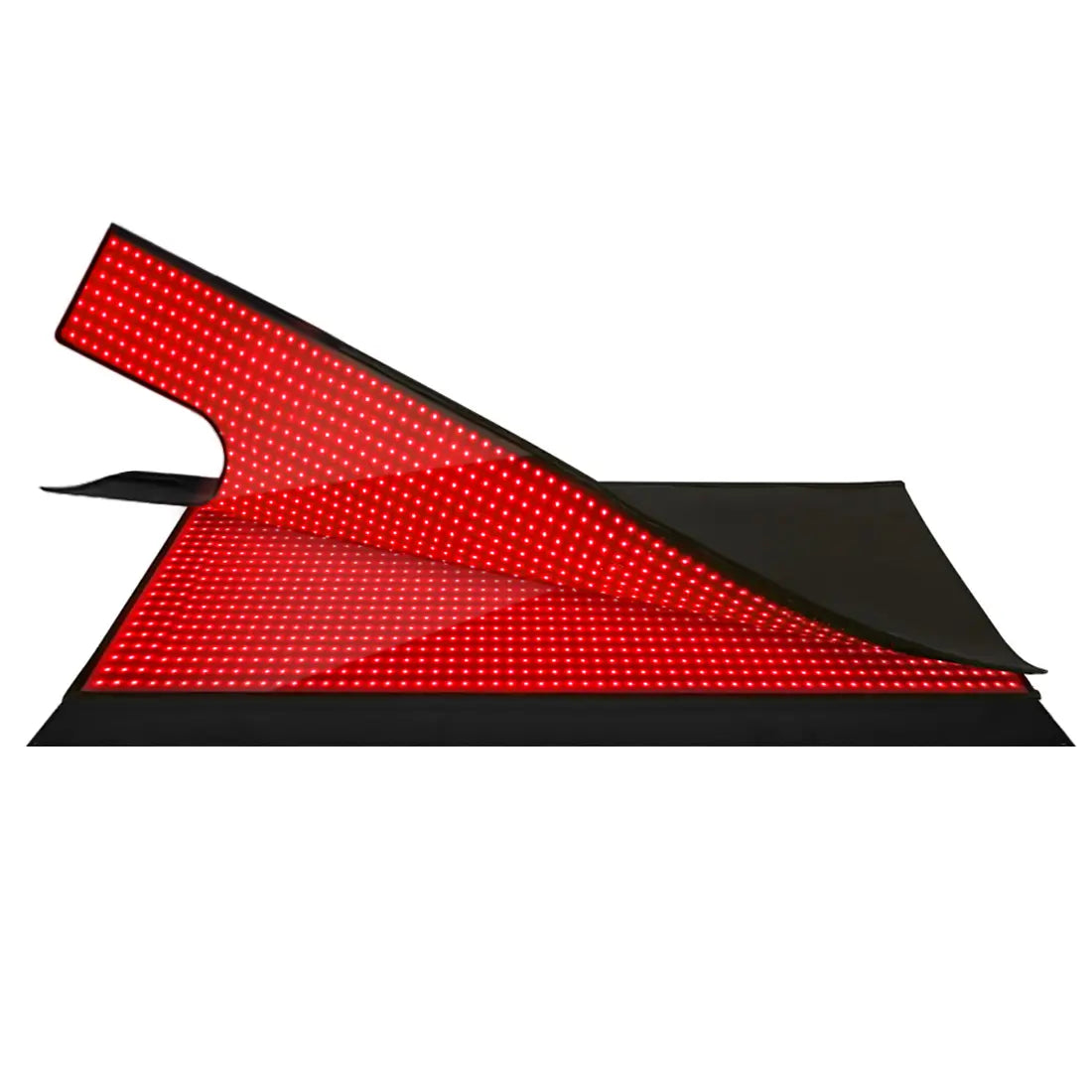
For example, the YouLumi 60W Red Light Therapy Panel provides a compact option for facial and neck treatment with dual 660nm + 850nm wavelengths. Larger full-body red light therapy panels like the 900W or 1700W models allow treatment of multiple sun-exposed areas in one session.
Always follow manufacturer guidelines on distance and session length, as exceeding recommended exposure does not necessarily improve results and may reduce comfort.
Realistic Timelines and Treatment Protocols
Visible changes from red light therapy for photoaging typically require consistent use over several weeks rather than immediate effects. Most protocols involve sessions of 10-20 minutes, 3-5 times per week, though exact recommendations vary by device.
The evidence is promising yet bounded: improvements, when they occur, tend to be gradual and best measured by overall skin feel and subtle enhancements in tone or firmness rather than complete erasure of established sun spots.
Here is a helpful overview of typical expectations:
- Weeks 1-2: Most users notice little visible difference; this is the adaptation period.
- Weeks 3-6: Some report improved skin texture or reduced redness if consistent.
- Weeks 8+: Potential for modest changes in fine lines or overall glow, provided the routine is maintained.
Consistency matters more than intensity in many cases. Skipping sessions regularly often delays or diminishes any potential benefits.

This illustrative model highlights why repeated exposure over time aligns with how cells respond to photobiomodulation. As noted in standards for photobiomodulation, dosage (Joules/cm²) follows principles like the Arndt-Schulz law where moderate, regular application is preferred over excessive use.
Choosing the Right At-Home Device for Sun Damage
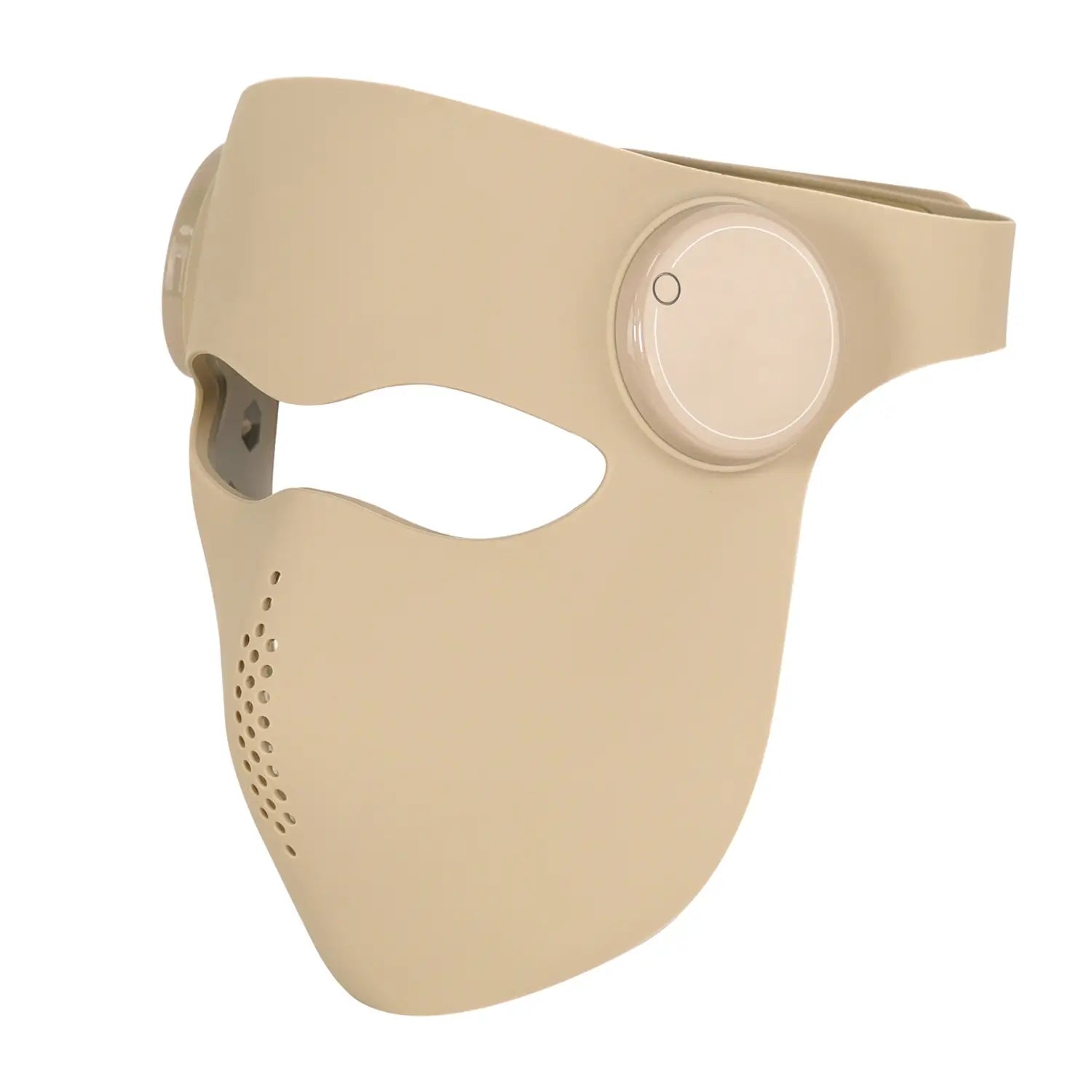
Selecting a device depends on your lifestyle and treatment goals. Busy individuals often prefer quick-setup options like red light therapy masks for facial photoaging, while those targeting neck, chest, or hands may benefit from larger panels.
Key checkpoints before buying:
- Confirm the device specifies wavelengths in the 630-850 nm range.
- Check irradiance at the actual treatment distance, not just maximum output.
- Consider coverage area relative to the zones you want to treat (face only vs. upper body).
- Verify safety features such as low EMF and flicker-free operation.
- Ensure the brand provides clear usage instructions and realistic timelines.
If you have moderate to advanced photoaging or specific concerns like melasma, consult a dermatologist first. Red light therapy serves best as an adjunct, not a replacement, for medical-grade care.
Our comprehensive guide to full-body red light therapy offers further details on systemic benefits that may complement skin-focused routines.
Comparing Red Light Therapy with Other At-Home Solutions
Red light therapy stands apart from topical retinoids, chemical peels, or microneedling because it is non-ablative and generally well-tolerated. However, topicals often deliver faster results for pigmentation while light therapy may support longer-term collagen maintenance.
For those hesitant about stronger actives that can cause irritation, red light provides a gentler daily option. It pairs particularly well with moisturizers and antioxidants in an evening routine.
That said, if your primary concern is deep wrinkles or significant hyperpigmentation, professional treatments or prescription skincare may offer more pronounced effects. Red light therapy shines in maintenance and subtle rejuvenation for mild to moderate sun damage.
Learn more about targeted approaches in red light therapy for skin conditions or boosting collagen with red light.
Safety Considerations and Best Practices
Red light therapy is generally considered safe for home use when following instructions. Eye protection is recommended for brighter panels or when treating near the eyes. Start with shorter sessions to assess skin response.
Important Safety Note: This article discusses comfort and cosmetic skincare routines only. It does not constitute medical advice, diagnosis, or treatment. Red light therapy is not intended to treat or prevent skin cancer, precancerous lesions, or severe sun damage. Continue using broad-spectrum sunscreen daily and consult a qualified dermatologist or healthcare professional if you have persistent skin concerns, existing conditions, or notice any adverse reactions.
Avoid using devices on broken skin or over active infections. Those with photosensitive conditions or taking medications that increase light sensitivity should seek medical guidance first.
Building an Effective At-Home Routine
Incorporate red light therapy into your evening skincare after cleansing but before heavier creams. Position yourself at the recommended distance, relax, and maintain consistency. Many users treat face, neck, and décolletage together for comprehensive photoaging support.
Track progress with consistent lighting photos every 4 weeks. Focus on improvements in skin smoothness and resilience rather than expecting dramatic reversal of long-term sun damage.
For full-body wellness that may indirectly support skin health through reduced inflammation, explore red light therapy sleep bags.
The YOULUMI IRP010-H06T 320W Red Light Therapy Panel and 300W targeted panel provide versatile options for home users seeking adjustable setups.
Final Thoughts on Reversing Visible Signs of Sun Damage
Red light therapy can be a valuable addition to your at-home routine for addressing the cosmetic signs of photoaging. While it may support collagen and skin repair processes, success depends on realistic goals, consistent application, and integration with sun protection and quality skincare.
Results vary by individual factors including age, extent of sun damage, and adherence. It works best for those seeking gradual, maintenance-oriented improvements rather than instant transformation. Approach it as a supportive tool within a comprehensive wellness and skincare strategy.
If you are ready to explore options, review the full range of red light therapy panels designed for effective home use. Always prioritize devices that emphasize safety standards and transparent specifications.
Remember, the most effective strategy for sun damage remains prevention through daily SPF, protective clothing, and shade. Red light therapy complements these efforts by potentially aiding skin's natural resilience and appearance over time.