
Red light therapy masks and panels both use specific wavelengths of light to support skin goals like reducing the appearance of wrinkles, helping manage acne, and encouraging collagen production. However, the better choice usually depends on your routine, the areas you want to treat, and how much consistent use you can maintain rather than which device has the highest raw numbers on paper.

Masks are designed for targeted, hands-free facial sessions, while panels offer more flexibility for the face, neck, and other areas. Understanding irradiance, coverage, treatment distance, and session practicality helps you avoid buying a device that ends up sitting unused.
Understanding Red Light Therapy for Skin
Red light therapy, also known as photobiomodulation, is a non-invasive skincare approach that uses LED lights in the red and near-infrared spectrum. These wavelengths are thought to interact with cells in ways that may reduce inflammation, support collagen production, and improve overall skin appearance.
Results depend heavily on wavelength, irradiance (light power reaching the skin), treatment distance, and how consistently you use the device. Home devices are not medical cures, and outcomes vary by individual skin type, age, and specific concerns such as acne or signs of aging.
This Harvard Health overview explains how red light therapy may help with various skin issues by potentially boosting collagen and reducing inflammation, but it stresses that benefits are not guaranteed for everyone.
For those new to the topic, our guide on what a red light therapy panel does provides foundational information on how these devices work for skin health and other wellness goals.
How Red Light Therapy Masks Work
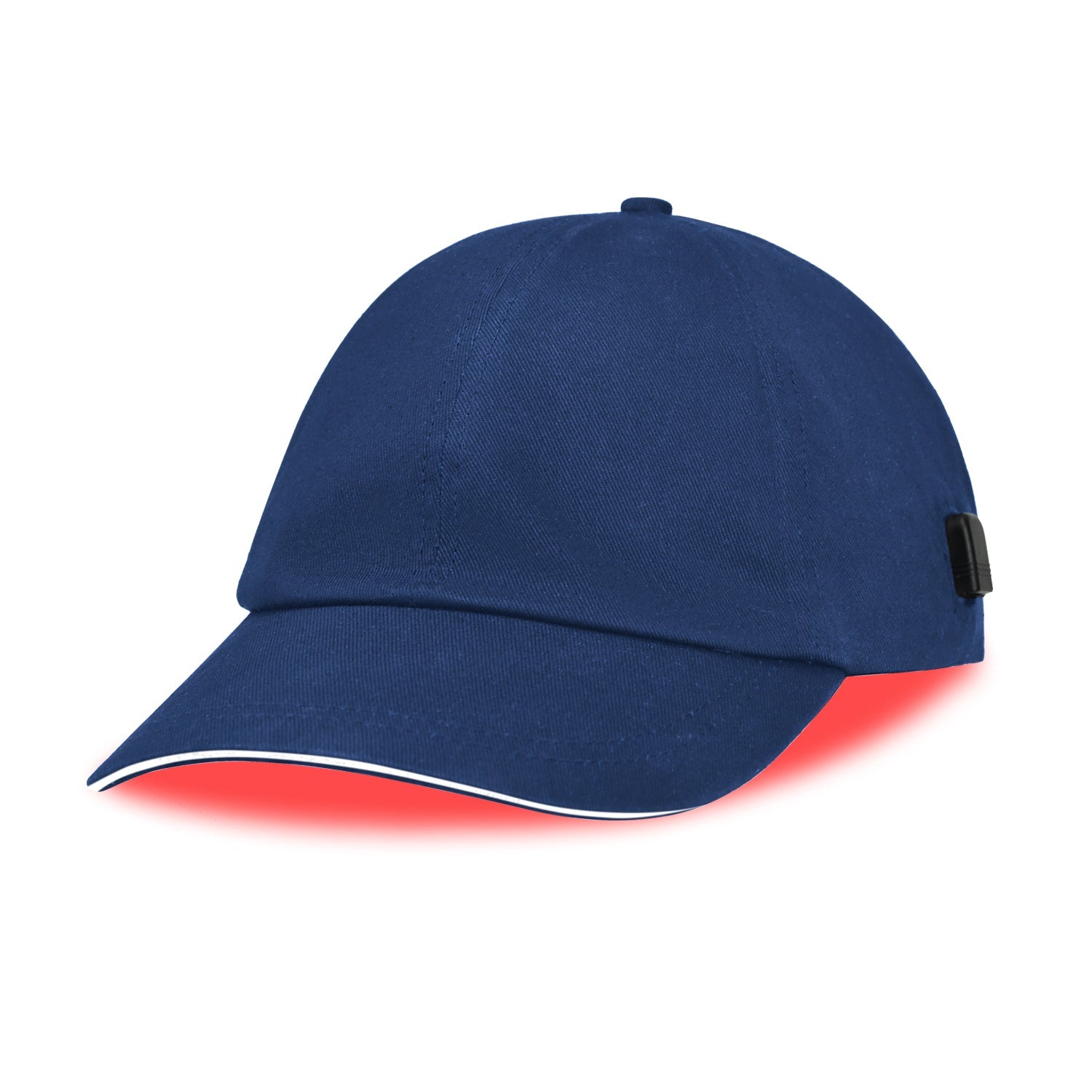
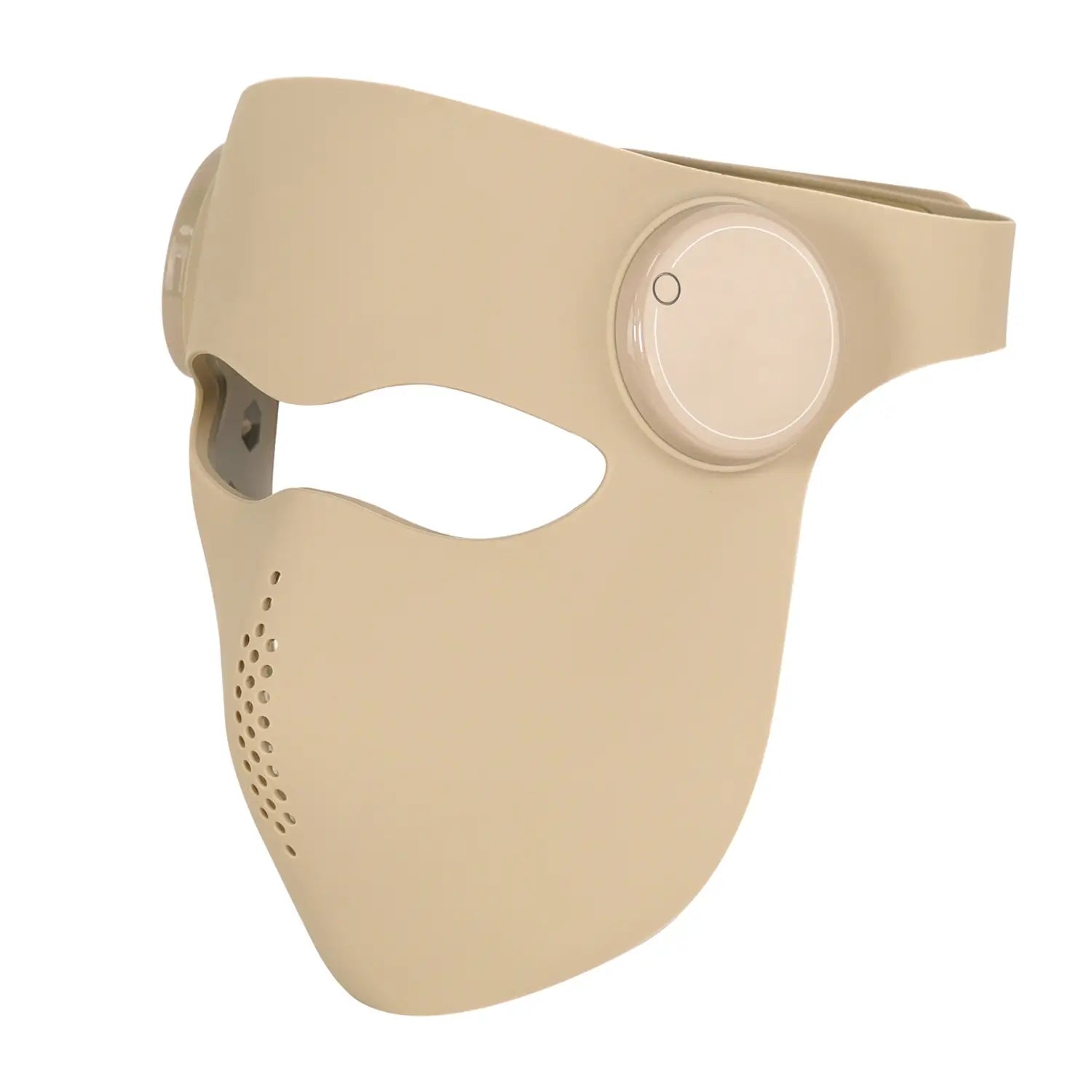
LED face masks are wearable devices that sit directly on or close to the face. They deliver light in a fixed pattern optimized for facial contours, making them convenient for short daily sessions without needing to hold anything in place.

Many masks use a combination of red light (around 630-660nm) for skin appearance and sometimes blue light for acne-related concerns. Because they are positioned close to the skin, they can deliver a consistent dose over the treated area with relatively lower power output compared to larger devices.
Masks are often praised for their hands-free design, which can make it easier to incorporate into an evening skincare routine. However, fit is important—poorly designed masks may feel uncomfortable around the eyes, nose, or cheeks, leading to shorter or skipped sessions.
A common question is whether face masks provide enough power for meaningful results. While close contact helps, the actual irradiance delivered matters. Many consumer masks are sufficient for mild cosmetic goals when used consistently, but they are generally limited to facial use only.
If you are dealing with specific concerns like blackheads or acne, this science-backed guide on red light therapy for blackheads explores how targeted wavelengths may help manage sebum and inflammation.
How Red Light Therapy Panels Work
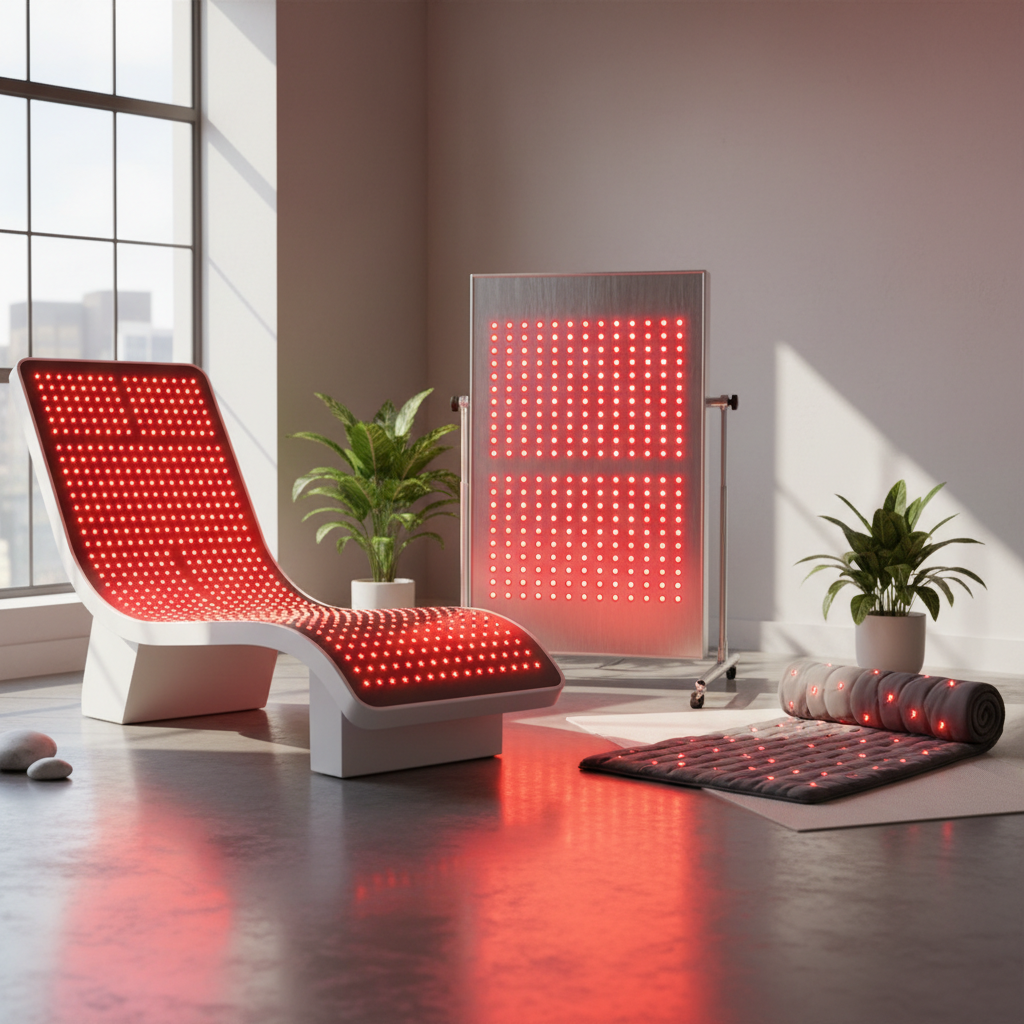
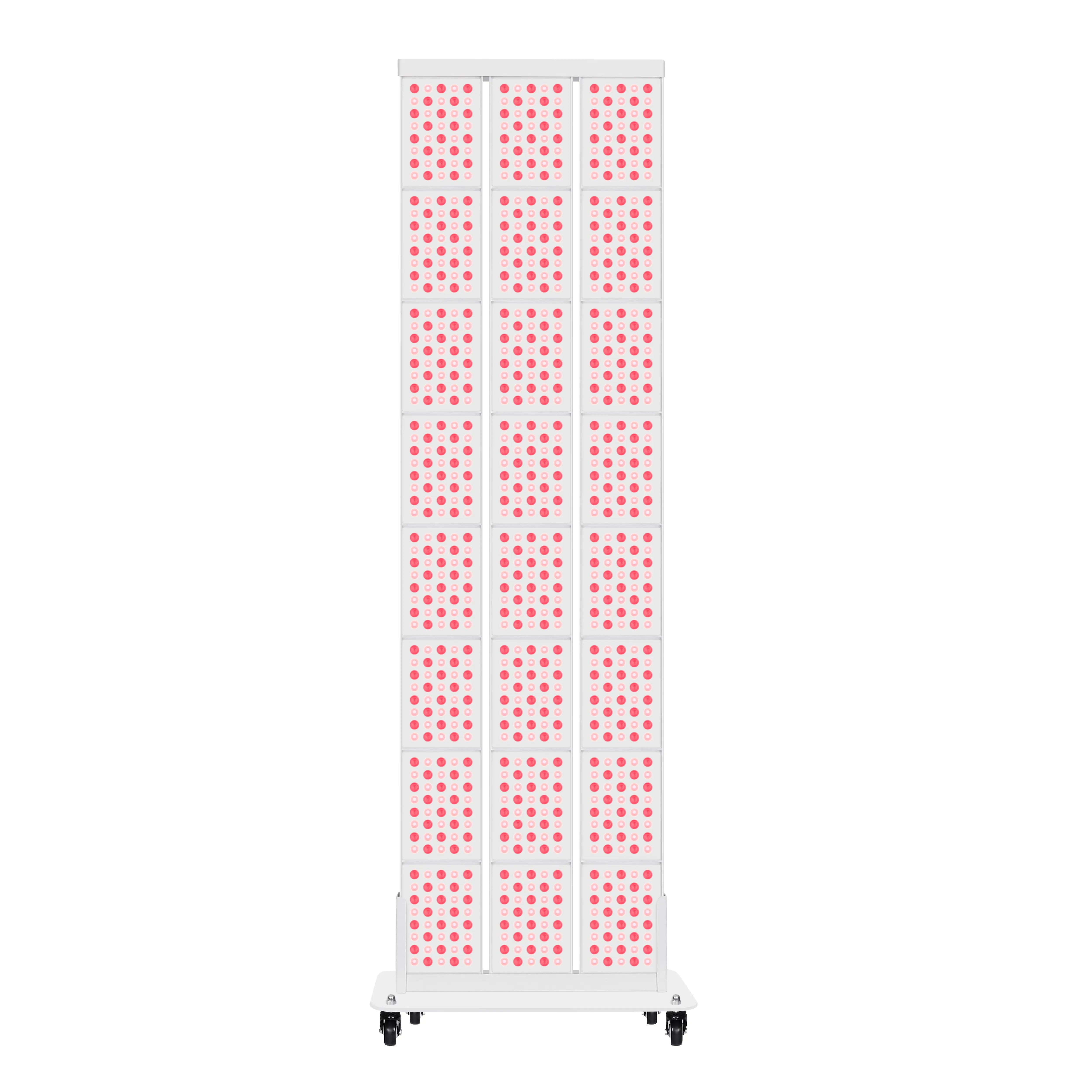
Red light therapy panels are larger, flat devices that emit light from a distance. You position them in front of your face or body, typically 6–18 inches away depending on the model and desired effect.
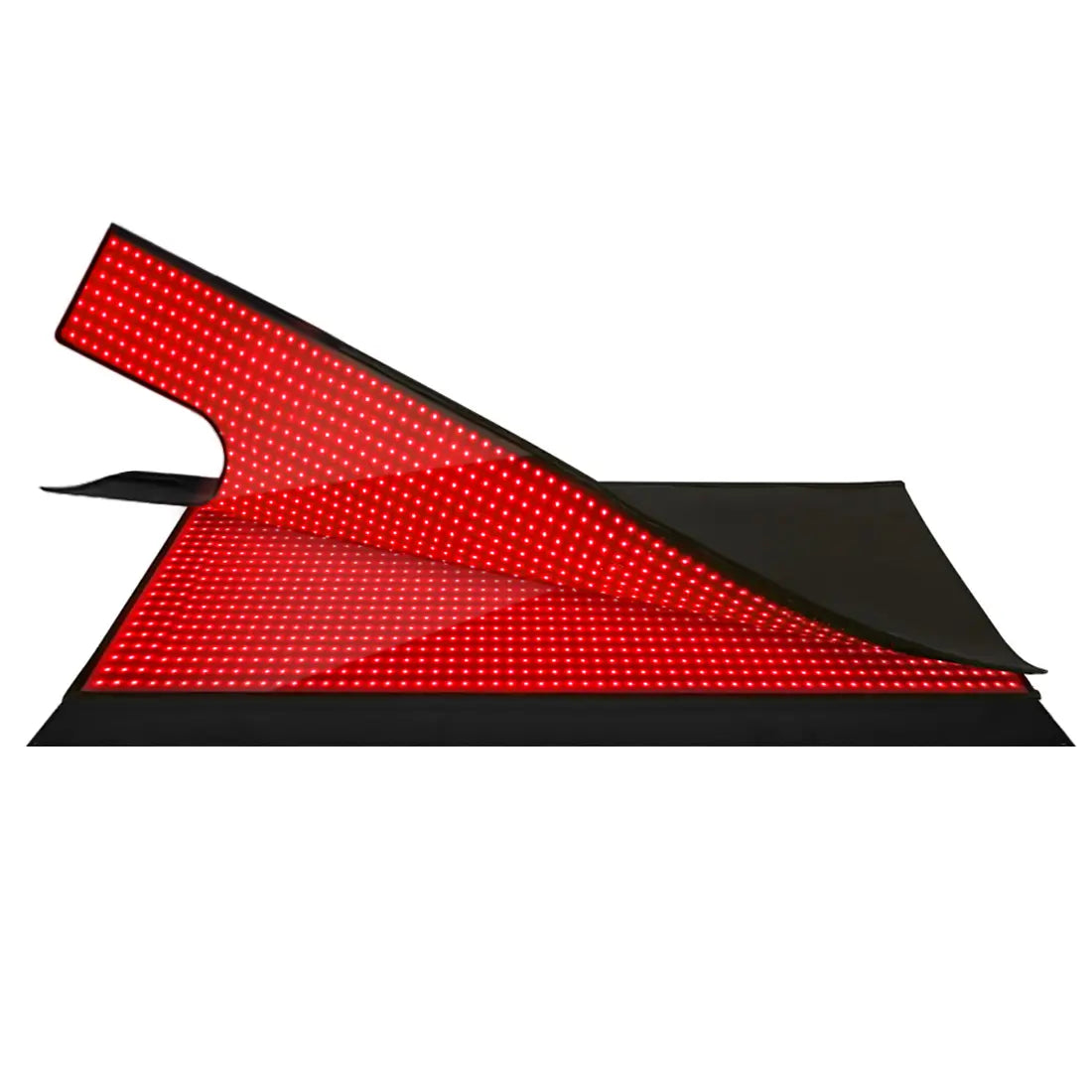
Panels usually offer higher overall irradiance and can cover more area in a single session. This makes them suitable for treating the full face, neck, chest, or even larger body areas in one go. Many panels combine 660nm red light with 850nm near-infrared for deeper tissue support.
Because you control the distance, panels allow more flexibility in adjusting the dose. Closer positioning increases intensity, while farther distances reduce it. This adjustability can be useful as your needs or skin tolerance change.
Panels tend to be more versatile for households that want one device for multiple uses. However, they often require a stand or mounting solution and may need eye protection during facial treatments, adding a small amount of setup time.
Our article on reducing neck wrinkles at home discusses how red light can be applied to delicate areas like the neck, which is often easier with a panel than a face-only mask.
Key Comparison: Masks vs Panels
When comparing red light therapy masks and panels, focus on factors that affect real-world results rather than marketing claims alone. Irradiance, coverage, convenience, cost, and versatility all play roles.
Masks generally excel in convenience for face-only routines. Their close-contact design can simplify dosing for the face, and many users find them easier to use daily. However, they are limited in coverage and may not suit people who dislike wearing devices on their face.
Panels provide broader coverage and greater flexibility. They can treat the face plus surrounding areas in one session and are often more powerful at distance. This makes them better for users who want to address multiple skin concerns across different body zones or who prefer not to wear a mask.
Treatment consistency matters more than minor differences in specs. A mask you will actually use every few days may deliver better long-term results than a powerful panel that feels inconvenient.
Here is a helpful decision aid showing relative fit for different needs:
Red Light Therapy Mask vs Panel: Buyer-Fit Decision Aid
Illustrative decision aid, not clinical evidence. Higher scores mean a stronger fit for the use case.
View chart data
| Category | Mask fit | Panel fit |
|---|---|---|
| Coverage needs | 2.0 | 5.0 |
| Convenience / hands-free | 5.0 | 3.0 |
| Treatment area flexibility | 2.0 | 5.0 |
| Cost-effectiveness for face-only use | 4.0 | 2.0 |
| Cost-effectiveness for broader use | 2.0 | 5.0 |
Heuristic buyer-fit scoring synthesized from scenario-matrix / threshold-table / reverse-recommendation logic: masks are favored for face-only convenience and hands-free routines; panels are favored for broader coverage, more flexible treatment area, and stronger value when treating beyond the face. Scores are illustrative, not measured clinical outcomes.
This chart is a heuristic tool to help visualize trade-offs. It does not represent measured clinical performance.
Common Myths About Masks and Panels
Several misconceptions circulate about which device is superior for skin.
Myth: Masks are always better for facial anti-aging because they sit closer to the skin.
Reality: Close contact is convenient, but it does not automatically produce superior collagen or wrinkle results. Consistency of use and proper wavelength delivery matter more. Some users find masks uncomfortable, which can reduce adherence.
Myth: Panels are always stronger and therefore more effective for acne and wrinkles.
Reality: Higher irradiance at distance does not guarantee better outcomes. Treatment area coverage, session length, and whether the device fits your lifestyle are equally important. A panel used inconsistently may underperform a well-used mask.
Myth: One type of device works equally well for every goal.
Reality: Masks suit dedicated face-only routines, while panels offer versatility for face plus neck, chest, or body. Choose based on your primary treatment areas rather than assuming one is universally superior.
These points highlight why evaluating your own needs is more useful than following general hype.
When to Choose a Mask
A red light therapy mask can be a reasonable choice if you want a quick, hands-free facial treatment with minimal setup. They are especially practical for people with busy schedules who prefer to relax while treating their skin.
Masks work well for those focused primarily on facial concerns such as fine lines, mild acne, or overall glow. They are often more compact and easier to store than panels.
Consider a mask if:
- Your main goal is facial skin only
- You dislike managing stands or positioning
- You want a simple addition to your bedtime routine
- Budget and space are limited
However, if you experience discomfort or poor fit, a mask may not be ideal. Always follow manufacturer guidelines for eye protection and session times.
For those combining therapies, our article on using red light therapy with tretinoin offers practical advice on safe pairing for acne and anti-aging.
When to Choose a Panel
Red light therapy panels are often the better long-term investment for users who want versatility. A single panel can treat the face, neck, and other areas, potentially saving money compared to buying separate devices.
Panels are suitable if you:
- Want to address skin concerns on the face plus neck or décolletage
- Prefer adjustable distance and coverage
- Are looking for one device that can serve multiple household members or body areas
- Value higher irradiance options for customized dosing
Panels may require more space and setup time. They are less portable than masks but more adaptable for different treatment protocols.
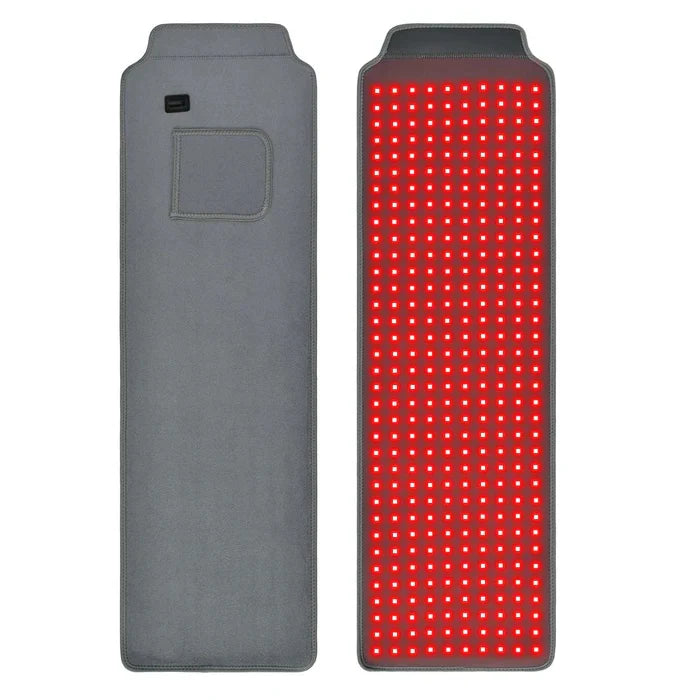
If you are interested in full-body or targeted wellness beyond the face, consider our red light therapy belt collection for complementary options that pair well with panels.
Cost-Effectiveness and Long-Term ROI
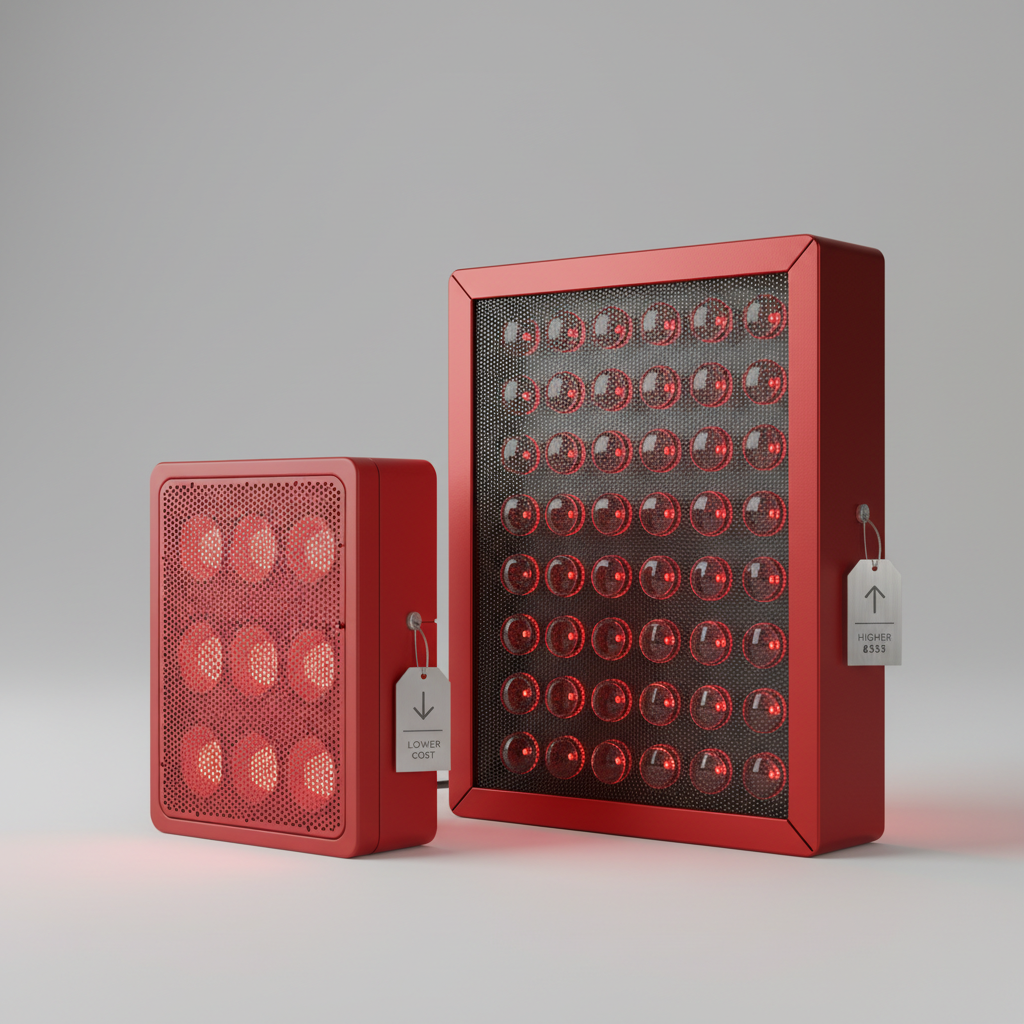
Masks often have a lower upfront cost, making them appealing for first-time users focused only on the face. However, if your needs expand, you may eventually need a second device.
Panels usually cost more initially but can offer better value over time for users treating multiple areas. The key is matching the device to your actual usage patterns rather than buying based on trends.
Evaluate ROI by asking:
- How many areas do I want to treat?
- Will I use this device 4–5 times per week?
- Do I have space for setup and storage?
The most cost-effective choice is the one you will use consistently for months or years.
Safety Considerations and Who Should Be Cautious
Red light therapy is generally considered safe for most people when used as directed. However, it is not suitable for everyone.
Avoid or consult a professional before use if you are pregnant, have photosensitivity, active skin infections, or certain medical conditions. Always protect your eyes during treatment.
This article discusses comfort and setup considerations for at-home skincare devices. It is not medical advice, diagnosis, or treatment. If you have persistent skin issues, eye conditions, or other health concerns, consult a qualified healthcare professional.
Our guide on who should avoid red light therapy on the face provides more details on precautions.
How to Choose the Right Device in 2026
Look beyond marketing claims. Check for clear specifications on wavelength, irradiance (measured properly), and treatment area. Verify that the device fits your lifestyle and space.
Prioritize devices that match your primary goals. For face-only convenience, a well-designed mask may suffice. For broader coverage and future flexibility, a panel is often more practical.
Test for comfort and ease of use. Read independent reviews and manufacturer protocols carefully. Consider starting with shorter sessions to assess your skin's response.
Ultimately, the best red light therapy device is the one that aligns with your routine and delivers the coverage you need without adding friction.
Final Thoughts
Both red light therapy masks and panels can support skin goals when used properly, but they serve slightly different needs. Masks shine for simple, targeted facial routines, while panels provide greater versatility for comprehensive skincare and beyond.
Assess your treatment areas, lifestyle, and long-term goals before deciding. The device that encourages consistent use will likely provide the most noticeable benefits over time.
Whichever you choose, combine red light therapy with a solid skincare routine, healthy lifestyle, and realistic expectations. Results are gradual and vary between individuals.
This article is for informational purposes only and does not replace professional medical advice. Consult a dermatologist or healthcare provider for personalized guidance, especially if you have existing skin conditions or are using prescription skincare products.