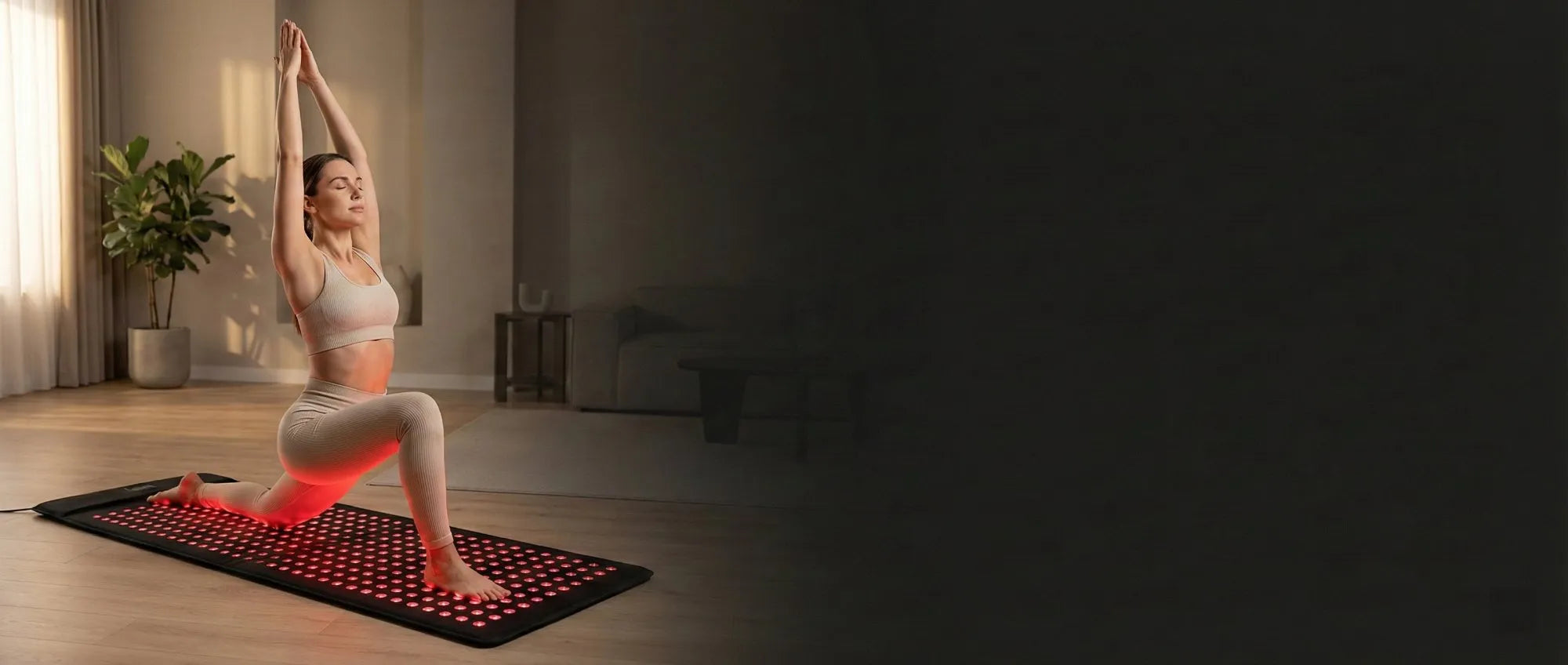
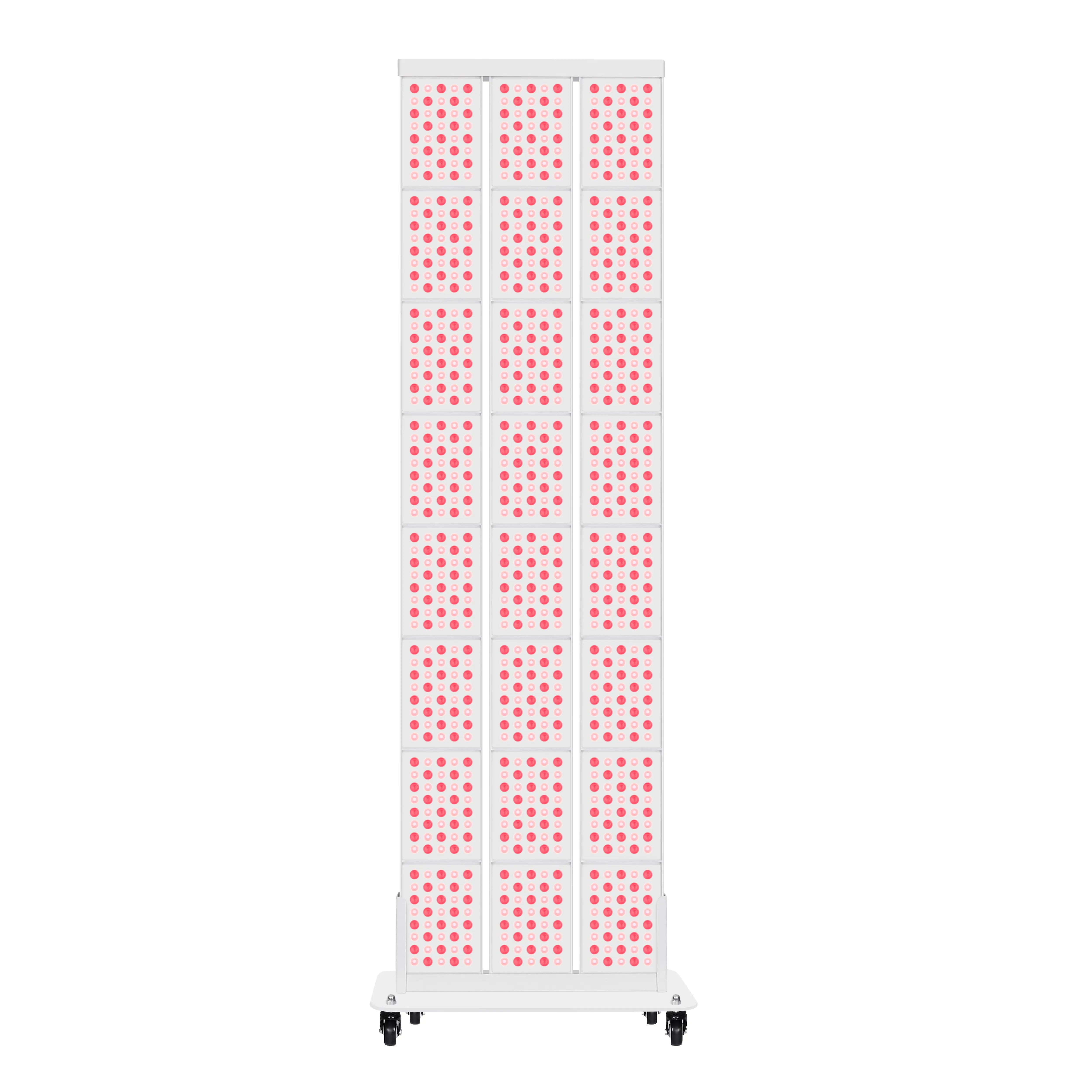

Red light therapy panels range from a few hundred dollars to several thousand, but the real difference often comes down to what you actually receive for the money rather than the sticker price itself. Clinical results depend on measurable parameters such as wavelength accuracy, irradiance at treatment distance, delivered dose, and device safety compliance rather than brand prestige alone. Understanding these factors helps price-sensitive buyers and small business owners avoid both underpowered devices and unnecessary markups in 2026.
Why Red Light Therapy Panel Prices Vary So Widely
The wide price gap between budget panels and premium brands stems from several layers of cost that are not always obvious to first-time buyers. Manufacturing a basic LED array is relatively inexpensive, but adding verified wavelength precision, consistent irradiance output, safety certifications, robust electrical design, and reliable warranty support increases expenses significantly.
Retail and lifestyle brands often layer on substantial marketing, influencer partnerships, and distribution margins that have little direct impact on the light delivered to your skin. In contrast, factory-direct models like those from Youlumi eliminate many of these intermediaries, allowing premium-level specifications at more accessible prices. As this official update on medical light source safety standards notes, recognized safety and performance standards exist for non-laser light-source equipment used in therapeutic applications, and meeting them contributes to higher development costs.
Many budget options prioritize low manufacturing cost by using less precise LEDs, simplified cooling, or minimal quality control. This can result in devices that appear similar on paper but deliver lower effective output or inconsistent performance over time. Premium pricing frequently reflects not just better components but also extensive testing, regulatory documentation, and customer support infrastructure.

What Actually Determines Therapeutic Results
Clinical outcomes in photobiomodulation depend on device parameters such as wavelength, dose, and treatment time rather than price alone. Research consistently shows that photobiomodulation responses can be dose-dependent, making irradiance and fluence critical when comparing panels.
Wavelength accuracy matters because even a 5 nm shift can influence how effectively light interacts with cellular targets. Coverage area, flicker control, and electromagnetic field (EMF) levels also affect real-world usability and safety, especially for daily or clinical use. Independent buyers often compare irradiance, wavelength accuracy, certifications, and warranty when assessing value.
A lower-priced panel can be effective if it meets the necessary specifications for your intended use. However, vague marketing claims or measurements taken at unrealistic distances often hide the true performance. Consistency in photobiomodulation depends on standardized parameters, including wavelength, dosage, and treatment duration.
Budget vs Premium vs Factory-Direct: Breaking Down the Tradeoffs
Budget panels (typically $200–$600) appeal to first-time users but often come with hidden tradeoffs. These may include less precise wavelength output, lower irradiance at practical treatment distances, minimal safety certifications, and shorter warranties. The lower price can reflect reduced quality control or simplified electronics that lead to higher long-term ownership costs through earlier replacement or inconsistent results.
Mid-range options ($600–$1,200) usually offer better documentation and moderate improvements in build quality. Premium retail brands ($1,500–$3,000+) justify their pricing through extensive branding, polished industrial design, bundled accessories, and sometimes more comprehensive customer service. Yet the added cost does not automatically translate into superior clinical performance if the core light delivery parameters remain comparable.
Factory-direct models occupy a sweet spot by focusing investment on the specifications that matter—accurate 660 nm and 850 nm wavelengths, high irradiance, proper thermal management, and relevant compliance testing—while removing retail and lifestyle markups. This approach delivers clinical-grade performance without paying for unrelated premium positioning.
The chart below provides an illustrative 2026 comparison of red light therapy panel types. It highlights the tradeoff between upfront price and broader value factors such as usable dose, compliance/warranty, and ownership cost. It should be read as a relative guide, not as measured market data.
Illustrative Value Tradeoff by Red Light Therapy Panel Type (2026)
Illustrative comparison of relative price, usable dose, compliance/warranty, and ownership cost across panel types.
View chart data
| Category | Relative Price | Relative Usable Dose | Relative Compliance/Warranty | Relative Ownership Cost |
|---|---|---|---|---|
| Budget | 2.0 | 3.0 | 1.0 | 8.0 |
| Mid-range | 4.0 | 6.0 | 3.0 | 7.0 |
| Premium | 8.0 | 7.0 | 9.0 | 4.0 |
| Factory-direct | 5.0 | 7.0 | 8.0 | 3.0 |
Illustrative 2026-relative comparison based on the provided context: price variation, effectiveness depends more on wavelength/irradiance/dose than price, compliance adds cost, and hidden tradeoffs include weaker validation/warranty in budget models and branding markup in premium models. Values are heuristic relative scores only, not measurements or market statistics.

Common myths persist in the market. Many assume that cheap red light therapy panels are ineffective or unsafe, while others believe expensive panels are automatically superior. In reality, price does not map directly to therapeutic effect. A budget panel can deliver adequate results when its specifications align with your needs, and a premium panel may offer little additional benefit beyond convenience and documentation if the core parameters are already sufficient.
Key Specifications That Matter for Performance and Safety
When evaluating any red light therapy panel, prioritize these factors:
- Wavelength accuracy: Look for specific 660 nm red and 850 nm near-infrared output with tight tolerances. Even small deviations can reduce effectiveness for targeted applications.
- Irradiance at treatment distance: Headline wattage numbers are less useful than irradiance measured at the distance you will actually use the device. Higher irradiance enables shorter, more practical sessions.
- Dose delivery: Effective treatments typically target specific fluence (J/cm²). Devices that maintain consistent output over their coverage area provide more reliable dosing.
- Safety and compliance: Devices intended for therapeutic use should demonstrate attention to electrical safety, EMF levels, and flicker control. Standards such as those outlined in the IEC 60601-2-57:2026 provide important benchmarks.
- Build quality and warranty: Robust construction, effective cooling, and a meaningful warranty reduce long-term ownership costs.
This analysis of dose-dependent photobiomodulation effects underscores why irradiance and fluence matter when comparing panels. Similarly, consensus guidance on clinical photobiomodulation emphasizes standardized parameters over brand reputation.
How to Compare Options Without Overpaying
Use this practical checklist when evaluating red light therapy panels:
- Determine your primary use case and typical treatment distance first.
- Compare irradiance values at that specific distance rather than at the panel surface.
- Verify wavelength specificity and tolerance claims with supporting documentation.
- Check for relevant safety certifications and third-party testing where available.
- Calculate approximate total ownership cost, including shipping, potential replacement parts, and warranty coverage.
- Assess the manufacturer's transparency and responsiveness to technical questions.
Small clinic or spa owners should also factor in ROI through session throughput and device durability. Fitness enthusiasts may prioritize portability and coverage area for full-body recovery routines.
Factory-direct purchasing changes the equation by focusing spending on performance-critical components. This model allows buyers to access high irradiance, precise wavelengths, and solid build quality without subsidizing unrelated lifestyle branding.
Is a Cheap Red Light Therapy Panel Worth It?
A lower-cost panel can be a smart choice when it meets your required specifications and you accept a higher degree of verification responsibility. It becomes less worthwhile when output is insufficient at practical distances, documentation is vague, or support is minimal. Premium brands can provide peace of mind through easier validation and stronger warranties, but only when those benefits are clearly documented rather than assumed.
The best value in 2026 typically lies in panels that deliver verifiable clinical-grade parameters at the lowest total cost of ownership. This often points toward well-executed factory-direct options that avoid unnecessary markups.
Important Note on Health and Comfort: This article discusses comfort, setup, and purchasing considerations for red light therapy devices. It does not constitute medical advice, diagnosis, or treatment. Red light therapy outcomes vary by individual and depend heavily on device quality, usage consistency, and personal health factors. If you have existing eye conditions, skin sensitivities, or other medical concerns, consult qualified healthcare professionals before use. Persistent discomfort should always prompt professional evaluation.
For more on how red light therapy works in practice, explore our guide on what a red light therapy panel does. Those interested in pulsing options may also find value in understanding 10Hz versus 40Hz frequencies and breathing mode.
Businesses evaluating equipment for spas or wellness centers can learn more about professional applications through our red light therapy belt collection, which offers targeted solutions for specific recovery needs. Additional technical depth is available in our discussion of wavelength precision and its impact on efficacy.