

Red Light Therapy for Women's Health: Key Takeaways
Red light therapy (RLT), or photobiomodulation (PBM), is increasingly used as a supportive tool for women’s wellness. Before diving into the details, here is the essential summary for decision-making:
- Primary Uses: Most effective as a non-invasive adjunct for menstrual discomfort and managing specific tissue-related symptoms of perimenopause.
- Fertility & Hormones: Evidence is preliminary and experimental. It should not be viewed as a "cure" for infertility or a way to "fix" systemic hormonal imbalances like PCOS.
- Safety First: Always avoid use during active pregnancy or over known/suspected malignant tumors without oncology clearance.
- Device Quality: Success depends on using devices with verified wavelengths (660nm/850nm) and transparent irradiance data.
- Medical Integration: RLT is a wellness adjunct, not a replacement for clinical diagnosis or prescribed medical treatments.

Understanding Photobiomodulation for Women's Health
Photobiomodulation is a studied low-level light therapy with an evolving clinical evidence base. It uses specific wavelengths of red and near-infrared light to interact with cells, primarily by influencing mitochondrial function. This may affect energy production (ATP), localized inflammation, and tissue repair pathways. Unlike heat-based treatments (like heating pads), RLT is a distinct light-based modality that does not rely on thermal effects to achieve results.
For women, interest centers on localized applications that may help with cycle-related discomfort or tissue health. However, PBM is not a hormone replacement therapy. Any benefits are best viewed as potential symptom support rather than systemic corrections. This evidence-based consensus on the clinical application of photobiomodulation underscores that while PBM is investigated across multiple areas, claims must stay within what clinical studies actually demonstrate.
Safety Decision Tree: When to Use and When to Wait
Navigating the safety of light therapy requires a clear understanding of your current health status. Use the following guide to determine your next steps:
| Situation | Action | Rationale |
|---|---|---|
| Currently Pregnant | Stop / Avoid | Lack of long-term safety data on fetal development; prioritize caution. |
| Actively Trying to Conceive | Consult Doctor | While some use it for "egg quality" support, it must be timed correctly within a clinical protocol. |
| History of Cancer (Pelvic/Abdominal) | Avoid / Specialist Clearance | Light therapy can stimulate cellular activity; must ensure no active malignancy is present. |
| Photosensitizing Meds (e.g., Retinoids, certain Antibiotics) | Stop / Consult | Increases risk of skin irritation or "burns" from light exposure. |
| Thyroid Conditions | Avoid Neck Exposure | The thyroid is highly light-sensitive; avoid direct irradiation of the throat area. |
| Unknown Pelvic Pain or Heavy Bleeding | See a Doctor First | Ensure pain isn't caused by an underlying condition (like ectopic pregnancy or cysts) that requires urgent care. |
Red Light Therapy for Menstrual Pain and Hormonal Support
Women often report using red light therapy during PMS or menstrual cramps as part of a self-care routine. The therapy has been investigated for various pain conditions, with outcomes varying by protocol.

Some users apply targeted devices to the lower abdomen for 10–20 minutes to potentially ease pelvic discomfort. Evidence for menstrual pain specifically is limited compared to broader musculoskeletal pain research, so results are not guaranteed. A practical approach involves consistent but short sessions during symptomatic days.
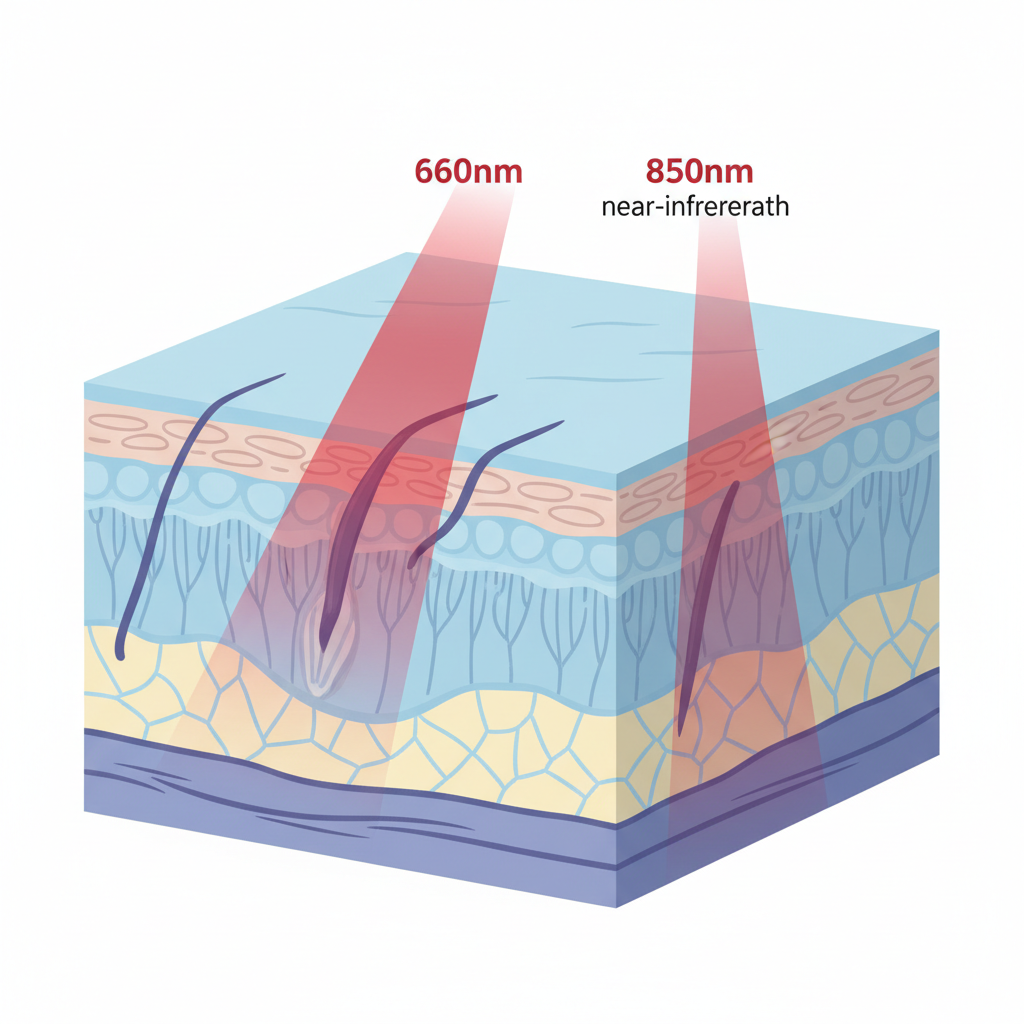
Expert Tip: Wavelengths around 660nm (red) target superficial tissue, while 850nm (near-infrared) offers deeper penetration to reach pelvic structures. If you experience severe, new, or worsening pain, consult a healthcare provider first rather than relying solely on self-care devices.
Ovarian Health and Fertility: Navigating the Evidence
Interest in RLT for ovarian health has grown, particularly regarding mitochondrial support in aging oocytes. However, it is vital to distinguish between "promising research" and "proven treatment."
- The Evidence Ceiling: Most fertility-related RLT data comes from small-scale case reports or animal studies. While one case report suggests potential lines of inquiry, this does not translate to a guarantee of pregnancy.
- The Protocol: Many women incorporate gentle abdominal exposure (10–15 minutes, 3–5 times per week) as part of a pre-conception wellness routine.
- The Boundary: RLT should never delay or replace evaluation by a fertility specialist. It is an experimental adjunct, not a primary strategy for overcoming infertility.
Support for Perimenopause and Menopause Symptoms
RLT is being studied as a non-hormonal approach for symptoms such as genitourinary syndrome of menopause (GSM) and pelvic discomfort. This study on safety and performance of photobiomodulation delivered by vaginal probe provides an example of targeted investigation, though home devices differ significantly from clinical probes.
At-home users often use panels or wearables on the pelvic region for 15–20 minutes several times weekly. Benefits, when observed, tend to relate to localized tissue comfort and vaginal health rather than a reversal of the systemic hormonal changes associated with menopause.
Device Selection: The "Buyer’s Verification" Checklist
To ensure you are getting a device capable of delivering results without safety risks, check for these four indicators on any product page:
- Wavelength Precision: Does the manufacturer specify 660nm and 850nm? Avoid devices that just say "Red Light" without nanometer (nm) specs.
-
Irradiance (Power Density): Look for a value like
50mW/cm²to100mW/cm²at a specific distance (usually 6 inches). If they don't list the distance, the number is meaningless. - Third-Party Testing: Does the brand provide flicker-free and low-EMF (Electromagnetic Field) certifications? This is crucial for devices used close to the body.
- Safety Standards: Look for "Eye Safety" ratings (like IEC 62471) to ensure the LEDs won't damage your vision during use.
Comparison of Common Protocols:
Illustrative Red Light Therapy Protocol Comparison for Women's Health
Relative protocol fit and evidence strength across common women's health scenarios.
View chart data
| Series | Evidence strength | Typical duration | Typical frequency | Wavelength fit | Safety-screening priority |
|---|---|---|---|---|---|
| Illustrative score (1-5) | 4 | 2 | 4 | 4 | 5 |
Note: These values are heuristic and illustrative, intended to help you compare scenarios rather than serve as a medical prescription.
How to Choose and Use Devices for Women's Wellness
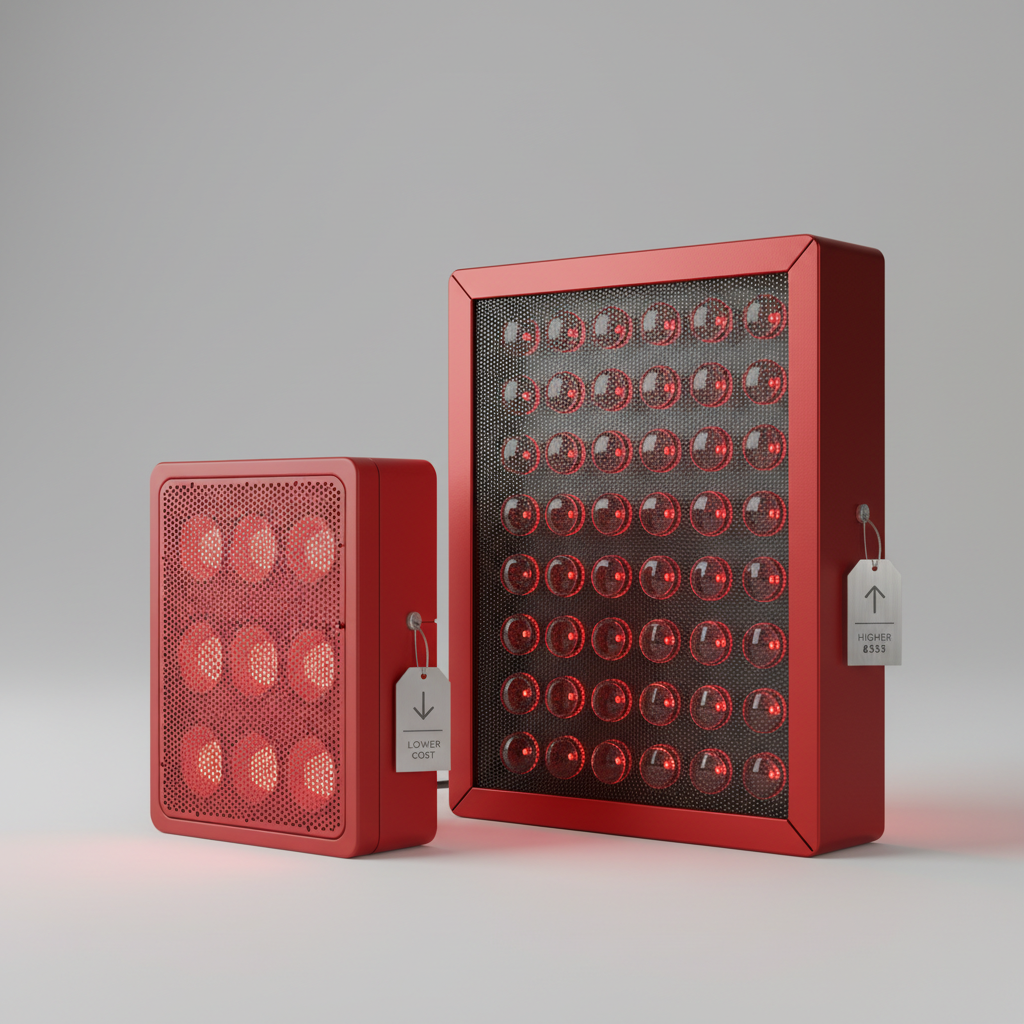
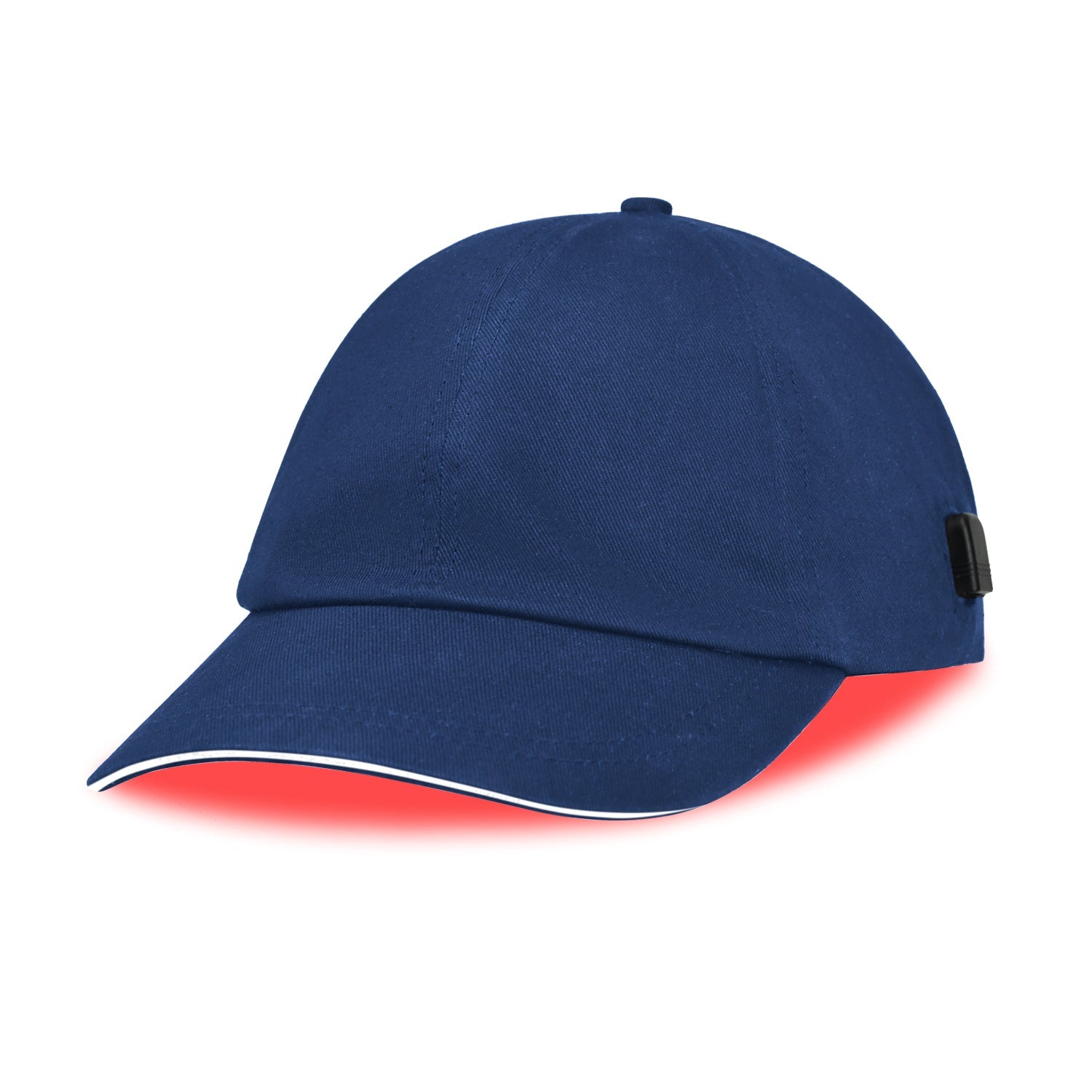
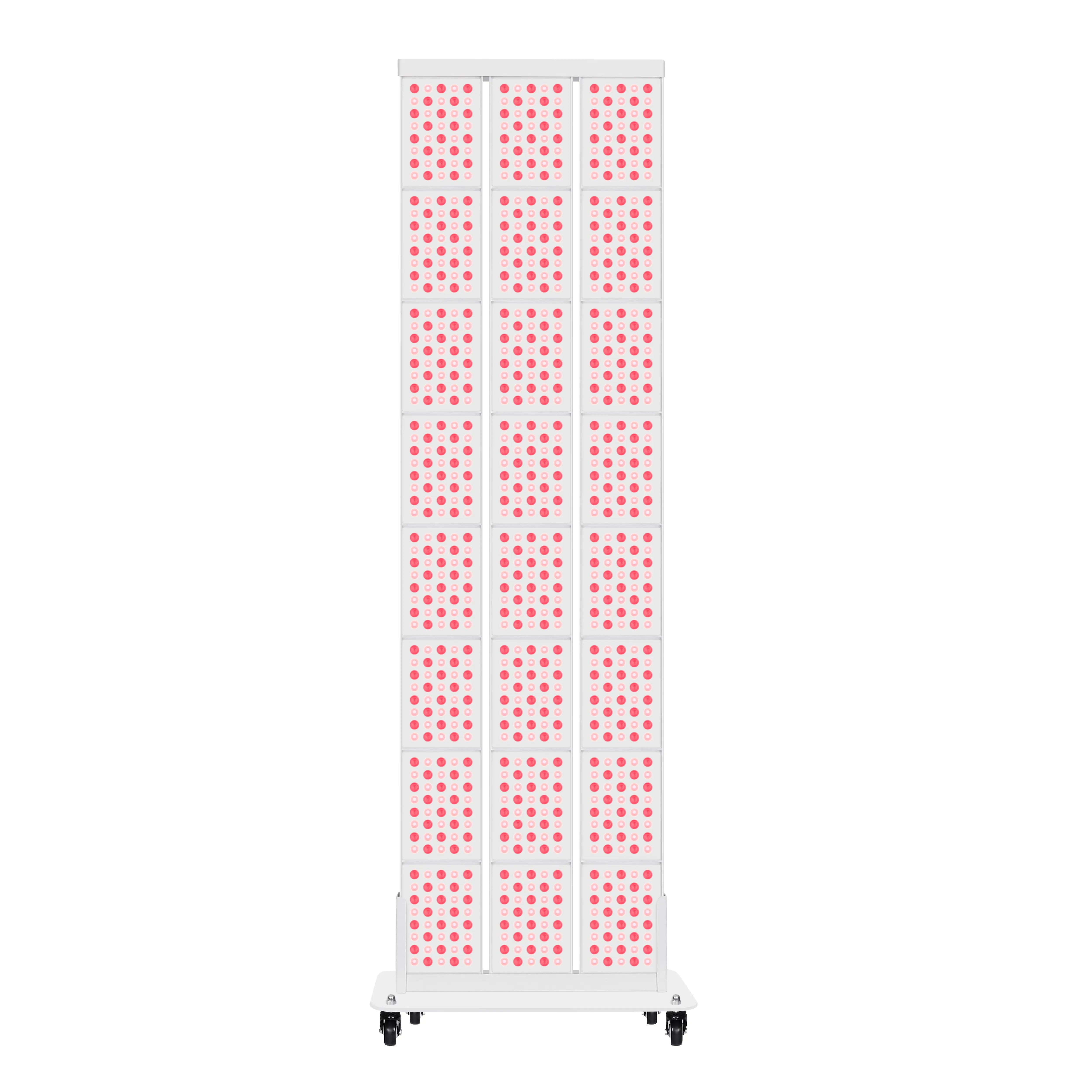
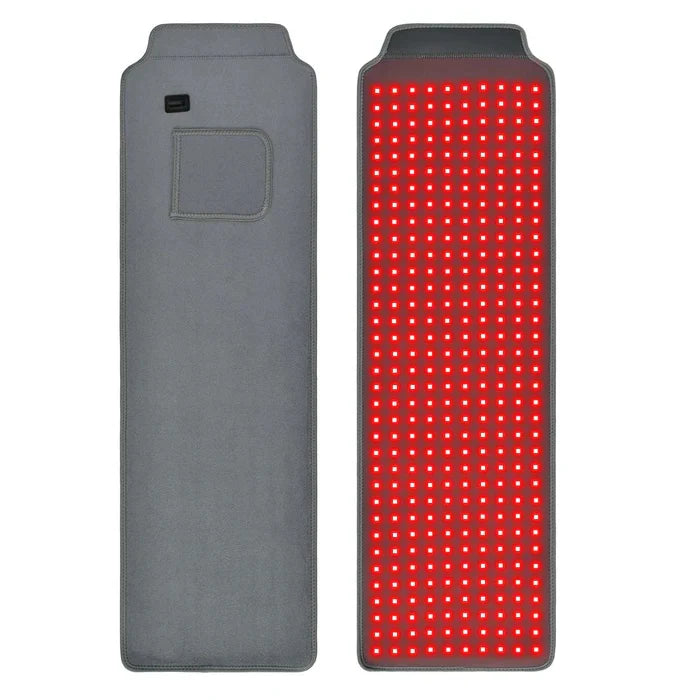
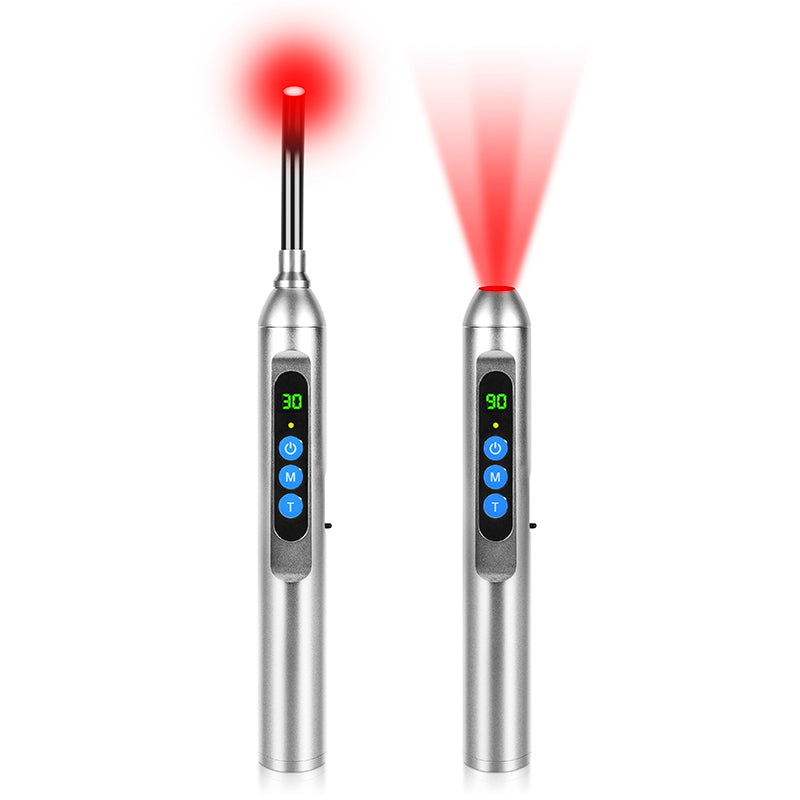
For localized pelvic or abdominal use, targeted wearables are often more convenient than large panels. The Red Light Therapy Wearables collection offers options designed for specific areas, including menstrual comfort. For those seeking broader wellness benefits, larger Red Light Therapy Panels may be more appropriate.
Specific options tailored for these needs can be found in the Women's Wellness Collection. Before purchasing, we recommend reviewing our guide on Photobiomodulation Standards: Irradiance, EMF, and Safety to ensure your equipment meets professional-grade benchmarks.
Myths vs. Reality: Setting Realistic Expectations
-
Myth: RLT "fixes" estrogen/progesterone levels.
- Reality: There is no clinical proof that RLT corrects systemic hormone levels. It works locally on tissue and cellular energy.
-
Myth: It’s a guaranteed cure for infertility.
- Reality: Evidence is in the "early discovery" phase. It is a wellness support tool, not a medical fertility treatment.
-
Myth: It reverses menopause.
- Reality: It can help manage symptoms (like tissue dryness or discomfort) but does not stop the biological process of menopause.
Final Thoughts: The 2026 Outlook
As we move through 2026, RLT remains an active area of clinical investigation. For women’s health, the most credible applications involve symptom support for pain and menopause-related tissue health. While the "fertility frontier" is exciting, it requires a cautious, doctor-led approach.
By selecting high-quality, verified equipment and maintaining realistic expectations, women can safely integrate red light therapy into a comprehensive wellness plan. Always listen to your body, track your symptoms, and prioritize professional medical guidance for any persistent health concerns.