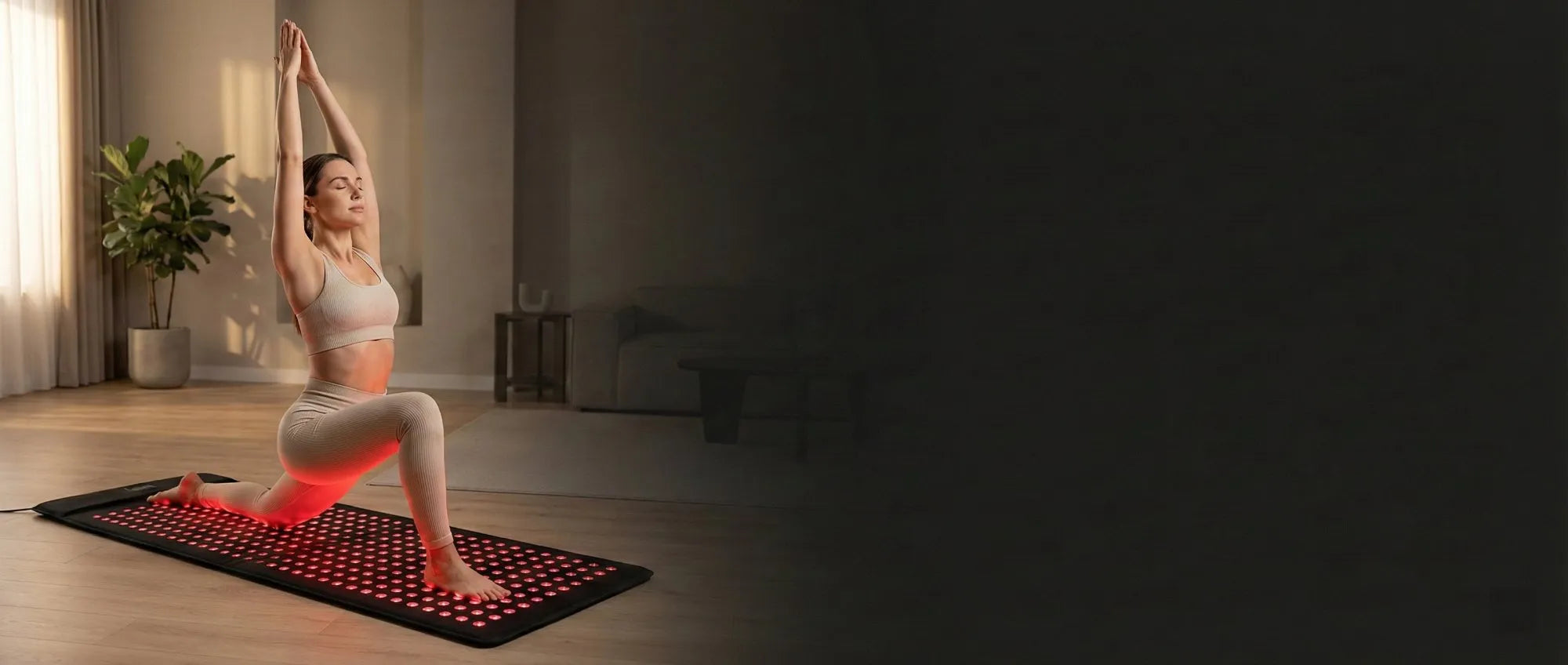
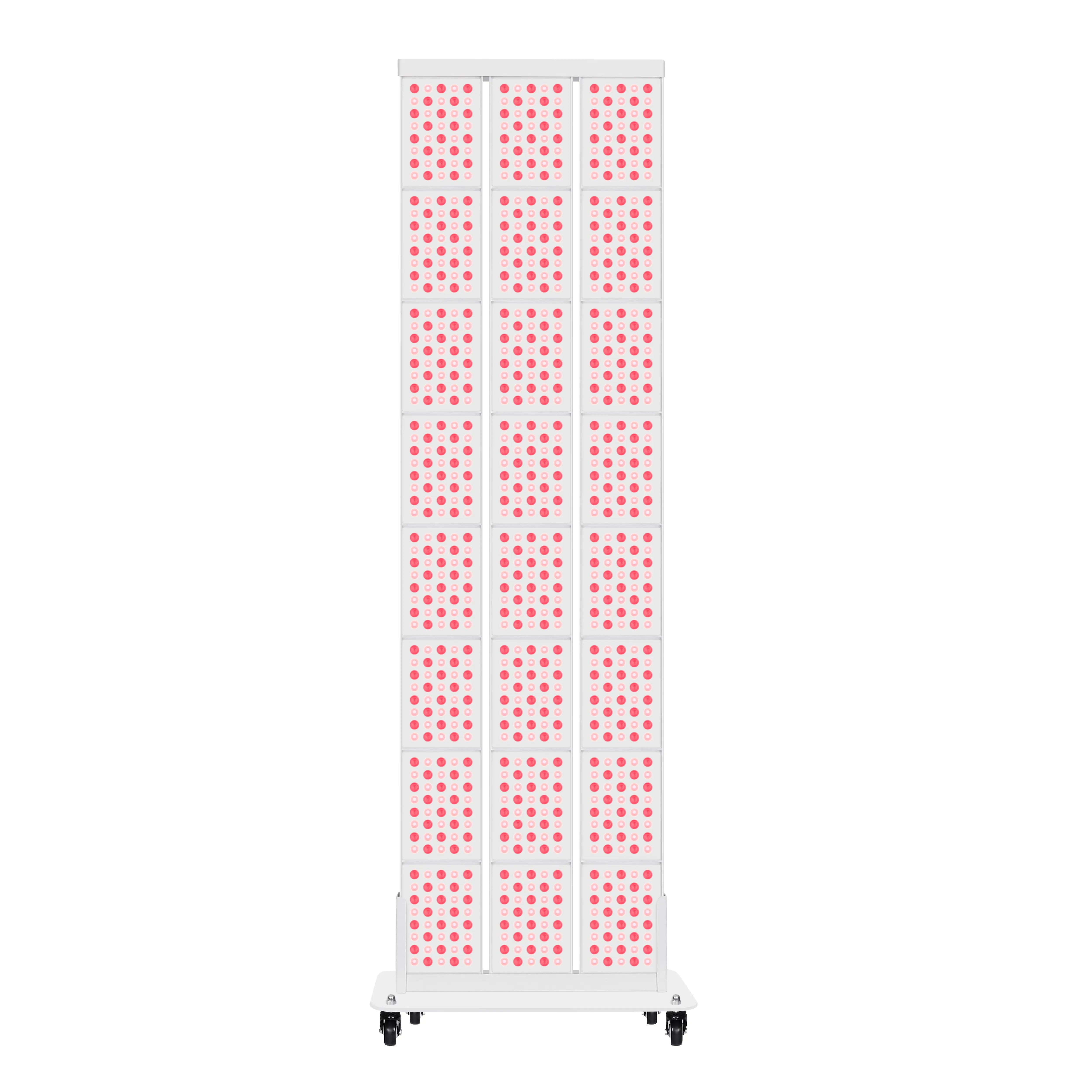

If you spend any time in serious gyms or biohacking circles, you have probably seen it: the glowing red panel in the corner or the full-body light bed that people swear is their secret to faster gains. As someone who has spent years experimenting with these devices on my own training and digging deeply into the research, I can tell you this: red light therapy is neither snake oil nor a miracle muscle builder. It is a nuanced tool with intriguing data, meaningful limitations, and very specific situations where it might give you a real edge.
In this article, I will walk through what red light therapy actually is, how it could influence muscle growth at the cellular level, what the human studies really show about hypertrophy and strength, and how to use it intelligently if you decide to experiment. The focus here is simple: does red light therapy help you build more muscle, and if so, under what conditions?
What Red Light Therapy Actually Is
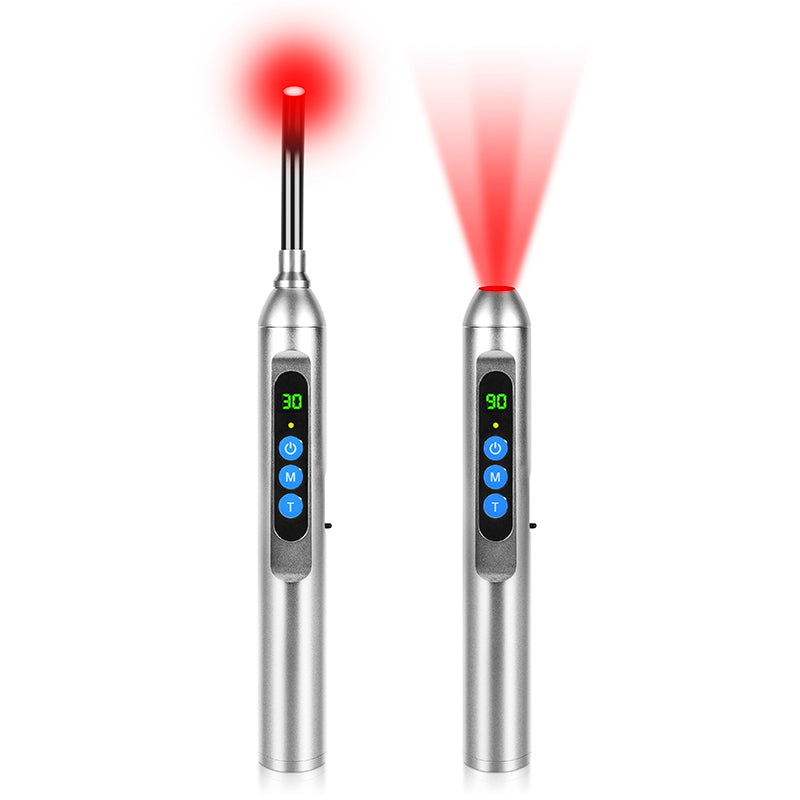
Red light therapy, in the sports and recovery world, is usually a form of photobiomodulation. It uses low-intensity red and near‑infrared light, typically around 630–660 nanometers for visible red and about 810–850 nanometers for near‑infrared, delivered by LEDs or low-level lasers. Unlike tanning beds, these devices do not use ultraviolet light and do not aim to heat or damage tissue.
Multiple sources, including reviews from sports medicine and exercise organizations, describe the core mechanism the same way. These wavelengths are absorbed by mitochondria, particularly at an enzyme called cytochrome c oxidase in the electron transport chain. Research summarized in journals like the IEEE Journal of Selected Topics in Quantum Electronics and reviews of photobiomodulation in sports shows that when this enzyme absorbs light, it can displace nitric oxide that is blocking its activity, allowing oxygen to bind more effectively. The result is more efficient oxidative phosphorylation and higher production of adenosine triphosphate, or ATP.
Red and near‑infrared light also appear to increase nitric oxide in blood vessels, causing vasodilation and better circulation. Sports-focused clinics and physical therapy centers report increases in blood flow, reductions in inflammatory markers, and faster tissue healing in both animal and human models. Dermatology and pain-medicine experts also use the same mechanism to explain benefits in skin, hair, and chronic pain conditions.
So, at a high level, red light therapy is not “energy” in a mystical sense; it is a low‑level light stimulus tuned to wavelengths that mitochondria understand.

Why Athletes Care About Light for Muscle Growth
To grow muscle, you need three things working in your favor: a strong mechanical signal from resistance training, adequate building blocks from nutrition, and enough recovery capacity that you can repeatedly train hard without breaking down. Red light therapy targets that third pillar.
When red or near‑infrared light boosts ATP production in muscle cells, it theoretically allows fibers to tolerate higher workloads and to repair more efficiently between sessions. Several clinical papers and reviews on photobiomodulation in sports performance, summarized in journals like Applied Sciences, report that light exposure can improve markers of muscle damage, oxidative stress, and inflammation after intense exercise.
Improved circulation further supports this recovery story. Health and fitness organizations such as the American Council on Exercise describe red light therapy as increasing blood flow and helping to clear metabolic byproducts like lactate more rapidly, which may shorten the time needed for tissue repair. Gym-based practitioners report less joint pain and quicker return to heavy lifting when light therapy is layered onto good training and recovery.
There is also a hormonal and sleep component. A trial in female basketball players found that evening red light exposure improved sleep quality and melatonin levels compared with placebo. Sleep researchers studying red light have shown that it can reduce sleep inertia, the grogginess and poor alertness that many early-morning athletes know too well. Some fitness practitioners report shifts in stress-related hormones such as cortisol when athletes use red light consistently. Better sleep and a more favorable stress profile indirectly support hypertrophy by allowing you to handle more training load without slipping into overtraining.
Mechanistically, then, red light therapy has a plausible route to supporting muscle growth: it helps the engine (mitochondria), improves circulation and inflammation, and may improve the systemic recovery environment through sleep and stress pathways. The big question is whether this translates into more muscle on your frame.

What the Science Says About Muscle Size and Strength
Acute performance: more reps, less fatigue?
Several controlled trials have looked at what happens when you shine red or near‑infrared light on a muscle right before exercise. A research summary from Examine.com points out that in eccentric exercises such as biceps curls and knee extensions, red light therapy has slightly increased repetitions to failure compared with placebo, especially in studies on young male volleyball players. The changes are modest, and many of the positive findings come from a small number of research groups, but the effect is real enough to be detectable.
A broader literature review on photobiomodulation in sports performance, published in Applied Sciences, cataloged dozens of randomized controlled trials. Some are elbow-flexion tests on isokinetic dynamometers, others are treadmill or cycling time‑to‑exhaustion tests, and some are sport-specific protocols in football and running. Several of these studies report increased time to exhaustion, delayed fatigue, or more total work performed when muscles are pre‑treated with light.
At the same time, a critical review aimed at coaches and endurance athletes, published by TrainingPeaks, notes that many trials show no meaningful change in objective performance metrics. Upper‑body studies often improved biochemical markers of muscle damage without improving repetitions or soreness. Lower‑body studies are mixed, with some reporting performance benefits and others finding nothing above placebo.
The pattern is clear: in controlled lab conditions, especially in young, trained men, red light therapy can make muscles last a bit longer before failure and occasionally push performance numbers higher. But the effects are variable and sometimes absent, particularly in different populations or with suboptimal dosing.
Long-term hypertrophy: where things get interesting
Acute performance is one thing. The more important question for anyone chasing bigger quads or a stronger bench is whether red light therapy accelerates long‑term strength and muscle size gains.
Here the evidence is limited but intriguing. The Examine.com synthesis notes that only a couple of long‑term resistance-training trials exist. In one study on young men, applying red light therapy before strength sessions led to larger increases in both muscle size and strength than training alone. Another trial in older men, using a similar pre‑training approach, found no added benefit. A study in older women that delivered light after strength training reported no strength improvement, and muscle size was not even measured.
A performance-focused article from Degree Wellness pulls together several of these trials and related work. It cites a 2015 systematic review and meta-analysis of randomized, placebo-controlled studies showing that phototherapy applied before exercise improved key performance metrics such as maximum repetitions, time to exhaustion, and speed compared with placebo. More importantly for hypertrophy, it highlights strength-training experiments in young men where adding red light therapy before workouts produced about a 55 percent greater increase in leg-press performance than training alone. Ultrasound and isokinetic testing in other trials found that light plus resistance training produced more than 50 percent greater increases in muscle thickness and strength compared with resistance training alone.
Recovery-focused content from other sources echoes this pattern. Summaries from Greentoes in Tucson describe studies from 2010 and 2022 where combining red or red‑infrared light with resistance training led to larger muscle size and strength gains than training alone. The National Strength and Conditioning Association has also stated that combining photobiomodulation with strength training may yield better outcomes than strength training by itself, implying a synergistic effect when the two are paired.
However, this is not a universal story. The same Examine.com overview emphasizes that the positive hypertrophy data are confined mostly to young males and very specific protocols. The failures in older men and older women suggest that age, hormonal status, and tissue responsiveness may matter. The TrainingPeaks analysis notes that, although some long‑term studies show changes in muscle architecture with repeated light exposure, these structural changes have not consistently translated into measurable performance gains, and no studies have shown improved ability to manage oxidative stress over time, which is one of the main hypothesized long‑term benefits.
Taken together, the current data support a cautious statement. In young, resistance‑trained individuals, applying appropriately dosed red or near‑infrared light to working muscles immediately before strength training can, in some trials, amplify strength and hypertrophy gains above training alone, sometimes by a large margin. In older adults, in women, and in more real‑world training environments, those benefits are either weaker or not evident.
Can red light build muscle without lifting?
Every time I step into a red light bed at a gym, I hear someone ask a version of the same question: “If I just do this a few times a week, will I build muscle without training?”
There is no evidence for that. Across the clinical trials summarized by Examine.com, Exercise Science reviews, red light therapy providers, and coaching publications, every study that showed hypertrophy or strength benefits combined light with an actual training program. Many articles aimed at athletes, from Polltopastern to Medco Athletics to University Hospitals, explicitly frame red light as a complementary tool that works alongside exercise, nutrition, and sleep, not as a stand‑alone anabolic stimulus.
Mechanistic work explains why: red light appears to improve the efficiency and recovery of muscle tissue that is already being stressed by training. It does not provide the mechanical loading necessary to trigger hypertrophy signaling cascades on its own. If your goal is more size, heavy, progressive resistance training is non‑negotiable. Light therapy, at best, helps you get more adaptation from that training.

Indirect Pathways to Bigger Muscles
Recovery, DOMS, and training volume
One of the main selling points in gyms is that red light therapy reduces delayed onset muscle soreness and lets you get back to heavy training sooner. The research on this is mixed.
A systematic review and meta-analysis that pooled 15 studies and 317 participants concluded that evidence for red light significantly reducing soreness is inconclusive and that better research is needed. Some trials showed less soreness or faster recovery, particularly when light was applied before high‑DOMS activities like eccentric training. Others found no meaningful difference in soreness, range of motion, or muscle function versus placebo.
The broader photobiomodulation review in sports performance offers a slightly more optimistic picture. Several randomized trials reported lower creatine kinase and other markers of muscle damage, less oxidative stress, and reduced soreness when light was applied before or after intense training. The American Council on Exercise notes that photobiomodulation can reduce markers of inflammation and oxidative damage and that, in some studies, it outperformed cryotherapy for post‑exercise recovery.
Clinics and gyms that integrate red light into athlete care, including physical therapy centers and fitness clubs, often report that with consistent use, athletes feel less stiff and bounce back more quickly between sessions. It is difficult to know how much of that is placebo and how much is genuine tissue-level change, but the biochemical data in some studies point toward at least some real effect.
From a hypertrophy standpoint, this matters because the ability to handle more high-quality training volume over weeks and months is one of the strongest predictors of muscle growth. If red light therapy genuinely reduces muscle damage and soreness enough for you to add one more effective set per body part or one more hard training day per week without breaking down, that can translate into visible size over time. The catch is that this effect is not guaranteed and depends heavily on your individual response and your overall recovery game.
Sleep, hormones, and the overtraining trap
Sleep is where much of your hypertrophy magic happens. That is where growth hormone pulses, where protein synthesis is elevated, and where your nervous system finally gets to reset. Multiple sources, including Athletic Lab and sleep researchers, highlight red light’s potential to improve sleep quality and reduce sleep inertia.
The trial on female basketball players is a good example. Players who received evening red light therapy had better subjective sleep and higher melatonin levels than the placebo group. Other research has shown that red light exposure upon waking can reduce grogginess and improve morning performance. If you train early, this can be the difference between going through the motions and hitting quality numbers.
City-focused fitness articles also discuss red light’s potential influence on hormones like testosterone and cortisol, though the evidence base there is still emerging. A more favorable stress profile and consistently better sleep both make it easier to train hard, recover, and avoid the slide into overtraining syndrome, where performance stagnates and muscle gains vanish despite high effort.
The key is that red light therapy is a lever on the recovery and systemic side of the equation, not a replacement for hard work. If you are under‑eating, sleeping poorly, or programming your training poorly, no amount of red light will turn that into sustained hypertrophy.
Practical Guidelines If You Want to Experiment
When you look at the studies and the gym-floor reality side by side, you see a gap. Clinical trials use precisely dosed, medical-grade devices aimed directly at specific muscles for measured seconds per site. Real-world athletes usually use LED panels or beds for minutes at a time. Organizations like the American Council on Exercise point out that commercial and home devices are often less powerful and penetrate tissue less deeply than research-grade equipment, and there are no formal “FITT” guidelines for red light the way there are for cardio or strength training.
That said, several practical patterns emerge from the evidence and from how recovery-focused clinics operate.
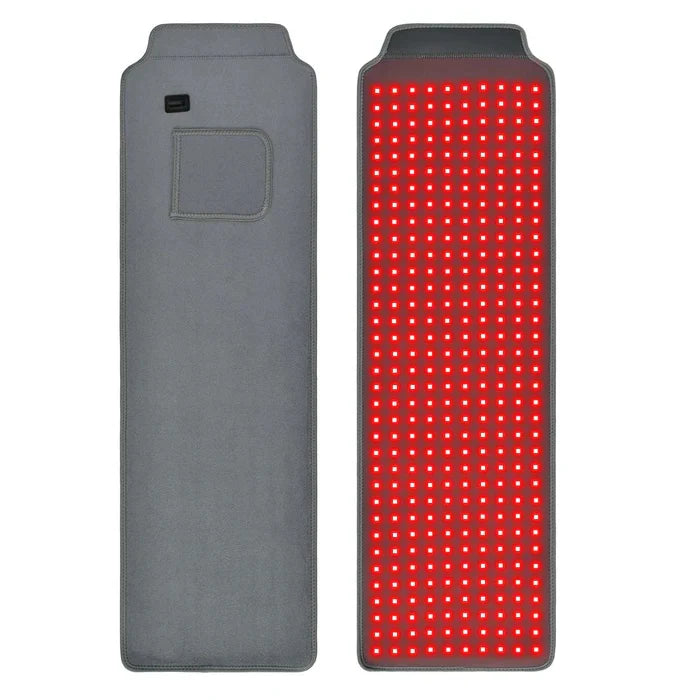
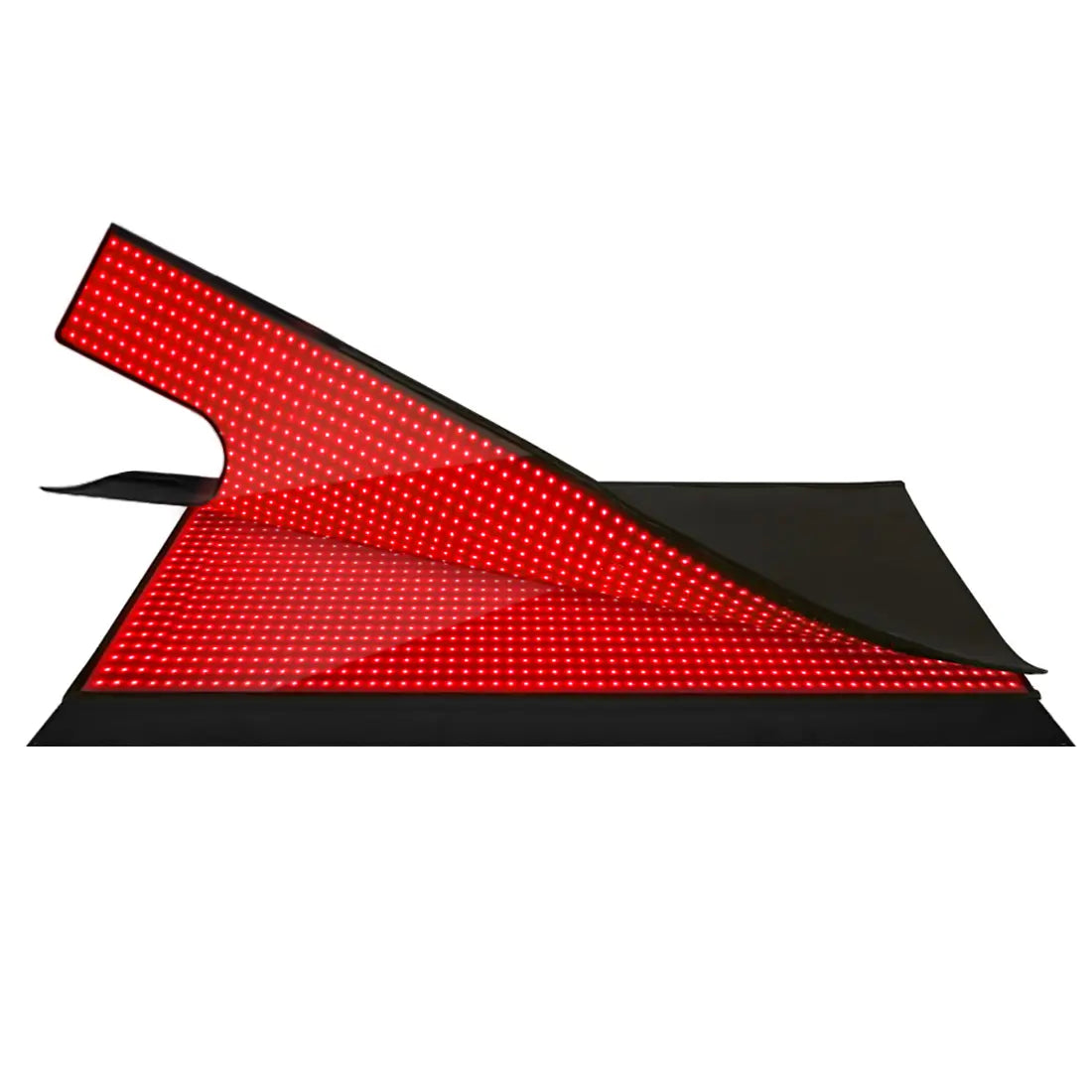
Many athletic and rehab programs use a mix of red and near‑infrared light to cover both superficial tissue and deeper muscle. Devices that emit in the 630–660 nanometer range for red and around 810–850 nanometers for near‑infrared are commonly used in sports settings. Physical therapy centers and recovery studios often run sessions of about 10–20 minutes per body area, which lines up with descriptions from Function Smart Physical Therapy, Greentoes, and fitness clubs that offer red light recovery.
Timing depends on the goal. In trials summarized by Athletic Lab and in the photobiomodulation literature, applying light immediately before strength training is associated with greater strength and size gains in young men. For endurance training, studies where light was applied both before and after treadmill sessions over 12 weeks reported improvements in oxygen consumption, time to exhaustion, and body composition compared with placebo. For sleep support, a common practical pattern is a 10–20 minute session in the evening, which aligns with the basketball player study and the advice from fitness articles suggesting pre‑bed use to support circadian rhythm.
Because this field lacks standardized guidelines, it is more reasonable to think in terms of experimentation rather than prescriptions. A sensible approach, if you already have your training, nutrition, and sleep in place, is to pick one or two muscles or movement patterns you care about, such as quadriceps and glutes on lower‑body days, and apply light directly to those areas immediately before training, several times per week, for at least six to twelve weeks. Keep your program, diet, and sleep as consistent as possible and track both objective performance metrics and subjective recovery. If you see no difference after a fair trial, it may not be worth your time and money.
It is also worth noting that at least one trial found that combining cryotherapy with photobiomodulation reduced the benefit of light therapy on muscle recovery. If you are layering multiple recovery tools, it may be smarter not to stack aggressive cold exposure immediately with red light on the same tissues.

Pros and Cons for Muscle Size and Growth
From a veteran optimizer’s perspective, red light therapy sits somewhere between creatine and the latest unproven gadget.
On the pro side, the mechanism is well characterized. Mitochondrial stimulation via cytochrome c oxidase, increased ATP, improved blood flow, and modulation of inflammation and oxidative stress all have strong mechanistic support. Real human trials show that in specific scenarios, especially in young, trained men, pre‑exercise light can increase strength and hypertrophy gains beyond training alone, sometimes by large margins. There is also consistent evidence that red light can help with certain pain and inflammatory states, improve skin and hair in dermatologic settings, and support sleep and subjective recovery.
The safety profile, when used correctly, is favorable. Dermatology and general-health reviews from sources like WebMD and University Hospitals describe red light therapy as low risk and noninvasive when device instructions are followed. Serious adverse events are rare. The main cautions involve eye protection, possible skin sensitivity at very high doses, and avoiding use if you have conditions or medications that create light sensitivity, or if your physician advises against it.
On the con side, the evidence for muscle growth is still narrow and uneven. Many studies have small sample sizes and are concentrated in particular labs, which raises questions about generalizability. Older adults and women do not appear to get the same clear hypertrophy benefit seen in some young male cohorts. A TrainingPeaks review bluntly characterizes the overall evidence for performance and recovery as scarce, weak, and inconsistent relative to the bold marketing claims made by device manufacturers.
There is also the practical downside of cost and time. High-quality panels and wraps can easily run from just under a hundred dollars into the thousands, and sessions need to be repeated several times a week over months to align with how trials are structured. Health systems and dermatology practices emphasize that this kind of therapy is rarely covered by insurance for muscle-related goals and that the primary downside is financial rather than medical.
Finally, because there are no standardized dosing guidelines, you will be running a structured self‑experiment rather than following a universally validated protocol. For some people, especially those who enjoy experimentation and data tracking, that is part of the fun. For others, it is a distraction from just showing up and doing the basics relentlessly.
Short FAQ
Is red light therapy “worth it” if my main goal is muscle size?
If you are a healthy lifter with solid training, nutrition, and sleep already in place, and you enjoy dialing in marginal gains, red light therapy can be a reasonable experiment. The best evidence for hypertrophy comes from young men doing resistance training with light applied directly to the working muscles before each session. In that niche, some trials show substantially larger gains than training alone. For most other people, the effect, if any, is likely modest. If you are choosing between buying a quality barbell and plates or a red light panel, buy the iron first.
Should I use a gym light bed or buy a home device?
Clinic and gym devices tend to be stronger and more controlled, but they are also time‑bound and require travel. Home panels and wraps offer convenience and can be used consistently, but organizations like the American Council on Exercise and WebMD point out that many consumer devices are less powerful and may deliver smaller or slower effects than research-grade tools. If you are curious, starting with supervised sessions in a gym or clinic can help you decide whether you notice enough benefit to justify investing in a home setup.
How long before I might see results?
In both research and practice, this is not an overnight tool. Physical therapy providers and athletic recovery centers often report that athletes notice subtle changes in stiffness and recovery within two to four weeks, with clearer differences in training tolerance, fatigue, or performance metrics over six to twelve weeks of consistent use. That time frame also matches the duration of many resistance‑training and endurance trials where benefits were detected. If you commit to a structured trial, evaluate it over at least one full training block rather than a handful of sessions.
Every serious lifter eventually runs into the ceiling created not by their work ethic, but by their ability to recover and adapt. Red light therapy, used intelligently, lives exactly at that frontier. It will not turn a casual program into elite results, and current evidence does not support the more extravagant promises you see in glossy ads. But if you already respect the basics and you are looking for a science‑plausible, low‑risk way to squeeze more adaptation out of the same training, targeted red light may be a tool worth experimenting with. As someone who has lived under the glow of those panels and followed the data for years, that is exactly how I treat it: not a miracle, but a well‑aimed amplifier when the foundation is already strong.
References
- https://scholarsarchive.byu.edu/cgi/viewcontent.cgi?article=7743&context=etd
- https://digitalcommons.cedarville.edu/cgi/viewcontent.cgi?article=1013&context=education_theses
- https://pmc.ncbi.nlm.nih.gov/articles/PMC5167494/
- https://med.stanford.edu/news/insights/2025/02/red-light-therapy-skin-hair-medical-clinics.html
- https://www.mainlinehealth.org/blog/what-is-red-light-therapy
- https://www.acefitness.org/resources/pros/expert-articles/8857/red-light-therapy-and-post-exercise-recovery-the-physiology-research-and-practical-considerations/?srsltid=AfmBOoqjsSSXt-HvSIDqp_mHoxrNrd8DlA7lGxq8Li1df0MnerBELKdV
- https://www.uhhospitals.org/blog/articles/2025/06/what-you-should-know-about-red-light-therapy
- https://www.physio-pedia.com/Red_Light_Therapy_and_Muscle_Recovery
- https://www.athleticlab.com/red-light-therapy-for-athletes/
- https://cityfitness.com/archives/36400