
If you are obsessed with performance, longevity, and recovery, you eventually get religion about one thing: blood flow. Every biohack in the world works better when your microcirculation is on point. That is why the vasodilatory effects of red and near‑infrared light are so interesting. We are not talking about vague “energy” here; we are talking about photons kicking loose nitric oxide, activating classic vascular signaling, and changing how arteries behave in models of diabetes and peripheral artery disease.
In this article, we will walk through what actually happens at the molecular level when you shine red light on blood vessels, what the best‑described studies show in animals and humans, and how a serious wellness optimizer should think about using this tool without falling for panacea marketing. Everything is grounded in published work from groups including the Medical College of Wisconsin, Frontiers in Physiology, major academic hospitals, and clinical pilot trials, not wishful thinking.
From Photon To Vessel: Core Mechanism In Plain English
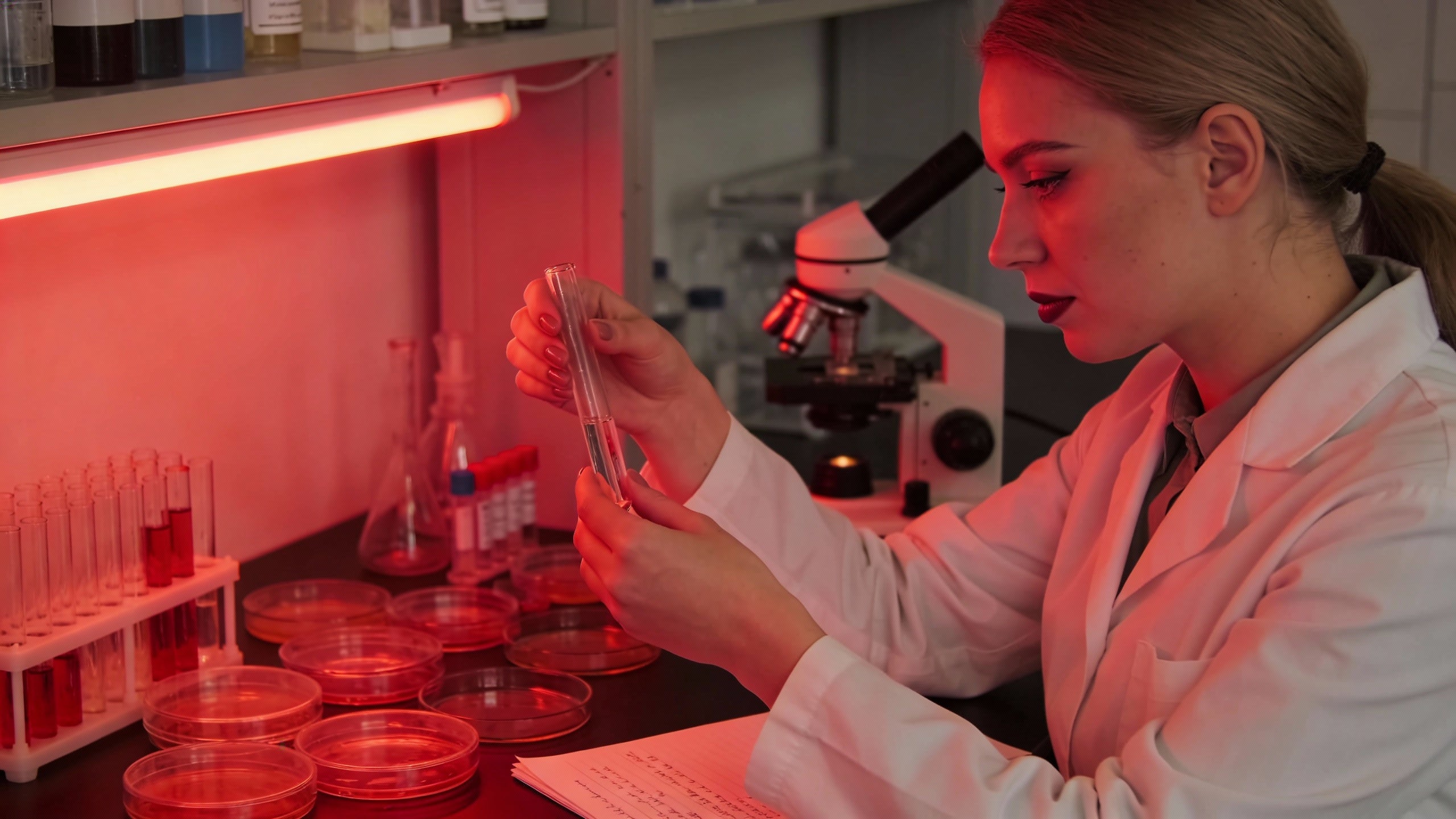
Red light therapy, or photobiomodulation, typically uses red light around 630–670 nanometers and near‑infrared in roughly the 800–900 nanometer range. Clinical centers such as MD Anderson Cancer Center and Cleveland Clinic describe it as low‑level, non‑thermal light that targets mitochondria, modulates inflammation, and improves circulation through nitric oxide and other pathways.
For blood vessel dilation, the core sequence is remarkably consistent across independent research teams.
Step 1: Red Light Reaches The Vascular Wall
Red and near‑infrared wavelengths penetrate skin far more deeply than blue or ultraviolet. Dermatology and photobiology reviews point out that red light can reach the dermal vasculature, while near‑infrared can extend into muscle and even bone.
In practice, that means a 670 nanometer LED placed over a calf is not just bathing skin cells; photons can reach endothelial cells lining small arteries and arterioles in the underlying muscle, especially at the modest power densities used in the vascular studies (typically 10–100 milliwatts per square centimeter for minutes at a time).
Step 2: Light Is Absorbed By Chromophores In Mitochondria And The Endothelium
Photobiomodulation reviews in physiology and connective‑tissue biology consistently point to endogenous chromophores that absorb these wavelengths. The best characterized is cytochrome c oxidase, Complex IV of the mitochondrial electron transport chain. When red or near‑infrared light interacts with this enzyme, several things can happen:
Cytochrome c oxidase can increase electron transport, which raises ATP output. Cleveland Clinic and other medical sources note that improved mitochondrial ATP production under red light is a central mechanism for faster tissue repair.
Nitric oxide can dissociate from cytochrome c oxidase. Under stress or hypoxia, nitric oxide binds and partially inhibits Complex IV. Red light has been shown to photodissociate this nitric oxide, restoring respiration and releasing nitric oxide into the surrounding milieu.
Other chromophores are in play too, including nitrosylated heme groups and NO‑bearing iron complexes in endothelial cells. These become crucial for vasodilation.
Step 3: 670 nm Light Liberates Nitric Oxide From Endothelial Stores
A landmark mechanistic paper in the Journal of the American Heart Association (“Red/Near Infrared Light Stimulates Release of an Endothelium Dependent Vasodilator and Rescues Vascular Dysfunction in a Diabetes Model”) took this question head‑on.
Researchers isolated small facial arteries from mice and mounted them in a pressure myograph. They pre‑constricted the vessels with a thromboxane analog, then exposed them to 670 nanometer light at about 10 milliwatts per square centimeter for five minutes, followed by a ten‑minute dark period, and then a second five‑minute exposure.
In normal mice, each light exposure increased vessel diameter by roughly 16 percent, and cumulative dilation reached about 36 percent over the two exposures. Removing the endothelium abolished the effect. That is the first critical point: the vasodilator originates from the endothelial layer.
Next, they probed the nitric‑oxide dependence using pharmacology and genetics.
When they added an NO scavenger (carboxy‑PTIO), the light‑induced dilation disappeared, essentially dropping to zero. When they inhibited nitric oxide synthase with L‑NAME or used endothelial‑NOS‑knockout mice, the red‑light dilation remained largely intact. In other words, the response absolutely required nitric oxide, but did not require nitric oxide synthase.
This strongly suggests that 670 nanometer light is liberating nitric oxide from pre‑existing endothelial stores rather than asking the enzyme system to make it from scratch. Ozone‑based chemiluminescence and other assays pointed to S‑nitrosothiols and dinitrosyl iron complexes as likely NO‑bearing species in the bath solution.
Here is a simple way to visualize the dosing used. An irradiance of 10 milliwatts per square centimeter for 300 seconds (five minutes) delivers about 3 joules per square centimeter of energy. That is a modest dose compared with many commercial devices, yet it was enough to produce double‑digit percentage changes in arterial diameter in this controlled setup.
Step 4: Nitric Oxide Triggers The Classic sGC–cGMP Vasodilation Cascade
The same group showed that blocking soluble guanylate cyclase with ODQ, an inhibitor of the enzyme’s heme site, eliminated the dilation. That ties the whole chain together.
Red light releases nitric oxide from endothelial reservoirs.
Nitric oxide diffuses into nearby vascular smooth‑muscle cells.
Nitric oxide activates soluble guanylate cyclase, raising cyclic GMP.
Cyclic GMP drives smooth‑muscle relaxation and vessel widening.
This is the exact pathway used by endothelium‑derived relaxing factor under shear stress, and it is similar to how drugs such as nitroglycerin ultimately work, but here the trigger is light.
Human microvascular endothelial cells tell a similar story. In cultured dermal microvascular endothelial cells, brief 670 nanometer exposures raised intracellular nitric oxide levels even when nitric oxide synthase was blocked, and the increase was suppressed by an NO scavenger. Again, the simplest explanation is release of bound nitric oxide species, not de novo synthesis.
Step 5: Red Light Generates A Stable, Transferable NO‑Based Vasodilator
Two independent lines of evidence show that the signal is not restricted to the instant the light is on.
In the mouse artery experiments, the bath solution from irradiated intact vessels could dilate completely naive vessels that had never seen the light. That effect was nitric‑oxide‑dependent and had the behavior of a quasi‑stable NO‑donor species such as S‑nitrosothiols or dinitrosyl iron complexes.
A complementary in vivo study in Frontiers in Physiology (“In Vivo Characterization of a Red Light‑Activated Vasodilation: A Photobiomodulation Study”) irradiated living mouse hindlimbs at 670 nanometers with power densities from 25 to 100 milliwatts per square centimeter for five to fifteen minutes. Laser Doppler imaging showed significantly increased perfusion in the treated paw compared with the control paw, and the increased blood flow persisted for at least thirty minutes after irradiation.
When they harvested tissue, nitric‑oxide‑derived precursor species were significantly elevated in quadriceps muscle from irradiated limbs but not in plasma or distant control muscle. That is a crucial nuance for anyone thinking about systemic effects: the stable NO reservoir seems to be local to the illuminated tissue rather than a large circulating pool.
Step 6: Red Light Bypasses Impaired Endothelial Function In Diabetes Models
The same ex vivo pressure‑myography study tested arteries from db/db diabetic mice, a well‑characterized model of diabetic vasculopathy where conventional endothelium‑dependent dilation is blunted. Despite this baseline dysfunction, 670 nanometer light still produced robust vasodilation.
Because the response persisted when endothelial nitric oxide synthase was knocked out or inhibited, the authors concluded that red and near‑infrared light can rescue vasodilation in the setting of diabetes by mobilizing non‑enzymatic NO reservoirs. That is a big deal conceptually: it shows that red‑light‑driven vasodilation is not limited to pristine young vessels; it can act as a molecular workaround when the usual NO‑synthase route is compromised.

What The Animal And Human Data Actually Show
Mechanism is only half the story. The obvious question for anyone designing a protocol is: how much of this survives contact with messy real physiology?
Mouse Hindlimb Perfusion And A PAD‑Like Model
The Frontiers in Physiology group did several in vivo experiments that map nicely onto peripheral artery disease scenarios.
In healthy mice, they optimized 670 nanometer dosing by irradiating a three‑square‑centimeter patch of hindpaw with 25, 50, or 100 milliwatts per square centimeter for ten minutes while keeping the contralateral paw as a control. Laser Doppler perfusion increased significantly in the treated paw compared with the control. Interestingly, exposure duration had a statistically significant impact on perfusion, while power density within that 25–100 milliwatt per square centimeter range did not. That suggests that, at least inside this window, “how long” may matter more than “how intense.”
They then built a chronic hindlimb ischemia model by placing an ameroid constrictor on the proximal femoral artery. This device slowly narrows the artery over time, mimicking aspects of human peripheral artery disease. Under these conditions, repeated 670 nanometer treatments on the ischemic limb over two weeks improved arteriolar blood flow compared with controls. Ozone‑based chemiluminescence again detected NO‑related precursors in muscle tissue, supporting the same NO‑reservoir mechanism seen ex vivo.
Human Microvascular Function In Diabetic Peripheral Neuropathy
If you care about real‑world circulation, diabetic peripheral neuropathy is where the rubber hits the road. Microvascular dysfunction and chronic ischemia in the distal extremities contribute to nerve damage, pain, and, in severe cases, ulceration and amputation.
A preliminary clinical study published in a vascular and neurology context looked at nine older adults with bilateral diabetic peripheral neuropathy (average age around seventy‑four). Participants received near‑infrared light therapy using an FDA‑cleared 890 nanometer device (Anodyne Therapy System). Pads were placed on the dorsal and plantar aspects of the foot and around the lower leg, three sessions per week, thirty minutes per session, for five weeks, totaling fifteen treatments.
Microvascular function was measured using digital thermal monitoring of vascular reactivity in the finger, producing a Vascular Reactivity Index. Baseline VRI averaged 1.76 and rose to 2.20 after the intervention, roughly a twenty‑five percent improvement, with statistical significance. That is not a cosmetic change; this index reflects endothelial‑dependent microcirculatory function.
Pain scores told a similar story. On the Brief Pain Inventory, average pain dropped from about 4.1 to 1.9 out of 10, and “current pain” fell from roughly 2.8 to 1.7. Specific neuropathic sensations such as stabbing and hot‑burning pain improved on the Short‑Form McGill questionnaire. No adverse events were reported.
This was a small, uncontrolled pilot, so it does not prove cause and effect. But it lines up nicely with the mouse data: near‑infrared light over the lower limb appears capable of improving microvascular function and neuropathic symptoms over weeks in people with long‑standing diabetes.
Whole‑Body Photobiomodulation, Blood Pressure, And Retinal Blood Flow
A more systemic view comes from several human studies described in a cardiovascular‑focused photobiomodulation review used by integrative clinics.
An animal study on cardiovascular aging reported that repeated photobiomodulation mitigated age‑related cardiovascular remodeling, improved cardiac function and neuromuscular coordination, and even extended lifespan in an experimental model. These benefits correlated with higher circulating transforming growth factor beta‑1, a regulator of tissue remodeling and endothelial behavior. That suggests that light can drive endocrine‑level changes, not just local responses.
In patients with fibromyalgia, a randomized clinical trial of whole‑body photobiomodulation found changes in circadian blood‑pressure patterns, pain‑pressure thresholds, and tissue elasticity after a course of treatments. While this was not a pure cardiovascular trial, shifting circadian blood‑pressure variability implies effects on vascular compliance and autonomic regulation.
Another study in myopic children examined red‑light therapy’s effect on ocular blood flow. Repeated exposure improved choroidal blood perfusion and showed a cumulative benefit over time. The eye is an accessible, highly vascular organ, so improved choroidal perfusion under red light provides an elegant human example of microvascular modulation.
Antithrombotic Signals From Long‑Wavelength Red Light Exposure
A recent line of work from the University of Pittsburgh and collaborators, published in the Journal of Thrombosis and Haemostasis, looked at something even more upstream: clot formation.
In a mouse experiment with controlled light–dark cycles, animals exposed predominantly to long‑wavelength red light developed nearly five times fewer blood clots than those exposed to blue or white light, despite having similar activity levels, sleep, and metabolic markers. In parallel, a retrospective analysis of more than ten thousand cataract surgery patients found that cancer patients receiving blue‑light‑filtering intraocular lenses had a lower risk of blood clots than those implanted with lenses that transmit the full visible spectrum.
Mechanistic work indicated that the optic pathway was critical: blind mice did not show the same changes, and directly illuminating blood did not alter clotting. Red light exposure was associated with fewer neutrophil extracellular traps and increased fatty acid production that reduced platelet activation.
This is not classic endothelial photobiomodulation, and it is not yet a prescription‑ready therapy. But it reinforces a bigger theme: wavelength‑specific light inputs can reshape vascular risk by altering endothelial, immune, and platelet biology in ways that go beyond local vasodilation.
When Light Therapy Does Not Move The Needle
It is just as important to look at negative or neutral data.
A triple‑blind randomized crossover study from a European academic group evaluated Maharishi light therapy, which uses “gem beamers” that shine colored light through gemstones onto the abdomen and chest. Thirty healthy, nonsmoking adults received both gem‑based light and a visually identical LED placebo on two days. Researchers monitored heart rate, blood pressure, heart‑rate variability, blood‑pressure variability, and retinal microvasculature over twenty‑four hours.
Retinal arteriolar and venular diameters did show statistically significant pre‑post changes, but baseline variability was large, and the authors concluded that the shifts probably reflected natural microcirculatory fluctuations rather than any true therapeutic effect. No significant differences emerged in heart rate, blood pressure, or variability metrics between the real and placebo sessions.
The takeaway is not that all light is useless; it is that device design, wavelength, power, and target matter. A vague “light therapy” session aimed at the torso with unknown dosing is not equivalent to a well‑characterized 670 nanometer exposure over an ischemic limb.
A Snapshot Of Key Vascular Studies
A lot of information is easier to digest when you see the major experiments side by side.
Model / Population |
Wavelength & Dose (approximate) |
Main Vascular Outcome |
Mechanistic Notes |
Isolated mouse arteries (healthy, diabetic) |
670 nm, 10 mW/cm², 5 min × 2 |
Up to ~36% cumulative dilation from baseline |
Endothelium‑dependent; NO‑dependent; NOS‑independent; sGC–cGMP pathway; stable NO donor released from endothelium |
Mouse hindlimb perfusion and PAD‑like model |
670 nm, 25–100 mW/cm², 5–15 min, repeated sessions |
Increased paw perfusion; improved flow in ischemic limb |
Local NO‑precursor species elevated in irradiated muscle; duration more important than power density within tested range |
Older adults with diabetic neuropathy |
890 nm, 30 min, 3×/week for 5 weeks (15 sessions) |
VRI improved from ~1.76 to ~2.20; neuropathic pain reduced |
Interpreted as microvascular function improvement; aligns with NO and circulation‑based mechanisms |
Whole‑body PBM in fibromyalgia |
Broad PBM, multiple sessions (whole‑body cabin) |
Altered circadian blood pressure, tissue elasticity |
Suggests systemic vascular and autonomic modulation |
Myopic children with ocular RLT |
Red light, repeated sessions over time |
Enhanced choroidal blood perfusion with cumulative effect |
Microvascular perfusion improved in a highly vascular tissue |
Practical Implications For A Circulation‑Focused Biohacker
The big picture is that red and near‑infrared light can:
Free nitric oxide from endothelial and mitochondrial stores.
Activate the canonical sGC–cGMP relaxation pathway.
Create a local, stable NO‑donor reservoir in muscle.
Rescue dilation in settings of impaired nitric‑oxide synthase activity.
Improve microcirculation and pain in small clinical cohorts with diabetic neuropathy.
Change perfusion patterns and vascular behavior in both animals and humans.
The question is not whether the biology is real; it clearly is. The question is how to translate it into sensible, grounded practice.
Choosing Wavelengths: Superficial Versus Deep Targets
Most of the vasodilation‑specific mechanistic work has used 670 nanometers (red) in arteries and skeletal muscle. Near‑infrared bands between roughly 800 and 900 nanometers, such as 850 and 890 nanometers, show up in bone‑healing, joint‑pain, and diabetic‑neuropathy studies and reach deeper tissues.
For circulation‑focused work, that suggests a simple, physics‑driven strategy. If you are targeting superficial vasculature in the skin and just under it, red around 630–670 nanometers is entirely appropriate. If you are trying to reach muscle, joints, or peri‑neural microvessels in the calf or foot, a near‑infrared wavelength in the 800–900 nanometer range has a better chance of delivering photons where the problem lives.
Dose And Time: Why Longer, Moderate Sessions Often Make More Sense Than Blasts
Looking across studies, effective doses cluster around modest irradiance values for several minutes.
Ex vivo arteries dilated robustly at 10 milliwatts per square centimeter for five minutes, a dose of about 3 joules per square centimeter per exposure.
In vivo mouse hindlimbs responded best to 670 nanometer exposures of ten to fifteen minutes, with power densities between 25 and 100 milliwatts per square centimeter; duration drove the effect more than intensity.
Endothelial‑cell experiments used brief exposures delivering on the order of 0.75–12 joules per square centimeter and saw nitric‑oxide generation without toxicity.
The connective‑tissue photobiomodulation review highlights a biphasic dose response: for some bone and connective‑tissue cells, lower fluences around 1 joule per square centimeter improved proliferation and migration, while higher doses, such as 5–7.5 joules per square centimeter at certain wavelengths, decreased viability.
Put simply, more is not necessarily better. The vascular data suggest that a sweet spot for many tissues lies in the low‑to‑mid joule‑per‑square‑centimeter range, delivered over several minutes rather than seconds. That favors reasonable session durations at moderate panel distances, not face‑pressed‑against‑the‑LED marathons.
Local Versus Systemic Use: Illuminate Where You Want Blood Flow
The Frontiers in Physiology work found that NO‑derived precursors after 670 nanometer exposure were significantly elevated in treated muscle but not in plasma or remote control muscle. That argues for a largely local reservoir of NO‑based vasodilator species.
For circulation‑oriented use, it makes sense to expose the specific region where you want better flow. Cold feet from diabetic microangiopathy? Put the pads or panel on the feet and lower legs, as was done in the 890 nanometer neuropathy trial. Post‑surgical or post‑injury muscle that needs better perfusion? Place the light directly over the affected limb.
The antithrombotic research from the University of Pittsburgh does show system‑wide clot‑risk modulation via light acting through the optic pathway and circadian biology, but that is a different mechanism than local endothelial photobiomodulation. Both may be relevant, but they likely call for different protocols.
Timing: Pairing Light With Exercise Or Rehab
If you are already using resistance training, walking, or blood‑flow‑restriction training to condition your vasculature, red light looks like a natural ally.
Clinical and experimental work on combining red light with low‑load blood‑flow‑restriction sessions suggests that pre‑exercise irradiation preserves muscle oxygenation, stabilizes force output, and reduces perceived exertion. One trial using 660 nanometer light immediately before blood‑flow‑restriction training reported about a twenty‑one percent strength gain in the target muscles over four weeks, outperforming control groups, though sample sizes were small and specific to wrist extensors.
In the peripheral artery disease‑like mouse model, repeated 670 nanometer treatments over days, not just one‑off exposures, improved hindlimb perfusion. The diabetic‑neuropathy trial required fifteen sessions over five weeks before microvascular and pain improvements were documented.
That pattern matches what experienced clinicians quietly observe: think in terms of programs, not single “hero sessions.” If your goal is better peripheral circulation, it is reasonable to use red or near‑infrared light several times per week for a block of weeks, ideally anchored to movement or rehab sessions so that light‑induced perfusion and mechanical shear stress reinforce each other.
A Sanity‑Checked Self‑Experiment Framework
For someone with cardiovascular risk factors or diagnosed vascular disease, the first move is always to clear any new modality with your cardiologist or primary clinician. Red light is generally considered low‑risk when used correctly, but it is not a license to ignore blood pressure, lipids, diabetes control, or medications.
Once you have that green light, a pragmatic approach looks like this. Start with a wavelength that has mechanistic support for your target tissue, such as 660–670 nanometers for superficial work or around 850–890 nanometers for deeper structures. Use moderate irradiance and session lengths similar to those in the studies: five to fifteen minutes per area, a few times per week.
Track concrete outputs, not just vibes. For circulation, that might include subjective warmth in the feet, changes in walking distance before calf pain if you have claudication, standardized pain scores in neuropathy, or even home blood‑pressure trends if your clinician agrees. Resist the temptation to chase intensity or daily hours of exposure; remember the biphasic dose behavior documented in bone and endothelial models.
And at every step, keep perspective. The role of light here is to augment endothelial and mitochondrial biology, not replace statins, ACE inhibitors, compression, or revascularization when those are medically indicated.
Pros, Cons, And Evidence Gaps
Any serious light‑therapy geek needs to hold two truths at once: the mechanisms are very real, and the clinical evidence is still young.
On the plus side, red and near‑infrared light:
Have a well‑described nitric‑oxide–based vasodilatory mechanism, including in diabetic and nitric‑oxide‑synthase‑impaired models.
Are non‑invasive, generally painless, and, when properly dosed, have a favorable safety profile according to dermatology and oncology centers such as Cleveland Clinic and MD Anderson.
Show encouraging signals in microvascular endpoints, such as the Vascular Reactivity Index in diabetic neuropathy and choroidal blood perfusion in myopic children.
Appear capable of modulating systemic risk factors such as clot formation and circadian blood‑pressure patterns in early studies.
On the downside and unknowns:
Many human data sets are small pilot trials without robust control arms. The diabetic‑neuropathy trial had nine participants; the fibromyalgia and ocular studies, while better powered, are still early‑stage.
Device parameters are all over the map. Wavelength, irradiance, treatment time, and frequency differ wildly, making it hard to standardize protocols.
Not every light‑therapy implementation yields measurable physiological change. The Maharishi gem‑light pilot found no reproducible impact on heart rate, blood pressure, or variability.
Photobiomodulation reviews highlight narrow therapeutic windows for some cell types; higher doses can reduce cell viability or blunt beneficial responses.
Major academic centers caution that for many systemic claims, including athletic performance, erectile dysfunction, dementia, and weight loss, the evidence remains speculative.
Safety‑wise, serious adverse events are rare when devices are used correctly, but improper use can damage eyes or cause skin irritation. Protecting the retina with appropriate eyewear and avoiding excessive exposure are standard recommendations in hospital settings.
The net conclusion is straightforward. Red and near‑infrared light have a stronger mechanistic and preclinical case for improving microcirculation than almost any other “biohack” in the toolbox, but the human evidence base is still developing and needs larger, long‑term, controlled trials, especially in high‑risk cardiovascular populations.
FAQ: Smart Questions From A Circulation Nerd
Does red light “thin the blood” or just open vessels?
Available data point to vasodilation and microcirculatory improvements via nitric oxide and the sGC–cGMP pathway, not to changes in blood viscosity in the usual sense. The University of Pittsburgh work on clot reduction with red light suggests additional antithrombotic effects mediated through immune and platelet pathways, but those appear to be about clot formation dynamics, not “thinning” the blood the way anticoagulants do.
Is near‑infrared better than red for vascular effects?
The honest answer is: it depends where you are aiming. For superficial targets such as skin microvessels or scalp circulation, red around 630–670 nanometers is well supported and penetrates adequately. For deeper structures, including calf muscle, peripheral nerves, and joint‑adjacent vasculature, near‑infrared wavelengths around 800–900 nanometers, like the 890 nanometers used in the diabetic‑neuropathy trial, are likely more effective because they penetrate further. Many high‑end systems intentionally combine both so that surface and deeper tissues are covered.
How fast should someone expect to notice circulation benefits?
At the molecular and microvascular level, nitric oxide release and vasodilation can occur within minutes. Both the ex vivo artery studies and the mouse hindlimb perfusion work saw significant changes during or immediately after single five‑ to fifteen‑minute exposures. In human chronic conditions, the story shifts to weeks. The diabetic‑neuropathy study needed fifteen sessions over five weeks before reporting significant improvements in microvascular indices and neuropathic pain. That is a realistic expectation: acute hemodynamic shifts in minutes, functional improvements on the scale of weeks, all layered on top of lifestyle and medical care.
Red and near‑infrared light are not magic, but if you care deeply about circulation, they are one of the few “biohacks” with a molecular mechanism that stands up under real scrutiny. Use them where the data are strongest, start with sane doses, and let the combination of photons, nitric oxide biology, movement, and conventional medicine do the heavy lifting together.
References
- https://www.academia.edu/143711035/Red_LED_light_therapy_for_telogen_effluvium_in_the_course_of_long_COVID_in_patients_with_and_without_androgenetic_alopecia
- https://repository.fit.edu/cgi/viewcontent.cgi?article=1563&context=etd
- https://epublications.marquette.edu/cgi/viewcontent.cgi?article=1005&context=dentistry_fac
- https://www.medschool.pitt.edu/news/red-light-linked-lowered-risk-blood-clots
- https://scholarcommons.sc.edu/cgi/viewcontent.cgi?article=7247&context=etd
- https://ui.adsabs.harvard.edu/link_gateway/2022Photo...9..618S/PUB_HTML
- https://pmc.ncbi.nlm.nih.gov/articles/PMC10054429/
- https://safety.dev.colostate.edu/fulldisplay/dGtHAW/1GF051/DoesRedLightTherapyLowerBloodPressure.pdf
- https://dspace.mit.edu/bitstream/handle/1721.1/104348/10103_2013_Article_1319.pdf?sequence=1&isAllowed=y
- https://sce.nau.edu/capstone/projects/ME/2025/F24toSp25_Tensegrity/CapstoneWebsiteDocuments/Presentation%201.pdf