
Age Spots 101: What Your Skin Is Really Doing
If you are over 60 and noticing more “sun spots” on your hands, face, or chest, you are looking at decades of light biology written into your skin.
Dermatologists describe most of these marks as age spots or solar lentigines, a form of hyperpigmentation. Multiple reviews and brand-neutral articles point out the same basic mechanism: your skin makes melanin as armor. Melanin absorbs ultraviolet and even some visible blue light, neutralizes reactive oxygen species, and helps protect DNA and proteins from UV damage. Over years, especially with regular sun exposure, that helpful response becomes uneven. Certain patches of skin start overproducing melanin, or hold on to it longer, and the result is flat, usually harmless brown to almost black spots on sun‑exposed areas such as the face, forearms, and the backs of the hands.
Several lifestyle and medical factors push that pigment system even harder. Articles summarizing hyperpigmentation from brands and clinics highlight cumulative UV exposure as the dominant driver, then layer in hormonal shifts, medications that sensitize skin to light, chronic inflammation from acne or eczema, vitamin deficiencies, and simple aging. Aging itself slows cell turnover, thins the epidermis, and erodes antioxidant defenses, so seniors accumulate more oxidative damage from the same amount of light. A review of visible light and melanocyte biology from a medical journal adds another twist: high doses of blue and green visible light can directly stimulate melanocytes and create long‑lasting hyperpigmentation, particularly in darker skin phototypes.
For seniors, that means age spots are not just cosmetic; they are biomarkers of a lifetime of light exposure, oxidative stress, and slower recovery. Any therapy that claims to fade them has to either reduce melanin production, clear existing pigment more efficiently, or fundamentally improve how skin repairs itself.
That is where red light therapy enters the conversation.

How Red Light Therapy Actually Works
In dermatology and regenerative medicine, what most people call red light therapy is known as photobiomodulation or low‑level light therapy. Instead of burning or peeling the skin like a chemical peel or ablative laser, it uses low‑energy red or near‑infrared light, typically in the roughly 600 to 1,100 nanometer range, to nudge cell biology.
A Cleveland Clinic review explains that these wavelengths are absorbed by components in the mitochondria such as cytochrome c oxidase. When that happens at the right dose, cells increase ATP production, improve their redox balance, and up‑regulate genes involved in tissue repair. You see more fibroblast activity, more collagen and elastin synthesis, better blood flow, and less inflammatory signaling. Harvard Health similarly describes red light therapy as stimulating the “powerhouses” of the cells, with downstream effects on collagen and inflammation.
NASA‑funded work on red and near‑infrared LEDs built on this mitochondrial story. In animal models and cell cultures, and later in Navy training injuries and cancer‑treatment mouth sores, carefully dosed LED arrays sped healing, increased proliferation of skin and muscle cells, and reduced pain and inflammation. That research helped shift light therapy away from expensive, potentially tissue‑damaging lasers toward safer LEDs that can cover larger areas at lower risk.
For skin, the practical takeaway is that red light can penetrate several millimeters, reach fibroblasts and the deeper part of the epidermis, and send a “repair and rebuild” signal without adding ultraviolet radiation. Clinical reviews from Stanford Medicine, Harvard Health, and Cleveland Clinic all converge on a few reasonably supported dermatologic benefits: modest improvement in wrinkles and other signs of photoaging, support for wound and scar healing in some contexts, and stimulation of hair growth where follicles are still alive.
Age spots are not just about collagen, though. The pigment system has to be part of the conversation.
From brand‑supported hyperpigmentation articles and a PubMed‑indexed review of visible light you see a consistent framework for how red light might influence dark spots. Longer red wavelengths can reach the basal epidermal layer where melanocytes live and, at low doses, appear to down‑regulate overactive pigment cells, reduce oxidative stress, and improve the health of surrounding dermal tissue. At the same time, better microcirculation and faster keratinocyte turnover help old, pigmented cells shed and be replaced by new cells with more balanced melanin content.
Put simply, red light therapy does not “bleach” spots the way a chemical agent does. It tries to restore healthier function in the machinery that made those spots in the first place.

Evidence For Red Light Therapy And Pigmentation
When you strip away marketing and look at data, you find three main types of evidence relevant to seniors with age spots: controlled clinical trials on skin aging and tone, brand‑sponsored hyperpigmentation studies, and mechanistic research on visible light and melanocytes. None of these on its own is definitive, but together they point in the same direction.
A controlled clinical trial archived in PubMed Central exposed 136 volunteers between 27 and 79 years old to either full‑ or partial‑body red or red‑plus‑near‑infrared light twice a week for 30 sessions, and compared them with untreated controls. Treatment wavelengths covered either a relatively narrow red band around 611 to 650 nanometers or a broader 570 to 850 nanometer band, with doses standardized in the red range. After 15 weeks, treated participants showed statistically significant improvements in subjective skin complexion and feeling, objective reductions in skin roughness around the eyes, and increases in ultrasound‑measured intradermal collagen density. Blinded physicians reviewing photographs reported greater wrinkle improvement in the light‑treated groups. The red‑only and broader spectrum performed similarly, suggesting that a well‑dosed red band is sufficient.
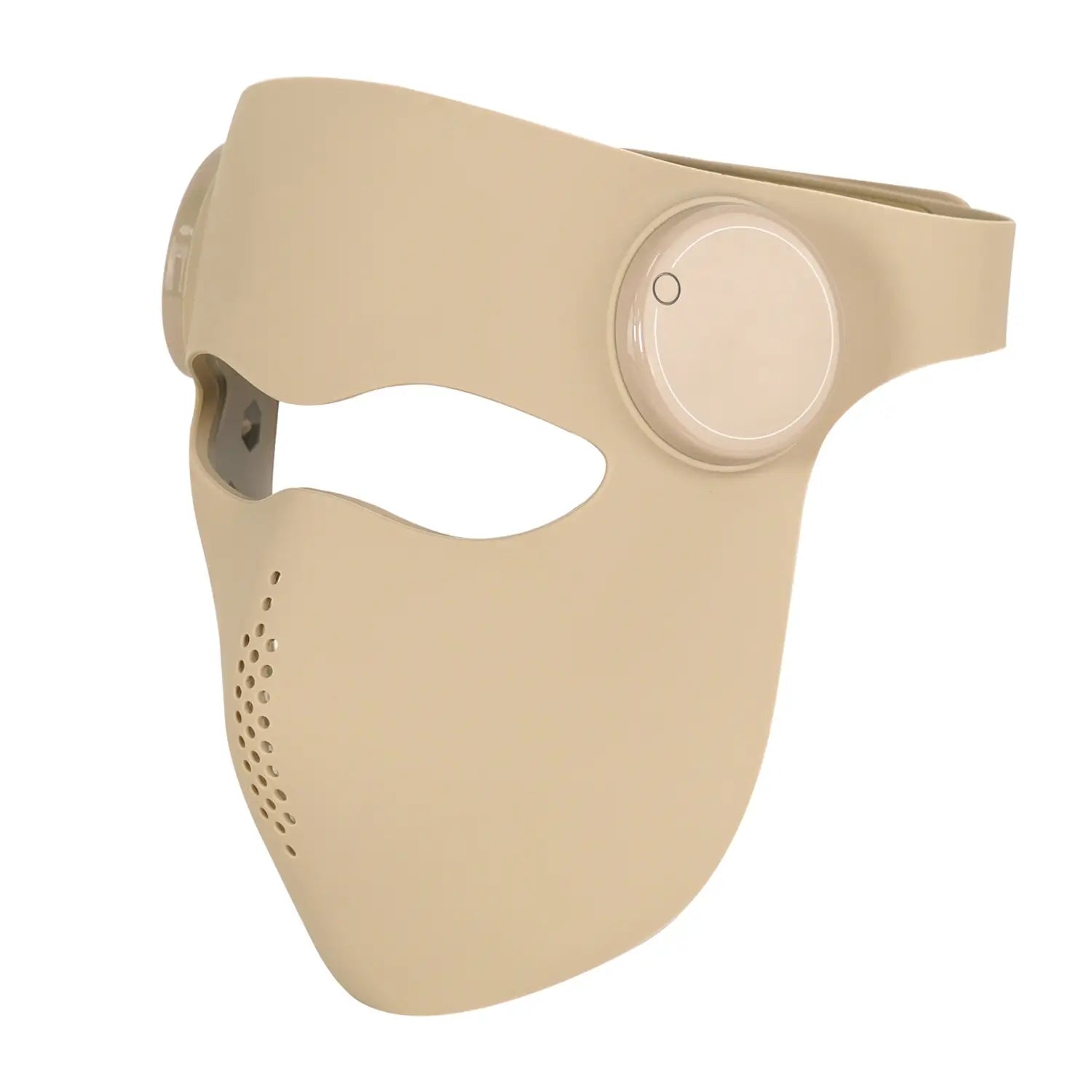
Another detailed clinical study, again available through PubMed Central, followed 20 adults aged 45 to 70 using a 630 nanometer red‑LED mask at home for 12 minutes per session, twice weekly over three months. Researchers measured crow’s feet wrinkles, sagging, firmness and elasticity, dermal density, cheek roughness, complexion homogeneity, pore size, and sebum production in oily‑skin participants. Improvements across these aging markers were progressive over one, two, and three months and remained detectable for at least two weeks and often four weeks after stopping the mask. Importantly for seniors with darker skin, the authors designed the protocol to be safe across all skin phototypes, including V and VI, by using red light alone, limiting dose, and requiring eye protection.
Neither of these trials isolated age spots as the sole outcome, but both documented smoother texture, more uniform tone, and higher dermal density in middle‑aged and older adults. Those changes matter because uneven texture and decreased collagen often exaggerate the contrast of sun spots, and complexion homogeneity is a reasonable proxy for improvement in mottled pigmentation.
On the more pigmentation‑focused side, spa and device‑brand articles summarized in the research notes report specific dark‑spot results. A Tucson spa article describes a four‑week facial study in which more than 90 percent of participants reported visible improvements in skin softness, smoothness, and tone; in a hyperpigmentation‑specific study they cite, over 90 percent saw lightening of dark spots and a more even tone after four weeks of red‑light‑based treatments. A consumer‑device company similarly reports that in one aging‑skin trial they reference, 90 percent of participants reported lighter dark spots after four weeks of using a multi‑wavelength red and near‑infrared mask.
These brand‑linked studies are usually small, not always randomized or blinded, and very often conducted or sponsored by the device manufacturers themselves. That makes them promising, not definitive. However, the direction of change aligns with the independent mask trial’s improvements in complexion homogeneity and the full‑body trial’s improvements in perceived complexion.
Mechanistic and safety reviews add important nuance. The visible‑light review in PubMed Central emphasizes that short‑wavelength blue and some green light can strongly induce hyperpigmentation, especially when delivered at high doses or repeatedly, and that in darker phototypes blue‑light‑induced pigmentation can be more intense and longer lasting than UVA‑induced pigmentation. Yellow and low‑energy red light, by contrast, tend to up‑regulate antioxidant systems, decrease matrix‑degrading enzymes, and promote collagen synthesis when dosed appropriately.
A Joovv hyperpigmentation FAQ, written from a practitioner’s perspective, notes that mid‑600 nanometer red light appears to be a safe, rejuvenating choice for pigment issues, while evidence around near‑infrared wavelengths around 830 to 850 nanometers is mixed: some experiments show inhibition of melanin‑producing enzymes, others show stimulation of melanocytes in conditions like vitiligo. The recommendation there is to prioritize red for hyperpigmentation and pull back on near‑infrared if existing dark areas seem to worsen.
Finally, mainstream medical centers put red light’s pigmentation effects in context. Cleveland Clinic explicitly lists age spots, sun‑damaged skin, and uneven tone among the conditions for which red light is being tried, while stressing that most studies are small, many are not rigorously controlled, and more large randomized trials are needed. Harvard Health’s newer overview of red light therapy for skin care goes a bit further, citing research and American Academy of Dermatology guidance that red light can help lighten dark spots, smooth texture, and reduce redness, while repeating that it is not a miracle and that dose and optimal protocols remain under study.
For a senior wondering whether a panel or mask can actually fade those brown patches, the honest answer is this: properly dosed red light therapy can modestly improve overall skin quality and evenness, and there is preliminary evidence that it can lighten age spots and other hyperpigmentation, especially over several weeks to months. It is not as aggressive or dramatic as lasers or chemical peels, but it is also far gentler, with a strong safety profile when used correctly.

Red Light Therapy Versus Other Age‑Spot Treatments
Most seniors who ask me about red light have already heard about or tried other age‑spot treatments. Chemical peels, prescription lightening creams, intense pulsed light, and lasers are all on the table, along with “natural” oils and home remedies. Red light therapy occupies a very different spot on that spectrum.
A device‑brand article focused on natural ways to tackle age spots points out that conventional office procedures such as peels, lasers, and bleaching creams can be effective but often at the cost of redness, peeling, swelling, and sometimes scarring or infection. Dermatologist‑authored articles echo this and emphasize downtime and risk of rebound hyperpigmentation, especially in darker skin.
Red light, by contrast, is non‑ablative and non‑thermal when used at low levels. Studies published in peer‑reviewed journals describe it as atraumatic and note that the known side effects of traumatic rejuvenation procedures—pain, inflammation, prolonged social downtime—are “unknown” in properly dosed photobiomodulation. In the large full‑body trial, treatment units emitted almost no ultraviolet radiation, and the minimal erythema dose would not have been reached even after several hours of exposure. Subjects tolerated twice‑weekly sessions for 30 treatments well, with no major safety signals.
From a practical “what should I choose” standpoint, it helps to frame these options side by side.
Approach |
How it works on spots |
Typical advantages |
Key limitations or risks |
Topical lightening creams and retinoids |
Inhibit melanin production or speed up cell turnover to help pigment rise to the surface and shed |
Accessible, relatively low cost, can be tailored by a dermatologist, good for mild to moderate spots |
Can irritate or thin skin, especially in seniors; results take weeks to months; risk of rebound pigmentation if sun protection is poor |
Chemical peels |
Apply acids to remove outer skin layers and force regeneration |
Faster visible lightening of superficial spots; can smooth texture at the same time |
Redness, peeling, discomfort, risk of scarring or uneven pigment, especially with deeper peels or darker skin tones |
Lasers and intense pulsed light |
Selectively target melanin with high‑energy light to break up pigment |
Often the most dramatic and rapid improvement in discrete age spots |
Higher cost, possible blisters, scarring, or long‑lasting darkening/lightening; require experienced operators; not ideal for all skin tones |
Red light therapy (low‑level LED or laser) |
Uses red or near‑infrared light to improve cellular energy, collagen production, and microcirculation, and to modulate melanocyte activity |
Non‑invasive, minimal downtime, low risk of scarring, can improve wrinkles, redness, and general skin quality at the same time |
Changes are gradual; evidence is promising but not as robust as for lasers; requires many sessions over weeks or months; devices vary in quality and dose control |
For many seniors, the sweet spot is a combination. That might mean using prescription or over‑the‑counter pigment modulators and diligent sunscreen as the foundation, reserving lasers or peels for particularly stubborn spots, and layering red light therapy as a gentle way to support healing, collagen, and overall radiance.
Building A Senior‑Friendly Red Light Protocol
The most common mistake I see when people start with red light therapy is either doing far too little and giving up, or doing far too much because “more must be better.” Both the clinical research and dermatologist‑written guidance tell a different story: dose and consistency matter more than intensity, and there is a real possibility of biologic “overdosing” where extra light adds no benefit or even inhibits the response.
The mask trial in 45‑ to 70‑year‑olds is a good example of a realistic, sustainable protocol. Volunteers used a 630 nanometer LED mask for 12 minutes per session, twice a week, for three months. That schedule, grounded in the Arndt–Schulz law of biphasic dose response, spaced sessions about 72 hours apart to avoid overstimulation and still produced meaningful improvements in wrinkles, sagging, and skin tone, with benefits persisting after treatment stopped.
In contrast, brand guides for home devices aimed at dark spots and hyperpigmentation frequently suggest slightly higher frequency. Articles from HigherDOSE and Infraredi describe protocols in which users cleanse and dry the face, skip sunscreen during the session itself, then use a mask or panel for about 10 minutes per session, three to five times per week. They report that some people notice a subtle glow or relaxation after the first treatment, visible changes in overall tone in one to two weeks, and more significant lightening of deeper discoloration in roughly four to twelve weeks, with continued gains over about three months of consistent use.
Harvard Health’s skin‑care overview aligns with that time frame and emphasizes the need to use devices multiple times a week for four to six months to see meaningful cosmetic change. Another dermatologist‑authored piece notes that most at‑home red light protocols are not quick fixes; they are slow and cumulative.
If you pull those data and expert opinions together, a reasonable, senior‑friendly framework looks like this, always under a dermatologist’s supervision if you have a history of skin cancer, complex pigmentation, or are on multiple medications.
Begin with a clear diagnosis and skin exam. Articles from Harvard dermatologists and Cleveland Clinic repeatedly warn against self‑diagnosing “sun damage” and treating it at home with light devices. Some brown or red lesions on sun‑exposed skin are pre‑cancers or cancers, and these are not appropriate for red light therapy alone. Before you invest in a device or book a spa series, have a dermatologist confirm that what you are treating is benign hyperpigmentation.
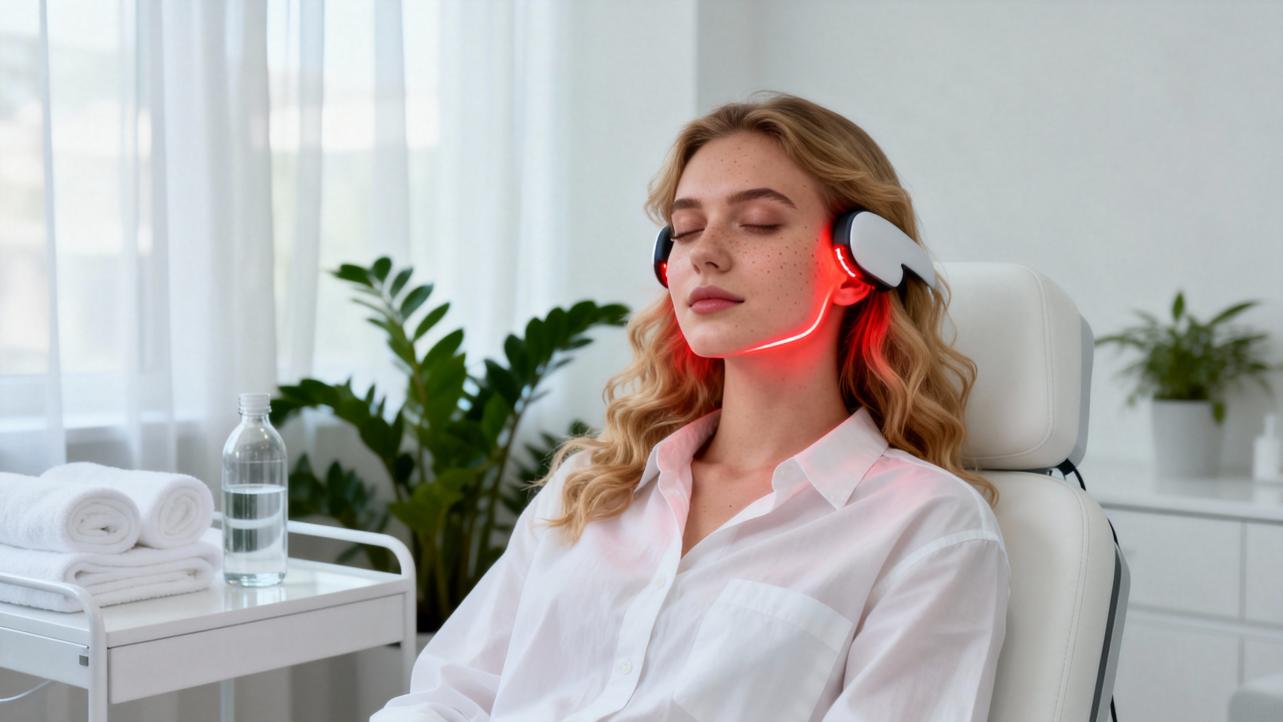
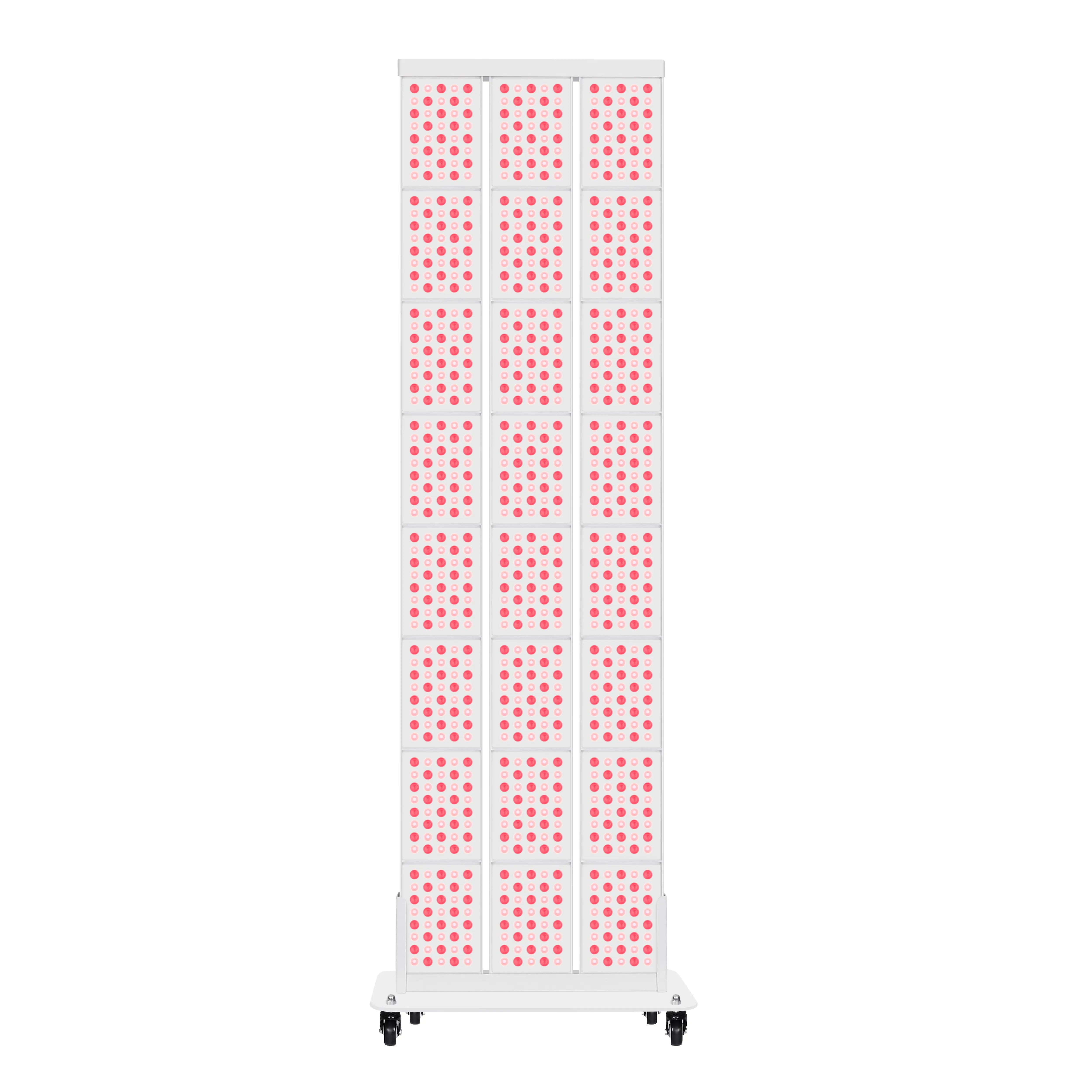
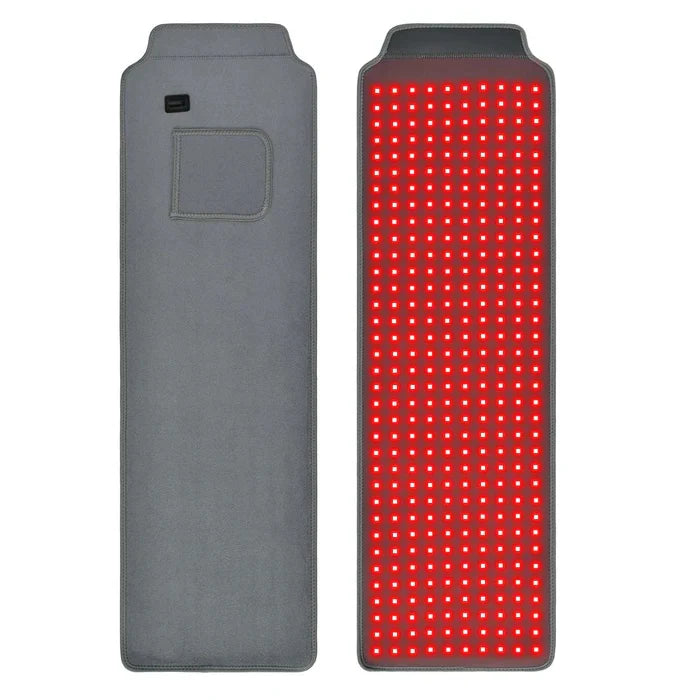
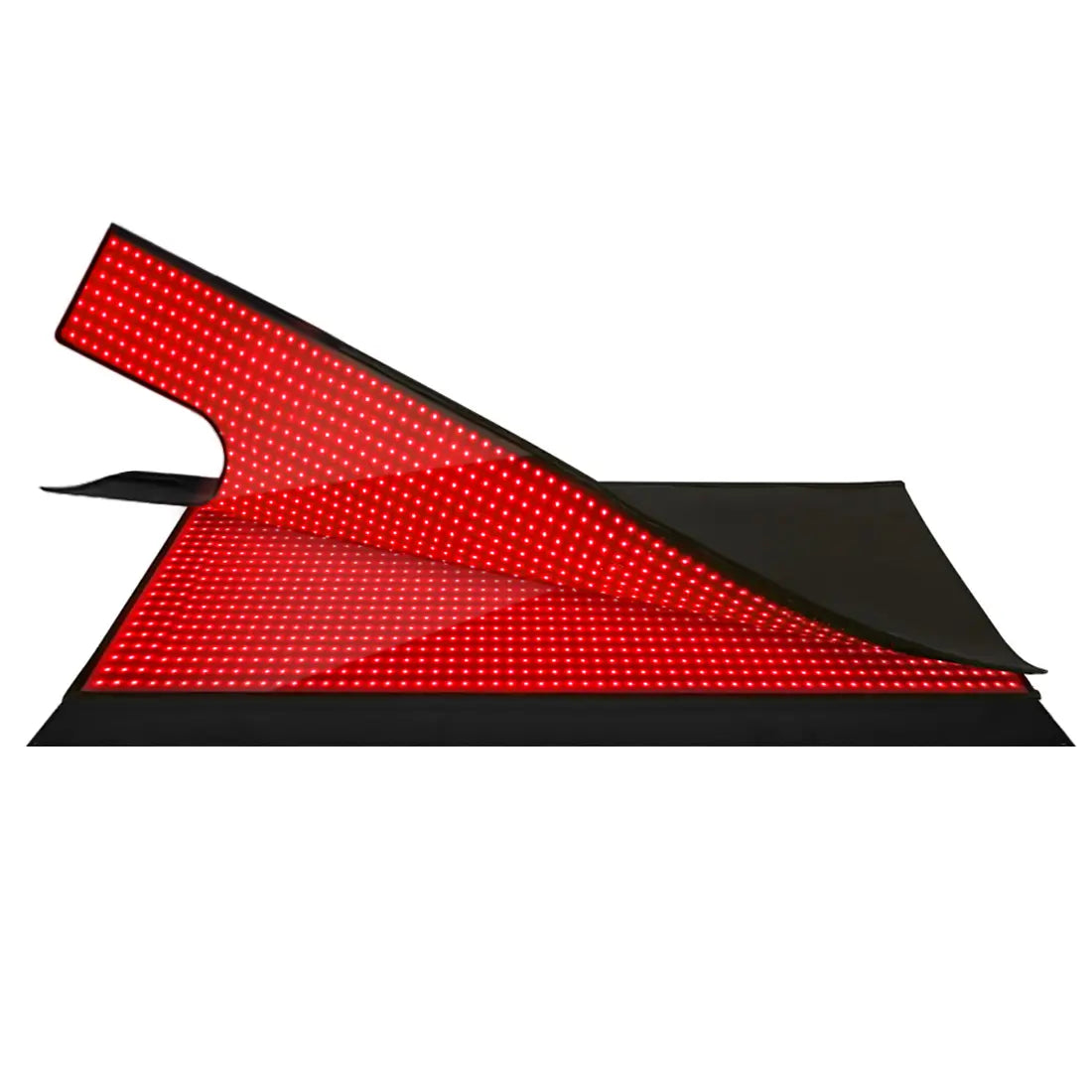
Choose a device with the right wavelength and safety profile. Multiple reputable sources advise looking for devices labeled as cleared by the U.S. Food and Drug Administration for safety, not just devices that make vague statements about being “approved.” For pigmentation, articles from Joovv, Infraredi, and others consistently suggest prioritizing mid‑600 nanometer red light; near‑infrared can be useful for deeper tissues but carries more uncertainty in melanocyte behavior. Medical reviews also point out that many consumer products lack clear data on actual output or power density, which is why working with a dermatologist or choosing a brand that publishes tested parameters matters.
Start with modest sessions and build consistency before intensity. For most seniors targeting age spots, starting around 10 minutes per treatment area, two or three times per week, is a conservative entry point that still fits within the range used in clinical trials and brand protocols. If your skin tolerates that well over several weeks, and your dermatologist agrees, you might move toward three or four sessions per week at 10 to 15 minutes for a defined series of eight to twelve weeks. Piling on daily 30‑minute sessions “just in case” is not evidence‑based and may be counterproductive.
Sequence your routine to maximize penetration and minimize risk. Device guides and clinical studies share a common approach: cleanse gently, dry the skin, keep occlusive sunscreens or thick creams off during the session, and protect your eyes with the shields or goggles that come with the device. After the session, you can apply brightening topicals such as vitamin C or gentle retinoids if your dermatologist has approved them. Several hyperpigmentation articles highlight this combination strategy: topical tyrosinase inhibitors and antioxidants to directly dial down melanin production, plus red light to support repair and recovery.
Commit to a realistic time horizon. The more credible sources are surprisingly aligned here. Brands talk about subtle improvement in one to two weeks and more visible changes in four to six weeks. Spa and clinic articles cite hyperpigmentation studies where over 90 percent of participants saw lighter dark spots and more even tone after four weeks of red‑light‑focused facials. The peer‑reviewed mask trial with 45‑ to 70‑year‑olds measured structural and tonal improvements over three months. Harvard Health describes four to six months of multi‑weekly treatments as a realistic window. For seniors with decades of sun damage, expecting major changes inside a month sets you up for disappointment; aiming for gradual improvement over several months is more aligned with the data.

Safety, Risks, And Special Considerations For Seniors
The good news, echoed across Cleveland Clinic, Harvard Health, Stanford Medicine, UCLA Health, and American Academy of Dermatology resources, is that low‑level red light therapy appears to have a strong short‑term safety record when used properly. Unlike ultraviolet light, red and near‑infrared wavelengths in consumer and dermatologic devices do not cause tanning, sunburns, or known DNA damage, and have not been linked to skin cancer. In clinical trials, even full‑body devices emitting broad 570 to 850 nanometer spectra at therapeutic doses produced no serious adverse effects.
That does not mean zero risk, especially for seniors.
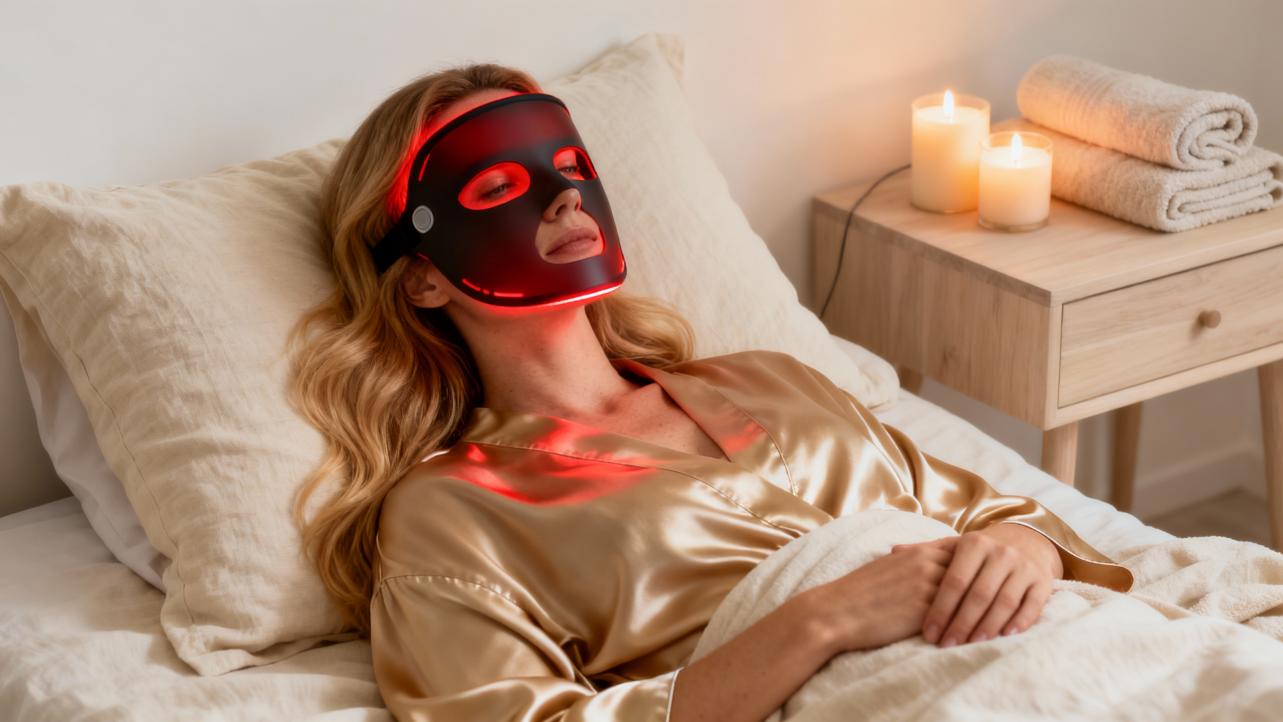
Eye safety is the clearest issue. Harvard dermatologists emphasize shielding the eyes during treatment, and a well‑known consumer mask was voluntarily recalled after concerns that it might cause eye damage in individuals with underlying eye disease or those taking medications that increase light sensitivity. Any device emitting bright light near the face should come with eye protection, and that protection should actually be worn.
Photosensitivity is another concern. Multiple sources advise avoiding home red light devices if you have a light‑sensitive condition such as lupus, or if you are taking medications that increase photosensitivity, including certain antibiotics and other common prescriptions. Seniors are more likely to have complex medication regimens, which makes a pre‑treatment conversation with a dermatologist or primary doctor essential rather than optional.
Skin tone and pigment disorders need special attention. The visible‑light review in PubMed Central shows that short‑wavelength visible light can significantly worsen hyperpigmentation in darker phototypes and in conditions like melasma or post‑inflammatory hyperpigmentation. Harvard and UCLA dermatologists echo that people with darker skin may be more sensitive to visible light, including red, and more prone to developing dark spots. For those patients, experts recommend starting with lower doses, patch testing on a small area, and using broad‑spectrum tinted sunscreens that include pigments such as iron oxides to block not only UV but also some visible light.
There is also the issue of opportunity cost. Harvard Health’s LED therapy article points out that in‑office sessions can easily run around eighty dollars or more per treatment, and home devices can cost several hundred to over a thousand dollars. Utah Health’s podcast discussion mentions red light masks in the hundred‑to‑several‑thousand‑dollar range and full‑body beds reaching well into five figures in cost. For a senior on a fixed income, that is not trivial. Dermatologists consistently urge patients to balance this spending against proven basics such as high‑quality sunscreen, protective clothing, and, when appropriate, evidence‑based topicals or procedures.
Finally, long‑term safety data are limited. While multiple reviews and institutional articles emphasize that no cancer signal or major chronic harm has shown up so far, they are equally clear that decades‑long effects of repeated low‑level red light exposure are not fully known. That is not a reason to avoid treatment, but it is a reason to respect dose guidelines instead of chasing extreme protocols.
Who Is Most Likely To Benefit
Based on the research summarized above, the seniors who tend to get the most from red light therapy for age spots share a few traits.
They have benign, dermatologist‑confirmed sun spots and overall photoaging rather than undiagnosed lesions or complex pigment diseases. Their expectations are realistic: they want softer edges, slightly lighter patches, and better overall radiance rather than perfectly porcelain, spot‑free skin. They are already committed to broad‑spectrum daily sunscreen, hats, and shade, and they are willing to take and compare monthly photos rather than judging progress in the mirror every morning.
They also understand that red light therapy is best viewed as an adjunct. It plays well with pigment‑modulating topicals, with careful peels, and with a nutrition and sleep pattern that supports skin repair, but it does not replace any of those. For many older adults who cannot tolerate aggressive lasers or who bruise easily, a gentle light‑based protocol may be the only comfortable option for nudging stubborn age spots in the right direction.
On the flip side, seniors with very dense, raised, or irregularly bordered pigmented lesions, a history of melanoma or other skin cancers, or significant melasma should work closely with a dermatologist and may be steered toward other treatments or away from red and visible light exposure altogether, depending on their case.
Getting Started In A Smart, Evidence‑Aligned Way
If you decide red light therapy fits your goals and risk profile, start by thinking like a cautious scientist rather than an influencer.
Have a board‑certified dermatologist map and, if necessary, biopsy suspicious spots so that you know you are dealing with benign age spots or post‑inflammatory marks, not precancerous or cancerous lesions. Ask specifically whether red light is appropriate for your skin type, medical history, and current medications.
When you shop for devices, favor companies that disclose their wavelengths and power densities, have had their products cleared by the Food and Drug Administration for safety, and, ideally, can point to independent or peer‑reviewed data rather than only in‑house user surveys. Be wary of dramatic before‑and‑after photos without explanation of concurrent treatments such as peels, prescription creams, or laser sessions.
Design a routine you can actually stick with for several months. For many seniors this means shorter sessions more often rather than marathon exposures. Integrate light sessions into existing habits—after your evening cleanse a few nights a week, for example. Use eye protection every time, monitor for unusual redness, itching, or new spots, and scale back or pause if your skin seems to darken or react.
Above all, treat red light therapy as one part of a broad, sustainable skin‑health strategy. The same articles that praise its ability to lighten dark spots also emphasize the importance of daily broad‑spectrum sunscreen of at least SPF 30, reapplying it regularly outdoors, wearing hats, eating antioxidant‑rich foods such as berries, leafy greens, and nuts, staying hydrated, and prioritizing sleep and stress management. Those fundamentals remain the strongest levers for healthy skin at any age.
FAQ
How long does it usually take for red light therapy to fade age spots in seniors? In brand‑reported hyperpigmentation studies, many participants noticed some brightening and more even tone by about four weeks, with over 90 percent reporting lighter dark spots in certain small trials. The controlled LED mask trial in adults up to age 70 documented progressive improvements over three months, and dermatologist‑written guidance from Harvard Health suggests planning on multiple sessions per week for four to six months for meaningful cosmetic changes. In practice, most seniors who respond notice subtle improvement in a month or two and more visible differences over a few months of consistent use.
Can red light therapy completely erase age spots, or will they come back? Current evidence supports red light therapy as a way to lighten and soften age spots and improve overall skin quality, not to erase them permanently. Even in trials where complexion homogeneity and dark spots improved markedly, participants did not revert to a never‑sun‑damaged baseline, and benefits tended to plateau or slowly decline once treatments stopped. Because age spots reflect cumulative UV and visible‑light exposure, new ones can appear and existing ones can darken if sun protection is poor. Ongoing sunscreen use, protective clothing, and, in some cases, maintenance light sessions or topicals are needed to keep gains.
Is red light therapy safe if I have had skin cancer or take several medications? Short‑term data show low‑level red light to be generally safe, but personal history matters. If you have had any type of skin cancer, especially melanoma or recurrent non‑melanoma cancers, or if you are on medications that affect photosensitivity, you should not start red light therapy without clearance from your dermatologist and prescribing physicians. Harvard and Cleveland Clinic dermatologists specifically warn against self‑treating “sun damage” without a proper diagnosis, and note that medications and conditions that alter your response to light can change the risk profile. In that situation, a tailored, physician‑guided plan is essential.
In the end, red light therapy is neither magic nor myth. For seniors with benign age spots who are willing to pair science‑based light protocols with rock‑solid fundamentals like sunscreen, sleep, and smart topicals, it can be a quiet but powerful ally in the long game of skin health and graceful aging.
References
- https://spinoff.nasa.gov/NASA-Research-Illuminates-Medical-Uses-of-Light
- https://digitalcommons.cedarville.edu/cgi/viewcontent.cgi?article=1013&context=education_theses
- https://www.health.harvard.edu/diseases-and-conditions/led-lights-are-they-a-cure-for-your-skin-woes
- https://pmc.ncbi.nlm.nih.gov/articles/PMC10311288/
- https://med.stanford.edu/news/insights/2025/02/red-light-therapy-skin-hair-medical-clinics.html
- https://healthcare.utah.edu/the-scope/mens-health/all/2024/06/176-red-light-therapy-just-fad
- https://my.clevelandclinic.org/health/articles/22114-red-light-therapy
- https://www.gundersenhealth.org/health-wellness/aging-well/exploring-the-benefits-of-red-light-therapy
- https://www.uclahealth.org/news/article/5-health-benefits-red-light-therapy
- https://www.aad.org/public/cosmetic/safety/red-light-therapy