

Why Facial Redness Is So Stubborn
If your face seems to flush at the slightest trigger, you are not imagining it. Persistent redness is one of the most frustrating issues I see in skin‑optimization routines, and it behaves very differently from simple dry skin or the occasional breakout.
Dermatology sources describe rosacea as a chronic facial condition that shows up as lingering redness, visible blood vessels, and sometimes small, acne‑like bumps across the cheeks, nose, and chin. Triggers often include sun exposure, stress, heat, alcohol, spicy foods, and certain skincare products. Over time, repeated flushing can train the tiny vessels in your skin to stay more dilated than they should be, so your baseline looks “pink” or even bright red even on calm days.
Even if you do not have a formal rosacea diagnosis, many people live with reactive skin that flushes easily, stings when they apply products, or turns red after a single gym session or a glass of wine. In all of these scenarios, inflammation and microvascular changes are central players. The problem is that the usual quick fixes—harsh exfoliants, strong prescription actives, aggressive peels—often make that inflammation worse, not better.
This is where red light therapy has started to earn a place. It is non‑ablative, meaning it does not rely on controlled damage like many lasers or intense pulsed light systems do. Instead, it aims to nudge your biology in a calmer direction from the inside out.
As someone who biohacks with light panels and LED masks and who also has an easily flushed face, I care much less about marketing promises and much more about what the science and clinical experience actually show. Let’s unpack what red light therapy is, how it works, and where it genuinely fits into a redness‑reduction strategy.

What Red Light Therapy Really Is
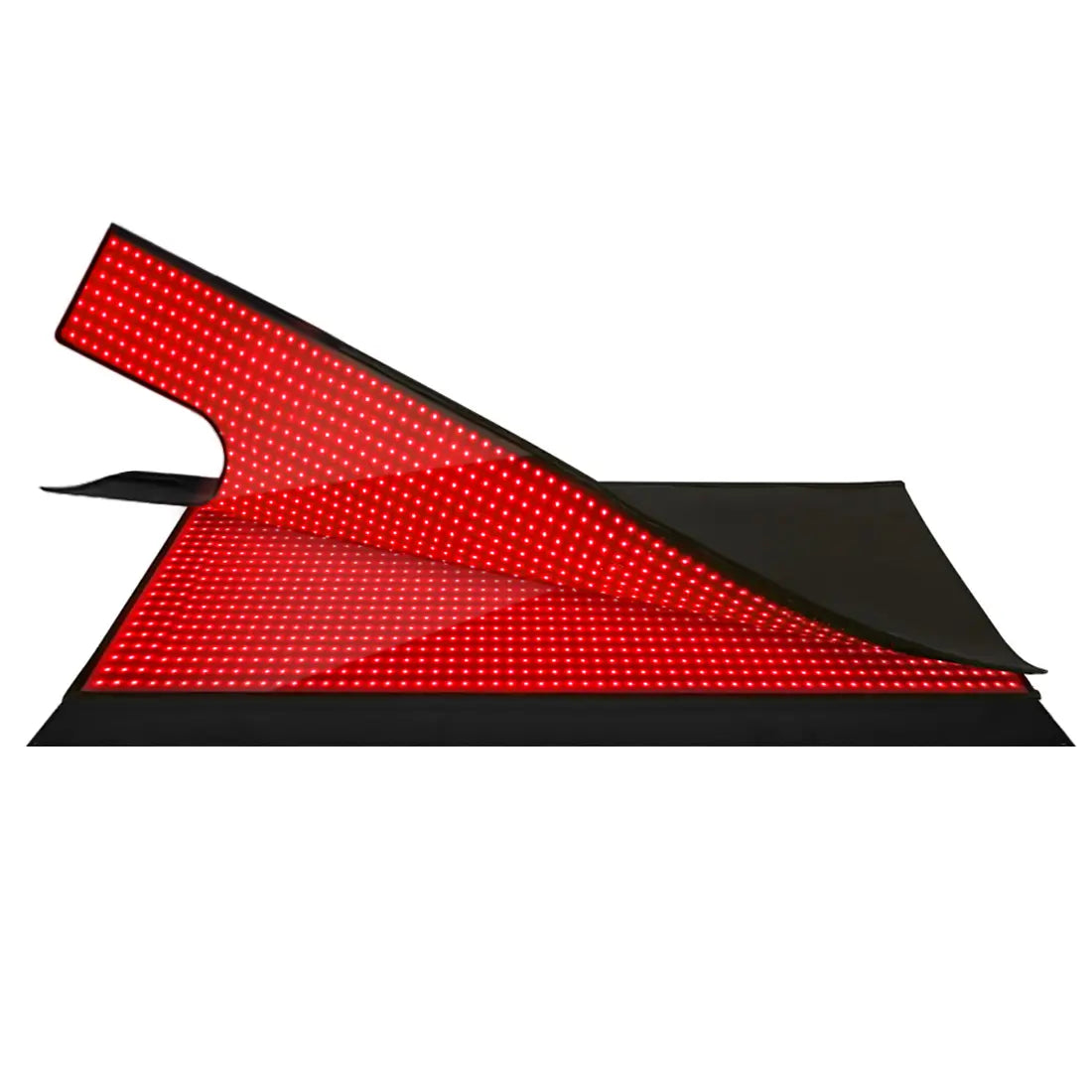
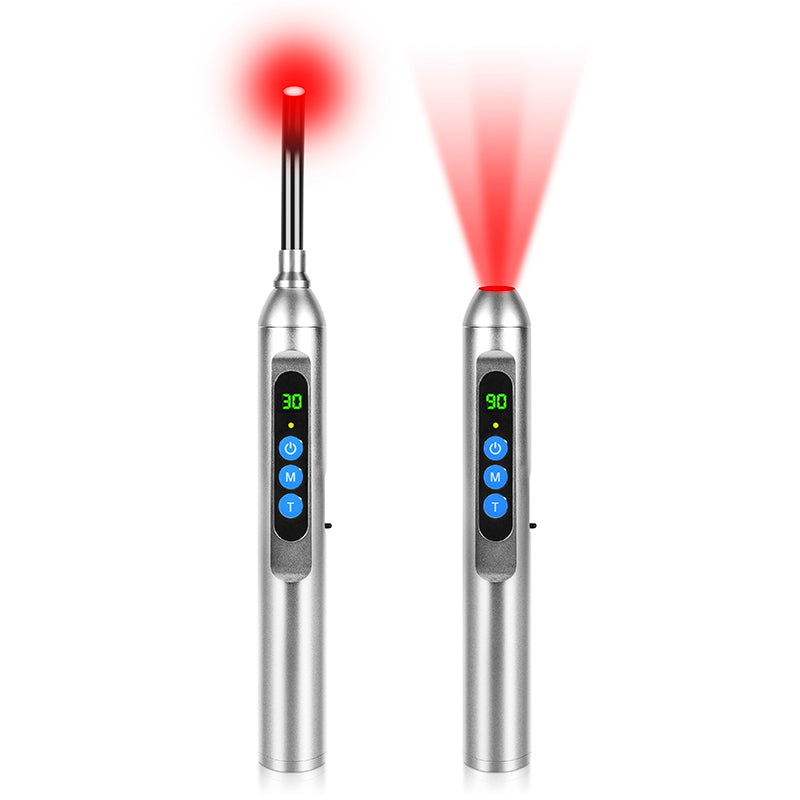
Red light therapy is sometimes marketed under different names: low‑level light therapy, low‑level laser therapy, or, in the scientific literature, photobiomodulation. The definition across major medical centers is consistent. It uses low levels of visible red light, and often near‑infrared light, delivered by LEDs or low‑power lasers. The wavelengths that show up repeatedly in research are roughly 620–700 nanometers for red and 700–1,440 nanometers for near‑infrared.
Unlike ultraviolet light, red and near‑infrared do not tan you and are not linked to skin cancer. Leading centers such as Cleveland Clinic and Harvard Health describe red light therapy as non‑invasive and non‑ionizing, with a safety profile that is generally favorable when devices are used correctly and not shined directly into the eyes.
Historically, interest grew when NASA used red light to support plant growth in space and then explored its potential to help heal astronauts’ wounds. In dermatology, red light was first popular as a companion to photodynamic therapy for certain skin cancers, where a red laser activates a drug to destroy abnormal cells. Later, researchers realized that red light alone, at non‑destructive power levels, can influence how skin cells function. That realization gave rise to modern photobiomodulation.
Today, dermatology clinics, aesthetic practices, and at‑home devices all use red LEDs or low‑level lasers to support skin rejuvenation, acne care, wound healing, hair growth, and, increasingly, facial redness and rosacea. The same basic mechanism underpins all of these uses.

How Red Light Calms Skin at the Cellular Level
Mitochondria: Turning Up Cellular Energy
If you strip away the hype, red light therapy is fundamentally about energy metabolism. Multiple reviews describe how red and near‑infrared photons are absorbed by specific chromophores inside cells, especially an enzyme in the mitochondrial respiratory chain called cytochrome c oxidase.
When those photons are absorbed, they can increase mitochondrial respiration and adenosine triphosphate (ATP) production. In plain language, cells have a bit more energy to work with. In skin, that energetic nudge can translate into faster repair of damaged tissue, better production of structural proteins like collagen and elastin, and more efficient turnover of surface cells.
For redness, this matters because inflamed skin is often metabolically stressed. Cells are dealing with oxidative stress, inflammatory mediators, and sometimes impaired barrier function. Red light, at appropriate doses, supports repair without adding new trauma.
Inflammation: Modulating, Not Bludgeoning
One of the most important themes in the photobiomodulation literature is its anti‑inflammatory effect. A comprehensive review of red and near‑infrared therapy describes how, at low to moderate doses, this light can alter reactive oxygen species signaling, release nitric oxide, and influence transcription factors that govern inflammatory pathways. In many disease models, the net effect is a reduction in pro‑inflammatory markers and edema and a shift toward more resolving, healing immune activity.
In clinical practice, dermatologists and device manufacturers consistently highlight this anti‑inflammatory action as the reason red light helps conditions like acne, eczema, and rosacea. Articles from dermatology practices report that red light can reduce redness and irritation and is well tolerated even by sensitive or reactive skin when used correctly.
For rosacea specifically, experts writing for device makers such as Dr. Müller emphasize that red light penetrates roughly 8–10 millimeters, or about a third of an inch, into the skin. At that depth it can influence the dermal vasculature and local inflammatory environment. They propose that by calming inflammation—one of the key drivers of rosacea—red light can lessen erythema, even skin tone, and improve texture.
Collagen, Microcirculation, and “Background Red”
Facial redness is not only about inflammation in the moment; it also relates to long‑term structural changes. Chronic inflammation can thin the skin barrier and alter collagen organization, making vessels more visible. Clinical trials on red light for facial rejuvenation and neck and chest skin have shown a few consistent patterns.
One controlled trial that used polychromatic red and near‑infrared light for 30 sessions over about 15 weeks found significant improvements in skin complexion and subjective “skin feeling,” along with ultrasound‑measured increases in intradermal collagen density and reductions in surface roughness. In other words, people’s skin not only felt and looked better; the deeper collagen architecture objectively improved. Broadband red plus near‑infrared did not outperform red‑only light, suggesting that well‑targeted red is sufficient for this effect.
Meanwhile, work on neck and chest skin with 660‑nanometer red light and 850‑nanometer near‑infrared shows increases in collagen fiber density and dermal thickness, along with better texture and pigmentation in sun‑damaged skin. Histology in these studies shows more organized extracellular matrix after consistent LED use.
For redness, denser, healthier dermis and a smoother surface can reduce the appearance of diffuse pinkness over time, even if red light is not directly “shutting off” individual blood vessels the way a vascular laser does. It is part of why people often report that their baseline color looks more even and less blotchy after a few months of consistent treatments.
The Dose Matters: Why More Is Not Always Better
A key nuance that seasoned light‑therapy users pay attention to is the biphasic dose response. Research in photobiomodulation shows that low doses of light tend to be stimulatory in beneficial ways, while very high doses can become ineffective or even counterproductive. In neuron experiments, for example, around 3 joules per square centimeter of 810‑nanometer light boosted ATP and mitochondrial potential, but ten times that dose dropped mitochondrial potential below baseline and changed reactive oxygen species in an unfavorable direction.
Translate that to the face: bathing your skin in intense light for long stretches is not a shortcut to faster results. It may simply plateau or irritate your skin. This aligns with recommendations from dermatology sources that emphasize short, controlled sessions several times per week, not marathon daily exposures.
Evidence for Red Light and Facial Redness
Rosacea and Reactive Skin
For rosacea, controlled data are still emerging, but the direction is encouraging. Rosacea is framed as a chronic, relapsing condition, so the goal is better control rather than a cure.
In educational material around dedicated rosacea devices, clinicians describe protocols of red light therapy two to three times per week, about 15 minutes per session, for a continuous period of 10–12 weeks. In this timeframe, they report reductions in overall redness and more even tone, as well as improvement in skin elasticity and texture. Dermatologists and scientists cited in these resources highlight the anti‑inflammatory properties of red light as the mechanism behind these changes and emphasize that the therapy is gentle and appropriate for many people with sensitive or reactive skin.
Other rosacea‑focused resources discussing LED therapy point out that red and near‑infrared wavelengths can reduce flushing and background redness, while combinations with blue light are useful for papulopustular rosacea, where acne‑like bumps are prominent. A case description of a person with papulopustular rosacea using blue plus near‑infrared light two to three times per week reported major reductions in both redness and painful, itchy spots, which allowed less reliance on systemic medications.
None of this replaces topical prescription treatments, trigger management, or sun protection. However, it does position red light therapy as a non‑pharmaceutical adjunct that many patients tolerate well and find soothing.
Radiation Dermatitis and Wound‑Related Redness
One of the strongest clinical use cases for photobiomodulation in dermatology is not cosmetic at all: radiation dermatitis in cancer care. Multiple controlled trials and meta‑analyses have shown that red and near‑infrared photobiomodulation can reduce the severity, progression, and pain of radiation‑induced skin reactions. The level of evidence is considered high in that specific setting.
While radiation dermatitis is different from rosacea, both involve inflammatory and vascular changes in the skin. The fact that red light is robustly helpful in this harsh iatrogenic injury context supports its broader anti‑inflammatory reputation. It also reinforces the idea that red light is not simply a superficial “beauty gadget,” but a biologically active tool that can protect and calm skin when doses and protocols are managed carefully by clinicians.
Skin Rejuvenation Trials: Complexion and Redness
We also have data from rejuvenation trials in otherwise healthy adults. In the controlled trial mentioned earlier, 136 volunteers between 27 and 79 years old were randomized to different red or red‑plus‑near‑infrared light regimens or to a control group with no treatment. Participants received 30 sessions, twice weekly, in full‑body or facial devices.
Subjectively, treated participants reported improved skin complexion and skin feeling compared with baseline, and these benefits persisted at a six‑month follow‑up. Objectively, digital profilometry showed reduced skin roughness, ultrasound documented higher collagen intensity scores, and blinded physician assessments of photographs confirmed wrinkle reduction compared with controls. Importantly, there were no severe adverse events, and devices were engineered to emit almost no ultraviolet radiation.
While the study did not quantify rosacea‑style erythema as a primary endpoint, improved complexion and the absence of inflammatory flares in such a long protocol are reassuring signals for those concerned about reactivity. It supports the idea that properly dosed red light can nurture, rather than aggravate, easily irritated skin.
How Strong Is the Overall Evidence?
Major health systems remain cautious and realistic. Reviews from Cleveland Clinic and Harvard Health point out that many red light studies are small, of limited duration, or lack rigorous placebo controls. Results can vary widely by device power, wavelength, treatment schedule, and patient selection.
The consensus in these conservative sources is that red light therapy clearly does something biologically meaningful. There is reasonable support for modest improvements in skin texture and wrinkles and for certain inflammatory conditions and hair loss. At the same time, many of the more dramatic claims circulating online—for example, as a miracle solution for every skin or systemic issue—are not backed by robust, long‑term human data.
For facial redness, the fairest way to state it is this: red light therapy is a promising, lower‑risk adjunct that can calm inflammation, support healthier dermis, and reduce background redness in many people, particularly with rosacea or sensitive skin. It is not a cure, results are gradual and moderate, and it should be integrated thoughtfully with dermatologist‑guided care rather than used as a stand‑alone miracle.
Red Light vs Other Technologies for Redness
Red light therapy is not the only light‑based option for facial redness. Blue light, combination LED devices, and vascular lasers each play distinct roles.
Here is a high‑level comparison, based on the clinical uses described in dermatology and LED therapy sources.
Modality |
Typical wavelengths |
Primary biological target |
Best suited for |
Access setting |
Red light therapy (LED or low‑level laser) |
About 620–700 nm red, often with near‑infrared around 800–900 nm |
Mitochondria and fibroblasts; modulates inflammation, supports collagen and elastin; improves microcirculation |
Diffuse facial redness from inflammation, rosacea, post‑procedure irritation, general sensitive skin |
Dermatology clinics, aesthetic practices, at‑home masks and panels |
Blue or blue‑plus‑red LED |
Blue around 415 nm, red around 630–660 nm, sometimes with near‑infrared |
Acne bacteria, sebum production, inflammatory lesions; red component supports healing |
Acne‑driven redness and inflamed bumps; post‑acne marks |
Dermatology clinics, professional‑grade and some at‑home devices |
Laser therapy for facial redness |
Device‑specific laser wavelengths, selected by dermatologists |
Vascular and pigmented targets in the skin; focused energy to reduce visible redness |
Persistent visible blood vessels and marked facial redness under medical supervision |
Dermatologist offices and medical laser centers |
Professional organizations such as the American Society for Dermatologic Surgery describe laser therapy for facial redness as a procedure that uses focused laser or light‑based energy to reduce visible redness on the face. Those treatments are powerful and targeted, and they require careful review of medical history and medications beforehand.
In contrast, red LED therapy at cosmetic doses does not destroy tissue. It is more of a gentle, repeated nudge toward better function, and that is why it can be used far more frequently and at home. If you have prominent, fixed surface vessels, red light alone is unlikely to erase them, but it may still calm background inflammation and help your skin tolerate other treatments better.
How to Use Red Light Safely for Facial Redness
Picking a Device That Makes Biological Sense
From a Light Therapy Geek perspective, a device is only as good as its specifications. The dermatology literature and expert articles consistently emphasize three things: wavelength, power, and consistency.
First, look for devices that clearly state their wavelengths in the therapeutic red and near‑infrared ranges. Many clinical and at‑home devices use red around 630–660 nanometers and often pair it with near‑infrared around 800–850 nanometers. Neck and chest devices that combine 660 and 850 nanometers, for example, are designed to stimulate collagen in more superficial layers and deeper support structures simultaneously.
Second, power density matters. The controlled rejuvenation trial standardized doses in a key red wavelength band to roughly 8.5–9.6 joules per square centimeter per session, which is within typical photobiomodulation ranges for skin. Consumer devices often use lower power, which is safer but also means you need consistent use over weeks or months for noticeable changes. Dermatology sources stress that FDA clearance for a device primarily speaks to safety and similarity to an existing cleared device; it does not guarantee that every claimed outcome has been proven.
Third, choose devices from reputable manufacturers that publish at least basic technical data and, ideally, have dermatologist involvement. Clinic‑based systems tend to be better characterized than bargain, specification‑free gadgets.
Dialing In Session Length and Frequency
One of the most common mistakes I see in home use is “If 10 minutes is good, 30 must be better.” The research and clinical guidance say otherwise.
Dermatology practices and device protocols for skin and rosacea generally converge around short, repeated sessions. Many sources recommend exposing the face to red light for about 10–20 minutes per session, several times per week. For rosacea devices, schedules of two to three sessions per week, 15 minutes at a time, for 10–12 weeks are common. Some neck and décolletage protocols suggest 10 minutes per session, three times weekly.
From the standpoint of the biphasic dose response, that pattern makes sense. You aim to deliver enough light to trigger beneficial signaling, but then you let the skin process those signals before the next dose. It is very common for visible improvements in redness and texture to take six to twelve weeks of consistent use. Photobiomodulation is a remodeling process, not an instant filter.
When you first start, especially if you have very reactive skin, it is reasonable to be conservative. You might begin with shorter sessions or a slightly greater distance from the device, then lengthen exposure gradually as you learn how your skin responds.
Building a Red Light Ritual for Sensitive Faces
In my own routine and in protocols I design for clients, the most successful red light regimens treat it as one layer in a calm, barrier‑centric skincare program. A simple framework that aligns with dermatology and LED brand recommendations looks like this.
Start with clean, dry, product‑free skin. Use a very gentle, non‑foaming cleanser formulated for sensitive skin and avoid mechanical scrubs, alcohols, or essential oils beforehand, especially if you have rosacea. Several rosacea education resources stress avoiding these irritants anyway.
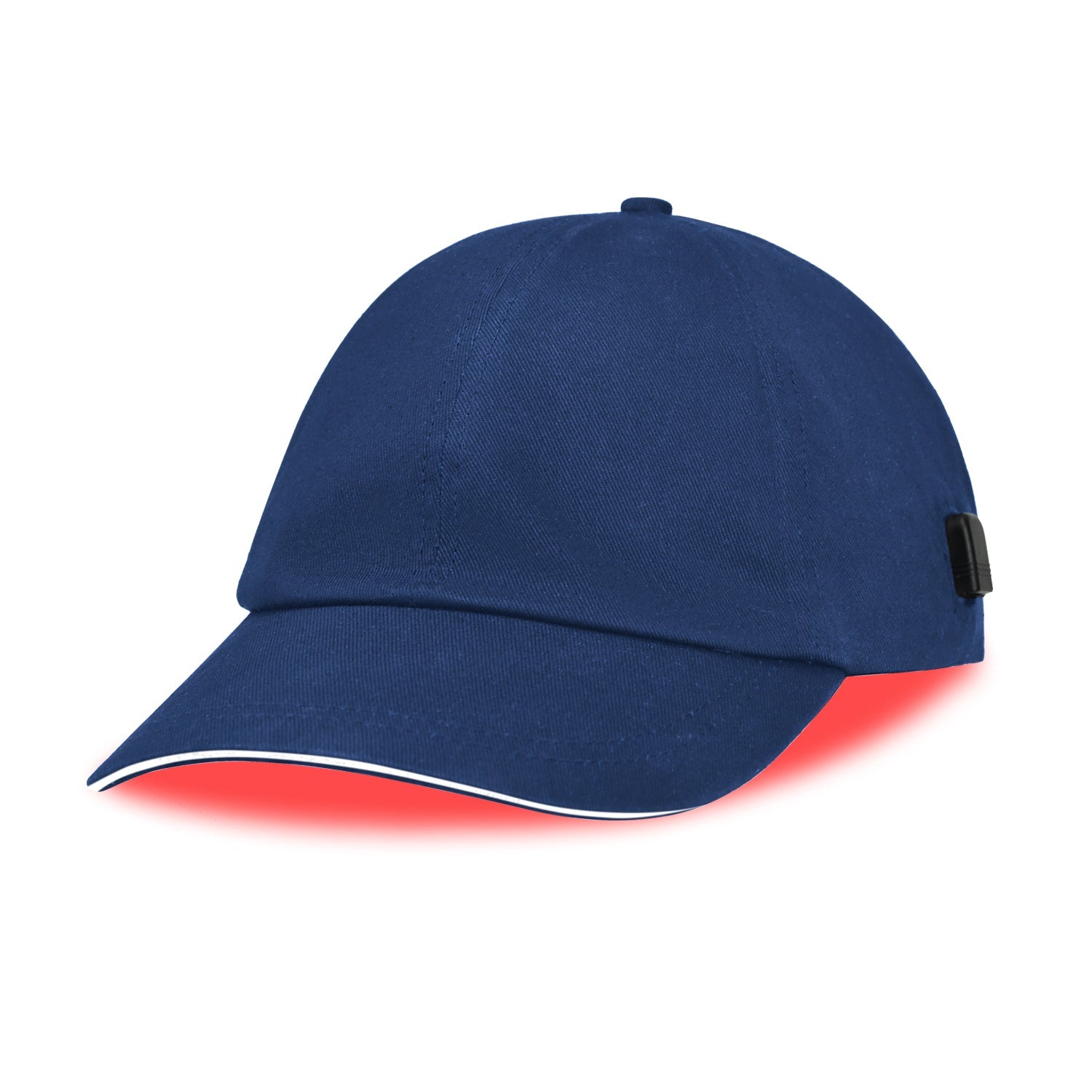
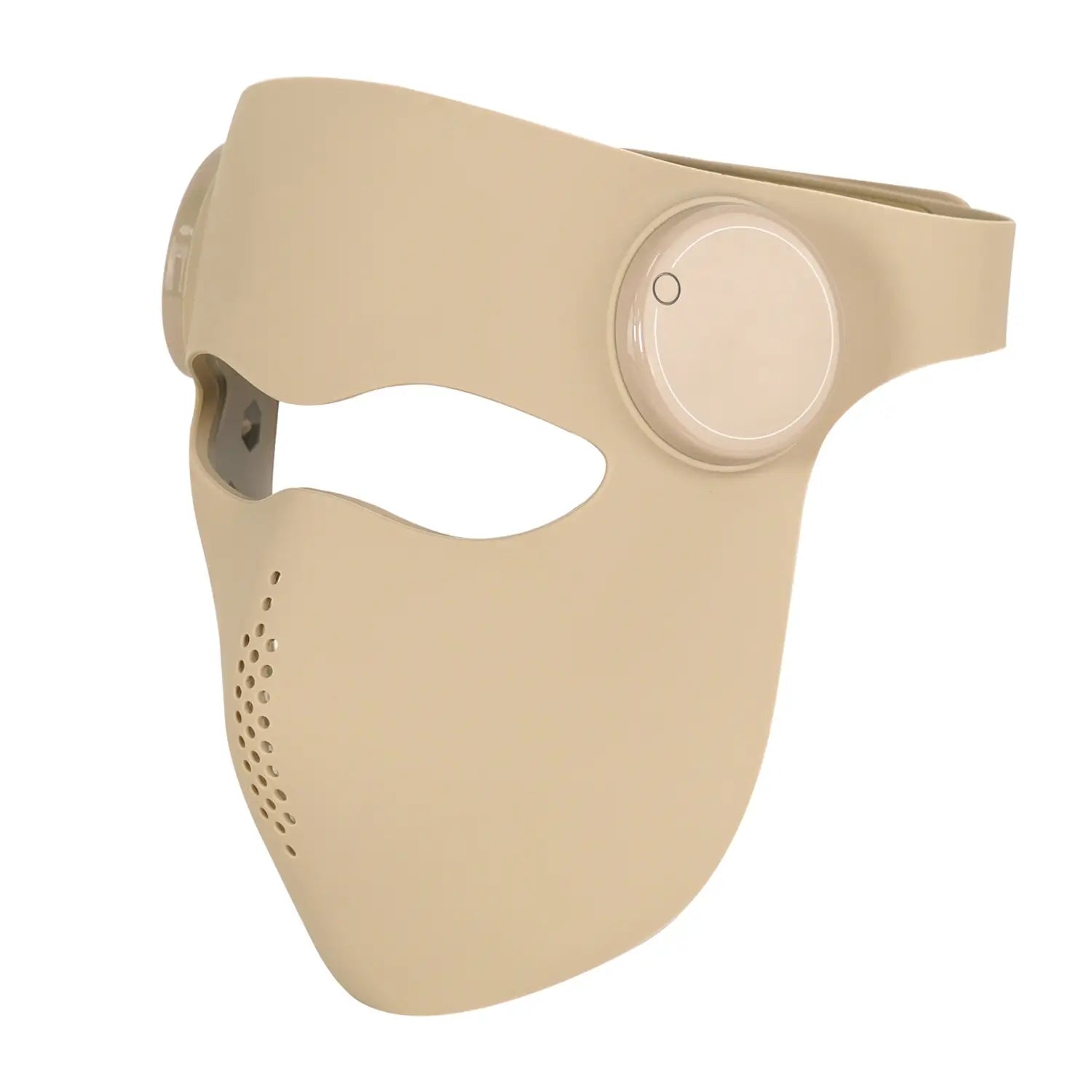
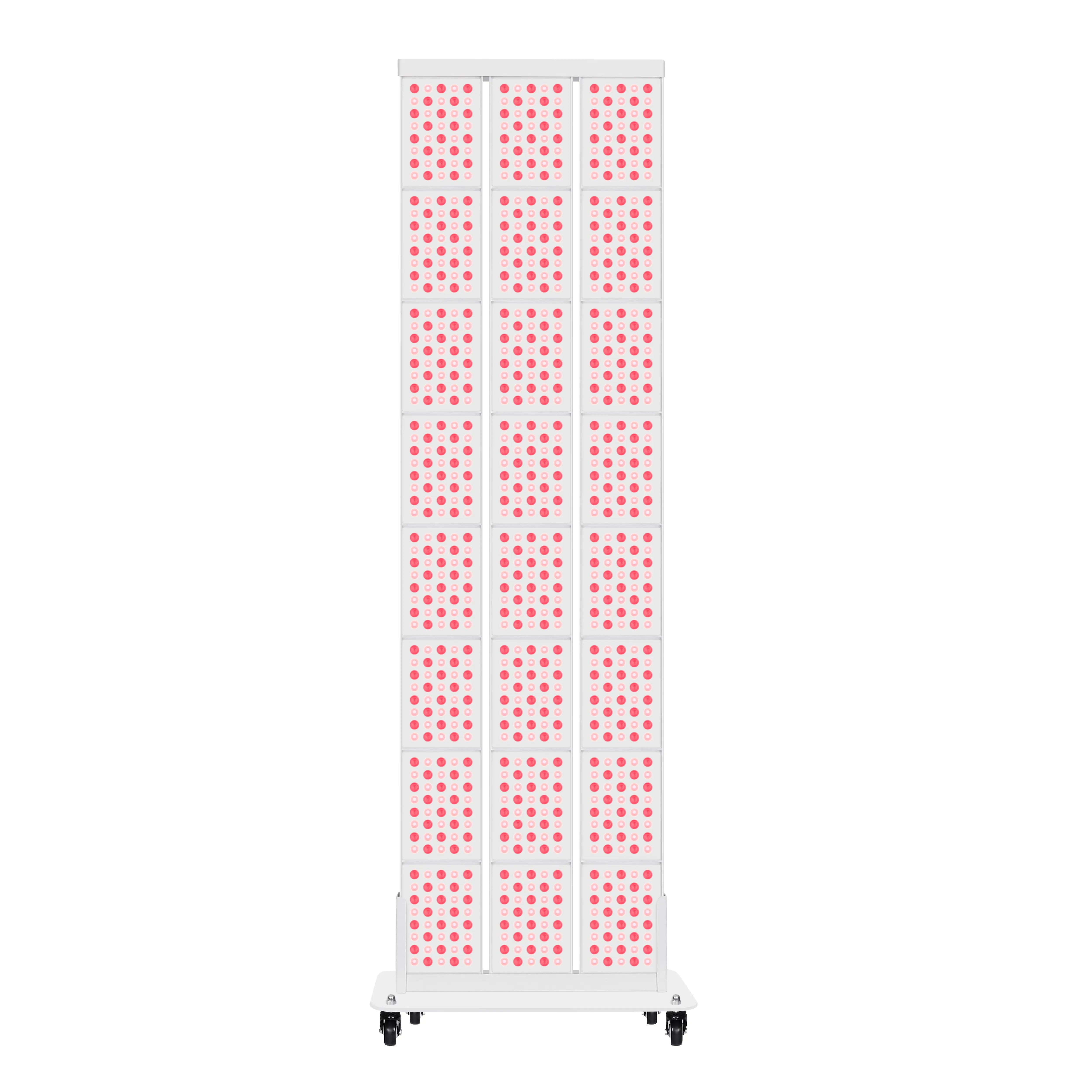
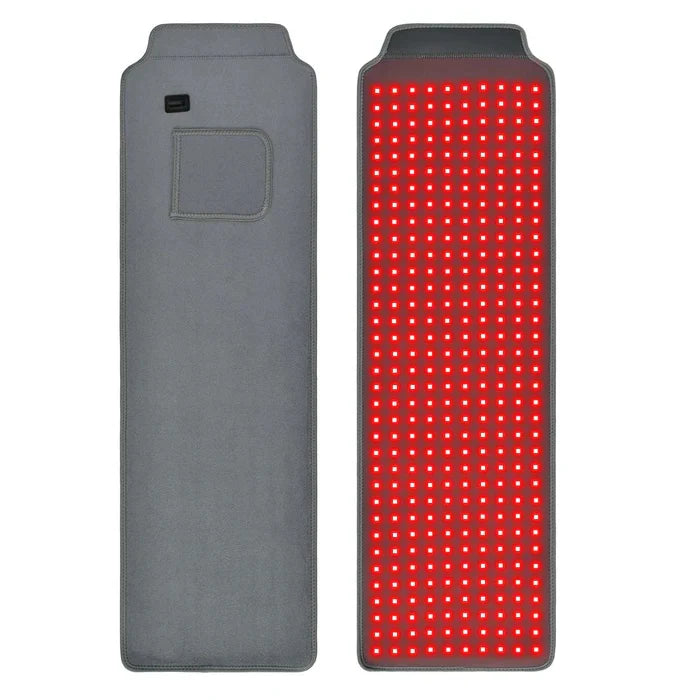
Use the device as directed, wearing eye protection if the manufacturer recommends it. For masks and panels that sit close to the eyes, I consider protective goggles non‑negotiable. Keep to the recommended distance and time; do not chase a tingling or heating sensation, because properly dosed red light therapy should feel comfortable and only mildly warm at most.
Immediately after treatment is an excellent window for barrier‑supportive, collagen‑friendly skincare. Dermatology and LED therapy articles frequently suggest peptides, antioxidants, and other soothing actives after LED sessions to leverage slightly increased circulation and permeability. I like simple, fragrance‑free hydrating serums and creams with ingredients such as niacinamide, ceramides, and gentle peptides for redness‑prone skin. Some device brands propose specific serums to pair with red light; the key is that they are non‑irritating.
What you generally want to avoid right before or immediately after a session are strong exfoliating acids and high‑strength retinoids on very sensitive skin. Several consumer and clinical sources recommend spacing those actives at least a few hours away from light treatments to minimize compounding irritation.
Finally, track your progress under similar lighting every two weeks. Neck‑focused LED protocols recommend photographs at that interval, and the same logic applies to your face. When you review photos at six and eight weeks, you are much more likely to appreciate gradual calming and textural changes that you might miss in the mirror every morning.
Combining Red Light with Other Therapies
Red light therapy is at its best when it is integrated into a comprehensive plan rather than treated as a standalone cure. For acne with prominent redness, for example, blue light targets acne‑causing bacteria and helps reduce sebum output, while red light reduces inflammation and supports faster healing and less scarring. Several acne protocols explicitly pair blue and red LEDs for this reason.
For rosacea, conventional treatments still matter: trigger avoidance, gentle skincare, prescription topicals or oral medications when needed, and rigorous sun protection. Dermatologists and major health systems emphasize that people considering red light for medical conditions should first confirm their diagnosis and discuss where light fits relative to better‑established options.
In some settings, clinicians also use red light as part of post‑procedure care after more aggressive treatments such as resurfacing lasers or intense pulsed light, because it can reduce downtime and discomfort by accelerating repair. This reflects its role as a supportive, regenerative modality rather than a destructive one.
Who Should Be Cautious
Even though red light therapy is generally considered safe and non‑toxic at the doses used for skin, there are clear situations where you should slow down and involve a physician.
People with photosensitive conditions, such as certain autoimmune diseases, or those taking photosensitizing medications, including some antibiotics, diuretics, or acne drugs, should talk with a dermatologist or prescribing physician before starting. Multiple sources, including Cleveland Clinic, Harvard‑affiliated experts, and large medical reference sites, make this point.
Eye safety is critical. High‑intensity visible light aimed directly at the eyes can damage retinal structures. Professional and at‑home device instructions often call for goggles or built‑in shields, and you should follow those directions carefully. For periocular treatments, such as working on crow’s feet or under‑eye skin, protective eyewear is especially important.
A history of skin cancer, particularly in the treatment area, or other serious skin diseases is another flag to discuss red light with a dermatologist first. While current evidence has not linked red light therapy to skin cancer and some data even support its use in oncology supportive care, it is still wise to individualize the decision.
Pregnancy is a special case. One study involving hundreds of pregnant women exposed to certain laser treatments did not show harm, but overall data in this group remain limited. Most cautious medical sources suggest that pregnant individuals consult their obstetrician and dermatologist before starting new device‑based therapies, red light included.
Finally, if your redness is rapidly changing, associated with systemic symptoms, or involves eye discomfort and vision changes (as in possible ocular rosacea), you should see a dermatologist or ophthalmologist promptly. Light devices are never a substitute for proper medical evaluation.

Pros and Cons of Red Light for Facial Redness
When you strip away marketing, the pros of red light therapy for redness are substantial but measured. It is non‑invasive, generally comfortable, and does not rely on heat or tissue destruction. It has a favorable safety profile when used correctly, with serious side effects described as rare in dermatology reviews. It works via genuine biological mechanisms—mitochondrial modulation, anti‑inflammatory effects, improved collagen and dermal structure—that are relevant to chronic redness and rosacea. It is also accessible, since at‑home devices with FDA clearance for safety are widely available, and short office sessions do not require anesthesia or downtime.
On the other side of the ledger, evidence quality varies. Many trials are small, device parameters are inconsistent, and optimal dosing for specific redness conditions is not yet standardized. Results are modest and gradual, not dramatic, especially with lower‑power consumer devices. At‑home panels and masks can be expensive, and office treatments are typically not covered by insurance when used for cosmetic redness. Red light does not replace medical therapies for rosacea, nor will it erase well‑established surface vessels the way targeted laser treatments can.
From a biohacker’s perspective, that picture is still quite attractive—as long as your expectations are calibrated to slow, accumulative gains, not overnight transformation.
My Take as a Light Therapy Geek
When I test red light devices on my own easily flushed skin and work with others who battle chronic redness, the most consistent wins look like this. Flare‑ups from heat, exercise, or stress become shorter and less intense. Baseline color shifts from “angry pink” to a softer, more neutral tone over a couple of months. Skin texture feels smoother and more resilient, and stinging reactions to gentle products diminish.
Those changes line up well with what the dermatology literature describes: less inflammation, healthier collagen architecture, more even complexion, and good tolerability in sensitive skin. The people who do best treat red light like they treat strength training or meditation. They pick a protocol that respects the science, stick with it three to five times per week, protect their barrier, and give it at least two or three months before re‑evaluating.
If facial redness is a daily frustration for you, red light therapy is not magic, but it is one of the few tools that can actively support skin biology while feeling soothing in the moment. Used wisely, under the guidance of a dermatologist when you have an underlying condition like rosacea, it can help shift your skin toward a calmer, more resilient baseline—and that is a powerful lever in any long‑term wellness and performance plan.
FAQ
Does red light therapy cure rosacea?
No. Rosacea is considered a chronic condition with genetic and inflammatory components. Dermatology and device experts position red light as a complementary option that can reduce redness and improve skin texture when used regularly over weeks to months. It can make your skin more “rosacea‑resilient,” but it does not eliminate the underlying tendency to flare, so trigger management and medical care remain essential.
How long before I notice less redness?
Most clinical and real‑world protocols do not expect visible changes for at least several weeks. For rosacea protocols using red light two or three times per week for 15 minutes, a continuous period of 10–12 weeks is often recommended before judging results. Some people notice subtle calming sooner, but significant improvements in background redness and texture are more realistic over one to three months of consistent use.
Can red light make my redness worse?
When used at appropriate doses, red light therapy is generally well tolerated, and dermatology clinics describe only minimal side effects. Short‑term pinkness or warmth immediately after a session is possible and usually fades quickly. Overuse, very high intensities, or combining light with irritating products can provoke irritation. If your skin stays more inflamed for hours after sessions, scale back time, increase distance from the device, or pause and consult a dermatologist.
Is it safe to use red light around the eyes?
Many facial devices are designed to treat the skin around the eyes, but all reputable sources stress eye protection. The skin of the eyelids can benefit from improved collagen and reduced inflammation; the eyes themselves should not be exposed to intense direct light. Use proper goggles or shields whenever the device instructions advise it, especially for high‑intensity panels or masks that sit close to the eyes.
References
- https://www.health.harvard.edu/staying-healthy/red-light-therapy-for-skin-care
- https://pmc.ncbi.nlm.nih.gov/articles/PMC11049838/
- https://med.stanford.edu/news/insights/2025/02/red-light-therapy-skin-hair-medical-clinics.html
- https://www.brownhealth.org/be-well/red-light-therapy-benefits-safety-and-things-know
- https://my.clevelandclinic.org/health/articles/22114-red-light-therapy
- https://www.gundersenhealth.org/health-wellness/aging-well/exploring-the-benefits-of-red-light-therapy
- https://www.uclahealth.org/news/article/5-health-benefits-red-light-therapy
- https://www.aad.org/public/cosmetic/safety/red-light-therapy
- https://santabarbaraskincare.org/2025/03/06/the-power-of-red-light-therapy-for-healthier-skin/
- https://www.uhhospitals.org/blog/articles/2025/06/what-you-should-know-about-red-light-therapy