
Lips, Aging, and the “Perioral Shadow”
If you stand under a strong bathroom vanity light and lean in close to the mirror, you may notice something that standard skincare often misses: the way light catches tiny vertical lines above the upper lip and the faint shadow that forms around the mouth. In lighting design, we pay close attention to how illumination reveals texture; in skin, that texture often traces straight back to collagen and circulation.
Dermatology sources describe lip wrinkles, or “lip lines” and “smoker’s lines,” as fine, vertical creases on and around the lips that are distinct from smile lines. Articles on lip aging from brands like Solawave and Project EBeauty explain that this perioral area, from the tip of the nose to the chin, is especially vulnerable because the skin is thin and highly expressive. Over time, collagen (the structural “scaffolding”) and elastin (the springy “snap back”) decline. Add repetitive puckering from smoking or frequent straw use, chronic sun exposure, and lifestyle factors like alcohol, poor sleep, or dehydration, and that delicate ring of skin starts to crease, dry out, and lose volume.
Lip color changes alongside texture. As circulation slows and the surface becomes drier, lips can look dull, less rosy, and more uneven in tone. Perioral folds and marionette lines deepen the sense of shadow, so the mouth looks “collapsed” even in neutral expression. This is the aesthetic problem people are really asking about when they wonder whether red light can soften lip lines or restore a healthier lip color.
Red light therapy sits at the intersection of energy-efficient illumination and biologic response. The same LED technology used to build high-quality luminaires for homes and commercial spaces is tuned here to specific wavelengths that interact with skin cells, including those in and around the lips.

What Red Light Therapy Really Is
From NASA experiments to dermatology clinics
Cleveland Clinic describes red light therapy, also called low-level light therapy or photobiomodulation, as a noninvasive treatment that uses low-level red or near‑infrared light from LEDs or low-power lasers to influence cellular behavior. Interest in this technology grew after NASA experiments showed that red light could help plants grow and support wound healing for astronauts. Since then, medical researchers have used red light in photodynamic therapy to activate drugs that treat certain skin cancers and other skin conditions, and in stand‑alone form to improve skin appearance.
Stanford dermatology experts and a narrative review summarized by Duke University note that red LED therapies are now used across dermatology for acne, early skin cancers and precancers, chronic inflammatory conditions, and cosmetic rejuvenation. The term “photobiomodulation” was formally recognized by the National Library of Medicine in 2015, which helped spur more research.
How red wavelengths talk to your cells
Across sources like Stanford, Cleveland Clinic, UCLA Health, Harvard Health, and WebMD, the core mechanism is described consistently. Specific red and near‑infrared wavelengths, usually somewhere between about 600 and 1100 nanometers, are absorbed by components of the mitochondrial respiratory chain, especially cytochrome c oxidase. Mitochondria are often called the “power plants” of the cell. When they absorb this light, they increase production of adenosine triphosphate (ATP), the cell’s energy currency.
With more ATP available, cells can carry out repair and growth processes more efficiently. Research summarized in a peer‑reviewed photobiomodulation study on facial skin shows that red light exposure can:
- Boost fibroblast activity, leading to more collagen and elastin production.
- Shift the redox state in ways that favor tissue regeneration.
- Improve blood flow through vasodilation.
- Reduce inflammatory signaling.
Unlike ultraviolet (UV) light, red and near‑infrared wavelengths do not damage DNA. Harvard Health and West Dermatology both emphasize that short‑term use of LED devices at typical treatment levels is considered safe and non‑burning, although long‑term safety data are still limited. Red light is also distinct from high‑intensity lasers: according to SkinTherapeutics, low‑level red light is regenerative and non‑ablative, while many cosmetic lasers work by intentionally causing controlled injury to force a more aggressive renewal.
From a lighting-engineering perspective, this is about dose, spectrum, and distribution. The French clinical study on the Dior x Lucibel LED mask, for example, used a well-characterized red LED array at about 630 nanometers, delivering a dose of roughly 15.6 joules per square centimeter over 12 minutes, twice a week. The authors found progressive improvements in facial wrinkles, dermal density, and skin smoothness over three months, with benefits persisting for about a month after stopping treatment. That study did not focus on lips, but it gives a sense of how carefully tuned red light can remodel skin over time.

How Red Light Affects Lip Lines
Collagen, elastin, and the fine lines around your mouth
Multiple clinical and review articles, including work summarized by Metropolis Dermatology, SkinTherapeutics, and UCLA Health, report that red light can stimulate fibroblasts, increase collagen and elastin, and improve skin firmness and elasticity. The Dior x Lucibel clinical study documented a roughly 15.6 percent decrease in crow’s feet wrinkle depth after one month, along with a more than 26 percent increase in dermal density and gains in firmness and elasticity over three months.
Even though these data come from the eye and cheek area rather than the lips, the underlying biology is the same. Lip lines develop because the collagen “columns” under the skin thin out and the elastic fibers fatigue. Photobiomodulation targets those same fibroblasts in the dermis. Articles from Project EBeauty and Solawave explain that red and deep red light stimulate fibroblasts to upregulate collagen, elastin, and even hyaluronic acid, while near‑infrared wavelengths support deeper circulation and repair. In the perioral region, that means:
Cells around the mouth may repair micro‑damage more efficiently, so fine vertical lines soften gradually.
The dermal “padding” under the lip border can thicken slightly, which visually reduces the sharpness of etched lines and improves lip contour.
The skin’s ability to stretch and rebound improves, so repeated expressions leave less permanent creasing.
Dermatologists quoted in Byrdie’s review of LED lip devices caution that results are subtle and gradual rather than dramatic. They emphasize that LED lip therapy will not fully replicate what dermal fillers or a strong resurfacing laser can do for deep lines. The realistic expectation is a soft-focus effect: lips and the surrounding skin appear smoother, with fine lines less noticeable under normal lighting, but the basic lip shape does not fundamentally change.
Why lip skin may respond especially well
Project EBeauty highlights a key anatomic fact: lip skin is thinner and more light‑responsive than much of the face. That makes intuitive sense from a lighting standpoint. When a surface is thin, more of the incoming light can reach vascular and cellular targets with less scattering. The same red dose that barely reaches the mid‑dermis on the cheek can interact more strongly with tissue on and around the lip.
This is one reason several brands have built lip‑specific devices. The Metamorphosis Light Therapy article on LushLips, for example, describes a design that uses four wavelengths: amber at 605 nanometers to address surface tone, red at 630 nanometers and deep red at 660 nanometers to stimulate collagen and elastin, and near‑infrared at 880 nanometers to drive circulation and reduce inflammation. The device is shaped to treat the full perioral zone with a three‑minute pre‑set session and is cleared through the U.S. Food and Drug Administration’s 510(k) pathway, indicating safety and substantial equivalence to existing devices.
In other words, engineers are taking advantage of the lip’s unique sensitivity to light by creating arrays that bathe that zone in a carefully layered spectrum designed for structural support and surface refinement.

How Red Light Influences Lip Color and Texture
Circulation and that soft, rosy tone
Several sources, including Stanford’s discussion of hair regrowth and Project EBeauty’s overview of lip benefits, point to vasodilation and improved microcirculation as a core effect of red and near‑infrared light. When blood vessels widen and more oxygenated blood reaches a tissue, two things usually happen: metabolic repair accelerates and color shifts toward a healthier, “lit from within” tone.
On the scalp, this improved blood flow helps nourish hair follicles and can lead to thicker hair when treatments are repeated over months. Around the mouth, better circulation translates visually into slightly rosier lips and a more even lip border. Metamorphosis Light Therapy describes users and beauty editors reporting “plumper, fuller lips after just one session” with multi‑wavelength lip devices, and a beauty tester quoted by Byrdie noted that several months of regular LED lip therapy produced “slightly juicier, rosier lips” and less visible lip lines, especially when combined with a hydrating hyaluronic acid lip serum.
The key is to interpret “plumper” through a lighting lens. Red light is not inflating tissue the way filler does; instead it appears to restore some of the soft color and subtle fullness that you see when the microcirculation is functioning well and the collagen matrix is healthier. Under everyday ambient lighting, that reads as more youthful lips.
Dryness, cracking, and cold sore healing
Red light’s wound‑healing reputation is another reason it is being applied to the lip area. Cleveland Clinic and BSW Health both note that red light has been studied for wound healing, scar remodeling, and inflammatory skin conditions like eczema and rosacea, though results across different conditions are mixed and often based on small trials.
For lips specifically, Project EBeauty reports that red and infrared light can help clear and prevent dry, cracked lips and cold sores. The article cites a clinical study in which red light shortened cold sore healing time by up to about four days. That fits with broader photobiomodulation literature summarized in the UCLA Health and WebMD articles, where red and near‑infrared light reduced inflammatory pain and supported tissue repair in various settings, even though benefits often diminished once treatment stopped.
Practically, this suggests that regular but not excessive red light exposure on the lips may help maintain a healthier barrier and speed up the resolution of small cracks or cold sore lesions, especially when combined with basic lip-care steps like occlusive balms and sun protection. However, none of the major medical sources recommend red light as a stand‑alone treatment for serious infections or severe inflammatory conditions; those still warrant medical care.
Lip-Focused Red Light Devices: Designs and Differences
Common device styles and wavelengths
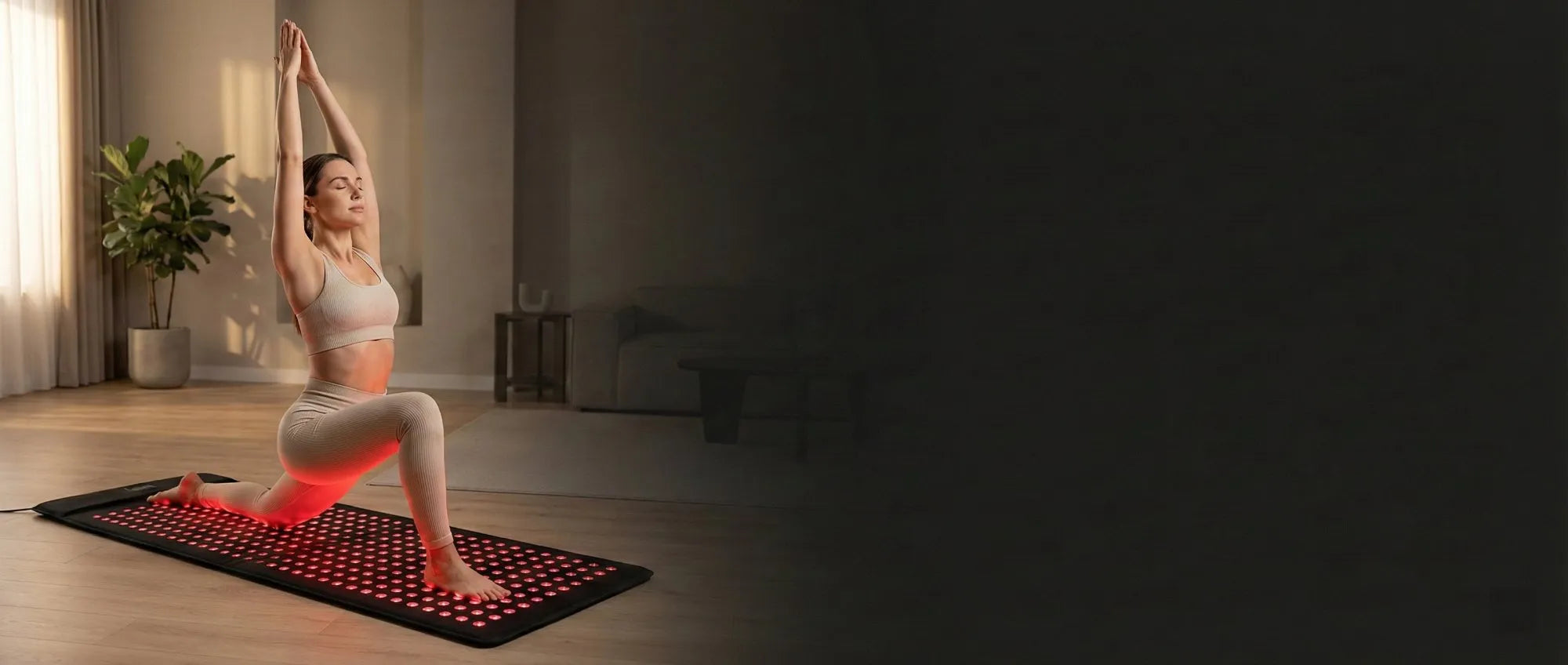
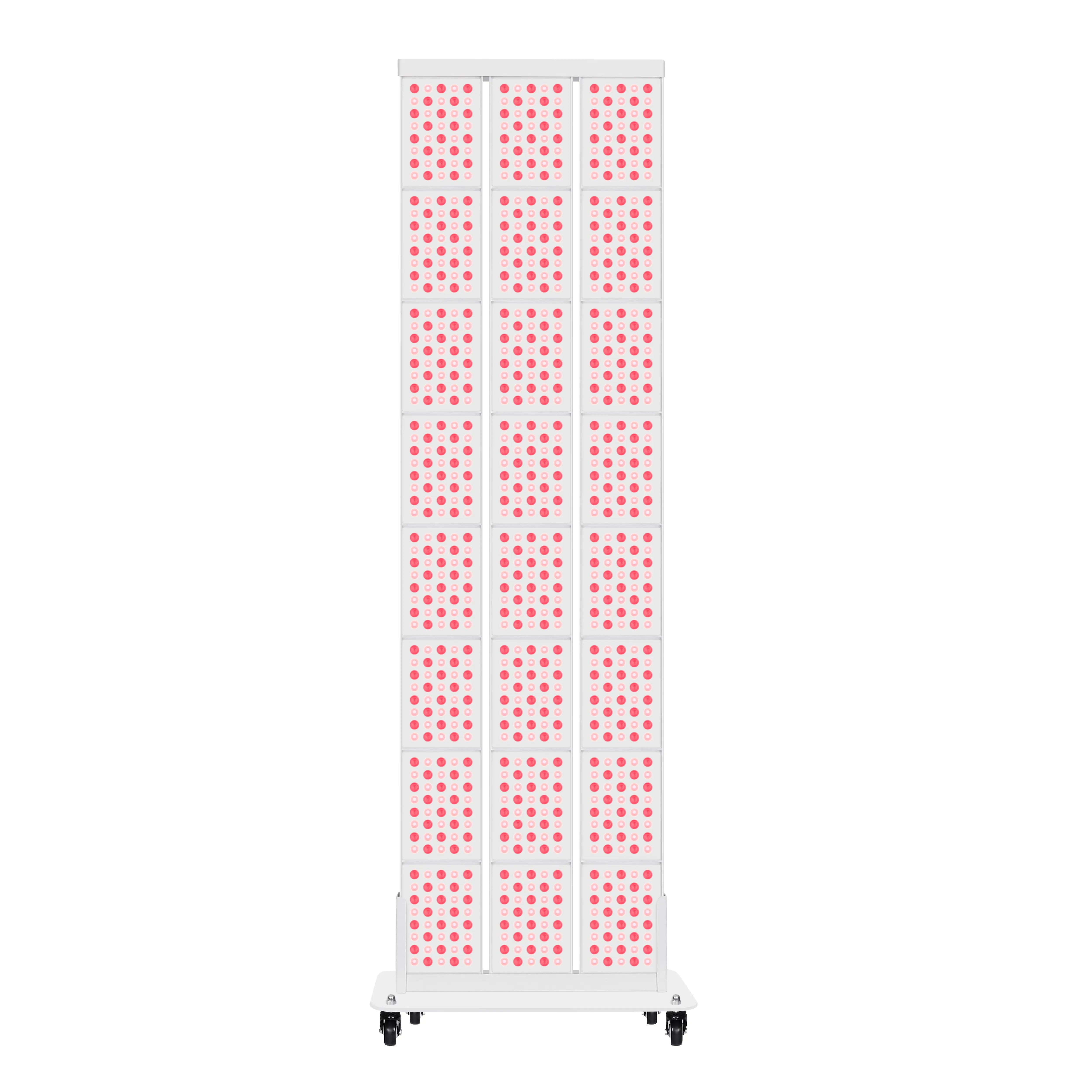
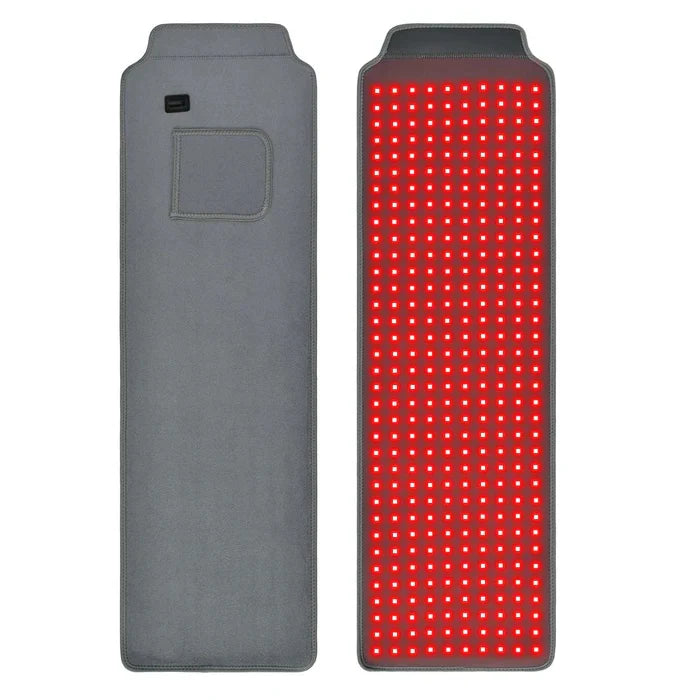
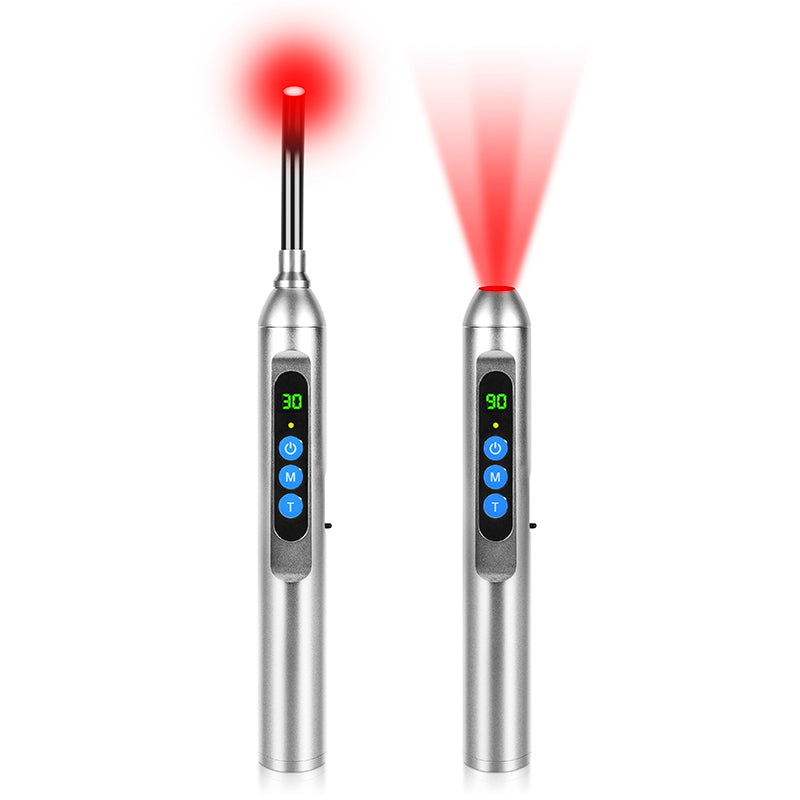
The consumer landscape for red light is starting to look a lot like a layered lighting plan in a well‑designed space: panels for broad wash, masks for face‑level coverage, and small fixtures for task lighting. For lips, that translates into a mix of lip-only devices and full-face masks that cover the mouth zone. Based on the research notes, several patterns emerge.
A By rdie overview explains that most LED lip therapy devices use combinations of amber, red, deep red, and infrared wavelengths. Amber, red, and deep red primarily target fibroblasts in the epidermis and papillary dermis, while infrared penetrates more deeply to enhance circulation, wound healing, and overall lip texture. Sessions commonly last about three to five minutes, often with an automatic shutoff at around three minutes, and daily use for roughly four weeks is recommended to begin seeing visible results.
The Metamorphosis Light Therapy article on LushLips provides a concrete example: 38 medical‑grade LEDs at 605, 630, 660, and 880 nanometers arranged in a soft silicone device that sits hands‑free over the lips and perioral area. A three‑minute timer and a rechargeable design are intended to make daily use realistic.
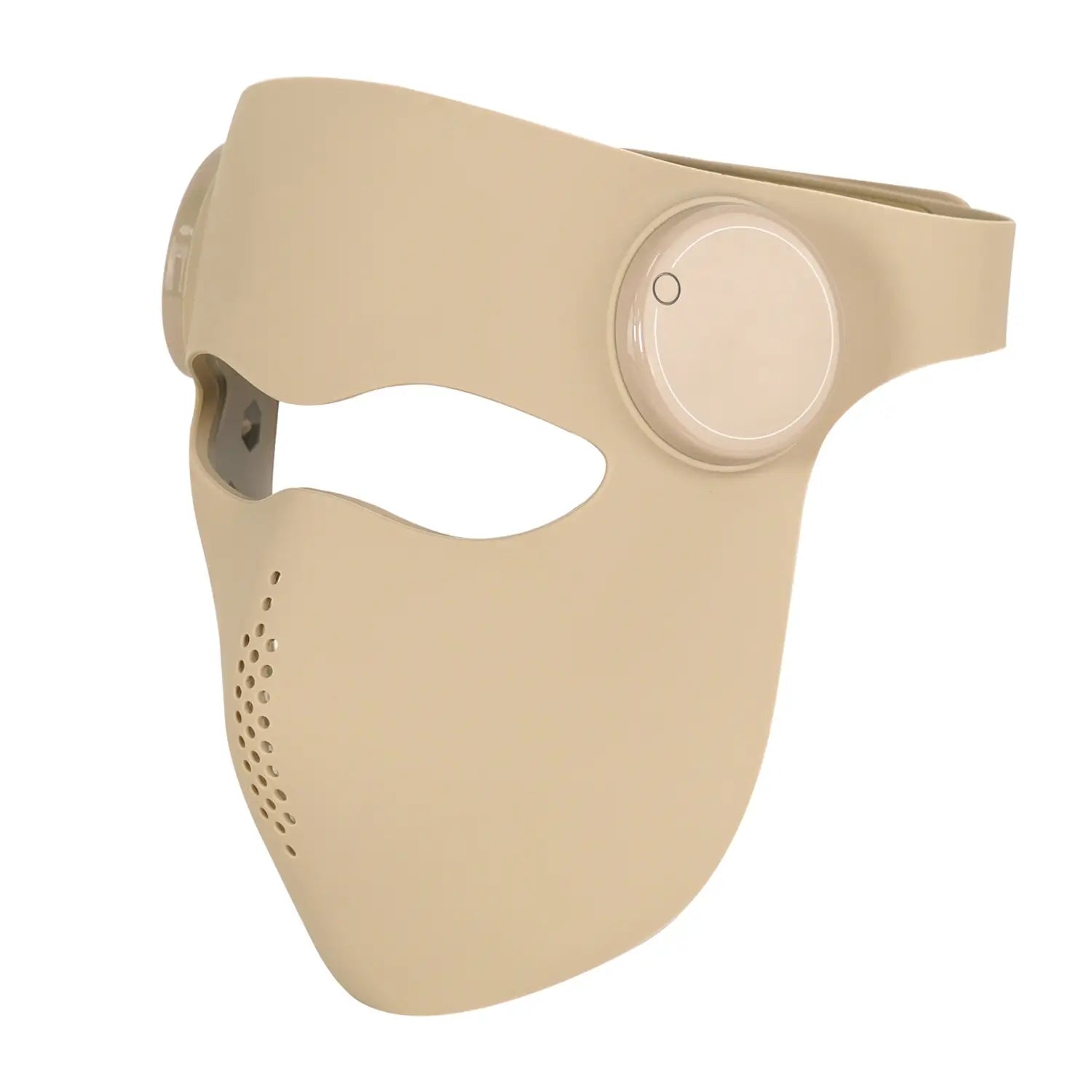
Full‑face devices are evolving to include direct lip coverage. ELLE’s review of the Therabody TheraFace Mask notes that unlike most LED face masks, this one covers the lips along with the rest of the face and offers three modes: red, blue, and infrared light, plus vibration for muscle stimulation. Recommended sessions range from nine to fifteen minutes, and users reported tighter skin, less visible pores, and smoother texture after initial use, with the lips benefiting from the same plumping and tone‑evening effect.
Solawave’s Wrinkle Retreat Face Mask, described in the brand’s lip wrinkle guide, uses 630‑nanometer red light with 830‑nanometer near‑infrared to target facial wrinkles, including those around the lips, in about ten‑minute sessions. Their handheld 4‑in‑1 Skincare Wand combines red light with warmth, massage, and galvanic current in roughly three‑minute per‑area treatments, making it possible to focus specifically on the perioral zone.
For a quick snapshot, here is how different device concepts map to wavelengths and usage patterns mentioned in the sources.
Device concept |
Example features from sources |
Typical session guidance from sources |
Lip-only flexible LED |
LushLips Transformation uses amber 605 nm, red 630 nm, deep red 660 nm, near‑IR 880 nm; soft silicone, full perioral coverage |
Three‑minute intelligent timing; recommended for daily at‑home use as part of a routine |
Lip bite-plate or mouthpiece |
Devices reviewed by Byrdie from brands like Dr. Dennis Gross and CurrentBody; inserted or held over lips using amber/red/infrared mixes |
About three to five minutes per session; often daily; noticeable but subtle results after roughly four weeks |
Full-face mask with lip coverage |
Therabody TheraFace Mask covers lips and face; red, blue, and infrared light with vibration |
Around nine to fifteen minutes per session; designed for simultaneous lip and facial benefits |
Full-face mask that reaches lip area |
Solawave Wrinkle Retreat Mask uses red 630 nm and near‑IR 830 nm; Solawave 4‑in‑1 Wand can be moved around mouth |
Approximately ten minutes for masks and about three minutes per area for the wand, several times per week |
In all cases, the instruction from medical sources like Cleveland Clinic, UCLA Health, and West Dermatology is the same: follow the manufacturer’s directions on distance, duration, and frequency, and treat red light as a cumulative therapy rather than a one‑time “flash fix.”
Evidence versus marketing claims
From an evidence standpoint, red light therapy for skin is promising but not definitive, and lip‑specific data are especially sparse. Harvard Health notes that most LED skin studies are small and early, with results that look encouraging but fall short of large, high‑quality randomized trials. A review summarized by ZOE points out that anti‑aging and skin rejuvenation studies often show increased collagen and shallower wrinkles but are limited by small sample sizes, heterogeneous protocols, and frequent funding ties to device manufacturers.
For hair loss, both Stanford and WebMD cite stronger evidence, including studies where red‑light helmets produced around 35 percent more hair growth than placebo in certain androgenetic alopecia trials. Yet even in that field, benefits stop when treatment stops, and not everyone responds.
Lip‑specific devices lean heavily on this broader facial and hair research, plus the known biology of fibroblasts and circulation, rather than on large lip-only trials. The Metamorphosis and Project EBeauty articles cite scientific reviews supporting red light as a generally safe rejuvenation tool, and beauty editor testing supports the idea of modest plumping and color enhancement, but this is not the same level of data we have, for example, for some prescription anti‑aging medications.
Medical organizations such as Cleveland Clinic, WebMD, and ZOE consistently advise consumers to approach bold claims about dramatic rejuvenation or broad systemic benefits with healthy skepticism. That caution applies to lip marketing as well. From a practical perspective, it is reasonable to view red light as a low‑risk, supportive tool for smoother lip lines and better color, layered on top of proven basics like sun protection and hydration.

Pros and Cons of Red Light for Lip Lines and Color
Red light’s advantages around the mouth reflect the same themes seen in facial and hair applications. It is noninvasive and does not rely on UV radiation, so it avoids the DNA damage associated with tanning beds or unprotected sun exposure. When used correctly, short‑term safety appears favorable. Cleveland Clinic, West Dermatology, and BSW Health describe red light therapy as generally safe, relaxing, and less harsh than many topical treatments, with the most common side effects being mild, temporary redness or irritation.
The aesthetic upside for lips includes gradual softening of fine lines, more even texture, improved hydration feel when combined with good lip care, and a subtle increase in fullness and rosy color. For people who are needle‑averse or not ready for laser resurfacing, LED lip devices offer a way to address lip wrinkles and dullness with minimal downtime. Byrdie points out that they can be especially appealing for those experiencing “filler fatigue,” who want more natural‑looking, maintainable improvements using at‑home tools in the $150.00 to $200.00 range rather than repeated in‑office injections that often start around $500.00 per treatment.
There are important downsides and limitations to weigh. The evidence base for cosmetic red light remains modest, especially for lips, and outcomes vary significantly between individuals and devices. As AARP and BSW Health emphasize, in‑office treatments tend to use more powerful, precisely calibrated systems, while many consumer devices are weaker or lack clear data on their output. Even with good hardware, you need consistent, ongoing use over weeks to months; missed sessions mean slower or smaller results, and benefits may fade after you stop, as seen in some pain and hair studies summarized by UCLA and WebMD.
Cost is another factor. AARP notes that professional red light sessions for wrinkles commonly run around $50.00 to $150.00 per visit and are usually not covered by insurance because they are considered cosmetic. At‑home masks and panels can range from about $50.00 to $500.00, and BSW Health puts the broader at‑home device range between roughly $100.00 and $1,000.00. Lip‑only devices add their own price tags. Given the modest effects, it is worth choosing carefully.
Finally, red light is not risk‑free. Overuse or improper use can irritate or potentially damage skin, and long‑term safety data are incomplete. There are specific groups for whom lip red light may be inappropriate or should be used only with medical guidance, which we will revisit shortly.
Building a Smart Lip-Care Routine Around Red Light
Strengthen the basics: SPF, hydration, and habits
In my work with both architectural LED projects and skin‑focused devices, I always start with the foundation before tweaking the fine tuning. For lips, the foundation is not red light but daily behavior.
Solawave’s lip wrinkle guide and Project EBeauty’s lip care article both emphasize that a consistent lip-care routine is the primary defense against lip lines. That means daily sun protection with a moisturizing lip balm that includes at least SPF 15, even on cloudy days, and choosing hydrating lipsticks that contain emollients such as shea butter, avocado oil, or mango seed oil. Smoking cessation is crucial, since the repeated puckering motion and cigarette‑induced collagen breakdown are major drivers of “smoker’s lines.” Cutting back on alcohol, staying well hydrated, and prioritizing good sleep all support the skin’s ability to repair.
Gentle exfoliation can help by removing dead surface cells and making the lips feel smoother, but both Solawave and Project EBeauty warn that the lip area is delicate. Occasional use of a soft sugar scrub or a washcloth, followed by an occlusive like petroleum jelly or an oil such as coconut oil, is usually sufficient. Over‑scrubbing can actually worsen micro‑cracking and irritation.
Without these basics, even the best‑designed LED device is fighting against poor conditions, much like installing a high‑end spotlight in a room with peeling paint.
Use devices safely and consistently
Once you have a supportive baseline routine, red light can be layered in strategically. Medical sources including the American Academy of Dermatology, Cleveland Clinic, UCLA Health, and WebMD offer a consistent safety roadmap.
They recommend starting with a proper diagnosis if you have significant perioral lines, pigment changes, or lesions. A spot you assume is sun damage could in fact be actinic cheilitis or even skin cancer on the lip, which red light will not treat. A dermatologist or qualified clinician can confirm what you are dealing with and whether red light is appropriate or whether other treatments should come first.
Device choice matters. AARP suggests checking that a device is FDA‑cleared, which speaks to its basic safety and equivalence to existing devices, though not necessarily to its effectiveness for every advertised claim. For anti‑wrinkle applications, they note that many devices fall in the 625 to 670 nanometer range. For lip use, it is wise to choose tools specifically indicated for the lip or perioral zone rather than improvising with a high‑powered panel pressed close to the mouth, especially since oral mucosa and teeth are sensitive.
Some devices are explicitly contraindicated for certain users. Safety guidance for the CurrentBody Skin LED Lip Perfector, for example, advises against use during pregnancy or breastfeeding, in people with lupus, photosensitive eczema, or albinism, anyone with a general photosensitivity disorder or light‑triggered headaches, and those with genetic eye conditions. It also warns people taking photosensitizing medications, including some antibiotics, chemotherapy agents, and diuretics, or using non‑drug photosensitizing substances such as St. John’s Wort, coal tar, certain deodorants and antibacterial soaps, some artificial sweeteners, and tattoo inks containing cadmium sulfide. If you are unsure whether a medication or exposure could make you more sensitive to light, their advice is straightforward: talk with a healthcare professional first.
UCLA Health and Harvard Health also note that people with darker skin tones should be especially cautious because of the potential for hyperpigmentation, or dark spots, with certain doses and wavelengths. Patch‑testing a small area at a lower frequency before committing to daily lip treatments is a prudent approach.
As for scheduling, the data and manufacturer protocols line up around a few themes. Lip devices often recommend short, three‑ to five‑minute sessions once a day or several times per week for at least four weeks before judging results. Full‑face masks with lip coverage generally run ten to twenty minutes, two to five times per week, based on guidance from Dr. Sabrina’s wrinkle‑focused overview, the French photobiomodulation study, BSW Health, and Solawave’s protocols. Some researchers, including those behind the Dior x Lucibel study, deliberately space sessions by about seventy‑two hours to respect cellular “energy digestion” time and avoid overdosing, citing the Arndt‑Schulz law, which describes how very low doses may do nothing and very high doses can inhibit rather than stimulate.
Eye protection is non‑negotiable when using bright LEDs near the face. Even though medical sources like AARP and Cleveland Clinic note that most consumer-level red light intensities are not strong enough to damage eyes under typical use, they still recommend goggles or closed eyes plus protective shields to minimize discomfort and risk, especially for long sessions.
Pair light with the right products and procedures
Red light is not a complete lip-care program on its own. Several sources, including BSW Health, SkinTherapeutics, and the lip‑device articles from Byrdie and Metamorphosis, recommend embedding LED therapy inside a broader skincare plan.
They suggest cleansing first, then using the light on clean, dry skin so that the photons reach their targets unimpeded. After the session, you can apply hydrating and reparative products. Around the lips, that might mean a peptide or retinoid serum applied to the perioral skin (not directly on the vermilion unless specifically labeled for lip use), followed by a hyaluronic acid‑rich lip product and an occlusive balm to lock in moisture. Metamorphosis proposes a two‑step ritual in which a three‑minute red light session is followed by a hydrogel lip mask to soothe, hydrate, and reinforce the plumping effect.
Solawave’s guide also highlights barrier-supporting, antioxidant-rich ingredients such as vitamins A, C, and E, along with gentle cleansers and moisturizers, to reduce oxidative stress that contributes to collagen breakdown. In some cases, in‑office treatments like lasers, chemical peels, or injectable fillers may still be appropriate for more dramatic lip line reduction. Solawave cautions that overuse or poorly executed filler can itself worsen the appearance of lines over time, which is another reason to pair any procedure with a thoughtful, maintenance‑oriented plan that may include red light.

Who Should Be Careful or Avoid Lip Red Light
Given the sensitive anatomy of the lips and the proximity to teeth, gums, and eyes, red light around the mouth is not for everyone. Synthesizing guidance from Cleveland Clinic, WebMD, UCLA Health, the American Academy of Dermatology, and device‑specific safety documents, several groups should be especially cautious.
People with a history of photosensitive conditions such as lupus, photosensitive eczema, or albinism, or those with generalized light sensitivity, face a higher risk of severe skin reactions under LED exposure. Individuals on photosensitizing medications, including certain antibiotics, acne medications like isotretinoin, some chemotherapy agents, and diuretics, fall into a similar category. The CurrentBody lip device instructions also single out non‑prescription substances that increase photosensitivity, such as St. John’s Wort and some chemicals in deodorants, soaps, and tattoo pigments.
Pregnant or breastfeeding individuals are often excluded from device testing, so manufacturers and medical sources err on the side of caution. CurrentBody explicitly contraindicates their lip device in pregnancy, those planning pregnancy, and breastfeeding, since risks to the fetus or neonate are not known. Harvard Health and WebMD both stress the limited safety data in pregnancy and recommend medical consultation before using any light‑based therapy.
Anyone with a history of skin cancer, especially around the lips, or with suspicious lesions on the mouth, should see a dermatologist before attempting red light. LED therapy is not designed to treat cancer and could conceivably mask or delay proper diagnosis by softening surrounding skin without addressing the lesion. People with genetic eye diseases or prior retinal damage should also consult an eye specialist before using bright LED devices near the face.
For these groups, the safest course is to prioritize medical evaluation and evidence‑based treatments over self‑directed LED therapy.

Realistic Expectations and Timelines
Putting the clinical and experiential data together, a realistic time course for lip red light looks more like gradual sunrise than flipping a switch.
UCLA Health notes that for skin aging, one study of a red light mask used for three months showed visible improvements in facial skin quality and reversed signs of aging that lasted for up to about a month after stopping therapy. Dr. Sabrina’s review and the Dior x Lucibel study both describe visible softening of fine lines, improved plumpness, and better tone after about four to eight weeks of consistent use, with continued gains over three months.
Byrdie’s testers and Metamorphosis’s user reports on lip devices echo this pattern. They describe subtle improvements in lip fullness, texture, and color over several weeks to months of daily three‑minute sessions, especially when combined with hydrating lip products. Project EBeauty’s cold sore example indicates that more acute inflammatory issues may respond on the scale of days, but the anti‑wrinkle and color benefits build over longer periods.
At the same time, evidence from hair growth and pain studies summarized by Stanford, WebMD, and UCLA suggests that many benefits decline once treatment stops. The Dior mask study found that structural and functional skin improvements persisted for about a month after discontinuation, which is encouraging, but long‑term maintenance almost certainly requires some ongoing exposure.
For most people, that means expecting to commit to a consistent regimen, evaluating change after at least six to eight weeks, and planning some form of maintenance schedule if the results are satisfying. It also means calibrating expectations: red light can be a powerful “dimmer” for lip lines and a gentle “color corrector,” but it is not a replacement for all other interventions.
Short FAQ
Q: Does red light therapy actually make lips bigger? The research and expert commentary suggest that red light does not create filler‑like volume but can make lips look subtly fuller. By stimulating collagen and elastin and improving blood flow, it supports a smoother surface and a healthier rosy tone. Articles from Byrdie, Metamorphosis, and Project EBeauty all emphasize that changes are gradual and modest. You can expect lips that appear plumper and better defined under everyday lighting, not a dramatic change in size or shape.
Q: Is red light safe if I already have lip filler? Project EBeauty notes that red light therapy appears compatible with lip fillers and does not seem to break down filler material prematurely. They even mention that some clinicians may use red light between filler sessions or to support healing at injection sites, although that should always be done with a provider’s approval. If you have filler, the most sensible approach is to clear any at‑home LED use with your injector or dermatologist so they can advise on timing and device choice.
Q: How is a lip LED device different from laser resurfacing around the mouth? Red LED devices deliver low‑intensity, non‑ablative light that modulates cell activity without removing tissue. SkinTherapeutics and West Dermatology explain that this means little to no downtime, minimal discomfort, and a lower risk profile, but also more subtle results that require repeated sessions. Laser resurfacing uses much higher energy to deliberately damage superficial or deeper layers of skin, prompting a stronger healing response and more dramatic wrinkle reduction at the cost of downtime, possible swelling, and stricter aftercare. For mild to moderate lip lines and color dullness, LED can be an appealing first‑line or maintenance option; for deeply etched lines, lasers or other procedures may still be needed under specialist care.
Red light for lips sits at a fascinating intersection of illumination engineering and skin biology. When you treat it less like a magic wand and more like a carefully tuned layer of “biologic lighting” in your lip-care design—built on top of SPF, hydration, and healthy habits—it can become a quiet but powerful ally in softening lip lines and gently bringing back that natural, lit‑from‑within color.
References
- https://lms-dev.api.berkeley.edu/does-red-light-therapy-help-wrinkles
- https://scholars.duke.edu/individual/pub1683616
- https://www.health.harvard.edu/diseases-and-conditions/led-lights-are-they-a-cure-for-your-skin-woes
- https://pmc.ncbi.nlm.nih.gov/articles/PMC10311288/
- https://med.stanford.edu/news/insights/2025/02/red-light-therapy-skin-hair-medical-clinics.html
- https://my.clevelandclinic.org/health/articles/22114-red-light-therapy
- https://www.gundersenhealth.org/health-wellness/aging-well/exploring-the-benefits-of-red-light-therapy
- https://www.uclahealth.org/news/article/5-health-benefits-red-light-therapy
- https://www.aad.org/public/cosmetic/safety/red-light-therapy
- https://www.aarp.org/health/healthy-living/red-light-therapy-for-wrinkles/