
Old scars tell stories we did not necessarily choose to write. Whether they came from surgery, acne, an accident, or radiation treatment, many people eventually ask a simple question: is there any gentle way to make these marks less visible without more cutting, burning, or downtime?
As a LED lighting specialist and space illumination curator, I usually think in terms of how light shapes a room. With red light therapy, we are shaping living tissue instead of drywall and stone. The same core questions still matter: what wavelengths are we using, how much power is reaching the surface, and how consistently is the light delivered over time?
In this article, I will walk through what reputable medical centers and clinical trials actually show about red light therapy for scars, with a special focus on old, established scars. I will also translate that science into practical, device-agnostic guidance you can use when you are choosing and using LED systems at home or in a clinic.
Red Light Therapy, In Plain English
Red light therapy, often called photobiomodulation or low‑level light therapy, uses visible red and near‑infrared (NIR) wavelengths to nudge cells into a more energetic, healing state. Unlike ultraviolet light, these wavelengths are non‑ionizing and, at therapeutic levels, non‑burning. You are not tanning or ablating skin; you are feeding it light in a way the cells can use.
Articles from organizations such as Atria and Cleveland Clinic describe the core mechanism in similar terms. Mitochondria, the “power plants” inside cells, absorb red and NIR light, particularly at certain wavelengths. This boosts production of ATP (cellular energy), increases antioxidant defenses, and encourages the release of nitric oxide, which helps blood vessels relax and improves circulation. Inflammatory signals tend to decrease and tissue repair activity increases.
In dermatology, red light first found its place in photodynamic therapy, where a photosensitizing drug plus a red laser is used to destroy abnormal cells, including some precancerous and cancerous lesions. For scars, the focus is different. Here, clinicians use plain red or red plus NIR LEDs as photobiomodulation, without a drug, to encourage more orderly healing and to soften fibrous tissue.

How Red and Near‑Infrared Light Interact With Skin
Red and near‑infrared light do not behave identically in tissue. They penetrate to different depths and dial into slightly different biological targets, which is why many scar‑focused devices combine them.
Based on clinical and technical descriptions from Cleveland Clinic, Atria, and multiple device studies, the useful ranges cluster in the bands shown here:
|
Wavelength band |
Typical range used in skin devices |
Main biological focus |
Relevance for scars |
|
Visible red |
About 630–660 nm (sometimes up to about 700 nm) |
Strong interaction with mitochondria in the upper to mid dermis, stimulation of fibroblasts, collagen and elastin production, local blood flow, and anti‑inflammatory effects |
Supports surface texture, color, and fine structural changes in scars, especially redness, firmness, and mild indentation |
|
Near‑infrared (NIR) |
About 800–850 nm (sometimes up to about 950 nm) |
Deeper penetration into tissue, further support of mitochondrial function, blood flow, and deeper tissue repair; less visible to the eye |
Targets deeper aspects of scar tissue, circulation, and pain or tightness around the scar, especially in thicker or more fibrotic areas |
A narrative review of red LED therapies in dermatology from Duke University highlights that these wavelengths can reduce inflammation, improve several chronic skin conditions, and support acne and cancer‑related treatments. Stanford Medicine’s overview of red light emphasizes that, for skin and hair, the most consistent human data support wrinkle reduction and hair growth, but there is also work exploring wound healing and scarring.
For scars specifically, the mechanistic logic is straightforward. Scars are built from collagen‑rich fibrous tissue produced by fibroblasts. Photobiomodulation, especially at higher fluences, has been shown in laboratory models to reduce fibroblast proliferation and collagen overproduction while still supporting normal repair. A phase II study of red LED therapy after facelift surgery reported precisely that sort of anti‑fibrotic behavior in cultured fibroblasts exposed to high‑fluence red light.

What Makes an “Old” Scar Different?
When people talk about old scars, they usually mean marks that have settled into a fairly stable shape and color. The wound has long since closed. The redness has faded, and the scar may now be pale, shiny, thick, sunken, or darker than the surrounding skin. It can still itch or ache, but it no longer changes much month to month.
Under the surface, that stability reflects a matured fibrotic structure. Instead of the loose collagen and active cells of a fresh wound, an older scar is dominated by densely packed collagen bundles and fewer active fibroblasts. A paper on LED red light in post‑surgical scarring describes this as “skin fibrosis,” an abnormal but entrenched wound‑healing state with excessive fibroblast proliferation and collagen deposition during earlier phases that has now largely “set.”
A large basic‑science study in Communications Biology examined how visible light affects wound healing and scarring in mice. It focused on STAT3, a transcription factor that sits at the crossroads of inflammation and tissue repair. The authors found that carefully dosed visible light accelerated wound closure while reducing scar formation, likely by adjusting STAT3 signaling so that pro‑healing activity is enhanced early on without flipping into chronic, scarring‑type signaling later.
That kind of work explains why red and visible light may have their strongest effects when a scar is still forming. With truly old scars, the collagen architecture is less dynamic. However, the tissue is not dead. Fibroblasts, blood vessels, and immune cells remain, and these are all responsive to photobiomodulation. So the question becomes not “Can red light erase an old scar?” but “How much can it realistically soften, blend, and relieve that scar over time?”

What The Research Actually Shows About Scars
Post‑surgical scars: encouraging but not dramatic
One of the more rigorous human trials is the CURES study, a randomized, split‑face trial that tested LED red light after mini‑facelift surgery. Thirty adults started treatment roughly a week after surgery. On each participant, one side of the face received 633 nm red LED sessions and the other side received a temperature‑matched mock treatment with no active light. Doses ranged from 160 to 480 J/cm², delivered three times per week for three weeks, using an FDA‑cleared handheld LED device.
The primary outcome was scar pliability, measured instrumentally. Across all participants, the primary outcome did not reach statistical significance between treated and control scars. However, at some of the higher fluences, the red‑light–treated scars showed greater reductions in induration and better observer‑rated scar quality over six months than the mock‑treated side. Side effects were rare and mild: a few cases of temporary blistering or swelling that resolved without long‑term problems.
In practice, this means that red LED therapy looks safe in the early postoperative window and may offer modest improvements in how scars feel and look, especially at well‑chosen energy doses. It is not a miracle eraser, and the difference is subtle rather than transformational, even when therapy starts early.
Wound and radiation damage: faster healing in models
Red and NIR light have also been tested in situations where skin injury is more severe than a typical incision. A University at Buffalo‑led study on radiation‑induced skin damage (radionecrosis) is a good example. In an animal model of brachytherapy, where a radiation source is implanted inside tissue, photobiomodulation with red or near‑infrared LEDs substantially accelerated healing of the radiation wound.
Without light therapy, wounds took around 61 days to heal. With near‑infrared LED, healing time dropped to roughly 49 days. With red LED, wounds healed fastest, at about 42 days. The treated tissue showed less inflammation, better blood flow, and less severe breakdown of skin.
Radiation wounds are their own category, but they share key features with problematic scars: inflammation, poor circulation, and excessive fibrosis. The Buffalo group and others have shown that photobiomodulation can modulate these pathways without stimulating underlying tumor cells, at least in experimental models. That points to a reasonable role for red light as an adjunct in complex wound and scar management, especially when guided by oncology and wound‑care specialists.
Clinical practice reports: softer scars over weeks
Outside formal trials, there is a consistent pattern in specialty practices. Dental and facial surgery clinics describe using red light in the early post‑surgery window to reduce pain and swelling and to improve scar quality. A dental therapy clinic in Phoenix reports that post‑surgical patients who receive series of 10–20 minute red light sessions often describe their scars as softer and flatter over time. A spa in Tucson notes similar experiences for surgical scars, traumatic scars, and stretch marks, with improvement emerging gradually over weeks and months when red light is used alongside standard wound care.
Consumer‑facing brands that build medically‑certified LED masks and panels echo this theme. Their devices, typically using red light around 633 nm with 830 nm near‑infrared, are marketed for acne and surgical scars as well as general skin rejuvenation. They highlight increased collagen, smoother texture, and reduced redness. Some cite small clinical studies in which these wavelengths improved cell regeneration and scar appearance compared to baseline.
These accounts are useful as real‑world context, but they are still mostly uncontrolled experiences, not large randomized trials. They support the idea that red light therapy can meaningfully improve how scars look and feel, including older scars, but they do not precisely quantify how much improvement you should expect.
Evidence for old, established scars: limited but plausible
When you narrow the question to truly old scars that have been stable for years, the evidence becomes thinner. Cleveland Clinic and Harvard Health both point out that much of the red light literature involves small studies, early‑stage wounds, or other skin conditions such as acne and photoaging. Stanford Medicine notes that scar and wound studies are mixed, with some finding faster healing or better early scar quality, and others seeing no statistically significant long‑term difference compared with controls.
Taken together with the mechanistic data, the most defensible conclusion today looks like this: red light therapy has a clear biological rationale and some supportive human data for influencing scarring, especially when introduced soon after injury or surgery. For old scars, the likely benefits are gradual and moderate, centered on color, texture, and pliability rather than complete erasure or dramatic structural changes.
To put that in practical terms, it can help a shiny, firm, slightly raised scar become softer, flatter, and closer to your normal skin tone over time. Deep, cratered acne scars or very bulky keloids are less likely to respond strongly and typically need more targeted medical interventions.
How Stage of Scar Affects What You Can Expect
It is helpful to think of scars in stages rather than simply “new” or “old.” Here is a high‑level view that reflects what current studies and clinical reports suggest.
|
Scar situation |
Evidence strength for red light |
Realistic expectation |
|
Fresh surgical or traumatic wound that has just closed and is entering early healing |
Moderate, with controlled trials and animal studies showing faster healing and some improvement in early scar qualities |
Potentially faster closure, less inflammation, and better early scar appearance; later cosmetic outcome may still converge toward normal healing |
|
Several‑month‑old scar that is still pink or red and possibly raised or firm |
Early clinical data plus strong mechanistic support for influencing active fibroblasts and collagen remodeling |
Noticeable reduction in redness, improved softness and flexibility, and some flattening over weeks to months with consistent treatment |
|
Years‑old, pale or dark scar that has not changed much in a long time |
Mainly small studies, case series, and clinic experience; robust randomized trials are lacking |
Subtle but meaningful changes in texture, pliability, and blending with surrounding skin over months; unlikely to completely remove the scar or fully correct deep depressions or large keloids |
This framework tracks closely with what wound‑healing scientists describe in their work on light‑adjusted STAT3 signaling and fibroblast behavior: the earlier you influence the repair process, the more leverage you have. With old scars, red light is less about rewriting the story and more about softening how loudly the scar reads on the surface.
Pros and Cons of Red Light Therapy for Old Scars
From a lighting‑design mindset, red light therapy scores well on “non‑disruptive integration.” It is easy to build into a daily routine and does not demand anesthesia, injections, or recovery time. But there are trade‑offs you should weigh.
On the plus side, red light therapy for scars is non‑invasive, generally painless, and considered safe for most people when used as directed. Cleveland Clinic, Harvard Health, and University of Utah Health all note that short‑term side effects are usually mild: maybe temporary redness or warmth, occasionally irritation, and rare burns tied to malfunctioning devices. The wavelengths used are non‑UV, so they do not carry tanning‑bed style DNA damage risk. Protective eyewear and avoiding direct exposure of the eyes are still essential, both in clinics and at home.
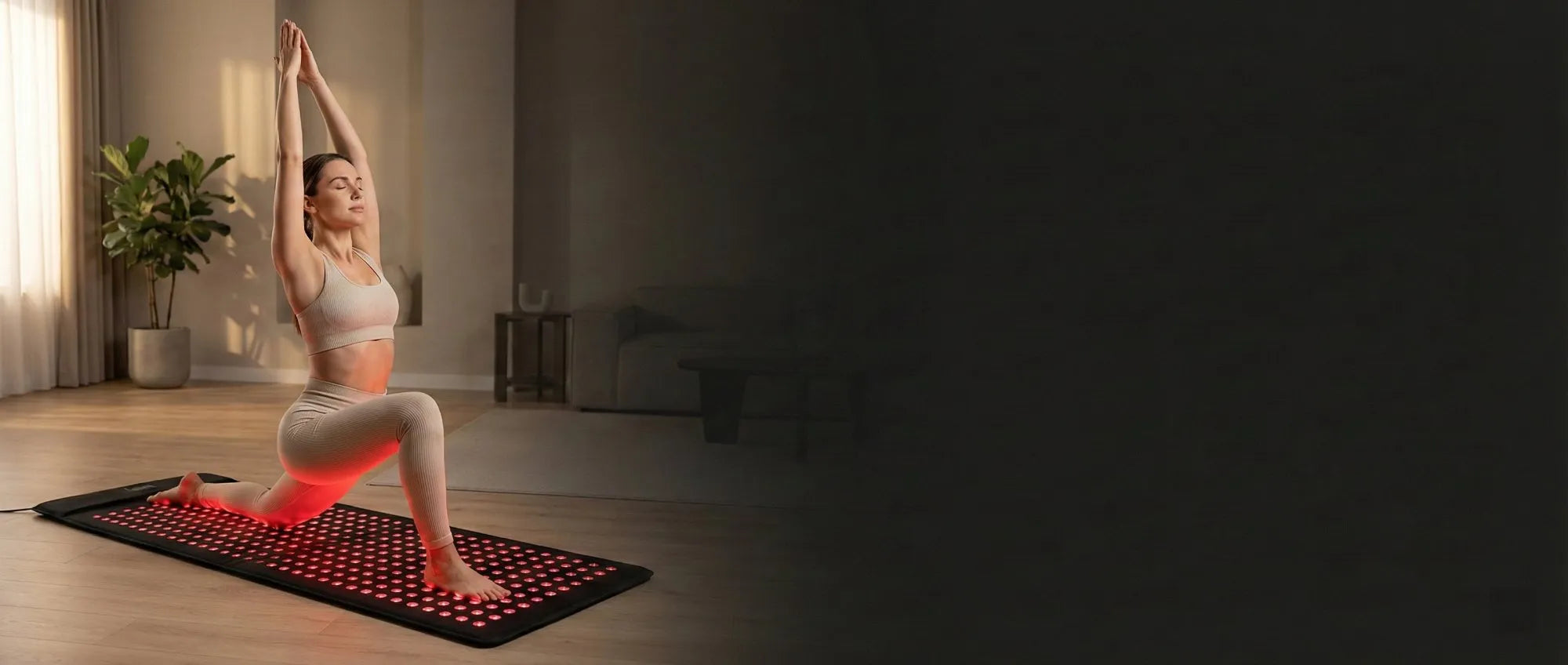
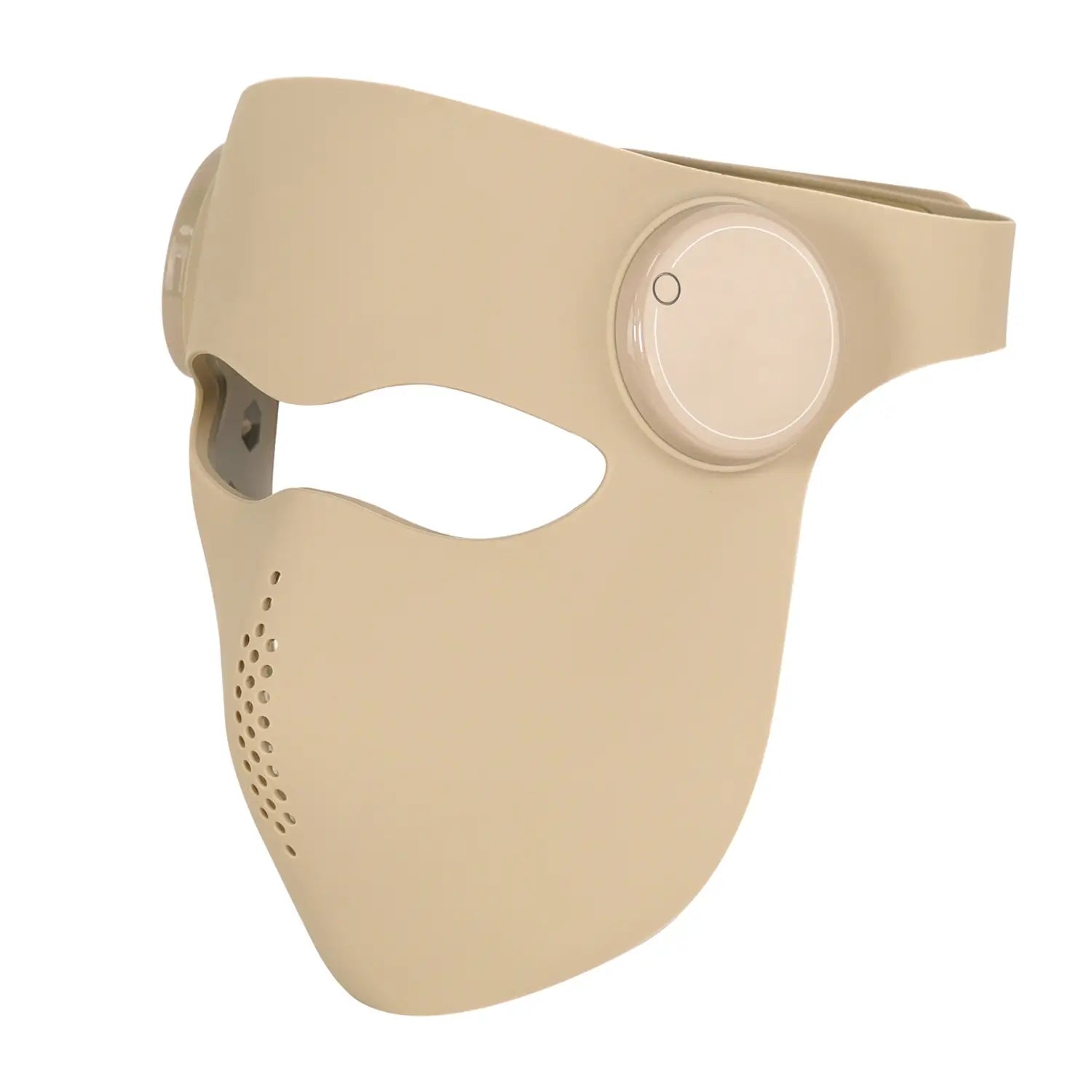
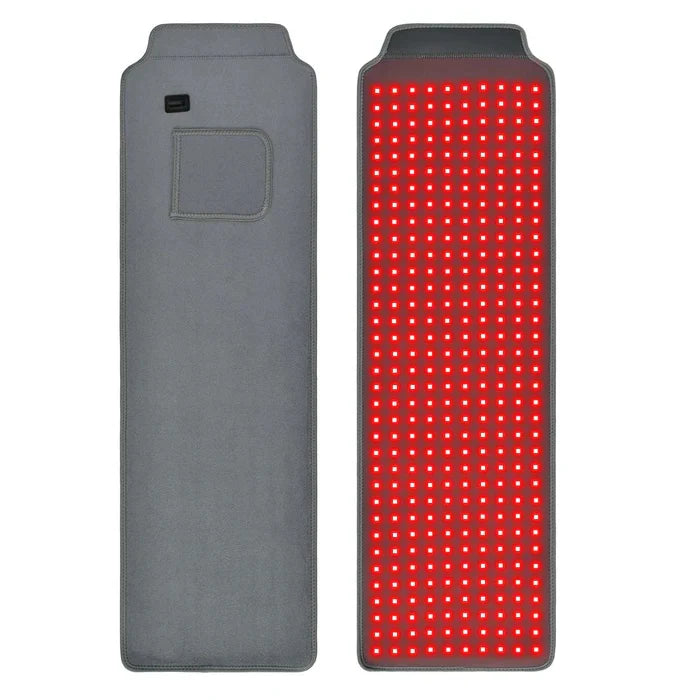
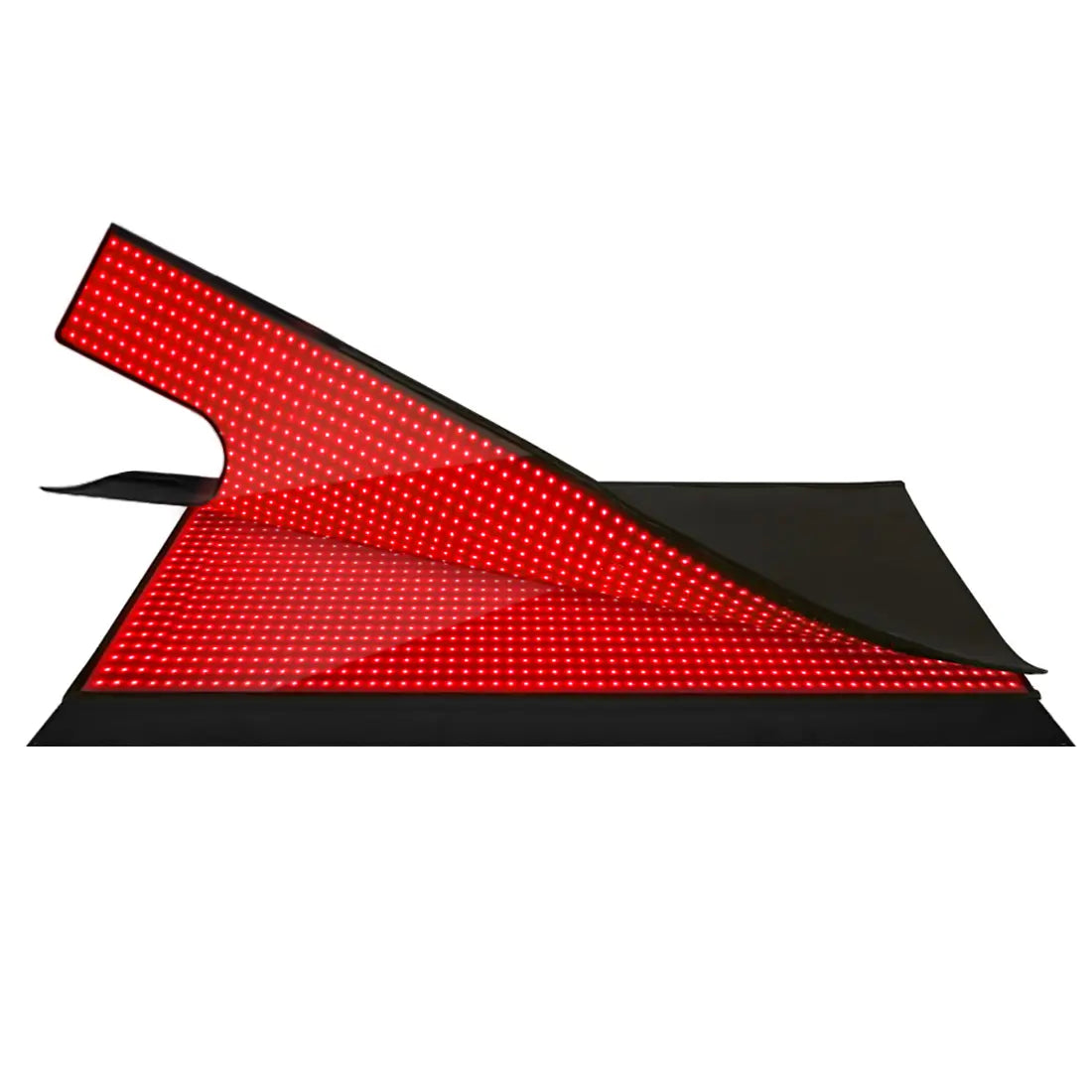
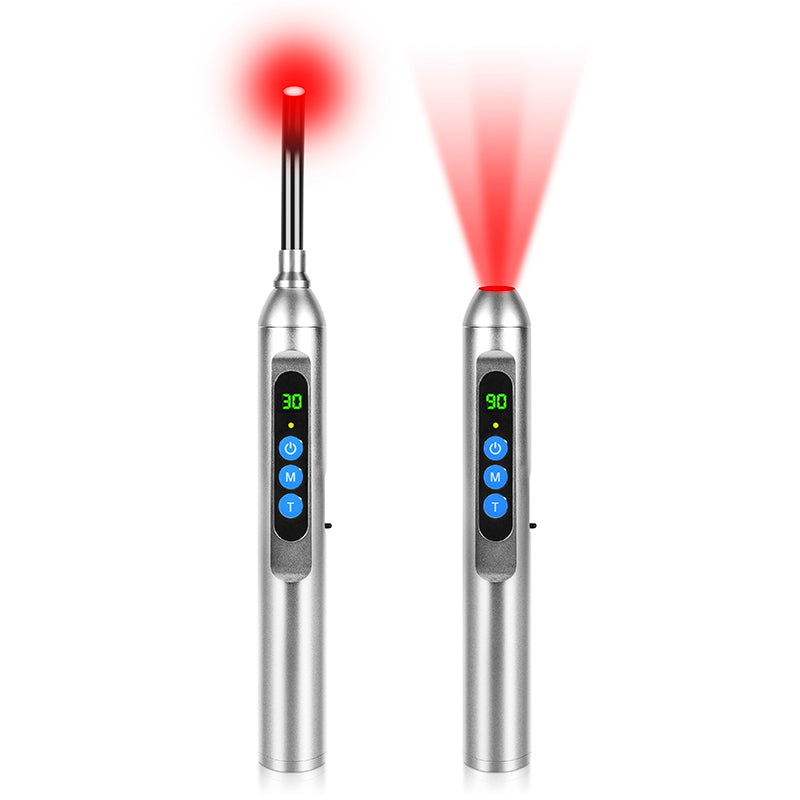
Another advantage is flexibility. You can receive treatment in a dermatologist’s office, dental or surgical clinic, wellness center, or at home with a mask, wand, or panel. Devices can be sized to the job: a small hand‑held wand for a localized scar, a flexible pad for a long surgical incision, a face mask for acne scarring. For people already working on pain or arthritis, the same panel used on a knee or back can often be repositioned for scars.
The limitations are just as important. The scientific evidence for large improvements in old scars is limited and mixed. Many studies are small, lack placebo controls, or involve skin conditions other than scarring. Experts at Stanford and Harvard emphasize that while red light clearly does something biologically, it is not yet proven as a superior option to existing, well‑studied therapies for most skin issues. For scars, that means you should expect gradual improvement, not a disappearing act.
Red light therapy also requires consistency. Whether you follow a clinic plan of weekly sessions for several weeks or an at‑home plan of 10–20 minutes several times per week, results tend to depend on regular use over months. Stop too soon and you may not see the full benefit. And because devices are often not covered by insurance, cost can add up. Home masks and wands can range from under one hundred dollars to many hundreds. In‑office sessions can run tens of dollars per visit and need repeating.
Finally, device quality and settings vary widely. Many consumer products list impressive wavelength numbers but provide little verified data on power density at a given distance. Harvard Health points out that the U.S. FDA generally clears these devices for safety rather than proving strong clinical efficacy claims, which means you still need to be a skeptical, informed buyer.

Designing a Realistic Red Light Plan for an Old Scar
Choosing wavelengths and devices with a lighting designer’s eye
If you are choosing an LED system for scars the way you might specify downlights for a lobby, you start with spectrum and output rather than marketing gloss.
Look for devices that use clinically studied red and near‑infrared wavelengths. Many medical and esthetic sources converge on red around 630–660 nm and NIR around 800–850 nm. Some devices use specific peaks such as 633 nm and 830 nm, reflecting the wavelengths used in clinical and laboratory studies cited by dermatology reviews from Duke University and Stanford Medicine.
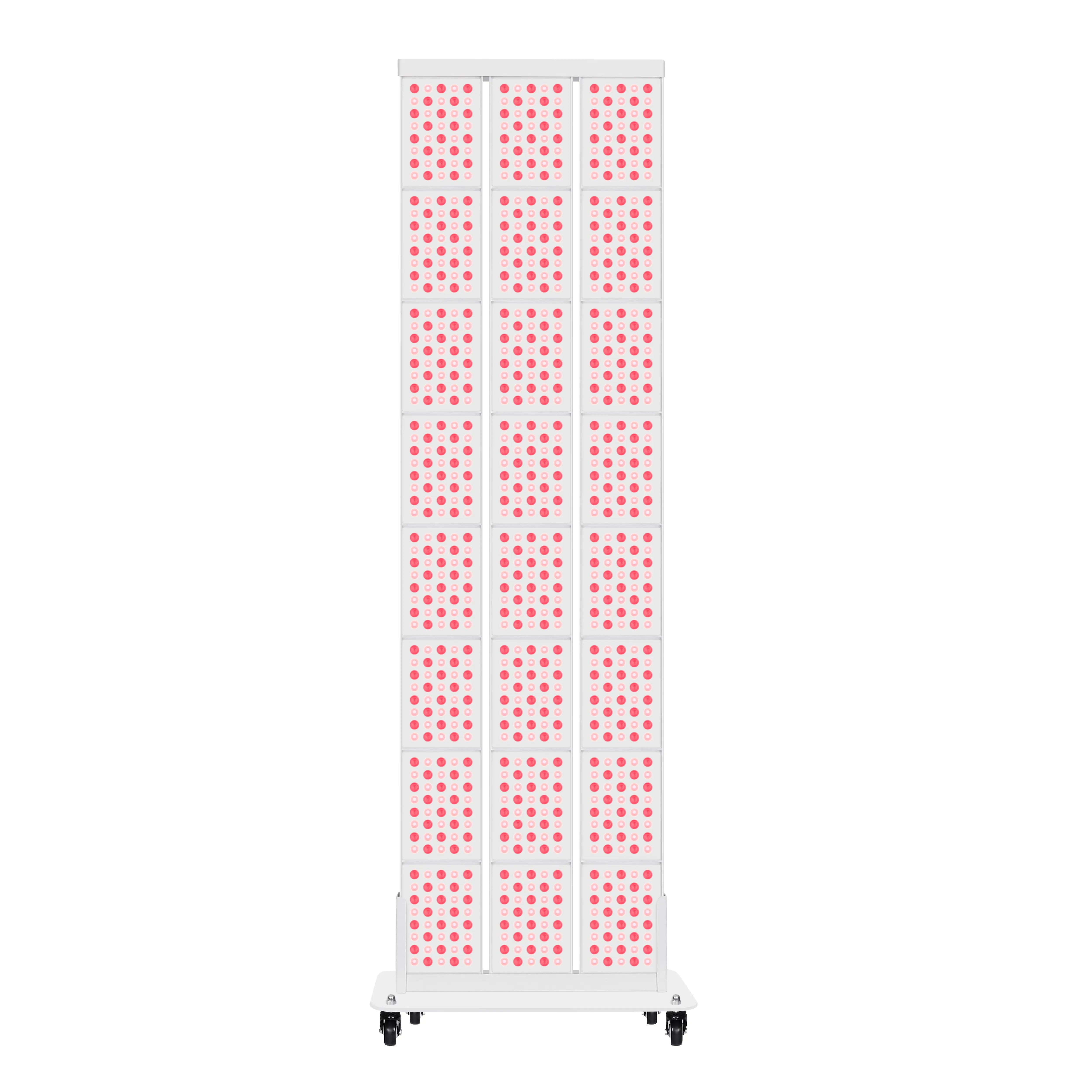
Coverage should match the scar. A long surgical incision on the abdomen or knee is easier to treat with a flexible pad or curved panel than a rigid facial mask. A small acne scar near the cheek can be managed with a compact wand or mini panel. Large, full‑face or full‑scalp devices are better suited to diffuse acne scarring or combined hair and skin concerns.
Where possible, favor devices that are cleared by the FDA or equivalent regulators. As Harvard Health emphasizes, clearance mainly addresses safety, not guaranteed effectiveness for scars, but it is still a meaningful filter for basic engineering standards and electrical safety.
Dialing in dose, distance, and timing
Dose is where LED expertise really matters. Photomedicine studies, including wound‑care reviews referenced by engineering groups like Lumitex, suggest that effective energy densities often fall in the range of about 5 to 40 J/cm² per session for wound healing. Above roughly 50 J/cm², the response can flatten or even reverse, with cell damage rather than stimulation. This is the “Goldilocks” or biphasic response that Atria’s clinical guide emphasizes.
Most home devices do not let you type in J/cm², but they do give you control through time and distance. For many panels, standing about 6 to 24 inches away and treating an area for about 5 to 20 minutes produces energy levels in the target range, assuming the device has a power density of roughly 20 to 100+ mW/cm² at that distance as Atria describes. Handhelds and masks, which sit closer to the skin, usually compensate with lower output to avoid overheating.
A cautious, evidence‑aligned way to start with an old scar is simple. Begin with short exposures of about 5 to 10 minutes focused on the scar, three to five days per week. Watch for any irritation over the first couple of weeks. If your skin tolerates the treatment and you are not seeing improvement after a month, you can gradually lengthen individual sessions toward the upper end of your device’s recommended range while staying within manufacturer guidance.
Timing in the day is flexible. Atria notes that some people find red light energizing and prefer to use it earlier, while others find it relaxing and use it in the evening. What matters more for scar work is regularity. Clinicians and device protocols frequently talk about visible changes in scar texture and tone after a few weeks, with more pronounced results building over several months. For an old scar, plan mentally for months, not days.
Integrating red light with other scar care
Both Cleveland Clinic and Harvard Health stress that red light therapy should be thought of as an adjunct, not a replacement, for standard medical and dermatologic care. Surgeons and dermatologists still rely on core tools such as appropriate wound closure, infection control, sun protection, and, where indicated, other therapies like prescription topicals, injections, or more aggressive procedures.
Red light can be layered on top of those foundations. For example, a patient recovering from facelift or dental surgery might follow standard care instructions and also receive 10–20 minute red light sessions in the clinic weekly for several weeks. People managing older acne scars might combine a gentle at‑home LED mask with dermatologist‑guided topical retinoids and daily sunscreen to avoid UV‑driven darkening of scars.
The key is coordination. Before adding red light to your routine for an old scar, especially if you are also using peels, microneedling, or strong topical therapies, discuss it with your dermatologist or surgeon so they can time and sequence treatments to minimize irritation and maximize benefit.
When To Be Careful Or Avoid Red Light Therapy
Even with a favorable safety profile, red light therapy is not automatically appropriate for everyone or every scar.
Harvard Health highlights several important cautions. People with a history of skin cancers or precancerous lesions should be evaluated carefully before using light‑based devices on or near those areas, to avoid masking a problem that needs biopsy or specific treatment. If what you think is a “scar” is changing in size, color, or shape, or if it appears without a clear history of injury, you should see a physician before pointing any LED device at it.
Cleveland Clinic and other sources recommend extra caution for individuals taking medications that increase light sensitivity, for those with certain eye diseases, and for people who have undergone recent photosensitizing treatments. Even though red and NIR light are non‑UV, LED devices can still be very bright. Eye protection is non‑negotiable when treating scars near the face.
For keloid‑prone individuals and those with very dark skin, the picture is more nuanced. Keloids are a form of exuberant scarring that extend beyond the original wound edges. While the anti‑fibrotic lab data on red light are intriguing, robust clinical trials in keloids specifically are not yet available. In those cases, red light should be overseen by a dermatologist or plastic surgeon familiar with keloid management rather than used as a solo, at‑home experiment.
Finally, pregnancy, autoimmune conditions, and complex medical histories are all reasons to have a conversation with your healthcare team before starting any new therapy, even one as gentle as red light.
FAQ: Practical Questions About Red Light and Old Scars
Can red light therapy completely erase an old scar?
Based on current evidence, complete erasure is not a realistic expectation. Clinical trials and expert reviews from places like Stanford Medicine and Cleveland Clinic suggest that red light can improve aspects of scar quality, particularly redness, texture, and pliability, but they do not show scars vanishing. For old scars, you are aiming for “less noticeable,” not “never existed.”
How long does it usually take to see changes in an old scar?
Most clinic reports and at‑home device protocols talk about noticeable improvements emerging after a few weeks of consistent use, with more meaningful changes after several months. Dental and esthetic practices that use red light for post‑surgical scars often describe softer, flatter scars after a series of 10–20 minute sessions over several weeks. For a mature, years‑old scar, you should think in terms of months of steady use before you judge the result.
Is red light therapy safe for darker skin and for people who form keloids?
Short‑term safety for red and near‑infrared LED devices appears good across skin types in the dermatology studies summarized by Duke University and others. Because red light therapy is non‑ablative and does not heat or peel the skin, it is generally considered safer for darker skin than many high‑energy lasers. However, specific data on keloids and deeply pigmented scars are limited. If you have a history of keloids or problematic scarring, involve a dermatologist or plastic surgeon and consider starting with in‑clinic treatments where parameters can be controlled and monitored closely.
If I am already investing in LED systems for wellness, how can I make them useful for scars?
Think of your scar as a small architectural feature that deserves its own focused beam. A full‑body panel or bed can certainly contribute if you position the scar within the high‑intensity zone for several minutes per session. For scars in more awkward locations, adding a smaller, adjustable wand or pad that uses the same clinically studied wavelengths gives you flexibility. In all cases, prioritize verified wavelengths around the red and near‑infrared bands used in clinical studies, follow manufacturer dosing guidance, and make consistency part of your routine—Scar Time can simply become a calm, lit corner of your day.
Old scars may be permanent, but how they read in the “lighting design” of your face or body is not fixed. With carefully chosen red and near‑infrared LEDs, realistic expectations, and patience, you can often soften an old scar’s edges, bring it closer to the surrounding skin, and reclaim a bit more visual harmony. As with any good lighting plan, the magic lies less in dramatic tricks and more in quietly thoughtful, consistent illumination over time.

References
- https://digitalcommons.cedarville.edu/cgi/viewcontent.cgi?article=1013&context=education_theses
- https://scholars.duke.edu/individual/pub1683616
- https://www.health.harvard.edu/diseases-and-conditions/led-lights-are-they-a-cure-for-your-skin-woes
- https://clinicaltrials.ucsf.edu/trial/NCT05606237
- https://www.cortiva.edu/blog/red-light-therapy-vs-other-treatments-a-comparative-analysis-for-estheticians/
- https://pmc.ncbi.nlm.nih.gov/articles/PMC8919713/
- https://www.buffalo.edu/news/releases/2022/01/029.html
- https://researchdiscovery.drexel.edu/esploro/outputs/journalArticle/Repeated-Low-level-Red-light-Therapy-The-Next/991022004946204721
- https://ranzco.edu/wp-content/uploads/2020/11/RANZCO-Position-Statement-Impact-of-Red-Light-photobiomodulation.pdf
- https://med.stanford.edu/news/insights/2025/02/red-light-therapy-skin-hair-medical-clinics.html