
Menopause is when a lot of women discover that their skin suddenly seems to be aging on fast‑forward. Fine lines deepen, cheeks feel flatter, jawlines soften, and skin that once bounced back now looks a little deflated and dry. As someone who has been experimenting with light therapy panels, LED masks, and clinical devices for years, I see the same pattern over and over: the menopausal hormone shift creates a perfect storm for skin aging, and red light therapy can help, but only if you use it the right way and understand its limits.
This is not a miracle cure article. I am going to walk you through what actually happens to your skin during menopause, what red light therapy really does at a cellular level, what the science shows specifically for aging skin and menopausal tissue, and how I would build a practical, science‑aligned protocol around it.
Throughout, I will draw on work from dermatology centers such as Cleveland Clinic, Stanford Medicine, UCLA Health, and peer‑reviewed clinical trials, plus hands‑on experience helping midlife women integrate red light into a broader skin and wellness plan.
Why Menopause Accelerates Skin Aging
Menopause is defined as twelve consecutive months without a period, usually sometime between ages 45 and 55. The transition years before and after are driven by a steep drop in estrogen and progesterone. That hormonal crash does not just affect hot flashes and mood; it shows up powerfully in your skin.
According to information summarized from the American Academy of Dermatology and menopause‑focused skin research, women lose roughly thirty percent of their skin collagen in the first five years after menopause. Estrogen normally binds to receptors on fibroblasts, the cells that produce collagen and elastin. When estrogen falls, fibroblasts become less active, collagen breaks down faster, and the scaffolding of the skin starts to thin out. The visible result is more wrinkles, sagging, and a loss of that firm, springy quality.
On top of collagen loss, estrogen decline reduces hyaluronic acid and natural skin lipids, so the barrier dries out. Many perimenopausal and menopausal women report a strange combination of dryness and breakouts, along with new redness, sensitivity, or hyperpigmentation. Articles from menopause‑focused clinics and LED specialists describe this shift as a move toward thinner, drier, more fragile skin that is also more reactive.
Menopause also affects tissues beyond the face. Vulvovaginal tissues, which are rich in estrogen receptors, become thinner, less elastic, and less lubricated. This cluster of symptoms is called genitourinary syndrome of menopause (GSM) and can include vaginal dryness, burning, painful sex, and urinary issues. Clinical reviews estimate that about half of postmenopausal women experience these symptoms, and signs often appear a few years after periods stop. In other words, “aging skin during menopause” is not just about crow’s feet; it is a whole‑body tissue story.
This is the biological context into which red light therapy steps.

What Red Light Therapy Really Is (And What It Is Not)
Red light therapy, in the scientific literature, is usually called photobiomodulation or low‑level light therapy. It uses specific wavelengths of red and near‑infrared light, typically in the 600 to 1100 nanometer range, delivered by LEDs or low‑power lasers. Unlike ultraviolet light, which can damage DNA and increase skin cancer risk, these wavelengths are non‑ionizing and do not tan or burn skin when used appropriately.
Clinical applications range from dermatology and wound care to pain management and some experimental uses in neurology. A well‑established medical cousin is photodynamic therapy, where red light activates a photosensitizing drug to destroy targeted cells such as some superficial skin cancers. That is very different from the low‑level, drug‑free red light used for skin rejuvenation and menopause support, which is designed not to destroy tissue but to gently nudge it into repair mode.
Red light therapy is also distinct from ablative lasers and radiofrequency devices. Fractional carbon dioxide and Er:YAG lasers deliberately cause controlled thermal injury in the skin or mucosa to trigger a healing response. Radiofrequency devices heat tissue to around 104–113°F to stimulate collagen and tightening. Photobiomodulation, in contrast, is non‑ablative and non‑thermal at therapeutic doses; it relies on biochemical signaling rather than heat or destruction.
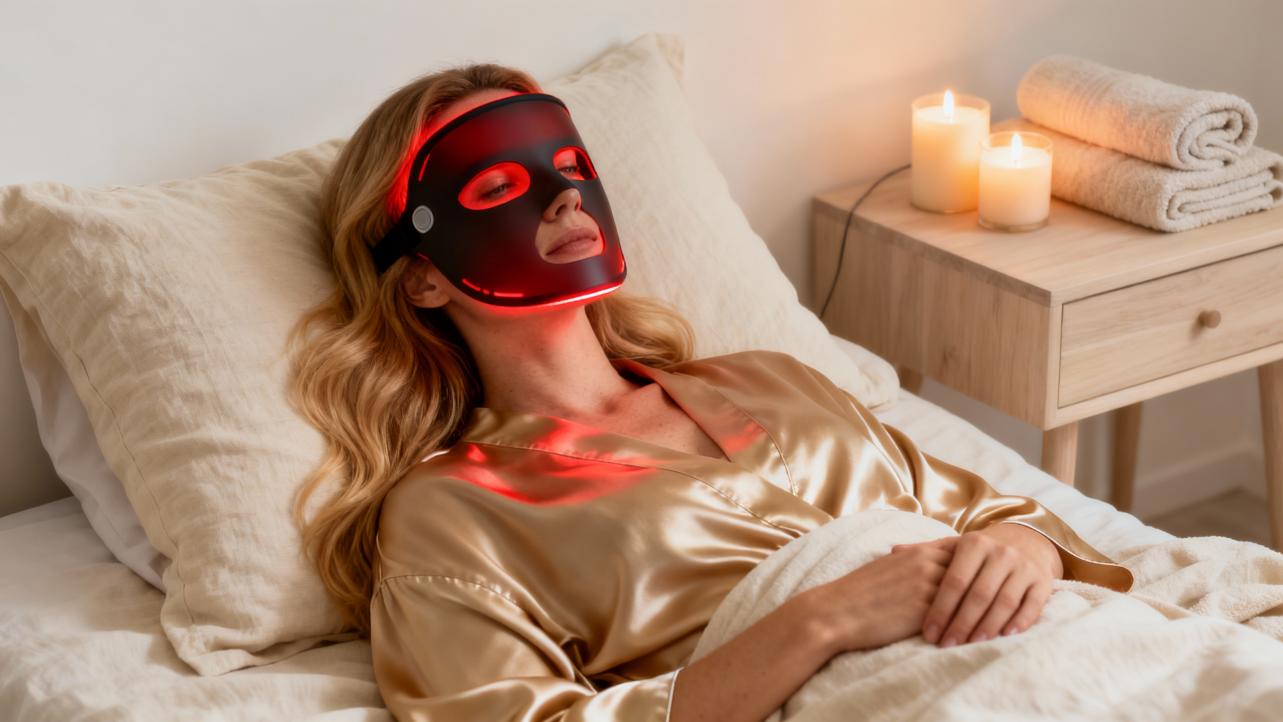
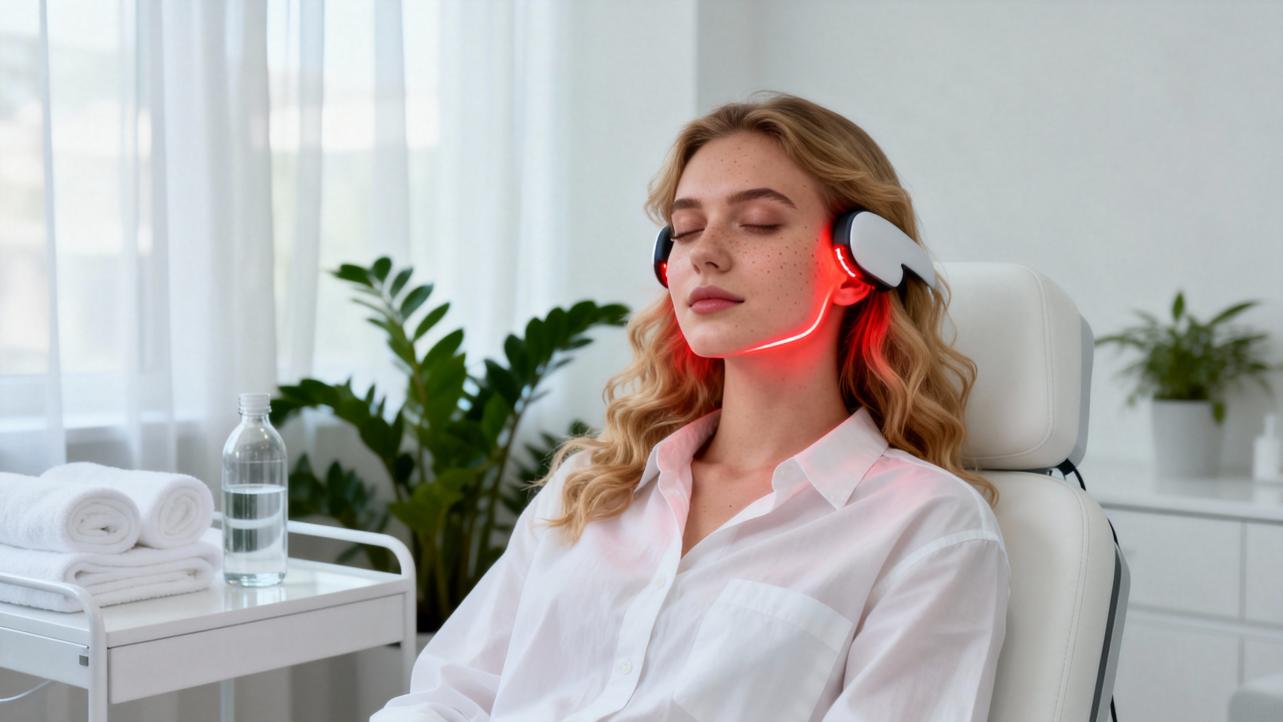
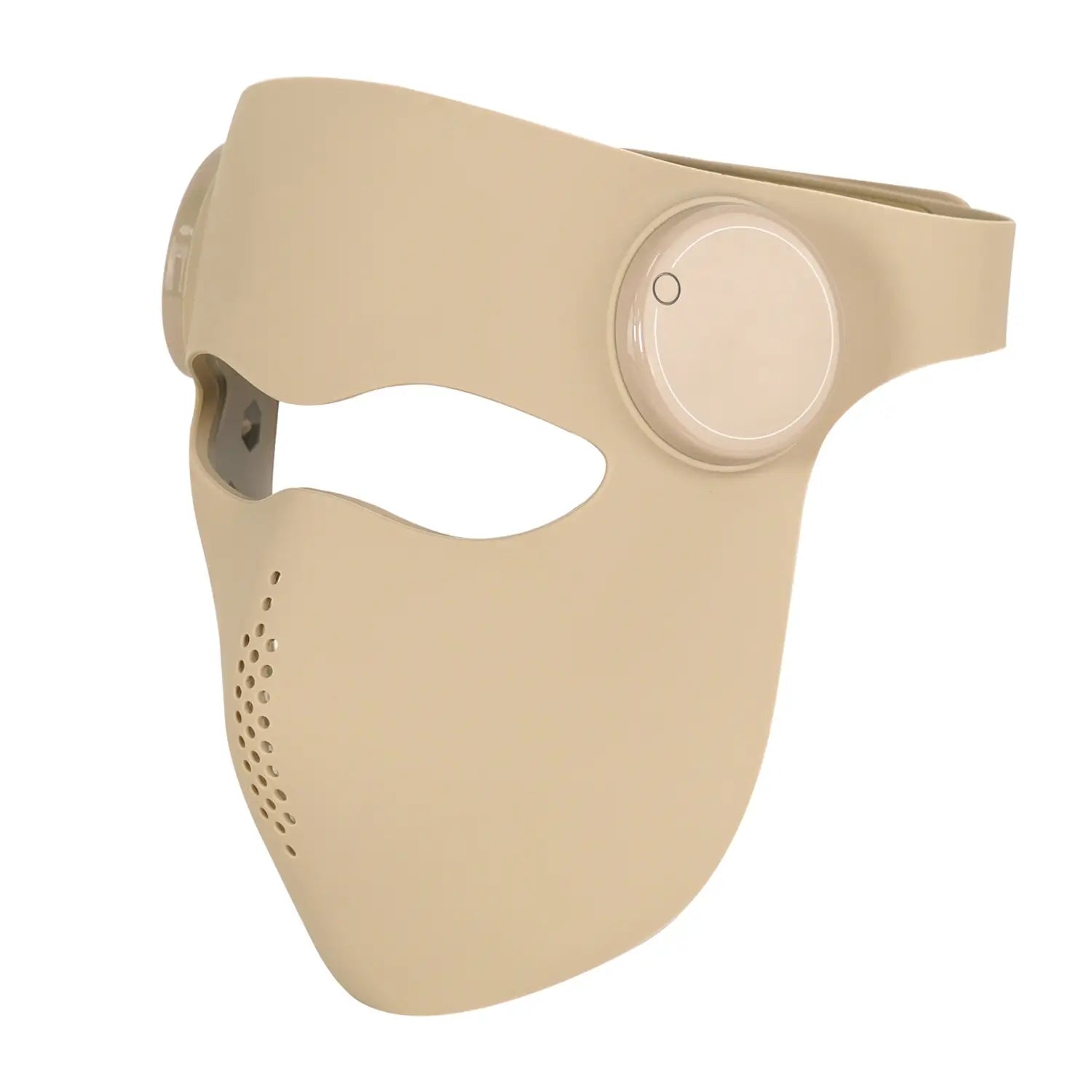
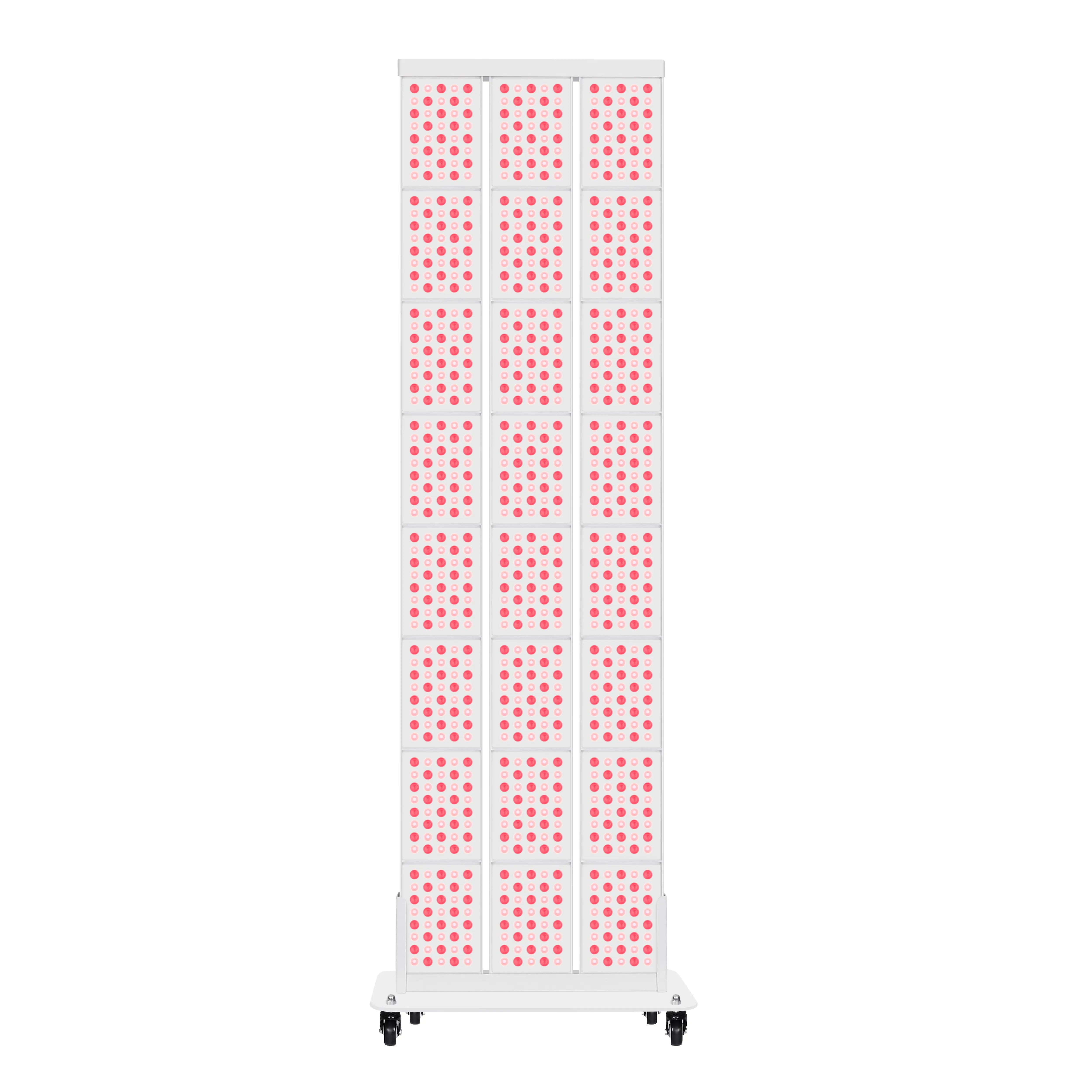
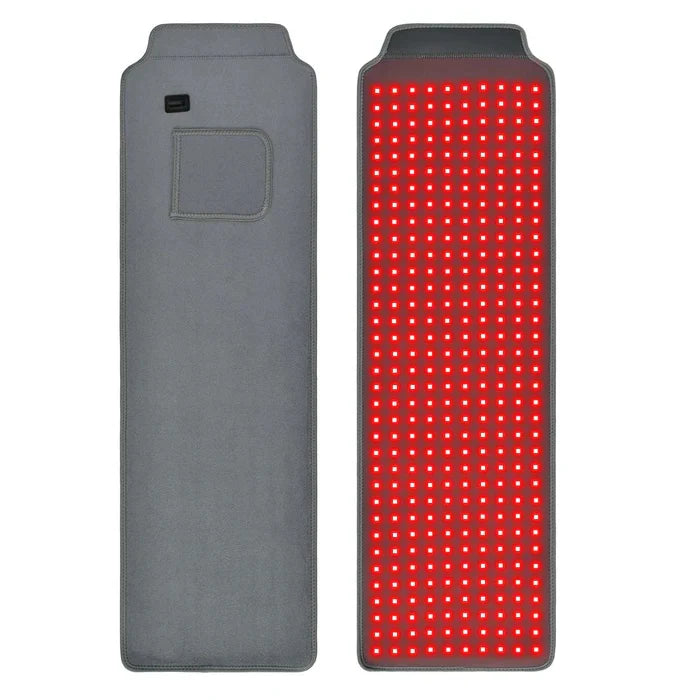
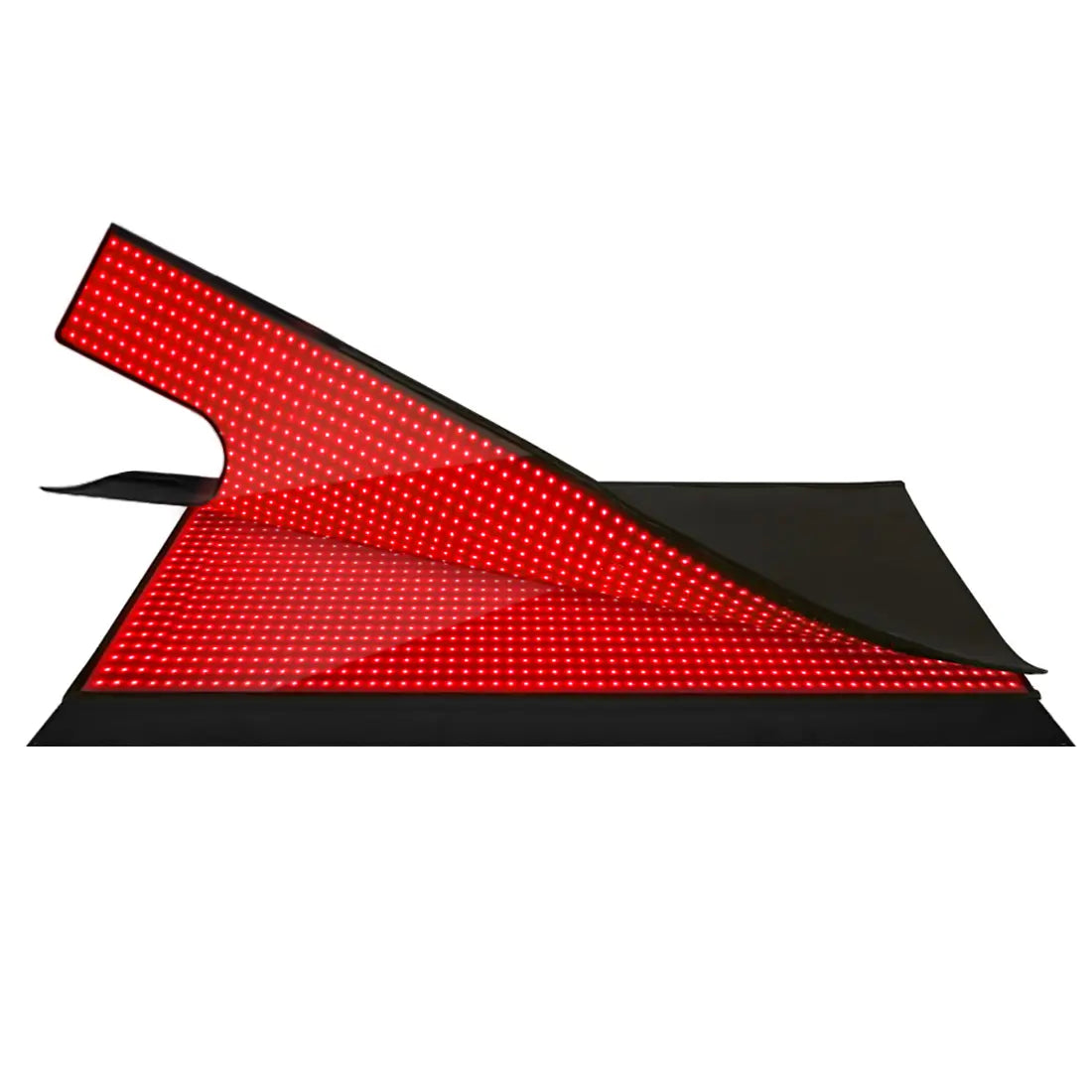
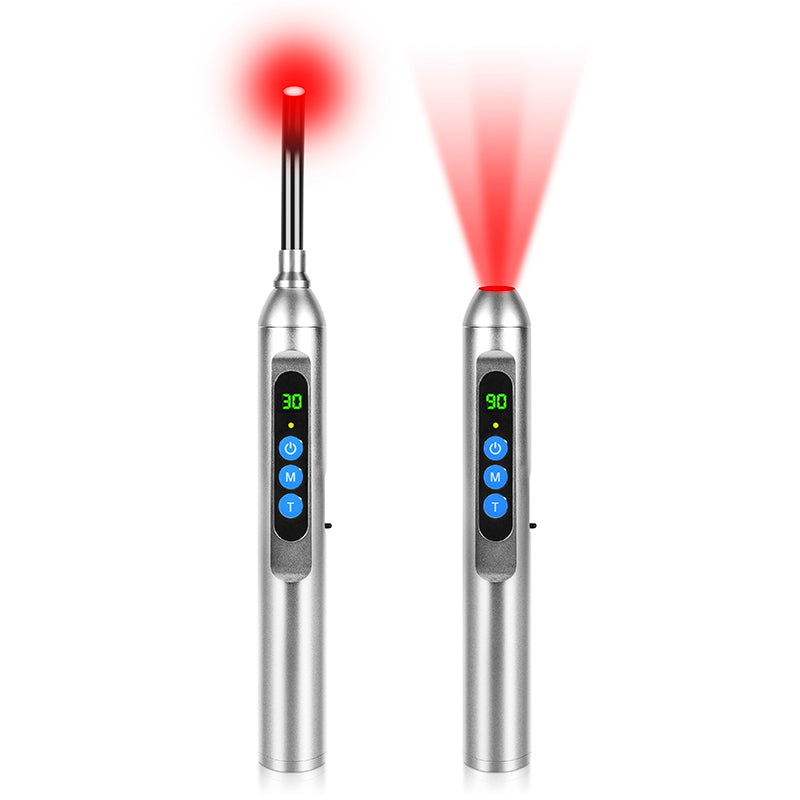
At home, the most common devices are full‑face LED masks, handheld wands, panels that you sit or stand in front of, and occasionally full‑body beds. Clinical devices tend to be more powerful and more carefully calibrated for wavelength and dose. Dermatology experts, including those quoted by Stanford Medicine and Cleveland Clinic, repeatedly stress that matching the device’s wavelengths and energy to what has been used in studies is essential, and that consumer products vary widely in quality.

How Red Light Therapy Interacts With Menopausal Skin
Under the hood, red and near‑infrared light act like a very gentle energetic stressor. At the cellular level, several consistent mechanisms show up across basic science and clinical reviews.
One key target is cytochrome c oxidase, a chromophore inside mitochondria. When red light at appropriate doses is absorbed, it can increase mitochondrial activity and adenosine triphosphate (ATP) production. A 2015 photobiomodulation review and subsequent work explain that this shifts the cell’s redox state, upregulates genes involved in tissue repair, and reduces oxidative stress.
When this happens in skin, fibroblasts tend to become more active. Multiple dermatology sources and clinical studies report increased collagen and elastin production after repeated red light exposure, along with improved dermal density. Vascular responses matter as well. Red and near‑infrared light can enhance nitric oxide release and vasodilation, leading to better microcirculation. More blood flow means more oxygen and nutrients for energy‑starved menopausal tissues.
Inflammation is another important pathway. Reviews in women’s health and oncology settings describe red light therapy’s ability to downregulate pro‑inflammatory cytokines and support resolution of painful, inflamed tissue. That is relevant for menopausal skin that is simultaneously dehydrated and inflamed, as well as for GSM symptoms such as burning or irritation.
Finally, red light appears to influence sebaceous activity and barrier function. In a clinical study of a home‑use red LED mask, sebum production decreased significantly over three months, while skin texture and pore visibility improved. For many perimenopausal women dealing with that awkward combination of thinning skin plus new adult acne, this sebo‑regulating effect is particularly interesting.
So, at a mechanistic level, red light therapy offers several levers that directly oppose the main drivers of menopause‑related skin aging: falling collagen, reduced circulation, increased inflammation, and impaired cellular energy.
What The Science Actually Shows For Aging Skin
There is plenty of marketing around red light therapy, but what does the evidence say when you strip away the hype, especially for aging skin during midlife?
General skin aging in adults 40 and up
One of the most useful data sets comes from a home‑use red LED mask trial that focused on facial aging signs. In this single‑arm clinical study, twenty volunteers between 45 and 70 years old used a red LED mask emitting light around 630 nanometers. Sessions lasted twelve minutes, twice per week, for three months. The dose was set around 15.6 joules per square centimeter, with power density of about 21.7 milliwatts per square centimeter, and the schedule deliberately spaced sessions about seventy‑two hours apart to respect the biphasic dose response that is often seen in photobiomodulation.
The results were impressive for a non‑ablative, at‑home device. After one month, objective measurements already showed reduced crow’s feet depth, less facial sagging, increased dermal density, and improvements in roughness and pore size. By three months, crow’s feet depth had decreased by roughly thirty‑eight percent, facial sagging scores dropped about twenty‑five percent, dermal density increased almost fifty percent, and sebum levels fell by around seventy percent compared with baseline. Skin firmness and elasticity metrics improved, and complexion homogeneity, essentially tone evenness, improved as well.
An interesting detail is what happened after participants stopped treatments. Measurements fourteen and twenty‑eight days after the last session showed no significant loss of benefit compared with the three‑month mark. That suggests that the changes are not just transient plumping but reflect structural and functional improvements, at least in the short term.
Tolerance was excellent, with no serious adverse events reported, and all participants reported subjective improvement in their skin. The mask used only red light (no near‑infrared) to avoid heat buildup and was designed so it could be used safely across skin tones, including darker phototypes.
There are important caveats. The study had no control or sham group, the sample was small, and dosing protocols across studies are not yet standardized. Nevertheless, when you combine this with hundreds of smaller dermatology studies summarized by Stanford Medicine, UCLA Health, and Cleveland Clinic, a consistent picture emerges: red light therapy can modestly improve wrinkles, firmness, and overall skin quality when used regularly over weeks to months.
Menopause‑specific skin concerns
Very few trials enroll menopausal women exclusively, but several menopause‑focused clinics and reviews synthesize how these mechanisms play out in this life stage.
Menopause‑specific articles point out that the sharp estrogen decline drives rapid collagen loss, and cite the American Academy of Dermatology’s estimate of about thirty percent collagen loss in the first five postmenopausal years. On that backdrop, red light therapy is framed as one of the few non‑hormonal tools that can stimulate collagen production directly at the cellular level. Menopause‑focused red light overviews recommend beginning treatment before the final menstrual period and continuing through the transition to help blunt estrogen‑related collagen loss.
Clinical and experiential reports from menopause‑centric practices describe improvements in facial elasticity, reduction in visible wrinkles and stretch marks, better skin hydration, and more even tone with ongoing red and near‑infrared sessions. Because menopause often brings adult acne and more reactive skin, the anti‑inflammatory and sebo‑regulating effects are important. Studies of LED therapy for acne, summarized by dermatology and phototherapy reviews, report lesion count reductions in the range of about forty to eighty percent over several weeks, which aligns with a lot of what I see in practice when we combine red and sometimes blue light with a smart skincare routine.
That said, many of these menopause‑oriented sources are single‑center experiences or small trials, and sometimes authored by people connected to device companies. Independent, randomized, sham‑controlled studies specifically in perimenopausal and postmenopausal women are still limited. So the fair statement is that red light therapy has good mechanistic plausibility and moderate clinical evidence for midlife skin rejuvenation, and that menopause likely magnifies the relevance of those mechanisms, but large, hormone‑specific trials are still lacking.
Vulvovaginal tissue and GSM
Genitourinary syndrome of menopause is a major quality‑of‑life issue, and there is growing interest in using non‑ablative laser and red light technologies in this area.
A detailed clinical review of vaginal photobiomodulation explains how estrogen deprivation thins the vaginal epithelium, reduces blood flow, and weakens collagen and smooth muscle in the vaginal wall and pelvic floor. The extracellular matrix loses strength, and stress urinary incontinence becomes more likely. Traditional treatments rely on local estrogen, pelvic floor therapy, and, in some cases, energy‑based devices such as fractional carbon dioxide or Er:YAG lasers. However, the United States Food and Drug Administration has not approved any of those devices specifically for GSM or so‑called vaginal rejuvenation and has issued warnings about adverse events with some thermal treatments.
Photobiomodulation takes a different approach. It uses low‑intensity red or near‑infrared light, often delivered by diode or solid‑state lasers or LEDs, to gently stimulate mitochondrial chromophores, increase ATP, modulate reactive oxygen species, and drive gene expression changes that favor repair. Because it is non‑ablative and does not significantly heat tissue, the risk profile appears more favorable.
A 2024 pilot study cited in menopause‑specific red light coverage followed twenty‑two postmenopausal women who could not use hormone therapy. After three sessions of non‑ablative diode laser photobiomodulation, participants reported significant improvements in vaginal dryness, irritation, pain with intercourse, and overall quality of life, with no reported adverse effects. Additional small studies using solid‑state vaginal lasers and minimally ablative Er:YAG devices found improved histology, thicker epithelium, better vascularity, and symptom relief in women with GSM or vulvodynia, again without major complications.
The vaginal photobiomodulation review concludes that early evidence is encouraging and safety appears good, particularly for women who cannot or do not want estrogen. At the same time, it emphasizes that most studies are small, short, and lack rigorous randomized controls, so these treatments should be considered promising adjuncts rather than established standard of care.
For our purposes, the takeaway is that red light and related non‑ablative technologies show real potential to support aging genital skin and pelvic tissues in menopause, but should be pursued under the guidance of a gynecologist or urogynecologist rather than improvised at home.

What I See In Practice With Menopausal Skin
When I work with women in their forties, fifties, and sixties, the pattern is remarkably consistent. The women who get the most from red light therapy do not treat it as a stand‑alone hack. They already have some form of foundational care in place: a gentle but smart skincare routine, attention to nutrition and stress, and an informed conversation with their clinician about hormone therapy and other options.
On top of that foundation, red light therapy often acts like a multiplier. In the first month or so, many notice subtle changes: a bit more glow, slightly calmer redness, perhaps makeup sitting more smoothly. By eight to twelve weeks, the shifts become more obvious: softer crow’s feet, a little more definition along the jaw, less crepey texture on the neck and chest. Women with adult acne often report fewer inflamed breakouts and faster healing when pimples do show up.
For vaginal or vulvar discomfort, results can be meaningful but are more variable and absolutely depend on device quality and technique. In that realm, I only support protocols designed and supervised by clinicians using non‑ablative medical devices that have at least some published data behind them.
In other words, your expectations matter. Red light therapy will not give you the same dramatic, one‑session transformation as a deep resurfacing laser, but for many menopausal women it can provide steadily accumulating, natural‑looking improvements in skin quality with very little downtime or risk.
How To Build A Practical Red Light Protocol In Menopause
A good protocol has to work with your biology and your schedule. Here is how I usually think about it for aging skin during menopause, synthesizing what clinical sources and menopause‑focused practices recommend.
For facial and neck skin, a reasonable starting point with a mask or panel is around ten to twenty minutes per session, about two or three times per week. This pattern is echoed across dermatology and device guidance, from BSW Health and West Dermatology to at‑home panel protocols and the facial LED mask study that used twice‑weekly sessions. Many women see visible changes after several weeks, but the more consistent gains tend to appear after eight to twelve weeks.
Once you have been consistent for a couple of months, it often makes sense to taper to a maintenance rhythm, such as once or twice per week, depending on how your skin responds and how busy your life is.
Preparation matters. Most dermatology and light‑therapy guides, as well as a detailed routine article on combining retinol with red light, recommend using red light on clean, bare skin. The logic is simple. Makeup, thick creams, and some active ingredients can physically block or scatter light, and retinoids can increase light sensitivity. My usual pattern is to have clients cleanse, pat dry, and then use the red light session. Afterward, they wait ten or fifteen minutes before applying any retinol or tretinoin, then finish with their hydrating serums and moisturizer.
If you are new to retinoids and your skin is easily irritated, it can be wise to build tolerance to the retinoid first before stacking it in the same evening as red light therapy. For more experienced users whose skin is already very comfortable with tretinoin or higher‑strength retinol, applying those products after a light session appears to be well tolerated in practice and is considered acceptable in expert routines, as long as you monitor for irritation.
For body areas that tend to betray age, such as the chest, hands, and forearms, I often suggest treating them alongside the face or neck if your device size allows. The same ten to twenty minute, two or three times per week framework applies, but research on off‑face areas is thinner, so expectations should be modest.
Sleep and timing can be tailored. Some menopause‑focused practitioners like evening sessions because red and near‑infrared light mimic aspects of sunset and may help support natural melatonin production and circadian rhythm. Small studies and clinical experience suggest potential benefits for insomnia and sleep quality. Others prefer morning light for convenience. The key is consistency rather than the exact time of day, unless you personally notice that late‑night sessions energize you too much.
For whole‑body devices used in clinics that specialize in perimenopause and menopause, sessions are often about twenty minutes with as much skin exposed as you comfortably can, done several times per week and then tapered. These can be powerful tools but are optional; targeted facial and neck treatments already offer a substantial return on effort.
Choosing A Device That Makes Sense For Menopausal Skin
Device choice is where a lot of women either overspend or get discouraged. The research and dermatology guidance provide a few useful guardrails.
First, wavelengths matter. For surface‑level skin aging such as wrinkles and texture, several skin‑science overviews recommend red wavelengths roughly in the 630 to 680 nanometer range. For deeper tissues, such as joints or possibly scalp and muscles, near‑infrared wavelengths in the 800 to 880 nanometer range are often used. Many high‑quality at‑home devices combine both.
Second, not all consumer devices are created equal. Clinicians from academic centers note that many at‑home products do not actually emit the specific wavelengths or intensities used in clinical trials. Some are underpowered; others are poorly characterized. Whenever possible, look for clear specification of wavelengths, power density, and treatment times, and be skeptical of devices that promise to fix everything from depression to obesity to dementia in a single gadget.
Third, regulatory status is a useful but limited filter. Dermatology articles from Cleveland Clinic, WebMD, and UCLA Health point out that some devices are cleared by the Food and Drug Administration primarily for safety, not because they have ironclad evidence of efficacy for every marketed use. “FDA cleared” means the device appears reasonably safe when used as directed; it does not guarantee amazing results. Still, it is generally preferable to no regulatory review at all.
As for form factor, full‑face LED masks are convenient for even coverage and consistent dosing. Wall or tabletop panels can treat larger areas and double as body devices but require you to pay attention to distance and positioning. Handheld wands are helpful for very targeted work but can be tedious if you are trying to cover your whole face.
My consistent advice is to start with the smallest setup that you will actually use three times per week for several months. A modest, well‑used device is far more valuable than an impressive, expensive panel that gathers dust.

Benefits, Limitations, And Risks In Menopause
To cut through the noise, it is helpful to line up potential benefits against what the evidence actually supports, especially for menopausal skin.
Aspect |
Potential benefit |
Evidence in midlife and menopause |
Main limitations or caveats |
Fine lines and wrinkles |
Smoother crow’s feet, fewer fine lines, softer forehead and smile lines |
Clinical mask study in adults 45–70 showed around thirty‑eight percent reduction in crow’s feet depth after three months; dermatology centers report modest wrinkle reduction with consistent use |
Most studies are small and often lack control groups; results vary and are not guaranteed |
Firmness and sagging |
Improved facial contour, less jowl heaviness, firmer neck |
Same mask trial showed about twenty‑five percent improvement in sagging scores and nearly fifty percent gain in dermal density; menopause articles highlight collagen stimulation as a way to counter estrogen‑related laxity |
Effects are gradual, not surgical; once treatment stops, benefits likely plateau and may slowly fade |
Dryness, barrier, and glow |
Better hydration, smoother texture, more even tone and “glow” |
Mask trial reported improved roughness, pore size, tone evenness, and large reductions in sebum; menopause‑focused LED clinics describe stronger, more hydrated, more resilient skin with regular red and near‑infrared use |
Hydration still depends heavily on skincare routine and lifestyle; light cannot replace moisturizers, lipids, or sun protection |
Adult acne and redness |
Fewer inflamed breakouts, calmer redness, faster healing |
LED acne studies show substantial lesion count reductions over several weeks; red light’s anti‑inflammatory effects are well documented in pain and skin research, and clinics report better management of menopausal acne and rosacea‑like redness |
Not a stand‑alone cure for acne; best as an adjunct to appropriate skincare and, when needed, prescription treatment |
Vulvovaginal tissue (GSM) |
Less vaginal dryness and irritation, more comfortable sex, better tissue quality |
Small pilot studies of non‑ablative lasers and photobiomodulation report improved GSM symptoms, thicker, more vascular epithelium, and better histology without major adverse events |
Devices are medical‑grade and used in clinics; evidence base is still early and mostly uncontrolled; no over‑the‑counter vulvar device has robust long‑term data yet |
On the risk side, multiple reviews from women’s health, dermatology, and academic centers converge on a reassuring message. Properly used red light therapy appears very safe in the short term. It does not use ultraviolet wavelengths, and current research has not linked it to increased cancer risk. In clinical settings, the most common side effects are mild and transient, such as temporary redness, warmth, or irritation.
However, there are several important cautions. Overdosing does not generally produce more benefit and may reduce it; some photobiomodulation reviews describe a biphasic response, where too much light reduces effectiveness. People on medications that increase light sensitivity, those with a history of skin cancer, and anyone with serious eye disease should talk with a dermatologist or physician before starting treatment. Eye protection is essential when treating areas near the eyes, even with LEDs. Individuals with pigmentation concerns such as melasma should be cautious and ideally work with a dermatologist, because although some data suggest red light can help, incorrect use might aggravate pigmentation.
Finally, there is a bigger picture limitation: red light therapy should not distract from or replace foundational health practices. Clinicians interviewed in red light discussions emphasize that good nutrition, regular physical activity, emotional and mental health, and adequate sleep will always have a larger impact on overall well‑being and even on how your skin ages. Light therapy sits on top of, not instead of, those basics.
Integrating Red Light Into A Menopause‑Friendly Skin Strategy
The most powerful way to use red light therapy in menopause is to treat it as part of an integrated strategy, not as a solo act.
In practical terms, that might look like combining a consistent LED routine with a gentle, intelligent skincare program anchored by daily sunscreen, appropriate moisturizers, and, where tolerated, retinoids or other collagen‑supportive actives. It might also include working with a menopause‑savvy clinician to evaluate hormone replacement therapy, non‑hormonal prescription options, and nutritional and exercise strategies that support bone, cardiovascular, and skin health.
Within that context, red light therapy becomes your regular, low‑friction stimulus for collagen maintenance, circulation, and inflammation control. It is something you can do at home, in your own space, on your own schedule, while reading, meditating, or simply breathing. For many women, that ritual aspect is as valuable as the biological effects: a built‑in pause a few evenings per week where the focus is literally and figuratively on bringing more light into a demanding phase of life.
Frequently Asked Questions
Can red light therapy replace hormone therapy for my skin?
No. Red light therapy and hormone therapy address different layers of the problem. Hormone therapy, when appropriate, can influence systemic estrogen levels and thereby affect bones, cardiovascular risk, vasomotor symptoms, and skin from the inside out. Red light acts locally on mitochondria, fibroblasts, and blood vessels in the treated area. It can help your skin function more youthfully in an estrogen‑deprived environment, but it does not restore estrogen or replace the broader effects of hormone therapy. Think of it as a complementary, non‑hormonal tool you can add to the mix, not a substitute for medical treatment.
How long does it take to see changes in menopausal skin?
The mask study in adults aged 45 to 70 documented measurable improvements after one month of twice‑weekly sessions, with progressively greater changes at two and three months. Dermatology practices and at‑home device users often report a similar timeline: subtle changes in the first four to six weeks, more noticeable shifts by eight to twelve weeks, and continued refinement with ongoing use. Your age, baseline skin condition, overall health, and consistency all matter, but expecting a three‑month horizon for meaningful change is realistic.
Can I overdo red light therapy?
Yes. More is not always better. Photobiomodulation research describes a biphasic response, meaning that there is an optimal dose range and that going far beyond it can reduce or negate benefits. Many clinical and at‑home protocols cluster around ten to twenty minutes per area, about two or three times per week, at a reasonable distance from the device. If you dramatically exceed manufacturer instructions or stack multiple high‑intensity devices, you increase the risk of skin irritation without proven additional gain. It is much smarter to be consistent at a moderate dose.
Does red light therapy help on the chest, hands, and body too?
The basic biology of fibroblasts, vasculature, and mitochondria is similar across skin sites, and some wound healing and inflammatory skin studies support benefits on non‑facial areas. Menopause‑focused red light sources also highlight improvements in neck and chest creasing and body skin texture with regular use. However, most of the highest‑quality anti‑aging evidence is still facial. In practice, extending your protocol to chest, hands, and forearms can be very worthwhile, particularly because those areas are often sun‑damaged, but you should approach them with the same expectations: gradual improvements, not dramatic overnight lifting.
Closing Thoughts From A Light Therapy Geek
Menopause does not have to mean surrendering your skin to gravity and dryness. When you understand what is happening biologically, red light therapy becomes less of a trend and more of a precise, evidence‑aligned tool you can use to nudge aging tissues back toward vitality. Pair it with smart skincare, wise medical guidance, and the unglamorous basics of sleep, movement, and nourishment, and you have a powerful, sustainable way to help your skin age on your terms, not your hormones’.
References
- https://pmc.ncbi.nlm.nih.gov/articles/PMC10311288/
- https://med.stanford.edu/news/insights/2025/02/red-light-therapy-skin-hair-medical-clinics.html
- https://healthcare.utah.edu/the-scope/mens-health/all/2024/06/176-red-light-therapy-just-fad
- https://blog.tracydonegan.org/blog/red-light-therapy-for-menopause-relief
- https://my.clevelandclinic.org/health/articles/22114-red-light-therapy
- https://www.gundersenhealth.org/health-wellness/aging-well/exploring-the-benefits-of-red-light-therapy
- https://www.uclahealth.org/news/article/5-health-benefits-red-light-therapy
- https://www.aad.org/public/cosmetic/safety/red-light-therapy
- https://www.bswhealth.com/blog/5-benefits-of-red-light-therapy
- https://deeplyvitalmedical.com/is-red-light-therapy-effective-in-perimenopause-and-menopausal-symptom-management/