
As someone who has spent years experimenting with light panels, full-body beds, and every “photobiomodulation” gadget I could get my hands on, I am always asked the same question in diving circles: can red light therapy help divers recover from decompression illness, or at least from the fallout afterward?
The honest, evidence-based answer is nuanced. Red light therapy has credible science behind its effects on skin, pain, and muscle recovery. It is also surrounded by hype and big promises that have not been proven, especially for complex conditions like decompression illness.
In this article, I will unpack what we actually know from reputable medical centers and published reviews, how those findings might relate indirectly to divers in recovery, where the data stop, and how a cautious, science-minded diver could integrate red light therapy without drifting into wishful thinking.
What Red Light Therapy Really Is
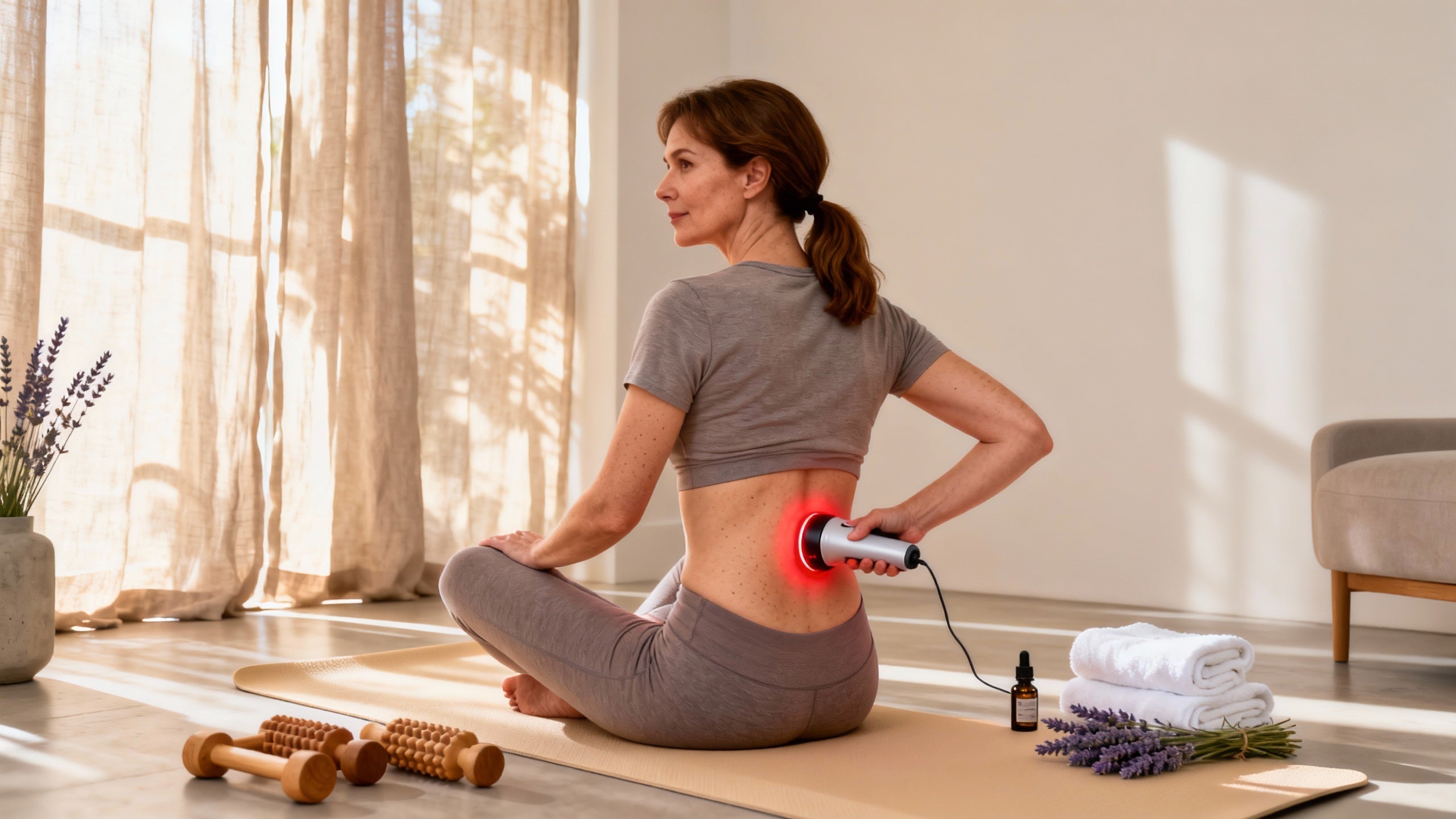
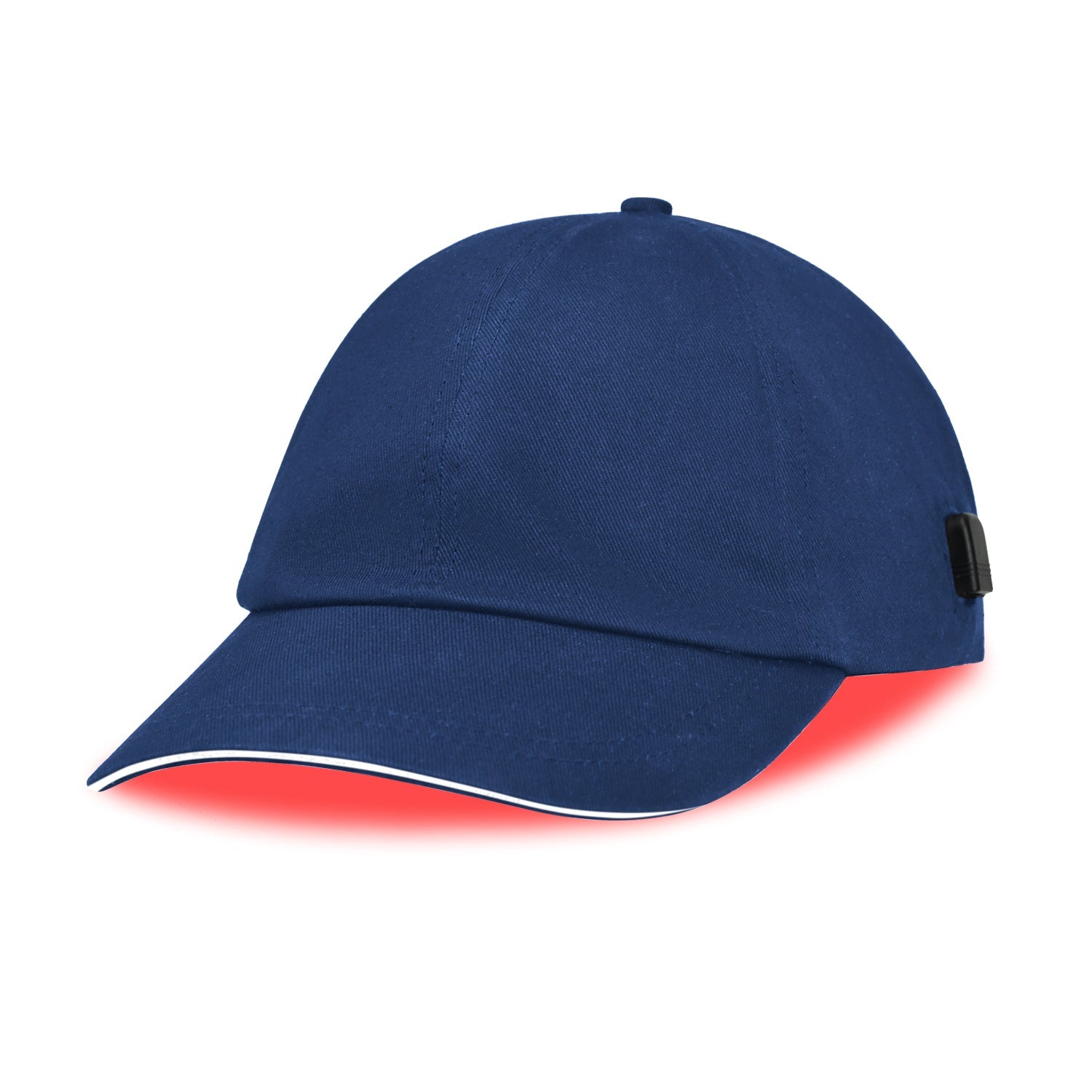
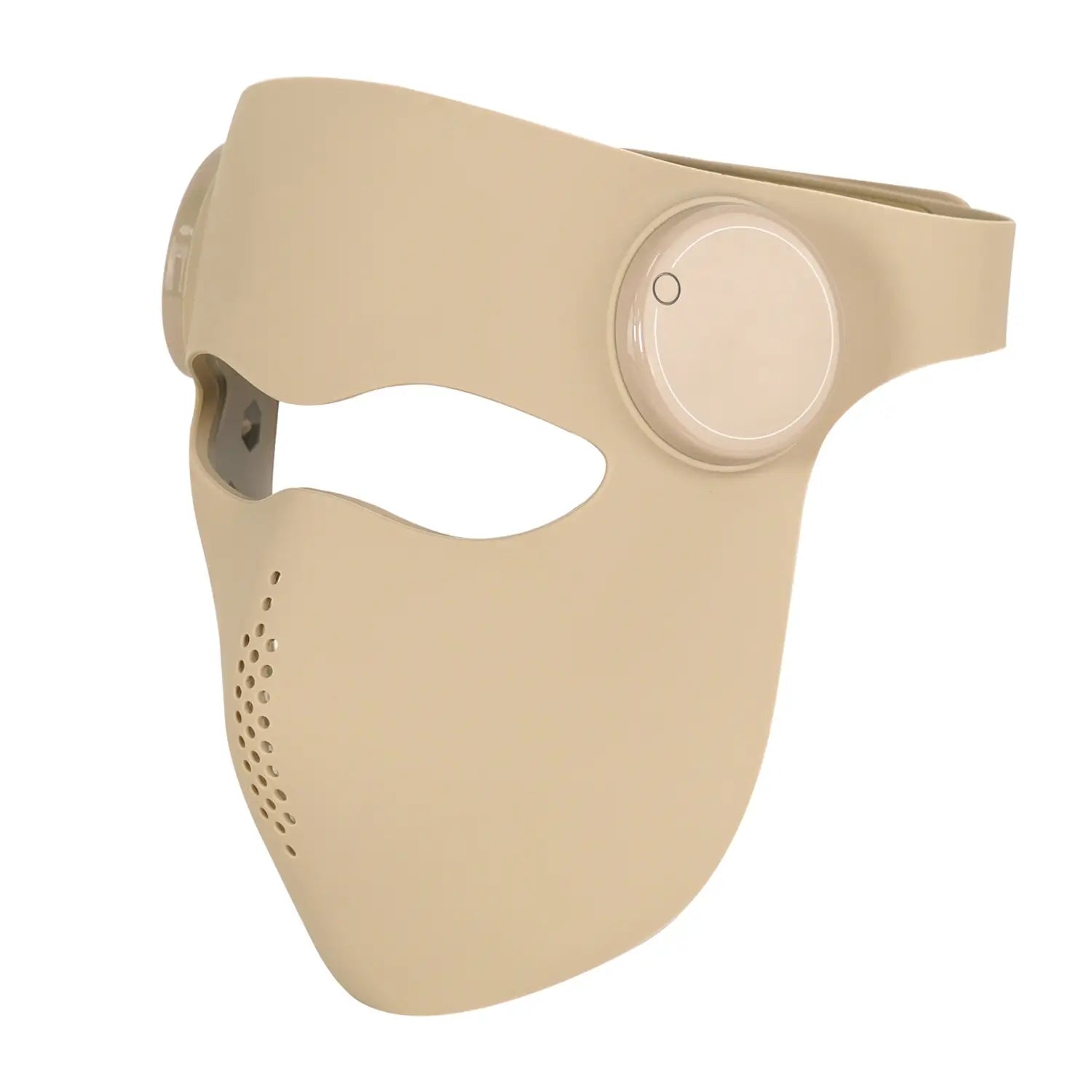
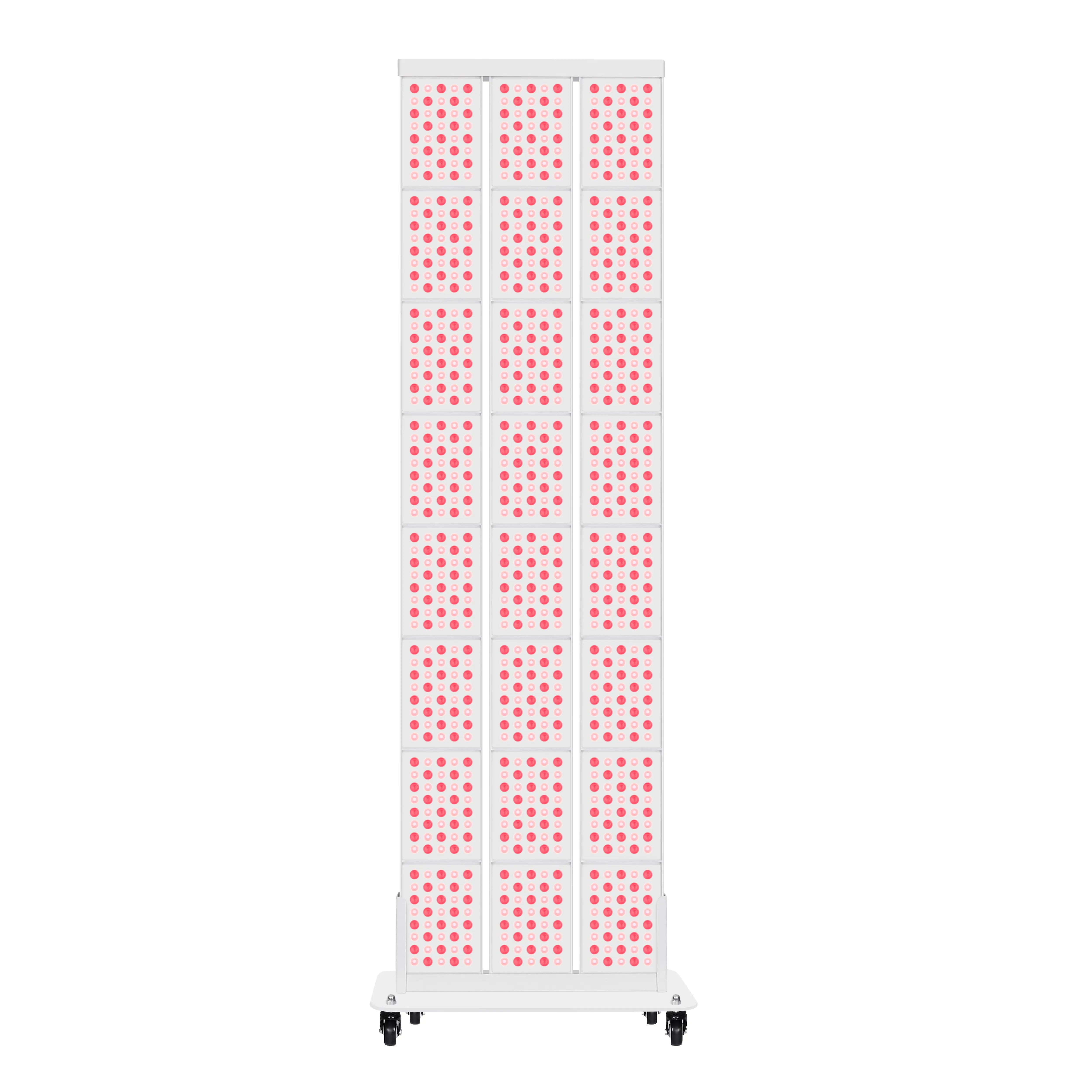
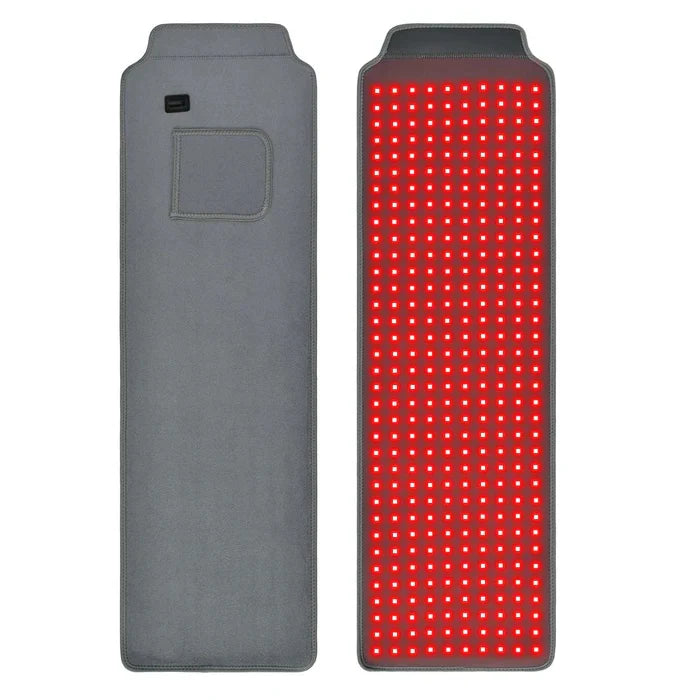
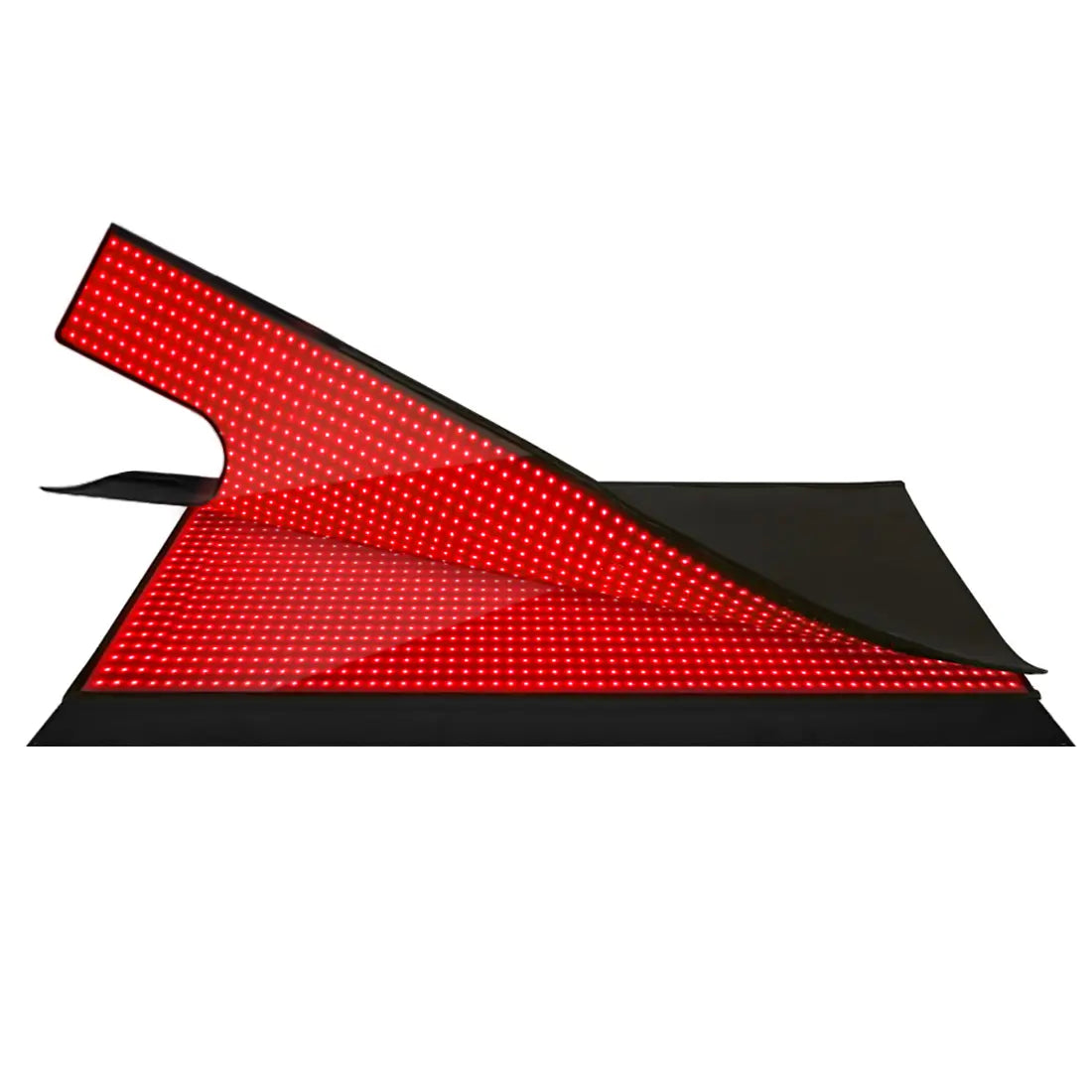
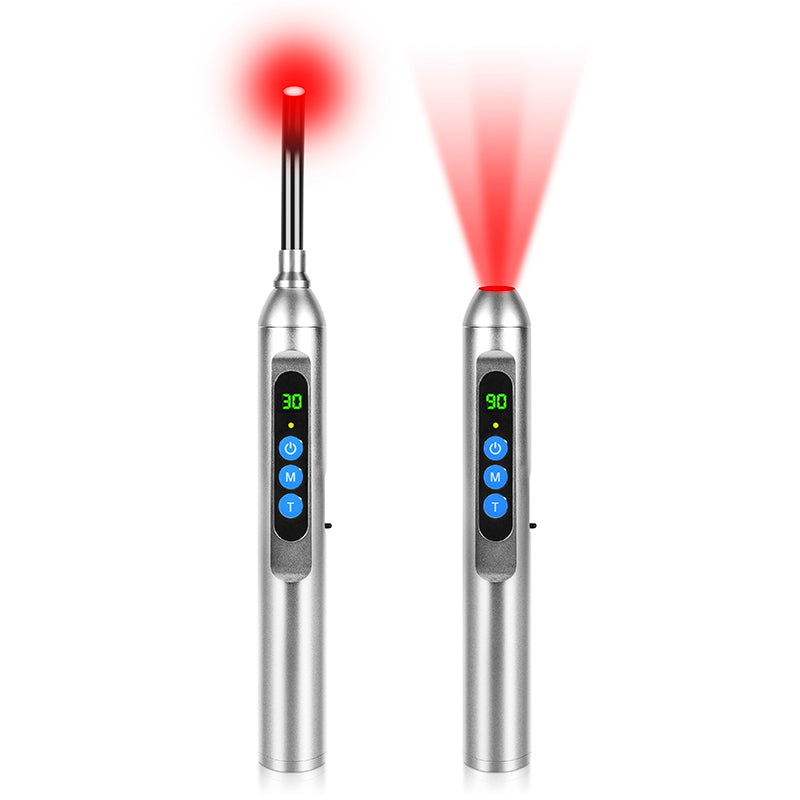
Red light therapy, also known as photobiomodulation or low-level light therapy, involves exposing your body to low-energy red and near-infrared light. Articles from Cleveland Clinic, WebMD, and MD Anderson describe it as a noninvasive treatment that uses visible red light at roughly 600 to 700 nanometers and often near-infrared light up to about 850 nanometers. Devices can be LED panels, masks, wands, pads, full-body beds, and even helmets.
At these doses, the light does not burn tissue or act like ultraviolet light. Instead, it is absorbed primarily by mitochondria, the tiny power plants inside cells. Reviews summarized by sources such as Elevate Health and the Journal of Biophotonics note that this interaction can:
- Increase adenosine triphosphate (ATP), the cell’s energy currency.
- Modulate nitric oxide, which widens blood vessels and improves circulation.
- Reduce markers of oxidative stress and inflammation.
- Stimulate collagen production in skin and connective tissues.
In practical terms, this means red light therapy is being studied and used for skin aging, wound healing, musculoskeletal pain, tendon problems, hair thinning, and some aspects of recovery after exercise. It has also been explored, in small early studies, for brain-related issues such as dementia and chronic pain, according to UCLA Health and WebMD.
To make the spectrum and tissue depth more concrete, consider this simplified overview based on dermatology and sports-recovery sources (including BSW Health and LED Technologies):
|
Wavelength band |
Typical depth focus (approximate) |
Commonly targeted tissues |
Typical use examples from sources |
|
Visible red light around 600–660 nm |
More superficial tissue layers |
Skin, small blood vessels, superficial nerves |
Fine lines and wrinkles, acne, post-procedure skin healing, superficial pain and redness |
|
Near-infrared light around 810–850 nm |
Deeper tissues |
Muscle, tendons, joints, somewhat deeper nerves |
Exercise recovery, tendon and joint pain, deeper musculoskeletal discomfort |
Most modern panels and beds for performance and recovery combine both red and near-infrared wavelengths to reach different depths.

Why Divers Are Interested
Divers who have experienced decompression illness, or who are simply dealing with the cumulative strain of heavy gear, repetitive dives, and travel, often report long tails of fatigue, joint discomfort, and deconditioning after the acute medical episode is over.
At the same time, red light therapy is being marketed heavily to athletes, biohackers, and high-performing professionals for recovery, pain relief, and sleep optimization. Articles from sources such as FunctionSmart Physical Therapy, Athletic Lab, LED Technologies, and Rehabmart highlight potential benefits like faster muscle recovery, reductions in delayed-onset muscle soreness, and improvements in perceived energy and sleep quality.
Because decompression illness recovery often involves rebuilding strength, managing pain, and restoring sleep and resilience, it is natural that divers look at red light therapy and wonder whether it can be a useful adjunct in the rehab phase.
The key word here is adjunct. None of the research compiled by the medical and sports sources in these notes tests red light therapy as a primary treatment for decompression illness itself. The potential role is indirect: supporting tissues, pain control, and global recovery once proper emergency care and medical management are in place.

Mechanisms That Might Matter After A Tough Dive
From a “light therapy geek” standpoint, the mechanisms that matter for divers in recovery are the same ones that matter for athletes after brutal training cycles. Several sources, including Elevate Health, Medco, the Journal of Biophotonics review, and Polltopastern, converge on a few core actions.
First, mitochondrial support and ATP production. Photons in the red and near-infrared range interact with cytochrome c oxidase, an enzyme in the mitochondrial electron transport chain. This can increase ATP production and shift cellular signaling in ways that support repair and resilience. One sports-therapy article notes that, under some parameters, ATP can increase very substantially, although exact percentages vary by device and study.
Second, nitric oxide and microcirculation. Red and near-infrared light can stimulate nitric oxide release, which helps blood vessels dilate. Articles from City Fitness, LED Technologies, and Elevate Health highlight improved blood flow, oxygen delivery, and nutrient transport to muscles and joints after exposure. For a diver rebuilding conditioning or dealing with achy tissues after time off, better circulation can be helpful, even if it does not target decompression injury directly.
Third, modulation of inflammation and oxidative stress. Studies summarized by Elevate Health, Physiopedia, and WebMD describe reductions in inflammatory markers, improved antioxidant defenses, and lower oxidative stress in the context of arthritis, tendon problems, and exercise damage. For chronic pain and overuse issues that may coexist with a diver’s decompression episode, that anti-inflammatory signal is one of the reasons pain clinics, such as those described by MD Anderson and University Hospitals, are exploring red light therapy.
Finally, collagen and connective tissue. Dermatology and sports-recovery pieces from sources like BSW Health, a review in Seminars in Cutaneous Medicine and Surgery, and several clinical trials cited by Elevate Health show increased collagen production and improved tissue quality in skin and connective tissues. For divers, this may be more relevant to long-term musculoskeletal resilience than to the decompression event itself.
What The Evidence Says About Recovery And Pain
Before connecting this to decompression illness, it is essential to be clear about what is actually supported by data and what remains speculative.
Muscle Recovery And Performance
In sports settings, red light therapy has been tested around strength training and endurance sessions. FunctionSmart Physical Therapy notes that specific near-infrared wavelengths have been associated, in some studies, with faster muscle repair, reduced soreness, and improvements in markers of performance. They cite research suggesting delayed-onset muscle soreness can drop significantly and that ATP output in muscle tissue can rise in response to appropriate dosing.
A clinical article in the journal Laser Therapy, summarized by LED Technologies, reported that university athletes using LED phototherapy returned to play in an average of about 9.6 days versus an anticipated 19.23 days across various injuries, with no reported adverse events. That is a striking difference in this particular context, though it focuses on general sports injuries rather than decompression illness.
On the other hand, a 2016 review in Journal of Biophotonics, discussed by both that journal and TrainingPeaks, examined dozens of trials using red and near-infrared light in healthy subjects and athletes. Some protocols improved time to exhaustion or reduced soreness; others showed no benefit at all. The review emphasized that results were strongly dependent on parameters such as wavelength, energy per area, and timing relative to exercise. TrainingPeaks concluded that, at the time of that analysis, red light therapy was still an interesting but unproven performance tool, and not worth a major financial investment purely for performance gains.
A later comparison highlighted by Medco examined three clinical trials and two animal studies that directly compared red light therapy and cryotherapy for post-exercise recovery. Across those studies, red light therapy outperformed cryotherapy for reducing soreness and biochemical markers of muscle damage; cryotherapy did not prevent muscle damage, while red light therapy did in those experiments. That does not translate directly to decompression illness, but it reinforces that the modality has meaningful effects in muscle tissue when properly applied.
Pain, Tendons, And Joints
Major medical centers are most comfortable discussing red light therapy in the context of pain, superficial musculoskeletal problems, and specific tendon disorders.
MD Anderson Cancer Center describes red light therapy as a low-level laser approach that can support healing and reduce inflammation in muscles and soft tissues, and notes that their pain management service sometimes incorporates it for certain pain syndromes. University Hospitals reports that a 2021 review found potential benefits for acute and chronic musculoskeletal pain and fibromyalgia, with particular promise for tendon-related problems and more superficial inflammatory issues.
WebMD summarizes evidence that red light therapy can reduce pain and improve function in tendinopathy across multiple trials and can offer short-term relief for rheumatoid arthritis pain and stiffness, although it has less impact on established osteoarthritis in some studies.
For divers, tendons and joints are common trouble spots, whether from heavy equipment, repetitive kicking, or long periods in awkward positions. While none of the cited research addresses divers specifically, the mechanisms and outcomes in tendon and superficial joint problems are directly relevant to the kinds of aches and overuse injuries that may accompany a decompression illness recovery period.
Skin, Wounds, And General Regeneration
While not central to decompression recovery, it is worth noting that red light therapy has some of the strongest evidence in dermatology and wound care. Cleveland Clinic, UCLA Health, and BSW Health describe improvements in wrinkles, scars, sun damage, acne, and wound healing in both clinic and at-home settings.
A clinical trial discussed in Seminars in Cutaneous Medicine and Surgery and the Journal of Clinical and Aesthetic Dermatology showed measurable improvements in collagen, fine lines, and skin texture after several months of consistent red light use, with benefits persisting for weeks after stopping treatment.
For divers recovering from surgery related to another condition, or dealing with scars and skin stress, these dermatologic effects may be a meaningful side benefit, but they are not specific to diving.

What We Do Not Know About Decompression Illness
Here is the critical reality check. None of the sources summarized here—Cleveland Clinic, MD Anderson, WebMD, University Hospitals, UCLA Health, sports-recovery reviews, or device and clinic articles—describe red light therapy as an evidence-based treatment for decompression illness itself.
They cover skin diseases, tendon problems, arthritis, post-exercise muscle recovery, general chronic pain, cognitive decline, and even chemotherapy-related mouth sores. Decompression illness is not on that list.
That does not prove red light therapy is useless in this context, but it means there are no clinical trials or evidence summaries in this dataset that support using red light therapy to treat the underlying pathology of decompression illness. Any claim that “red light clears bubbles,” “replaces recompression,” or “cures decompression sickness” would be pure speculation and is not supported by the evidence reviewed by these reputable sources.
Decompression illness is a medical emergency that must be managed by qualified clinicians using established protocols, often including specialized therapies such as hyperbaric oxygen in appropriate settings. Elevate Health, a clinic that integrates red light therapy into broader care, explicitly mentions combining it with hyperbaric oxygen therapy and other modalities, which underscores a key point: serious conditions are treated with robust medical tools first, and red light therapy, when used at all, is layered in as an adjunct.
For divers, that is the mindset to keep. Red light therapy may have a role in the longer rehabilitation arc, but it should not delay urgent assessment or replace any prescribed medical treatment.

Potential Indirect Benefits For Divers In Recovery
Once the acute phase is over and a diver is under ongoing medical follow-up, the conversation can shift from emergency care to rebuilding resilience. This is where red light therapy may be considered, always in coordination with a physician.
Managing Musculoskeletal Deconditioning
After a serious health event, many people lose conditioning. When they restart training, they face soreness, tendon irritation, and stiffness. Trials in athletes and healthy volunteers, such as those summarized by Physiopedia, Polltopastern, FunctionSmart, and the Journal of Biophotonics review, suggest that red and near-infrared light applied before or after exercise can:
Support faster recovery of strength and function between workouts. Reduce perceived soreness in some, though not all, protocols. Help maintain performance in repeated efforts by improving fatigue resistance.
For a diver gradually rebuilding strength under medical guidance, red light therapy could, in theory, be used around supervised conditioning sessions to soften the edges of muscle soreness and improve comfort, making it easier to comply with rehab exercises. The data here are still mixed, and not every protocol works, but there is enough signal to treat it as a legitimate adjunct, not just a gadget.
Supporting Pain Control And Sleep
Chronic pain and disrupted sleep often travel together. Articles from Rehabmart, City Fitness, Athletic Lab, and Polltopastern point out that red light therapy users frequently report improved sleep quality and reduced overall inflammation. One study in Chinese female basketball players, cited by Athletic Lab, found that evening red light exposure improved subjective sleep and melatonin levels.
Major health systems echo the pain story. MD Anderson and University Hospitals both describe red light therapy as a promising tool for reducing certain types of pain and improving quality of life, with relatively few short-term side effects when used correctly.
For divers dealing with lingering pain, troubles falling asleep, or non-restorative nights after a decompression episode, carefully timed red light sessions in the evening may help ease pain and support better sleep. Sleep is one of the most powerful recovery tools we have, and if light exposure helps nudge circadian rhythm and comfort in the right direction, that alone can be valuable.
Mood, Energy, And Overall Resilience
High-performing individuals, including professional athletes and executives, are turning to red light therapy as part of broader resilience strategies. Rehabmart notes that there are hundreds of randomized trials and thousands of lab studies examining red light therapy more broadly, and that some elite organizations, including sports teams and military units, have integrated light-based therapies into recovery suites alongside other advanced modalities.
These reports do not specifically involve divers or decompression illness, but they point to a growing consensus that red light therapy can make people feel more recovered, less inflamed, and better able to handle physical and mental stressors when used intelligently. Divers emerging from a medically managed decompression event often seek exactly that kind of systemic reboot.
How A Diver Might Use Red Light Therapy Safely
If you and your physician decide that red light therapy is reasonable to try as an adjunct during recovery, the next question is how to implement it in a way that respects both the science and your budget. Evidence-based guidelines are not fully standardized, but there is substantial agreement across dermatology and sports-recovery sources about practical ranges.
Most clinical and at-home protocols cited by Dr. Sabrina, BSW Health, Polltopastern, City Fitness, and others use treatment sessions of about 10 to 20 minutes per body area, two to three times per week, with the option of more frequent use for short periods during intensive rehab. Polltopastern describes protocols using 20 to 30 minutes for targeted areas up to three times per day during active healing, although such higher frequencies should be cleared with a clinician, especially after a serious medical event.
Devices typically emit red light around 630 to 660 nanometers and sometimes near-infrared light around 810 to 850 nanometers. For skin-focused goals, red-only masks and panels are common. For deeper muscles and joints, performance-oriented sources like FunctionSmart and Medco emphasize devices that combine both red and near-infrared to reach different tissue depths.
Because more is not always better, the concept of a biphasic dose–response is important. Reviews such as the NSCA coaching article and Physiopedia note that therapeutic energy doses often fall in the range of several to several tens of joules per square centimeter; doses far above that may lose effectiveness or even irritate tissues. Consumer devices often make dose difficult to calculate, but most reputable brands publish power density and recommended distances so you can approximate.
When it comes to safety, Cleveland Clinic, MD Anderson, WebMD, UCLA Health, and University Hospitals largely agree on a few key points. At standard doses and with appropriate eye protection, red light therapy appears noninvasive, non-thermal, and generally low risk in the short term, with no ultraviolet exposure and no established link to skin cancer. Reported side effects tend to be mild and transient, such as brief redness, dryness, or discomfort. However, misuse and high-intensity exposure can damage skin or eyes, and long-term safety data are still limited.
People on photosensitizing medications, those with a history of skin cancer or certain eye diseases, and individuals with photosensitive conditions should be especially cautious and work closely with their physicians before starting any light-based regimen. Dermatology groups such as the American Academy of Dermatology also stress the importance of consulting a qualified dermatologist when using home devices for skin issues, particularly in darker skin tones where hyperpigmentation can occur.
Finally, cost and practicality matter. Articles from BSW Health, WebMD, University Hospitals, and Rehabmart point out that at-home devices can range from under $100 for small wands to several thousand dollars for large panels or beds, while clinic sessions may cost $80 or more each and are usually not covered by insurance. For many divers, a modest, FDA-cleared home device targeted to specific recovery goals may be the most sensible entry point, rather than a full-body bed or high-end panel.
Pros, Cons, And A Diver-Specific Perspective
For divers recovering from decompression illness, the pros and cons of red light therapy look different than they do for a healthy athlete chasing marginal gains.
On the positive side, red light therapy has a growing, though still imperfect, evidence base for improving skin quality, supporting wound healing, easing certain kinds of pain, and helping muscles and tendons recover from load. It also shows promise for improving sleep and overall perception of recovery in active individuals. Short-term safety appears favorable under medical guidance, and the modality pairs well with physical therapy and other rehab strategies, as seen in clinics that integrate it with chiropractic care, hyperbaric oxygen, and regenerative therapies.
On the negative side, the evidence is heterogeneous, study sizes are often small, and results vary widely by protocol. Well-regarded summaries such as those cited by Cleveland Clinic, WebMD, and TrainingPeaks emphasize that, for many marketed claims, including broad performance enhancement and various non-dermatologic conditions, the data are still limited and not definitive.
Most crucially for divers, none of the reviewed evidence addresses decompression illness directly. Red light therapy is not a replacement for recompression, hyperbaric oxygen, or any acute medical management of decompression events. It is a potential tool for the later stages: rebuilding strength, managing pain, and improving sleep and mood under a physician’s supervision.
From my vantage point as a long-time experimenter with light and recovery protocols, I see red light therapy as a potentially valuable add-on for divers who are already doing the fundamentals well: following medical advice, respecting return-to-dive guidelines, engaging in intelligent physical therapy, prioritizing sleep, and eating to support recovery. Light therapy can amplify those efforts; it cannot substitute for them.

Brief FAQ For Divers Considering Red Light Therapy
Can red light therapy replace recompression or hyperbaric treatments after decompression illness?
No. None of the medical or research sources summarized here suggest that red light therapy can treat the underlying cause of decompression illness or replace standard emergency care. For decompression illness, established dive-medicine protocols and any therapies prescribed by your physicians come first. Red light therapy, if used at all, should be considered only as a later adjunct to support general recovery.
Is it reasonable to use red light therapy while I am still under follow-up for decompression illness?
That is a decision for you and your clinicians. The evidence reviewed here suggests that, when used properly, red light therapy has a low short-term risk profile and may help with pain, muscle recovery, and sleep. However, decompression illness is complex, and individual medical factors matter. Discuss timing, device choice, session frequency, and any medications you are taking with your healthcare team before starting.
What kind of device should a recovering diver consider?
Sports medicine and dermatology sources converge on devices that emit red light around 630 to 660 nanometers and often near-infrared light around 810 to 850 nanometers, with verified power output and clear instructions. Look for products that are FDA cleared for general uses such as temporary relief of minor aches and pains or skin rejuvenation, rather than devices making sweeping disease-cure claims. Start with modest, time-limited sessions, use eye protection when indicated, and track how your body responds over several weeks.
In the end, the goal is not to biohack your way out of decompression illness, but to stack every legitimate, evidence-informed advantage alongside rock-solid medical care, smart training, and deep respect for your own physiology. Used with that mindset, red light therapy can be one more beam of support in a diver’s recovery toolkit, but it is never the foundation.
References
- https://pmc.ncbi.nlm.nih.gov/articles/PMC10311288/
- https://www.mdanderson.org/cancerwise/what-is-red-light-therapy.h00-159701490.html
- https://my.clevelandclinic.org/health/articles/22114-red-light-therapy
- https://www.uclahealth.org/news/article/5-health-benefits-red-light-therapy
- https://www.aad.org/public/cosmetic/safety/red-light-therapy
- https://www.uhhospitals.org/blog/articles/2025/06/what-you-should-know-about-red-light-therapy
- https://www.physio-pedia.com/Red_Light_Therapy_and_Muscle_Recovery
- https://www.athleticlab.com/red-light-therapy-for-athletes/
- https://www.bswhealth.com/blog/5-benefits-of-red-light-therapy
- https://cityfitness.com/archives/36400