
Brain fog, low mood, scattered focus, and sleep that never feels restorative can quietly drag down daily life. That reality helps explain why interest in red light therapy for brain health has grown so quickly. The research umbrella term is photobiomodulation, which explores how red and near-infrared light may influence cellular signaling and energy-related processes. People are trying at-home routines for practical reasons: they want small, trackable shifts in how they think, sleep, and feel, with safety and realistic expectations leading the way.
The Brain Health Goals People Commonly Look For
When people talk about “brain health,” they are often describing everyday function: thinking clearly, feeling steady, and sleeping well. Those areas influence each other, which can make results feel confusing. Choosing one main goal gives your trial a clear direction and makes your notes easier to trust.
- Mental clarity and working memory: Sharper focus, less mental “static,” and better short-term recall. Many people track practical signals like rereading less often, finishing routine tasks faster, or remembering small commitments more reliably.
- Mood support and stress load: More emotional steadiness, less irritability, and a lighter sense of mental load. Mood tracking is most useful when you account for sleep loss, alcohol, stimulant changes, cycle shifts, and intense training weeks.
- Sleep quality and next-day energy: Falling asleep faster, fewer awakenings, and better next-day energy. A simple morning note about restfulness can reveal trends that memory misses.
- Sustained performance under heavy demands: Feeling steadier during long stretches of late nights, demanding work cycles, or chronic mental fatigue. A personal trial can be informative, but it should not replace evaluation for medical causes of fatigue, sleep disorders, depression, thyroid issues, anemia, or medication side effects.

What to Look For in At-Home Red Light Therapy Devices for Head Use
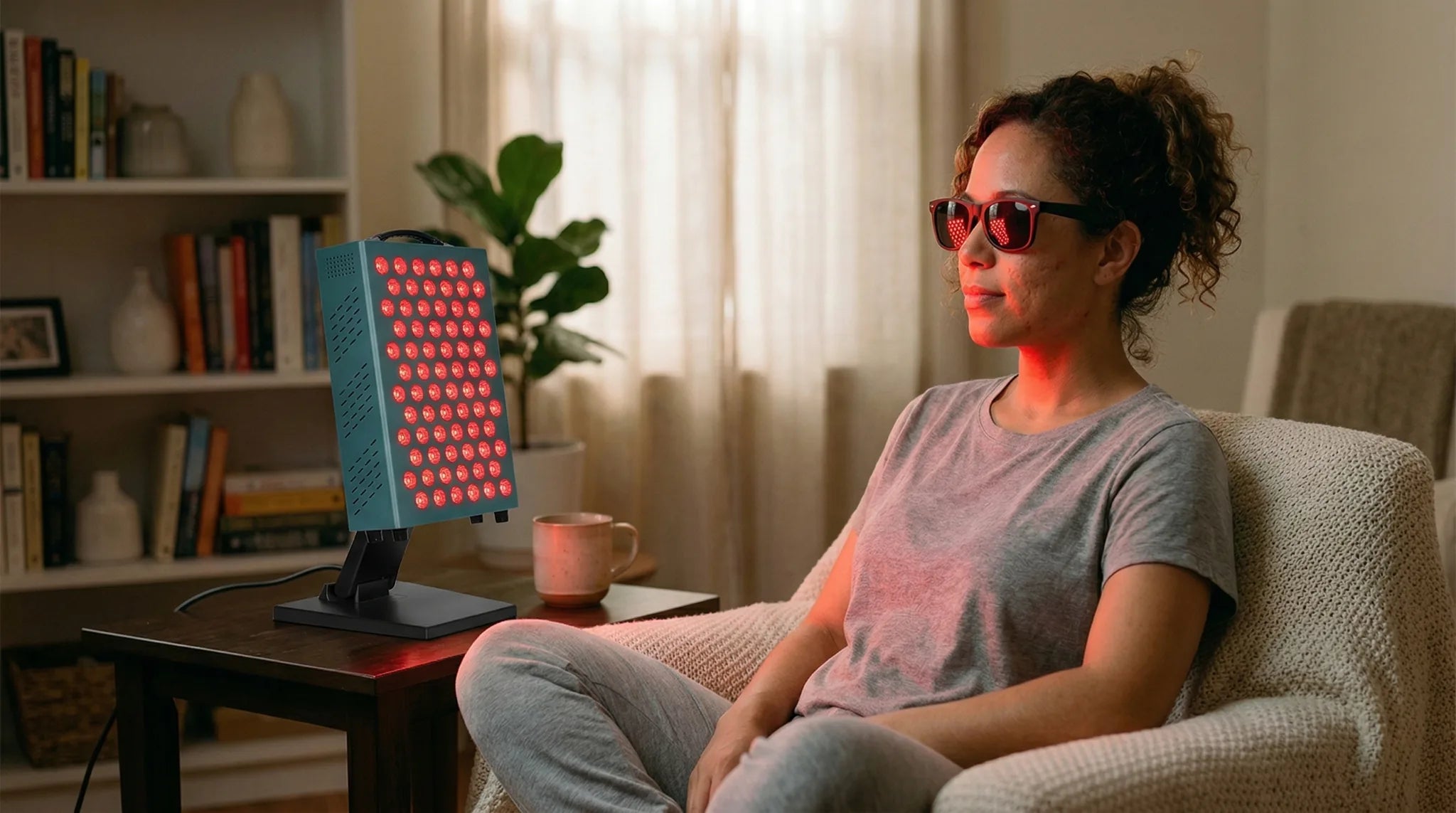
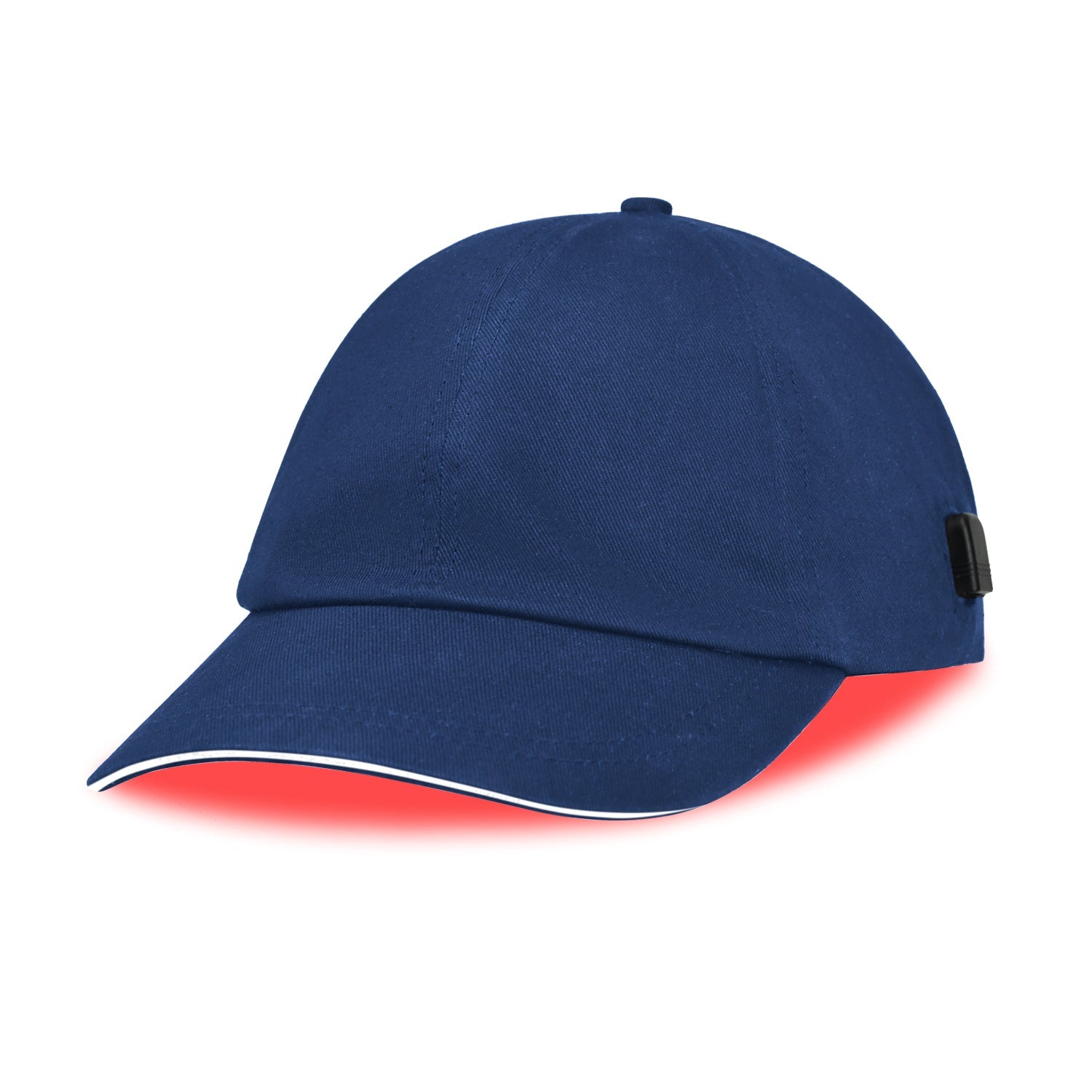
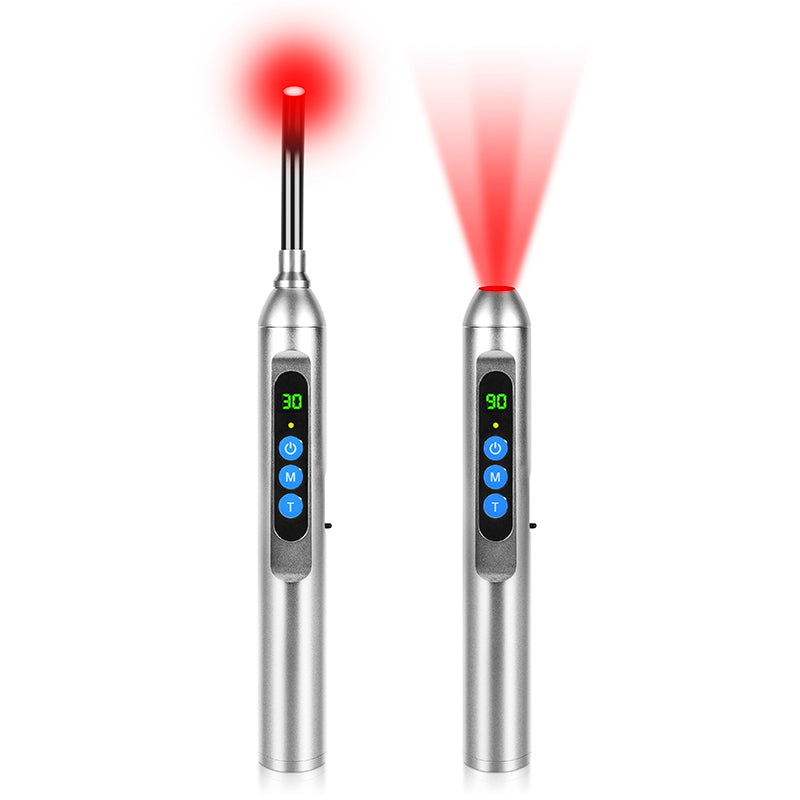
Head use adds complexity because distance, angle, hair coverage, and session timing can change the dose delivered. A thoughtful device choice reduces that complexity, which makes the routine easier to repeat and the outcomes easier to track.
Specs That Actually Matter
When comparing at-home red light therapy devices, transparency beats hype. Look for clear wavelength labeling and output reported at a defined distance. Irradiance numbers without distance are hard to interpret because intensity drops rapidly as the light source moves away from the target area.
A built-in timer is another practical feature. Consistent session length matters more than aggressive session length. If a device offers intensity settings, the lowest comfortable setting can be a sensible choice during the first couple of weeks, since it lowers the chance that heat or eye discomfort derails the experiment.
Comfort and Repeatability
A device can look impressive online and still fail in real life if it is awkward to position. Head routines work best when you can set the same distance and angle repeatedly without turning each session into a project.
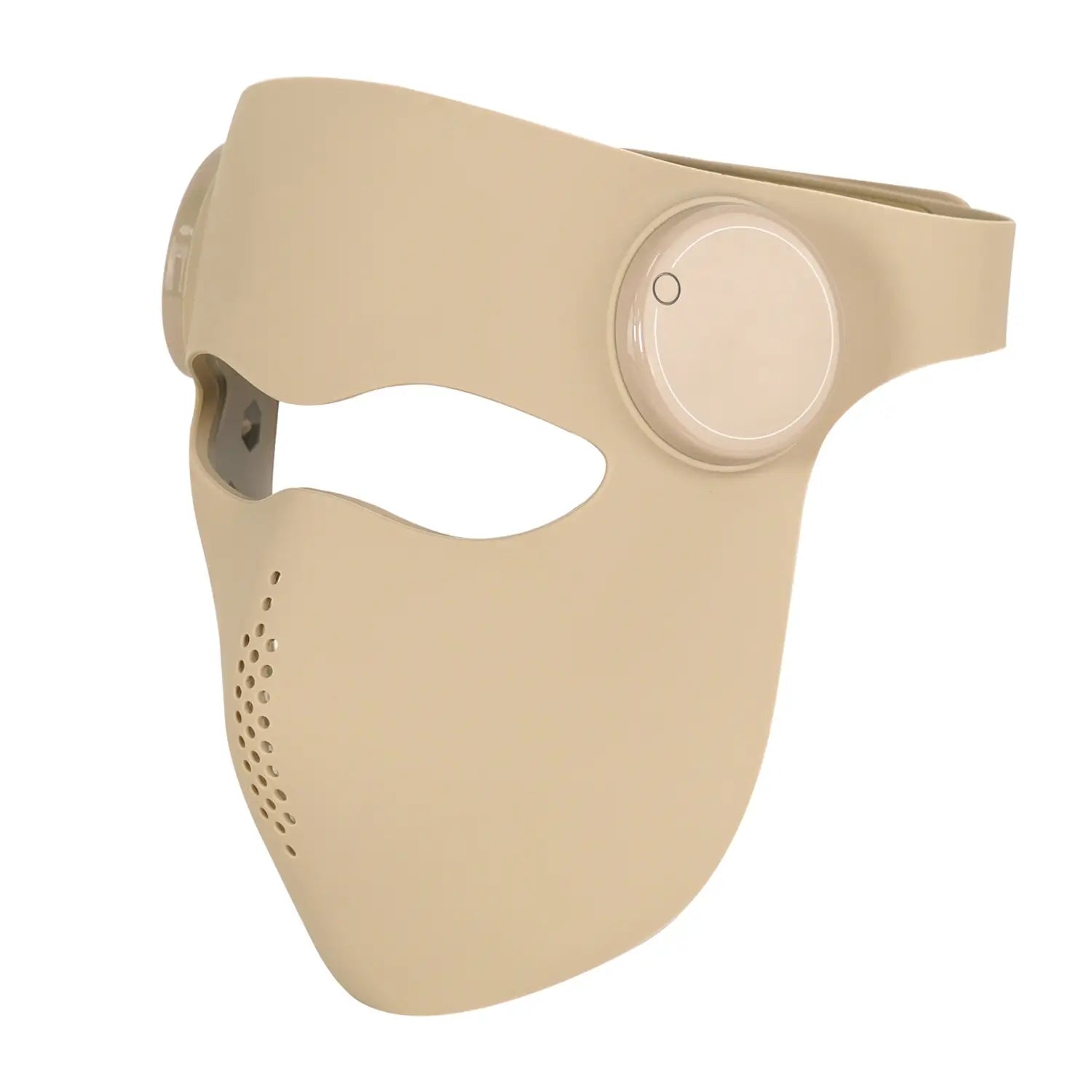
Red light for heat illness recovery also matters. Mild warmth can be normal, yet discomfort makes people quit, and quitting erases any chance to learn from the trial. Cooling design, airflow, and an easy-to-hold form factor tend to support consistency.
Safety Clarity and User Instructions
Head use also means eye proximity. A responsible product should include clear safety guidance about eye exposure and recommended use conditions. Photobiological safety standards such as IEC 62471 exist to evaluate optical radiation hazards from lamps and lamp systems, including LEDs. You do not need to read standards documents to benefit from this idea. Clear instructions, conservative guidance, and sensible warnings are often the difference between a safe routine and an irritating one.
A quick device filter can keep shopping decisions practical:
- Wavelengths listed clearly, including red and near-infrared
- Output reported with a measurement distance
- Built-in timer for repeatable sessions
- Comfort-oriented design that reduces heat annoyance
- Plain-language eye and exposure guidance
How 660 nm Red Light Therapy and 850 nm Red Light Therapy Are Used

People often mix two ideas when reading about head use. One is the biological side, meaning how red and near-infrared light may influence cellular signaling. The other is the delivery side, meaning how much light can realistically reach deeper tissue when you aim a device at the head. Once you separate those two, the roles of 660 nm and 850 nm become easier to understand.
Why 660 nm Appears in Home Devices
660 nm is common because red light has a long history in photobiomodulation research, often discussed in relation to mitochondrial activity and downstream signaling. In head routines, 660 nm is typically used on areas that are easy to standardize, such as the forehead or parts of the scalp with less hair coverage. Comfort matters here, since a routine that feels fine day after day tends to be the one people can keep consistent.
Why 850 nm Is Popular for Head-Oriented Routines
850 nm sits in the near-infrared (NIR) spectrum that is frequently used in transcranial photobiomodulation studies, often alongside nearby research wavelengths such as 808 nm or 810 nm. Near-infrared is generally discussed as having deeper penetration potential than visible red, though the delivered dose still depends on skull region, hair coverage, device output, distance, and angle. For home users, 850 nm is often chosen when the goal is closer alignment with brain-oriented research protocols.
What Penetration Research Suggests
Penetration is not a single fixed value. It varies across skull regions and differs between individuals. Some commonly cited laboratory and cadaver work suggests that light around the 800 nm region can show stronger penetration characteristics than 660 nm under study conditions. For everyday use, the practical implication is straightforward: placement and distance should stay consistent. A steady forehead setup is easier to replicate than sessions where the angle and location shift each time.
Limits Worth Keeping in View
Brain-health claims are common in marketing, yet the scalp and skull are real barriers. Scientific critique has highlighted that consumer LEDs may face limits in how much energy reaches brain tissue, especially when power and geometry are not optimized. That does not make home routines pointless, though it does shape expectations. The safest frame is a structured personal trial focused on trackable outcomes, not a substitute for clinical care or a promise of brain repair.
Practical Ways to Use Red Light Therapy and Track How You Feel

To get usable feedback, keep the variables tight. Use the same time of day, the same distance, and the same placement for at least two weeks. That way, any change you notice is less likely to be caused by random shifts in your routine.
Session Setup That Stays Consistent
Pick a time of day you can keep for a few weeks. Hold distance and angle steady, and use the same target area each session, since small changes can affect the dose. Forehead placement is often easier to repeat than areas with dense hair coverage. Session length depends on the device, but the main goal is consistency, not long exposures.
Tracking That Produces Useful Feedback
Choose a small set of signals and record them the same way each time.
- Sleep: bedtime, wake time, awakenings, rested rating
- Cognition: a brief weekly reaction-time or working-memory check
- Mood: calm, motivation, irritability on a 0–10 scale
- Head comfort: headaches, pressure sensations, neck tension
- Energy: afternoon slump and caffeine reliance
Reading Your Notes Without Overreacting
Daily ups and downs are normal. Look for trends that hold across several weeks, not a single “great” session. If sleep worsens, headaches rise, or you feel overstimulated, pause and adjust distance, timing, or session length. If symptoms persist, medical input is the right next step.
Eye and Heat Safety Tips for Consistent Use
Safety keeps a routine sustainable. Eye discomfort, headaches, and heat annoyance are common reasons people stop, even when they feel potential benefits.
Eye Safety for Close-Range Use
Avoid looking directly into LEDs. Protective eyewear is a practical default for close-range sessions near the face, and many users keep their eyes closed even with goggles on. Eye comfort matters because it determines consistency.
If you have eye disease, light sensitivity, migraines triggered by bright light, or you use medications associated with photosensitivity, clinician input is worth seeking before regular head exposure. Caution here protects your eyes and lowers the chance that the routine becomes unpleasant.
Heat and Comfort Signals
Warmth can happen during a session. Pain, stinging, or lingering irritation signals a need to increase distance, shorten the session, or reduce intensity if your device offers controls. Comfort is not a luxury. It is a practical safety feature that supports repeatability and lowers the risk of overdoing it.

Choose a Safe Red Light Therapy Approach and Monitor Changes Over Time
Choose a routine you can repeat, keep settings conservative, and let your notes guide decisions. Give your trial enough time for patterns to show up, then change one variable at a time so results stay interpretable. If headaches, sleep disruption, or eye discomfort appear, pause and reassess timing, distance, and session length. Diagnosed conditions still deserve medical care. Used thoughtfully, red light therapy for brain health can function as a structured personal experiment guided by safety and honest tracking.
FAQs
Q1. Is red light therapy FDA-approved for brain health?
No. The FDA has not approved red light therapy devices with an indication to improve cognition or general “brain health.” Some products are cleared for other uses. Terms like “FDA registered” describe listing, not clinical proof of brain benefits.
Q2. What do irradiance and fluence mean, and how do I calculate dose?
Irradiance is power per area, shown as mW/cm² at a specific distance. Fluence is energy per area, shown as J/cm². Calculation: J/cm² = (mW/cm² × seconds) ÷ 1,000. Distance must match the measurement.
Q3. Can I use red light therapy on my head every day?
Yes, if you tolerate it and your device instructions allow it. Many people use head sessions several times per week, sometimes daily, and adjust based on how they feel. If you notice headaches, agitation, or sleep disruption, reduce frequency or duration.
Q4. Do pulsing settings like 10 Hz or 40 Hz matter?
Maybe. Pulsed near-infrared light is being studied at several frequencies, including 10 Hz and 40 Hz, but protocols and results vary. Continuous mode remains a common baseline. If you experiment with pulsing, keep the session time and distance unchanged.
Q5. Can red light therapy cause cancer?
No evidence shows red or near-infrared photobiomodulation causes cancer at typical use levels. This light is non-ionizing and different from ultraviolet exposure. If you have active cancer, ask your oncology team before using light over tumor sites.