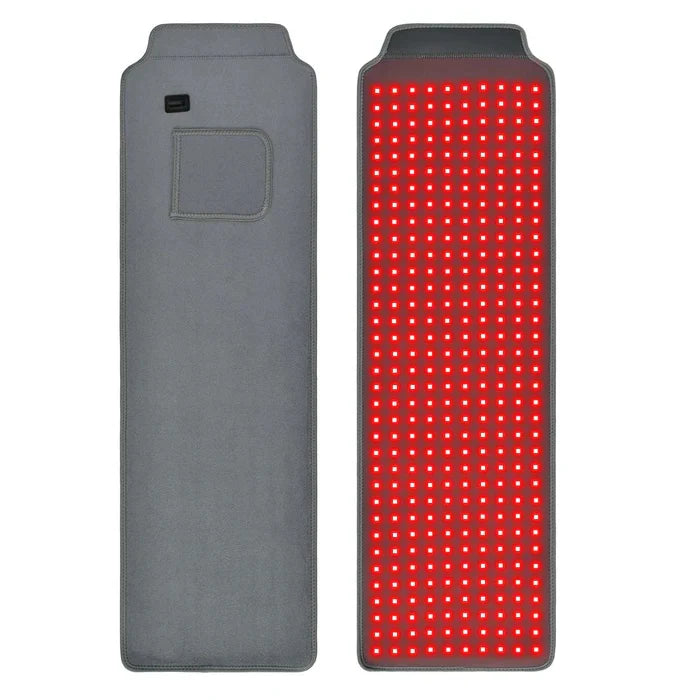
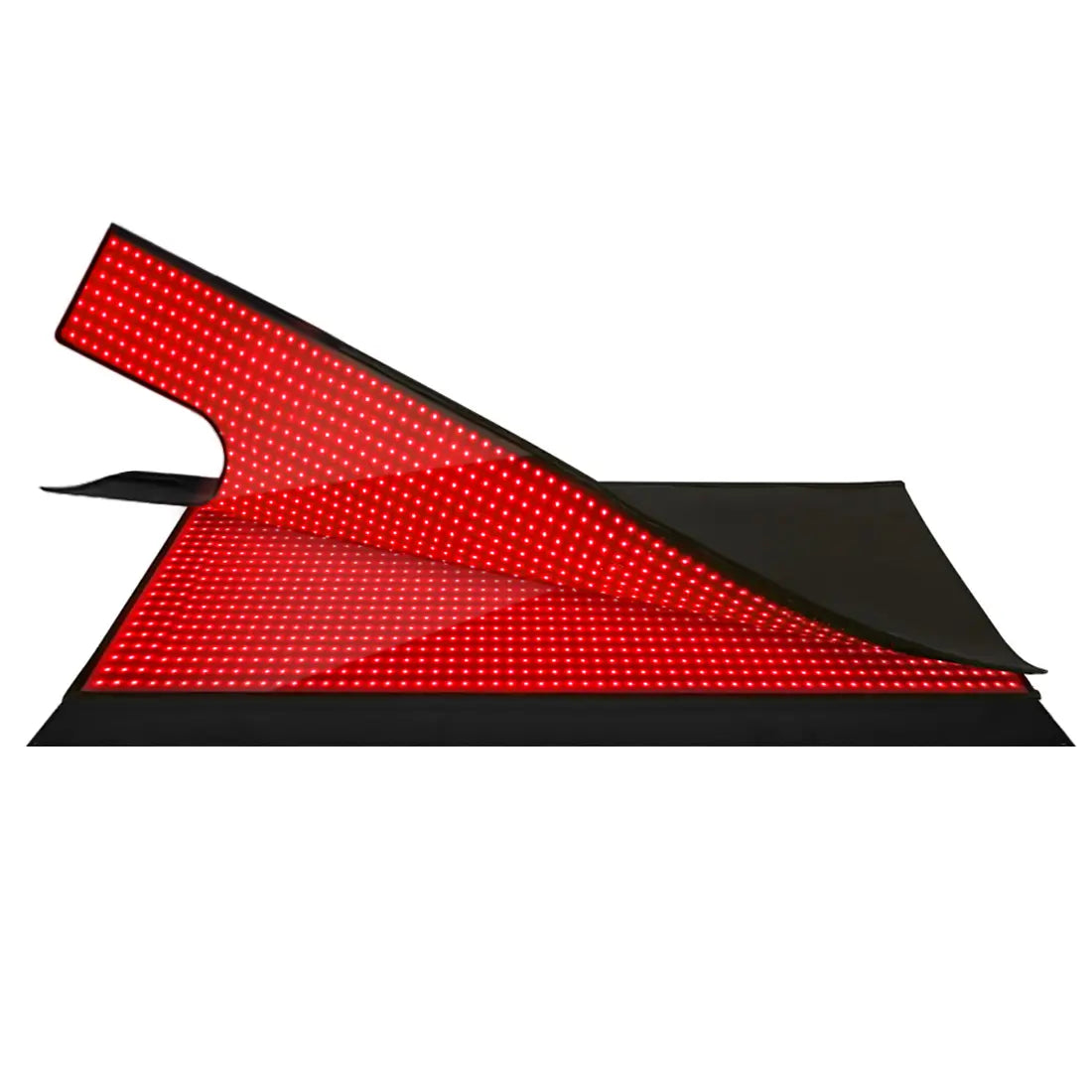
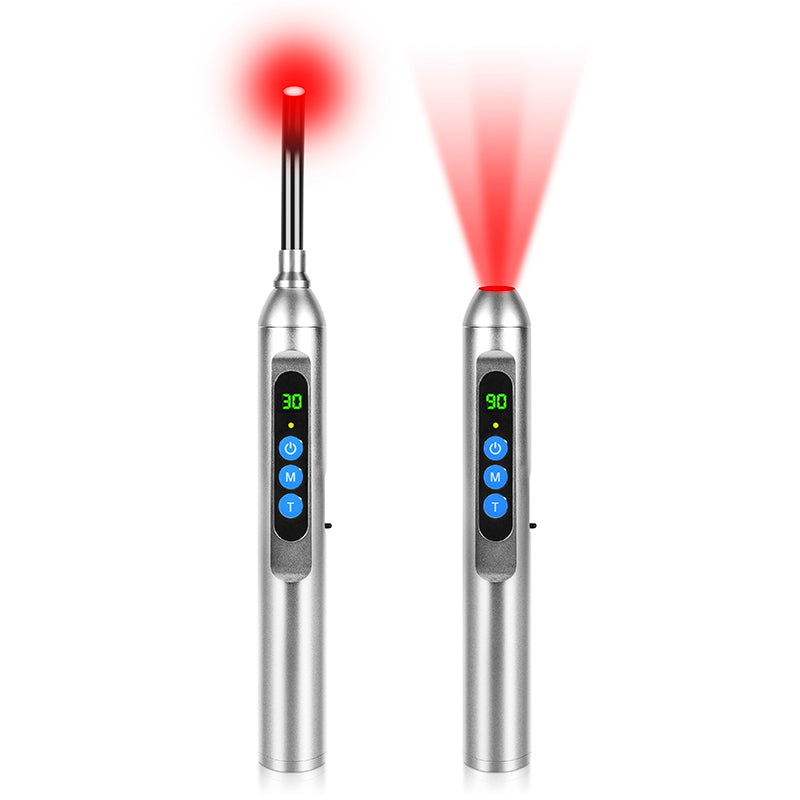

As someone who spends a lot of time thinking about how light behaves in spaces and on surfaces, I see red light therapy as a very specialized lighting project for your skin. Instead of illuminating a room, we are “lighting” your neck at precise wavelengths to nudge cells, collagen, and circulation in a healthier direction.
Neck wrinkles are notoriously stubborn. The skin is thinner, the support structure is weaker, and we constantly crease it every time we look down at a screen. The promise of red light therapy is not magic, but a layered effect: microscopic changes inside cells, structural changes in the skin, and visible changes in lines, texture, and even neck comfort.
This article walks through those three levels, what the science actually says so far, and how to design a realistic, safe neck-lighting routine that earns its place alongside good skincare, posture, and lifestyle habits.
Why Neck Wrinkles Show Up So Early
Dermatology and skincare sources consistently point out that the neck often ages faster than the face. Several reasons come up again and again in clinical and brand-backed articles.
The skin on the neck and upper chest is thinner and has fewer oil glands and hair follicles than facial skin. Research summaries from brands such as Lumivisage, Maysama, Neo Elegance, and Project E Beauty all echo this point: less natural lubrication and a more delicate structure mean the neck is more prone to dryness, fine lines, and that crepey, tissue-like look.
Lifestyle adds pressure. Repeated bending of the neck toward laptops and cell phones creates horizontal “tech neck” lines, which over time become etched-in wrinkles. Sun exposure on the neck and chest is often heavier and less protected than on the face, especially if sunscreen stops at the jawline. Smoking, dehydration, and an unbalanced diet accelerate collagen loss and oxidative stress, which also shows up here early.
There is another practical issue. Top-tier anti-aging ingredients like strong vitamin C, retinol, and alpha hydroxy acids can be too harsh for the neck. Several neck-focused articles advise that these formulas, which may be fine on the face, easily cause redness, stinging, or peeling on the more sensitive neck. That leaves a gap: the neck needs more help than the face, but tolerates less aggressive products.
Red light therapy is often presented as a way to fill that gap, because it delivers energy rather than chemicals and, when used correctly, does so without heat, abrasion, or ultraviolet radiation.

Red Light Therapy 101 For Neck Skin
Red light therapy goes by several scientific names: photobiomodulation, low-level light therapy, and low-level laser therapy. A review from Cleveland Clinic describes it as exposing skin to low levels of red or near-infrared light using LEDs or low-power lasers to influence mitochondria, the “power plants” of cells.
A second, distinct medical use is photodynamic therapy. Here, red light activates a drug applied to the skin to destroy abnormal or precancerous cells. Academic centers such as Stanford Medicine and Duke University emphasize that photodynamic therapy is a professional treatment for skin cancers and precancers; red light alone does not destroy cancer cells.
For cosmetic neck rejuvenation, we are firmly in the photobiomodulation camp. The light is usually in the visible red range, roughly 620 to 750 nanometers, and sometimes in the near-infrared range around 850 to a little over 1,000 nanometers. Consumer and professional articles from AARP, Solawave, Solawave’s neck-wrinkle guide, and several device manufacturers all orbit those same wavelength bands.
At these settings, the light does not tan or burn the skin and is non-UV. Dermatology sources from Stanford, UCLA, Cleveland Clinic, Harvard Health, and WebMD all note that short-term use appears generally safe when devices are used as directed and eyes are protected. At-home devices are typically less powerful than in-clinic systems, so expectations need to be calibrated accordingly.
Here is a simple way to think about the wavelengths involved, drawn from multiple clinical and brand sources:
Light band |
Approximate range (nm) |
Main targets and uses on neck skin |
Visible red light |
620–670 |
Epidermis and upper dermis; fibroblast activation, collagen support, tone and texture, fine lines |
Deeper red light |
670–750 |
Mid-dermis; deeper collagen network, elasticity, chronic inflammation |
Near-infrared light |
850–1072 |
Deeper dermal and subdermal layers; advanced collagen remodeling, muscle and fascia relaxation, pain and stiffness relief |
Within this framework, red light therapy does three kinds of work on neck wrinkles: microscopic changes in cellular energy and inflammation, structural changes in collagen and skin density, and visible changes in wrinkles and overall neck appearance and comfort.

Level One: Cellular Energy And Inflammation
Most of the serious scientific conversation about red light therapy starts inside the cell. Reviews in peer‑reviewed journals and summaries from major medical centers describe a similar mechanism.
Low-level red and near-infrared light is absorbed by chromophores inside mitochondria, particularly an enzyme called cytochrome c oxidase. A detailed paper on red LED photobiomodulation notes that wavelengths between about 600 and 1100 nanometers can increase mitochondrial ATP production, modulate oxidative stress, and upregulate genes involved in repair and regeneration. Cleveland Clinic and WebMD both reference this mitochondrial effect as the core theory behind skin improvements.
More ATP means cells have more energy to run repair programs. In the neck, that can translate into:
New collagen and elastin production. Studies on facial skin show that red light can activate fibroblasts, the cells that build collagen and elastin, and increase collagen density inside the dermis. A large trial of over one hundred patients using red and near-infrared light twice weekly for several weeks found higher collagen density by ultrasound and smoother skin texture compared with untreated controls.
Reduced inflammation and oxidative stress. Red and near-infrared light has been shown in both clinical and preclinical settings to reduce inflammatory markers and protect collagen fibers from breakdown. Chiro and dermatology sources describe this as a critical anti-aging benefit, because chronic low-grade inflammation is one of the forces that erodes collagen and elastin over time.
Improved microcirculation. Several articles on red light for neck and facial skin describe enhanced blood flow in the treated area. Better circulation means more oxygen and nutrients delivered to the skin and a more efficient removal of waste products, which supports healthier tissue over time.
For the neck specifically, these cellular effects are valuable because they arrive without the barrier irritation that often accompanies strong acids or retinoids. Neck-focused guides note that gentler strategies like red light plus a mild moisturizer and sunscreen are often better tolerated on this sensitive zone than aggressive topicals alone.
At this first level, you will not see a sudden change in the mirror, but you are changing how neck cells handle energy, repairs, and inflammation. The visible results build on this microscopic foundation.
Level Two: Skin Structure, Collagen, And Elastin
The second level is where red light therapy starts to reshape the architecture under neck wrinkles. Here we move from cell biology to tissue-level changes in collagen networks, dermal density, elasticity, and hydration.
Multiple clinical trials on facial skin, and a growing number of neck-specific studies, point in the same direction.
A controlled trial of photobiomodulation with red and near-infrared light in over one hundred volunteers showed statistically significant reductions in skin roughness and increases in intradermal collagen density compared with untreated controls. Treatments were done twice a week over a period of weeks, and improvements in wrinkles and skin feeling were confirmed both by instruments and blinded physician ratings. Importantly, a broader spectrum that included extra near-infrared wavelengths did not outperform a more focused red-only spectrum at the tested doses, which suggests that for wrinkle reduction, getting the core red band right may matter more than piling on additional ranges.
Another study of a high-end red LED mask emitting around 630 nanometers, used for twelve minutes twice weekly over three months, reported progressive improvements in wrinkles, firmness, and dermal density. Effects persisted for at least two to four weeks after treatment stopped, indicating structural changes rather than a purely transient glow. This was a facial study, but the same dermal structures exist in the neck, so the mechanism is relevant.
Neck-specific sources add more targeted data. One article summarizing a clinical neck trial reports about a 36 percent reduction in neck wrinkles and a 19 percent increase in elasticity after four weeks of consistent red light therapy. Another brand-backed clinical test described in a Maysama article found that combining red light with an antioxidant Green Rooibos serum led to a 55 percent increase in skin elasticity and a 30 percent wrinkle reduction, compared with 20 percent and 10 percent respectively with red light alone. While these numbers come from manufacturer-associated trials rather than large independent studies, they are consistent with the broader literature showing that red light can improve dermal density and elasticity.
In practical terms, these structural changes show up on the neck as:
Smoother horizontal “tech neck” lines as collagen fills and supports the creases from below.
Less crepey, tissue-like skin as hydration, collagen, and elastin improve the way the neck drapes and rebounds.
A more defined jawline and upper chest transition, partly from better structural support and partly from reduced puffiness due to improved lymphatic drainage and circulation. Several neck-focused articles highlight red light’s support for lymphatic flow and reduced puffiness in the jawline and neck.
These shifts do not happen overnight. Many clinical and brand sources converge on a timeline of roughly four to twelve weeks of consistent treatment to see clear changes in firmness and wrinkles, with deeper improvements continuing over eight to twelve weeks and beyond.
Level Three: Visible Neck Changes And Whole-Experience Benefits
The third level is what people care about most: what you see and feel. Here we combine visible wrinkle depth, overall neck appearance, and even neck comfort and posture.
Skin appearance is the obvious part. A Stanford Medicine overview notes that among all the cosmetic uses of red light therapy, skin rejuvenation and hair growth have some of the most substantial evidence, with hundreds of clinical studies reporting increases in collagen and visible wrinkle reduction under certain protocols. A Cleveland Clinic review lists wrinkles, fine lines, age spots, and texture as active areas of investigation and notes that results are promising, though many studies are small.
On the neck, consumer-facing and clinical articles consistently report visible improvements in:
Fine and moderate horizontal lines as collagen remodeling lifts and softens them.
Crepey, sun-damaged skin tone and texture, with red light helping even tone and soften age spots in combination with sunscreen and antioxidant serums.
Overall firmness, so the neck and upper chest look more in harmony with a well-cared-for face rather than older or more sun-damaged.
Several sources also emphasize neck comfort and pain. Project E Beauty cites a meta-analysis from 2013 on low-level laser therapy for neck pain, which includes red light therapy, showing significant short-term pain reduction in acute neck pain and improvements lasting up to twenty-two weeks in chronic cases. Broader reviews from WebMD and UCLA highlight red light’s potential to reduce various kinds of pain and inflammation, although they note that symptoms often return if treatment stops.
Why does pain matter for wrinkles? Because a painful, stiff neck encourages guarded, hunched posture and more time looking down at screens or protecting a sore area. If red and near-infrared light quietly reduce pain and stiffness, it can become easier to maintain an upright posture, stretch, and move, which over the long term reduces the mechanical creasing that deepens tech neck lines.
When all three levels work together, the experience of using red light on your neck looks something like this, based on timelines reported across multiple sources. In the first few weeks, skin may look slightly more radiant and feel more comfortable, with mild improvements in hydration and texture. Over four to twelve weeks of consistent use, lines gradually soften, the surface looks smoother and more even, and any neck discomfort may ease. With ongoing maintenance, these gains can be sustained, although stopping treatment will generally allow natural aging and mechanical stress to resume their usual pace.

What The Science Really Says So Far
Given the enthusiastic marketing around red light therapy masks and neck devices, it is worth grounding expectations in what independent experts and systematic reviews actually say.
Cleveland Clinic, WebMD, and Harvard Health all describe the evidence base as promising but limited. Many studies are small, short-term, or lack placebo controls. For skin rejuvenation and wrinkle reduction, there are multiple controlled trials showing objective improvements in collagen, skin roughness, and wrinkle scores, but not yet large, standardized, head‑to‑head comparisons against established treatments.
A narrative review from Duke University examining dozens of studies on red LED therapy for dermatologic conditions concludes that the strongest evidence so far is for acne and certain cancerous or precancerous lesions, with more variable results for skin rejuvenation and anti-aging. Overall, treatments were generally effective and well tolerated with minimal long-term side effects, but the authors emphasize the need for more rigorous, randomized studies, especially for self-administered home devices.
Stanford Medicine’s review of red light therapy in skin, hair, and wellness settings makes two key points that are especially important for neck wrinkle discussions. First, red light is a “tunable” tool. Shorter, high‑energy wavelengths can destroy cells when used in photodynamic therapy, while longer red and near‑infrared wavelengths can promote healing and collagen production at lower power densities. Second, many of the boldest claims online, such as dramatic improvements in dementia, systemic diseases, or weight loss, are not currently backed by strong clinical evidence.
The mental health story is similar. A University of Utah men’s health podcast notes that while animal studies have suggested potential benefits in metabolic and neurological conditions, human trials are early and far from conclusive. Cleveland Clinic explicitly states that there is no scientific evidence supporting red light therapy for depression or seasonal affective disorder at this time, despite online claims.
On safety, there is broad agreement. Short-term, properly dosed red light therapy is generally considered safe and non‑invasive, with the most common side effects being mild redness or swelling. AARP and WebMD caution about rare hyperpigmentation and emphasize the need for eye protection. Harvard Health points out that long-term safety of repeated exposure is not fully known, and there has been at least one notable safety recall of a consumer acne mask over potential eye risks in certain users, underscoring the importance of using high-quality devices as directed.
In other words, red light therapy for neck wrinkles is neither snake oil nor a miracle. It appears to offer real, biologically plausible benefits for collagen and skin quality with a favorable safety profile, but within realistic bounds and with a research base that is still growing.

Pros And Cons Of Red Light Therapy For Neck Wrinkles
Considering all of this, how does red light therapy stack up as a neck wrinkle solution?
Advantages
Red light therapy is non-invasive, non-ablative, and usually painless. There are no needles, no ablation of the skin surface, and no downtime. For a sensitive area like the neck, this alone is a significant advantage over more aggressive procedures and strong acids.
The safety profile is generally favorable. Major institutions, including dermatology departments at academic centers and organizations such as Cleveland Clinic and UCLA, note that low-level red light therapy has few serious side effects when used as directed, especially compared with ultraviolet or ablative treatments.
Evidence for collagen and wrinkle improvement is stronger for red light than for many other trendy wellness devices. Multiple clinical trials have documented increased collagen density, improved elasticity, and reduced wrinkle depth at the face, and neck-specific studies and clinical reports are emerging with similar trends.
Neck-focused benefits go beyond wrinkles. Articles from Maysama, Solawave, Neo Elegance, and Project E Beauty describe improved circulation, hydration, more even tone, reduced puffiness, and support for lymphatic drainage. The meta-analysis on neck pain suggests an added musculoskeletal benefit, which can indirectly support better posture and reduce tech neck behavior.
Once a quality device is purchased, the marginal cost of each home session is low. AARP notes that in-office red light sessions often run about fifty to one hundred fifty dollars each and are rarely covered by insurance. At-home masks and neck devices cost roughly fifty to five hundred dollars, plus higher-end systems, and then can be used many times.
Limitations And Risks
The results are modest and gradual, not surgical. Stanford Medicine and Harvard Health both emphasize that while red light has real effects, it does not replicate the dramatic tightening of a neck lift, nor does it replace lasers, injectables, or surgery for severe laxity. It is best viewed as a maintenance and improvement tool, not a stand-alone fix for advanced sagging.
Evidence quality is still uneven. Many of the neck-specific numbers come from brand-sponsored studies with relatively small sample sizes and proprietary protocols. Independent, large randomized trials for at-home neck devices are still limited.
Device quality and specifications vary widely. The University of Utah men’s health discussion highlights that many consumer devices do not clearly state their wavelengths or may lack the specific wavelengths studied for certain outcomes. AARP and WebMD recommend verifying that devices specify therapeutic wavelengths in the 625 to 670 nanometer range for red light, and checking for FDA clearance for safety.
Incorrect use can cause problems. Overexposure or using a device too close or too often can cause temporary redness, irritation, or in rare cases, pigmentation changes. Eye exposure to bright LEDs without protection can be uncomfortable or unsafe, especially in people with eye conditions or those on photosensitizing medications. Several sources recommend testing a small area first and consulting a dermatologist if you have any skin disease, very dark skin tones, or a history of hyperpigmentation.
Long-term safety of years of frequent home treatments is still not well documented. Short-term and mid-term data look reassuring, but Harvard Health and Cleveland Clinic both point out that we do not yet know the full implications of very long-term, frequent use.
Finally, red light therapy can become a distraction if it replaces fundamentals: sunscreen on the neck and chest every day, a nutrient-dense diet, adequate sleep, physical activity, and smoking cessation. The Utah men’s health team frames red light as something to consider only after the foundations are in place. That is a sensible lighting philosophy as well: you design the architecture first, then refine the accent lighting.
Designing An Effective Neck Routine With Red Light
From a lighting design perspective, a good neck regimen is like a well-planned accent lighting scheme: the right spectrum, the right intensity, the right duration, and integration with its environment.
Choosing The Right Device
Look for clear wavelength information. Articles aimed at both clinicians and consumers converge on an effective red band around 625 to 670 nanometers, with many neck devices also adding near-infrared light around 850 and sometimes deeper wavelengths around 1,072 nanometers. Choosing a device that stays in these ranges matters more than a device with vague claims and no technical details.
Confirm that the device is designed for skin use and ideally cleared by the FDA for safety. AARP, UCLA, and Cleveland Clinic all recommend seeking out devices that are FDA‑cleared, not just “inspired by clinical technology.” Clearance does not prove effectiveness for every claim, but it does indicate that the device meets basic safety standards.
Neck-specific form factors can be helpful. Contoured neck and chest devices from brands like those described by Maysama and Project E Beauty are shaped to sit along the jawline, cervical curve, and upper chest, offering more uniform coverage of the areas where neck wrinkles and sagging appear. Panels and masks can also work, but you may need to adjust angle and distance carefully.
Finally, pay attention to irradiance and coverage. Technical guides point out that light intensity, measured in milliwatts per square centimeter, and treatment duration together determine the dose your skin receives. A very weak device may not deliver enough energy to match protocols used in successful studies, while an overly intense device used too long can cause irritation. Reputable manufacturers often provide suggested distances and times based on measured irradiance.
How Often And How Long To Treat
Across clinical trials and brand protocols, a pattern emerges.
The Dior red LED mask trial used twelve‑minute sessions, twice per week, for three months. The large photobiomodulation trial on wrinkles used sessions lasting roughly twelve to twenty‑five minutes twice weekly for about fifteen weeks. Neck-focused consumer protocols from Lumivisage, Maysama, Neo Elegance, Solawave, and Project E Beauty typically recommend ten to twenty minutes per session for the neck area, three to five times per week at home, on clean, product-free skin.
These routines align with what is known as a biphasic dose response in photobiomodulation: there appears to be an optimal window of dose and frequency, after which more light does not necessarily mean more benefit and may even reduce the positive effect. That is one reason many experts prefer shorter, consistent sessions over marathon exposures.
Most users can expect subtle improvements in glow and texture within four to six weeks, with clearer softening of neck lines and better firmness over eight to twelve weeks, especially when combined with good skincare and lifestyle habits. After that, maintenance treatments a few times a week or a couple of times per month can help sustain gains, much like a regular exercise routine maintains muscle tone.
Combining Red Light With Skincare And Posture Habits
Red light works best when it complements, not replaces, smart neck care.
Cleanse gently before each session so light is not blocked by makeup, sunscreen, or heavy creams. Several device makers and dermatology practices emphasize starting with clean, dry skin. Light-enhancing serums rich in antioxidants are often used immediately before or after treatment, depending on the formulation. Maysama’s data on Green Rooibos serum plus red light suggest that combining antioxidant skincare with photobiomodulation can amplify improvements in elasticity and wrinkles.
At the same time, exfoliating acids and retinoids can be sensitizing. Some protocols recommend leaving at least twenty-four hours between strong exfoliation or retinol use and light sessions on the neck to minimize irritation.
Sunscreen on the neck and chest every morning is non-negotiable if you are serious about preserving collagen gains. Multiple sources on red light therapy for wrinkles remind readers that UV exposure is one of the main drivers of collagen breakdown. A broad-spectrum SPF on the neck, plus physical coverage from clothing when possible, is the simplest way to make your red light investment pay off.
Posture is the other underrated tool. Solawave’s neck-wrinkle guide highlights the impact of tech neck. Raising screens closer to eye level, taking frequent micro-breaks from looking down, and sleeping on your back with supportive pillows can all reduce mechanical creasing at the neck. If red light therapy reduces neck stiffness and pain, as suggested by the neck pain meta-analysis and broader pain literature, it can indirectly support better posture, which in turn slows the formation of new lines.
Finally, hydrate, eat a diet rich in antioxidants, and prioritize sleep. Clinical and brand sources alike mention that age, lifestyle, and baseline skin condition all influence how quickly and how strongly you respond to red light therapy. Light gives your cells more energy, but what they build with that energy still depends on the raw materials you provide.
When You Should See A Dermatologist First
Before you start any device regimen on your neck, there are times when you should see a dermatologist or qualified healthcare professional rather than self-treat.
Cleveland Clinic, Harvard Health, WebMD, and the American Academy of Dermatology all stress the importance of a proper diagnosis for any suspicious spots, rapidly changing lesions, or non-healing areas. Photobiomodulation and red LED devices will not treat skin cancer, and using them on an undiagnosed lesion could delay appropriate care.
If you have active inflammatory skin diseases on the neck, very dark skin tones with a history of hyperpigmentation, or are taking photosensitizing medications such as certain antibiotics or acne treatments, you should also seek medical advice first. Some individuals may be at higher risk for pigmentation changes or other side effects.
Anyone considering replacing established medical or cosmetic treatments with red light should talk through the pros and cons with a dermatologist. Large reviews from Stanford and Duke emphasize that red light therapy is best used as an adjunct, not a wholesale replacement, for evidence-based dermatologic care.
Frequently Asked Questions About Red Light And Neck Wrinkles
How soon will I see results on my neck?
Most clinical and brand-backed sources converge on a window of about four to twelve weeks for visible changes, assuming you are treating consistently several times per week. In early weeks you may notice subtle improvements in glow and texture. Over one to three months, fine lines tend to soften, the surface looks smoother, and elasticity gradually improves. As with exercise, consistency matters more than intensity.
Can red light therapy replace Botox, fillers, or neck surgery?
For mild to moderate neck wrinkles and early sagging, red light can be a valuable non-invasive tool to improve skin quality, firmness, and overall appearance. However, dermatology experts and clinical reviews make it clear that red light cannot replicate the dramatic lifting effect of surgery or the immediate smoothing of injectables. It is best thought of as a foundation-building and maintenance technique that can reduce the need for more aggressive procedures or extend the time between them, but not as a stand-alone replacement for severe laxity.
Is it safe to use red light on my neck every day?
Short-term studies and expert reviews describe red light therapy as generally safe when used as directed, and many at-home protocols allow daily use within specified time limits. That said, photobiomodulation research suggests there is an optimal dose; more is not always better. Overuse can cause temporary redness or irritation, especially on the sensitive neck. Following your device’s guidelines, protecting your eyes, and backing off if you notice irritation is a safer approach than treating as often and as long as possible.
Will red light therapy make hair grow on my neck?
Red light’s hair growth effects have been observed primarily on the scalp in people with thinning hair, where there are plentiful hair follicles ready to respond. Stanford’s review notes that concerns about unwanted thick hair growth in wrinkle-treated facial areas appear overstated, and that red light does not create new follicles where none exist. While large, targeted neck studies are limited, current understanding suggests that red light will not suddenly sprout new terminal hair in hairless neck skin.
Red light therapy for neck wrinkles is really an exercise in intelligent illumination. At the microscopic level, it energizes cells; at the structural level, it encourages collagen and elasticity; and at the visible level, it can soften lines and support a smoother, more balanced neckline. When you pair a well-chosen device with consistent use, daily sunscreen, and healthy posture and lifestyle habits, you are essentially curating the lighting for one of the most expressive “architectural details” of your body.
References
- https://lms-dev.api.berkeley.edu/studies-on-red-light-therapy
- https://scholars.duke.edu/individual/pub1683616
- https://www.health.harvard.edu/diseases-and-conditions/led-lights-are-they-a-cure-for-your-skin-woes
- https://pmc.ncbi.nlm.nih.gov/articles/PMC10311288/
- https://med.stanford.edu/news/insights/2025/02/red-light-therapy-skin-hair-medical-clinics.html
- https://healthcare.utah.edu/the-scope/mens-health/all/2024/06/176-red-light-therapy-just-fad
- https://my.clevelandclinic.org/health/articles/22114-red-light-therapy
- https://www.uclahealth.org/news/article/5-health-benefits-red-light-therapy
- https://www.aad.org/public/cosmetic/safety/red-light-therapy
- https://www.aarp.org/health/healthy-living/red-light-therapy-for-wrinkles/