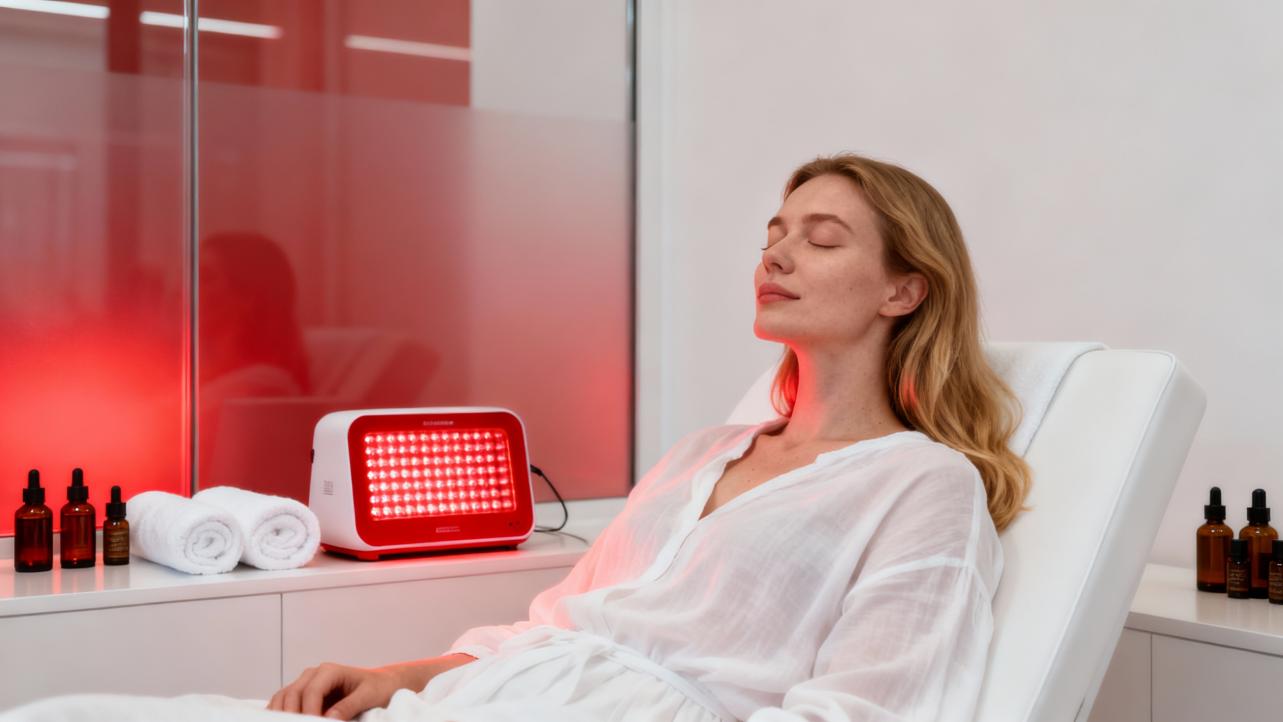
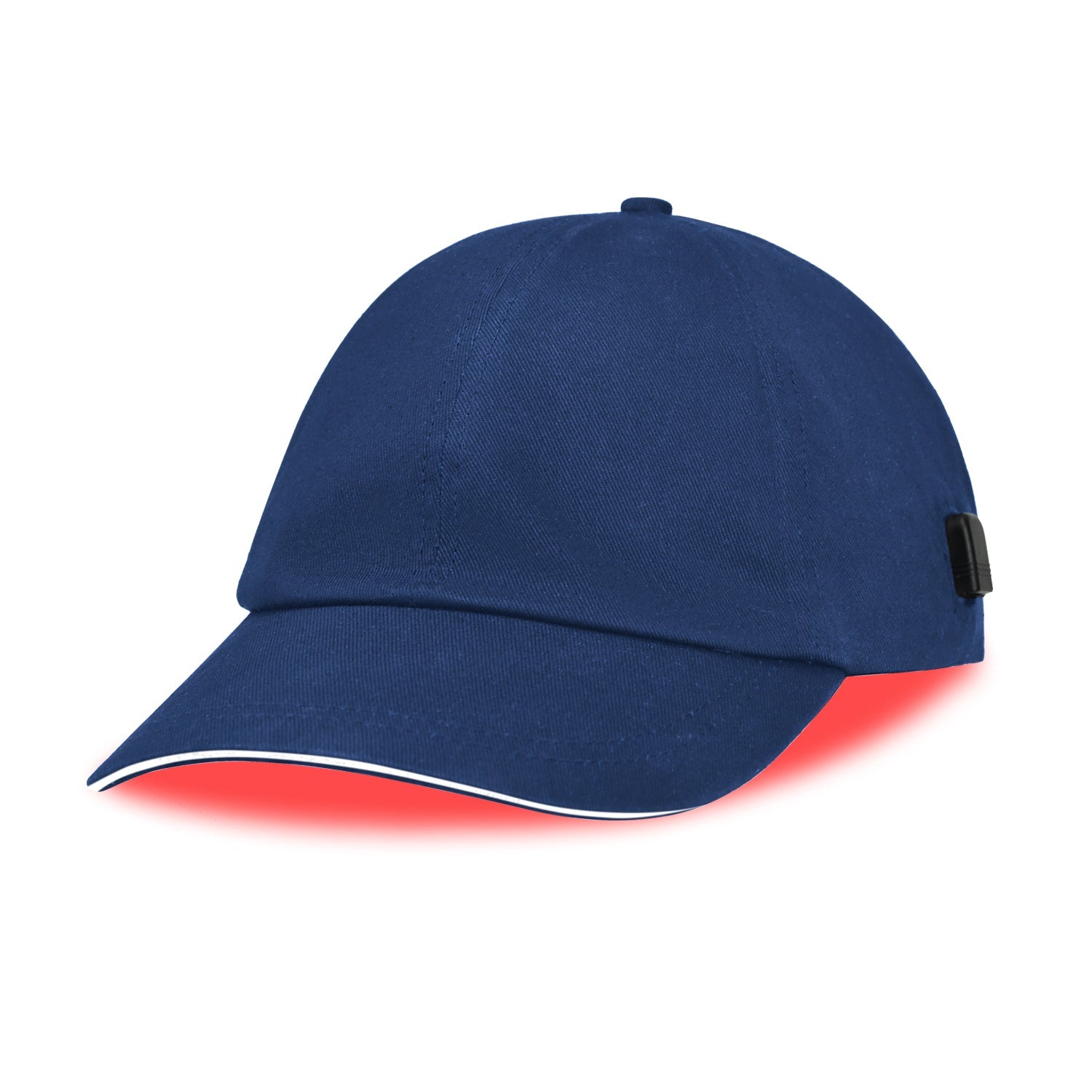
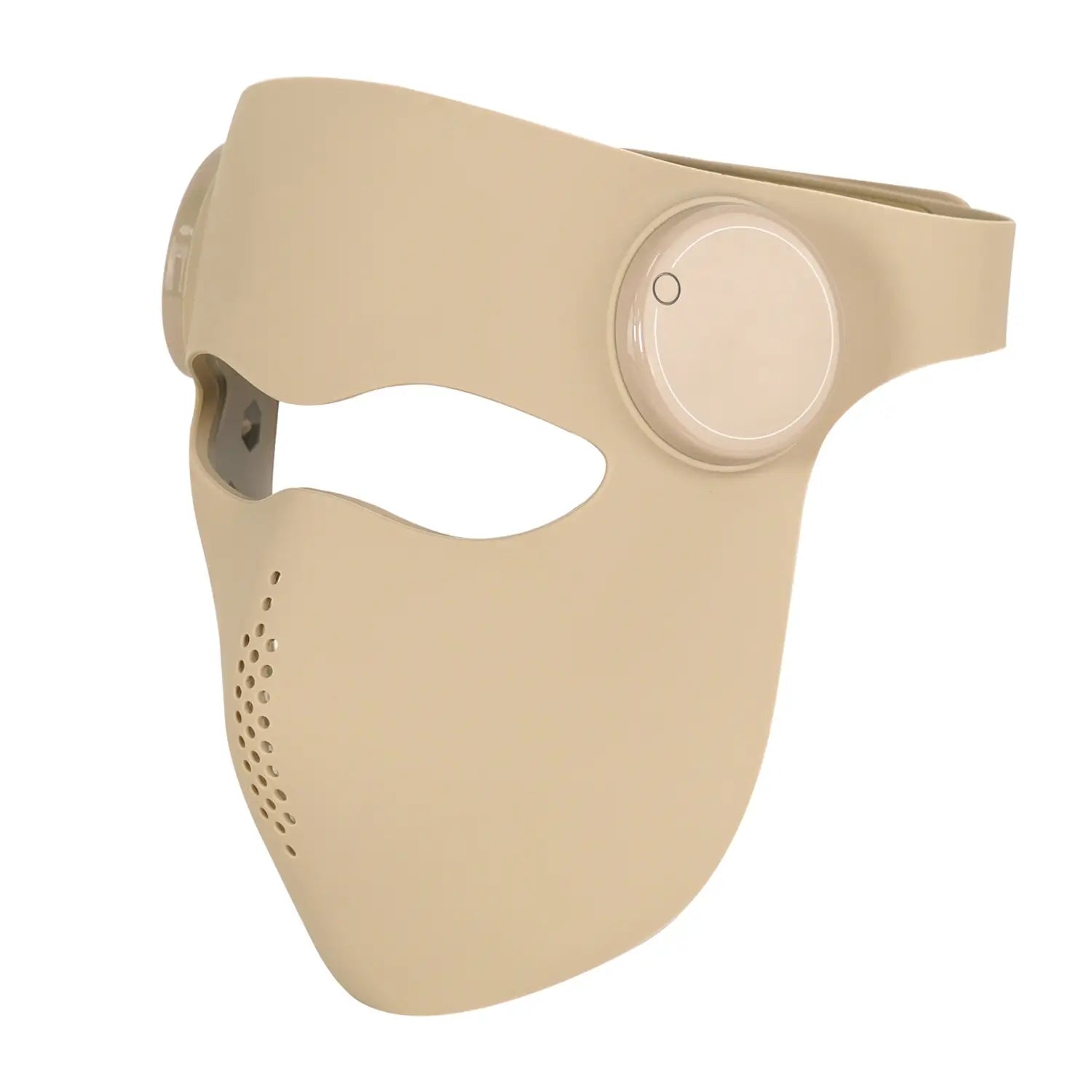
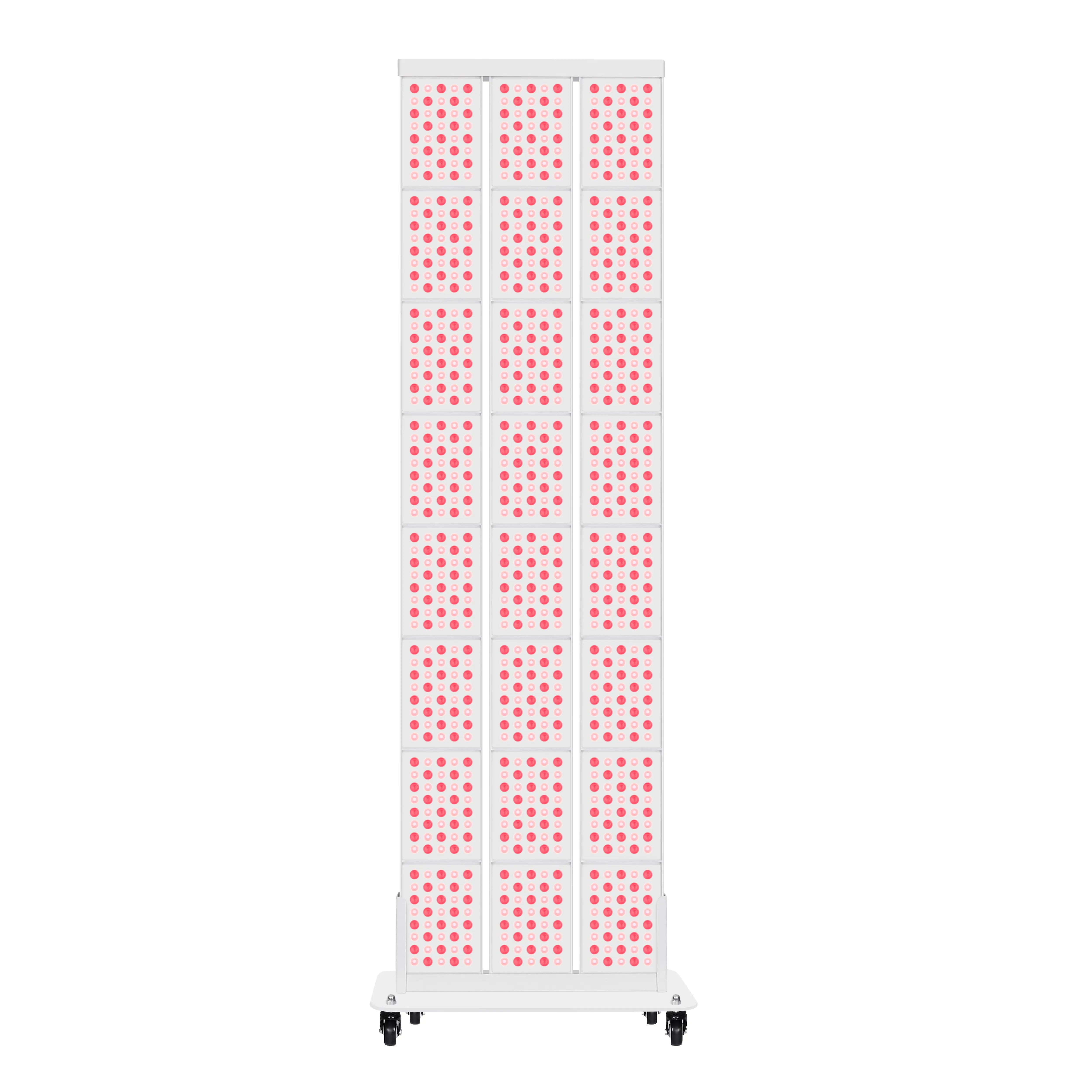
You walk out of a peel, laser, or microneedling session with skin that looks freshly polished and a little inflamed. The glow is exciting. The fear is what might show up weeks later: stubborn dark patches that outlast the glow by months. As someone who has spent years testing red light panels on post‑procedure skin—my own and my clients’—I get this question constantly: can red light therapy actually prevent post‑aesthetic treatment hyperpigmentation, or is that wishful biohacker thinking?
The honest answer is nuanced. There is solid science on how red light affects skin inflammation, healing, and collagen. There is growing but still limited evidence around hyperpigmentation. And there are very real safety nuances for different skin tones and device settings. Let’s walk through what we actually know, where the data stops, and how a cautious, science‑driven protocol can stack the odds in your favor.
What Post‑Aesthetic Hyperpigmentation Really Is
Hyperpigmentation simply means areas of skin that are darker than the surrounding skin because they contain more melanin. Several of the sources in the research set, including HigherDOSE, Infraredi, Joovv, Project E Beauty, and Greentoes, all converge on the same picture. Melanin normally protects your skin by absorbing light and neutralizing reactive oxygen species. When skin cells are stressed or injured, the pigment system can overshoot and lay down extra melanin where it is not wanted.
Common forms include sun‑driven age spots, melasma linked to hormones, and post‑inflammatory hyperpigmentation that follows acne, eczema, cuts, burns, rashes, or procedures. Hyperpigmentation can affect every skin tone but is especially common in people of color, who naturally have more melanin and more reactive pigment pathways. Several sources note that women and those with darker Fitzpatrick skin types are particularly prone, especially when hormones, pregnancy, or birth control enter the picture.
Post‑aesthetic hyperpigmentation sits inside that last category. You deliberately injure the skin with a peel, laser, microneedling, or intense exfoliation to trigger repair and collagen. In some people, that controlled injury triggers a prolonged inflammatory cascade and melanocytes respond by overproducing pigment in the treated zones. The result is “shadowing” or patchy darkening in the exact areas you tried to improve.
Conventional strategies to lower this risk include topical pigment inhibitors such as vitamin C and other tyrosinase blockers, careful parameter selection for devices, and rigorous sunscreen use. The question now is whether adding red light therapy—also called photobiomodulation or low‑level light therapy—can tilt the biology toward healing instead of hyperpigmentation.

Red Light Therapy 101: Why Skin Geeks Care About It
Red light therapy is not a tanning bed. It uses low‑intensity visible red and sometimes near‑infrared light, typically in the roughly 620–700 nanometer range for red and about 800–1,000 nanometers for near‑infrared, according to overviews from Atria, Brown University, and other clinical sources. Dermatology and pain specialists, including Cleveland Clinic, MD Anderson, and Stanford Medicine, describe it under the umbrella term photobiomodulation.
Mechanistically, the key action happens in the mitochondria. Atria’s deep dive explains that photons in those red and near‑infrared bands are absorbed by a mitochondrial enzyme called cytochrome c oxidase. That increases adenosine triphosphate (ATP) production, activates the cell’s antioxidant defenses, and releases nitric oxide, which improves blood vessel function and tissue repair. Brown and Cleveland Clinic both note downstream effects: more cellular energy, reduced inflammation, enhanced circulation, and stimulation of fibroblasts to produce collagen and elastin.
Clinically, the most robust evidence so far is for skin rejuvenation and hair growth. A controlled trial in more than one hundred adults exposed to either red‑dominant or polychromatic light two times per week for thirty sessions found significant improvements in skin roughness, wrinkle appearance, and intradermal collagen density, with no injury to the skin. Cleveland Clinic and Stanford Medicine both point out that these devices deliver non‑ionizing light that does not damage DNA the way ultraviolet does, and that treatment is non‑ablative and atraumatic when properly dosed.
Crucially for our hyperpigmentation question, both Brown and several dermatology‑linked sources emphasize that red light has meaningful anti‑inflammatory effects and can speed wound healing. That is exactly the biology we care about after an aesthetic procedure.
Red Light and Pigment Cells: What We Actually Know
Evidence for Fading Existing Dark Spots
Several of the more pigmentation‑focused sources argue that red light can help rebalance melanin and fade dark spots over time. Infraredi describes red light as acting on melanocytes to gently normalize melanin production, which can help existing dark spots fade and make new ones less likely to form. Greentoes, summarizing clinical data on facial red light facials, reports that more than ninety percent of participants in a four‑week program saw visible improvements in dark spots and overall tone. HigherDOSE frames red light therapy as a non‑toxic, non‑invasive option for dark spots and overall skin rejuvenation, including acne‑related hyperpigmentation and scarring.
At‑home devices for facial use, such as masks and panels, are typically designed around these indications. Several sources, including HigherDOSE, Infraredi, BlockBlueLight, and WebMD, converge on the idea that with consistent use—often ten to twenty minutes per session, a few times a week over four to twelve weeks—many users see gradual improvement in pigmentation, texture, and redness. These are not miracle lasers, but modest, cumulative changes.
However, Project E Beauty introduces an important nuance. It notes that while red light in the 600–700 nanometer band can improve skin brightness and indirectly improve hyperpigmentation by renewing dermal structure, green light around roughly 490–570 nanometers, particularly near 520 nanometers, appears more directly targeted to the epidermal layer where melanin is concentrated. That article positions green wavelengths as the “gold standard” for directly inhibiting melanin production in melanocytes, with red light playing a supporting role by renewing and firming the underlying tissue.
Taken together, the literature supports red light as a helpful adjunct for fading existing hyperpigmentation, especially when it is part of a broader routine that includes strict sun protection and pigment‑targeting topicals. It does not yet establish red light as a direct melanin “eraser” on its own.
The Near‑Infrared Question
Several devices marketed for skin health combine visible red with near‑infrared light around 830–850 nanometers. This makes sense biologically, because near‑infrared penetrates deeper into tissue, which is helpful for muscle recovery and pain.
When it comes to pigmentation, the evidence is mixed. The Joovv hyperpigmentation FAQ notes that some studies suggest near‑infrared can inhibit tyrosinase and reduce melanin synthesis, while other studies show near‑infrared can stimulate melanocytes and actually help repigment conditions like vitiligo. Because of that ambiguity, the esthetician interviewed in that piece recommends prioritizing mid‑600‑nanometer red wavelengths for clients who are sensitive to hyperpigmentation and even turning off 850‑nanometer near‑infrared LEDs if pigment changes are a concern.
The takeaway for a hyperpigmentation‑prone population is simple. Red light in the mid‑600 range looks consistently safe and helpful for skin rejuvenation. Near‑infrared may also help in some contexts but is not as well characterized for pigment behavior, so it deserves more caution if your primary fear is dark spots.
Safety Signals Around Pigmentation
True light therapy geeks obsess over dose. And the safety trials back that instinct.
Two randomized, dose‑escalation trials known as STARS 1 and STARS 2 tested high‑fluence 633‑nanometer LED red light on healthy volunteers of various skin types. At modest doses, up to 320 joules per square centimeter, no serious adverse events occurred across skin types, and common effects were mild and transient, such as warmth and short‑lived redness. At higher doses, especially 480 and 640 joules per square centimeter, a handful of participants developed blistering and occasional hyperpigmentation. The investigators concluded that LED red light is safe up to about 320 joules per square centimeter for skin of color and up to about 480 joules per square centimeter in non‑Hispanic Caucasian skin, and they noted that darker skin appeared more photosensitive at higher fluences.
UCLA Health and other dermatology groups also caution that people with darker skin tones may be more prone to hyperpigmentation from red light treatments and encourage consultation with a dermatologist before starting at‑home regimens.
The important point is that red light at skin‑rejuvenation doses used in clinical studies and by reputable devices has an excellent safety profile, as Cleveland Clinic, Brown, and MD Anderson all emphasize. But when you push the energy dose high enough, or if you have a very pigment‑reactive skin type, pigment changes and even blistering become real possibilities. More is not better here. That biphasic dose response that Atria and Rouge describe—too little does nothing, the right amount helps, too much backfires—is not just theory.

Can Red Light Prevent Post‑Treatment Hyperpigmentation?
Now we arrive at the core question. Can red light therapy actually prevent post‑aesthetic treatment hyperpigmentation, rather than just treating it once it appears?
From a scientist‑practitioner standpoint, I would separate this into three layers: mechanistic plausibility, indirect evidence, and direct evidence.
Mechanistic Reasons It Might Help
First, the inflammation story. Hyperpigmentation after procedures is essentially an inflammatory overshoot. PESI’s review on light therapy and inflammation points out that red and near‑infrared light can consistently reduce inflammatory markers by modulating reactive oxygen and nitrogen species and prostaglandins. Brown’s clinical guidance similarly notes that red light can modulate inflammation and increase blood flow. MD Anderson describes red light as stimulating mitochondria to promote healing, reduce inflammation, and improve circulation in both skin and underlying tissue.
If a post‑laser or post‑peel area is bathing in less inflammation and more normalized blood flow, the melanocytes in that zone are less likely to receive an intense danger signal. Mechanistically, that should reduce the probability and severity of pigment overproduction.
Second, the wound‑healing and barrier‑repair story. Red light has been studied for speeding healing of surgical incisions, burns, chronic wounds, and even oral mucositis in cancer patients, as summarized by Cleveland Clinic and MD Anderson. The randomized trial on red light and skin rejuvenation found increased intradermal collagen density and smoother skin without ablative damage. Greentoes and Santa Barbara Skin Care both highlight red light’s ability to accelerate tissue repair and reduce the appearance of scars.
Post‑procedure hyperpigmentation risk is higher when healing is slow, the barrier is fragile, and micro‑injury lingers. Anything that reliably speeds repair and normalizes architecture should, in theory, lower that risk.
Third, melanocyte modulation. Infraredi and Joovv both describe red light as having a balancing effect on melanocytes. Rather than simply suppressing pigment across the board, it seems to help hyperactive pigment cells return toward more normal behavior. Combine that with Project E Beauty’s point that red light renovates dermal structure while green light suppresses melanocytes at the epidermal base, and you start to see a plausible two‑layer strategy: use red to create a calmer, better‑healed battlefield and complementary pigment‑focused therapies to manage melanin directly.
Where the Evidence Stops
Mechanism and indirect signals are useful, but they are not the same as direct proof. None of the sources in this research set describe a large, randomized, controlled trial where people receiving peels, lasers, or microneedling were assigned to post‑procedure red light versus placebo and then tracked specifically for rates of post‑inflammatory hyperpigmentation.
What we have instead are:
Clinical and lab data showing that red light:
- reduces inflammation
- speeds wound healing
- increases collagen and elastin
- can help existing hyperpigmentation and sun damage fade over weeks to months
Safety data showing that:
- moderate doses are safe across skin types
- high doses in some contexts can cause blistering and temporary hyperpigmentation, particularly in darker skin
Clinical experience from estheticians and physicians, like the Joovv hyperpigmentation expert and the Physical Achievement Center safety guide, describing red light as a core part of their post‑procedure healing protocols, especially after gentler treatments such as microneedling or light peels, and advising more caution after deep or fully ablative lasers.
Logically, these strands make red light therapy a highly plausible tool for lowering the risk of post‑aesthetic hyperpigmentation as part of a comprehensive protocol. But if you are looking for a headline that says “Red light prevents post‑laser hyperpigmentation in seventy percent of cases,” that level of direct evidence is not in the current data.
So my answer, as a wellness optimizer who also respects the data, is this. Red light therapy is a smart, evidence‑aligned way to nudge your biology toward faster, calmer healing, which likely reduces the chance of hyperpigmentation. It is not a stand‑alone guarantee, and it must sit on top of meticulous sun protection, appropriate procedure choice, and pigment‑smart topical care.
Building a Red Light Strategy Around Your Aesthetic Procedure
In practice, here is how I think about integrating red light into a hyperpigmentation‑sensitive aesthetic plan, always in collaboration with a dermatologist or experienced aesthetic provider.
Know Your Risk Profile First
The Joovv hyperpigmentation FAQ makes a critical point: treatment plans must be individualized by skin type. Fair skin often tolerates stronger lasers and peels without major pigment disturbance. Medium and darker skin types require gentler parameters, lower‑intensity options, and a slower, more cautious approach to any treatment that injures the skin, because the risk of both hyperpigmentation and hypopigmentation is higher.
Several sources also highlight that darker, melanin‑rich skin responds differently to red light dose. The STARS trials show dose‑limiting blistering and pigment changes occurring at lower fluences in darker skin compared with non‑Hispanic Caucasian skin. UCLA Health and dermatology organizations caution that people with darker skin may be more prone to dark spots from red light if it is misused.
That means your Fitzpatrick skin type, your history of melasma or post‑inflammatory hyperpigmentation, and your prior responses to peels or lasers all matter when deciding how aggressively to use red light, which wavelengths to emphasize, and what procedures to combine it with.
Choose Devices and Wavelengths Strategically
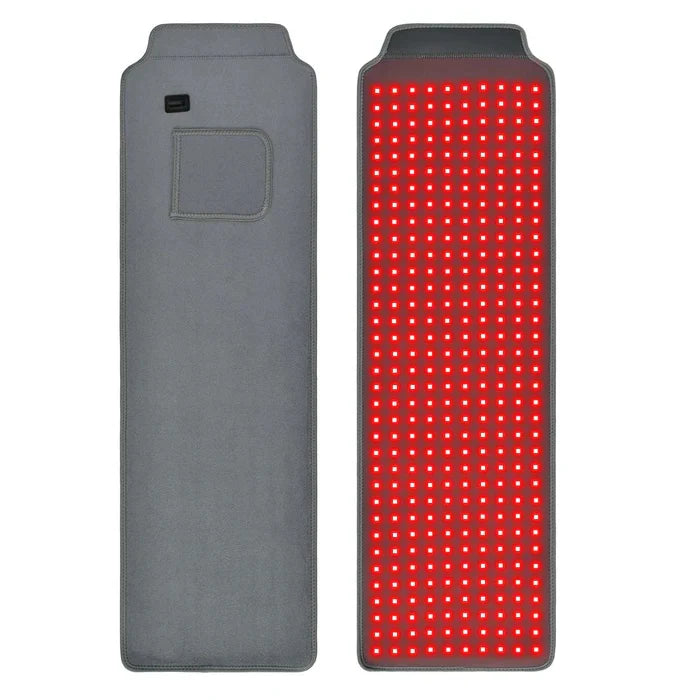
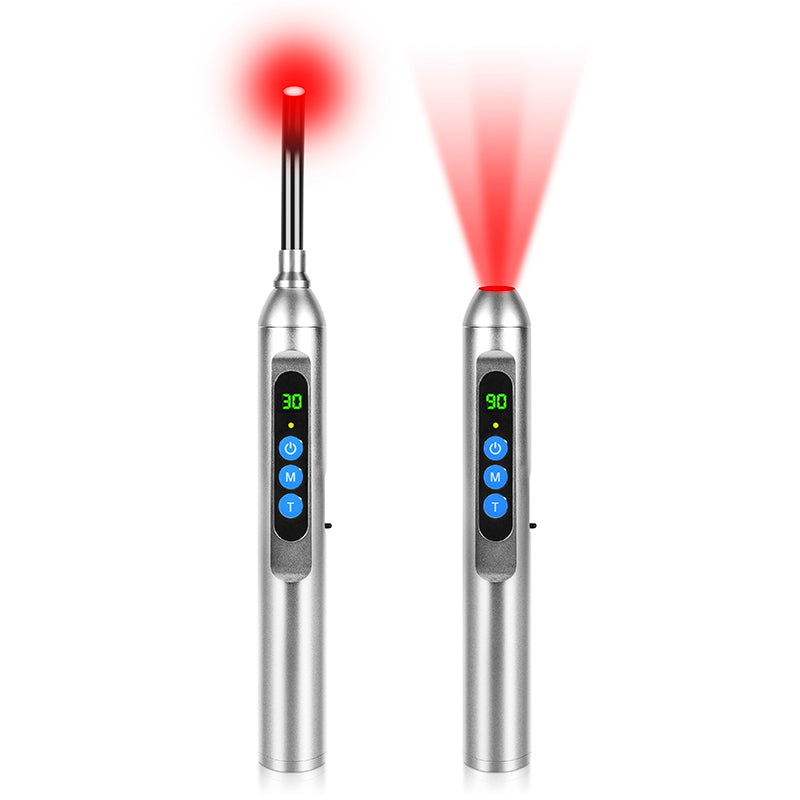
From a hyperpigmentation‑prevention perspective, the safest bet is a device that delivers well‑characterized mid‑600‑nanometer red light with moderate power output and, ideally, the ability to toggle near‑infrared LEDs on and off. Atria’s primer on home devices advises seeking products that use wavelengths that have been therapeutically studied, notably visible red around 620–700 nanometers combined with near‑infrared around 800–1,000 nanometers when deeper tissues are the target.
In the pigment‑sensitive subset, Joovv’s expert leans toward red‑only regimens in the mid‑600 range and advises discontinuing 850‑nanometer near‑infrared if hyperpigmentation is a concern, given the mixed data on NIR and melanocytes. Project E Beauty adds that green light around 520 nanometers can directly inhibit melanocyte activity in the basal epidermis, suggesting that combination red and green protocols may offer more comprehensive coverage for uneven tone.
Whatever you choose, Cleveland Clinic, Brown, Rouge, and multiple other sources all echo the same safety advice. Favor FDA‑cleared devices from reputable manufacturers, look for transparent labeling of wavelength and power density, and respect the manufacturer’s recommended treatment times and distances instead of improvising at maximum power.
Dosing Around the Procedure: Before, After, and Maintenance
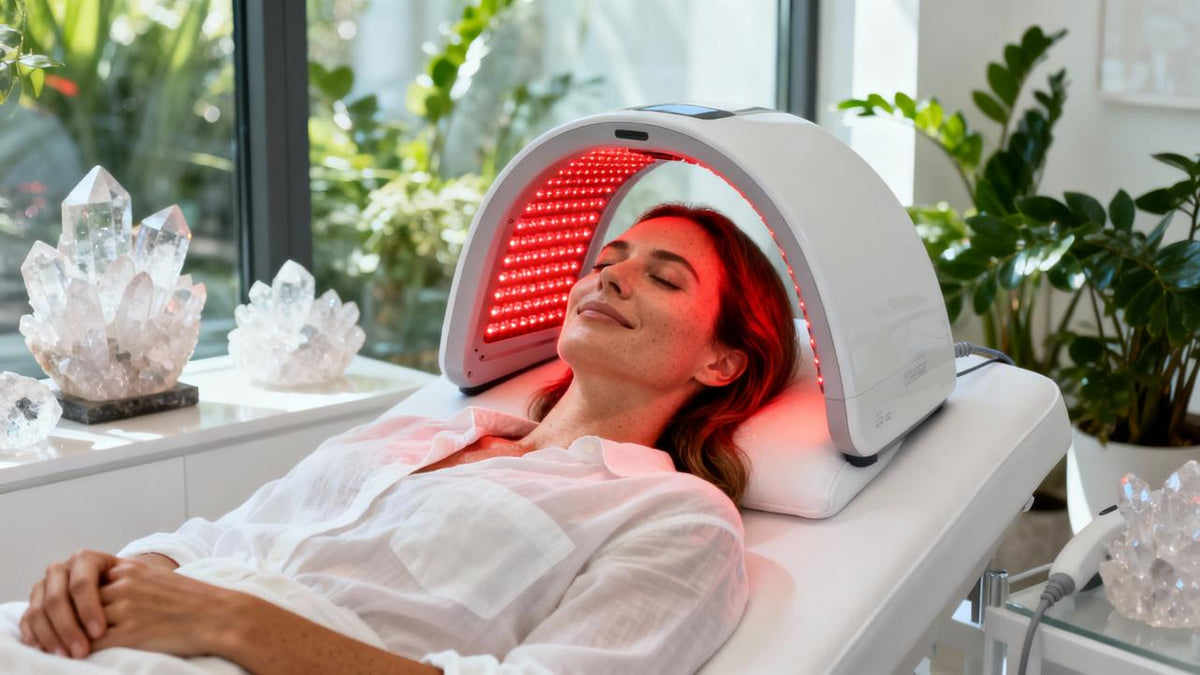
Most of the clinical and expert commentary converges on a similar red light usage pattern. Typical skin‑focused sessions last about five to twenty minutes per treatment area, at a distance of roughly six to twenty‑four inches from a panel, three to five days per week. Atria emphasizes that red light follows a Goldilocks, or biphasic, dose response: too little has minimal effect, the right range is beneficial, and too much can actually decrease benefits or provoke irritation.
For hyperpigmentation‑sensitive post‑procedure care, I like to think in phases.
Before the procedure, the goal is to improve baseline skin health and quiet any smoldering inflammation. In practice, that might look like five to ten minute facial sessions three to five times a week for two to four weeks prior, using mid‑600‑nanometer red light at a moderate distance, with careful observation of how your skin responds. Several sources, including Atria, Rouge, and BlockBlueLight, emphasize that consistent use for at least a few weeks is usually necessary before changes become apparent.
Immediately after the procedure, the priority is to respect the integrity of the skin barrier. The Physical Achievement Center’s safety guidelines suggest that red light can be a helpful adjunct after gentle procedures such as microneedling or light chemical peels, where the epidermis is disrupted but not fully removed, to calm inflammation and speed repair. However, they advise avoiding red light immediately after deeper, ablative work until the skin has re‑epithelialized, because the tissue is too vulnerable and cellular stimulation might be counterproductive.
This is exactly where your treating dermatologist’s judgment matters. For some non‑ablative laser or radiofrequency treatments, they may want you under a panel the same day. For deep resurfacing, they may hold off for a week or longer.
During the healing window, the idea is to keep gently nudging the system toward calm, efficient repair. That usually means continuing short red light sessions three to five times per week, staying in that five to fifteen minute zone rather than pushing for long exposures, and backing off if you see any unusual darkening, increased redness, or irritation. The STARS trials and general clinical guidance remind us that overexposure can tip you into blistering or pigment changes, particularly if you have a darker skin tone.
Longer term, once the immediate healing phase has passed, red light becomes more of a maintenance tool. Greentoes and HigherDOSE both note that initial improvements in pigmentation and texture often show up over four to six weeks and become more pronounced over several months of regular use, with maintenance sessions needed to preserve gains.
Stack Red Light with Proven Pigment‑Control Habits
Red light is a tool, not the foundation. Every pigment‑savvy dermatologist I know still insists on the basics.
HigherDOSE, Infraredi, and Greentoes all highlight daily broad‑spectrum sunscreen, at least SPF 30, with diligent reapplication when you are outside, as non‑negotiable. You simply cannot control hyperpigmentation if ultraviolet and visible light are constantly triggering melanocytes.
Joovv’s expert also emphasizes topical antioxidants and pigment inhibitors. Vitamin C around twenty percent is singled out as both a strong antioxidant and a tyrosinase inhibitor that can meaningfully lighten hyperpigmented areas while mainly brightening normal skin. Other sources mention retinoids for cell turnover and support of even tone, although those must be coordinated carefully around procedures to avoid over‑irritation.
HigherDOSE adds lifestyle levers: antioxidant‑rich foods such as berries and leafy greens, adequate hydration, sleep, and stress management. PESI similarly suggests integrating red light with a broader anti‑inflammatory lifestyle, including diet, exercise, and sleep, for systemic inflammation control.
If you are serious about preventing post‑procedure hyperpigmentation, red light should sit inside that ecosystem: pigment‑aware procedure choice, topical antioxidants and inhibitors, strict light protection, and anti‑inflammatory habits.
Pros and Cons of Using Red Light for Post‑Treatment Pigment Control
A concise way to see the trade‑offs is side by side.
Aspect |
Potential benefit |
Potential risk or limitation |
Inflammation and healing |
Multiple clinical sources, including Brown, PESI, MD Anderson, and Atria, describe red light as reducing inflammation, enhancing circulation, and accelerating wound repair, all of which should theoretically reduce post‑procedure pigment signaling. |
High doses can provoke blistering or temporary hyperpigmentation, particularly in darker skin, as seen in the STARS trials. More sessions or higher power are not automatically better. |
Collagen and structural support |
Randomized trials show increased dermal collagen and smoother texture after a series of red light sessions, and clinics such as Santa Barbara Skin Care and Greentoes report wrinkle and texture improvements that can make residual pigment less conspicuous. |
Structural improvement does not guarantee pigment prevention. Hyperpigmentation can still occur if procedure parameters, sun exposure, or hormones are not well controlled. |
Direct pigment effects |
Infraredi, Greentoes, and HigherDOSE report fading of dark spots and more even tone over weeks to months, with green light or combined protocols offering more direct melanocyte inhibition. |
Evidence is mostly small, short‑term studies and practice reports rather than large, rigorous pigmentation trials. Project E Beauty notes that red alone is not the gold standard for targeting melanin production. |
Convenience and safety |
Compared with aggressive lasers or deep peels, red light is non‑ablative, non‑ionizing, and generally considered safe with few side effects when used correctly, as emphasized by Cleveland Clinic, Brown, and WebMD. At‑home devices make consistent use practical. |
At‑home devices vary widely in wavelength, power, and quality. Some lack FDA clearance. Dermatology groups and UCLA note that people with darker skin and those on photosensitizing medications should be particularly cautious and seek professional guidance. |
Integration with other therapies |
Estheticians and clinics (for example, Joovv’s expert and the Physical Achievement Center) routinely combine red light with microneedling, light peels, and topical regimens to speed healing and enhance outcomes. |
Red light should never be used as a substitute for proven pigment‑control strategies or dermatologist oversight, especially if you already struggle with melasma or post‑inflammatory hyperpigmentation. |
Safety, Skin Tone, and When to Skip Red Light
A few guardrails show up repeatedly across clinical and wellness sources.
Brown, WebMD, and multiple safety‑oriented articles recommend avoiding or being cautious with red light therapy if you have active cancer in the treatment area or a history of skin cancer, if you are pregnant, if you have light‑triggered conditions such as some forms of lupus or porphyria, or if you are taking photosensitizing medications such as certain antibiotics, isotretinoin, or some anti‑inflammatory drugs. The Physical Achievement Center underscores the importance of disclosing all medications and health conditions to your provider before starting red light, especially in a clinical setting.
Eye protection is non‑negotiable when you are directly facing strong LEDs, particularly when near‑infrared is involved. MD Anderson notes that patients receiving red light or laser therapy wear goggles and an eye shield to prevent retinal damage. Home‑use guides from Atria, Rouge, and others echo that you should never stare directly into bright LEDs, and standard sunglasses are not a substitute for therapy‑specific goggles.
For darker skin tones, the combination of the STARS safety data and the American Academy of Dermatology’s cautious stance means two things. First, stay on the conservative side of dosing, especially if your device is unusually powerful or you are stacking in‑clinic and at‑home sessions. Second, involve a board‑certified dermatologist in your decision to use red light around aggressive procedures, and monitor carefully for subtle darkening early, not just for obvious blistering or burns.
And finally, a reminder that appears in almost every clinical overview, from Cleveland Clinic to Brown. Red light therapy is promising, generally safe, and biologically active. It is not a cure‑all, and long‑term safety data at very high exposure levels are still limited. Treat it as a helpful, evidence‑aligned tool, not a magic eraser.
FAQ: Hyperpigmentation, Procedures, and Red Light
If I am prone to melasma or dark spots, should I avoid red light altogether?
The sources here do not argue that melasma or hyperpigmentation are absolute contraindications to red light, but they do call for nuance. Joovv’s expert recommends favoring mid‑600‑nanometer red wavelengths and avoiding or disabling 850‑nanometer near‑infrared in hyperpigmentation‑prone clients, given mixed evidence on NIR and melanocytes. UCLA and dermatology societies emphasize careful dermatologist oversight for darker skin types considering home red light. In practice, that means you may still benefit from red light’s anti‑inflammatory and collagen‑boosting effects, but device choice, dose, and timing should be co‑designed with a pigment‑savvy dermatologist.
Can I use my at‑home red light mask right after a peel or laser?
That depends entirely on the procedure and the advice of the professional who performed it. The Physical Achievement Center notes that red light can be a useful adjunct following gentler treatments, such as microneedling or light chemical peels, to speed healing and reduce inflammation, while recommending caution or delay after ablative resurfacing until the skin has fully recovered. When in doubt, wait until your provider explicitly clears you to resume red light and start with shorter, lower‑intensity sessions while watching closely for any unexpected darkening or irritation.
How long will it take to see pigment changes from red light?
For generalized tone and dark spots, several sources converge on a time frame of weeks to months, not days. HigherDOSE notes that mild improvements may appear within one to two weeks, with more noticeable changes in deeper discoloration typically taking about four to twelve weeks of regular use. Infraredi similarly reports initial improvements around four to six weeks, with best results after at least three months. Remember that these timelines assume consistent sessions and strict sun protection; without those, the pigment system tends to win.
As a lifelong light therapy geek, I love how elegant this modality is: you are literally feeding your cells photons instead of chemicals. When it comes to preventing post‑aesthetic hyperpigmentation, red light therapy is not a magic shield, but used wisely—with the right wavelength, dose, timing, and dermatologist partnership—it can be a powerful ally to help your skin heal cleaner, calmer, and with fewer lingering shadows.
References
- https://pmc.ncbi.nlm.nih.gov/articles/PMC3926176/
- https://med.stanford.edu/news/insights/2025/02/red-light-therapy-skin-hair-medical-clinics.html
- https://www.brownhealth.org/be-well/red-light-therapy-benefits-safety-and-things-know
- https://www.mdanderson.org/cancerwise/what-is-red-light-therapy.h00-159701490.html
- https://atria.org/education/your-guide-to-red-light-therapy/
- https://my.clevelandclinic.org/health/articles/22114-red-light-therapy
- https://www.uclahealth.org/news/article/5-health-benefits-red-light-therapy
- https://www.aad.org/public/cosmetic/safety/red-light-therapy
- https://santabarbaraskincare.org/2025/03/06/the-power-of-red-light-therapy-for-healthier-skin/
- https://www.bswhealth.com/blog/5-benefits-of-red-light-therapy