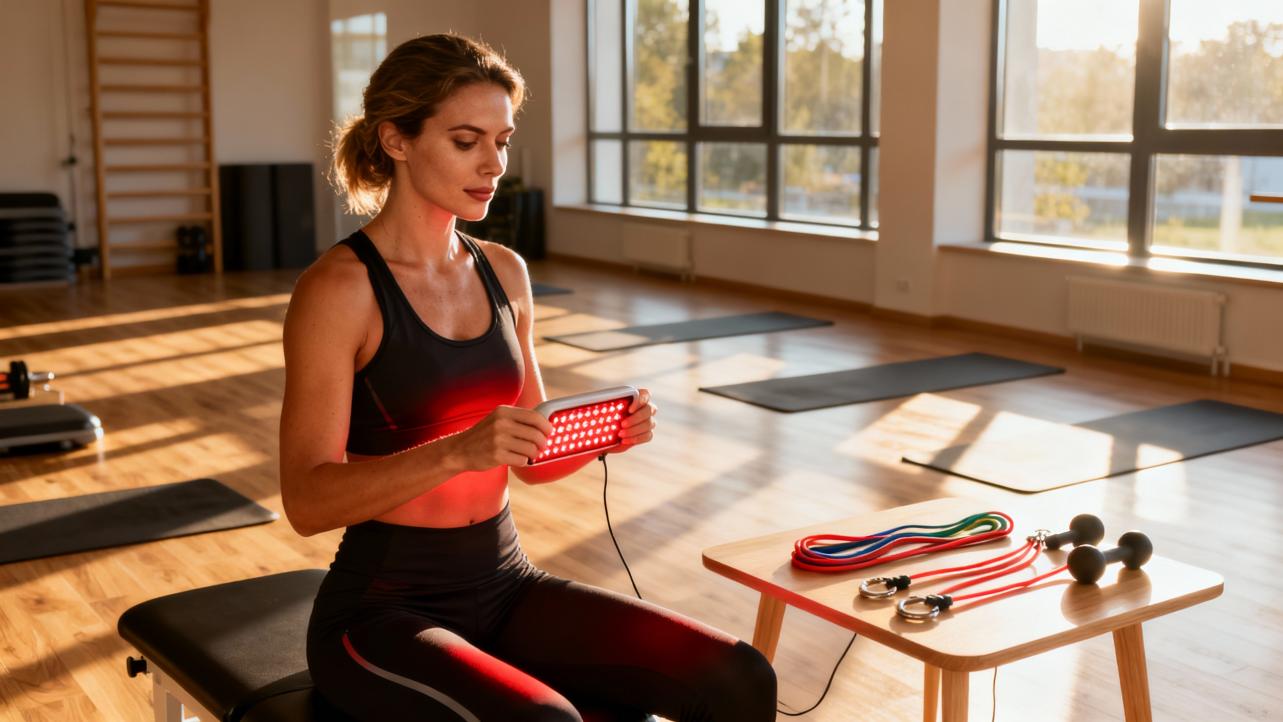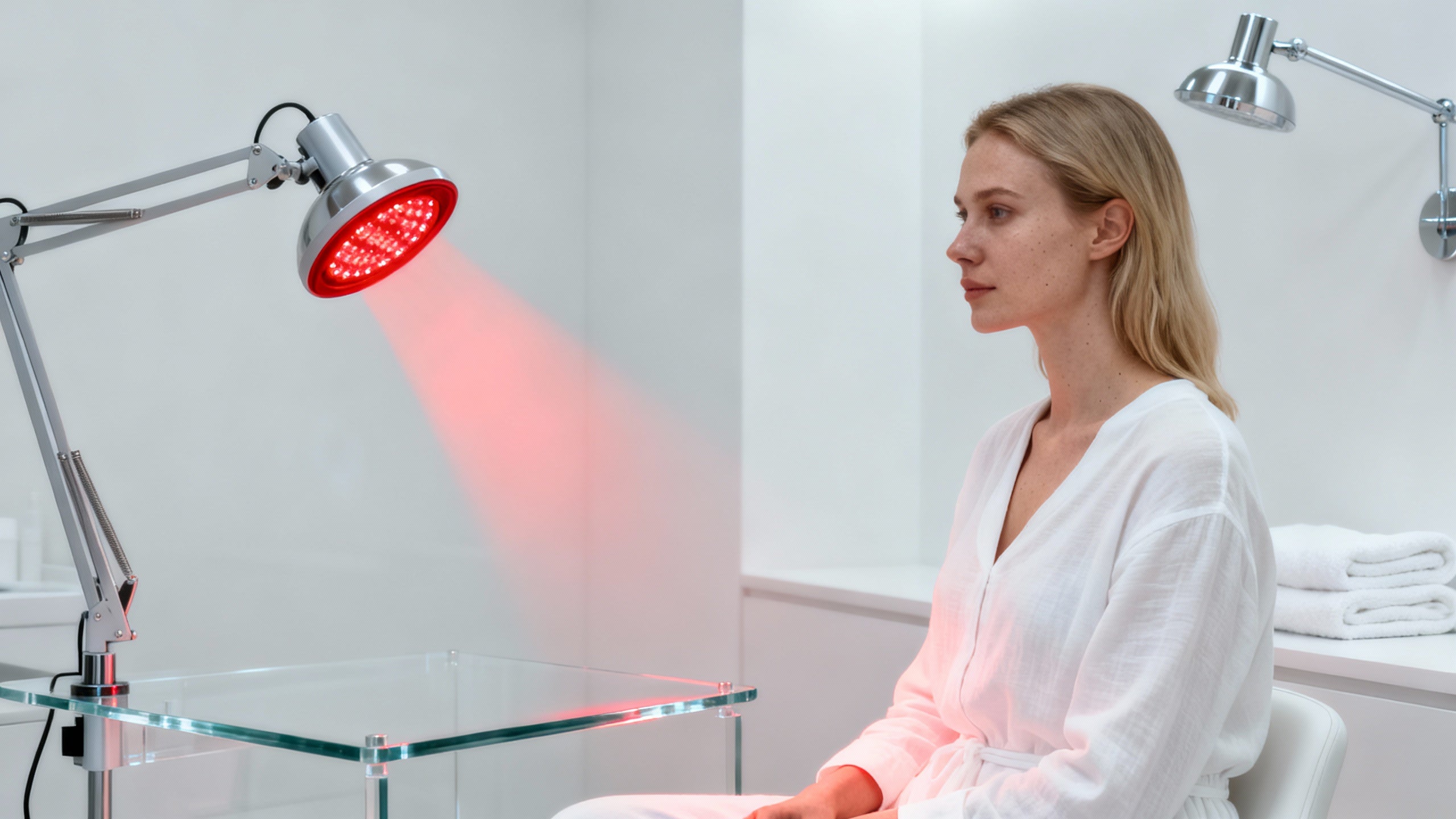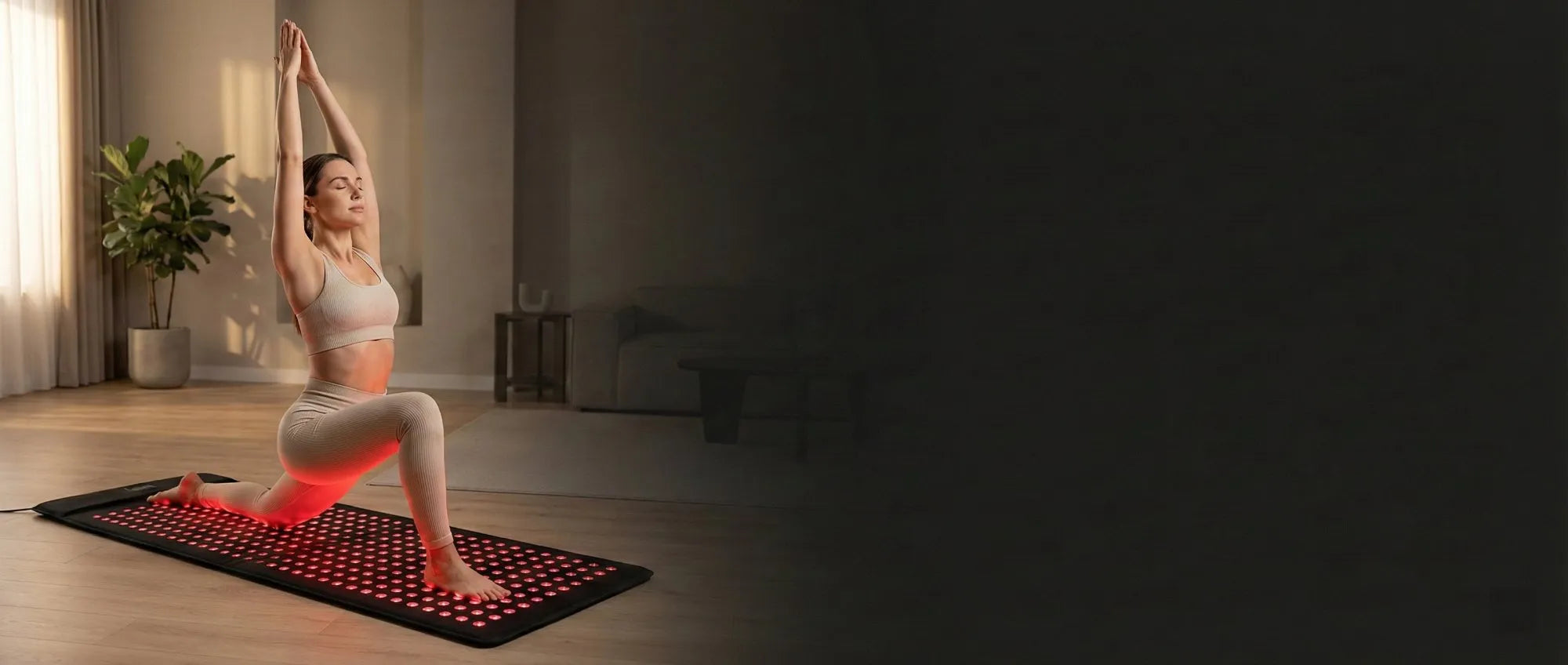
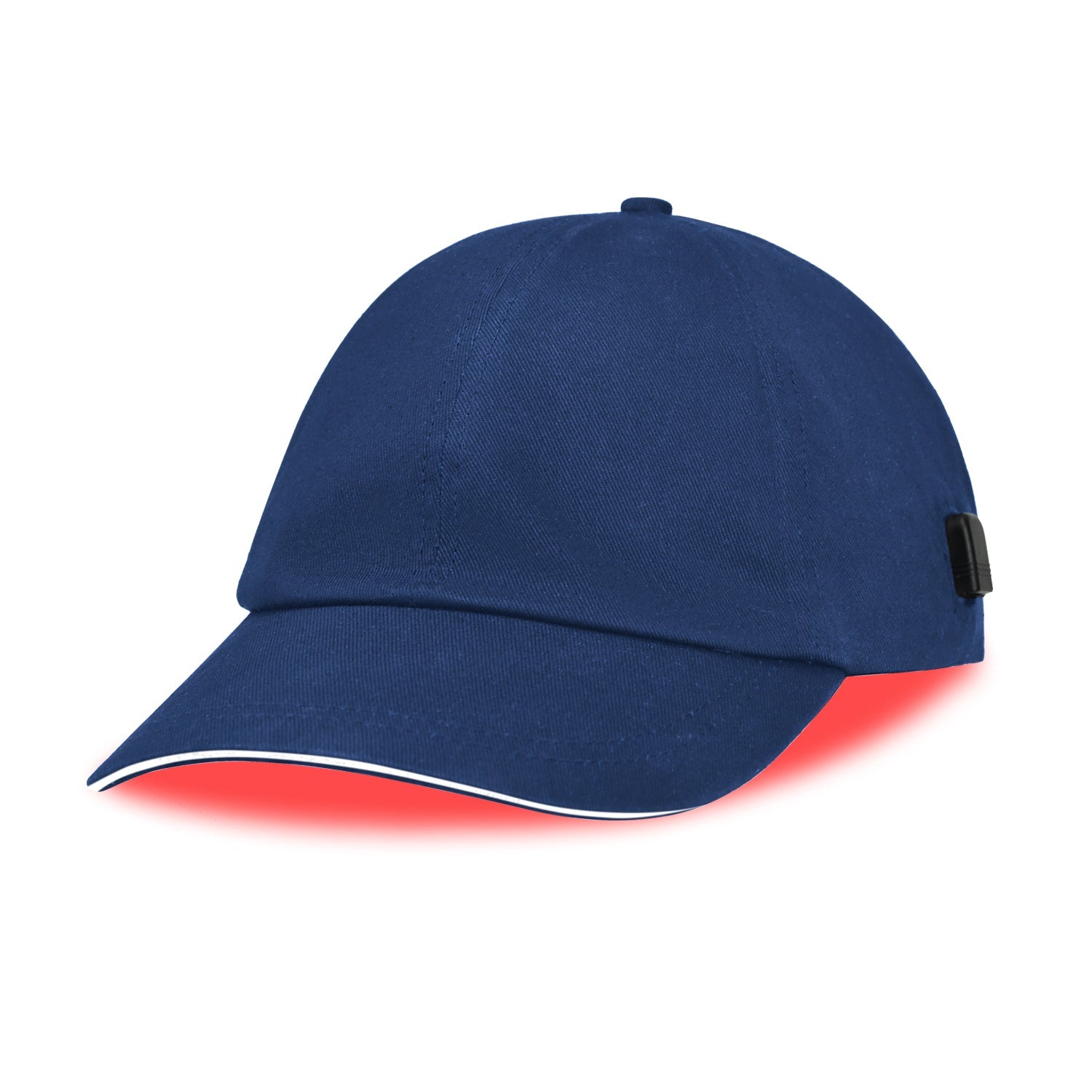

If you watch enough race starts, penalty kicks, or return-of-serve rallies, you notice something quickly: the athletes who win are not always the strongest, but they are almost always the quickest to react. As a long-time light-therapy geek who has spent years integrating photobiomodulation into high-performance routines, I get a very specific question more and more often:
Can red light therapy actually improve reaction speed, not just recovery?
The honest, evidence-based answer is nuanced. Red and near‑infrared light can clearly influence muscle performance, soreness, and possibly sleep. But when we zoom in on reaction speed itself, the science is much thinner and mostly indirect. In this article, I will walk through what we actually know, what is still speculative, and how I strategically use red light with athletes whose livelihood depends on split‑second decisions.
Red Light Therapy In Plain English
From Lasers To LED Panels
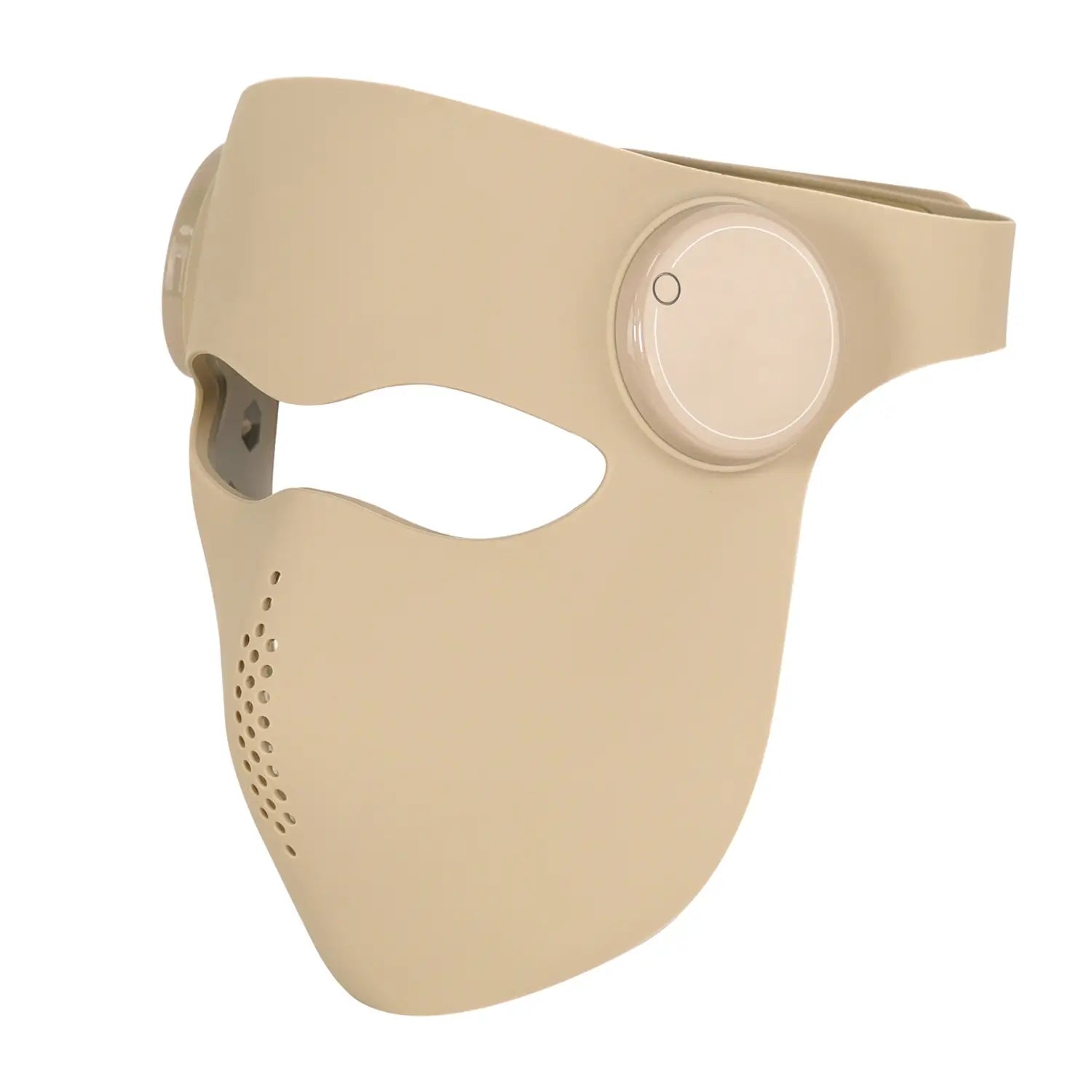
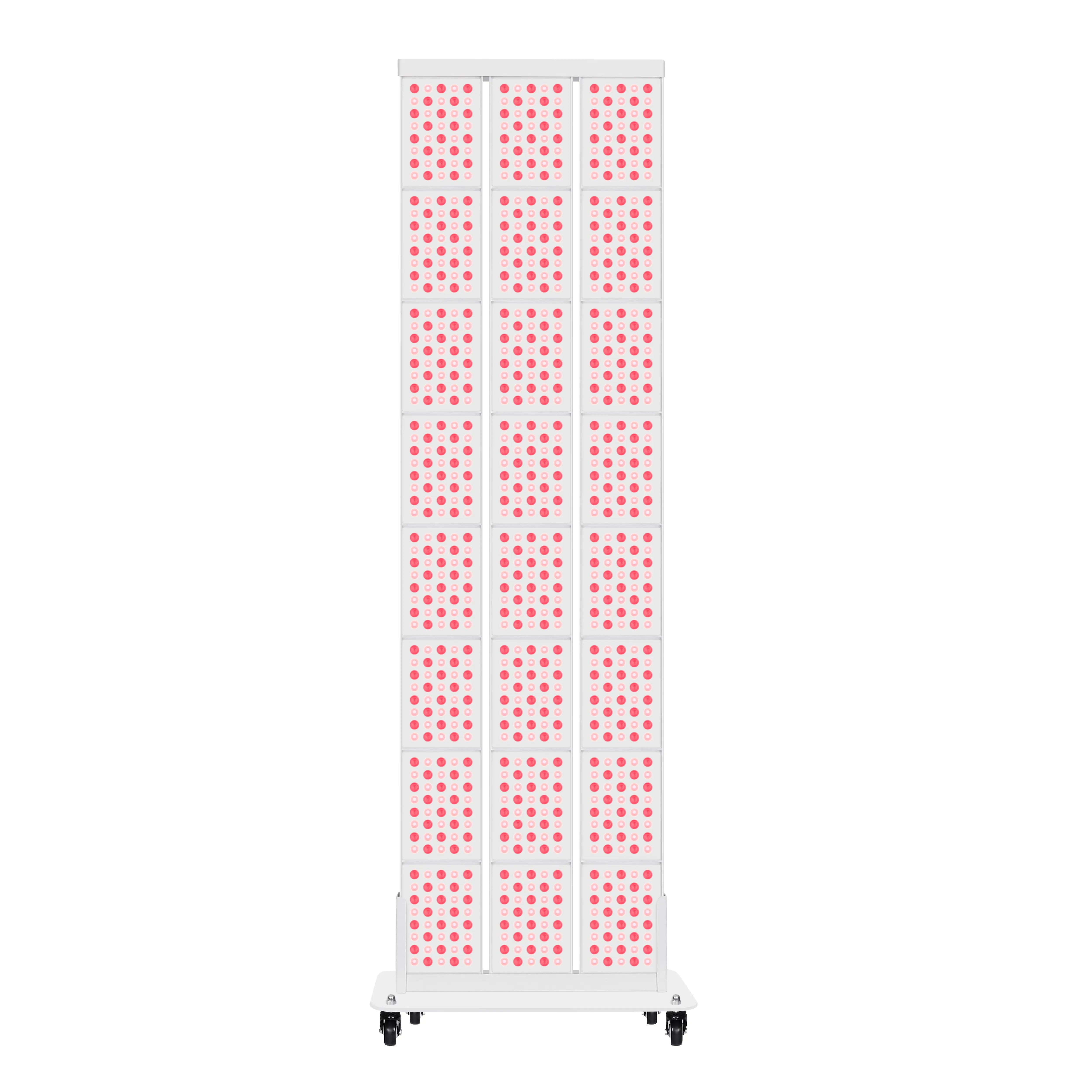
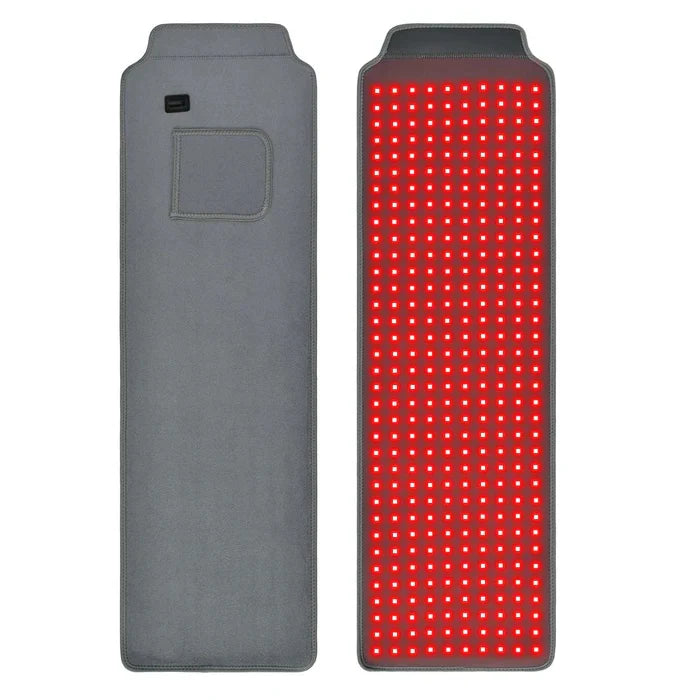
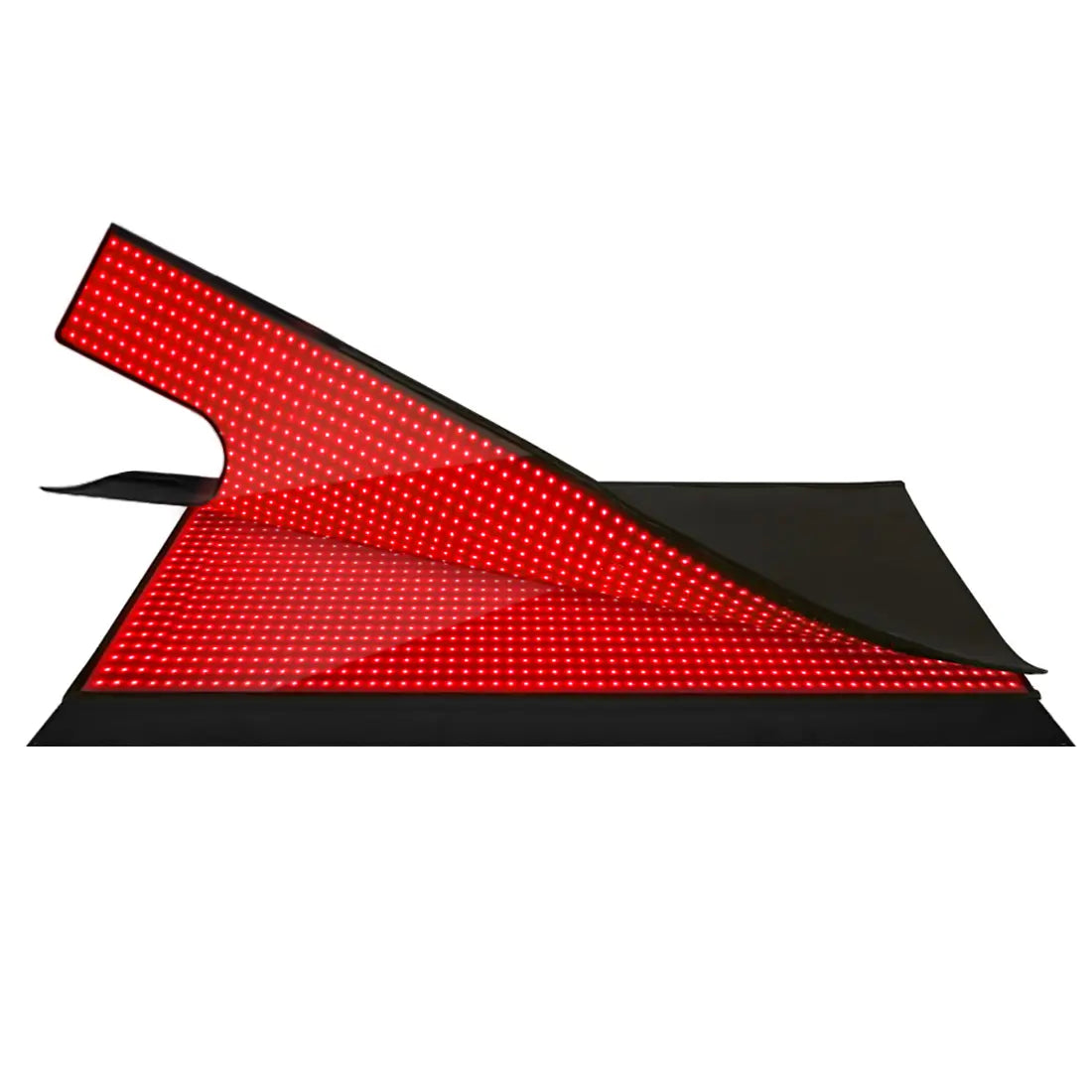
Red light therapy, more formally called photobiomodulation, started life in medical and research labs as low‑level laser therapy. Early devices used narrow beams of coherent light; modern systems are usually high‑output LED panels, wraps, beds, or pads that bathe a region of the body in specific wavelengths of red and near‑infrared light.
Most sports and rehab protocols use wavelengths roughly in the 630–660 nm red range and 800–850 nm near‑infrared range. Clinics and performance centers described in the literature use these bands to target skin, muscle, tendon, and joint tissue. Functionally, this is non‑invasive, non‑ionizing light, not ultraviolet; it does not tan or burn like sun exposure and does not carry the same skin cancer risks.
What Happens In Your Cells
Across multiple clinical and review articles, a fairly consistent mechanistic picture emerges.
Red and near‑infrared photons are absorbed in mitochondria, particularly by an enzyme called cytochrome c oxidase. That absorption appears to:
- Increase ATP production, essentially giving cells more energy to do work. Some research cited by sports clinics suggests cellular energy output can increase substantially, even up to about double under certain conditions.
- Displace nitric oxide from the mitochondrial respiratory chain and increase nitric oxide availability in blood vessels, which promotes vasodilation and better blood flow.
- Modulate oxidative stress by boosting endogenous antioxidant defenses and adjusting reactive oxygen species signaling.
- Influence gene expression related to inflammation, collagen synthesis, and muscle repair.
In muscle, this translates into better energy availability, faster clearance of metabolic waste like lactate, and potentially less structural damage from heavy training. Several sports performance articles and a review on PubMed Central summarize improvements in repetition counts, time to exhaustion, and biomarkers such as creatine kinase and C‑reactive protein when red light is used as muscular pre‑conditioning or early‑phase recovery.
None of that directly measures reaction time. But it does set up the key idea: red light is not “magic recovery”; it is targeted mitochondrial and vascular support that may create a better internal environment for the systems that drive reaction speed.

Reaction Speed: More Than Just Fast Muscles
Reaction speed is not simply how strong your quads are. It is a multi‑layered chain that runs from sensory perception to brain processing to neuromuscular execution.
At the simplest level, there is the time it takes to perceive a signal, process it, decide on a response, and then fire the appropriate muscles. That cognitive and neuromuscular chain is exquisitely sensitive to sleep quality, fatigue, pain, and stress. A sleep‑deprived, overreached athlete will almost always react slower, regardless of their squat PR.
Most red light therapy research in athletes focuses on:
- Muscle performance (repetitions, torque, time to exhaustion).
- Delayed onset muscle soreness and recovery.
- Injury healing and return‑to‑play time.
- Subjective soreness and pain.
A few studies, highlighted by performance coaches, look at sleep quality, melatonin, and sleep inertia. Those are much closer to the cognitive side of reaction speed, but even there, direct reaction‑time measurements are rare.
So if you are hoping for a neat headline like “Red light cuts reaction time by 30 milliseconds,” that study has not been done in a robust way yet. What we do have is evidence that red light can influence some of the underlying components that typically support fast reactions.
What The Research Actually Shows For Performance
Muscle Power, Endurance, And Sprint Performance
A detailed review of photobiomodulation and human muscle performance, summarized on PubMed Central and in a J Biophotonics paper by Ferraresi and colleagues, pulled together 46 human studies and more than 1,000 participants. Many of those trials used lasers or LEDs over major muscles before or after exercise and measured things like:
- Number of repetitions to failure.
- Maximum voluntary contraction and torque.
- Time to exhaustion.
- Blood lactate and creatine kinase.
- Delayed onset muscle soreness.
In upper‑body protocols, applying laser or LED light over the biceps before heavy elbow‑flexion work frequently increased the number of repetitions and extended time to exhaustion compared with placebo. Some protocols also reduced creatine kinase and inflammatory markers. Lower‑body and treadmill studies showed similar patterns: pre‑conditioning with red or near‑infrared light sometimes improved running or cycling capacity and delayed fatigue.
Sports‑oriented clinics and practices echo this. Function Smart Physical Therapy notes that athletes using red and near‑infrared wavelengths around 660–850 nm with 10–20 minute sessions per body area often report less stiffness and better recovery, and over two to four weeks may see measurable improvements in strength, endurance, and power output. Fick PT & Performance, Medco Athletics, and several other sports performance sources describe associations with faster sprint times, greater muscular endurance, and the ability to train harder with less soreness.
These findings matter indirectly for reaction speed. A fresher neuromuscular system at the end of a game, or at the end of a sprint series, is more likely to execute rapid responses cleanly. But again, in these studies the measured outcomes are reps, watts, or sprint times, not milliseconds of reaction time.
Recovery, DOMS, And Return‑To‑Play
Where red light therapy really shines, at least in early data, is recovery and injury management.
Multiple rehabilitation and sports medicine sources describe reduced delayed onset muscle soreness and faster recovery between sessions when red light is applied immediately before or within hours after strenuous exercise. A physical therapy center in Oshkosh reports improvements in DOMS and quicker restoration of strength and range of motion when red and near‑infrared light are used both pre‑ and post‑training.
One frequently cited study in the journal Laser Therapy, summarized by LED Technologies and a sports lighting guide from the University of Georgia, followed 65 university athletes with various injuries. Those receiving LED phototherapy had an average return‑to‑play time of about 9.6 days, compared with an anticipated 19.23 days, with no reported adverse events. That is a big difference in getting back on the field, though it speaks to injury recovery rather than reaction speed per se.
Rehab‑oriented sources also emphasize joint health. By supporting collagen synthesis and tendon and ligament elasticity, red light is promoted as a way to keep joints mobile and less painful, especially for high‑impact sports such as running, basketball, and football. Less joint pain and stiffness mean more freedom to move explosively when a split‑second reaction is required.
Skeptical Views From Sports Science And Medicine
If we stopped here, it would be easy to over‑promise what red light can do. But high‑quality skeptical viewpoints matter.
A Stanford Medicine review of red light therapy notes that robust, reproducible evidence is strongest for dermatologic uses such as hair growth and modest skin rejuvenation. Claims about athletic performance, sleep, and broad wellness benefits are described as speculative, with relatively weak and inconsistent clinical data.
A TrainingPeaks article written for endurance coaches examined the same J Biophotonics review of red light in sports. The author concluded that, although mechanisms are plausible, actual performance benefits were small, inconsistent, and often failed to translate from improved biomarkers into meaningful improvements that athletes would feel. In upper‑body studies, only a minority showed clear performance gains. In lower‑body trials, results for endurance and DOMS were mixed, and biochemical markers often did not change.
A systematic review summarized by Athletic Lab found that while some individual studies reported attenuation of strength loss after eccentric exercise, overall evidence for clinically meaningful DOMS reduction was limited.
Medical centers such as University Hospitals describe red light as promising but not yet ready to be a standard treatment for most musculoskeletal conditions. They stress that it should support, not replace, well‑proven pillars like strength training, physical therapy, and load management.
Taken together, the evidence suggests that red light therapy can help some athletes some of the time, especially for recovery and perhaps short‑term performance support, but it is not a guaranteed performance enhancer. When we narrow the question down to reaction speed, confidence must drop even further because direct data are almost nonexistent.

Connecting The Dots: Potential Pathways To Faster Reactions
Despite the gaps, there are several realistic pathways through which red light therapy could influence reaction speed indirectly. The key is to treat these as hypotheses anchored in existing data on muscle, recovery, and sleep, not as proven facts about reaction time.
Here is a concise map of those pathways.
Pathway |
What research suggests |
Potential link to reaction speed |
Confidence for reaction‑speed impact |
Mitochondrial ATP and muscle fatigue |
Photobiomodulation increases ATP production, improves oxygen use, and can delay muscular fatigue, with small‑to‑moderate performance gains in reps, power, and endurance in several trials. |
A less fatigued neuromuscular system late in a game is more likely to execute rapid movements when a stimulus appears. This affects how quickly you can move once you decide to act. |
Moderate for general performance; low for reaction‑time‑specific outcomes, as reaction time is rarely measured directly. |
Inflammation, pain, and DOMS |
Multiple clinic reports and some trials show reduced soreness, lower creatine kinase and inflammatory markers, and faster recovery between sessions, though results are mixed. |
Less soreness and joint pain mean fewer protective movement patterns and cleaner, more explosive responses to game cues, especially in later phases of competition. |
Moderate for soreness and recovery; unknown for direct reaction‑time improvements. |
Sleep quality, melatonin, and sleep inertia |
A study in Chinese female basketball players reported improved sleep quality and higher nocturnal melatonin after evening red light exposure. Research summarized by Athletic Lab shows morning red light reducing sleep inertia and improving alertness and performance just after waking. |
High‑quality sleep and reduced sleep inertia are strongly associated with better cognitive performance and faster reaction times across sports science. If red light genuinely improves sleep and morning alertness, reaction speed is likely to benefit. |
Moderate for sleep effects based on limited studies; indirect but plausible for reaction speed, pending trials that measure reaction time explicitly. |
Injury healing and return‑to‑play |
LED therapy shortened return‑to‑play time in injured university athletes and is widely used to support tendon, ligament, and muscle healing, with generally low side‑effect profiles. |
Being healthy enough to train consistently is one of the strongest drivers of maintained reaction speed. This is a chronic, long‑term support rather than an acute performance boost. |
Moderate for injury recovery; low for short‑term reaction‑time changes. |
So the theoretical chain looks like this: more efficient energy systems plus less soreness and better sleep can support a quicker, sharper athlete. But the critical point for a serious competitor or coach is that these are indirect links. The current evidence base does not justify claiming that red light therapy, by itself, will make your reaction time dramatically faster.
How I Use Red Light When Reaction Speed Matters
Even with those caveats, I still integrate red light therapy into the routines of athletes whose decisions need to be instantaneous: goalkeepers, sprinters, combat athletes, racket sport players. The key is to place red light in the correct tier of importance and to use it in ways that align with the available research.
Pre‑Session And Pre‑Game Use
Most performance‑oriented protocols in the literature treat red light as muscular pre‑conditioning. Clinics and reviews describe applying red or near‑infrared light 15–30 minutes before intense training or competition over primary muscle groups. Lower‑body work typically targets quads, hamstrings, calves, and glutes; upper‑body work focuses on shoulders and arms, depending on the sport.
In my own programming, when reaction speed is the priority, I use pre‑session red light in a supporting role:
I pair red or near‑infrared exposure with a proper dynamic warm‑up, not instead of it. Light goes on early in the warm‑up; then athletes complete their standard mobility and activation work.
I keep exposure durations roughly within the range described in sports performance sources: around 10–20 minutes per body area for panels or wraps, being careful not to chase ever‑longer sessions. NSCA‑aligned guidance highlights a biphasic response where excessively high doses can reduce benefits.
I aim for consistency, especially in dense competition periods. Many of the positive reports from clinics and performance centers describe daily or near‑daily sessions during heavy training or tournament blocks, not occasional use.
Mechanistically, what I am trying to protect is neuromuscular freshness: if red light can even slightly delay local muscular fatigue or reduce soreness between heats, the athlete is more likely to maintain crisp reactions later in the day.
Daily Recovery And Sleep Support
Reaction speed depends heavily on nervous system freshness, and that, in turn, depends on sleep. A chronic sleep‑deprived athlete will not react quickly, no matter how many red LEDs you shine on them.
The Athletic Lab review notes that red light before bed improved sleep quality and nocturnal melatonin secretion in Chinese female basketball players and that red light just after waking can reduce sleep inertia and improve alertness. Combined with the recognition in sports science that sleep is the central recovery tool and that poor sleep contributes to overtraining, that is enough for me to experiment cautiously.
For athletes who struggle with wind‑down, I sometimes place full‑body or upper‑torso red light sessions in the hour before bed a few nights per week, with the goal of improving sleep onset and quality. For early‑morning competitions or training blocks, a brief red light exposure shortly after waking can be layered onto a light‑rich morning routine to help clear grogginess.
I always emphasize that the basics still dominate: a consistent bedtime, limiting bright blue‑enriched screens at night, and smart caffeine timing are more powerful than any device. Red light is an adjunct that may nudge sleep in the right direction, and through that, indirectly help reaction speed.
Device Choices And Dosing Without Going Off The Deep End
One of the biggest mistakes I see is athletes buying expensive panels or beds and then blasting themselves with arbitrary doses. The research summarized by NSCA Coach, physiotherapy sources, and clinical sports providers points in the opposite direction: dose matters, and “more” is not automatically better.
Most evidence‑based protocols use:
- Red wavelengths in the 630–670 nm range for more superficial tissues such as skin and some superficial muscle.
- Near‑infrared wavelengths around 800–880 nm for deeper tissues like muscle, fascia, and joints.
- Energy densities in the low‑to‑moderate range, often on the order of a handful of Joules per square centimeter per treatment area, delivered over a few minutes.
Professional‑grade devices, whether panels, wraps, or beds, are recommended in clinical sources because they can deliver predictable power density over a meaningful area. Consumer devices vary widely; Stanford dermatology experts note that at‑home tools often provide unknown or inconsistent dosing, which makes results unpredictable.
In practical terms, my approach is to:
Use devices with clearly stated wavelengths and power output from transparent manufacturers.
Treat meaningful areas rather than chasing tiny spots.
Start at the lower end of evidence‑based exposure times and energy ranges, observe how the athlete feels over several weeks, and adjust cautiously rather than chasing aggressive dosing.
All of this lives firmly in the “fine‑tuning” category, well below fundamentals like strength, sprint mechanics, and skill work when it comes to reaction speed.

Pros, Cons, And Realistic Expectations For Reaction‑Speed Athletes
From a reaction‑speed standpoint, red light therapy brings an interesting mix of strengths and limitations.
On the positive side, red light is non‑invasive and, when used properly, appears to have a very low rate of adverse effects. Studies in athletes and injured patients report minimal side effects, often limited to transient warmth or mild skin irritation. LED‑based devices do not emit ultraviolet radiation, so you avoid the skin cancer risks associated with sun exposure. If you are already investing heavily in recovery, adding red light is unlikely to harm you physically when used responsibly.
There is also reasonable evidence that red light can help with recovery and tissue health. Reduced soreness, better joint comfort, faster muscle repair, and shorter return‑to‑play times after certain injuries all support the idea that red light can help keep you training and competing more consistently. Over months and seasons, that consistency is one of the biggest contributors to maintaining sharp reaction speed.
Clinics and performance centers also report systemic benefits such as improved sleep quality, lower perceived inflammation, and better mood and stress tolerance. Even if individual studies are small, the consistency of these anecdotal and clinical reports along with emerging data makes red light worth considering as part of a comprehensive recovery strategy.
On the negative side, the hard evidence for direct performance enhancement is modest and inconsistent, and for reaction speed specifically, almost nonexistent. High‑credibility medical and coaching sources point out that many studies are small, protocols vary widely, and positive effects are often in the small‑to‑moderate range when they appear at all. Claims of dramatic, across‑the‑board performance transformation are not supported by current data.
Cost is another real drawback. Medical‑grade systems, especially full‑body beds or multi‑panel setups, can range into the thousands of dollars. Even smaller home panels and wraps often cost several hundred dollars, and insurance typically does not cover them for performance or general recovery uses. For many athletes, that investment makes sense only after the more powerful, low‑cost levers—sleep, nutrition, strength and speed training, skill work, and stress management—are already dialed in.
Finally, dosing and protocol design remain more art than science. Reviews frequently highlight a biphasic dose response: too little energy does nothing, and too much may dampen the beneficial cellular responses. Because at‑home devices vary in output and very few are tested in rigorous sports trials, it is easy to fall into a zone that is either ineffective or suboptimal.
If you are an athlete obsessed with reaction speed, red light therapy deserves a place in the “advanced recovery tools” bucket: potentially useful, especially for maintaining freshness and sleep in heavy blocks, but not yet a primary driver of how fast you respond when the gun goes off.
FAQ
Will red light therapy directly improve my reaction time?
Based on current evidence, no one can honestly promise that. The better‑designed studies look at strength, endurance, soreness, and return‑to‑play time. Some performance metrics improve modestly; others do not. Reaction time is rarely measured as a primary outcome. What red light can plausibly do is support the foundations of reaction speed—muscular freshness, pain levels, and sleep quality. If those improve for you, your reaction time may improve as a secondary effect, but it is not guaranteed, and any change is likely to be incremental rather than dramatic.
When should I use red light if my priority is reaction speed?
If you want to experiment, the timing windows that make the most sense, based on the literature, are just before intense training or competition to pre‑condition muscles and reduce imminent metabolic stress, and within the first few hours after hard sessions to help with recovery and soreness. For the cognitive side of reaction speed, evening sessions aimed at improving sleep and occasional morning sessions to reduce sleep inertia are reasonable to test, especially during demanding periods. In all cases, I would layer red light on top of, not instead of, proper warm‑ups, strength and power training, and sleep hygiene.
Is more exposure always better?
Everything we know from photobiomodulation research points to a dose‑response curve with a sweet spot. Reviews and coaching resources aligned with NSCA emphasize that low‑to‑moderate energy densities tend to be effective, while very high doses can provide diminishing returns or even blunt beneficial signaling. Longer sessions and higher intensities also demand more eye protection and greater attention to safety. Start conservatively, track how you feel and perform over a few weeks, and work with a knowledgeable clinician or coach if you are considering more aggressive protocols.
Should I upgrade my gym lighting too?
It is worth distinguishing between therapeutic red light and general facility lighting. Sports lighting research from the University of Georgia notes that blue‑enriched white light can reduce sleepiness and boost alertness, which might help with focus in practices or indoor games, whereas red light therapy devices target specific tissues at higher intensities for cellular effects. Upgrading to modern LED lighting can improve visibility, consistency, and broadcast quality and may modestly support alertness through better lighting design. But that is separate from panel‑ or wrap‑based red light therapy and will not replace dedicated reaction‑speed training drills and recovery work.
In my world, red light therapy is a scalpel, not a sledgehammer. Used thoughtfully, it can sharpen the edges of your recovery, protect training quality in brutal schedules, and perhaps nudge your nervous system toward being a little more ready when it is time to react. But the real wins in reaction speed still come from ruthless respect for sleep, intelligent strength and power programming, and relentless practice of the exact split‑second scenarios your sport demands. Treat the light as an ally to those fundamentals, not a shortcut around them.
References
- https://lms-dev.api.berkeley.edu/studies-on-red-light-therapy
- https://pmc.ncbi.nlm.nih.gov/articles/PMC5167494/
- https://open.online.uga.edu/nexera/part/should-you-consider-led-lighting-for-sports-and-gym-facilities/
- https://med.stanford.edu/news/insights/2025/02/red-light-therapy-skin-hair-medical-clinics.html
- https://www.uhhospitals.org/blog/articles/2025/06/what-you-should-know-about-red-light-therapy
- https://www.physio-pedia.com/Red_Light_Therapy_and_Muscle_Recovery
- https://www.athleticlab.com/red-light-therapy-for-athletes/
- https://avantibody.com/maximizing-athletic-performance-benefits-of-red-light-therapy-for-athletes/
- https://fickptandperformance.com/red-light-therapy-benefits-how-it-can-enhance-your-sports-recovery-and-performance/
- https://functionsmart.com/red-light-therapy-for-athletes-faster-recovery-and-enhanced-performance/