
As someone who has spent years experimenting with light panels, heart-rate variability, and every flavor of “smart” recovery tool, I can tell you this: red light before a workout is one of the more intriguing ideas in modern performance science. It is not magic. It will not turn a bad program or poor sleep into elite performance. But when you use it intelligently, stacked on top of a solid warm-up, it can give you a very real edge in how your muscles feel and perform when you train.
This article unpacks what the research actually says about red light therapy as a muscle warm-up tool, how it works at the cellular level, where the evidence is strong, where it is weak, and how to build a practical, science-aligned routine around it.
What Red Light Therapy Actually Is
Red light therapy, often called photobiomodulation or low-level laser/LED therapy, uses specific bands of red and near‑infrared light to influence how your cells produce energy and manage inflammation. Most athletic and rehab applications use visible red wavelengths roughly in the 630–700 nanometer range and near‑infrared wavelengths around 800–900 nanometers, according to sources such as Physio‑Pedia, Huelight USA, and multiple sports therapy clinics.
At these wavelengths, photons penetrate the skin and are absorbed primarily by a mitochondrial enzyme called cytochrome c oxidase. Reviews in biomedical literature, including work summarized by the National Center for Biotechnology Information, describe how this absorption increases cellular energy production in the form of ATP, modulates nitric oxide and reactive oxygen species, and triggers downstream gene-expression changes that can promote cell survival, tissue repair, and anti‑inflammatory effects.
Importantly, this is not the same as the high‑energy light used to burn or cut tissue. The intensities used in red light therapy are non‑thermal. Articles from Stanford Medicine and WebMD both emphasize that red light devices used appropriately do not heat or damage tissues the way surgical lasers or UV light can. Instead, they nudge existing pathways your body already uses to manage energy, blood flow, and inflammation.
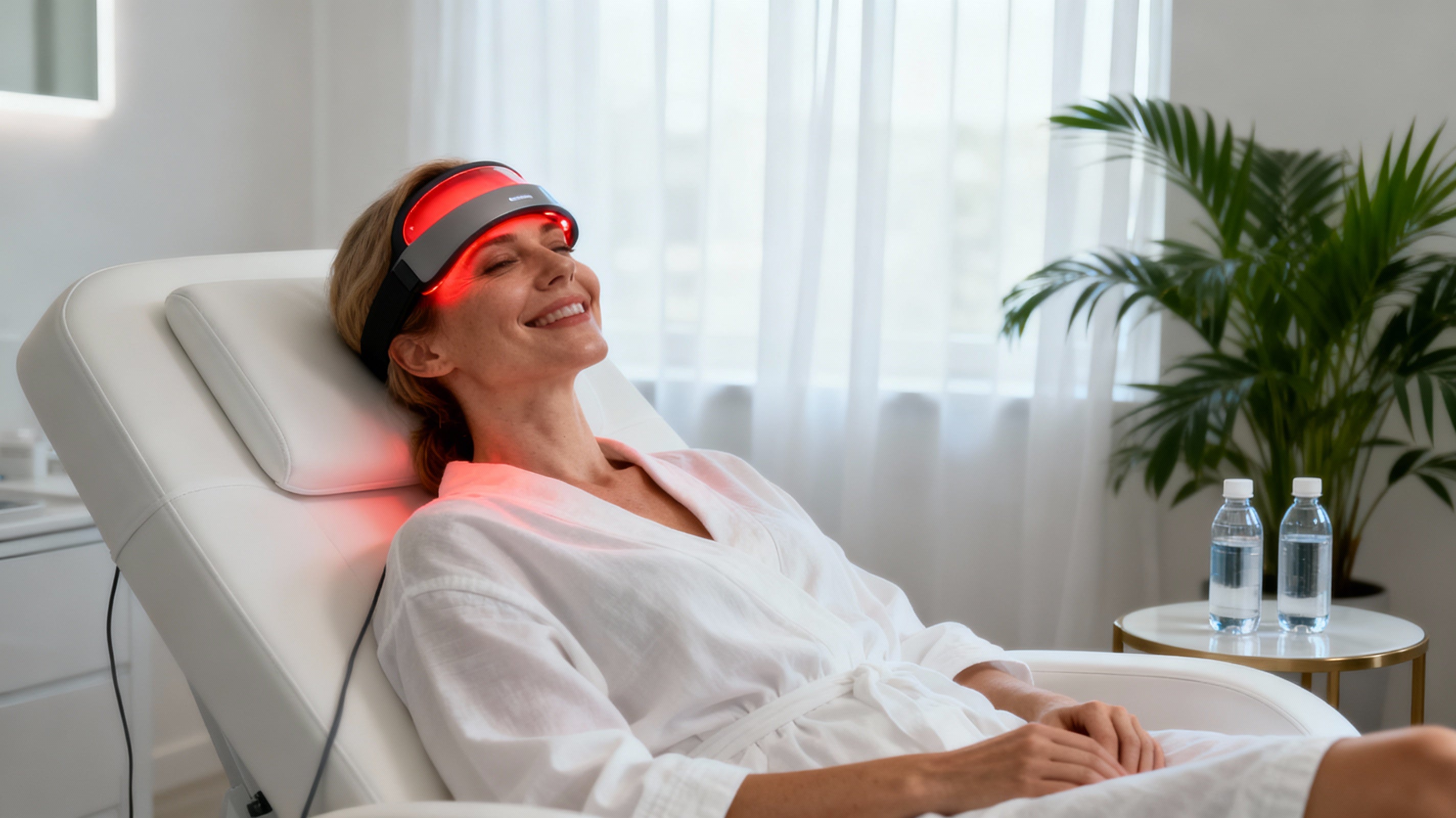
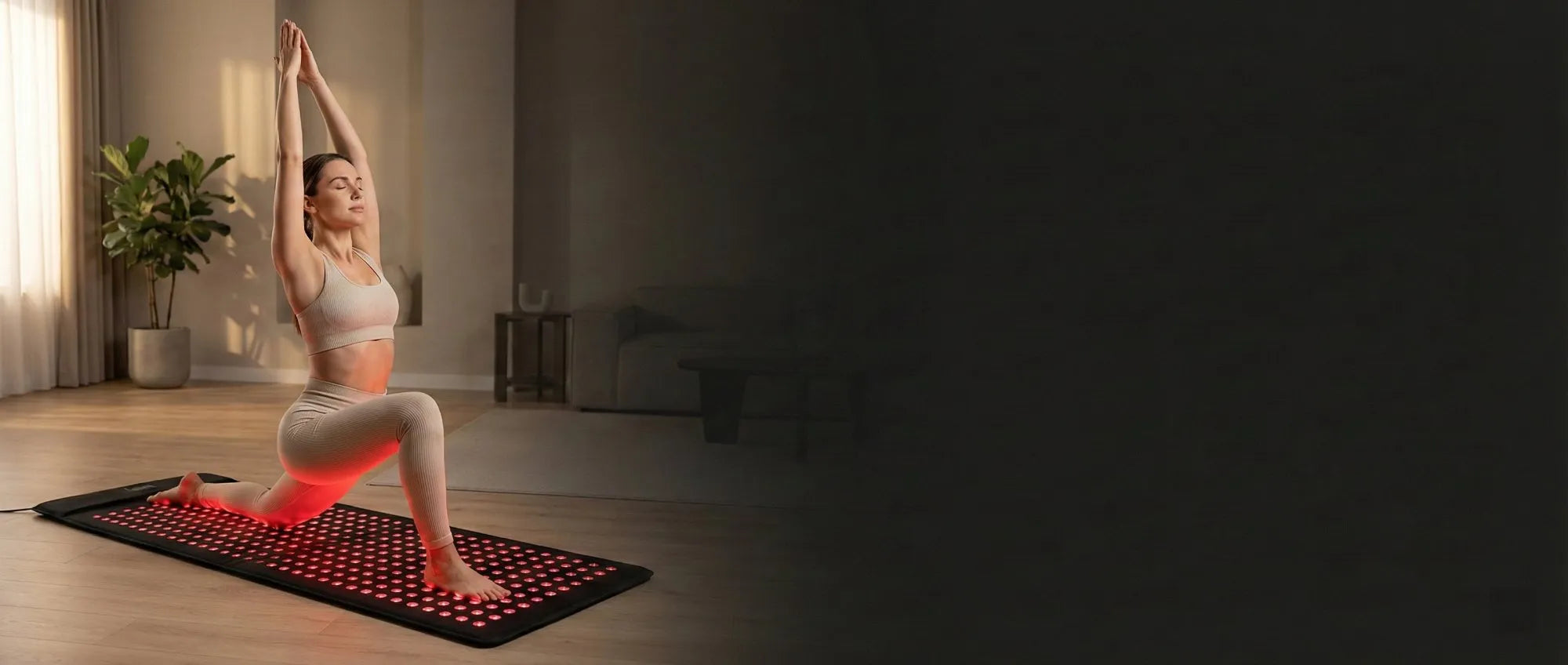
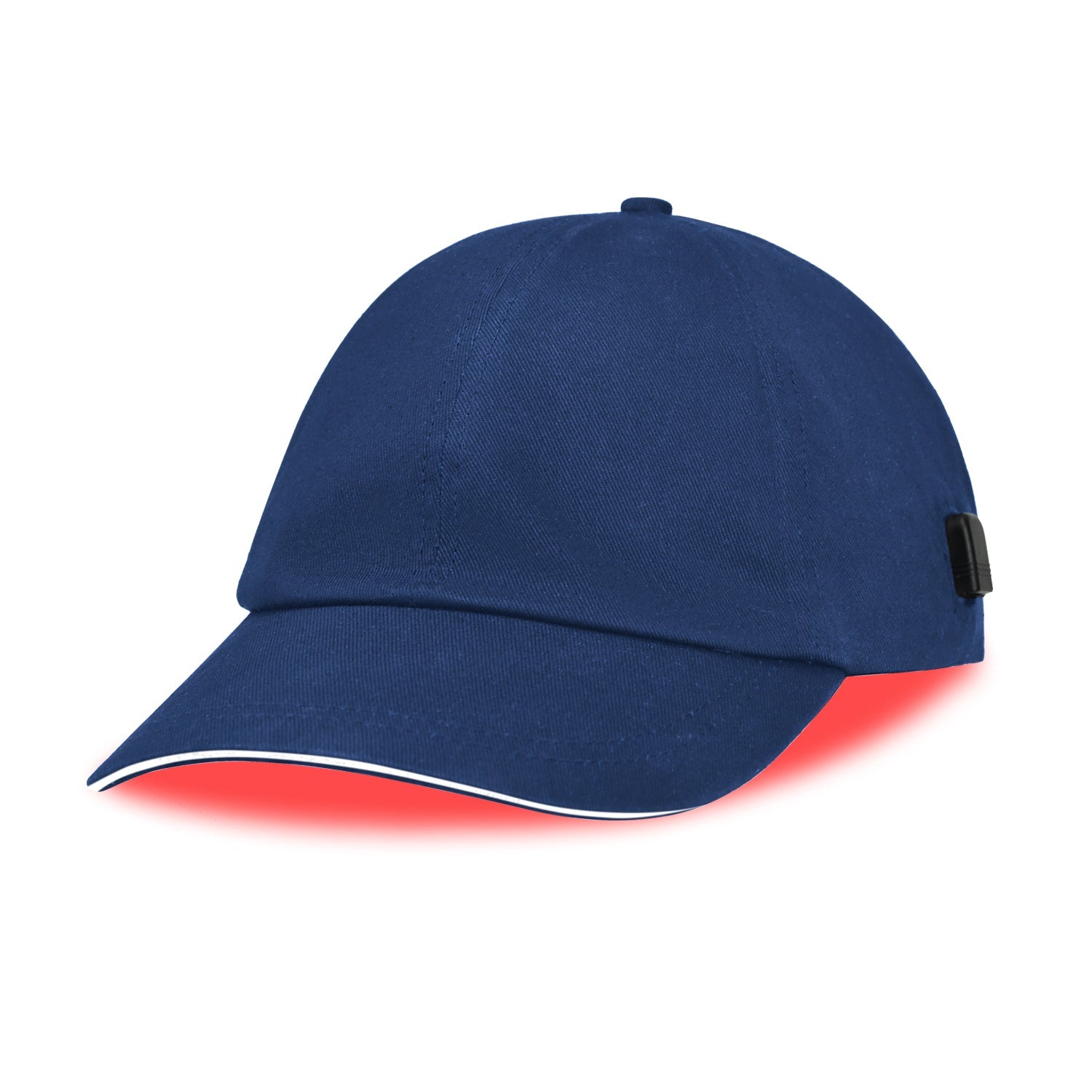
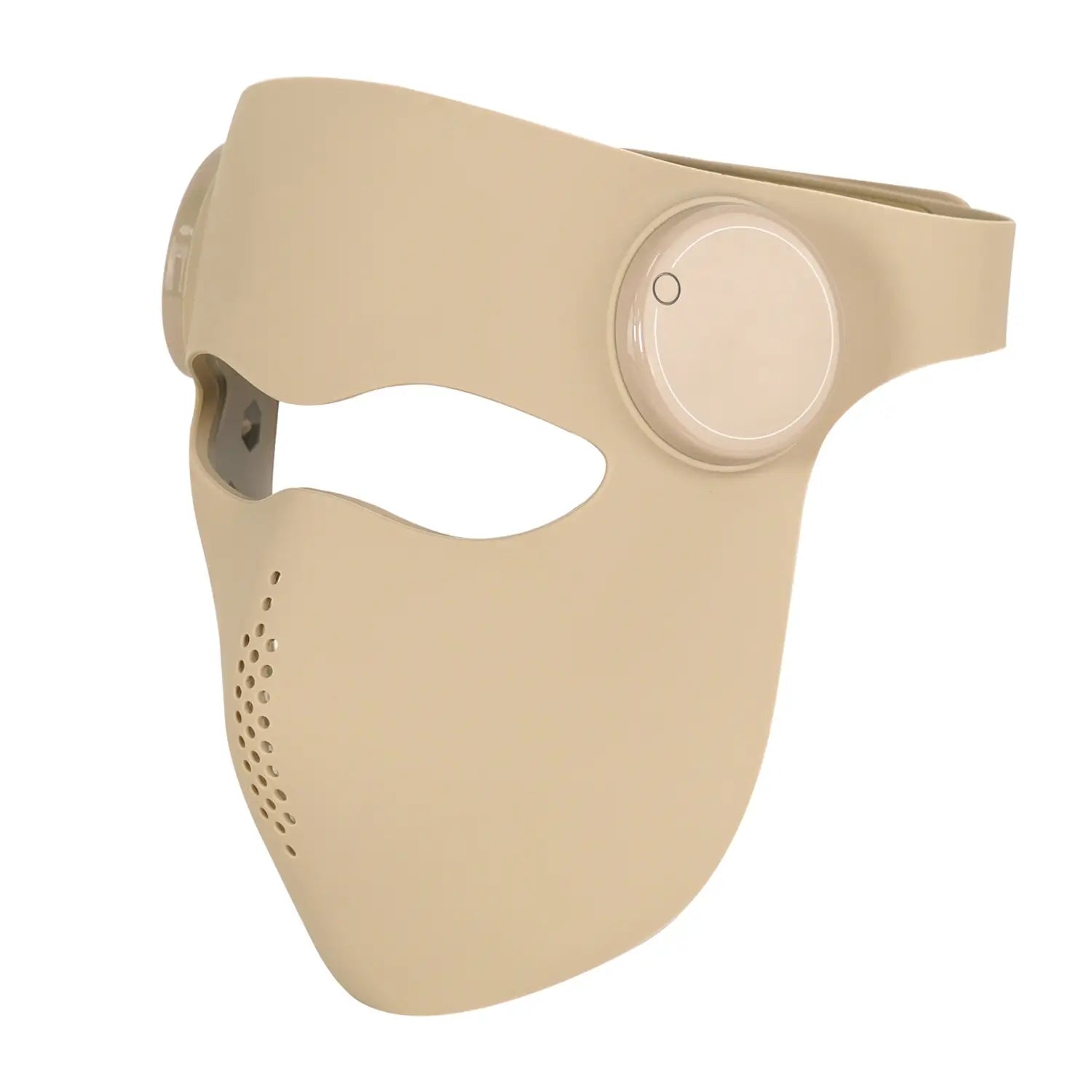
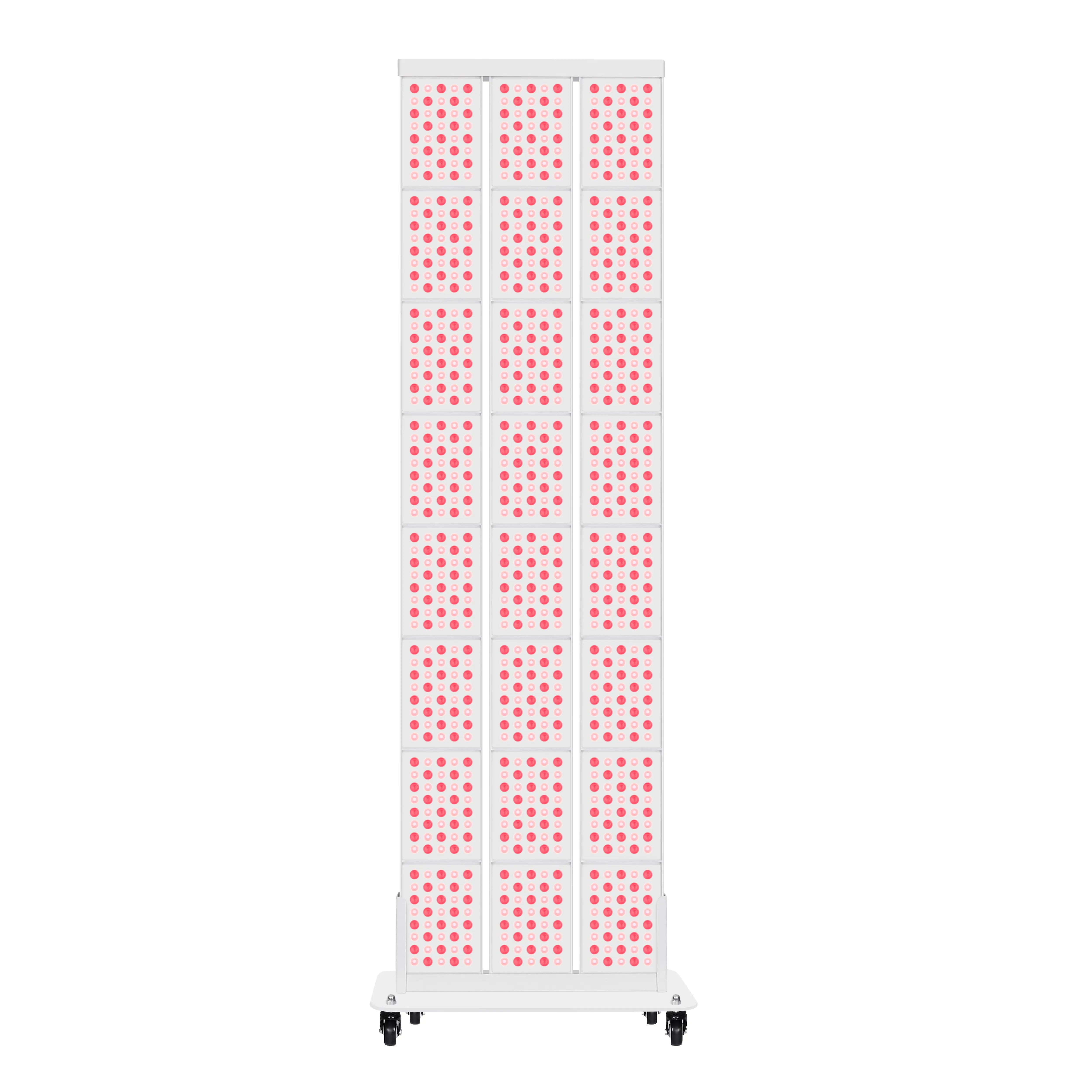
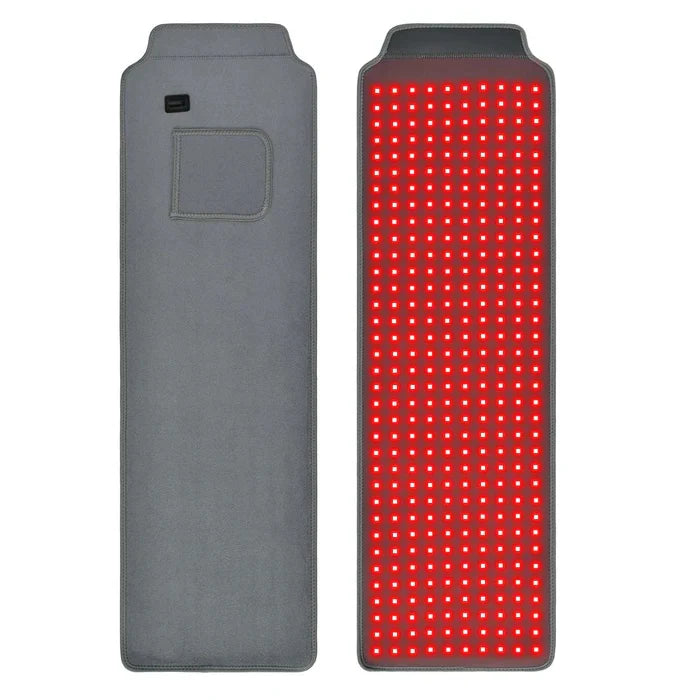
When athletes and coaches talk about red light therapy today, they are usually referring to LED panels, clusters, or pads that emit these therapeutic wavelengths at low intensity, held close to the body for about 5–20 minutes per area, several times per week. That basic template shows up consistently in sources such as Physio‑Pedia, Leredd’s athlete guidance summary, and clinical practice write‑ups from physical therapy centers.

What a Warm-Up Is Really Doing
Before we talk about red light as a warm-up tool, it helps to understand what an effective warm-up is actually supposed to accomplish.
A good warm-up raises local muscle temperature and blood flow, increases the rate at which nerves fire, makes connective tissues more pliable, and prepares your cardiovascular system and brain for the stress that is coming. In practice this usually means gradually increasing movement intensity with dynamic drills that target the joints and muscles you plan to use.
Traditional warm-ups do this through movement and, often, a bit of sweat. Red light approaches the same goal from a different angle: by increasing cellular energy availability and microcirculation in the tissue before you load it. The question is whether that cellular “pre‑conditioning” translates into better performance and less damage when you actually start working.

How Red Light Influences Warm-Up Physiology
Mechanistic papers on photobiomodulation, including a detailed review on the anti‑inflammatory effects of red and near‑infrared light, describe a consistent cascade of events when therapeutic light hits muscle tissue.
First, photons are absorbed by mitochondrial chromophores such as cytochrome c oxidase. This increases ATP production and, in many stressed tissues, improves mitochondrial membrane potential. For a muscle that is about to contract repeatedly under load, having more ATP available and more efficient mitochondria is exactly what you want.
Second, red and near‑infrared light modulate nitric oxide. In simple terms, nitric oxide dilates blood vessels. City Fitness, Huelight USA, and multiple medical providers describe how red light promotes vasodilation, improving circulation so more oxygen and nutrients reach working muscle. That is directly relevant to warm-up, since increased local blood flow is one of the primary goals of pre‑exercise preparation.
Third, red light gently influences reactive oxygen species and inflammatory pathways. The mechanistic review in photobiomodulation notes that at appropriate doses, normal cells experience a short, controlled burst of reactive oxygen signals that activates beneficial stress-response pathways, while already inflamed or oxidatively stressed cells often show a reduction in damaging oxidative markers and inflammatory mediators. Sports-focused reviews, including a human muscle photobiomodulation review that analyzed 46 studies, link these effects to reduced muscle damage markers like creatine kinase and C‑reactive protein when light is used around exercise.
Finally, there is the biphasic dose response. That same mechanistic literature shows that red light follows an “inverted U” pattern: there is a sweet spot where benefits peak, and doses much higher than that can blunt or even reverse benefits at the cellular level. One review gives an example where an 810‑nanometer dose around 3 joules per square centimeter was helpful, while a ten‑fold higher dose reduced mitochondrial function below baseline. This is one of the key reasons I am conservative when I coach people on pre‑exercise protocols: more light is not always better light.
Taken together, the mechanisms make sense as a “deeper warm-up.” Red light can raise ATP availability, improve oxygen use, enhance blood flow, and modulate inflammatory signaling in the tissues you are about to stress. The next question is whether experiments in humans actually show better performance or protection when light is applied before exercise.
What the Research Says About Pre-Exercise Red Light
Strength and Power Sessions
One of the most obvious use cases for red light warm-up is resistance training. Several trials summarized in Athletic Lab’s performance article, along with the sports photobiomodulation review, have looked at pre‑exercise light exposure on strength outcomes.
In young men engaged in strength training, low‑level laser or LED therapy applied to the working muscles before sessions has repeatedly produced greater improvements in strength and muscle size compared with training alone. A trial cited by Athletic Lab, using an 808‑nanometer protocol, reported significantly larger strength gains in the group receiving red light compared with controls. Another study referenced there found increased fatigue resistance when red light was applied during rest intervals between sets, meaning athletes could perform more repetitions before failure in a max‑rep test.
The 2016 randomized trial highlighted by Athletic Lab and the broader muscle PBM review looked specifically at timing. Applying red/near‑infrared light before strength training improved strength gains compared with placebo, while other timing strategies were less consistent. This aligns with the idea of using light as a true warm-up or pre‑conditioning step, not something you tack on randomly.
However, even here, there are caveats. Examine’s evidence review on red light and exercise performance points out that nearly all of the strongest strength and hypertrophy findings come from a small number of research groups, often working with young, male volleyball players. Sample sizes are modest, and protocols vary widely in dose, wavelength, and exact positioning. That means we should interpret the positive data as promising but not definitive.
Endurance and High-Intensity Efforts
For endurance and high-intensity interval work, the picture is similar: encouraging but inconsistent.
A treadmill training trial summarized by Athletic Lab and corroborated by Examine used red and near‑infrared light before and after endurance sessions. The light‑therapy group improved endurance roughly three times faster than the control group doing the same treadmill program without light. In other words, when light was layered onto standard endurance training, adaptations appeared to come more quickly in that specific experiment.
The human muscle PBM review notes that pre‑conditioning protocols on lower-limb muscles sometimes increased time to exhaustion, total work output, or running time compared with sham treatments. Therabody’s performance overview echoes this, citing evidence that light therapy can increase time to exhaustion and improve metabolite clearance, delaying fatigue.
At the same time, the Examine review and Stanford Medicine both emphasize that results for anaerobic and endurance performance are not consistently positive across trials. Some studies show clear improvements; others show little or no difference between light and placebo, even when using similar wavelengths. Different devices, dosing, and muscle groups likely explain some of this variability.
The takeaway for a warm-up context is simple: there is reasonably good evidence that pre‑exercise red light can improve performance in certain endurance and high‑intensity scenarios, but you should expect small, context‑dependent benefits rather than guaranteed breakthroughs.
Muscle Damage and Soreness
Many athletes are interested in red light warm-up because they hope it will prevent or reduce delayed‑onset muscle soreness. Here the story is more nuanced.
A study cited by Athletic Lab and Physio‑Pedia found that applying low‑level laser therapy before a bout of eccentric exercise reduced markers of muscle damage and preserved muscle function compared with control. Eccentric work is known for provoking pronounced soreness, so this is notable.
However, a systematic review and meta‑analysis of 15 studies and 317 participants, also summarized in Athletic Lab’s notes, concluded that evidence for meaningful reductions in delayed‑onset soreness is not strong enough to draw firm conclusions. Examine’s review echoes this, stating that the overall data suggest red light does not reliably reduce post‑exercise soreness in the days after a workout.
The broader PBM review supports this mixed picture: some trials report reduced soreness and better preservation of isometric strength when light is applied before or after damaging exercise, while others show minimal differences.
In practical terms, I encourage people to treat soreness reduction as a possible bonus, not the primary reason to use red light in a warm-up. The more consistent benefits are in performance metrics and biochemical markers of damage, rather than how sore you feel two days later.
Younger vs Older Athletes
An important nuance from Examine’s analysis is that age and training status matter. In younger men, especially those who are already training, adding pre‑exercise red light appears to amplify strength and hypertrophy gains in several trials. But in older men following similar protocols, the same approach did not produce clear additional benefits beyond training alone. In older women, applying red light after strength sessions did not improve strength outcomes, and effects on muscle size were not reported.
On the clinic side, City Fitness and other providers highlight older or “mature” athletes as good candidates for red light because of its joint‑supporting and anti‑inflammatory effects. That likely applies more to pain, joint comfort, and mobility than to maximal strength gains.
So if you are a younger, resistance‑trained individual, the performance payoff from red light warm-up may be bigger. If you are older, the main benefits may center on how your joints feel and how well you tolerate training, more than on extra pounds on the bar.
How Solid Is the Evidence?
The human muscle photobiomodulation review, Examine, Stanford Medicine, and WebMD all converge on the same bottom line: red light therapy is promising, but the evidence base is still young.
There are dozens of randomized and controlled trials showing statistically significant improvements in performance, muscle damage markers, or recovery when light is used before or around exercise. There are also trials that show no meaningful benefit, even with similar wavelengths. Studies often have small sample sizes, focus on narrow populations, and use heterogeneous doses and devices, making it difficult to define an “optimal” protocol.
Experts quoted by Stanford Medicine and University Hospitals advise seeing red light as an emerging adjunct, not a cure‑all. That is exactly how I treat it in practice: as a potentially valuable, low‑risk lever you can add to a well‑built training, nutrition, and sleep foundation.

Turning Science into Practice: Using Red Light as Part of Your Warm-Up
The good news is that, despite the variability in research protocols, there is clear convergence on some practical patterns for pre‑exercise use.
Sports clinics like Physical Achievement Center describe using red and near‑infrared light about 15–30 minutes before intense training or competition to “prime” muscles at the cellular level. Devices are positioned close to the body, typically a short distance from the skin, for roughly 10–20 minutes per treatment area. Athletic Lab notes that the light system in their recovery room is capped at 20 minutes because benefits appear to plateau beyond that. Leredd’s athlete-oriented guidance and Physio‑Pedia’s recovery overview both mention typical sessions lasting about 5–20 minutes, repeated several times per week.
Putting that together with the biphasic dose data, a smart starting point for a warm-up routine is brief, targeted, and consistent rather than marathon sessions. Position the light so it covers the primary muscle groups and joints you plan to load, and aim for a moderate exposure before you start your dynamic drills.
Here is a concise way to think about timing and focus, distilled from Athletic Lab, Physical Achievement Center, Polltopastern, and other athlete-focused sources:
Training goal |
When to use red light relative to exercise |
Emphasis in warm-up use |
Max strength / power |
Immediately before lifting |
Target main movers and joints for that session |
Endurance / intervals |
Before, and sometimes also after sessions |
Focus on legs and hips; post‑session use leans into recovery |
Mobility / stiffness |
Before low‑ to moderate‑intensity work |
Focus on chronically tight areas to improve comfort and motion |
Notice that in every case, red light is a layer, not a replacement. You still need to move. My own sessions and those of the athletes I work with always transition from red light straight into dynamic warm-ups, activation drills, and progressively heavier sets.

Pros and Cons of Red-Light Warm-Up
From a veteran optimizer’s perspective, red light warm-up has a distinctive profile: low physiological risk, modest but real performance upside for some people, and a handful of nontrivial trade‑offs.
On the upside, there is solid mechanistic rationale and a growing body of human trials showing that pre‑exercise red and near‑infrared light can increase time to exhaustion, improve repetition performance, preserve force production, and blunt rises in muscle damage markers in certain contexts. Multiple sources, from Physio‑Pedia to Therabody’s performance overview, describe reduced delayed‑onset soreness and faster recovery, and while the DOMS evidence is mixed, many people anecdotally feel “looser” and less stiff when they combine light with active warm-ups. For older athletes or those with recurring joint discomfort, the anti‑inflammatory, vasodilatory, and pain‑modulating effects described in University Hospitals, WebMD, and Gundersen Health articles can make training more comfortable and sustainable.
Red light warm-up is also non‑invasive and generally well tolerated. Reviews on red light therapy by WebMD and academic sources note that side effects are usually mild and transient, such as temporary redness or warmth, when devices are used as directed. There is no UV exposure, and serious adverse effects are rare in the literature when appropriate intensities and eye protection are used.
On the downside, the evidence is far from definitive. Performance benefits are not universal, and several trials, including those summarized by Examine and the human PBM review, show minimal differences between light and placebo. Devices capable of delivering research‑like doses to large muscle groups are not cheap. University Hospitals notes that home units start under about a hundred dollars but more advanced systems can run into the hundreds or thousands, and in‑clinic sessions add recurring cost.
There are also practical constraints. You need time before your workout to set up and use the device, and that time may not be available before every early-morning run or lunch‑hour lifting session. Dose matters: the biphasic response described in photobiomodulation research means that doing much more than recommended may reduce benefits or cause irritation. And finally, certain populations need medical guidance or should avoid use altogether. WebMD and Polltopastern both caution people with photosensitive conditions, those on photosensitizing medications, and pregnant individuals to consult a physician before using these devices, and to protect the eyes during treatment.
Building a Warm-Up That Stacks Red Light with Movement
The biggest mistake I see is people trying to make red light their whole warm-up. That is a recipe for disappointment. Think of red light as the primer coat, not the full paint job.
For a strength session, I like a sequence where you expose the prime movers to light, then go straight into your usual ramp-up sets. For example, if you are squatting and deadlifting, you might expose quads, hamstrings, and hips to red and near‑infrared light for around 10–15 minutes in total shortly before training. You then move directly into dynamic hip and ankle drills, bodyweight squats, and gradually heavier sets. The goal is for the last light photons to hit your tissue not long before you begin loading it, capitalizing on the pre‑conditioning effects documented in strength studies.
For interval or tempo running, pre‑exercise light can be directed at calves, hamstrings, quads, and glutes, again for a short, targeted exposure. From there, shift into easy jogging, technique drills, and short strides. The treadmill study that saw faster endurance gains used light both before and after workouts, so if you have time and a recovery focus, you can repeat a brief exposure post‑session to support tissue repair and inflammation control.
If your primary issue is stiffness or joint discomfort, particularly if you are older or dealing with chronic pain, combining red light with low‑intensity movement can be a powerful combination. Physical therapy clinics and Pilates studios that offer red light often encourage patients to use it right before mobility or reformer sessions. The added blood flow, collagen stimulation, and mild analgesic effect can make it easier to move into new ranges of motion while still respecting load and technique.
Regardless of the specific routine, the most important principles are consistency and feedback. Stick with one protocol long enough to judge its effects, track performance and soreness, and adjust session length or distance to the device if you are not seeing changes.
Choosing and Using Devices for Warm-Up
The research briefs and clinic write‑ups in this evidence set point toward a few practical device considerations for warm-up purposes.
First, you want a device that emits the relevant wavelengths. Across sources like Huelight USA, Therabody, Physio‑Pedia, and Therabody’s technical guidance, red light in the 630–700 nanometer range and near‑infrared light around 800–900 nanometers appear most consistently in protocols for muscle and joint applications. Devices that combine both allow you to target superficial and deeper tissues at the same time.
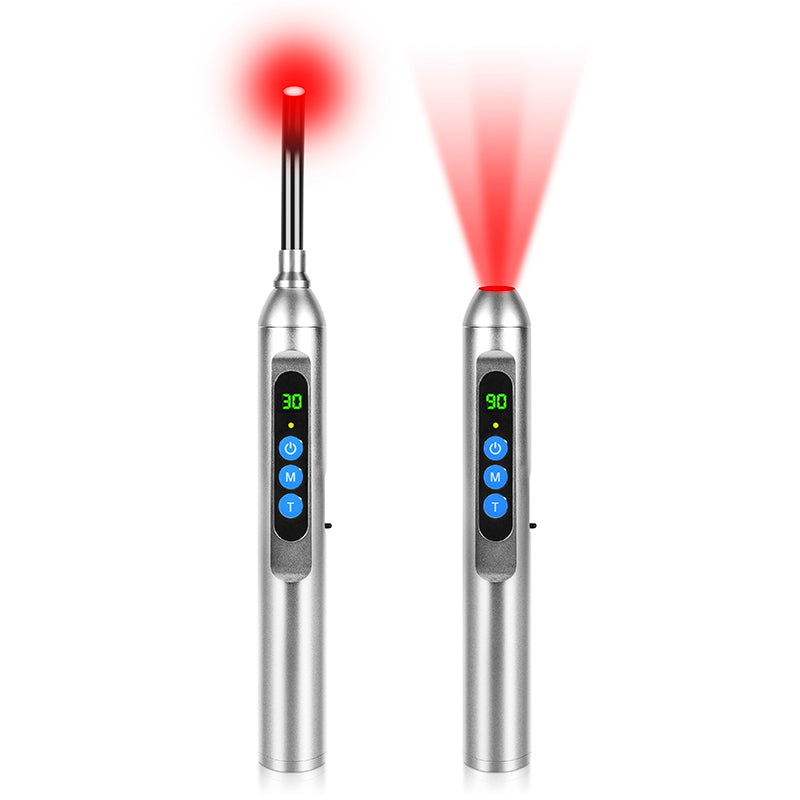
Second, coverage and intensity matter. For warm-up, large LED panels or clusters have the advantage of covering whole muscle groups, matching what many studies did with multi‑site irradiation. Athlete‑oriented articles from Huelight USA and Leredd emphasize professional‑grade panels or full‑body chambers for this reason. Handheld devices can work for small areas but are less efficient if you are trying to prime both legs before a run.
Third, pay attention to treatment time and manufacturer guidance. Common research‑aligned ranges are about 5–20 minutes per area at irradiances in the tens of milliwatts per square centimeter, several times per week. Athletic Lab adds a practical heuristic by limiting their in‑gym unit to 20 minutes, treating that as a point of diminishing returns. Devices that promise massive benefits with only a few seconds of exposure per large area are not aligned with the dosing ranges described in the photobiomodulation literature.
Finally, safety and realism matter. Look for devices that are clearly labeled with wavelength and power information and that have safety certifications appropriate to your region. WebMD and University Hospitals strongly recommend following instructions exactly, wearing eye protection when treating near the face, and resisting “cure‑all” marketing claims. Remember that many devices are cleared by regulators for temporary pain relief or improved circulation, not for guaranteed performance enhancement.
Frequently Asked Questions About Red Light Warm-Up
Does red light therapy replace a traditional warm-up?
No. Red light therapy is best viewed as a complement to, not a replacement for, movement-based warm-ups. The studies showing improved performance or reduced muscle damage markers almost always used light in addition to standard exercise protocols, not instead of them. You still need dynamic drills, progressive loading, and sport‑specific rehearsal to fully prepare your nervous system and connective tissues.
How long before a workout should I use red light?
Sports clinics such as Physical Achievement Center recommend applying red and near‑infrared light about 15–30 minutes before intense training. Many research protocols apply light immediately before the exercise bout, with sessions lasting roughly 5–20 minutes depending on area and device. In practice, I aim for a window where your light session finishes just as you begin your dynamic warm-up, so the cellular effects are ramping up as you start moving.
Will red light warm-up keep me from getting sore?
It might help, but you should not count on it as a soreness shield. Some trials report lower muscle damage markers and less loss of strength or range of motion when light is used before eccentric exercise, but a meta‑analysis of 15 studies found that evidence for meaningfully reduced delayed‑onset soreness is not strong enough to be conclusive. Expect performance and recovery to improve first, and treat soreness relief as a possible bonus.
Is it safe to use red light every day before training?
For most healthy people, using red light at recommended doses appears low risk. Medical reviews from WebMD and University Hospitals describe red light therapy as generally safe with mild, transient side effects when used appropriately. That said, the biphasic dose response means chronic overuse is not wise. People with photosensitive conditions, those on photosensitizing medications, pregnant individuals, and anyone with serious health issues should talk with a physician before starting, and everyone should follow device instructions and use eye protection when needed.

Final Thoughts from a Light Therapy Geek
If you love stacking small advantages, red light warm-up is worth your attention. The mechanisms make sense, the human data are promising enough to move past “gimmick” status, and the risk profile is favorable when you respect dose and safety. At the same time, the strongest science still belongs to the basics: well‑designed training, protein‑rich nutrition, intelligent load management, and deep, regular sleep.
My stance, after years of experimenting on myself and watching athletes do the same, is simple. Use red and near‑infrared light as a precise, modest lever: short, targeted sessions just before you move, always followed by a great dynamic warm-up and smart training. Do that consistently, track your performance and how your body feels, and you will know whether this particular tool deserves a permanent place in your pre‑exercise ritual.
References
- https://digitalcommons.cedarville.edu/cgi/viewcontent.cgi?article=1013&context=education_theses
- https://pmc.ncbi.nlm.nih.gov/articles/PMC5167494/
- https://med.stanford.edu/news/insights/2025/02/red-light-therapy-skin-hair-medical-clinics.html
- https://www.mainlinehealth.org/blog/what-is-red-light-therapy
- https://www.gundersenhealth.org/health-wellness/aging-well/exploring-the-benefits-of-red-light-therapy
- https://www.uhhospitals.org/blog/articles/2025/06/what-you-should-know-about-red-light-therapy
- https://www.physio-pedia.com/Red_Light_Therapy_and_Muscle_Recovery
- https://www.athleticlab.com/red-light-therapy-for-athletes/
- https://cityfitness.com/archives/36400
- https://www.drjamrozek.com/how-does-red-light-therapy-work/