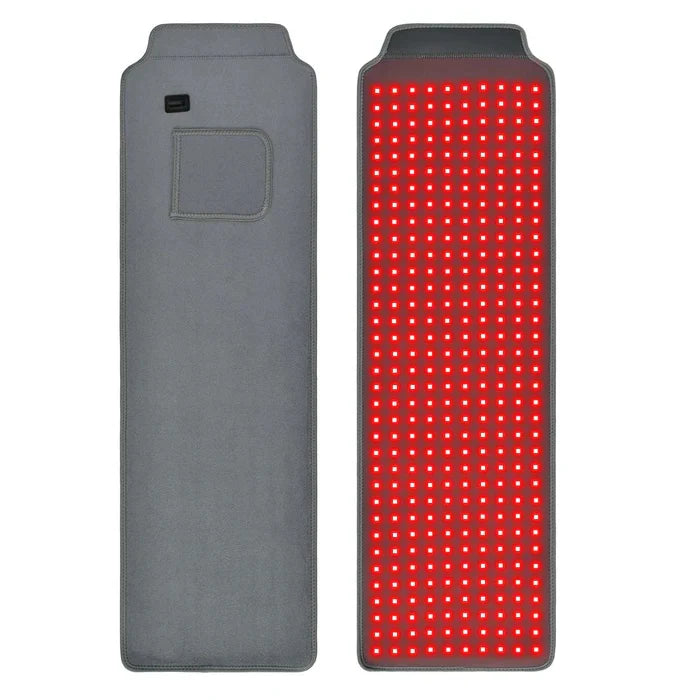

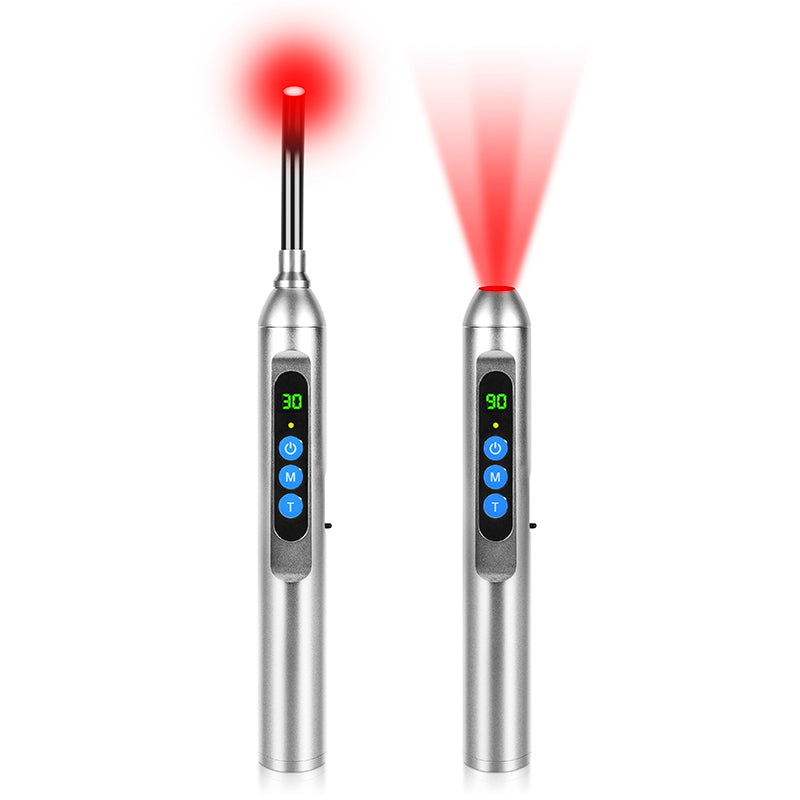

As someone who has spent years testing light panels, tweaking routines, and reading way too many dermatology papers for fun, I want to be blunt from the start: if your skin is painfully dry, red light therapy can be a helpful adjunct, but it is not the hero of this story. The real heroes are very unsexy things like lukewarm showers, thick moisturizers, petroleum jelly, humidifiers, and sunscreen.
The research notes you provided from major medical and dermatology sources are clear on this point. They go deep on moisturizers, cleansers, barrier‑repair ingredients, lifestyle changes, and prescription creams. None of them put red light therapy on the front line for dry skin. That tells us a lot about where the evidence actually is.
In this article, I will first ground us in what dry skin really is and how experts treat it. Then I will bridge into how red light therapy might fit around that core routine, where it may help indirectly, and where its limits are. Think of this as a light‑therapy geek’s integration guide, not a miracle‑device sales pitch.
Dry Skin 101: What Is Actually Going Wrong?
Dry skin is not just “thirsty” skin; it is barrier‑damaged skin.
Dermatology sources like Cleveland Clinic, Johns Hopkins Medicine, Harvard Health, MedlinePlus, and the American Academy of Dermatology describe dry skin (often called xerosis) as a condition where the outer layer of your skin loses too much water and oil. When that barrier weakens, water escapes more easily and irritants get in. The result is rough, tight, itchy, and sometimes painful skin that may flake, crack, or even bleed.
Dryness can show up as a dull or ashy look, especially on darker skin tones. It often hits the hands, arms, and lower legs hardest, but your face, lips, and pretty much anywhere on your body can be affected. Many people feel the tightness most clearly right after a shower or face wash, when water has temporarily swelled the surface and then evaporated.
Why Dry Skin Is So Common
The notes paint a consistent picture: dry skin is extremely common, especially with age and in winter.
Cleveland Clinic points out that oil production drops sharply around age 40, and by about age 60 most people have some level of dryness. Harvard Health and Johns Hopkins highlight “winter itch,” where cold outdoor air plus heated indoor air drastically lowers humidity. One UC Davis source estimates that water loss through the skin’s outer layer can jump by roughly a quarter during winter conditions because of this humidity drop.
On top of the weather, other drivers show up again and again across the sources:
Environmental and habit triggers include frequent hot showers or baths, harsh soaps and detergents, chlorine in pools, wind, and low‑humidity indoor environments.
Product and treatment triggers include deodorant or antibacterial soaps, alcohol‑based products, some retinoids, and over‑exfoliation.
Internal contributors include aging, genetics, hormone changes, diabetes, kidney disease, thyroid disease, and certain medications like diuretics, statins, chemotherapy agents, and more.
Chronic skin conditions such as eczema (atopic dermatitis), seborrheic dermatitis, and psoriasis create ongoing dryness and scaling by definition.
Lifestyle factors such as smoking and heavy alcohol intake can also make everything worse.
Most of this has nothing to do with how much water you drink in a day and everything to do with what is happening at the skin surface and barrier.
How Dermatologists Actually Fix Dry Skin
Before we plug in a light panel, it is crucial to understand what the evidence‑based backbone of dry‑skin care looks like. Across the notes from Cleveland Clinic, Johns Hopkins, Mayo Clinic, Harvard Health, MedlinePlus, the American Academy of Dermatology, and others, the strategy is remarkably consistent.
Shower and Cleansing Habits: First Line Repair
Dermatology organizations place a lot of emphasis on how you wash:
They recommend showering or bathing in warm, not hot, water and keeping it short, roughly in the ballpark of 5 to 10 minutes. Long, hot showers strip away the natural oils that help trap moisture in your skin.
They advise using gentle, fragrance‑free cleansers or soap‑free washes. Deodorant bars, antibacterial soaps, and alcohol‑heavy products are repeatedly flagged as drying and irritating.
They suggest patting your skin dry instead of rubbing vigorously with a towel. Rubbing adds mechanical damage on top of a weakened barrier.
The pattern is simple but powerful: stop stripping the barrier if you want it to heal.
Moisturizers, Occlusives, and Barrier‑Building Ingredients
Next comes what I would call “heavy artillery lotion,” which is where most of the notes spend their time.
A recurring message from Harvard Health, Johns Hopkins, Mayo Clinic, and Cleveland Clinic is to moisturize immediately after bathing—ideally within a few minutes while skin is still slightly damp. That captures surface water and reduces evaporation.
They strongly favor thicker creams and ointments over thin lotions. Lotions are mostly water and evaporate quickly; creams and ointments form more of a seal.
Three ingredient categories are especially important.
Humectants such as glycerin and hyaluronic acid pull water into the outer skin layers. Several notes emphasize that hyaluronic acid levels decline with age and environmental stress, making topical forms very useful.
Emollients like shea butter and certain plant oils soften and smooth the skin, filling microscopic gaps between cells so the surface feels less rough.
Occlusives such as petrolatum (petroleum jelly), mineral oil, lanolin, and dimethicone create a physical barrier that slows down water loss into the air. Harvard Health and Mayo Clinic both highlight petroleum jelly and mineral oil as extremely effective, inexpensive options for very dry skin when applied to damp skin.
Some sources, including CeraVe’s ingredient guide and multiple dermatology clinics, call out ceramides as key lipids in the barrier. Products that combine ceramides with humectants like hyaluronic acid often do a good job of restoring and maintaining barrier integrity.
The Cleveland Clinic and MedlinePlus notes also mention short‑term use of mild steroid creams for itching or inflammation and occasional use of lactic acid or urea to gently dissolve thick, scaly areas, always with caution to avoid irritation.
Lifestyle and Environment: The “Invisible” Moisturizers
If you only change products but ignore your environment, you are fighting uphill.
UC Davis, Harvard Health, and others repeatedly recommend using a humidifier in dry indoor environments, especially in winter. For many people, running a cool‑mist unit in the bedroom at night dramatically reduces overnight moisture loss.
They recommend protecting your skin from harsh weather with clothing and from UV radiation with sunscreen of at least SPF 30. This is not just about skin cancer; chronic UV exposure damages and thins the barrier and makes dryness worse over time.
Several notes advise limiting alcohol, caffeine, and very salty foods because they promote dehydration, and they encourage plenty of water and antioxidant‑rich foods to support overall skin health from the inside out.
When Dry Skin Is a Red Flag
Almost every medical source in your notes emphasizes that persistent or severe dryness can signal more than “just dry skin.”
Warning signs that require medical evaluation include severe itch that disrupts sleep, redness that does not settle, areas that look infected (red, warm, swollen, oozing), deep cracks or fissures that bleed, or widespread dryness combined with systemic symptoms like fatigue or joint pain.
Conditions like eczema, psoriasis, diabetes, kidney disease, and thyroid disorders can all show up as stubborn dryness. Dermatologists and primary care clinicians use those clues to look deeper than the surface.
This matters for the rest of the discussion: if dry skin is a symptom of an underlying disease, red light therapy will never be a sufficient answer by itself.

So Where Does Red Light Therapy Come In?
Let us pivot to the light.
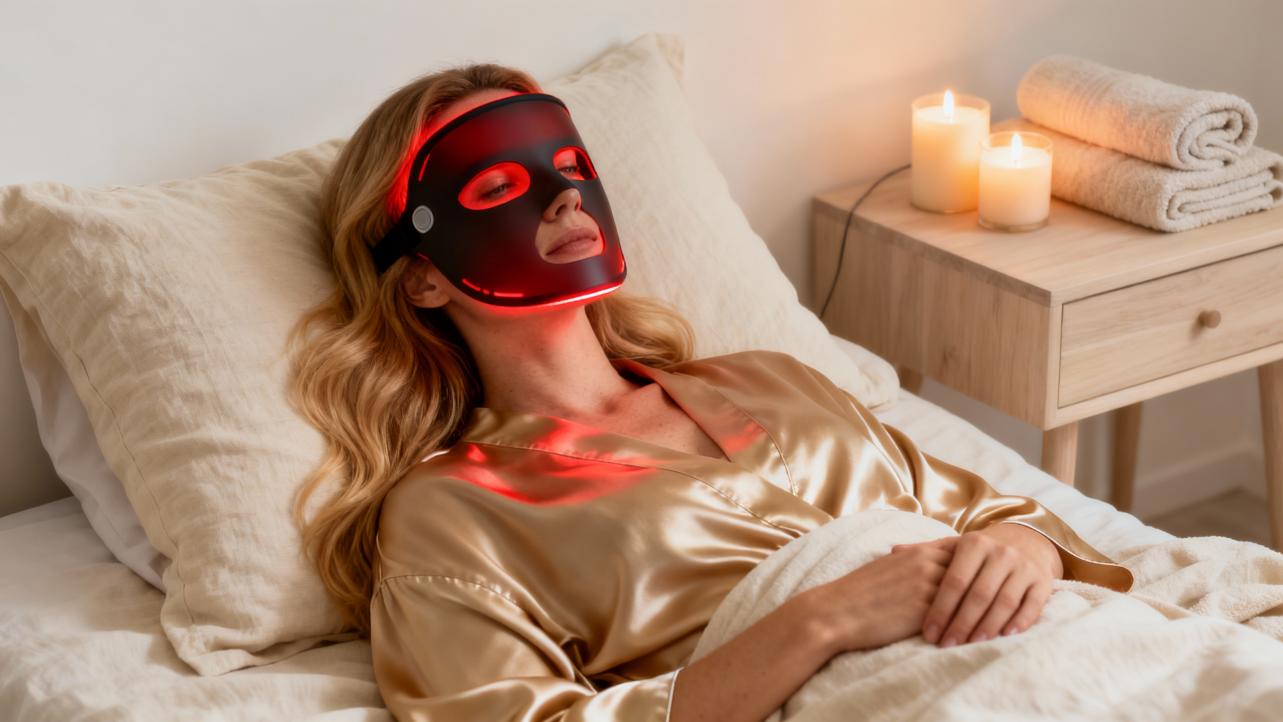
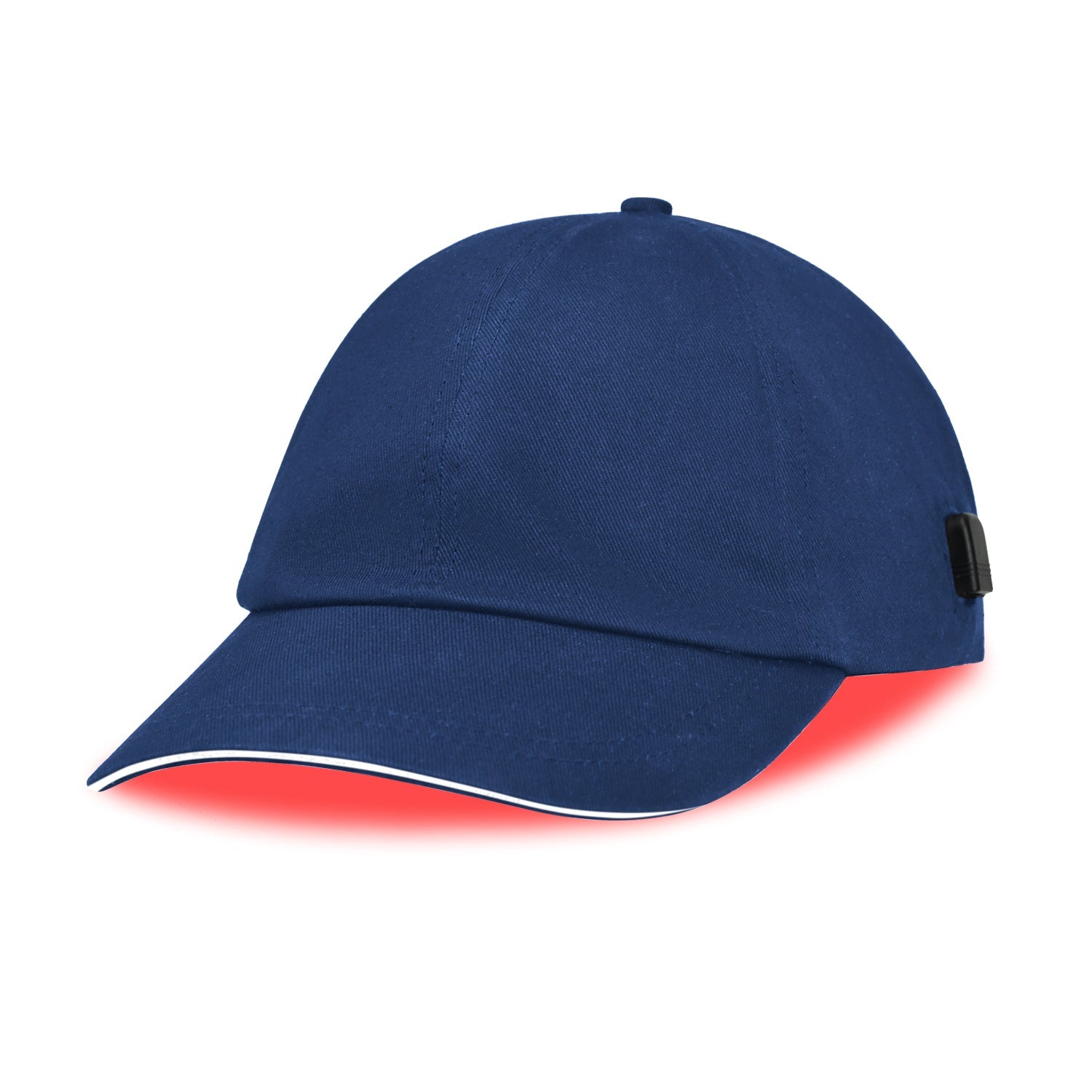
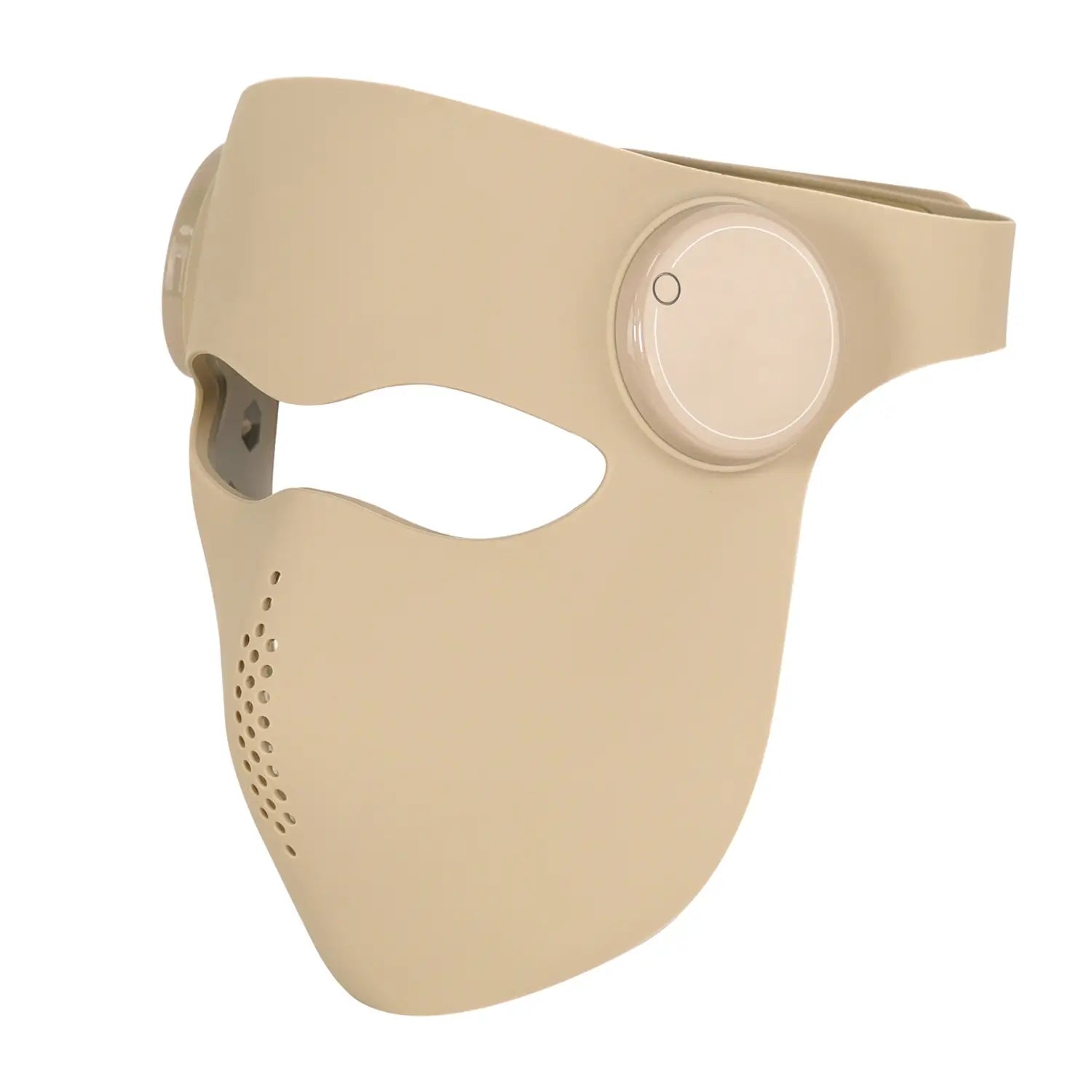
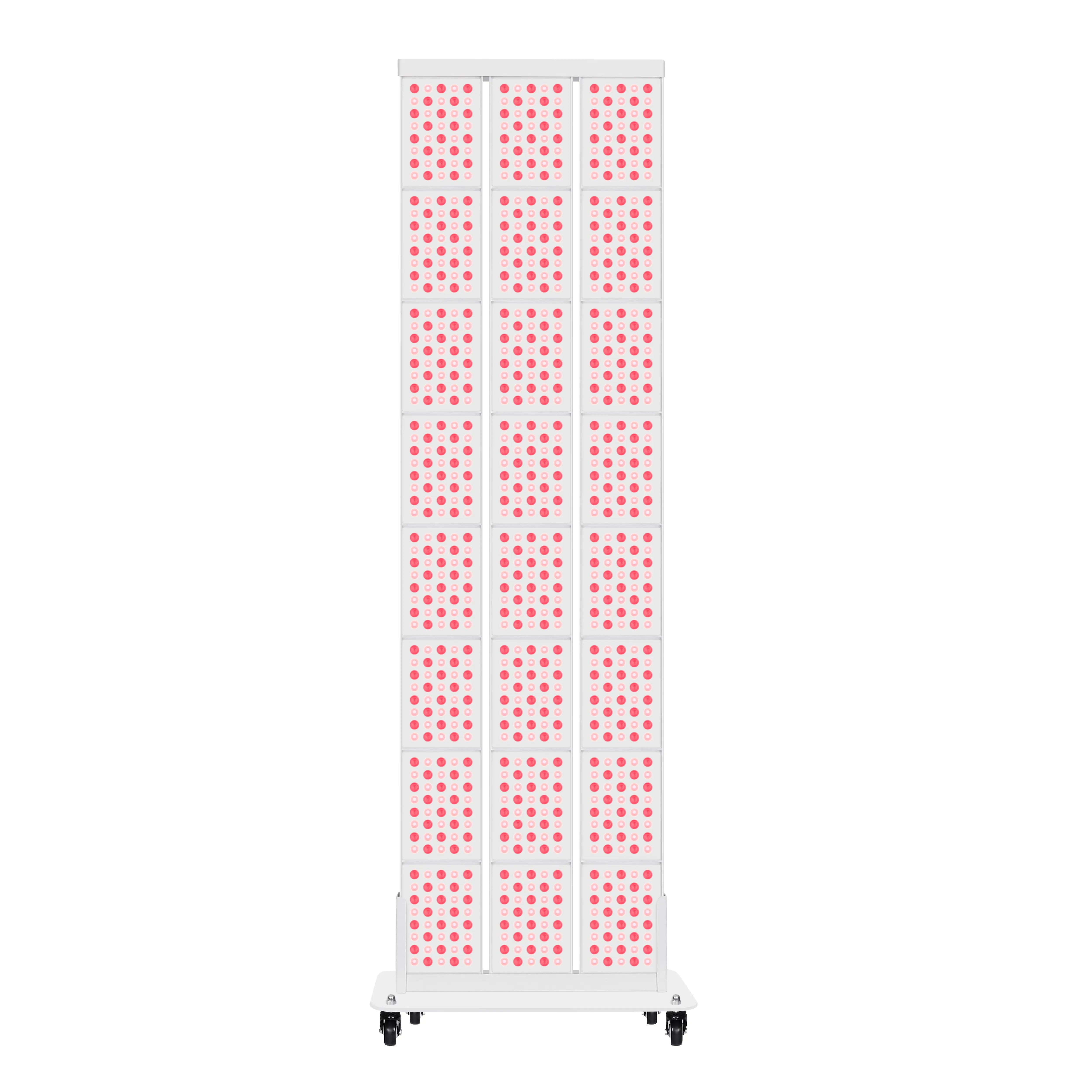
Red light therapy, often called low‑level light therapy or photobiomodulation, typically uses visible red and sometimes near‑infrared light at low intensities. Unlike high‑energy lasers used in ablative resurfacing or photodynamic therapy, these devices are designed not to heat or damage tissue, but to nudge cellular processes.
In the broader dermatology and biohacking world, red light is used for things like reducing fine lines, supporting wound healing, easing joint discomfort, and in some cases modulating inflammatory conditions such as acne or eczema. The core idea is that certain wavelengths can be absorbed by components in your mitochondria, particularly cytochrome c oxidase, which leads to increased cellular energy (ATP), changes in reactive oxygen signaling, and downstream shifts in inflammation and tissue repair.
Here is the critical observation from your dry‑skin notes: major clinical sources devoted to dry skin from Cleveland Clinic, Johns Hopkins, Harvard Health, MedlinePlus, the American Academy of Dermatology, Mayo Clinic, and others do not mention red light therapy as a standard treatment for dry skin. When they talk about light‑based therapies, it is usually in the context of photodynamic therapy or laser resurfacing for precancerous lesions and severe photoaging, not for straightforward dryness.
That does not mean red light therapy has no effect on dry or eczema‑prone skin; it simply means that, in the evidence summaries these institutions provide for patients, barrier care and moisturizers dominate the conversation.

How Red Light Therapy Could Influence Dry Skin Indirectly
Even though the notes focus on moisturizers, they give us enough context about dry skin biology to reason about where red light might fit.
Dry skin is fundamentally a barrier and inflammation problem. The barrier is thinner, less lipid‑rich, and more permeable, and the underlying tissue is often slightly inflamed from irritants breaking through. Several of your sources, including CeraVe’s ingredient guide and multiple dermatology clinics, emphasize ingredients and strategies that reduce inflammation and reduce transepidermal water loss.
The broader research on red light therapy in dermatology, outside of these specific dry‑skin notes, suggests a few plausible ways it might help:
By slightly improving microcirculation, red light may enhance delivery of nutrients and oxygen to skin cells that are trying to repair a damaged barrier.
By modulating inflammatory signaling, red light may calm low‑grade inflammation around dry, irritated skin, making it feel less itchy or raw.
By influencing fibroblasts and collagen synthesis, red light may support the extracellular matrix that helps anchor and organize the barrier.
What is missing in the notes is any large, robust trial where dry skin (plain xerosis) is the primary target and moisturizers alone are compared to moisturizers plus red light therapy. That is a key distinction. From a science‑backed standpoint, red light should be viewed as a potential supportive tool layered on top of the proven basics, not as a replacement.

Pros and Cons of Red Light Therapy for Dry Skin Conditions
To put this in perspective, it is useful to place red light therapy side by side with what the clinical notes emphasize. The table below is based on those dry‑skin sources plus my experience working with people who use light devices responsibly.
Aspect |
Potential Upside for Dry Skin |
Realistic Limitations and Risks |
Skin barrier and texture |
May support tissue repair and soften texture over time, especially when paired with moisturizers |
No direct barrier effect like an occlusive; cannot trap water by itself |
Itch and irritation |
Some people with inflammatory skin conditions report less itch and redness after consistent use |
Evidence is limited and indirect for plain dry skin; results vary widely |
Compatibility with moisturizers |
Can be combined with emollients, humectants, and occlusives for additive benefit |
Using occlusive products before light can block some penetration; timing matters |
Safety profile |
Non‑invasive and generally well tolerated when used as directed |
Overuse or devices with excessive intensity can cause irritation or rebound redness |
Cost and practicality |
Home panels allow regular use without clinic visits |
Quality devices can be pricey; consistency is required for any effect |
Role in overall treatment |
Useful adjunct for biohackers who already have strong barrier routines |
Not mentioned as core therapy in major dermatology patient guides for dry skin |
From an optimizer’s perspective, the best argument for red light therapy in dry skin is not that it “moisturizes” you. It does not. The best argument is that it might make your skin a better healing environment while the heavy‑hitting moisturizers, occlusives, and lifestyle changes do the primary work.

How to Integrate Red Light Therapy into a Dry Skin Routine
If you decide to experiment with red light therapy for dry skin, the smartest move is to build it onto a dermatologist‑style routine rather than use it instead of one. This is how I structure it when I am helping people fine‑tune their routines within an evidence‑based framework.
Step One: Stabilize the Barrier First
Before you worry about wavelengths, lock in the basics that your notes emphasize again and again.
Make showers and baths warm instead of hot, and keep them reasonably short. Use a gentle, fragrance‑free cleanser for the face and body. Avoid aggressive scrubs and limit exfoliation, especially if your skin is already stinging or burning.
Right after washing, pat the skin dry and immediately apply a rich moisturizer or cream that combines humectants like glycerin or hyaluronic acid with emollients and possibly ceramides. For very dry patches, dermatology sources repeatedly recommend a thin layer of petroleum jelly as an occlusive, either as a spot treatment or as part of “slugging” at night.
If your environment is dry, especially in winter, run a humidifier in the rooms where you spend the most time, particularly the bedroom.
If you have any red flags—bleeding cracks, signs of infection, severe itch that keeps you up at night, or suspicion of eczema or psoriasis—get evaluated by a dermatologist or primary care clinician before layering in gadgets.
Once that foundation is in place and your skin is not acutely inflamed, red light therapy becomes more appropriate.
Step Two: Timing and Skin Prep Around Light Sessions
In practice, timing matters because moisturizers and occlusives can change how much light reaches the skin.
A simple approach is to cleanse the area gently, pat it dry, and wait a few minutes so you are not treating dripping‑wet skin. Then perform your red light session on relatively clean, product‑free skin. After the session, apply your barrier‑repair products—creams, oils, and occlusives—to trap moisture and support recovery.
For the face, many people like to schedule this in the evening, after a gentle cleanse but before their richer night cream and any spot occlusion with petroleum jelly. For hands or legs, it can be an evening ritual after a shower.
The key is to avoid putting thick occlusive layers on before the light, because they can reflect or absorb some of the photons you are trying to deliver.
Step Three: Consistency and Dose
The dry‑skin notes you provided do not specify red light parameters, and mainstream dermatology guides for dryness do not yet incorporate them, so we have to borrow from general photobiomodulation practice.
Most home protocols for skin use low‑intensity red light several times per week rather than intense sessions once in a while. Consistency often matters more than raw power. Since there are no dry‑skin specific parameters outlined in your notes, a conservative, skin‑friendly approach is wise: shorter sessions, moderate intensity, and gradual progression while you watch for any signs of irritation or increased redness.
Because there is no strong dry‑skin‑only trial data in the materials you shared, any aggressive, high‑dose protocol would be more experiment than evidence‑based therapy. This is a classic zone where working with a dermatologist who understands both photobiomodulation and barrier disease would be ideal.
Step Four: Lock in Moisture After the Light
Immediately after your session, go back to what all of your sources agree on: moisturize.
Use a cream or ointment rich in humectants and emollients, and for severely dry patches, consider an occlusive top layer like petroleum jelly at night. The Cleveland Clinic, Harvard Health, MedlinePlus, Johns Hopkins, and Mayo Clinic material all align on the value of this approach, with some highlighting petroleum jelly as particularly powerful for winter‑related dryness.
Running a humidifier while you sleep, as UC Davis and others suggest, will help your freshly treated and moisturized skin retain water rather than lose it to dry air overnight.
In other words, treat red light as a prelude that may make your skin slightly more receptive to repair, then immediately follow with the boring but proven steps that rebuild the barrier.

Who Should Be Cautious with Red Light Therapy for Dry Skin?
Given what your notes say about the medical side of dryness, there are clear scenarios where light therapy is not the first move.
If you have undiagnosed, severe, or widespread dryness that has not responded to careful barrier care, you need evaluation for underlying disease rather than more devices.
If your skin is actively cracked, bleeding, or looks infected, you should focus on medical treatment, protective ointments, and sometimes prescription creams first. Adding light to a broken barrier without guidance is not wise.
If you are on medications or have conditions that make your skin unusually sensitive to light, you should talk with a clinician before starting red light therapy.
In all those cases, red light therapy might play a role later, but only after your clinician has defined what is going on and stabilized your skin with the standard tools laid out in the notes.
FAQ: Red Light Therapy and Dry Skin
Does red light therapy actually hydrate dry skin? No. Red light does not add water or oil to your skin and it does not create an occlusive barrier. Hydration still comes from humectants, emollients, and occlusives applied to damp skin, plus environmental control with humidifiers and gentle cleansing habits. At best, red light may support the underlying tissue’s ability to repair and may help calm some inflammation.
Can I use red light therapy instead of moisturizer for my dry skin? Based on your notes from Cleveland Clinic, Johns Hopkins, Harvard Health, AAD, MedlinePlus, Mayo Clinic, and others, the answer is no. Those sources do not treat light therapy as a moisturizer substitute and instead prioritize thick creams, ointments, and petroleum jelly applied right after bathing. If your barrier is compromised, skipping moisturizers in favor of devices is likely to prolong or worsen dryness.
Is it safe to combine red light therapy with steroid creams or medicated treatments for eczema‑type dryness? This is a conversation to have with your dermatologist. The notes show that dermatologists sometimes use topical steroids, calcineurin inhibitors, and other treatments for dry, inflamed skin, and they may also use higher‑intensity light therapies like photodynamic therapy or lasers for specific conditions. Whether your particular medicated regimen can be combined with low‑level red light depends on diagnosis, skin type, and the exact products and devices involved.
When I put on my “light therapy geek” hat and line it up against the dry‑skin research you shared, I see red light as a smart secondary lever. It is something you add once your showers are warm instead of hot, your moisturizers and occlusives are dialed in, your indoor air is not desert‑dry, and any underlying disease has been properly addressed. Get the barrier basics ruthlessly right first; then, if you want to optimize, a well‑used red light panel can become a useful, science‑inspired bonus—not the foundation.
References
- https://www.health.harvard.edu/staying-healthy/9-ways-to-banish-dry-skin
- https://www.urmc.rochester.edu/encyclopedia/content?contenttypeid=85&contentid=P00281
- https://medlineplus.gov/ency/patientinstructions/000751.htm
- https://health.ucdavis.edu/blog/cultivating-health/struggling-with-dry-skin-this-winter-check-out-these-tips-to-keep-skin-moisturized/2024/12
- https://health.clevelandclinic.org/treating-dry-skin-on-face
- https://www.hopkinsmedicine.org/health/conditions-and-diseases/dry-skin
- https://www.mayoclinichealthsystem.org/hometown-health/speaking-of-health/what-to-do-about-dry-skin
- https://www.mayoclinic.org/diseases-conditions/dry-skin/diagnosis-treatment/drc-20353891
- https://www.aad.org/public/everyday-care/skin-care-basics/dry/dermatologists-tips-relieve-dry-skin
- https://cskinderm.com/improving-dry-skin-expert-tips-from-clear-skin-dermatology-cosmetic-surgery/