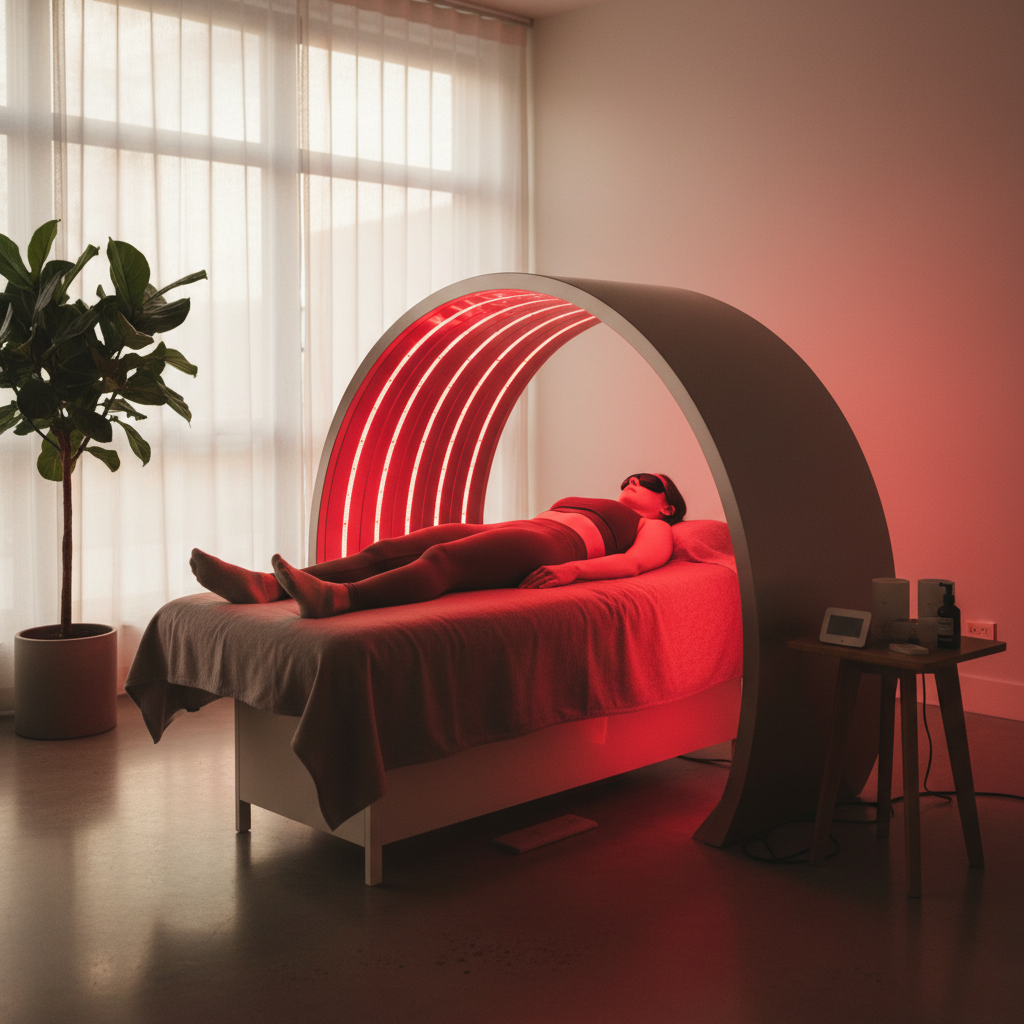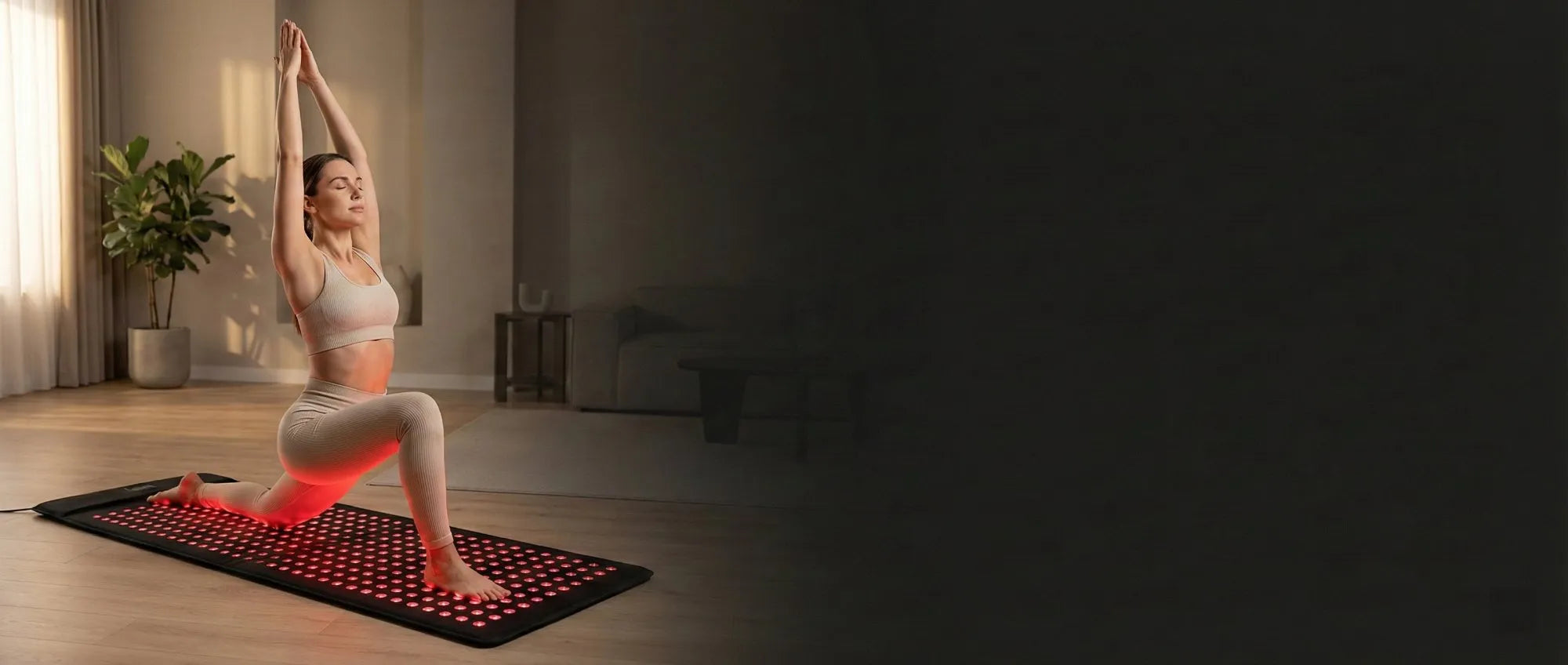
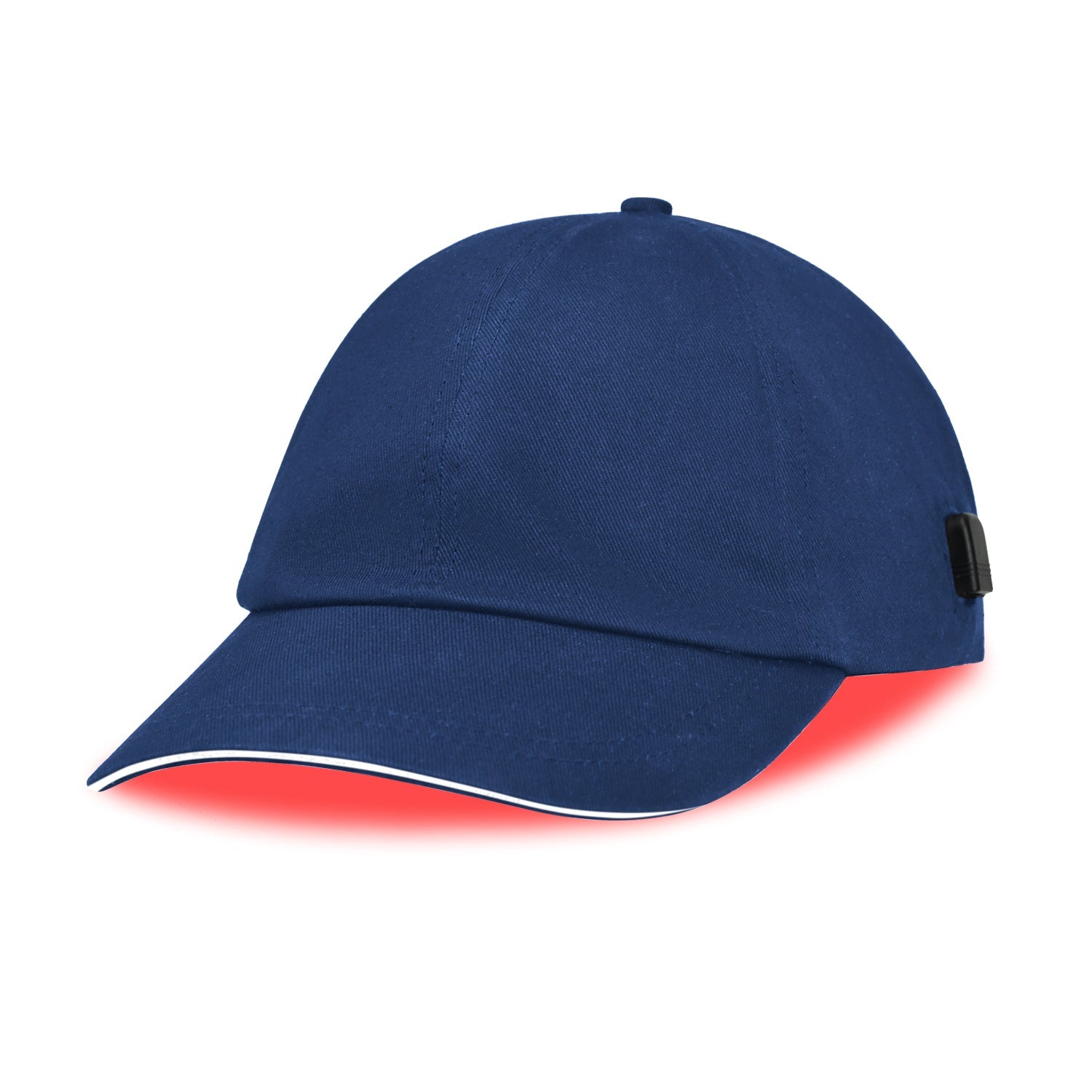
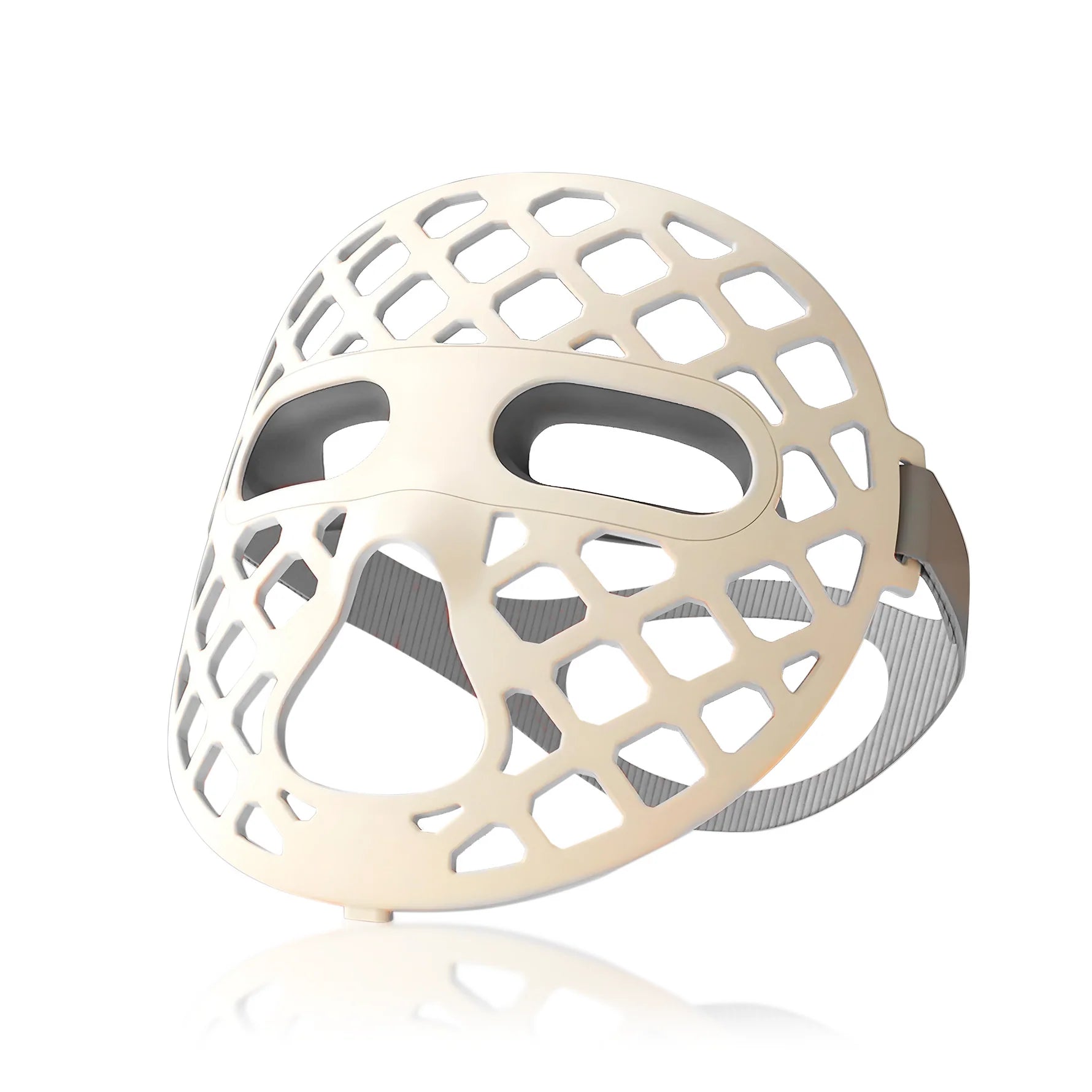
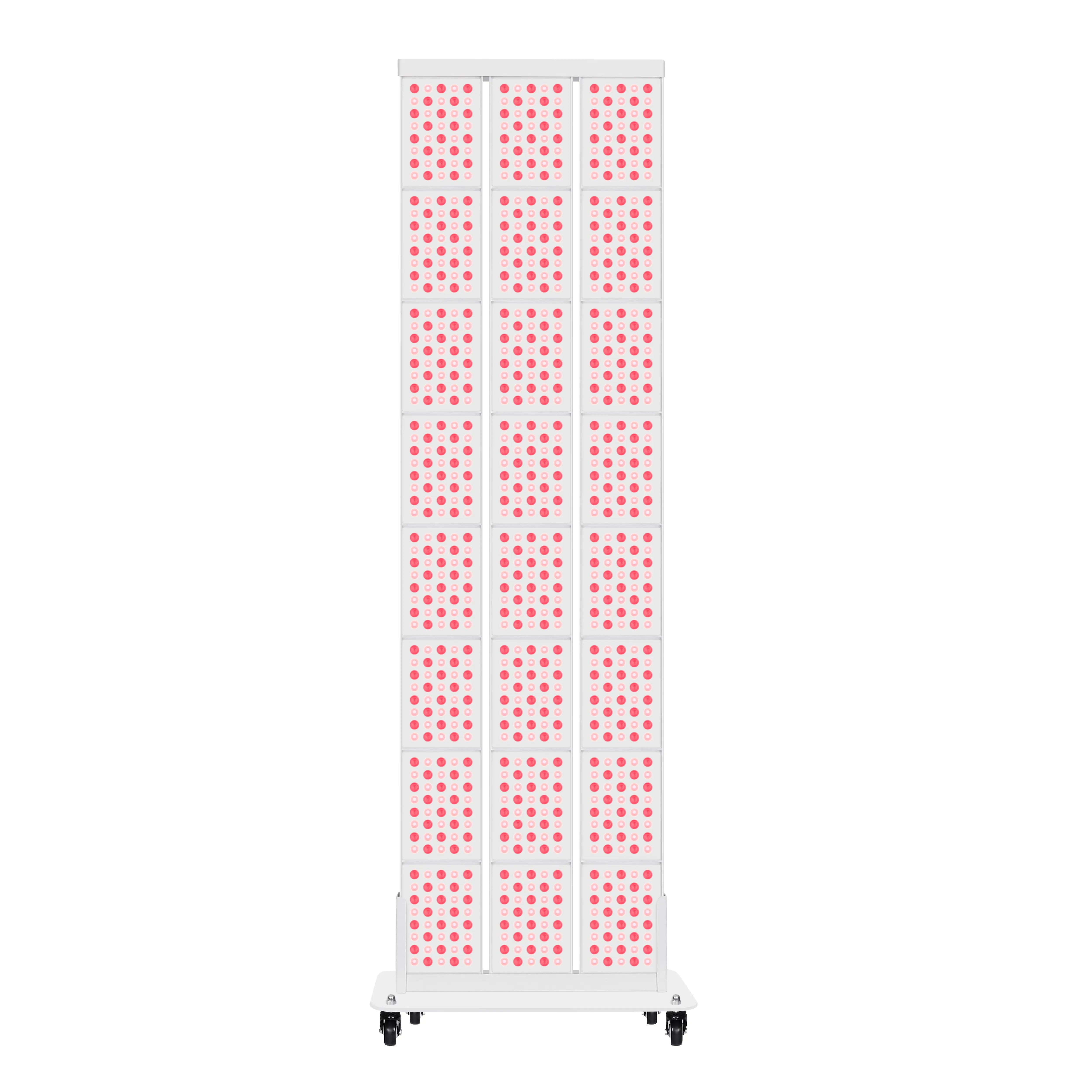
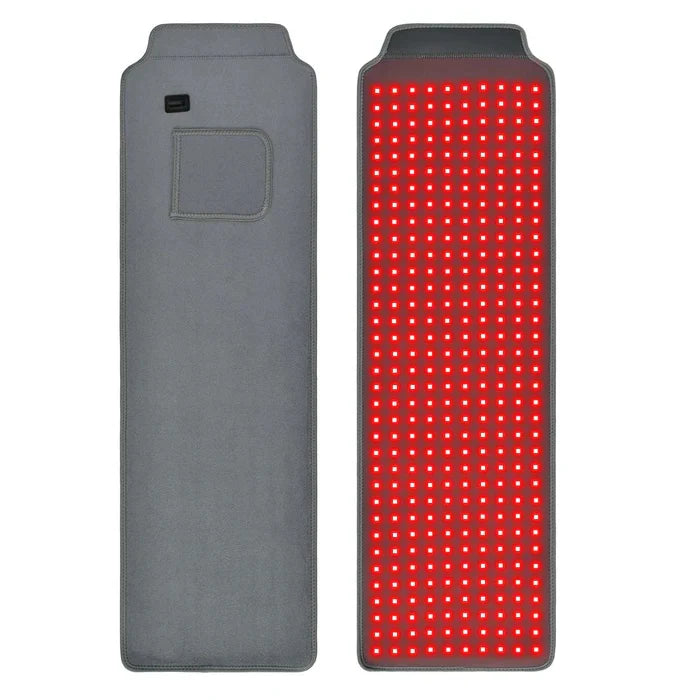
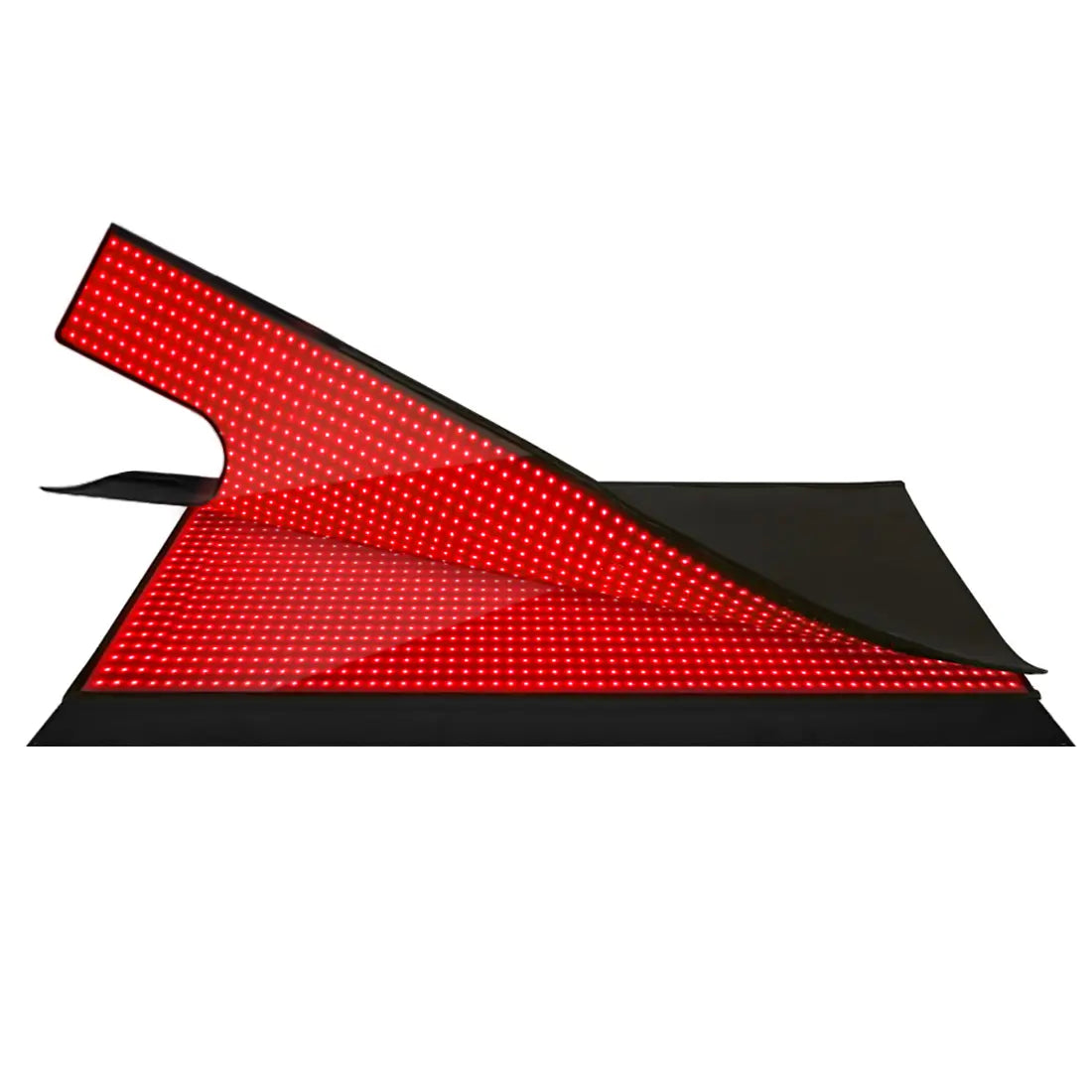
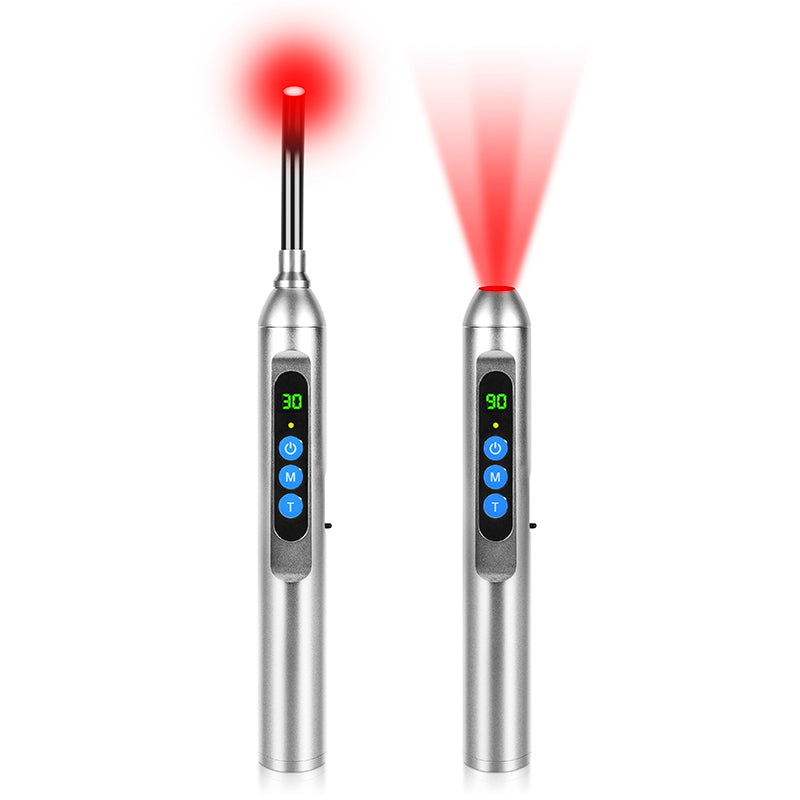

Choosing a high-irradiance, low-EMF red light therapy panel in 2026 means looking past surface-level marketing numbers and focusing on how the device performs at a practical treatment distance while keeping electromagnetic field exposure low. Panels that maintain strong output at 6–12 inches with transparent low-EMF testing at the same distance generally deliver more efficient sessions and greater peace of mind for daily home use.

What Makes a Red Light Therapy Panel Professional-Grade in 2026
Professional-grade red light therapy panels stand apart from consumer models through consistent irradiance at real-world distances, precise wavelength control, low electromagnetic emissions during operation, and durable construction that supports frequent use. While many devices advertise impressive peak numbers, the true test comes when you evaluate performance under conditions that match how you will actually use the panel.
Red and near-infrared light therapy operates as a form of photobiomodulation, where outcomes depend heavily on the delivered dose, wavelength accuracy, and individual response. This means the best panels prioritize measurable consistency over headline specs alone.
Understanding Irradiance: Why Distance Matters More Than Peak Numbers
Irradiance, measured in milliwatts per square centimeter (mW/cm²), tells you the power density of light reaching your skin. The common mistake is trusting surface or zero-distance readings that look exceptionally high but drop sharply as you move back to a comfortable treatment position.

Comparisons are only meaningful when the measurement distance and method are disclosed. A panel claiming 200 mW/cm² at the surface may deliver far less at 12 inches, turning what seems like a premium choice into a longer-session compromise.
More advertised irradiance is not automatically better if test conditions are not comparable. Look for manufacturers who publish irradiance at multiple distances using laboratory-grade spectroradiometers rather than simple solar power meters, which can inflate readings.
Here is how irradiance typically behaves with distance in representative panels:
Irradiance Drops with Distance: Heuristic Comparison
Illustrative irradiance drop-off by measurement distance, showing why surface-level claims can mislead.
View chart data
| Category | Strong panel | Average panel | Distance threshold (100 mW/cm²) |
|---|---|---|---|
| 0 in | 220.0 | 150.0 | 100.0 |
| 6 in | 120.0 | 90.0 | 100.0 |
| 12 in | 80.0 | 60.0 | 100.0 |
| 18 in | 55.0 | 40.0 | 100.0 |
Illustrative heuristic curve based on common review patterns and the article's guidance: strong-output panels may exceed 100 mW/cm² at about 6–12 inches, while surface readings can look much higher than practical-distance performance. Not official test data; values are rounded and intended only to show relative drop-off.
As this illustrative chart shows, a strong panel can maintain useful output above the practical 100 mW/cm² threshold at 6 inches, while average models fall below it more quickly. Always verify the testing method before comparing numbers across brands.
Low-EMF Design: What the Numbers Actually Mean
Electromagnetic fields are produced by the electronics powering any light therapy device. Low-EMF claims need context about field type, distance, and test protocol to be meaningful. A reading taken only at the panel surface or in a specific mode may not reflect real-world exposure during a 10–20 minute session.
Safer panels typically aim for magnetic field readings below 0.3–0.5 milligauss and electric field levels under 10–20 V/m at normal treatment distance. These figures should be measured with the device fully powered on and in the exact configuration you plan to use. Some manufacturers now publish third-party lab reports showing both AC magnetic and electric field measurements at 6 and 12 inches.
EMF claims should be read in context, including field type, distance, and test protocol. For sensitive users or those planning daily full-body sessions, panels with documented low readings at the body position offer clearer safety margins.
Wavelength Precision and Its Impact on Results
The most studied wavelengths for photobiomodulation fall around 660 nm in the red range and 850 nm in the near-infrared range. However, even small shifts can influence how effectively light reaches cellular targets. A 5 nm difference in peak wavelength can meaningfully change absorption by cytochrome c oxidase, the primary photoacceptor in cells.
Professional panels often use tighter wavelength binning and report actual measured peaks rather than broad ranges. This precision helps ensure consistent dosing across sessions and devices. When upgrading from an entry-level panel, check whether the new model specifies wavelength tolerance of ±5 nm or better rather than ±10–20 nm.
For more detail on how minor wavelength shifts affect outcomes, see our guide on the impact of a 5 nm wavelength difference on therapeutic efficacy.
Flicker, Pulsing, and Additional Technical Considerations
Flicker refers to rapid on-off cycling of the LEDs that may not be visible but can still affect comfort and biological response. Panels designed for zero perceptible flicker or that meet IEEE 1789-2015 recommendations for low-frequency modulation tend to feel smoother during longer sessions.
Pulsing at specific frequencies such as 10 Hz or 40 Hz is marketed for different effects, though evidence remains dose- and condition-dependent. A breathing mode that gradually ramps intensity can improve user comfort without compromising total energy delivery.
Build quality also separates professional devices: look for medical-grade components, effective passive cooling that avoids excessive fan noise, sturdy mounting options, and modular designs that support future expansion.
How to Compare Panels: A Practical Checklist
When evaluating competing red light therapy panels, use this structured approach rather than relying on single headline numbers:
- Confirm irradiance is reported at 6 inches, 12 inches, or both, using spectroradiometry rather than solar meters.
- Request or review EMF measurements taken at the exact distance and orientation you will use the panel.
- Check wavelength specifications for actual measured peaks and tolerance ranges.
- Evaluate total coverage area against your treatment goals—larger panels reduce the need for multiple repositionings.
- Assess flicker performance and any pulsing options that align with your intended use.
- Review warranty, component quality, and availability of independent test reports.
A professional-grade panel is better judged by irradiance at a practical distance, wavelength mix, build quality, coverage area, and disclosed EMF testing than by peak-output marketing alone.
Common Myths and Misleading Claims
Several myths continue to circulate in red light therapy marketing:
Myth: Higher irradiance always equals better results. Reality: The number only matters if the measurement distance and setup are comparable. A panel with lower surface numbers but better distance performance can outperform one that drops off quickly.
Myth: Any “low-EMF” label guarantees safety. Reality: The claim is only useful when the test distance, operating mode, and measurement method are clearly stated.
Myth: All panels delivering over 100 mW/cm² feel the same. Reality: Session comfort, wavelength precision, flicker control, and coverage consistency create noticeable differences in daily use.
These misconceptions often lead buyers to overpay for devices that underdeliver in real-world conditions.
When to Choose a High-Irradiance Low-EMF Panel (and When Not To)
The best panel depends on your specific situation. Larger high-irradiance, low-EMF panels usually make sense for full-body routines, daily use, or when you want to minimize session time. Smaller or mid-sized options often provide better value for targeted treatment, occasional use, or space-constrained rooms.
Do not buy a premium panel if you must move it in and out of storage every session, cannot maintain consistent treatment distance, or plan to use it only a few times per week. In those cases, a simpler model may reduce frustration and abandonment risk.
Upgrading from a budget device typically pays off when your main complaints were slow results, uneven coverage, or noticeable EMF or flicker sensations. Athletes recovering from high-intensity training or individuals managing joint discomfort often benefit from stronger, more consistent output.
Buyer Checklist and Final Decision Framework
Before purchasing, run through these checkpoints:
- Does the panel publish irradiance at 6–12 inches using proper measurement tools?
- Are EMF readings provided at the actual treatment distance in the operating mode you will use?
- Does the wavelength specification include tight tolerance and measured peaks?
- Is flicker minimized or eliminated according to recognized guidelines?
- Does the build quality and warranty support years of regular home use?
- Will the coverage area match your primary treatment needs without excessive repositioning?
Panels meeting most of these criteria generally represent the current standard for professional-grade performance in 2026.
Important Note on Health and Safety: This article discusses comfort, setup advice, and technical specifications for red light therapy panels. It does not constitute medical advice, diagnosis, or treatment. Red and near-infrared light therapy outcomes are condition- and dose-dependent. If you have existing eye conditions, are photosensitive, or experience persistent discomfort, consult a qualified healthcare professional before beginning use. Always follow manufacturer safety guidelines and never stare directly into the LEDs.
Red light therapy can feel more comfortable and efficient in well-designed panels, but results vary based on individual factors, room conditions, and consistent use. Take time to verify specifications against your specific needs rather than chasing the highest advertised numbers alone.