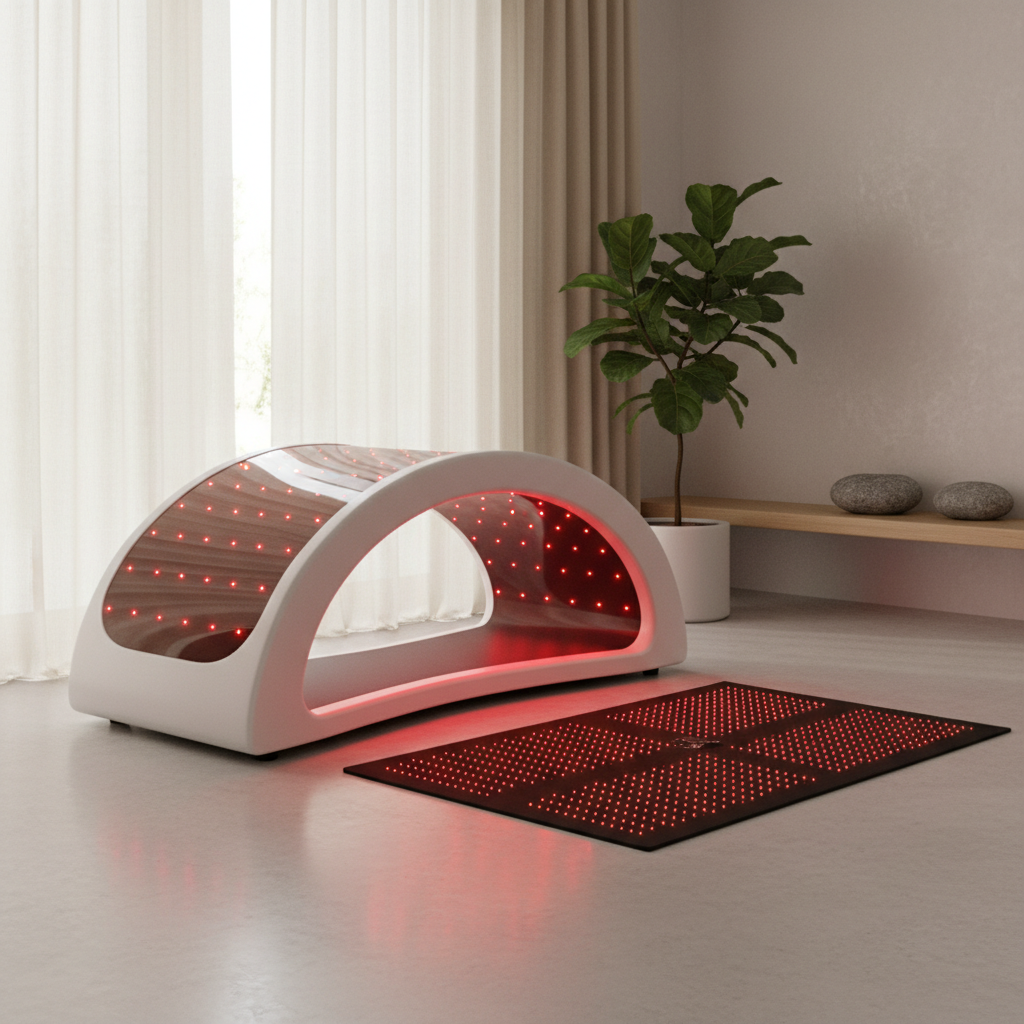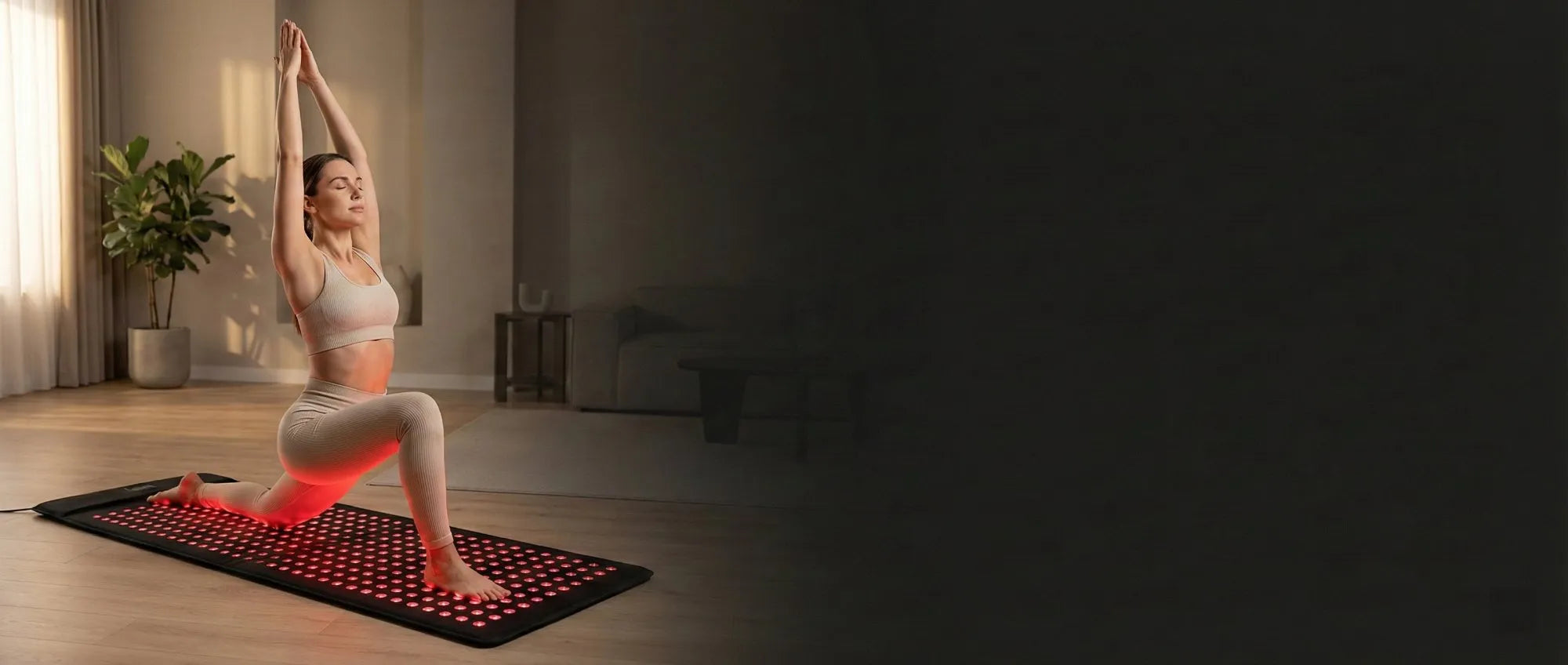
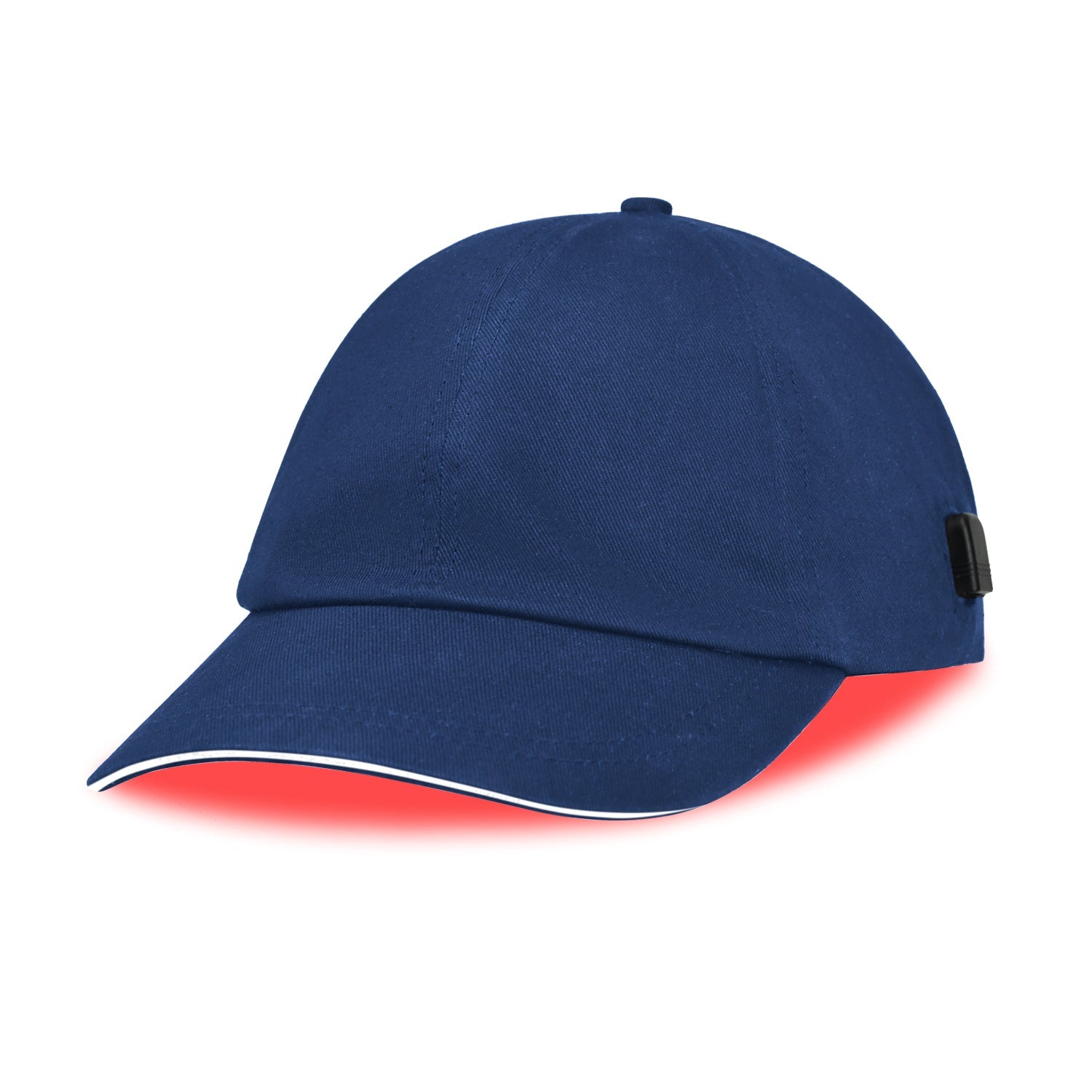
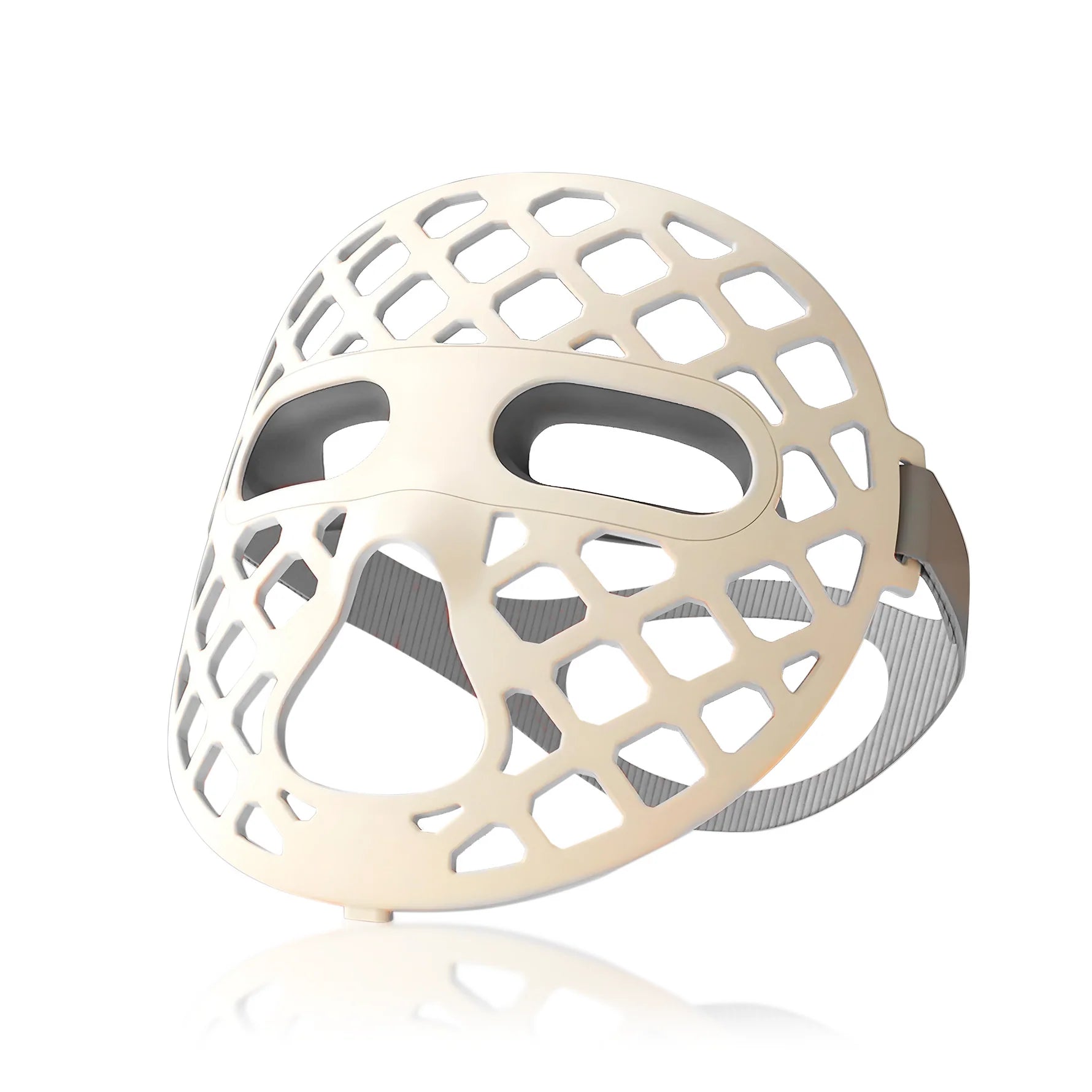
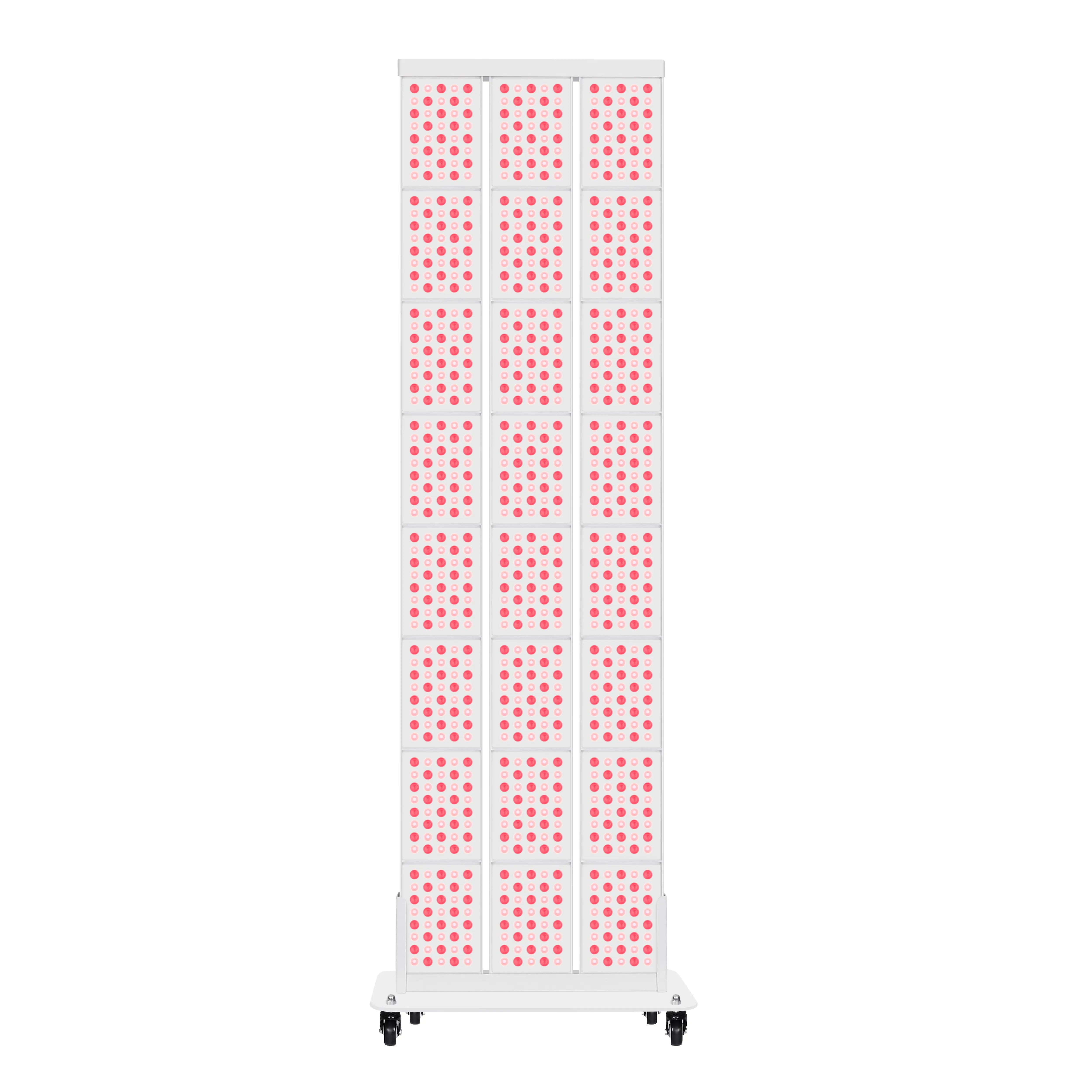
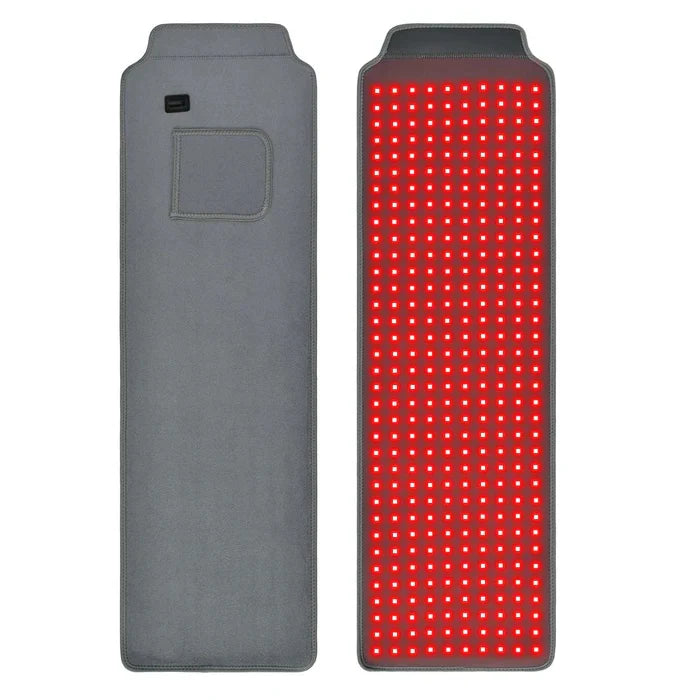
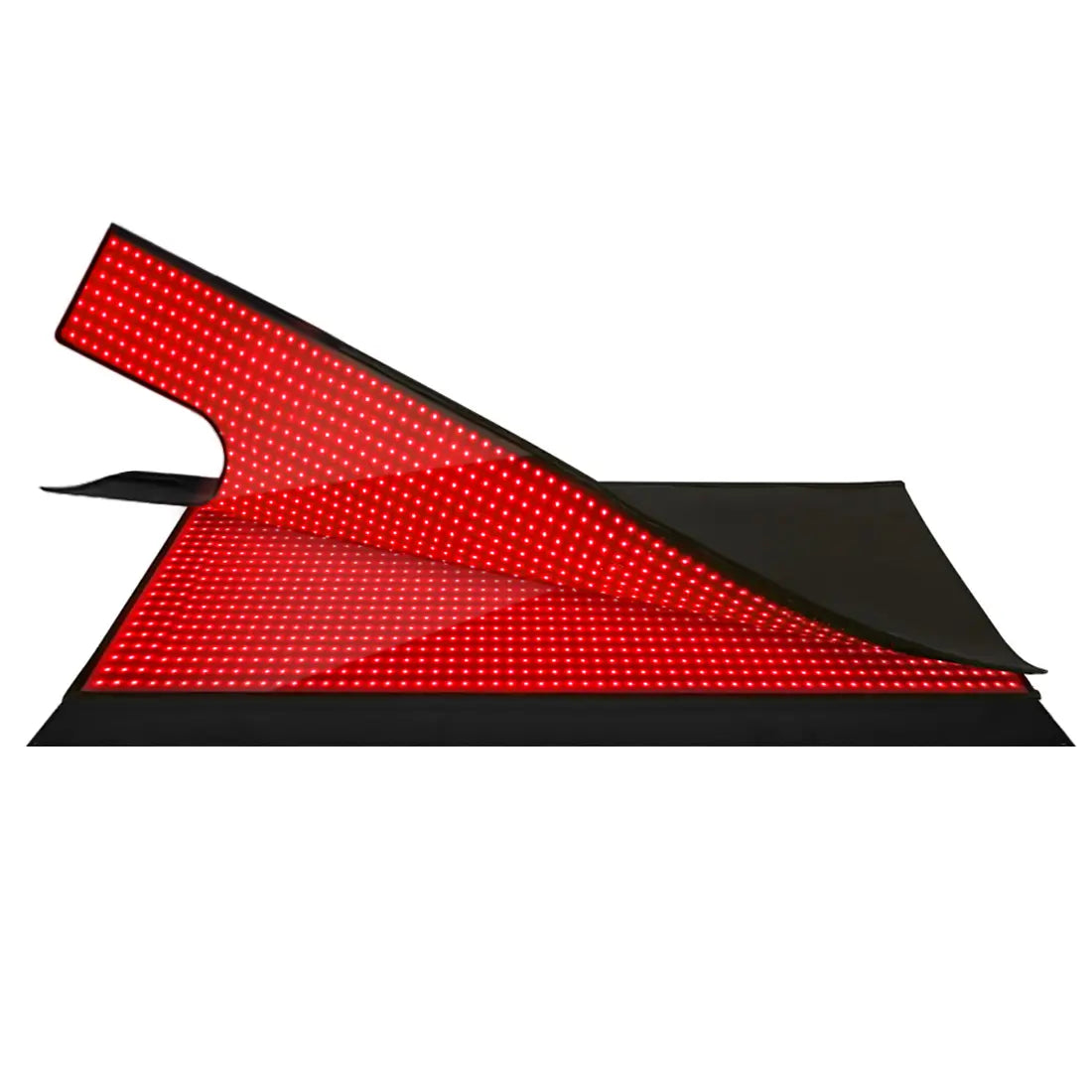
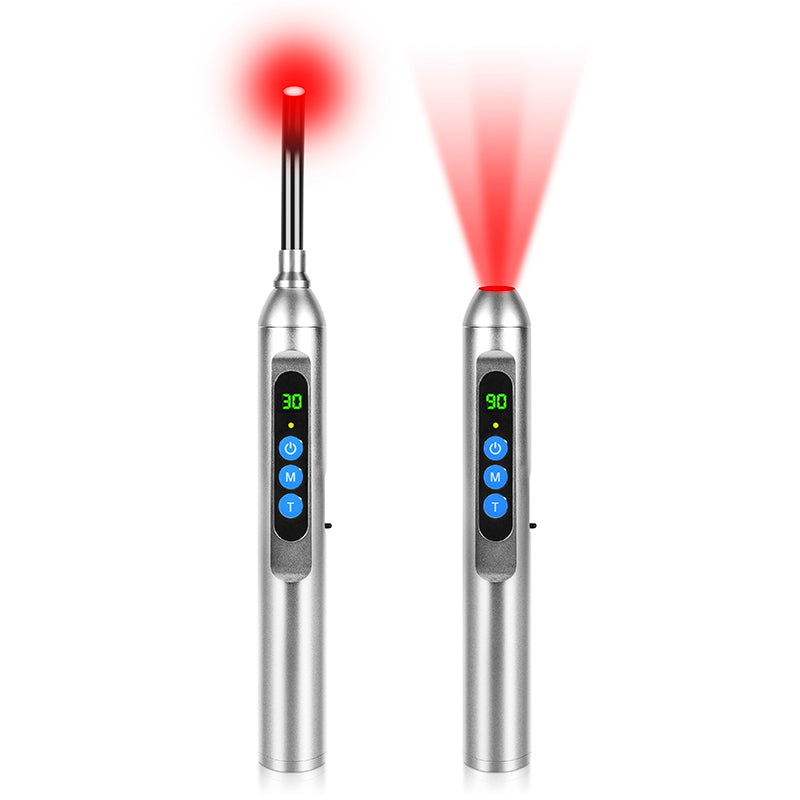

Choosing the right wavelength is one of the most common points of confusion when shopping for a clinical-grade red light therapy device. Many buyers wonder whether 660nm red light or 850nm near-infrared (NIR) light better supports their goals of skin health, muscle recovery, or joint pain relief. The short answer is that neither wavelength is universally superior; the better choice depends on the target tissue depth, your primary outcome, and the overall dose delivered by the device.
Red light therapy, also called photobiomodulation, typically uses both visible red and near-infrared wavelengths. As this JAAD overview on photobiomodulation explains, the category spans visible red and NIR light rather than relying on a single wavelength. Understanding how 660nm and 850nm interact with tissue helps you avoid buying a device that under-delivers for your intended use.
How 660nm and 850nm Interact with Tissue
Visible red light around 660nm is absorbed more readily by the upper layers of skin. This makes it a frequent choice when the goal involves surface-level concerns. Visible red light is generally discussed as a better fit for more superficial targets such as skin-focused use cases, according to guidance from Brown Health.
In contrast, near-infrared light around 850nm penetrates farther because it experiences less absorption in the superficial layers. Near-infrared light is generally used when the goal is deeper tissue exposure, as noted in Atria's red light therapy guide. This deeper reach is why 850nm is often highlighted in discussions of muscle and joint applications.
Both wavelengths have been studied in muscle tissue and recovery-related applications, according to an NIH review of photobiomodulation in human muscle tissue. The research literature treats photobiomodulation as a broader wavelength and dose question, not a single best wavelength for every outcome.

Common Myths About 660nm vs 850nm
A widely repeated simplification is that 660nm is strictly "for skin" while 850nm is strictly "for recovery." The usual shorthand is a simplification: 660nm is often associated with skin-focused use, while 850nm is often associated with deeper recovery-focused use. This framing from the Cleveland Clinic helps set expectations but should not be treated as a rigid medical rule.
Another misconception is that one wavelength alone determines results. Wavelength matters, but power, dose, and treatment protocol also affect results. Many dual-wavelength devices combine 660nm and 850nm because they are aimed at different target depths, yet the evidence does not support claiming that any single wavelength is best for every recovery goal.
Scenario-Based Guidance: When to Choose Each Wavelength
The practical difference between 660nm and 850nm becomes clearest when you map your goal to tissue depth.
For skin health, anti-aging, or superficial concerns, 660nm tends to align well because the light energy is absorbed where it is needed most. Visible red wavelengths are generally used for more superficial targets such as skin-focused use cases.
For joint discomfort, deeper muscle soreness, or pain relief that feels below the surface, 850nm is often the more relevant starting point. Near-infrared wavelengths are generally used when the goal is deeper tissue exposure.
When your needs mix surface benefits with deeper recovery (common among athletes dealing with both skin recovery and muscle fatigue), combination devices that deliver both wavelengths offer a practical middle ground. Many dual-wavelength devices combine 660nm and 850nm because they are aimed at different target depths.
Here is a visual overview of how these wavelengths conceptually fit different recovery goals. The scores represent bounded heuristic rankings (1 = low conceptual fit, 5 = high conceptual fit) derived from tissue-depth guidance in the literature. They are not measured clinical outcomes.
Wavelength Fit by Recovery Goal and Tissue Depth
Higher score means a better conceptual fit for the stated goal and tissue depth. This is a bounded heuristic ranking, not an exact efficacy comparison.
View chart data
| Category | 660nm fit | 850nm fit | Combination fit |
|---|---|---|---|
| Skin health / superficial | 5.0 | 1.0 | 2.0 |
| Joint pain / deep tissue | 1.0 | 5.0 | 5.0 |
| Muscle recovery | 2.0 | 5.0 | 4.0 |
| Mixed goals | 3.0 | 3.0 | 5.0 |
Illustrative fit ranking derived from the scenario matrix and myth module: 660nm is preferred for superficial skin-focused use, 850nm is preferred for deeper tissue / joint / muscle recovery use, and combination is the safest choice for mixed goals. Scores are bounded heuristic categories (1=low fit, 5=high fit), not measured effect sizes.
What Matters More Than Wavelength Alone
Clinical photobiomodulation studies often focus on specific red and near-infrared wavelengths, and the best choice depends on the tissue and indication. However, wavelength is only one variable. Power density, total energy delivered (Joules/cm²), treatment duration, and how consistently you use the device play equally important roles.
There is no single wavelength that is best for every recovery goal; the better choice depends on the target tissue and intended outcome. This is why reputable sources emphasize goal-specific application over marketing slogans that crown one wavelength as superior.
How to Choose the Right Device for Your Goals
Before purchasing, run a short self-audit:
- Define your primary target: Is it mainly skin appearance, surface wounds, deeper joint stiffness, or post-exercise muscle recovery?
- Match wavelength to depth: Choose 660nm-dominant output for surface-focused needs and 850nm-dominant output for deeper tissue concerns.
- Consider combination panels: These reduce the risk of mismatched expectations when your needs span multiple layers.
- Check supporting specs: Look beyond wavelength for irradiance values, treatment area coverage, and clear dosing guidelines.
- Verify safety and quality: Ensure the device follows recognized standards for irradiance measurement and electromagnetic safety.
- Start conservatively: Begin with manufacturer-recommended protocols and track your response over several weeks.
Clinical photobiomodulation studies often focus on specific red and near-infrared wavelengths, and the best choice depends on the tissue and indication. Independent educational sources describe red light therapy as spanning the visible red to near-infrared range, which is consistent with dual-wavelength panels.

Important Boundaries and Disclaimer
This article discusses comfort, setup considerations, and wavelength selection for home-use red light therapy devices. It does not constitute medical advice, diagnosis, or treatment. Red light therapy outcomes vary by individual, device quality, and usage consistency. If you have existing eye conditions, skin disorders, or persistent pain, consult a qualified healthcare professional before beginning any light therapy regimen. People who are pregnant, photosensitive, or taking medications that increase light sensitivity should seek medical guidance.
Wavelength selection can influence user experience, but results are not guaranteed and depend heavily on room conditions, device specifications, and individual response. Claims of specific health improvements should be evaluated against your personal situation and professional advice.
Final Takeaway
660nm and 850nm each have strengths tied to how deeply they penetrate tissue. Use 660nm when your focus is primarily superficial, lean toward 850nm for deeper muscle and joint concerns, and consider combination devices when your recovery needs are mixed. The most reliable approach is to treat wavelength as one filter among several, prioritize devices that clearly communicate dose and coverage, and maintain realistic expectations about what any single specification can deliver.
By focusing on your specific recovery goals rather than chasing a "best" wavelength, you are more likely to select a device that actually matches how you plan to use it. This reduces the chance of disappointment and helps you get the most value from your investment in red light therapy.