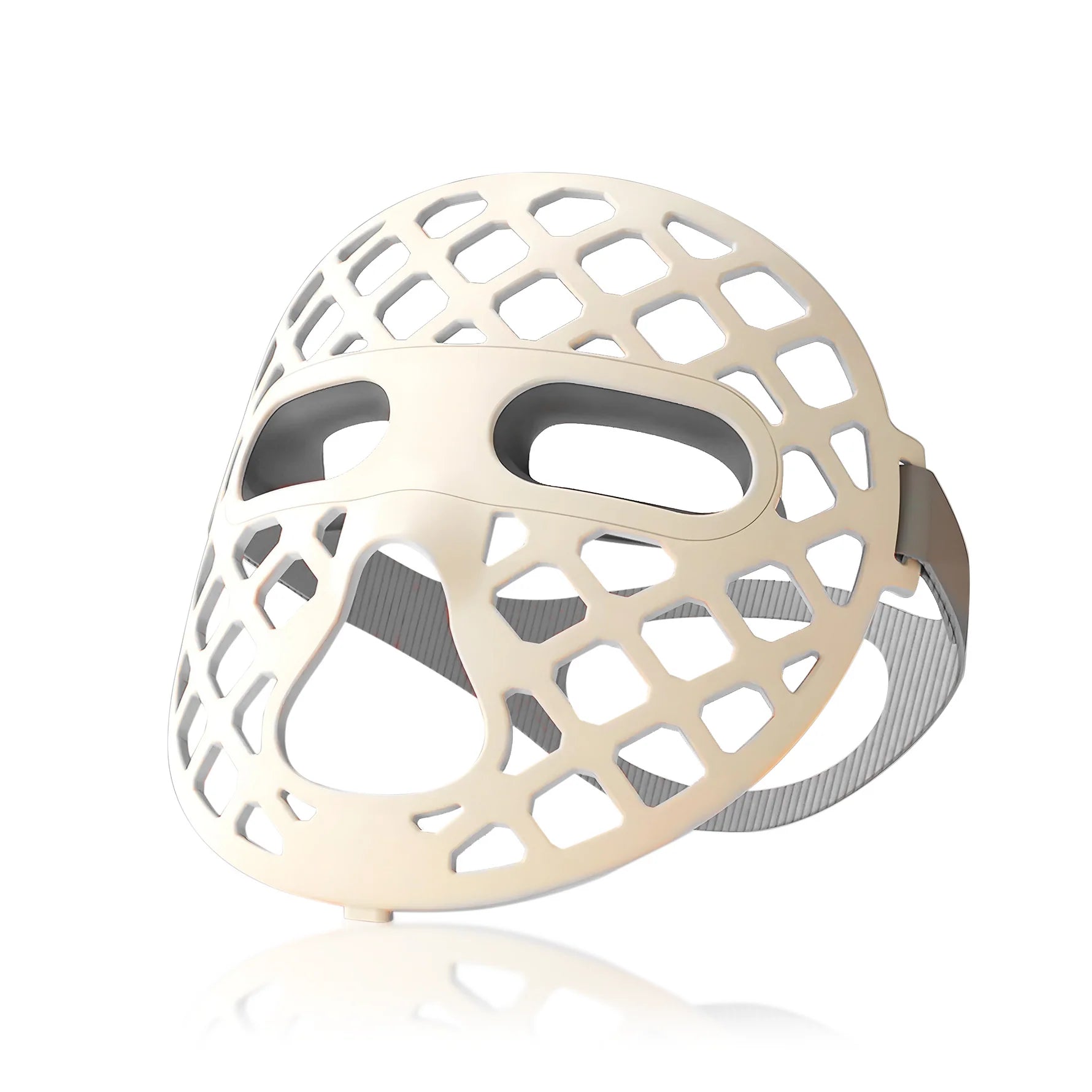
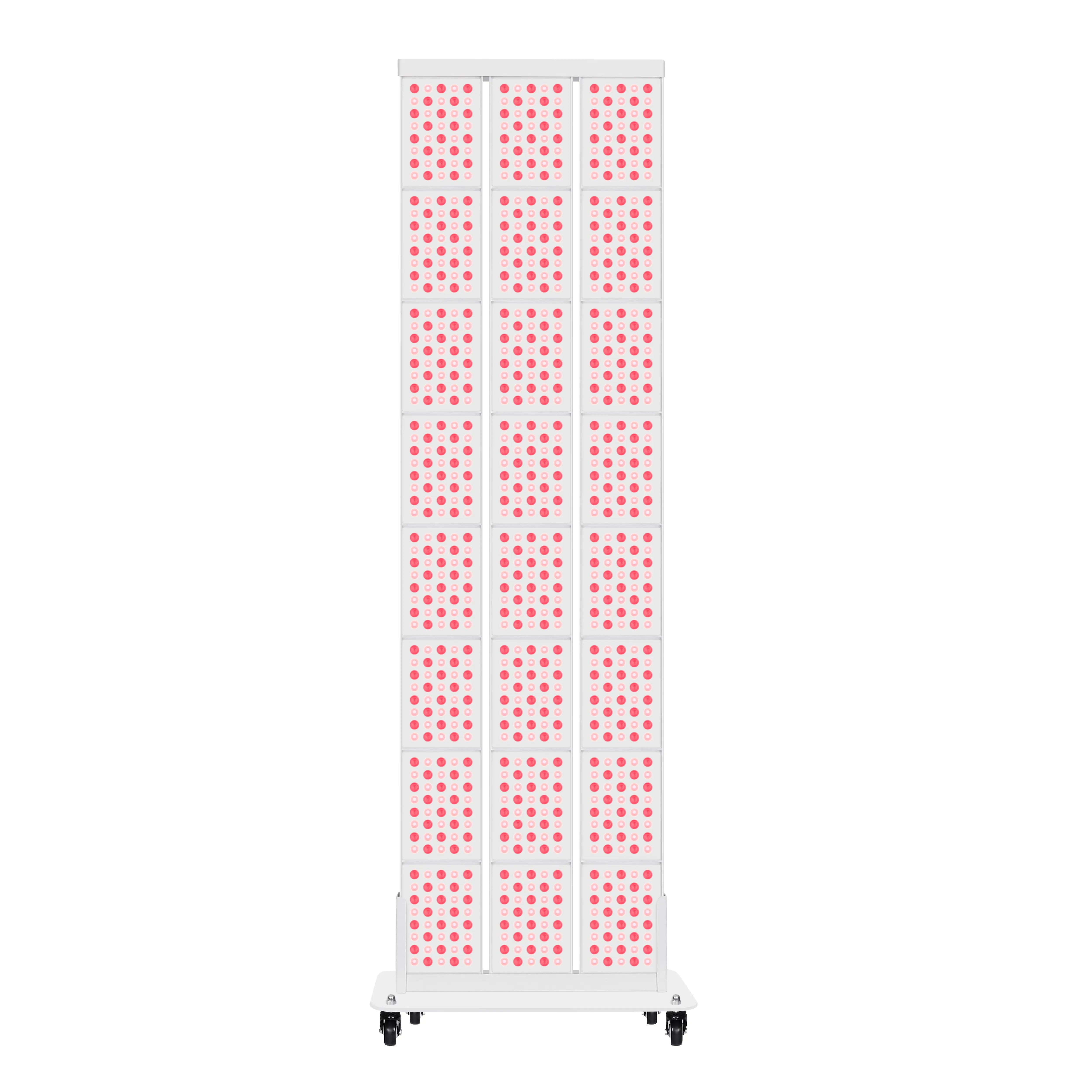
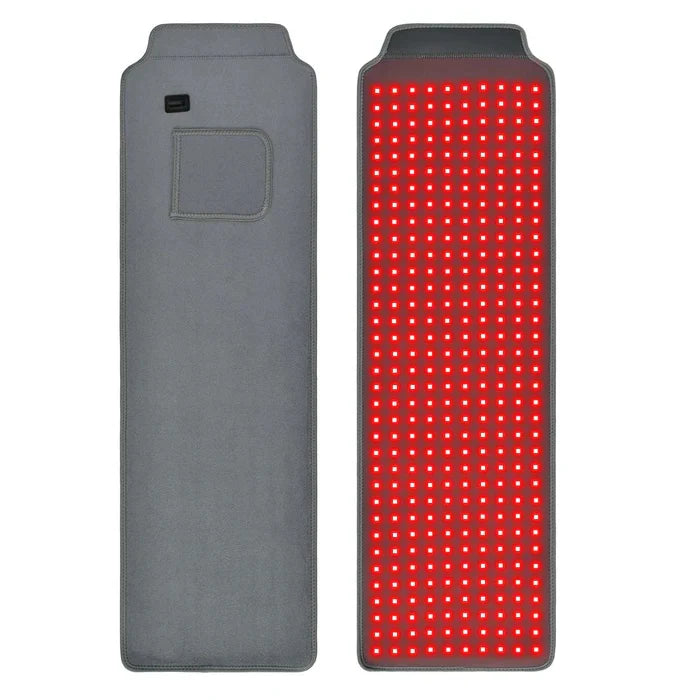
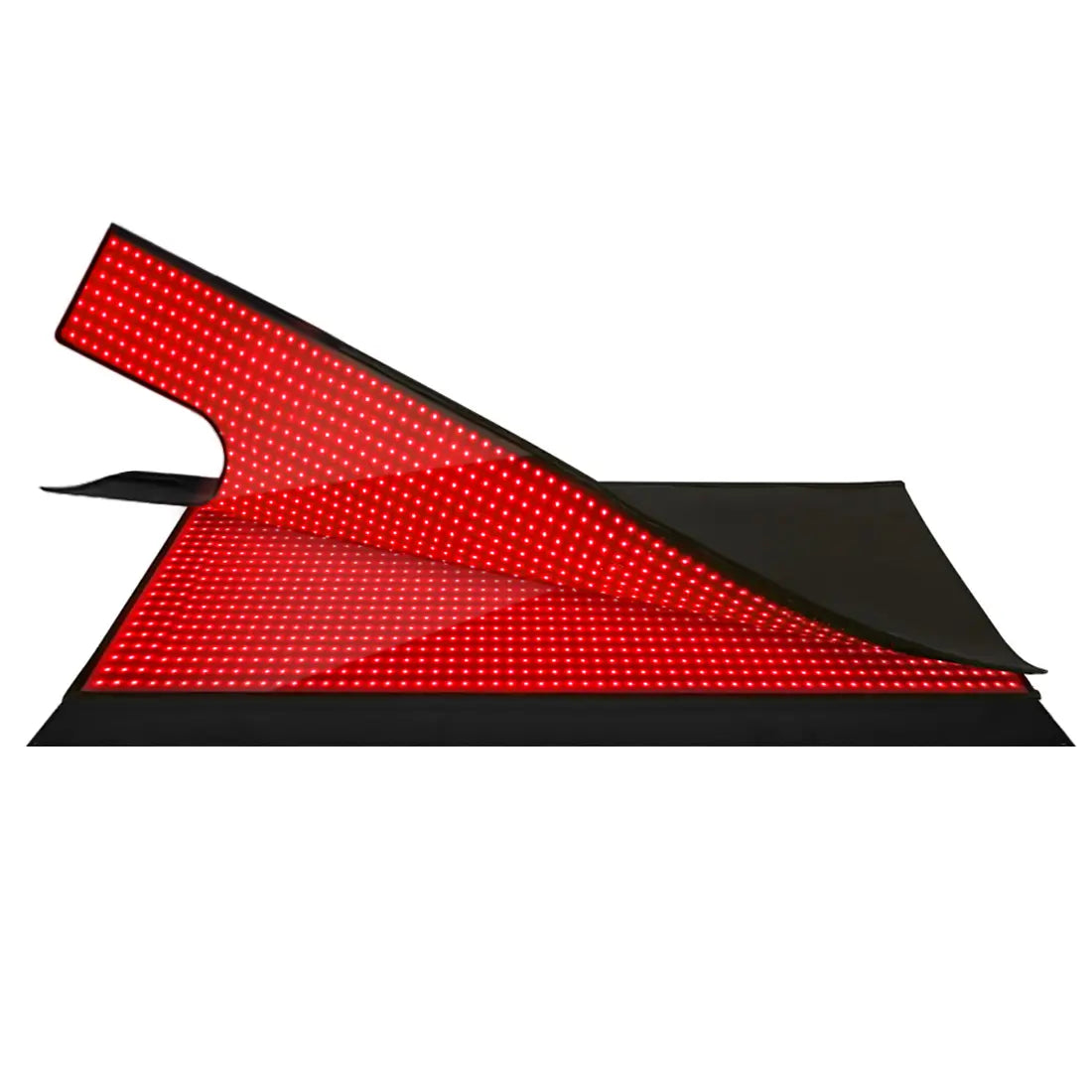
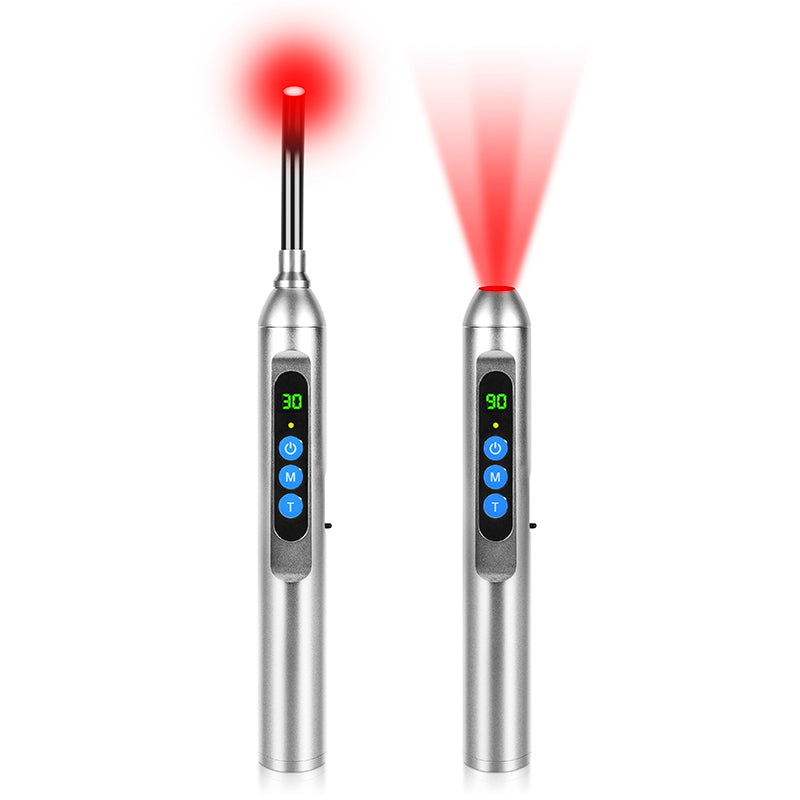

Understanding the 660nm vs. 850nm Divide
Not all red light therapy wavelengths deliver the same results. The choice between 660nm red light and 850nm near-infrared (NIR) light depends primarily on whether your main goal is surface-level skin rejuvenation or deeper tissue support. Understanding how these wavelengths interact with human tissue helps you select a device that aligns with your specific needs rather than relying on the common marketing claim that "more wavelengths are always better."

Many first-time buyers compare product specifications wondering which "nanometer" (nm) will work best for their routine. In our experience reviewing consumer devices, 660nm light is the standard for cosmetic and skin-focused applications because it is more readily absorbed by the upper layers of the skin. In contrast, 850nm near-infrared light is the go-to for users seeking effects that involve deeper structures like muscles and joints. Dual-wavelength devices aim to offer flexibility, but their value depends on whether you actually plan to address multiple goals.
The Science of Depth (and Why It’s Often Oversimplified)
Wavelength determines how far light travels into the body before it is absorbed or scattered. Shorter wavelengths in the visible red range, specifically around 660nm, interact strongly with chromophores in the epidermis and upper dermis. This is why 660nm is the primary focus for skin texture and tone.
Longer wavelengths in the near-infrared range, such as 850nm, experience less absorption by superficial pigments and water. As a result, a greater proportion of the light can reach deeper into the dermis and subcutaneous tissue.
A Note on "Fake Precision": You may see charts claiming 850nm penetrates exactly "5 centimeters." In reality, actual depth is a heuristic, not a fixed measurement. It depends heavily on:
- Irradiance: The power density of the light.
- Treatment Distance: How close the device is to your skin.
- Skin Type: Melanin levels can affect absorption rates.
- Beam Angle: How the light is focused from the LED.
660nm Red Light: The Surface Specialist
660nm sits in the visible red spectrum and is one of the most studied wavelengths in photobiomodulation research for skin-related topics. Users interested in complexion, fine lines, or surface rejuvenation often start here.
Common Use Cases for 660nm:
- Skin Tone & Texture: Targeting the upper layers where collagen production is most relevant.
- Surface Blemishes: Supporting the skin's natural recovery process.
- Targeted Facial Routines: Where deep penetration into muscle is not required.
Expert Tip: When evaluating a 660nm device, check for "LED uniformity." A common mistake is buying a panel where the red LEDs are spaced too far apart, creating "hot spots" of light rather than an even treatment area.
850nm Near-Infrared: The Deep Tissue Tool
850nm falls in the near-infrared range and is frequently selected by athletes and those prioritizing recovery. Because this wavelength penetrates farther, it can reach tissues below the surface layers, making it a common specification for panels intended for muscle soreness or joint comfort.
The "Invisible Light" Mistake: A common pattern we see with new users is the assumption that their device is broken because the 850nm LEDs don't appear to be "on." Near-infrared light is invisible to the human eye. If you see a faint dull red glow (or nothing at all) from half the bulbs on your dual-wavelength panel, those are likely the 850nm LEDs working correctly.
Common Use Cases for 850nm:
- Muscle Recovery: Post-workout sessions to support tissue comfort.
- Joint Support: Reaching deeper areas like knees or shoulders.
- Full-Body Wellness: General applications where deep penetration is preferred over cosmetic surface work.

Direct Comparison: 660nm vs. 850nm
The practical difference is best understood through target depth. 660nm deposits energy in the upper skin; 850nm distributes it deeper.
| Feature | 660nm (Red) | 850nm (Near-Infrared) |
|---|---|---|
| Visibility | Bright Red | Invisible (or very faint glow) |
| Primary Target | Epidermis & Dermis | Subcutaneous Tissue & Muscle |
| Best For | Anti-aging, Skin Health | Recovery, Joint Comfort |
| Absorption | High in skin surface | Low in surface, high in deep tissue |
The Dual-Wavelength Advantage: Many modern panels offer a 1:1 ratio of 660nm and 850nm. This is often the best "future-proof" choice for beginners. However, if your goal is 100% cosmetic, a dedicated 660nm device may offer higher "spectral density" for your specific needs at a lower price point.
Scenario-Based Wavelength Recommendation
Use the chart as a goal-first decision aid rather than a statement of clinical superiority.
View chart data
| Category | 660nm Fit | 850nm Fit | Dual-Wavelength Fit |
|---|---|---|---|
| Skin Rejuvenation | 5.0 | 1.0 | 2.0 |
| Muscle Recovery | 1.0 | 5.0 | 2.0 |
| Mixed Goals | 3.0 | 4.0 | 5.0 |
| Pain Support | 2.0 | 4.0 | 3.0 |
Illustrative, bounded relative fit scores based on scenario guidance: skin-focused use leans toward 660nm, recovery-focused use leans toward 850nm, and dual-wavelength is most suitable when both goals are expected. These are not experimental or medical efficacy data; they only express relative recommendation fit.
Buyer’s Checklist: Beyond the Wavelength Number
Before you buy, use this checklist to ensure the device actually delivers the wavelengths it promises:
- Irradiance Verification: Does the manufacturer provide a solar power meter reading at specific distances (e.g., 6 inches)? Without enough power, the wavelength choice is irrelevant.
- Flicker Rate: High-quality devices use "flicker-free" drivers. Cheap LEDs can flicker at a rate that causes eye strain or headaches for sensitive users.
- EMF Shielding: Ensure the device is rated for low EMF (Electromagnetic Fields), especially if using it close to the head or chest.
- Eye Protection: Even though 660nm is visible, both wavelengths are intense. Always check if the device includes blackout goggles or appropriate eye protection.
- Cooling Systems: 850nm LEDs generate heat. Ensure the panel has active cooling (fans) to prevent the LEDs from degrading over time.
Common Questions & Troubleshooting
Is 850nm always better because it penetrates deeper? No. Depth is only useful if your target is deep. For skin-focused routines, 660nm is often more efficient because the energy is absorbed exactly where the skin concerns exist.
Can I use both wavelengths at the same time? Yes. Most dual-wavelength panels are designed for simultaneous use. This is a time-saving way to address both skin health and deeper tissue recovery in a single 10–20 minute session.
How do I know if my skin is too sensitive for NIR? A common pattern is to start with 5-minute sessions. If you experience redness that lasts more than an hour or "tightness" in the skin, you may be over-responding to the heat generated by the 850nm wavelength.
Should I wear clothes during the session? No. Both 660nm and 850nm are easily blocked by clothing. For the light to be effective, it must have a direct path to the skin.
Disclaimer: This article discusses wellness and setup considerations only. It does not constitute medical advice. Red light therapy results vary by individual. If you have existing skin conditions, photosensitivity, or eye concerns, consult a healthcare professional before use.