
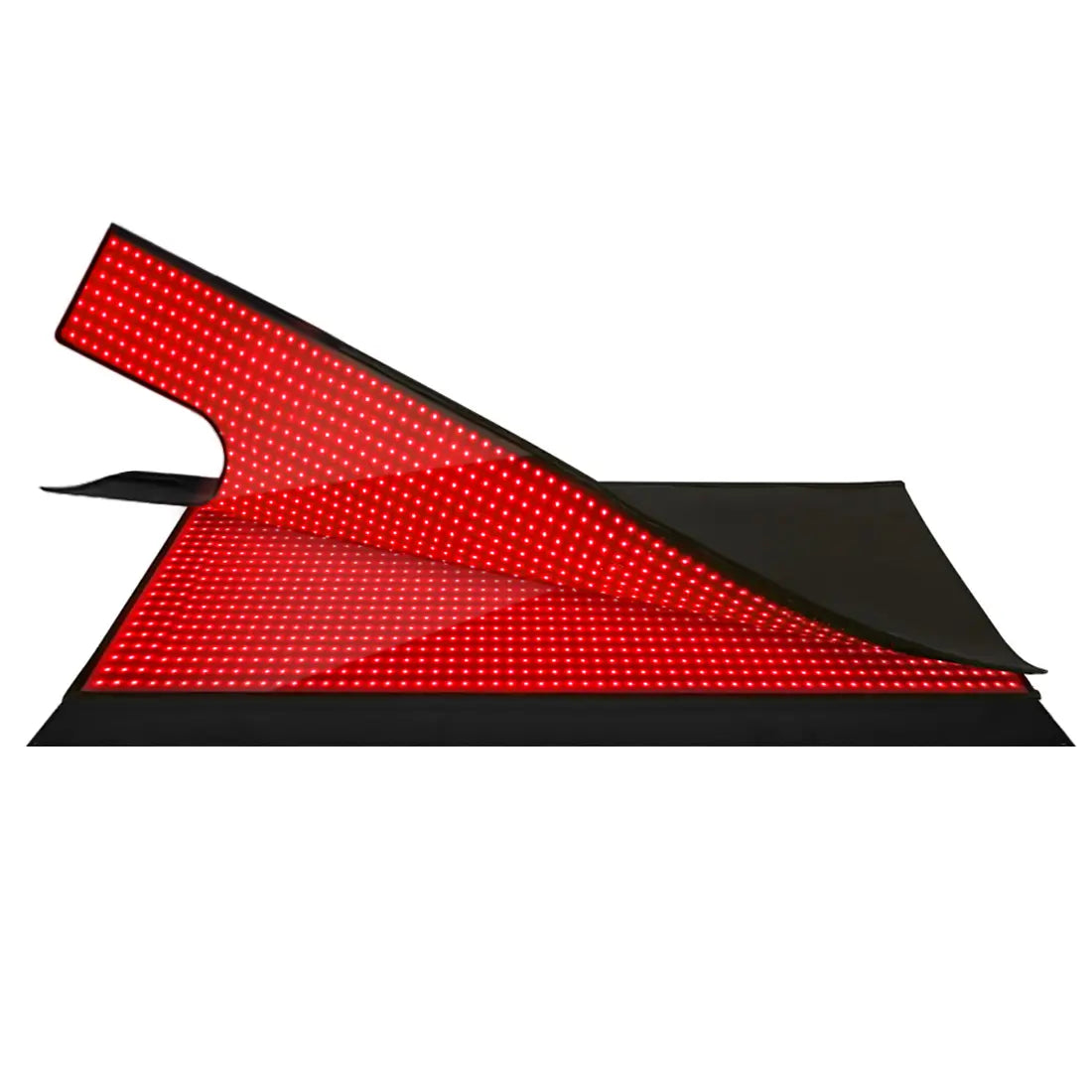
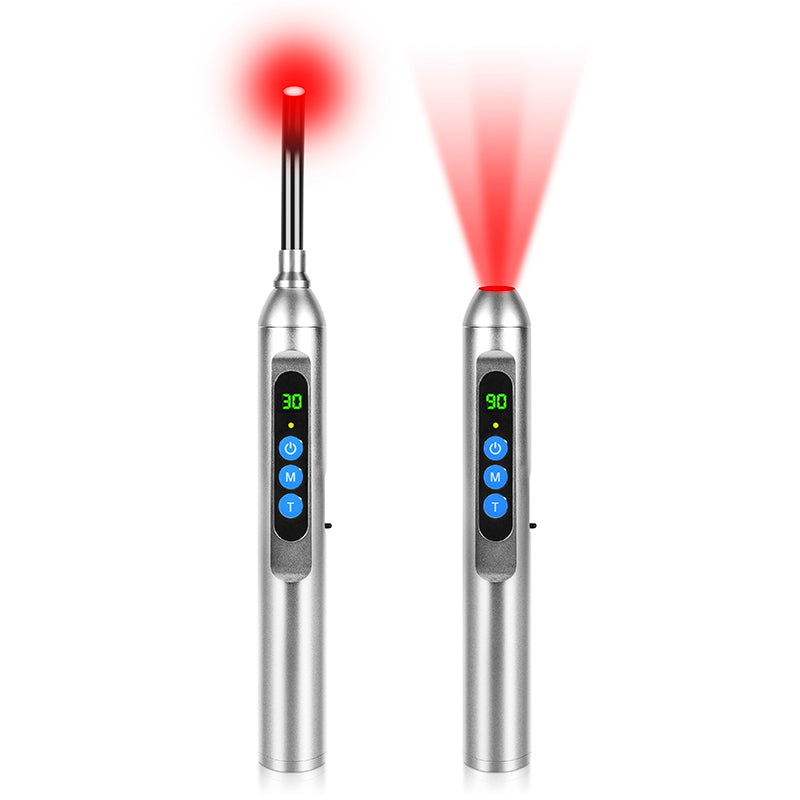

Summary
As of 2026, navigating red light therapy certifications requires understanding that FDA 510(k) clearance and CE marking under the EU Medical Device Regulation (MDR) are distinct legal frameworks ensuring device safety and efficacy, with the US focusing on "substantial equivalence" and the EU emphasizing rigorous clinical evidence. Choosing a certified device is essential for ensuring that the hardware meets strict electrical safety, biocompatibility, and therapeutic output standards required for medical-grade performance.

Key takeaways
- FDA 510(k) Clearance indicates that a device is "substantially equivalent" to a legally marketed predicate device in the US, confirming its safety and intended use for specific medical conditions.
- CE Marking (EU MDR) is a mandatory requirement for selling medical devices in the European Economic Area, requiring a high level of clinical data and a robust Quality Management System (QMS) such as ISO 13485.
- FDA Registered vs. Cleared is a critical distinction; registration only means the manufacturer is on the FDA's list, while clearance (510(k)) means the specific device has been reviewed and vetted for safety.
- Certification Verification can be performed by searching the FDA’s 510(k) Premarket Notification database or requesting a Declaration of Conformity (DoC) for CE-marked products.
- Insurance and HSA/FSA Eligibility often depend on the device having FDA 510(k) clearance, as this classification validates the product as a medical tool rather than a general wellness consumer electronic.
Understanding the Regulatory Landscape of Red Light Therapy in 2026
The red light therapy (RLT) market has matured significantly, moving away from the "wild west" of unverified claims toward a more standardized, medical-grade environment. In 2026, the distinction between a "wellness lamp" and a "medical device" is defined by its regulatory certifications. For consumers and practitioners alike, these certifications are not just bureaucratic hurdles; they are the primary safeguards against ineffective or potentially hazardous hardware.
When we discuss photobiomodulation safety and irradiance standards, we are looking at the technical benchmarks that regulatory bodies use to evaluate these devices. The two most prominent global standards are the FDA 510(k) clearance in the United States and the CE marking under the Medical Device Regulation (MDR) in the European Union. While both aim to protect the public, their methodologies and legal implications differ in ways that impact how you should evaluate your next purchase.
FDA 510(k) Clearance: The Gold Standard for US Safety
In the United States, the Food and Drug Administration (FDA) classifies red light therapy devices as Class II medical devices. To legally market these for specific medical benefits—such as pain relief, skin rejuvenation, or hair growth—manufacturers must obtain 510(k) clearance. This process requires the manufacturer to demonstrate that their device is "substantially equivalent" to a predicate device that is already legally on the market.
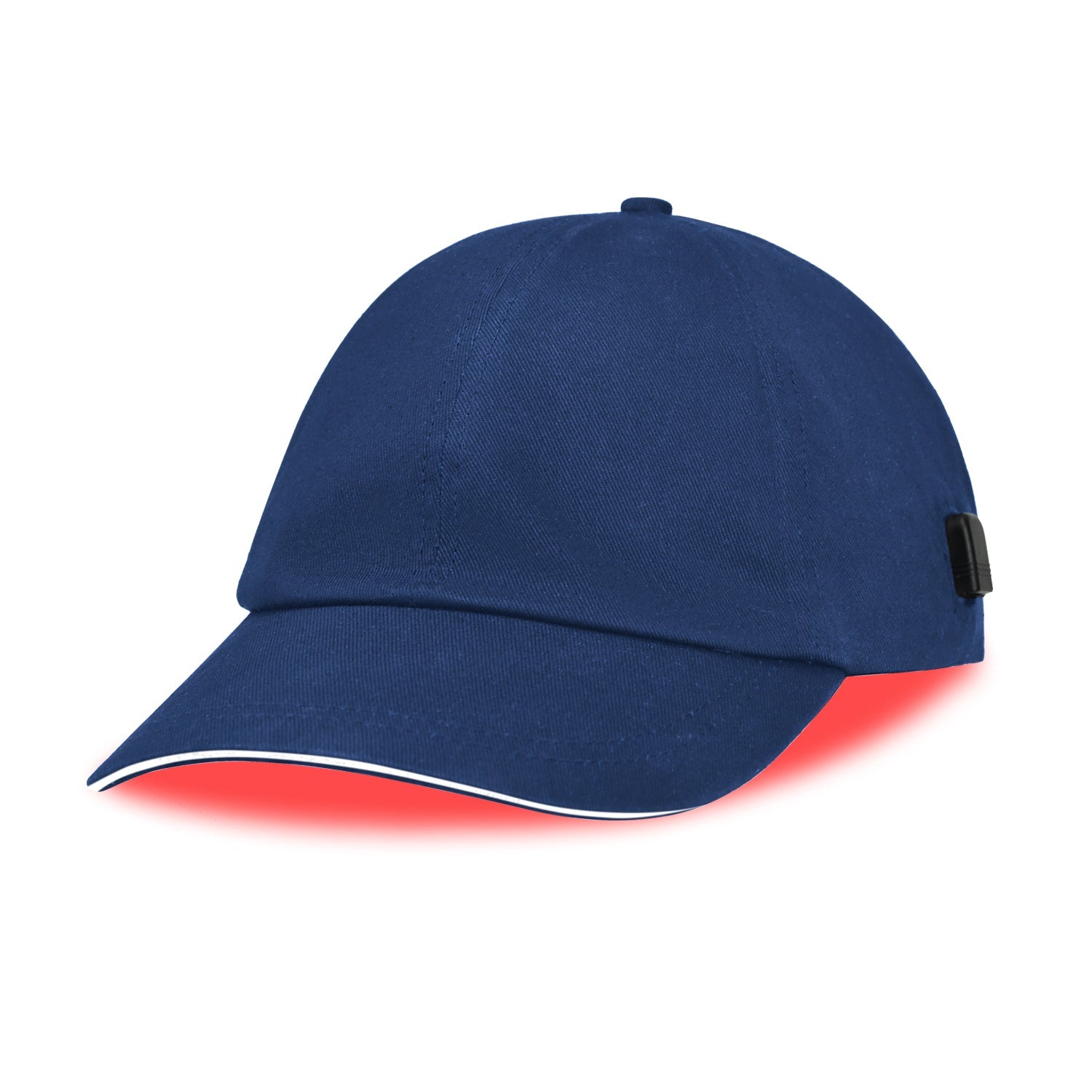
It is vital to understand the difference between "FDA Registered" and "FDA Cleared." Many low-cost manufacturers claim to be "FDA Registered," which simply means they have paid a fee to be listed in the FDA database. This does not imply that the FDA has tested or approved the device itself. In contrast, an FDA-cleared red light therapy cap has undergone a rigorous review of its technical specifications, safety data, and manufacturing processes.
Logic Summary: The FDA 510(k) pathway is based on the principle of comparative safety. By proving a device works similarly to an existing safe device, the FDA ensures a baseline of consumer protection without requiring full-scale clinical trials for every new iteration of established technology.
CE Marking and EU MDR: Navigating European Medical Standards
The European market operates under the Medical Device Regulation (EU MDR 2017/745), which replaced the older Medical Device Directive (MDD). In 2026, the EU MDR is widely considered one of the most stringent regulatory frameworks in the world. For a red light therapy device to bear the CE mark as a medical device, it must meet high standards for clinical safety and performance.
Unlike the FDA's "equivalence" model, the EU MDR places a heavy emphasis on direct clinical evidence. Manufacturers must maintain a comprehensive Technical File and a Quality Management System (QMS) that typically aligns with ISO 13485:2016. This ensures that every unit coming off the assembly line is identical in quality and output to the one tested in the lab. For those concerned with the safety of red light therapy, the CE mark provides assurance that the device has been vetted by a "Notified Body"—an independent third-party organization authorized by the EU to assess compliance.

Comparing FDA 510(k) and CE (EU MDR) Requirements
While both certifications aim for safety, their specific requirements for red light therapy devices in 2026 show significant overlap and some key differences.
| Feature | FDA 510(k) (USA) | CE Marking / EU MDR (Europe) |
|---|---|---|
| Classification | Class II (Typically) | Class IIa or IIb |
| Primary Goal | Substantial Equivalence | Clinical Safety & Performance |
| QMS Requirement | FDA QMSR (Aligned with ISO 13485) | ISO 13485:2016 |
| Clinical Data | Required if equivalence is unclear | Mandatory Clinical Evaluation Report |
| Third-Party Audit | FDA Review (Government) | Notified Body (Private/Independent) |
| Labeling | Specific "Indications for Use" | Broad "Intended Purpose" |
Logic Summary: This comparison assumes the device is being marketed for medical purposes. Non-medical "beauty" devices may only require basic CE (LVD/EMC) or FDA registration, but they cannot legally claim to treat medical conditions.
How to Verify a Device's Regulatory Claims
One of the most common gaps in consumer knowledge is how to actually verify if a brand is telling the truth about their certifications. In an era of digital marketing, "FDA Cleared" is often used loosely. To verify a claim, you should:
- Search the FDA Database: Go to the FDA’s 510(k) Premarket Notification database and search by the manufacturer's name or the specific product name. If it’s cleared, you will find a 510(k) number (e.g., K210000).
- Request the Declaration of Conformity (DoC): For CE-marked products, the manufacturer is required to provide a DoC upon request. This document lists the specific directives and standards (like IEC 60601-1) the device complies with.
- Check the Notified Body Number: Authentic medical CE marks are followed by a four-digit number (e.g., CE 0123) which identifies the Notified Body that audited the manufacturer.
By performing these checks, you can distinguish between medical-grade red light therapy panels and generic consumer electronics that lack professional oversight.
The Financial Impact: Why Certified Devices Cost More
A frequent question from consumers is why certified red light therapy devices are priced higher than uncertified alternatives found on mass-market marketplaces. The answer lies in the investment required for compliance.
The cost of obtaining FDA 510(k) clearance can range from $20,000 to over $100,000 when accounting for user fee payments, third-party laboratory testing (for electrical safety and biocompatibility), and the internal resources needed to compile the submission. Maintaining an ISO 13485 certified factory requires annual audits and strict quality control protocols. When you pay a premium for a certified device, you are paying for the peace of mind that the device has been tested to not catch fire, not leak excessive EMF, and actually deliver the wavelengths promised on the box.
Insurance and HSA/FSA Eligibility for Red Light Therapy
In 2026, the regulatory status of a device directly impacts its financial accessibility. Many Health Savings Accounts (HSA) and Flexible Spending Accounts (FSA) allow for the purchase of red light therapy devices, but they often require the device to be "FDA Cleared" for a specific medical condition (such as chronic pain or acne).
Without 510(k) clearance, an insurance provider or HSA administrator may view the product as a "general wellness" or "cosmetic" item, which is typically not eligible for reimbursement. If you are planning to use tax-advantaged funds for your purchase, always verify the FDA status first. This is a crucial step when learning how to choose a red light therapy panel that fits both your health needs and your budget.
Safety Standards Checklist for 2026
Before purchasing any RLT device, ensure it meets these fundamental technical standards:
- [ ] IEC 60601-1: General requirements for basic safety and essential performance of medical electrical equipment.
- [ ] IEC 60601-2-57: Particular requirements for the basic safety and essential performance of non-laser light source equipment.
- [ ] ISO 10993: Biological evaluation of medical devices (ensures materials touching your skin are safe).
- [ ] IEC 62471: Photobiological safety of lamps and lamp systems (ensures the light doesn't damage your eyes or skin).
FAQ
Is red light therapy FDA cleared for all uses? No, FDA clearance is granted for specific "Indications for Use." For example, a device might be cleared for treating minor muscle and joint pain but not for treating deep-seated systemic issues. Always check the specific clearance documentation to see what the FDA has actually vetted the device for.
Can a device have both FDA 510(k) and CE marking? Yes, many high-quality manufacturers seek both certifications to sell their products globally. While there is significant overlap in the technical safety testing (such as IEC standards), the administrative and clinical evidence requirements for each region must be met separately.
What happens if I use a device that isn't FDA cleared? Using an uncertified device carries risks such as inaccurate wavelength output, excessive heat, or electrical instability. While many uncertified devices may work, they lack the third-party verification that ensures the device performs consistently and safely over its lifespan.
Does FDA clearance mean the device is "proven" to work? FDA 510(k) clearance means the device is "substantially equivalent" to a predicate that is already on the market. While this implies a high level of confidence in its safety and efficacy for the intended use, it is not the same as "FDA Approval," which is a more intensive process reserved for high-risk Class III devices like pacemakers.
How long does it take for a manufacturer to get these certifications? The timeline for FDA 510(k) clearance typically ranges from 3 to 9 months, depending on the complexity of the device and the quality of the submission. CE marking under EU MDR can take significantly longer, often 12 to 24 months, due to the requirement for Notified Body audits and extensive clinical data review.
Are all red light therapy panels Class II medical devices? In the US, if the panel is marketed with medical claims (e.g., "treats arthritis"), it must be classified as a Class II medical device and receive 510(k) clearance. Panels marketed strictly for "general wellness" or "beautification" without medical claims may be sold without 510(k) clearance, but they are legally prohibited from making therapeutic claims.
References
Government / Standards / Regulators
- FDA. Premarket Notification 510(k) - FDA official guide.
- European Commission. Medical Device Regulation (EU) 2017/745.
- International Organization for Standardization. ISO 13485:2016 - Medical devices — Quality management systems.
Platform official docs & policies
Industry associations / research institutes / market reports
- International Electrotechnical Commission. IEC 60601-1: Medical electrical equipment safety.
- American Society for Laser Medicine and Surgery (ASLMS). PBM Standards and Safety Guidelines.
Academic / whitepapers / labs
- Hamblin, M. R. (2026). The Evolution of Photobiomodulation Regulatory Standards. Journal of Photochemistry and Photobiology.
- Youlumi Whitepaper. Photobiomodulation Standards: Irradiance, EMF, and Safety. (Authoritative Reference).