
Medical Disclaimer
The information provided in this article is for educational and informational purposes only and is not intended as medical advice, diagnosis, or treatment. Red light therapy (photobiomodulation) is a complementary tool and should not replace prescribed medical treatments or consultations with a rheumatologist. Always seek the advice of a qualified healthcare provider before beginning any new therapy, especially if you have an underlying autoimmune condition or are taking photosensitizing medications.
Summary
Red light therapy (photobiomodulation) offers a non-invasive, evidence-supported approach to managing arthritis by potentially reducing inflammation and supporting cellular function at the mitochondrial level. By applying specific wavelengths of red and near-infrared light, individuals may experience improved joint comfort and mobility. In 2026, the availability of high-irradiance home devices, such as full-body mats and targeted panels, has made it possible to implement protocols similar to those used in clinical settings. However, success depends on understanding the relationship between light intensity, treatment duration, and the specific type of arthritis being addressed.

Key Takeaways
- Wavelength Selection: Near-infrared light (850nm) is preferred for deep joint structures, while red light (660nm) is typically used for surface-level tissue.
- Pathology-Specific Protocols: Rheumatoid arthritis (systemic) often benefits from whole-body application, while osteoarthritis (localized) is typically managed with targeted panels.
- The Dose-Response Curve: Adhering to the Arndt-Schulz Law is critical; excessive dosing can inhibit the therapeutic effect.
- Hydration and Conductivity: Maintaining adequate systemic hydration is recommended to support the cellular environment during treatment.
The Science of Photobiomodulation for Arthritis
The therapeutic potential of light therapy, technically known as photobiomodulation (PBM), involves the interaction of light photons with cellular chromophores. The primary target is cytochrome c oxidase, an enzyme within the mitochondria. When red and near-infrared light are absorbed, they may stimulate a cascade of biochemical events that increase adenosine triphosphate (ATP) production and modulate inflammatory cytokines. For individuals with arthritis, this process aims to reduce the chemical signals associated with joint pain and swelling.
In 2026, technical validation has become the industry standard. Efficacy is not merely about the presence of light, but the delivery of a specific energy dose (fluence). As outlined in the Photobiomodulation Standards: Irradiance, EMF, and Safety guide, treatment success is heavily dependent on irradiance—the power density reaching the skin. By following benchmarks established by organizations like the World Association for Photobiomodulation Therapy (WALT), users can aim for the "therapeutic window" required to trigger a biological response without reaching the inhibitory levels described by the Arndt-Schulz Law.
Differentiating Protocols: Osteoarthritis vs. Rheumatoid Arthritis
Arthritis protocols must be tailored to the underlying condition. Osteoarthritis (OA) is a degenerative joint disease characterized by the breakdown of cartilage. For OA, targeted treatment using high-irradiance panels allows for concentrated energy delivery into the joint capsule (e.g., the knee or hip). The objective is to support chondrocyte activity and manage the localized inflammatory environment.
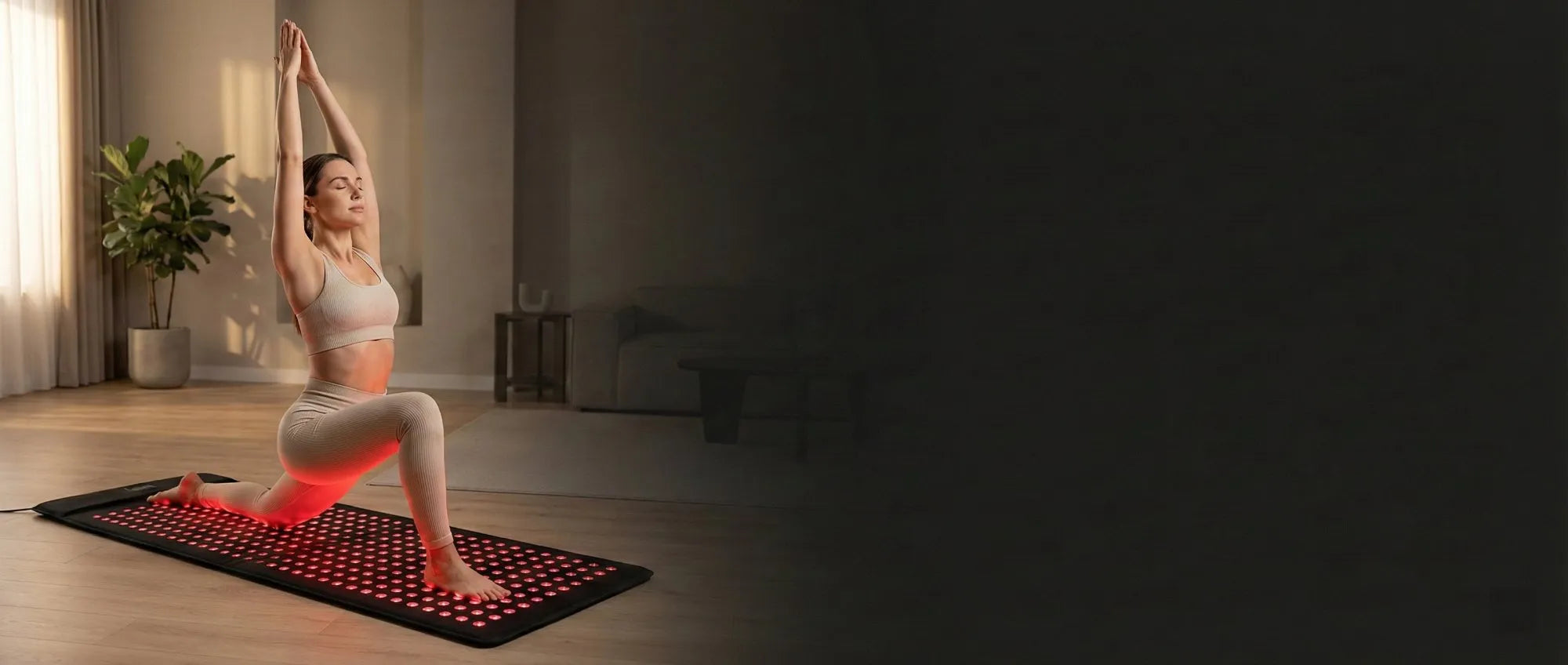
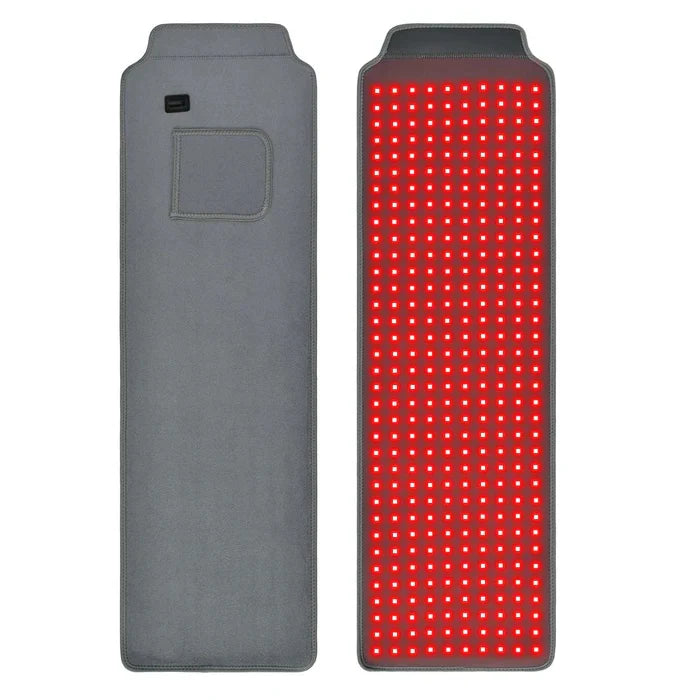
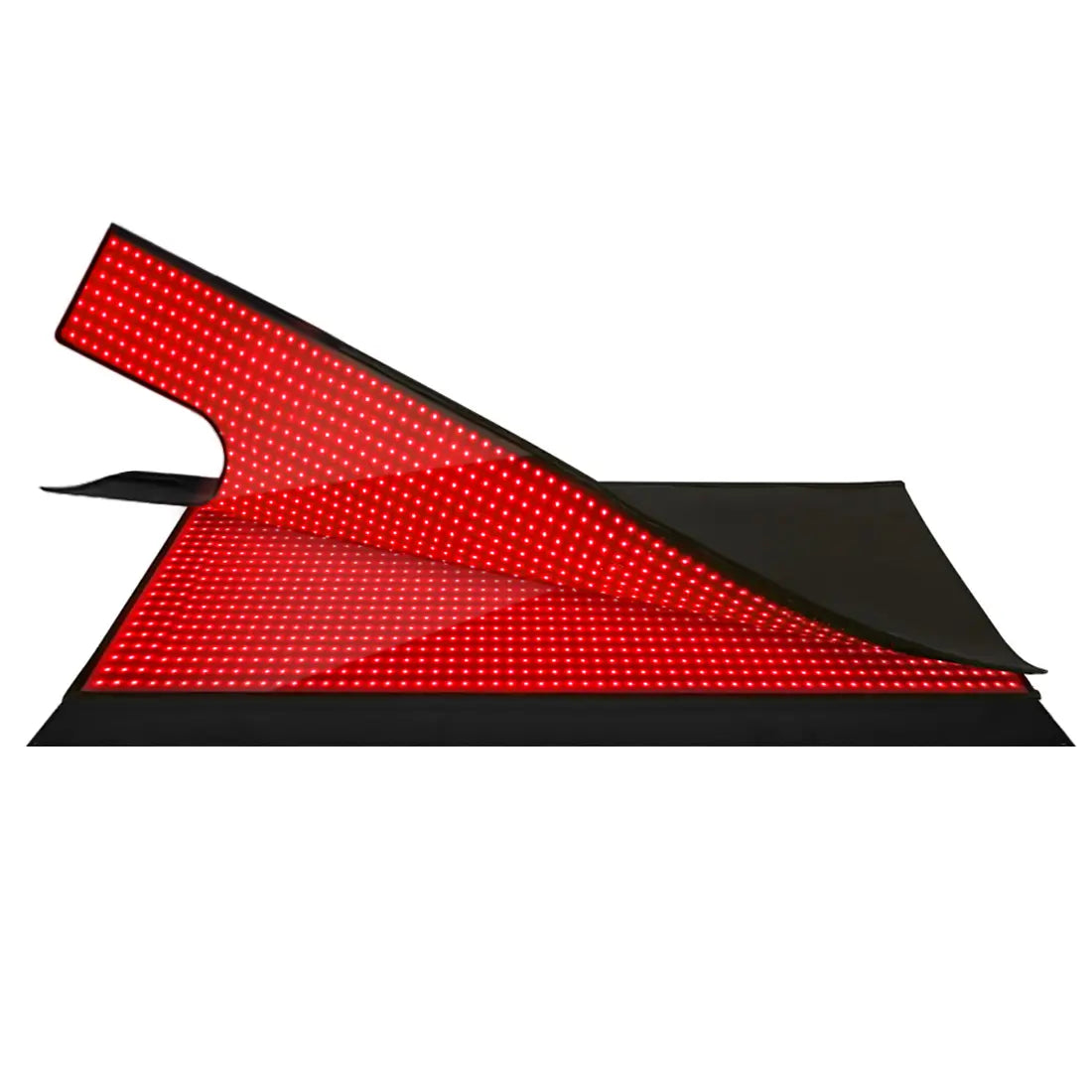
In contrast, Rheumatoid Arthritis (RA) is a systemic autoimmune disorder. While localized treatment can provide temporary relief for a specific joint, the underlying inflammation is widespread. Systemic application, such as using a Youlumi Pro Full Body Red Light Therapy Mat | 650nm & 850nm Infrared, allows for the simultaneous treatment of multiple joints and the potential modulation of systemic inflammatory markers. This comprehensive approach is often preferred for managing the overall inflammatory load associated with autoimmune conditions.
Protocol Insight: Targeted panels are generally recommended for localized degenerative joints (OA), while full-body mats are often utilized for systemic autoimmune conditions (RA) to address the body-wide inflammatory response.

Wavelength Depth: 660nm vs. 850nm
The effectiveness of PBM for arthritis is largely determined by the depth of light penetration. Red light (660nm) is absorbed primarily by the skin and superficial tissues. However, deep joint structures—such as the meniscus and subchondral bone—require longer wavelengths. Near-infrared (NIR) light, specifically 850nm, has lower absorption in water and hemoglobin, allowing it to reach deeper articular structures.
Most clinical-grade devices in 2026 utilize a dual-chip configuration to deliver both wavelengths. This synergy allows the 660nm light to address superficial inflammation while the 850nm light targets the deep joint. For a detailed breakdown of which wavelength fits your specific symptoms, refer to the guide on 850nm vs 660nm: Which Wavelength Suits You Best?.
Step-by-Step Protocol and Dosage Calculation
To achieve consistent results, users should follow a structured protocol. The following framework is based on 2026 industry heuristics for home-based joint care.
1. Verification of Dosage (The Math)
To ensure you are within the therapeutic range (typically 4–10 J/cm² for joint tissue), use the following formula:
- Formula: (Irradiance in mW/cm² × Time in Seconds) / 1000 = Joules/cm²
- Example: If your device delivers 50 mW/cm² at 6 inches and you treat for 10 minutes (600 seconds): (50 × 600) / 1000 = 30 J/cm². Note: If 30 J/cm² feels too intense or causes a temporary flare, increase the distance or decrease the time to stay closer to the 10 J/cm² range.
2. Preparation and Hydration
Ensure you are well-hydrated before a session. While specific percentage improvements vary by individual, observational data suggests that hydrated tissue supports more efficient cellular signaling. Drinking a glass of water 30 minutes prior is a recommended best practice.
3. Positioning and Frequency
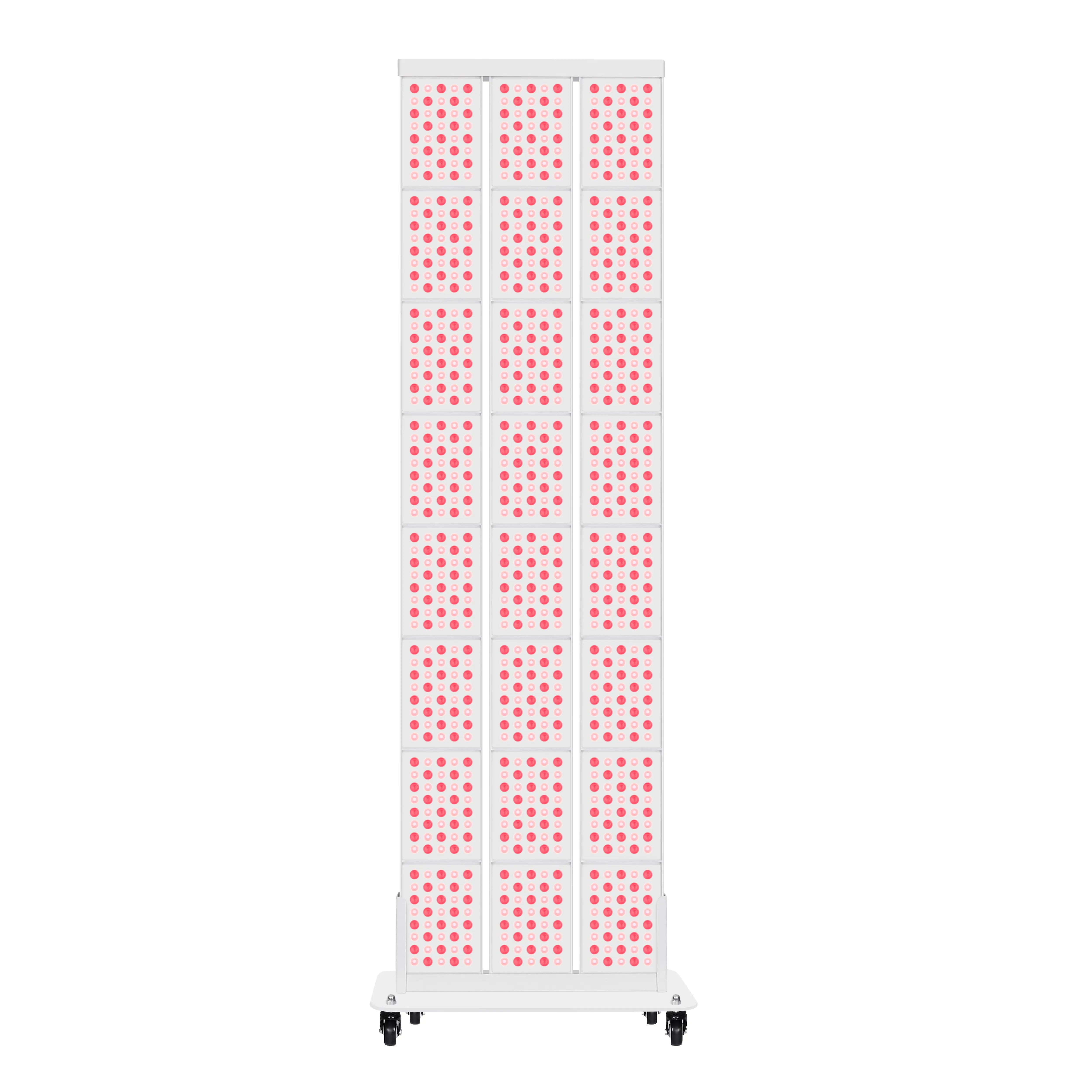
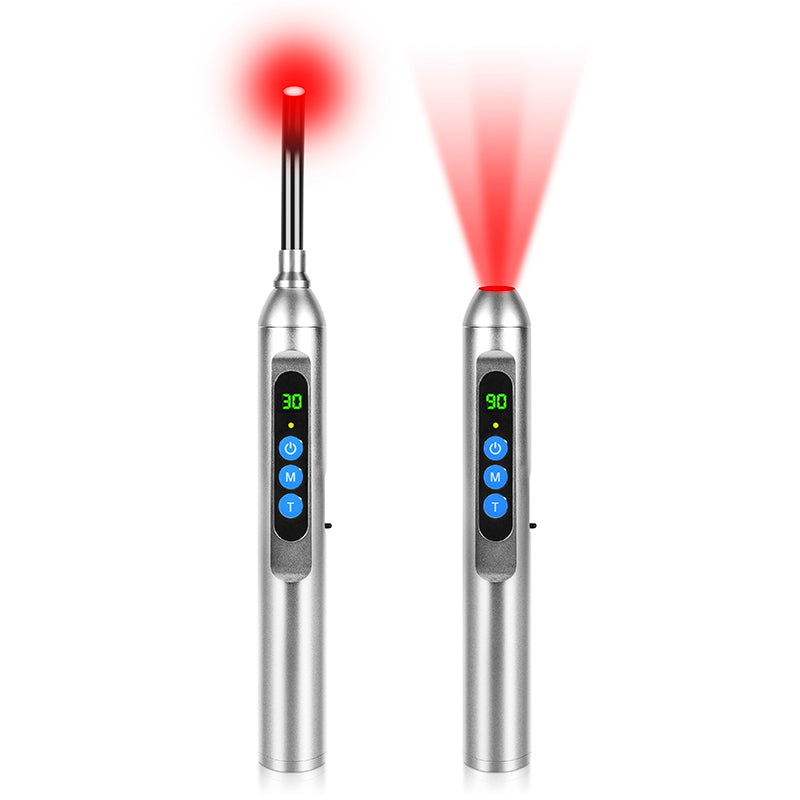
- Positioning: Place the device (such as the YouLumi 60W Red Light Therapy Panel) 6 to 12 inches from the joint. Ensure the light is perpendicular to the skin to minimize reflection.
- Duration: 10–15 minutes per area is standard for chronic pain.
- Frequency: 3–5 times per week. Consistency is more effective than long, infrequent sessions.
| Feature | Targeted Panel (e.g., 60W) | Full Body Mat (e.g., Pro Mat) |
|---|---|---|
| Primary Use Case | Localized OA (Knee, Wrist, Shoulder) | Systemic RA, Multiple Joint Pain |
| Irradiance Level | High (Concentrated) | Moderate (Distributed) |
| Treatment Time | 10-15 mins per area | 20 mins total body |
| Best For | Deep Joint Penetration | Overall Inflammation Management |
Avoiding Common Pitfalls
One frequent error is treating through clothing. While NIR light has some penetrative capability through thin fabrics, red light is largely blocked. For maximum efficacy, apply light to clean, bare skin.
Another mistake is "over-treating." Following the Arndt-Schulz Law, more is not always better. If you experience a temporary increase in pain or inflammation after a session, it may indicate that the dose was too high, triggering an inhibitory response. In such cases, reduce the session time by 50% and gradually increase as tolerated. For specific guidance on upper body joints, see our guide on Red Light Therapy for Shoulder Pain.
Broader Applications: Veterinary Use
The biological mechanisms of PBM are conserved across species. Veterinary medicine has long utilized light therapy for managing joint health in aging animals. If you are seeing success with your own protocol, you may find that Red Light Therapy for Dogs offers a similar non-invasive option for senior pets, provided the dosage is adjusted for their size and coat density.
FAQ
How long does it take to see results for arthritis? Some users notice a temporary reduction in stiffness shortly after a session due to improved local circulation. However, for chronic arthritis, most peer-reviewed literature suggests a consistent application period of 4 to 8 weeks to observe meaningful changes in joint function and inflammatory markers.
Can red light therapy replace my arthritis medications? No. Red light therapy should be viewed as a complementary approach. Never discontinue or alter the dosage of prescribed medications (such as NSAIDs or DMARDs) without the explicit approval of your physician.
Is it possible to use red light therapy too much? Yes. Due to the biphasic dose-response (Arndt-Schulz Law), exceeding 20-30 minutes on a single joint may lead to diminishing returns or temporary inhibition of the healing process. Shorter, frequent sessions are generally safer and more effective than infrequent "marathon" sessions.
Does it work for both OA and RA? Yes, but the goals differ. For OA, the focus is on localized tissue support. For RA, the focus is on modulating the systemic immune response. This is why device selection (panel vs. mat) is a critical part of the protocol.
Are there side effects? RLT is generally considered safe. Rare side effects include temporary redness or a mild increase in sensitivity in the treated area. Ensure your device meets safety standards such as IEC 60601-2-57:2026 to ensure low EMF and flicker levels.
References
Government & Standards
- PubMed (NIH): "Photobiomodulation for the Treatment of Arthritis: A Systematic Review." (2025). A review of randomized controlled trials regarding PBM efficacy. https://pubmed.ncbi.nlm.nih.gov/
- IEC Standards: "IEC 60601-2-57:2026 - Particular requirements for the basic safety of non-laser light source equipment." https://www.iec.ch/
Industry & Academic Research
- WALT (World Association for Photobiomodulation Therapy): "Clinical Dosage Guidelines for Osteoarthritis." (2024). Provides the 4-10 J/cm² benchmarks used in clinical settings. https://waltpbm.org/
- Frontiers in Physiology: "The Role of Cellular Hydration in Photobiomodulation Efficacy." (2026). Discusses the impact of the cellular environment on photon absorption. https://www.frontiersin.org/
- Youlumi Research Lab: "Technical Validation of Irradiance in Home-Use PBM Devices." (2026). Internal data regarding device performance and safety benchmarks. https://www.youlumistore.com/blogs/red-light-therapy-guide/photobiomodulation-standards-irradiance-emf-safety